
 Worksheets
Echinoderm and Arthropod Review
Total questions: 112
Worksheet time: 2hrs 56mins
What is the primary function of the water vascular system in echinoderms?
Digestion
Gas exchange
Locomotion and feeding
Excretion
Which of the following best describes the body symmetry of adult echinoderms?
Bilateral symmetry
Radial symmetry
Asymmetrical
Spherical symmetry
Echinoderms typically reproduce:
By budding
Exclusively sexually
Exclusively asexually
Both sexually and asexually
How do sea stars (a type of echinoderm) feed?
Filter feeding
External digestion
Absorbing nutrients through their skin
Grazing on algae
What mechanism do echinoderms primarily use for locomotion?
Cilia
Muscular contraction
Tube feet
Fins
Which sensory capability is NOT commonly found in echinoderms?
Light sensitivity
Sound detection
Chemical detection
Vibration sensitivity
The echinoderm skeleton is made up of:
Chitin
Calcium carbonate
Cartilage
Bone
In echinoderms, gas exchange primarily occurs through:
Lungs
Gills
Skin
Trachea
Which of the following is NOT a role of echinoderms in their ecosystem?
Predator
Prey
Decomposer
Reef building
Sea cucumbers, a type of echinoderm, have a unique defense mechanism that involves:
Emitting a toxic substance
Camouflaging with their surroundings
Ejecting internal organs to distract predators
Producing a loud noise


An echinoderm with soft body and a leathery covering.
sea star
sand dollar
sea urchin
sea cucumber
Hollow thin walled tubes that each end in a suction cup
tube feet
tentacles
sand dollar
sea star
Echinoderms have no head or brain.
True
False
What two echinoderms are able to regenerate?
Sand dollar and sea urchin
brittle star and sea star
What is the process of regeneration?
When an animal sheds its exoskeleton.
When an animal can clean the ocean floor.
When an animal can regrow a body part.
When an animal recycles plastic bottles and cans.
Echinoderms have no head or brain.
True
False

The process by which some organisms replace or restore lost or amputated body parts.
HERBIVORE
FISSION
REGENERATION
TUBE FEET

One of the numerous external, fluid-filled muscular tubes of an echinoderm, such as a starfish or sea urchin, serving as organs of locomotion, food handling, and respiration.
TUBE FEET
REGENERATION
FISSION
ECHINOIDEA

A class of echinoderms that comprises the sea cucumbers.
HERBIVORE
ASTEROIDEA
ECHINOIDEA
HOLOTHUROIDEA

The class that belongs to the phylum Echinodermata. Ex. the sand dollars, and sea urchins.
HOLOTHUROIDEA
ASTEROIDEA
FILTER FEEDER
ECHINOIDEA

One of the largest and most familiar classes within the Phylum Echinodermata. The animals, commonly known as sea stars or starfishes.
HOLOTHUROIDEA
ASTEROIDEA
DETRITIVORE
ECHINOIDEA

Sea urchins have got spines ...
To harm people that are walking around
For hunting prey
To look nice to other animals
To protect themselves and to move their bodies
Asymmetry

What organ is coming out of the sea star?
cardiac stomach
pyloric stomach
intestines
lungs
Ophi-
Mother
Lily
Snake
Star
Aster-
Mother
Lily
Snake
Star
Echino-
Mother
Sprout
Snake
Spiny
Crin-
Mother
Lily
Snake
Star

Common name is....
Sand dollar
Brittle Star
Sea Star
Sea Urchin

Common name is....
Sand dollar
Brittle Star
Sea Star
Sea Urchin

Common name is....
Sand dollar
Brittle Star
Sea Star
Sea Urchin

Common name is....
Sand dollar
Brittle Star
Sea Star
Sea Cucumber

What letter is pointing to the Ring Canal
A
B
C
AB
What letter is pointing to the Radial Canal
A
B
C
D
What letter is pointing to the Stone Canal
A
B
C
D
What letter is pointing to the Madreporite?
A
B
C
D
What letter is pointing to the tube feet?
AB
B
C
D

Why would the sea Cucumber expel its Evisceration?
To filter the water for food.
To get away from a predator
To remove water from its system
What does Ophiuroidea mean?
Spine like
Lilly like
Snake like
Brittle like

Where is the madreporite?
A
B
C
D
E
Where are the tube feet?
A
B
C
D
E

Where is the radial canal?
A
B
C
D
F
Where are the ampullae?
A
B
C
D
E
What are the ossicles of echinoderms composed of?
chitin
cellulose
calcium carbonate
spongin
Spiders, ticks, scorpions all belong to which subphylum?
Crustacea
Chelicerata
Myriapoda
Insecta
Which of the following is NOT a characteristic of arthropods?
Open circulatory system
Jointed appendages
Segmented body
Endoskeleton
The exoskeleton of an arthropod is made of which of the following?
chitin
protin
nacre
spongin
Which of the following is NOT a function of the exoskeleton.
Protection
Prevents water loss
Attachment of muscles
Flexibility of movement
Since the exoskeleton limits the growth of arthropods, they have to shed their exoskeletons and form a new one. This is called ____.
defecating
molting
morphing
excreting
Which of the following does not belong in subphylum Crustacea?
Crayfish
Crabs
Shrimp
Millipedes
Which of the following correctly describes a crayfish's body regions?
head, thorax, abdomen
head, abdomen
cephalothorax, abdomen
head, cephalothorax
Which of the following crayfish appendages contain the claws?
Uropods
Telson
Maxillipeds
Chelipeds
Which of the following crayfish structures is used for gas exchange?
Malpighian tubules
Green glands
Gills
Book lungs
The carapace is the part of a crayfish's exoskeleton to covers and protects the
head
thorax
abdomen
cephalothorax
Which subphylum of arthropods has 3 pairs of legs, 1 pair antennae, and wings?
Crustacea
Hexapoda
Myriapoda
Chelicerata
Why do arthropods molt?
It happens for no reason
The females don't like the one that they had
The exoskeleton doesn't grow with the arthropod
They are done hibernating
In which type of environments do arthropods live?
Marine
Freshwater
Land
All of these
Molting is dangerous business since:
it has to occur at the right time
at that time they are vulnerable to predators
it takes a very long time to occur
it releases scents to the water predators can follow easily
Millipedes are different from centipedes because millipedes ___.
have more legs per segment
secrete venom
are predators
hae flattened bodies
The scientific name for an organism consists of the:
class and family name
genus and species name
domain and kingdom name
kingdom and phylum name
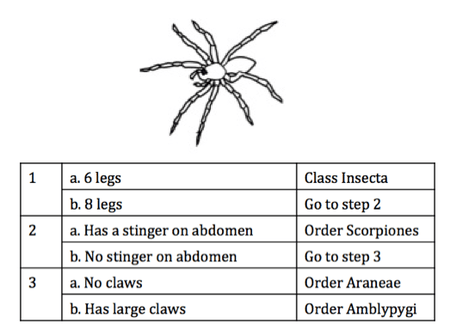

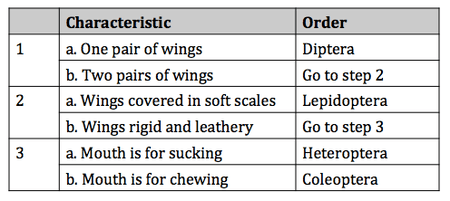
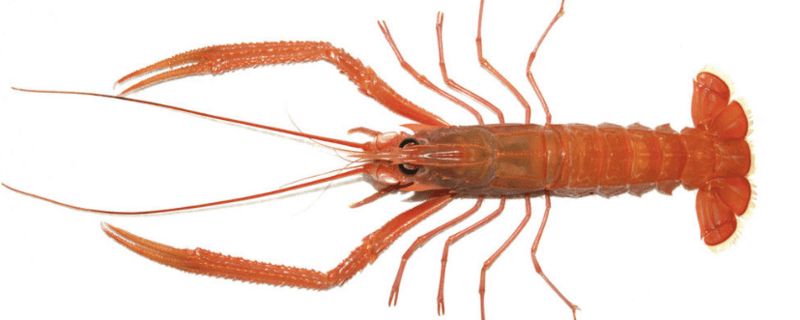
Arthropods have ____________ symmetry.
radial
none
jointed
bilateral
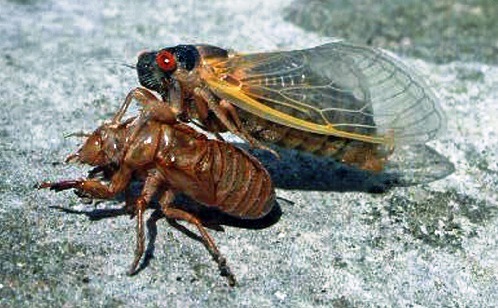
This term means arthropods lose their exoskeleton to grow larger
molt
melt
break
slide
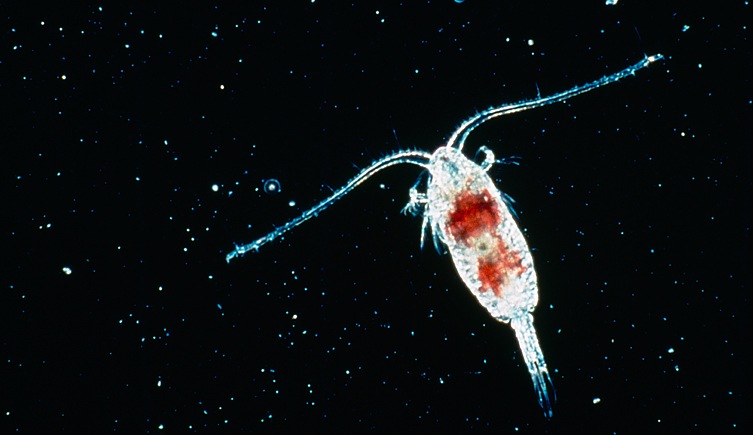
copepods have _____ pairs of antennae and _____ pairs of legs
3;6
2;5
1;5
1;4
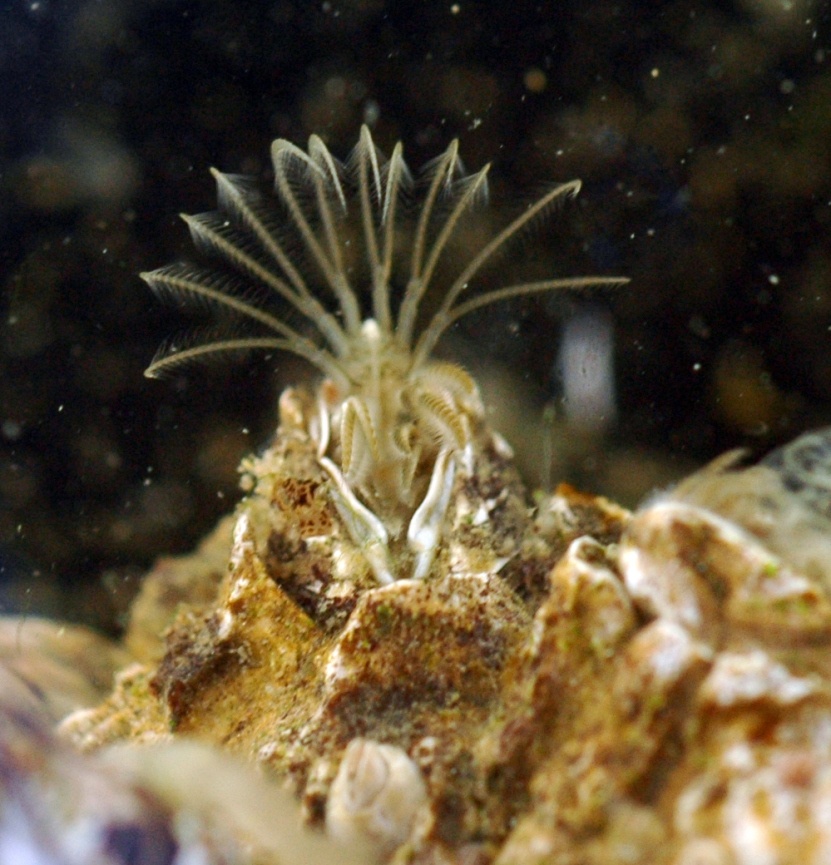
Barnacles filter water to gather food using their _______
fingers
cirri
mouthparts
teeth
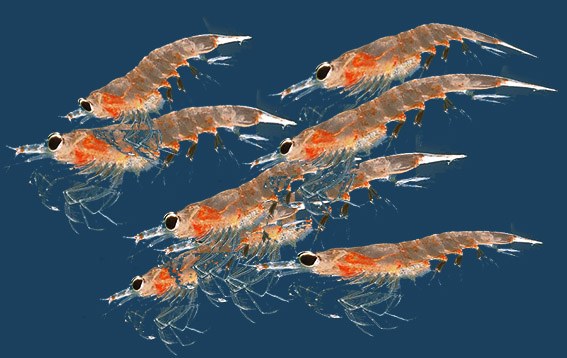
this crustacean is common food for whales and fish in polar waters
amphipods
copepods
krill
barnacles
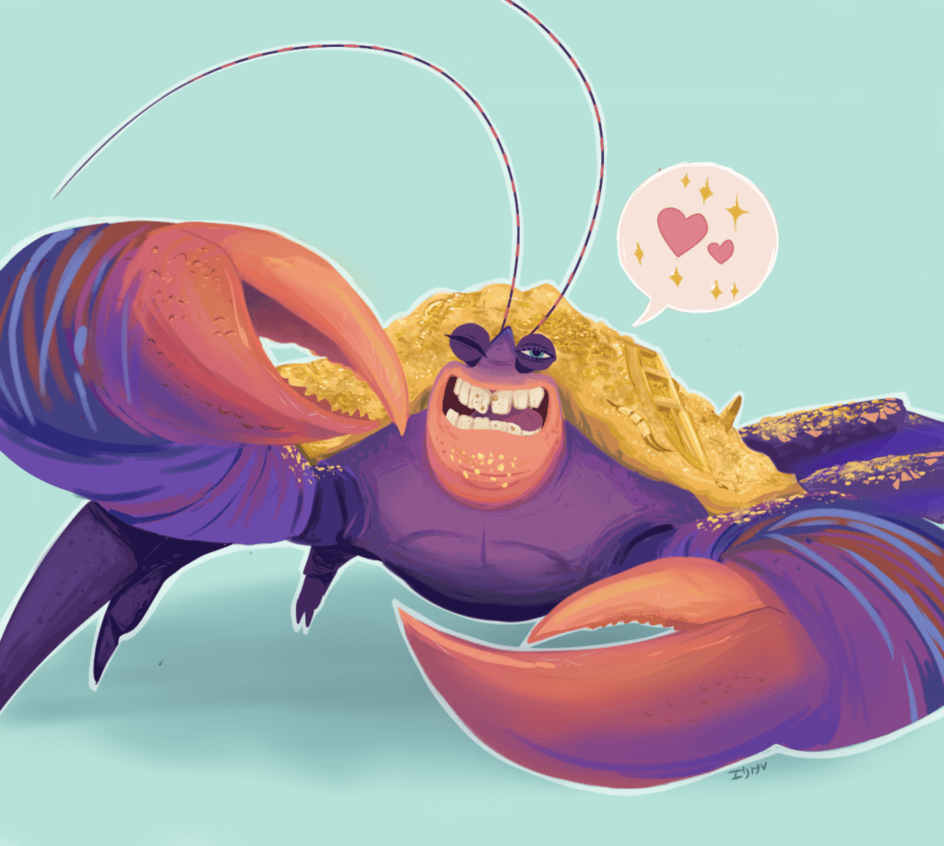
which of the following is NOT a decapod?
shrimp
sea spider
lobster
crab
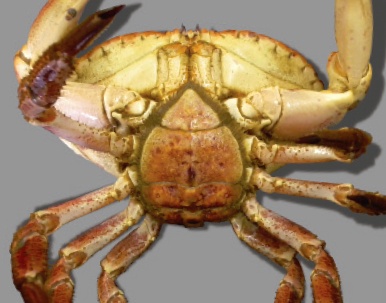
Male crabs have a ____ -shaped abdomen while a female crabs abdomen is ____ -shaped
U;V
W;C
V;U
T;U
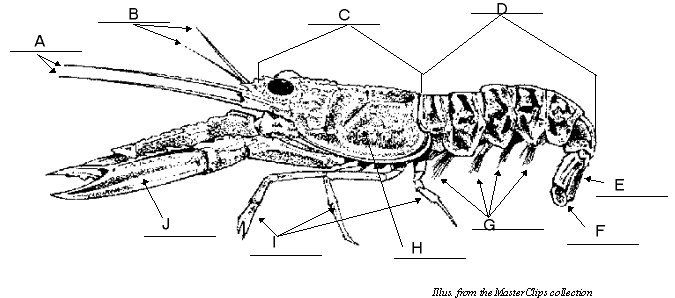
Letter C is identifying what part of a crayfish?
abdomen
cephalothorax
cheliped
telson
Letter D is identifying what part of a crayfish?
abdomen
cephalothorax
cheliped
telson
Letter G is identifying what part of a crayfish?
abdomen
maxilliped
pleopods
cheliped
Letter E is identifying what part of a crayfish?
abdomen
maxilliped
pleopods
telson
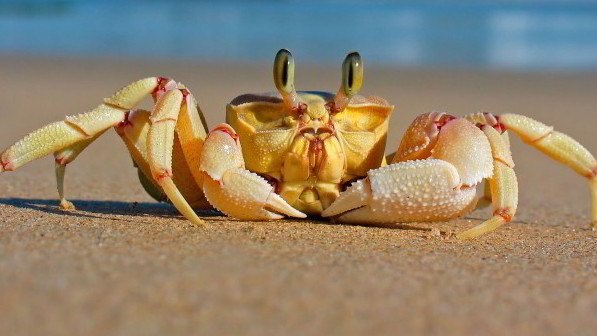
decapods have ______ legs.
8
10
12
20
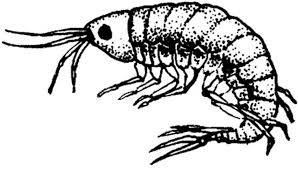
Where do amphipods typically live?
in shore debris
on whales
as plankton
all of the above
The term 'arthropod' literally means
bent leg
jointed foot
bent foot
jointed skeleton
The arthropod exoskeleton is made of
chitin
melanin
resin
carbohydrates
Another name for the pincers/ claws are
swimmeretts
thorax
chelipeds
mandibles
Krill are an arthropod that are preyed upon by:
Whales
Humans
Tuna and dolphin
Sea turtles
Barnacles are arthropods that are:
Sessile
Microscopic
Benthic
Toxic
How do crayfish breathe?
gills
lungs
through their skin
they don't
The phylum arthropoda is the largest animal group on the planet.
True
False

