
 Worksheets
HEART DISEASE - Non-Communicable Disease Unit
Total questions: 30
Worksheet time: 15mins
Heart Disease is also known as _________.
Coronary Artery Disease (CAD)
Diabetes Mellitus
Asthma
Osteoporosis
Fill in the blank: The heart acts as the _______ and _______ of the body.
engine, pump
brain, lungs
bone, muscle
filter, valve
True or False: The heart pumps only oxygen-rich blood.
True
False
Why is it important for the heart to run all the time without interruption?
Because the heart supplies oxygen and nutrients to all parts of the body continuously.
Because the heart needs to rest frequently to stay healthy.
Because the heart only works during exercise.
Because the heart can stop and start without any effect on the body.

What is the chemical symbol as shown in the image?
Ohh-Two
Oxycontin
Obesity
Oxygen

The heart is made of special muscle tissue called (a) .
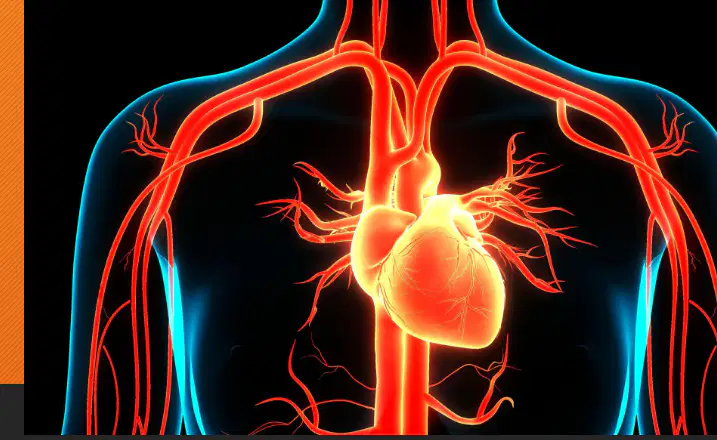
Which type of muscle is responsible for pumping blood throughout the body?
Skeletal Muscle
Cardiac Muscle
Smooth Muscle
Voluntary Muscle
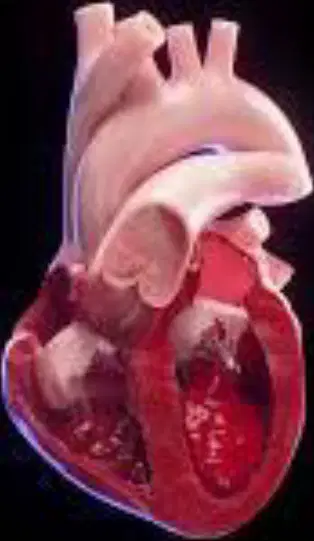
Cardiac muscle does not tire out like skeletal muscle.
True
False

Your heart is about the size of your ________.
fist
foot
head
elbow
Which of the following are key risk factors for heart disease?
High blood pressure
High blood cholesterol
Smoking
All of the above
About what percentage of Americans have at least one of the three main risk factors for heart disease?
47%
30%
60%
75%
Which of the following is NOT listed as a risk factor for heart disease in the passage?
Diabetes
Overweight and obesity
Regular exercise
Unhealthy diet
Fill in the blank: Several other medical conditions and lifestyle choices can also put people at a higher risk for heart disease, including ________. (List any one)
Diabetes
Cataracts
Acid Reflux
Reading
Genetics, behavior, and environment impact your risk of heart disease.
True
False
Which of the following is a lifestyle choice that increases the risk of heart disease?
Physical inactivity
Healthy diet
Regular exercise
None of the above
Which of the following is a medical condition that increases the risk of heart disease?
Diabetes
Overweight and obesity
Both A and B
None of the above

What is a heart attack?
A) A condition where blood flow to the heart is blocked
B) A condition where the lungs stop working
C) A condition where the brain stops functioning
D) A condition where the stomach is upset
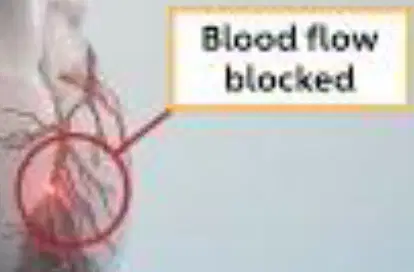
Fill in the blank: During a -------------, blood flow to the heart is blocked.
shock
nose bleed
Heart Attack
drowning

These are tiny blood vessels where the cells and the blood exchange nutrients, oxygen and waste.
capillaries
arteries
veins

When exercising, your __________ system helps move oxygen throughout your body.
respiratory
circulatory
muscular
nervous
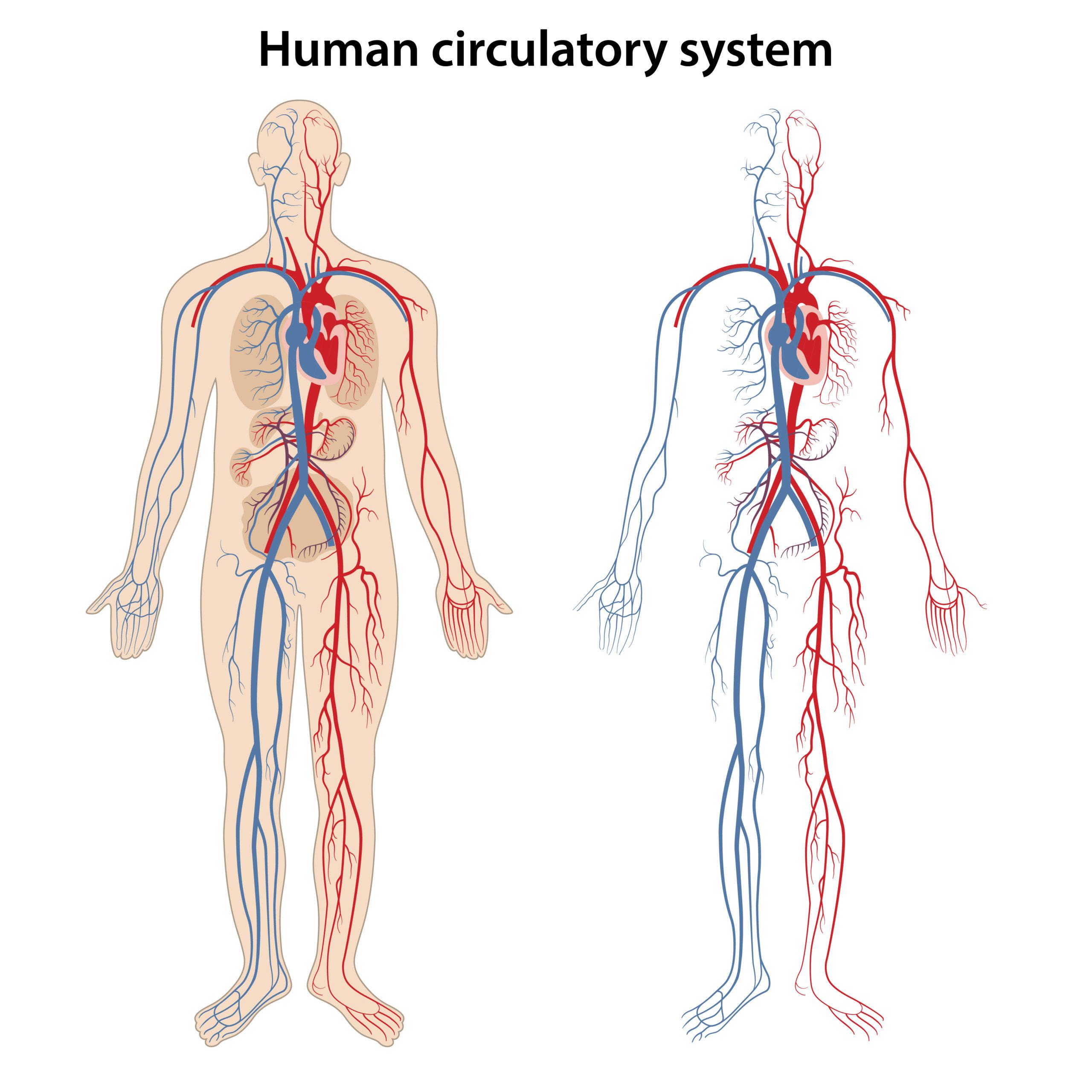
The circulatory system is....
responsible for bringing oxygen into your body and removing carbon dioxide.
the organs and tissues involved in circulating blood through the body
the smallest unit of life
A group of tissues that work together to perform closely related functions.

prevents backwards flow of blood in the heart
Aorta
Valve
Atrium
Capillaries
What is a disease?
A condition that improves body function
A condition that impairs normal functioning of the body
A condition that enhances physical strength
A condition that increases energy levels
What is a way germs can spread through blood?
Blood-to-Blood
By donating blood
By getting a vaccine
Through a blood test
Which of the following is a method of germ transmission through intimate contact?
Sexual Contact
By holding hands
By hugging
Through a handshake
Fill in the blank: _______ are drugs used to relieve pain, treat, cure, and prevent diseases and other conditions.
Medicines
Vitamins
Supplements
Antibiotics
Stimulants cause an increased ________ rate.
blood
heart
birth
Digestive
What effect do stimulants have on blood pressure?
Decrease it
Increase it
No effect
What is one effect of depressants on the body?
Increases blood pressure
Lowers blood pressure
Speeds up heart rate
Enhances coordination
What effect do depressants have on heart rate?
Slows down heart rate
Speeds up heart rate
No effect on heart rate
Irregular heart rate

