
NEW
Font size
 Worksheets
Unit 2: Physical Properties
Total questions: 60
Worksheet time: 30mins
Which statement best defines a chemical property of a material?
Depends solely on crystal structure
Becomes evident during a reaction
Measured by mass and volume only
Observed without changing composition
Which option lists examples of chemical properties?
Malleability, ductility, melting
Luster, density, hardness
Flammability, toxicity, acidity
Transparency, color, texture
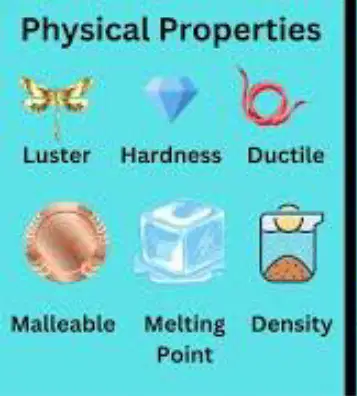
From the diagram, which is a physical property?
Radioactivity symbol shown
Flammable flame icon
Corrosive triangle label
Ductile curl image
Why is oxidation classified as a chemical property?
It changes mass slightly
It measures crystal defects
It alters chemical composition
It depends on shape only
Which property would you test without causing a chemical change?
Reactivity with acid
Melting point measurement
Corrosion resistance test
Flammability assessment
A material that is malleable can:
Be hammered into thin sheets
Emit ionizing radiation
React vigorously with water
Burn easily in oxygen
Which pairing matches property type to example correctly?
Physical—density measurement
Chemical—melting point
Chemical—luster observation
Physical—toxicity rating
A designer selects a material for low corrosion environments. Which property is prioritized?
Melting point temperature
Ductility under bending
Corrosion resistance chemical
Hardness under load
Which scenario demonstrates reactivity, not a physical trait?
Metal weighed for density
Metal polished to shine
Metal drawn into wire
Metal dissolves in acid
Which property relates to acidity/basicity as shown by pH?
Thermal property category
Mechanical property category
Physical property category
Chemical property category
Which statement best defines corrosion resistance in materials?
Ability to withstand damage from chemical reactions
Ability to resist wear from frictional contact
Ability to maintain strength under heavy loads
Ability to deform without permanent damage
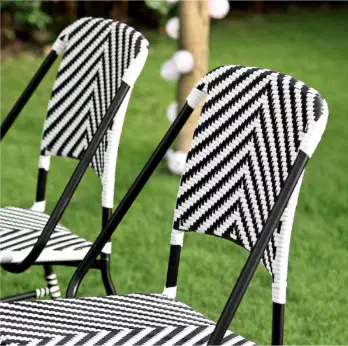
For outdoor furniture exposed to rain and humidity, which material choice is most appropriate?
Uncoated mild steel frames
Stainless steel or powder-coated aluminum
Untreated hardwood with oil finish
Copper alloy with patina finish
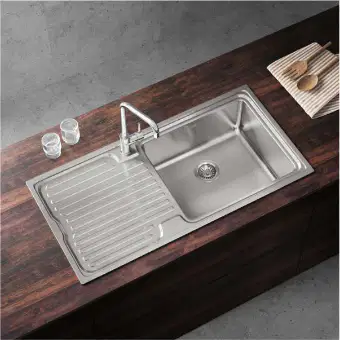
Kitchen sinks are commonly made from stainless steel primarily because it can resist which challenge?
Household chemicals and food acids
High impact from dropped cookware
Heat from boiling water
Abrasion from frequent scrubbing
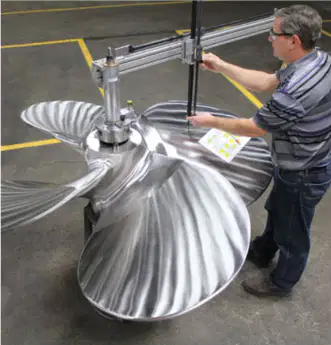
A boat propeller operating in seawater benefits most from which material property?
Low density for buoyancy
Corrosion resistance to saltwater
High thermal conductivity
Translucency for visibility
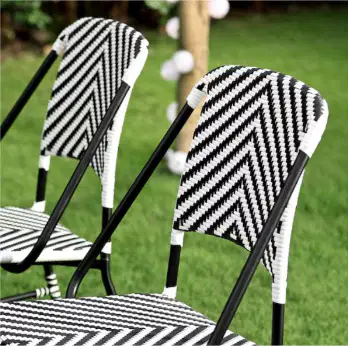
Select the design rationale that best justifies powder-coating aluminum for outdoor use.
Reduces glare in direct sunlight
Prevents oxidation and environmental corrosion
Improves electrical conductivity of frames
Allows simpler welding of joints
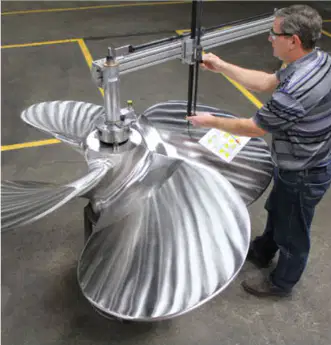
Which scenario requires specialized corrosion-resistant alloys instead of standard stainless steel?
Underwater sensors in seawater
Kitchen utensils stored dry
Office furniture in climate control
Indoor handrails near windows
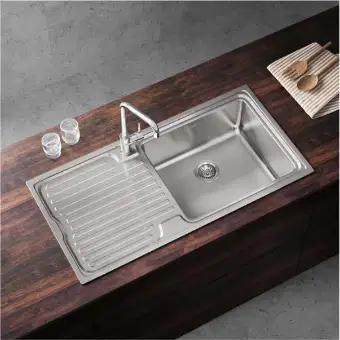
A designer must choose between stainless steel and bare aluminum for a sink. Which reasoning best supports stainless steel?
Better tensile strength for countertop support
Superior resistance to household acids and cleaners
Lower cost and easier recycling at end of life
Higher thermal insulation reducing water heat loss
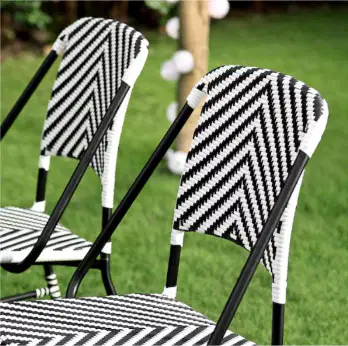
Which failure mechanism is most likely if outdoor furniture uses unprotected carbon steel?
Embrittlement from UV exposure
Thermal fatigue from sun heating
Creep under sustained loading
Galvanic corrosion in moist air
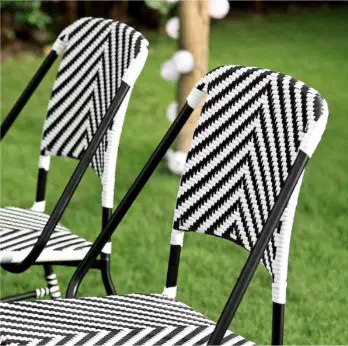
When specifying materials for a coastal balcony railing, which selection shows strategic thinking about environment and maintenance?
Stainless steel or marine-grade aluminum
Painted pine requiring annual sealing
Cast iron treated with clear lacquer
Polished brass for decorative appeal
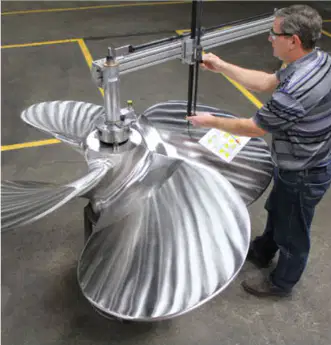
Which design trade-off is most reasonable when choosing specialized marine alloys for propellers?
Decreased toughness to cut manufacturing time
Reduced corrosion resistance to improve machinability
Lower mass to increase rotational inertia
Higher cost in exchange for saltwater durability
Which term best describes a material property that indicates how much a material will react with another substance?
Thermal conductivity of solids
Mechanical toughness under load
Chemical reactivity with other materials
Optical transparency in daylight
For storing leftovers in the fridge, which material choice minimizes flavor changes due to low reactivity?
Bare carbon steel tins
Copper bowls for storage
Glass or food‑grade plastics
Uncoated aluminum containers
A reusable water bottle should keep taste unchanged. Which material selection supports non‑reactivity with water?
Brass with a lacquer interior
Tritan or stainless steel
Untreated mild steel
Hardwood with oil finish
When cooking tomato sauce, which utensil material is preferred to avoid reactions with acids?
Raw aluminum spatula
Zinc‑coated steel spoon
Unsealed cast iron
Silicone or stainless steel
Which design decision most directly addresses food safety through material reactivity?
Selecting non‑reactive contact surfaces
Adding ergonomic handle curves
Optimizing packaging graphics
Choosing vivid brand colors
A team reports metallic taste from their bottle after lemon water use. Which likely cause fits the scenario?
Low surface hardness from wear
Reactive interior material with acids
Thermal expansion of the bottle
Insufficient cap thread pitch
Which statement best explains why Tritan is used for water bottles?
It improves heat exchange efficiency
It offers non‑reactive, taste‑neutral performance
It increases surface friction for grip
It enhances optical opacity for privacy
Which redesign reduces risk of contamination from utensil reactions during cooking?
Switch ladles to silicone heads
Prefer porous wooden spoons
Adopt bare steel spatulas
Use copper tongs for tomatoes
Which evaluation step verifies a food container’s material choice aligns with low reactivity?
Measure tensile yield strength
Conduct acidic food contact tests
Inspect brand logo placement
Calculate moment of inertia
In a design spec, how should materials be framed to ensure food‑safe reactivity?
Mandate metallic finishes for premium feel
Prioritize highest thermal conductivity available
Specify non‑reactive materials for food contact
Require translucent bodies for contents visibility
Which statement best defines hygroscopy in materials science?
Ability to repel liquid water only
Ability to absorb moisture from environment
Ability to resist thermal expansion changes
Ability to dissolve when exposed to humidity
A designer selects silica gel packets for electronics packaging. What primary function does this choice serve?
Release lubricants to reduce friction
Provide cushioning against mechanical shock
Absorb ambient moisture to prevent damage
Neutralize static electricity within devices
Which packaging material is most suitable for cosmetic containers to avoid product degradation by moisture?
Moisture‑wicking cotton fabric
Highly hygroscopic untreated wood
Non‑hygroscopic glass or certain plastics
Porous cardboard without coating
In interior flooring design, why might wood be intentionally used despite its hygroscopic nature?
Helps regulate indoor humidity levels
Eliminates all moisture infiltration
Prevents any thermal expansion entirely
Blocks airborne pollutants permanently
Which scenario demonstrates a misconception about hygroscopic materials?
Choosing non‑hygroscopic containers for cosmetics
Assuming silica gel adds moisture to packages
Using silica gel to absorb ambient humidity
Recognizing wood absorbs atmospheric moisture
A cosmetic brand reports product separation when stored in humid climates. What design change best addresses this?
Switch to non‑hygroscopic container materials
Add decorative porous wooden lids
Use moisture‑absorbing liners inside creams
Increase container wall thickness alone
Which risk is mitigated by including desiccant packets with leather goods during shipping?
Chemical staining from dyes
Abrasion damage from handling
UV fading from sunlight exposure
Moisture‑induced mildew and degradation
A studio is specifying flooring for a home prone to humidity swings. What installation consideration is most aligned with wood’s hygroscopic behavior?
Seal all sides to stop absorption entirely
Bond boards edge‑to‑edge without gaps
Allow expansion gaps for seasonal changes
Select only mirror‑finished surfaces
Which material property would be prioritized for moisture‑sensitive cosmetics to maintain stability?
High thermal emissivity of the lids
High electrical conductivity of jars
Extreme hardness of the container walls
Low hygroscopicity in container materials
A shipment of electronics arrives with condensation damage. Which preventative measure was likely omitted?
Including desiccant packets in packaging
Applying glossy labels to cartons
Using bright colors for outer boxes
Adding foam inserts for cushioning
Which statement best defines flammability in materials design?
How quickly a material ignites and burns
How strong a material is under load
How much a material resists abrasion
How well a material conducts electricity

Which design choice most directly reduces injury risk in children’s sleepwear?
Adding thicker elastic waistbands
Choosing brighter printed patterns
Stitching with stronger polyester thread
Using flame-resistant fabrics or treatments
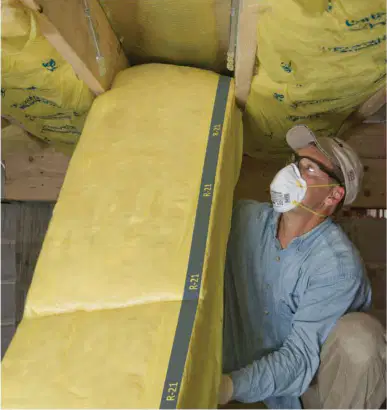
Which insulation type is selected to improve fire safety in buildings?
Mineral wool or treated cellulose
Pure polyurethane spray foam
Expanded polystyrene without additives
Untreated cotton batting insulation

Why are flame-retardant plastics used for electronics casings?
To prevent fire spread from electrical faults
To increase wireless signal strength
To reduce device manufacturing costs
To improve screen brightness levels

A designer is choosing a material for a TV housing. Which criterion aligns with flammability requirements?
Superior optical clarity materials
Excellent thermal conductivity materials
High tensile strength materials
Low flammability rating materials
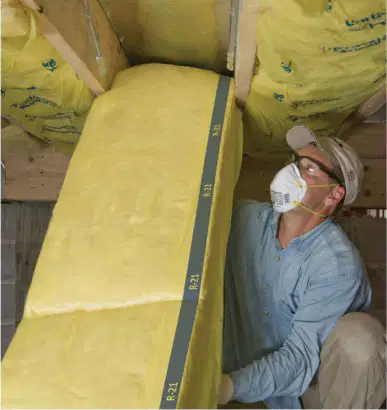
Which scenario best exemplifies applying flammability knowledge during construction?
Installing larger windows for daylighting
Selecting treated cellulose for attic insulation
Using aluminum nails for roof shingles
Choosing glossy paint for interior walls

When assessing children’s sleepwear, which feature is most relevant to fire safety?
Fabric treatment that resists ignition
Elastic cuffs that reduce drafts
Color palette that hides stains
Seam pattern that reduces puckering

Which material selection error could increase fire risk in electronics housings?
Choosing rounded edges for ergonomics
Adding ventilation slots for cooling
Using non-retardant plastics for casings
Employing double-insulated wiring
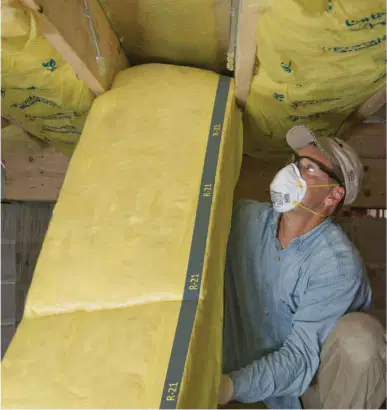
What is the primary design benefit of choosing materials with low flammability ratings for building insulation?
Lower moisture absorption in cavities
Reduced thermal bridging at studs
Enhanced sound absorption in rooms
Improved fire safety during occupancy

A product team must meet regulations for sleepwear. Which decision most directly addresses these standards?
Specify inherently flame-resistant fibers
Increase decorative stitching density
Select child-friendly printed motifs
Switch to recycled paper hangtags
Which statement best defines oxidation in materials science?
Process where a substance gains electrons
Process where a substance loses electrons
Process where a substance splits into atoms
Process where a substance absorbs hydrogen
What commonly triggers oxidation in metals like iron?
High vacuum conditions
Exposure to dry nitrogen
Contact with pure hydrogen
Presence of oxygen and moisture
When iron rusts, what new substance is primarily formed?
Iron carbide
Iron hydroxide
Iron sulfate
Iron oxide
Which change is a typical effect of oxidation on materials?
Eliminates surface porosity entirely
Always improves mechanical toughness
Alters color, texture, and strength
Increases electrical insulation only
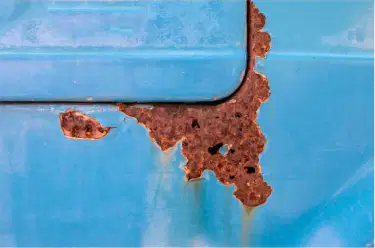
In the image of the corroded panel, which design risk is most evident?
Material loss from rust formation
Stress cracking due to freezing
Elastic deformation under load
Thermal expansion mismatch
Which statement about oxidation is accurate for design decisions?
Always harmful and must be avoided
Always beneficial for digestion systems
Never occurs without direct flame contact
Can be beneficial or harmful depending context
A coating is proposed to limit oxygen contact on steel parts. Which outcome is most likely?
Oxidation stops only in hot environments
Oxidation becomes independent of moisture
Oxidation rate increases rapidly
Oxidation rate decreases significantly
Which scenario best demonstrates loss of electrons in practice?
Aluminum reflecting visible light strongly
Copper conducting current in a wire
Plastic degrading under ultraviolet light
Iron reacting with oxygen to form rust
A designer observes browning on sliced apples left in air. What is the most plausible mechanism?
Sublimation under low humidity
Oxidation involving oxygen exposure
Neutralization by acidic coatings
Polymerization without oxygen present
Which trade-off should a designer consider when selecting an oxidation-prone material for outdoor use?
Higher aesthetic stability versus lower strength
Guaranteed improvement in ductility versus mass
Potential corrosion costs versus protective treatments
Mandatory use of hydrogen atmosphere versus nitrogen

