
 Worksheets
Videography
Total questions: 70
Worksheet time: 25hrs 10mins

What Camera Angle was used in this still frame?
Long Shot
Medium Shot
Dutch Angle
Extreme Close Up
Low Angle

What Camera Angle was used in this still frame?
Long Shot
Medium Shot
Dutch Angle
Extreme Close Up
Low Angle

What Camera Angle was used in this still frame?
Over the Shoulder
Medium Shot
Close Up
Extreme Close Up
Dutch Angle

What Camera Angle was used in this still frame?
Long Shot
Medium Shot
Close Up
Extreme Close Up
Over the Shoulder

What Camera Angle was used in this still frame?
Long Shot
Medium Shot
Close Up
Dutch Angle
Low Angle

What Camera Angle was used in this still frame?
Long Shot
Medium Shot
Close Up
Extreme Close Up
Low Angle

What Camera Angle was used in this still frame?
Long Shot
Medium Shot
Close Up
Extreme Close Up
Low Angle

What Camera Angle was used in this still frame?
Low Angle
Medium Shot
Dutch Angle
Extreme Close Up
Long Shot

Which 2 Camera Angles were used in this still frame?
Over the Shoulder
Medium Shot
Close Up
Extreme Close Up
Low Angle

What Camera Angle was used in this still frame?
Long Shot
Medium Shot
Close Up
Extreme Close Up
Low Angle

What Camera Angle was used in this still frame?
Long Shot
Medium Shot
Close Up
Extreme Close Up
Low Angle

What Camera Angle(s) were used in this still frame?
Dutch Angle
Medium Shot
Close Up
Extreme Close Up
Low Angle

What Camera Angle was used in this still frame?
Over the Shoulder
High Angle
Close Up
Extreme Close Up
Low Angle

What Camera Angle(s) were used in this still frame?
Long Shot
Medium Shot
Close Up
Extreme Close Up
Low Angle

What Camera Angle was used in this still frame?
Long Shot
Medium Shot
Close Up
Dutch Angle
High Angle

What Camera Angle(s) were used in this still frame?
Over the Shoulder
Medium Shot
Close Up
Extreme Close Up
Low Angle

What Camera Angle was used in this still frame?
Over the Shoulder & Long Shot
Over the Shoulder & Medium Shot
Over the Shoulder & Close Up
Over the Shoulder & Extreme Close Up
Over the Shoulder & Low Angle

What Camera Angle was used in this still frame?
Over the Shoulder
High Angle
Close Up
Extreme Close Up
Low Angle
What Cinema Camera Angle is NOT used in the Post Malone Commercial?
Over the Shoulder
Dutch Angle
Medium Shot
Extreme Close Up

Which camera angle is taken from directly above the subject?
Bird's Eye View
High Angle
Neutral View
Low Angle

Which camera angle is taken from the same level as the subject?
Bird's Eye View
High Angle
Neutral View
Low Angle

Which camera angle is typically used in interviews or conversations to maintain a natural perspective?
Bird's Eye View
High Angle
Neutral View
Low Angle

Which camera angle is often used to create a dramatic effect by showing the subject from an unusual perspective?
Bird's Eye View
High Angle
Dutch Tilt
Low Angle

Which camera angle is often used to make the audience feel like they are part of the scene?
Bird's Eye View
High Angle
Neutral View
Low Angle

What is the purpose of aligning a subject with the guide lines and their intersection points in the Rule of Thirds?
To create a symmetrical image
To enhance the color contrast
To create a more balanced and interesting composition
To ensure the subject is in the center of the image
What does the Rule of Thirds help to achieve in a photograph?
A perfectly centered subject
A more dynamic and visually appealing image
A monochromatic color scheme
A higher resolution image
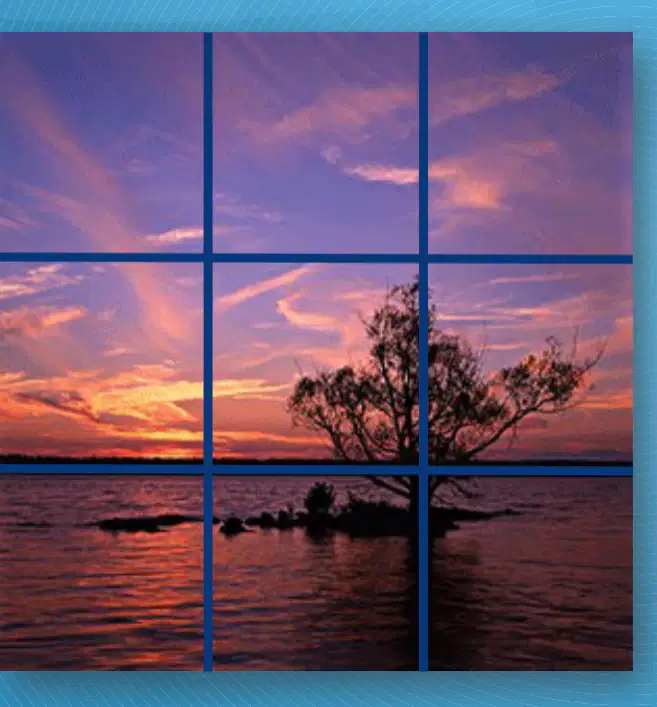
Which of the following is a key element in the Rule of Thirds?
Color saturation
Guide lines
Shutter speed
Aperture size

What is the effect of placing the subject at the intersection points in the Rule of Thirds?
It makes the subject appear larger
It creates a more dynamic composition
It reduces the contrast in the image
It ensures the subject is in the center
Which camera angle is often used to make a subject appear more powerful or dominant?
Bird's Eye View
High Angle
Neutral View
Low Angle
What is the first step in making a short film?
Write a script
Shoot the film
Focus on cinematography
Find actors
Why is it important to make your film specific to a particular audience?
To make it more entertaining
To make it more original
To make it longer
To make it cliched
What is the recommended length for a beginner's short film?
30 minutes
15 minutes
5 minutes
10 minutes
What is the most important aspect of storytelling in a short film?
Script
Editing
Audio
Cinematography
Which light in a 3-point lighting setup is typically used to reduce shadows created by the key light?
Key light
Fill light
Back light
Spotlight
In a 3-point lighting setup, what is the role of the back light?
To provide the main illumination
To fill in shadows
To separate the subject from the background
To create a colored effect
Which of the following is NOT a component of the 3-point lighting setup?
Key light
Fill light
Back light
Ambient light
What is the typical position of the key light relative to the subject in a 3-point lighting setup?
Directly above the subject
At a 45-degree angle to the side of the subject
Directly in front of the subject
Behind the subject
How does the fill light typically compare in intensity to the key light in a 3-point lighting setup?
It is usually more intense than the key light
It is usually less intense than the key light
It is of equal intensity to the key light
It does not have a fixed intensity
What effect does the back light have on the subject in a 3-point lighting setup?
It creates a halo effect around the subject
It casts a shadow on the background
It provides the main source of light
It softens the shadows on the subject
In a 3-point lighting setup, which light is primarily responsible for adding depth to the image?
Key light
Fill light
Back light
Ambient light
Which of the following is a common mistake when setting up 3-point lighting?
Using the key light as the brightest light
Placing the fill light at a 45-degree angle
Not using a back light
Balancing the intensity of all three lights
What is the main advantage of using a 3-point lighting setup in photography and videography?
It creates a flat and even lighting
It allows for dynamic and three-dimensional lighting
It eliminates all shadows
It requires only one light source
How can we create a different look by breaking the rules of three point lighting?
By removing all lighting sources
By following the traditional three point lighting setup
By using unconventional lighting angles, colors, or additional light sources.
By using only natural light
What is the purpose of three point lighting?
To make the subject look blurry
To create a dark and unbalanced lighting setup
To create balanced and visually appealing lighting setup for photography or videography.
To make the subject appear out of focus
What are the key components of three point lighting?
Spotlight, floodlight, and strobe light
Front light, side light, and top light
Key light, fill light, and backlight
Red light, blue light, and green light
What are the drawbacks of sticking to the traditional three point lighting setup?
Reduced complexity and ease of setup
Enhanced flexibility and adaptability to different scenes
Limitation in creativity and may not suit specific scene needs
Improved lighting control and precision
What are some alternative lighting techniques that can be used to create a different look?
Frontlighting
Black and white filters
Toplighting
Backlighting, Sidelighting, Colored gels
How does the color temperature of light affect the overall look of a scene?
It has no impact on the scene
It can create different moods and atmospheres
It only affects the brightness of the scene
It makes the scene look blurry
How can the use of shadows be manipulated to create a different look?
Increasing the size of the object
Moving the light source closer to the object
Adjusting the angle and intensity of the light source, the position of the object, and the distance between the object and the surface.
Using a different color for the light source
In what ways can the use of practical lights enhance the visual appeal of a scene?
By creating atmosphere, highlighting key elements, and adding depth and dimension.
By creating a dull and lifeless atmosphere
By making the scene look flat and uninteresting
By causing distractions and taking away from the main focus

What camera movement is this?
Pan
Tilt
Dolly
Truck
Pedestal

What camera movement is this?
Zoom
Tilt
Arc
Truck
Pedestal

What camera movement is this?
Pan
Tilt
Dolly
Truck
Pedestal

What camera movement is this?
Pan
Tilt
Dolly
Truck
Pedestal

What camera movement is this?
Pan
Tilt
Dolly
Truck
Pedestal
What camera movement is this?
Pan
Tilt
Dolly
Truck
Pedestal

What camera movement is this?
Pan
Tilt
Dolly
Truck
Pedestal

What camera movement is this?
Pan
Tilt
Dolly
Truck
Pedestal

What camera movement is this?
Pan
Tilt
Dolly
Truck
Pedestal

What camera movement is this?
Pan
Tilt
Dolly
Truck
Pedestal

When there is NO movement, it is called a _________ shot.
Fixed/Static
No Movement
STOP shot

When a camera zooms in or out in the middle of the shot, it is called a _____________ shot.
Zoom
Mid Shot
Character Shot

When the camera moves from side to side on a horizontal axis, this is called a ________ shot.
Pan
Side
Side Parallel

When the camera moves up or down on a vertical axis, this is called a _______ shot.
Tilt
Slide
Vertical Slide
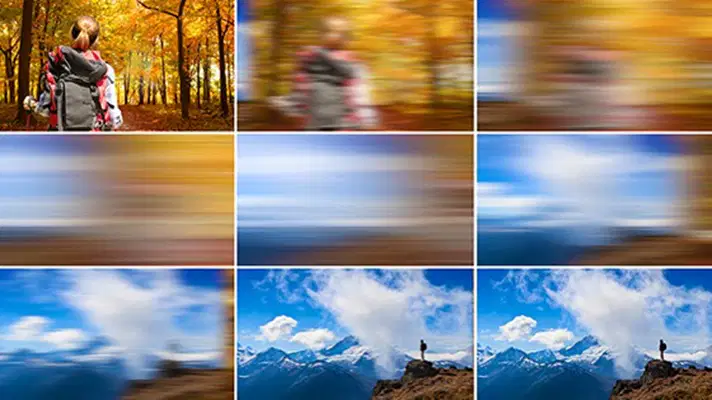
When you move the camera from side to side on a horizontal axis very quickly creating a motion blur is called a _________ shot.
Whip Pan
Whip Slide
Fast Slide

A ________ shot is when the camera moves with your subject.
Tracking
Moving
Following
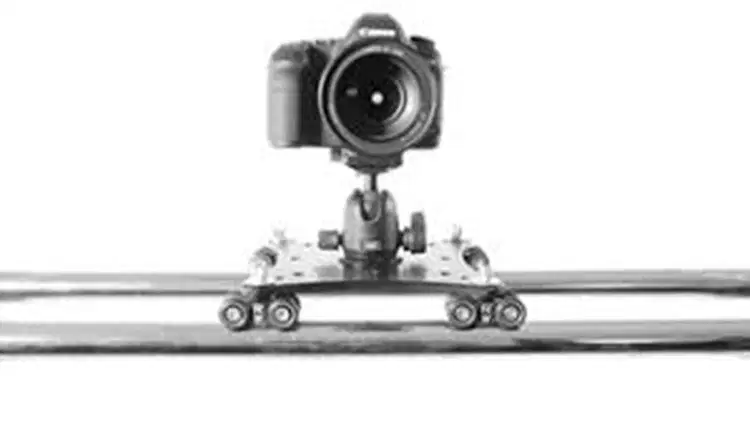
A _____ shot is when the camera moves horizontally and follows your subject.
Crab
Dog
Kangaroo
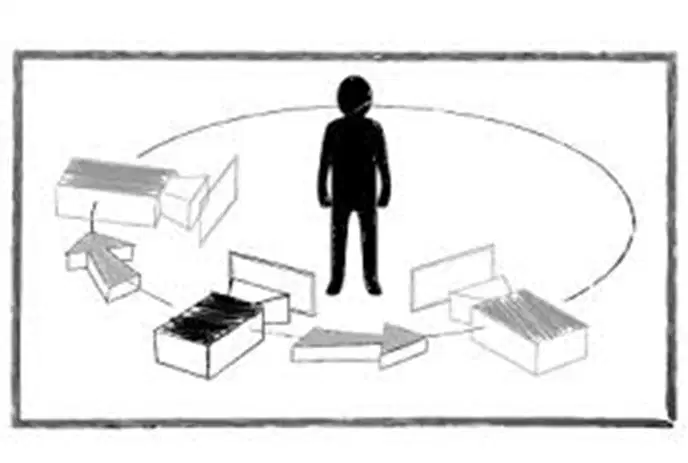
An ______ shot is when the camera circles the subject/s to reveal him/her/them from multiple angles.
Arc
Whip
Circular
What camera movement is this?
Pan
Tilt
Dolly
Truck
Pedestal
What camera movement is this?
Zoom
Tilt
Arc
Truck
Pedestal

