
 Worksheets
cold water 2
Total questions: 49
Worksheet time: 25mins
What is the required depth range for the communication pipe below ground level?
450–900 mm depth
200–600 mm depth
750–1,350 mm depth
1,000–1,800 mm depth
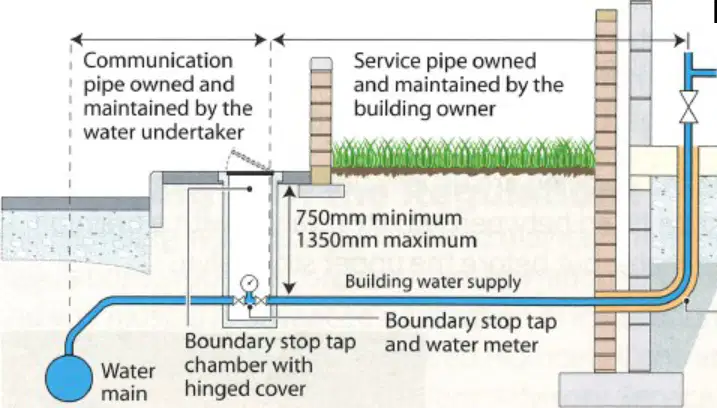
Which material and minimum nominal size are specified for the buried service pipe feeding the building?
20 mm galvanized steel
32 mm PVC-U pressure
25 mm MDPE minimum
22 mm copper Type K
Select all items that must be present on the rising main inside the building.
Stop valve
Drain-off valve (DOV)
Pressure reducing valve
Non-return valve
Where is the boundary stop tap located relative to the property?
Inside the kitchen under the sink
In the building water supply riser
Next to the boiler flue termination
In an external chamber at the property boundary
What is the minimum internal diameter specified for the rising main supplying the building fixtures?
10 mm minimum
20 mm minimum
12 mm minimum
15 mm minimum
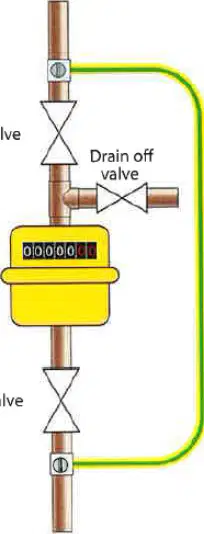
Which statement best describes the purpose of cross bonding on an internal water meter installation?
Provides electrical safety across metallic pipework
Ensures accurate meter readings during high flow
Improves frost protection in cold weather conditions
Prevents sediment build-up inside the meter body
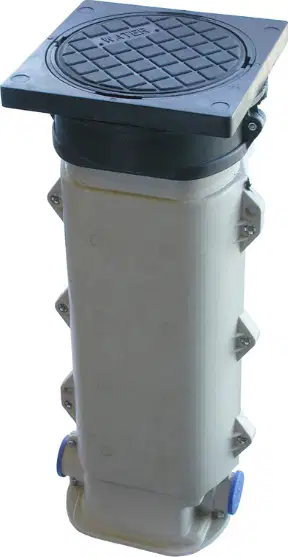
Where is a boundary meter box typically located for a domestic property?
On the loft floor beside cold water tank
On the property boundary within the ground
Adjacent to internal stop valve under sink
Inside the kitchen near the rising main
Which materials and sizes are acceptable for service pipes feeding a modern property?
Soft copper designated R220 grade
Black LDPE for non-potable supply
Blue MDPE identifying wholesome water
Galvanized steel with red identification stripe
What is the minimum service pipe size commonly specified for modern domestic connections?
15 mm internal branch supply
25 mm minimum service pipe size
32 mm minimum service pipe size
20 mm nominal bore service pipe
Why is a water meter often installed in a chamber at the property boundary?
For protection, frost resistance, and reading
For fire service access within the building
For isolation of internal appliances only
For pressure boosting and filtration
Which regulation governs installations from the external stop valve at the meter onward?
Gas Safety Installation and Use 1998
Water Regulations 1999 for fittings
Building Regulations Part P Electrical 2010
BS 7671 Wiring Regulations Amendment
Where should a stop valve be positioned to meet Water Regulations 1999?
Outside the property at boundary box
Inside the building near point of entry
On the roof close to storage tank
Below floor level beside service duct
How much MDPE should be above floor level to limit sunlight degradation?
No more than 150 mm above floor
Fully exposed above floor level
At least 300 mm above floor
Exactly 100 mm above floor
Which stop valve types are acceptable for incoming supplies?
Lever arm valve BS6675
Screwdown valve BS1010
Gate valve without standard
Butterfly valve for HVAC
What component creates the watertight seal in a screwdown stop valve?
O-ring sliding in a groove
Diaphragm flexing under pressure
Ball and port within body
Jumper and washer against seating
A stop valve has jammed. What is the cost‑effective repair method?
Change the entire valve body
Lubricate and keep operating
Install a parallel bypass line
Replace the head gear only
Where must DOVs be fitted in a domestic plumbing system?
On all high points near vents
Only beside external meter boxes
At every low point in the system
Above the incoming stop valve
Select all actions that align with plumber responsibilities under the Water Regulations.
Prevent contamination of wholesome water
Test flow rate at each outlet
Ignore WRAS guidance documents
Give advance notice of installations
Which two key tests are required for cold water systems?
Pressure
Flow rate
pH level
Temperature
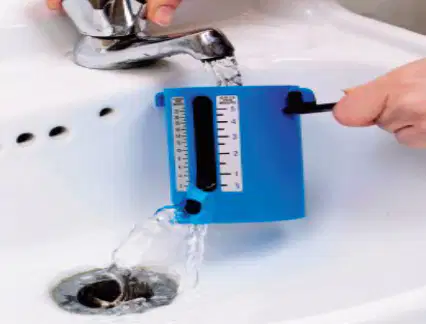
Flow rate testing should be carried out at which locations in a building?
Only at the entry point fitting
At a single representative basin
Only at the main stop valve
At each outlet across the system
In a domestic installation, when is a precise pressure reading most necessary?
Installing water softeners or combination boilers
Replacing a tap washer in a basin
Flushing radiators after summer
Painting the cylinder insulation jacket
Which two basic means can create pressure in plumbing systems?
Heating water with immersion
Fitting a pump to the system
Using larger taps for outlets
Weight of water creating head
Which factors commonly affect pressure and flow in domestic plumbing? Select all that apply.
Colour of bathroom fixtures
Number of elbows and blockages
Incoming main pipe size
Daily demand during peak periods
Which service pipe size is most commonly used to bring mains water into a modern house for a direct system?
28mm copper service pipe
25mm MDPE service pipe
20mm MDPE service pipe
15mm MDPE service pipe
What precaution is essential in a direct cold water system to protect potable supply?
Use larger cistern storage tanks
Fit backflow prevention devices
Install overflow warning pipe only
Reduce pipework to 10mm diameter
Which statement best describes potable water access in a direct system?
Potable water is drawn only from storage tank
Potable water is available at every cold outlet
Potable water comes only from kitchen tap
Potable water requires filtration at point of use
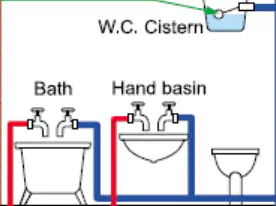
Identify two advantages of a direct high-pressure cold water system.
Lower pressure at fixtures reduces noise
No need for backflow protection
Smaller pipe diameters can be used
Fewer drain-off valves are needed
Which component shown in the diagrams helps isolate the mains supply within a direct system?
Float-operated valve at cistern
Expansion vent pipe on cylinder
Spherical ball type service valve
Overflow warning pipe at tank
Why can all internal cold pipework often be 15mm in a direct system?
Because fixtures demand very low flow rates
Because backflow devices restrict flow
Because system operates at high pressure
Because gravity reduces friction losses
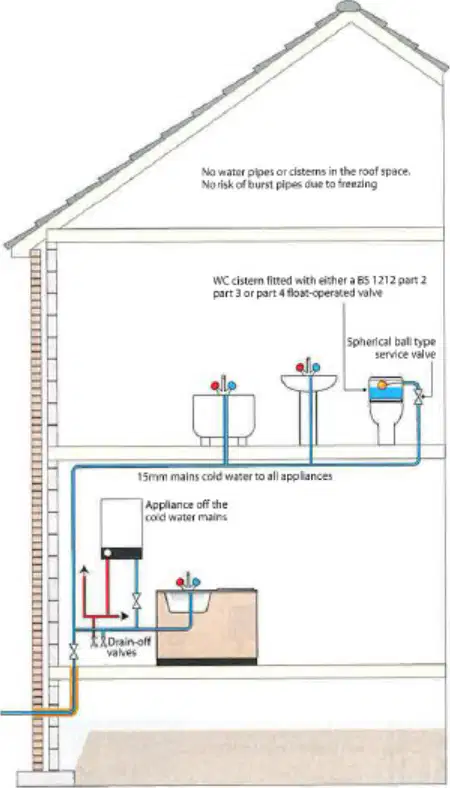
In a direct system using a combination boiler, how are hot and cold water supplied to fixtures?
Both supplied directly from the mains
Hot from a cylinder, cold from mains
Hot from tank, cold from cistern
Both supplied from roof storage tanks
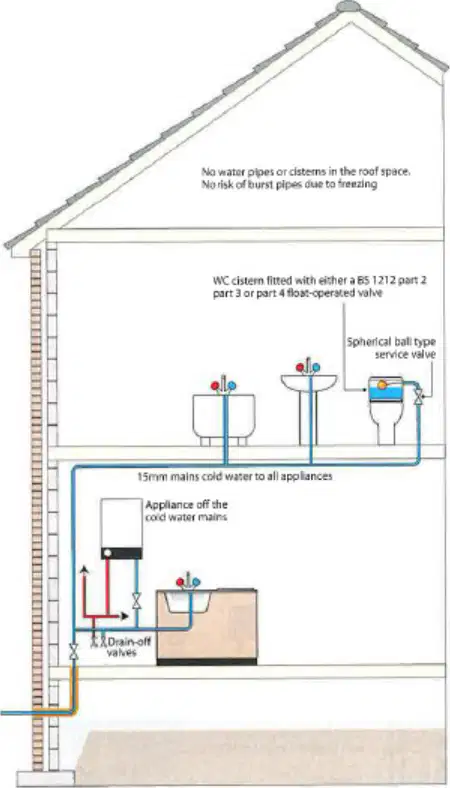
What is a defining feature of direct systems with combination boilers regarding water storage?
Underground storage cistern
Large hot water cylinder
Small header tank in loft
No stored water in the system
Which combination of issues best describes disadvantages of direct systems?
Constant high pressure all day
Need to fit showers with care
Loss of water if mains turned off
Pressure varies with peak times
At peak times such as early morning and early evening, what can happen to water pressure in a direct system?
Pressure stops only for hot water
Pressure can become very low
Pressure becomes extremely high
Pressure remains perfectly stable
In an indirect cold water system, which outlet is typically supplied directly from the mains rather than the storage cistern?
Kitchen sink cold tap
Washbasin mixer
WC cistern inlet
Bath cold tap
Which statement best describes pressure conditions at outlets fed from a high-level storage cistern in an indirect system?
Negative pressure throughout
Variable mains pressure
Always high pressure
Generally low pressure
Select the correct standard sizes for the main distribution pipe leaving a cold water storage cistern in a low-pressure indirect system.
15 mm nominal bore
22 mm nominal bore
35 mm nominal bore
28 mm nominal bore
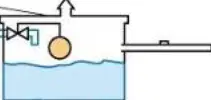
On the schematic, where is the cold water storage cistern typically located to create gravity-fed pressure?
High-level in roof space
External meter box
Mid-level near bath
Ground-floor cupboard
Which components protect and service the cistern connections? Select all that apply.
Warning/overflow pipe
Stop valve on supply
Service valve near outlets
Drain cock on distribution
Why does an indirect system provide more consistent pressure during peak demand compared to direct mains-fed outlets?
Higher mains static pressure
Reduced friction in long runs
Stored water buffers demand
Larger pipe diameters only
Which is a noted disadvantage of placing distribution pipework in roof spaces for indirect systems?
Risk of freezing pipes
Increased water hammer
Excessive pump noise
Low water quality everywhere
What contamination risk is associated with low-pressure indirect systems using storage cisterns?
Mains backflow to street
Rust from meter housing
Contamination of hot coil only
Draw-off points may be non-potable
Which outlets are typically fed from the cistern on the diagram of a dwelling with an indirect cold water system? Select all that apply.
Kitchen sink cold tap
Bath cold tap
Washbasin cold tap
WC cistern
Under BS6700, what is the typical capacity for a cold water storage cistern supplying both hot and cold services in a domestic system?
80–120 litres range
100–150 litres range
230–250 litres range
260–300 litres range
A dwelling uses a cistern that supplies only cold to outlets. Which capacity range aligns with BS6700 sizing?
50–90 litres range
100–150 litres range
180–220 litres range
230–250 litres range
Which method can be used to identify whether a building uses a cold water storage cistern system?
Measuring pipe colour codes
Checking the gas meter location
Inspecting the loft for the cistern
Reading the boiler flue label
Which statement best describes the capacity guidance for a cistern supplying either hot or cold but not both?
Approximately 230–250 litres
Approximately 150–180 litres
Approximately 100–150 litres
Approximately 80–120 litres
Why are larger cistern capacities recommended when supplying both hot and cold services?
Reduced pipe friction losses
Improved water softening efficiency
Greater combined demand and storage
Enhanced thermal insulation properties
In a rainwater harvesting system, which use is most suitable for non-potable stored water?
Toilet flushing and irrigation
Medical sterilisation processes
Drinking water supply
Cooking and dishwashing
What distinguishes grey water recycling from rainwater harvesting in domestic applications?
Grey water is only used for heating systems
Grey water is collected from roof runoff
Grey water comes from baths and basins
Grey water is always potable water

