
 Worksheets
Underground and Overground Pipes and Cables Quiz
Total questions: 54
Worksheet time: 27mins
Which of the following services are commonly transported across the country via underground or overground pipes and cables?
Gas, electricity, water, and telecommunications
Food, clothing, and furniture
Books, toys, and vehicles
Air, soil, and sunlight
What is the main purpose of the network of underground or overground pipes and cables mentioned in the text?
To deliver essential services to homes and businesses
To transport people between cities
To store waste materials
To provide entertainment
Explain how the network of pipes and cables contributes to the functioning of both homes and businesses. Use evidence from the text to support your answer.
By carrying gas, electricity, water, and telecommunications, the network ensures that homes and businesses have access to essential utilities needed for daily operations.
By providing transportation for goods and people, the network helps businesses grow.
By storing resources underground, the network prevents pollution.
By connecting only homes, the network ignores business needs.
What is the primary function of pylons as shown in the image?
To support electrical power lines for transmission over long distances
To provide lighting for highways
To serve as communication towers for mobile networks
To act as weather monitoring stations
Which of the following structures is commonly used to carry high-voltage power lines across large distances?
Pylons
Wind turbines
Water towers
Radio antennas
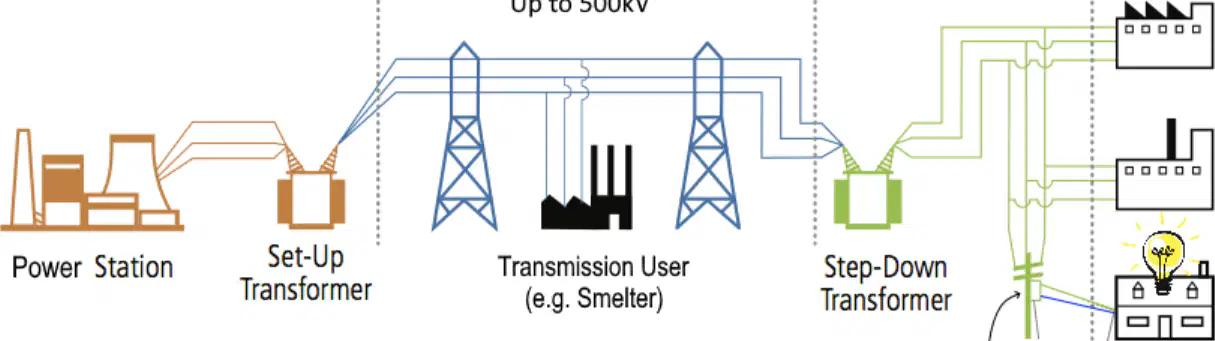
What is the main function of a step-down transformer in the electricity distribution process?
To increase the voltage for transmission
To decrease the voltage for distribution to users
To generate electricity
To store electricity for later use
Which of the following users receives electricity at the lowest voltage according to the diagram?
Large Industry User
Small Industry User
Home/Commercial User
Transmission User
Pylons are used to carry high voltage electricity from power stations to which of the following?
Directly to homes
Local substations
Small industry users
Power station offices
Why is electricity transmitted at high voltages (often exceeding 765,000 volts) over long distances before being stepped down for domestic use?
To reduce energy loss during transmission
To make it safer for home use
To increase the speed of electricity
To allow for easier storage
Based on the diagram, which component is responsible for increasing the voltage before transmission?
Step-Down Transformer
Set-Up Transformer
Distribution Transformer
Power Station
If a small industry user requires electricity at 10kV, which part of the distribution system supplies this voltage?
Large Industry User line
Home/Commercial User line
Small Industry User line
Transmission User line
Which of the following is a key question to ask when investigating your nearest power station?
What is the color of the power station?
What fuel does it use?
How many workers are there?
What is the height of the tallest building?

When researching a local power station, which information is NOT typically required?
Its location relative to your home
The type of fuel it uses
The length of time it has been operating
The brand of machinery used inside
Suppose you are asked to find out how long your nearest power station has been there. Which method would best help you answer this question?
Guessing based on its appearance
Looking up historical records or official documents
Asking a random person nearby
Estimating based on the number of chimneys
Which utilities are usually transported across the country on overground poles?
Electricity and phone cables
Water and gas
Oil and sewage
Internet and water pipes
How are water and gas typically transported across the country?
On overground poles
Through underground pipes
By trucks
Through the air
Why might electricity and phone cables be placed on overground poles rather than underground?
It is easier to repair and maintain them above ground.
Underground placement is always cheaper.
Water and gas cannot be transported above ground.
Overground poles are only used for decoration.

According to typical UK guidelines, what is the minimum depth of cover required for gas mains under a road or verge?
750 mm
600 mm
375 mm
450 mm

What is the minimum depth of cover for gas mains under a footpath, as per typical UK guidelines?
600 mm
750 mm
375 mm
450 mm

For gas service pipes in private ground, what is the minimum depth of cover recommended by typical UK guidelines?
375 mm
450 mm
600 mm
750 mm

Which of the following locations requires a minimum depth of cover of 450 mm for gas service pipes according to typical UK guidelines?
Under a footpath or area of traffic
Under a road or verge
Under a footpath (gas mains)
In private ground
Compare the minimum depth of cover for gas mains under a road or verge and gas service pipes in private ground. What is the difference in depth according to typical UK guidelines?
375 mm
600 mm
450 mm
750 mm
What is the minimum depth at which pipes must be buried according to the key regulations?
750mm
500mm
1000mm
1500mm
Which type of pipe is typically used for non-contaminated ground?
Blue Medium-Density Polyethylene (MDPE) pipe
Copper pipe
PVC pipe
Steel pipe
If the ground is contaminated or near oil/petrol, what type of pipe should be used?
Barrier pipe
Copper pipe
Blue MDPE pipe
Concrete pipe
A contractor wants to install a pipe at a depth of 1400mm. What must they do according to the regulations?
Seek approval for deeper installation
Proceed without approval
Use a different pipe material
Install at a shallower depth
Explain why it is important to use a barrier pipe in contaminated land or near oil/petrol.
To prevent contamination of the water supply
To reduce installation costs
To increase water pressure
To make installation faster
What is the main subject shown in the image?
Mobile phone Towers
Wind turbines
Television antennas
Satellite dishes
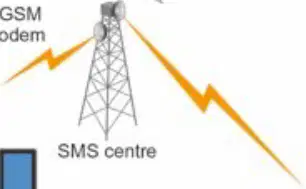
Which device is responsible for routing SMS messages to the correct recipient in a mobile communication network?
SMS centre
Pager
PDA
Laptop with SMS gateway

What is the primary function of a mobile switching centre in a cellular network?
To connect calls between different mobile users
To charge mobile phones
To manufacture mobile devices
To provide internet access
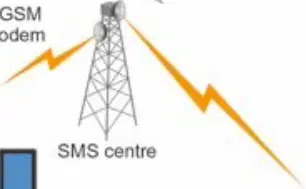
Which of the following devices can receive SMS messages according to the diagram?
Pager, PDA, Tablet/PC, GSM cell phone, Smart or satellite phone
Only GSM cell phone
Only Pager and PDA
Only Tablet/PC and Laptop
Explain how a call is routed from a caller to a receiver in a cellular network based on the diagram.
The call goes from the caller to the base station, then to the mobile switching centre, and finally to the receiver's cell.
The call goes directly from the caller to the receiver.
The call is sent to the internet and then to the receiver.
The call is stored in the base station until the receiver is available.
Why is flood management and protection of Wales’s coasts becoming increasingly important?
Due to pressures of climate change and weather unpredictability
Because of increased tourism
Due to economic growth in Wales
Because of population decline
Which two factors are mentioned as increasing the importance of protecting Wales’s coasts?
Climate change and weather unpredictability
Industrialization and urbanization
Tourism and agriculture
Education and healthcare
Explain how climate change and weather unpredictability can impact flood management strategies in coastal regions like Wales.
They require more adaptive and flexible flood management strategies.
They make flood management easier and less necessary.
They reduce the need for coastal protection.
They have no impact on flood management strategies.
What is one primary purpose of building dams?
To regulate the flow of water
To increase rainfall
To reduce air pollution
To provide habitat for fish
Which of the following is NOT a reason for constructing dams?
To form reservoirs for domestic and commercial use
To generate hydroelectricity
To regulate the flow of water
To increase the temperature of rivers
How do dams contribute to the generation of electricity?
By generating hydroelectricity
By burning fossil fuels
By using solar panels
By harnessing wind energy
A city is experiencing water shortages and frequent flooding. How could building a dam help address both issues?
By regulating water flow and storing water in reservoirs
By increasing the speed of river currents
By reducing the amount of rainfall
By eliminating the need for water treatment plants
What is the main purpose of including temporary catchment areas in the planning of new developments?
To increase the speed of water flow into rivers
To prevent flooding caused by run-off
To reduce the amount of water available for agriculture
To create recreational lakes
How do temporary catchment areas help manage water during new developments?
By diverting water directly into the sea
By holding back water to allow a slower release into main water courses
By evaporating all excess water
By increasing the amount of run-off
Suppose a new housing development is planned without temporary catchment areas. What is a likely consequence?
Increased risk of flooding due to rapid run-off
Decreased water levels in rivers
Improved water quality in streams
Reduced soil erosion
Which of the following is a primary function of dams related to water supply?
Water Storage for drinking, irrigation, and industrial use
Generating wind energy
Mining minerals
Producing solar power
How do dams help in flood control?
By increasing water flow downstream
By managing water flow and reducing the risk of flooding downstream
By creating more rainfall
By evaporating excess water
What is the main process by which hydroelectric power is generated in dams?
Using solar panels to collect sunlight
Harnessing the energy of flowing water
Burning fossil fuels
Using wind turbines
Which of the following is NOT a recreational activity provided by reservoirs created by dams?
Boating
Fishing
Hiking in mountains
Other recreational activities
Dams can help maintain ecosystems by:
Increasing pollution
Regulating water flow and quality
Blocking all water flow
Removing all aquatic life
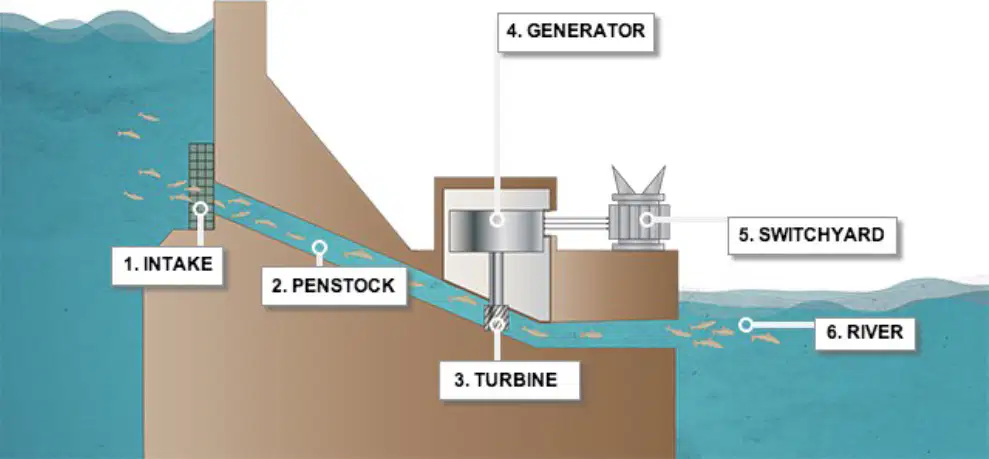
A student is planning a project on renewable energy sources. Based on the diagram, which sequence correctly shows the flow of water through a hydroelectric dam to generate electricity?
Intake → Penstock → Turbine → Generator → Switchyard → River
River → Switchyard → Generator → Turbine → Penstock → Intake
Switchyard → Generator → Turbine → Penstock → Intake → River
Generator → Turbine → Penstock → Intake → River → Switchyard
Explain how hydroelectric dams can contribute to both energy production and environmental management. Use evidence from the provided information.
They only produce energy and have no environmental impact.
They generate electricity by harnessing flowing water and help maintain ecosystems by regulating water flow and quality.
They increase pollution while producing energy.
They are used only for recreational purposes.
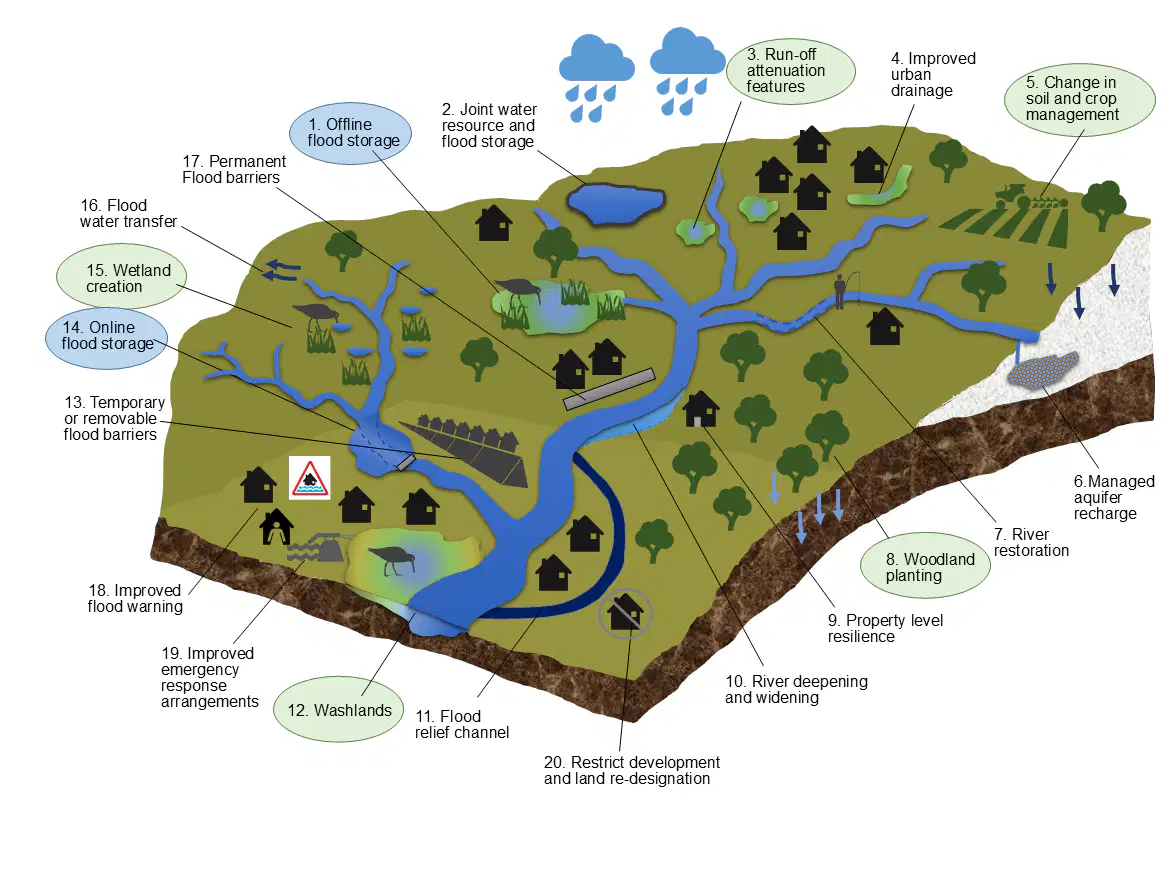
What is the main topic indicated by the image?
Flood management
Water pollution
Boat construction
River navigation
Which of the following is a primary purpose of dredging rivers?
To increase fish population
To maintain water flow
To create recreational areas
To remove aquatic plants
What role do levees, bunds, and weirs play in river management?
They increase the speed of river flow
They regulate water flow and reduce erosion and flooding
They pollute the river water
They decrease the river’s depth
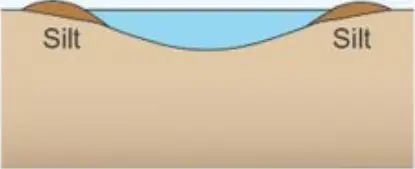
During floods, what happens to water at the banks of a river?
Water speeds up and erodes the banks
Water is slowed and silts are deposited
Water evaporates quickly
Water freezes and forms ice
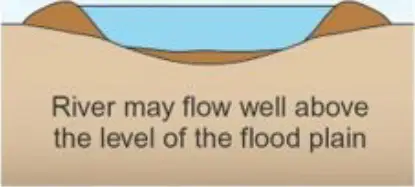
Explain how the process of silt deposition and levee formation can lead to the river flowing above the level of the flood plain over time.
Silt deposition lowers the riverbed, causing the river to flow below the flood plain
Each flood builds up the levees and riverbed, eventually raising the river level above the flood plain
Levee formation causes the river to dry up
Silt deposition has no effect on river level

