
 Worksheets
3rd Q Grade 7 PE and Health
Total questions: 71
Worksheet time: 40mins
Scenario: JM is 13 years old and currently experiences rapid changes in his height and weight. His teacher says his body needs more nutrients during this time. Which statement best explains why adolescents need healthy eating during rapid growth?
They only need carbohydrates to increase their energy.
Their bodies stop growing, so less nutrients are needed.
They need fewer vitamins because their bodies are “almost adult.”
Their bodies require more nutrients to support fast physical development.
Scenario: Kyle often skips breakfast and buys sugary snacks during recess. Based on what you learned, what is the best explanation of how this habit affects him?
It helps him avoid chronic diseases.
It helps him improve his vitamins intake.
It gives him long-lasting energy for the day.
It may cause low energy levels and poor school performance.
Scenario: A teenager notices he easily gets tired during PE class. He reviews his diet: Breakfast: none; Lunch: burger + fries; Snacks: soft drinks; Dinner: rice + fried chicken. What should he change first if he wants to improve energy and overall health?
Start eating a balanced breakfast with Go, Grow, and Glow foods.
Remove all carbohydrates from the diet.
Add more soft drinks for energy.
Skip dinner to avoid overeating.
Scenario: A teen often feels weak and gets sick easily. Which condition is most linked to low calorie and nutrient intake?
Obesity
Underweight
Sleep apnea
Screen fatigue
Scenario: A student wants to avoid becoming overweight. Which change supports prevention?
Eating only one meal a day.
Increasing late-night snacks.
Including daily physical activity.
Avoiding all possible carbohydrate intake.
Scenario: A teen wants to avoid micronutrient deficiency (the body does not get enough essential vitamins and minerals needed for normal growth, immunity, and overall health). Which action best applies to the concept of varied food intake?
Eating different fruits and vegetables regularly.
Choosing food based on color alone.
Eating only one type of food daily.
Drinking only flavored beverages.
Scenario: A student sometimes avoids meals because of pressure to stay thin. Which response applies to a concept that prevents eating disorders?
Continuing to skip meals.
Refusing all help offered.
Hiding eating habits from family.
Talking to a trusted adult about body image worries.
Scenario: A teen wants to manage their weight in a healthy way. Which choice applies the healthy-weight management concept?
Combining balanced meals with regular physical activity.
Starving themselves for long hours.
Avoiding all physical activity.
Eating only one food group.
Scenario: A teen is asked to help prepare the family's meals. Which action applies to the correct procedure for preventing nutritional concerns?
Adding a mix of protein, vegetables, and whole grains to the dish.
Preparing meals made only of instant noodles.
Adding sugar to every food for taste.
Excluding all fruits from the menu.
Scenario: A student eats mostly sugary snacks before PE class. What is the likely effect on performance?
No effect on energy levels.
Quick energy followed by tiredness.
Steady energy throughout the activity.
Increased muscle growth in preparation for the activity.
Scenario: During lessons, the teacher explains that proteins help with muscle repair. Which idea shows understanding of this concept?
Protein has no effect on physical performance.
Eating protein supports recovery after activity.
Protein is only needed when not exercising.
Proteins slow down muscle recovery.
Scenario: Kim wants to improve stamina for a long dance routine. Which eating habit supports this?
Skipping meals to feel lighter.
Eating only high-fat snacks before class.
Choosing whole grains for sustained energy.
Drinking only flavored drinks instead of water.
Scenario: A student participates in sports but drinks very little water. Which idea explains why this affects their performance?
Hydration supports body temperature regulation.
Hydration is unrelated to activity performance.
Drinking less water increases endurance.
Water slows down physical movement.
Scenario: Two students join a 1-hour aerobic activity. Student A: Ate whole-grain bread and fruit. Student B: Ate fried snacks and soda. Which explanation best compares their performance?
Student A is likely to sustain energy longer.
Student B likely maintains stable stamina.
Neither student's food choice affects activity.
Both students are likely to show equal endurance.
You are choosing habits to improve overall fitness. Which combination is best?
Heavy meals, no exercise, little sleep.
Sugary snacks, long rest, no stretching.
Balanced diet, hydration, regular activity.
Random meals, minimal water, long screen time.
Which statement best describes the cultural identity reflected in Habanera Botoleña of Zambales?
It imitates purely indigenous mountain rituals.
It expresses modern athletic performance skills.
It blends Filipino and Spanish dance influences.
It focuses only on contemporary urban movements.
Why do dancers maintain upright posture and delicate hand positions in the dance?
To show grace and emotional expression.
To increase speed and maximum power.
To match modern contemporary styles.
To imitate foreign ballroom routines.
Which idea best explains why pairs move in unison?
It reflects unity and harmony in cultural tradition.
It increases competition between dancers.
It reduces the need to memorize steps.
It allows dancers to rest during parts.
Scenario: A student wants to improve accuracy in executing the Habanera step. Which action correctly applies the factual movement pattern of the step?
Practicing the step–close–step sequence repeatedly.
Practicing the jump–jump–hop pattern daily.
Practicing the slide–turn–slide combination.
Practicing the bend–kick–bend pattern.
Scenario: A learner wants to perfect the basic movements used in Habanera Botolena. Which practice applies the factual footwork used in the dance?
Reviewing marching drills in straight formation.
Reviewing hip isolation patterns for modern dances.
Reviewing waltz steps moving forward and backward.
Reviewing freestyle jump combinations for aerobic routines.
Scenario: A student wants to make their performance more culturally accurate. They already know the steps but feel their execution looks “too modern.” Which adjustment best applies the concept of style-specific technique?
Emphasizing graceful arm extensions with upright posture.
Adding sharper hip movements for modern styling.
Shortening the steps to move faster than usual.
Replacing glides with strong stomping accents.
Scenario: During practice, two dancers perform the Habanera step correctly, but only one captures the “Hispanic feel.” Which application of concept best explains the difference?
One dancer adds expressive hand positions reflecting the style.
One dancer performs all steps using exaggerated jumps.
One dancer replaces arm lines with freestyle gestures.
One dancer reduces eye contact to avoid distraction.
Scenario: A teacher reminds students that unison (moving as one) movement is essential in Habanera Botoleña. How can a pair apply this concept during rehearsal?
Increasing tempo individually according to preference.
Reducing hand gestures to avoid synchronization issues.
Practicing timing cues together to match rhythm and flow.
Moving independently to express different interpretations.
To prepare for the Final Performance, which sequence of tasks is best?
Warm-up → Step review → Partner coordination → Full run.
Formation changes → Break → Improvised steps → Exit.
Immediate full run → Cool down → Stretching → Break.
Costume rehearsal → Music analysis → Break → Exit.
Two dancers compare their performance scores. One received high marks in coordination but low in expression. Which reflection is most accurate?
Expression only matters when performing modern genres.
Enhancing expression helps convey the dance’s character.
Expression does not influence the cultural feel of the dance.
Improving expression is unnecessary for folk dance routines.
Energy Source after depletion of carbohydrates and Fats?
Protein
Lipids
Water
Carbohydrates
Which are the best fits For MarcoNutrients?
Vitamis
Mineral
Carbohydrates
Protein
Primary Energy Source? For Example Rice
Protein
Water
Fats
Carbohydrates
Dissolve and Transport Chemicals Compounds
Water
Protein
Fats
Carbohydrates
This is the Secondary Energy Source, Examples; Fish oils, Milk, Vegetables Oil
Water
Protein
Lipids
Fats
The Highest Caloric Content
Water
Protein
Fats
Carbohydrates
Food like Fish, Chicken And Beef
Go
Grow
Glow
None Of Them
Food like Rice, Potatoes and Sugary Foods
Go
Grow
Glow
Micronutrients
Food Like Veggies and Fruit
Go
Grow
Gloe
Glow
Which is not a Micronutrients?
Mineral
Vitamis
Glow Food
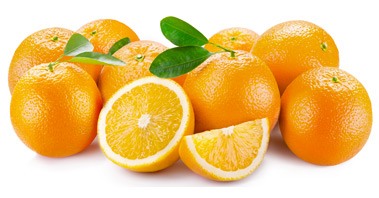
The picture above is part of which food group?
Go foods
Glow foods
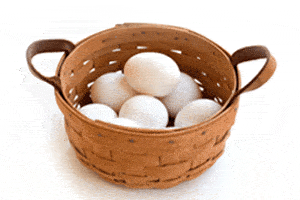
Which of these is a grow food?
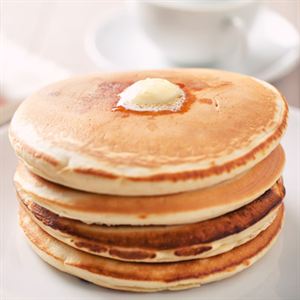
What are the three food groups?
proteins, minerals,water
glow, grow, go
We eat 'GO' foods to...............
make us happy
help us grow
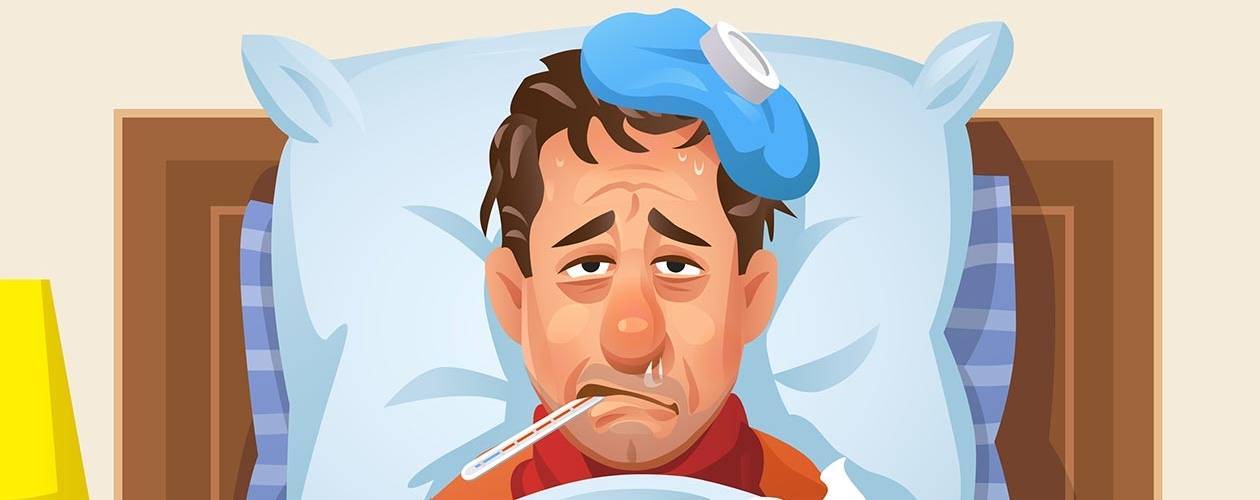
Which type of food does he need?
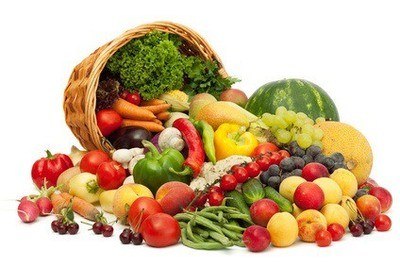
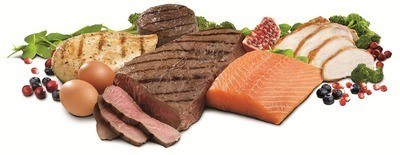
We eat 'GLOW' foods to...............
give us healthy skin and hair
give us energy
We eat 'GROW' foods to...............
make us big and strong
make our brains work faster
Which is the HEALTHIEST breakfast?
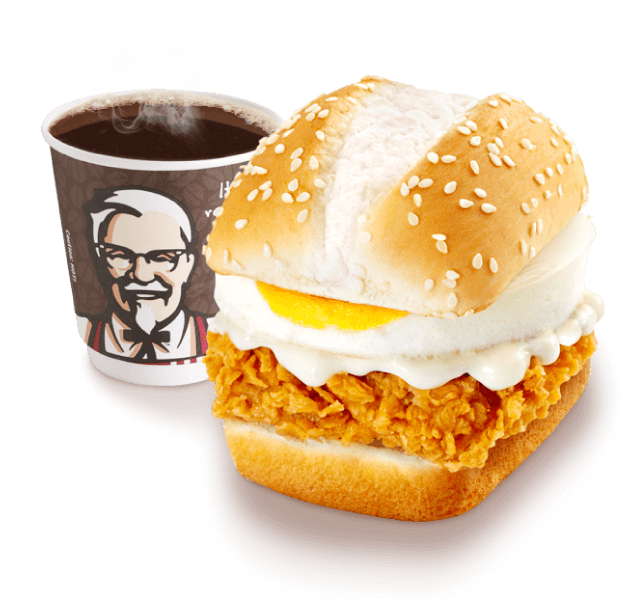
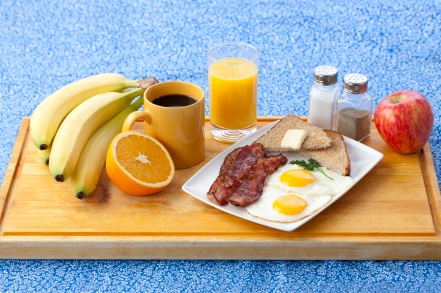
GO foods contain lots of .......
carbohydrates and fats
minerals and vitamins
Which one does not help us to be healthy?
watching more TV than sleeping
drinking lots of water
What are the three food groups?
proteins, minerals,water
glow, grow, go

Go Food
Grow Food
Glow Food

Go Food
Grow Food
Glow Food

Go Food
Grow Food
Glow Food

Go Food
Grow Food
Glow Food

Go Food
Grow Food
Glow Food

Go Food
Grow Food
Glow Food

Go Food
Grow Food
Glow Food

Go Food
Grow Food
Glow Food

Go Food
Grow Food
Glow Food

Good food are __________.
Nutrious Food
Strong Food
Happy Food
Junk Food
Basic food group is divided into _____
5 groups
4 groups
3 groups
2 groups
Which of the food below will give you energy?


Which of the food below will give you energy?

Shrimp belongs to what food group?
go food
glow food
grow food
unhealthy food

What food group does carrot belong to?
go food
glow food
grow food
unhealthy food

What food group does bread belong to
go food
glow food
grow food
unhealthy food
Which is NOT a healthy habit?
Sleep early
exercise
eat junk food
take a bath

go food
glow food
grow food
unhealthy food

go food
glow food
grow food
unhealthy food
Which food below will help you grow tall and strong?


You use this sense for watching beautiful object or people.
touch
smell
sight
taste
You use this sense to for feeling smooth or rough object.
hear
smell
touch
taste
You use this sense for smelling stinky odor.
sight
smell
touch
taste
If something is sweet, which sense am I describe?
sight
touch
smell
taste
You use this sense for hearing loud and soft sounds.
hear
sight
touch
smell

