
 Worksheets
Check your understanding!
Total questions: 40
Worksheet time: 20mins
What is the role of DNA helicase in DNA replication?
DNA helicase repairs damaged DNA strands.
DNA helicase synthesizes new DNA strands.
DNA helicase unwinds the DNA strands during replication.
DNA helicase transports RNA during replication.
Name the enzyme responsible for synthesizing new DNA strands during replication.
RNA polymerase
Ligase
Helicase
DNA polymerase

What are the three main steps of DNA replication?
Activation, Synthesis, Finalization
Initiation, Elongation, Termination
Replication, Duplication, Completion
Separation, Growth, Closure
Define transcription in the context of DNA and RNA.
Transcription is the process of copying DNA information into RNA.
Transcription is the replication of RNA into DNA.
Transcription is the process of translating RNA into DNA.
Transcription is the synthesis of proteins from RNA.
What enzyme is responsible for synthesizing RNA during transcription?
Helicase
Ribonuclease
DNA polymerase
RNA polymerase
Explain the process of translation from mRNA to protein.
Translation is the process of converting DNA to RNA in the nucleus.
Translation is the breakdown of proteins into amino acids by enzymes.
Translation is the process of synthesizing proteins from mRNA.
Translation occurs in the mitochondria and involves DNA replication.
What is the function of ribosomes in protein synthesis?
Ribosomes synthesize proteins by translating mRNA into amino acid sequences.
Ribosomes break down amino acids into simpler compounds.
Ribosomes transport proteins to the cell membrane.
Ribosomes store genetic information for protein synthesis.
Differentiate between point mutations and frameshift mutations.
Point mutations change a single nucleotide, while frameshift mutations alter the reading frame due to insertions or deletions.
Point mutations are caused by environmental factors, while frameshift mutations occur spontaneously.
Point mutations result in larger genetic changes, whereas frameshift mutations only affect one nucleotide.
Point mutations involve multiple nucleotides, while frameshift mutations do not affect the reading frame.
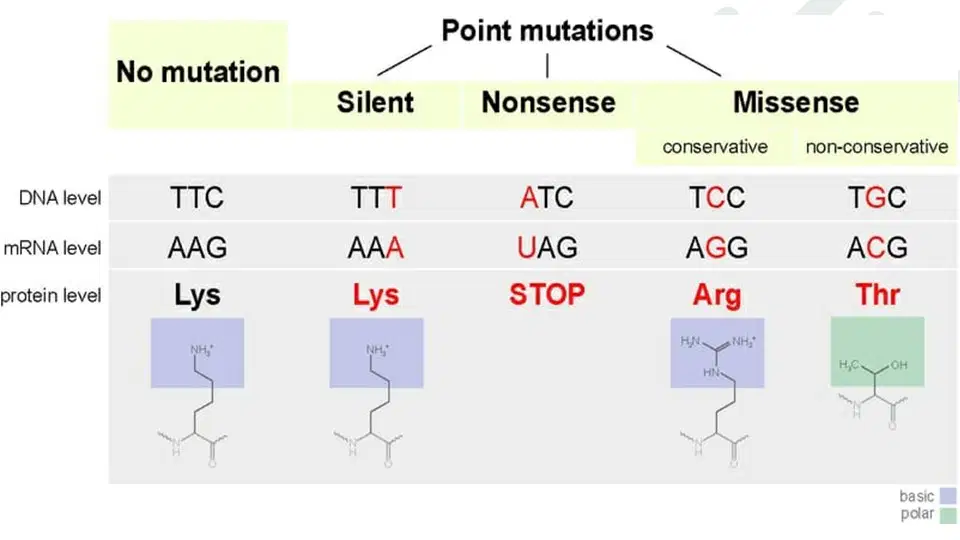
What is a nonsense mutation?
A nonsense mutation is a genetic change that enhances protein function.
A nonsense mutation is a genetic mutation that creates a premature stop codon in a gene.
A nonsense mutation is a mutation that extends the length of a gene.
A nonsense mutation is a type of mutation that alters the amino acid sequence.
How does a missense mutation differ from a nonsense mutation?
A missense mutation creates a stop codon, while a nonsense mutation changes one amino acid.
A missense mutation changes one amino acid, while a nonsense mutation creates a stop codon.
A missense mutation results in a premature stop codon, while a nonsense mutation changes multiple amino acids.
A missense mutation alters the DNA sequence, while a nonsense mutation does not affect it.
What are the potential effects of a frameshift mutation on a protein?
Frameshift mutations have no impact on protein structure.
Frameshift mutations can lead to nonfunctional proteins or proteins with altered functions.
Frameshift mutations always enhance protein function.
Frameshift mutations only affect DNA replication processes.
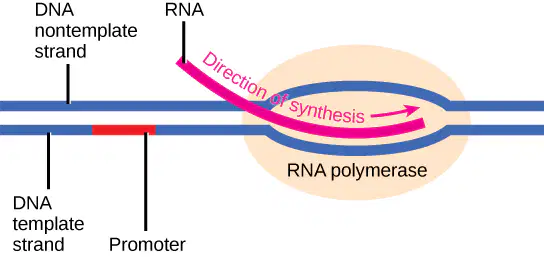
Describe the significance of the promoter region in transcription.
The promoter region is involved in DNA replication and repair processes.
The promoter region is crucial for initiating transcription.
The promoter region serves as a site for protein synthesis and translation.
The promoter region regulates the stability of mRNA after transcription.
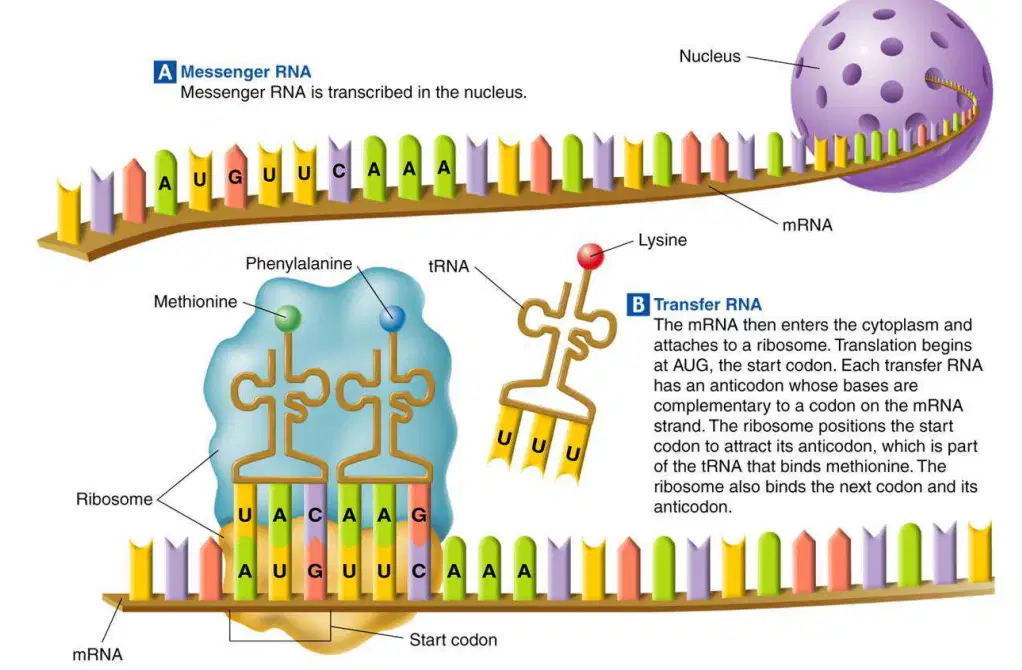
What is the role of tRNA in translation?
tRNA transports mRNA to the ribosome.
tRNA brings amino acids to the ribosome.
tRNA modifies ribosomal RNA during translation.
tRNA synthesizes proteins in the nucleus.
How do mutations affect genetic diversity?
Mutations increase genetic diversity by introducing new alleles into a population.
Mutations only affect the physical traits of an organism without changing genetic diversity.
Mutations have no effect on genetic diversity within a species.
Mutations decrease genetic diversity by eliminating alleles from a population.
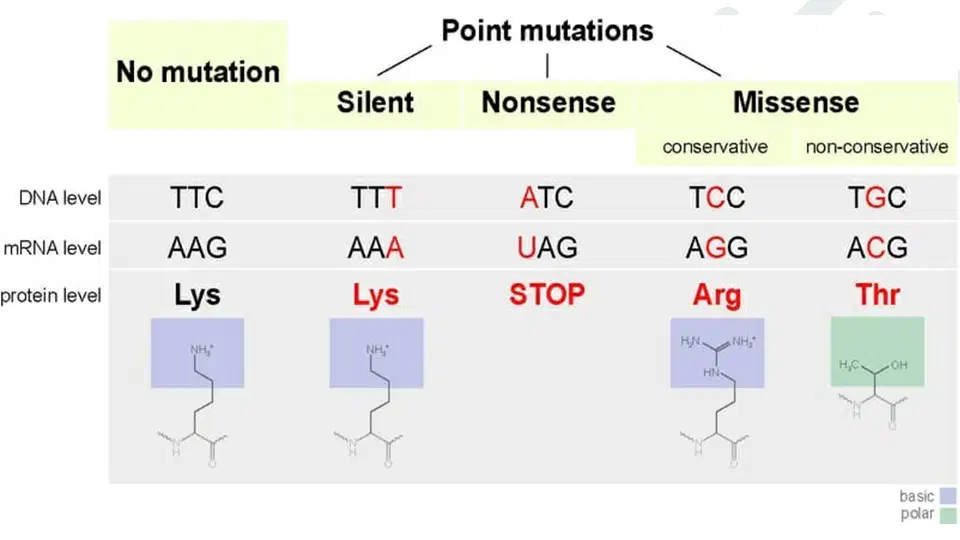
What is the difference between a silent mutation and a missense mutation?
A silent mutation does not change the amino acid, while a missense mutation changes one amino acid..
A silent mutation is always harmful, while a missense mutation is always beneficial.
A silent mutation alters one amino acid, while a missense mutation affects the entire sequence.
A silent mutation changes the amino acid sequence, while a missense mutation does not.
Explain how environmental factors can lead to mutations.
Environmental factors can lead to mutations by causing DNA damage that results in errors during replication or repair.
Environmental factors can only affect the phenotype, not the genotype.
Mutations are solely caused by genetic inheritance and not by environmental influences.
Environmental factors can enhance DNA replication without causing mutations.
What is the significance of the start codon in translation?
The start codon initiates translation and establishes the reading frame for protein synthesis.
The start codon terminates translation and signals protein degradation.
The start codon modifies the mRNA structure for enhanced stability.
The start codon serves as a signal for ribosome disassembly during translation.
How can mutations be beneficial to an organism?
Mutations can only occur in response to environmental changes.
Mutations can provide beneficial traits that enhance survival and reproduction.
Mutations always lead to harmful effects on organisms.
Mutations have no impact on an organism's traits.
What is the role of DNA ligase in DNA replication?
DNA ligase removes mismatched nucleotides in DNA.
DNA ligase joins Okazaki fragments during DNA replication.
DNA ligase synthesizes RNA primers for replication.
DNA ligase unwinds the DNA helix during replication.
What is the primary function of estrogen and progesterone in the female body?
Lowering blood sugar levels
Regulating uterine development and function
Increasing blood calcium levels
Triggering the fight-or-flight response
Which of the following is NOT an effect of estrogen and progesterone?
Growth of the uterine lining (endometrium)
Development of female secondary sex characteristics
Efficient body processes like digestion and respiration
Maturation of egg cells
Which sequence correctly shows the events of the menstrual cycle?
1. Ovary releases an egg
2. Uterine lining thickens
3. Pituitary gland initiates the cycle
4. Uterine lining sheds through the vagina
5. Pituitary hormones cause egg maturation
3, 5, 1, 2, 4
Which hormone surge directly triggers ovulation?
Progesterone
Estrogen
Testosterone
Luteinizing hormone
Which nervous system division connects the CNS to organs, limbs, and skin?
Which sequence best explains how the brain signals thirst?
I. Neurons receive thirst-related signals
II. Body is running out of water, the amount of blood decreases, which affects the blood pressure.
III. Brain sends signals affecting kidneys and heart to retain more water.
IV. Brain interprets the information
Which statement correctly distinguishes DNA from RNA?
Given the DNA sequence C-C-G-T-C-T-A-C-C, what are the corresponding mRNA and tRNA sequences?
mRNA:
G-G-C-A-G-A-U-G-G,
tRNA:
C-C-G-U-C-U-A-C-C
mRNA:
G-G-C-A-C-U-G-G,
tRNA:
C-C-G-U-A-G-C
mRNA:
C-C-G-U-C-U-A-C
tRNA:
G-G-C-A-G-A-U-G
mRNA:
A-A-C-U-G-A-C-C
tRNA:
G-G-C-A-C-U-G-G
What term describes a permanent alteration in a gene’s DNA sequence?
Transcription
Translation
If a DNA sequence changes from
TAC-CCC-GTC-ACC-GCC-TAT-ATC
to
TAC-CCC-GTC-CAC-CGC-CTA-TAT-C,
what is the effect on the organism?
Original AA: Met – Gly – Gln – Trp – Arg – Ile – Stop
Mutated AA:Met – Gly – Gln – Val – Ala – Asp – Ile
The amino acid sequence stays the same.
The amino acid sequence changes due to a frameshift causing a missense mutation.
The amino acid sequence changes due to a frameshift causing a nonsense mutation.
The amino acid sequence changes due to a silent mutation.
Original DNA: GGA-TTC-ACC-GGA-CTA
Mutated DNA: GGA-TTC-ACC-GGA-CT
Original mRNA: GGA-UUC-ACC-GGA-CUA
Amino acids: Gly – Phe – Thr – Gly – Leu
Mutated mRNA: GGA-UUC-ACC-GGA-CU…
Amino acids: Gly – Phe – Thr – Gly – ?
Question: What type of mutation occurred and its effect?
Deletion causing a frameshift mutation that alters the amino acid sequence
Insertion causing no change to the amino acid sequence
Substitution causing a silent mutation
Inversion causing the amino acids to remain the same
Certain environmental or chemical factors can cause changes in DNA, such as substitutions, deletions, or insertions. These factors are collectively called:
Genetically modified organisms (GMOs)
Mutagens – agents that cause mutations in DNA
Mutants – organisms that already have a mutation
Transgenics – organisms with genes inserted from another species

When a segment of a chromosome breaks off and attaches to a different chromosome, what is this process called?
Deletion
Inversion
Nondisjunction
Translocation
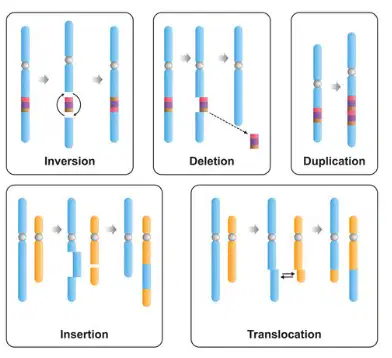
When a segment of a chromosome breaks off and reinserts itself backward, this is called:
Deletion
Insertion
Inversion
Translocation
The study of animal body structures to understand changes over time is called:
Anatomy & physiology
Comparative anatomy
Embryonic development
Modern genetics
Which statement best defines evolution?
Species are interconnected and gradually change over time
Humans evolved from gorillas
Evolution is simply competition between species
All living things are similar
Comparing the bone features of two species can support evolution by showing:
A.
Their habitats
Chromosomal similarity
Their ages
Possible shared ancestry
If proteins in two species are similar, which additional evidence could confirm a close evolutionary relationship?
Both species have a similar anatomical structure
Both species live near each other
Their DNA sequences are similar
Both species were shaped by natural selection
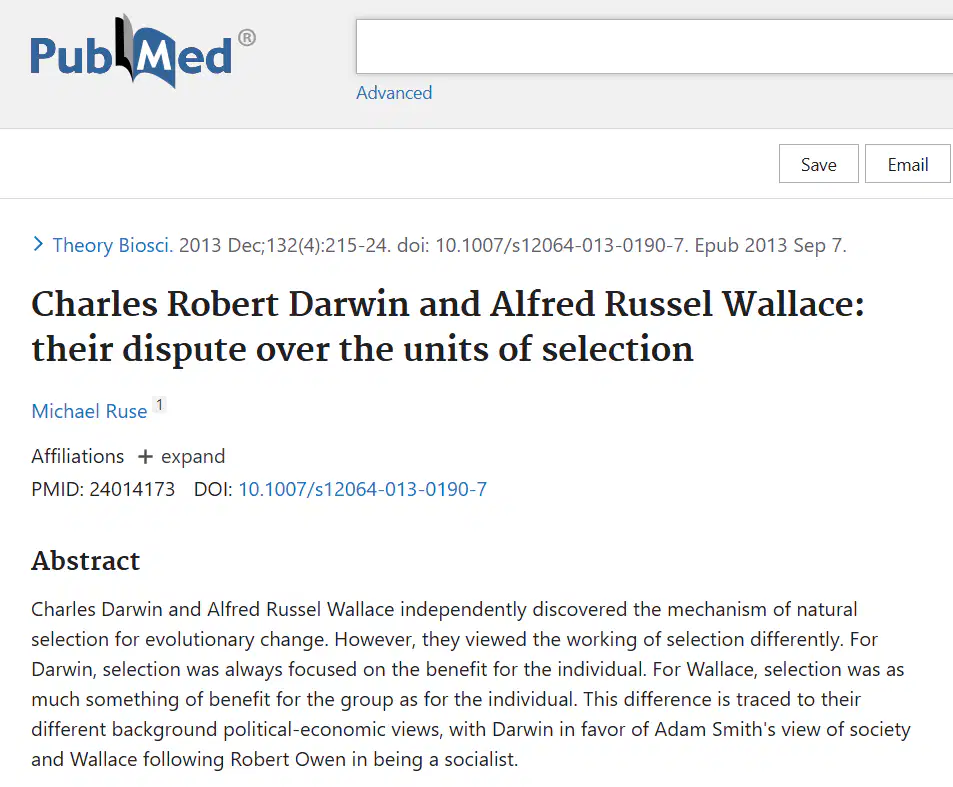
Who independently developed the theory of evolution by natural selection?
Charles Darwin and Charles Lyell
Charles Darwin and Alfred Wallace
Erasmus Darwin and Lamarck
Charles Lyell and James Hutton
A pack of wolves hunts a group of rabbits. Some rabbits are caught, while others escape because they are faster or more alert. Which concept of Darwin’s natural selection does this scenario illustrate?
Acquired characteristics
Descent with modifications
Reproductive isolation
Survival of the fittest
In a population of rabbits, some individuals have slightly longer legs than others, which allows them to escape predators more easily. Over time, these rabbits are more likely to survive and reproduce, passing on their traits. Which evolutionary theory does this example illustrate?
Darwin’s theory: acquired traits are inherited
Lamarck’s theory: acquired traits are inherited
Darwin’s theory: individual variation favors survival
Lamarck’s theory: variation has no effect on survival

