
 Worksheets
Ohio Science Fusion~Unit 2; Lesson 1 Properties of Water '25-'26
Total questions: 152
Worksheet time: 15hrs 24mins
According to the fast facts from your workbook pages, what portion of Earth’s surface is covered by water?
About 50%
About 60%
About 70%
About 80%
According to the fast facts from your workbook pages, how much of Earth’s freshwater is frozen in glaciers and polar ice caps?
About one-half
More than two-thirds
Less than one-third
Nearly all
According to the fast facts from your workbook pages, what share of Earth’s freshwater is found as surface water such as lakes and rivers?
Around 10%
About 25%
Less than 1%
More than half
According to the fast facts from your workbook pages, Americans use more than how many gallons of water each day?
50 gallons
100 gallons
250 gallons
500 gallons
Which statement from the fast facts from your workbook pages, best summarizes water’s connection to weather?
All weather is related to water.
Water has no effect on wind.
Only ocean water affects weather.
Weather only depends on temperature, not water.
Water constantly moves from Earth’s surface to the atmosphere and returns as which forms of precipitation listed in your guided notes?
Rain and dew
Rain, snow, hail, or sleet
Fog and frost
Mist and drizzle only
According to your guided notes, which process describes how glaciers reshape landscapes?
They melt soil into bedrock.
They scrape away rock and soil and deposit sediment elsewhere when melting.
They add new rock by volcanic action.
They dissolve minerals to create caves.
Which statement from the fast facts from your workbook pages, describes water’s importance to life on Earth?
Water slightly affects organisms but is not vital.
Every living thing is largely made up of water, and nearly all biological processes use water.
Only plants need water for biological processes.
Water is important only to aquatic organisms.
Within organisms, water helps regulate which functions according to the notes on roles of water?
Vision and hearing
Temperature and transport of substances
Digestion and bone growth only
Sleep and memory
Contaminated water sources are identified as a major what problem in the notes?
Economic
Public health
Political
Transportation
Which group lists household uses of fresh water mentioned in the notes?
Irrigating crops and feeding animals
Drinking, bathing, flushing toilets, washing clothes and dishes
Cooling power stations and generating electricity
Manufacturing and mining
Which combination of industrial uses of fresh water is noted in the material?
Textile dyeing only
Cooling power stations, extracting minerals, and generating energy
Only cleaning factory floors
Fueling engines
According to the notes on agriculture, fresh water is used particularly to do what?
Grow forests only
Irrigate crops and care for farm animals
Raise fish in the ocean
Harvest minerals
What is the composition of a water molecule given in the notes?
One hydrogen and two oxygen atoms
Two hydrogen atoms and one oxygen atom
Three hydrogen atoms
Two oxygen atoms only
What does it mean that water is a polar molecule, according to the notes?
It has equal charge everywhere.
It has a positive charge at one end and a negative charge at the other end.
It has only a negative charge.
It has only a positive charge.
In liquid water, which ends of molecules are attracted to each other?
Positive to positive
Negative to negative
Negative end of one molecule to the positive end of another
No ends attract
On Earth, water most commonly exists in which state according to the notes on states of water?
Solid
Liquid
Gas
Plasma
Which description best matches water as a gas (water vapor or steam) in the notes?
Molecules are close together and cannot move.
Molecules are very spread out and expand to fill the container.
Molecules are arranged in a crystal-like lattice.
Molecules have a semi-organized structure and constant volume.
Which statement correctly describes liquid water from the notes?
It has no volume and fills any shape.
It has a constant volume but takes the shape of its container.
Its molecules cannot move around.
There is little or no attraction between molecules.
Why does ice float on liquid water according to the notes?
Ice is more dense than liquid water.
Ice contains air bubbles.
Solid water is less dense than liquid water.
Ice has no structure.
What do hydrogen bonds do in liquid water according to the notes?
Remain fixed in place
Are constantly being broken and reformed as molecules move
Do not exist in liquid water
Turn water into gas
Frozen water (ice) forms what kind of structure as described in the notes?
Amorphous blob
Crystal-like lattice with molecules at fixed distances
Random arrangement with no pattern
Semi-organized layers that slide
Which property is defined as the attraction that holds molecules of the same substance together?
Adhesion
Cohesion
Specific heat
Solubility
Which property is defined as the attraction between molecules of different substances?
Cohesion
Adhesion
Viscosity
Conductivity
Which type of materials are described as unwettable or waterproof in the notes on adhesion?
Polar molecules
Non-polar molecules
Ionic compounds only
All metals
What does it mean that water has high specific heat according to the notes?
It heats up quickly with little energy.
It can absorb more energy and helps regulate weather and climate by storing and releasing heat.
It cannot store any heat.
It cools only in winter.
Because water dissolves many substances due to its polarity, it is often called what?
Universal solvent
Universal reactant
Universal mixture
Universal catalyst
When household sugar (sucrose) dissolves in water, what happens to its molecules according to the notes?
They combine into larger crystals.
They separate from each other and become surrounded by water molecules.
They turn into gas immediately.
They bond permanently to water to form ice.

Most of the water on Earth is...
Fresh water
Salt water from the oceans
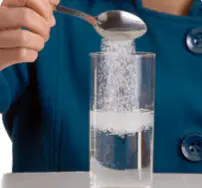
The liquid that dissolves other substances is called...
solvent
solute
hydrophobic
solution
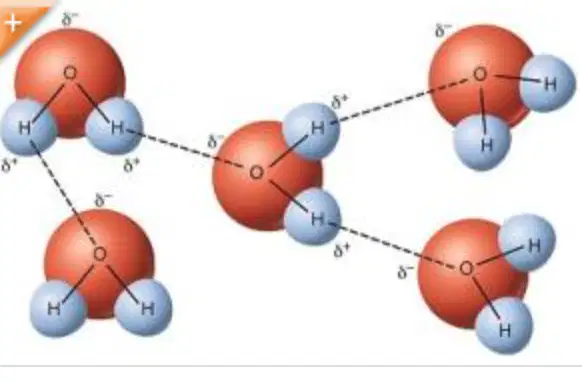
Water molecules stick together and help dissolve many other substances due to the fact that water has strong...
Ionic bonds
Adhesion
Hydrogen bonds
Surface Tension
What is water vapor or steam?
High Specific Heat
Polarity
Gas form of water
Liquid form of water
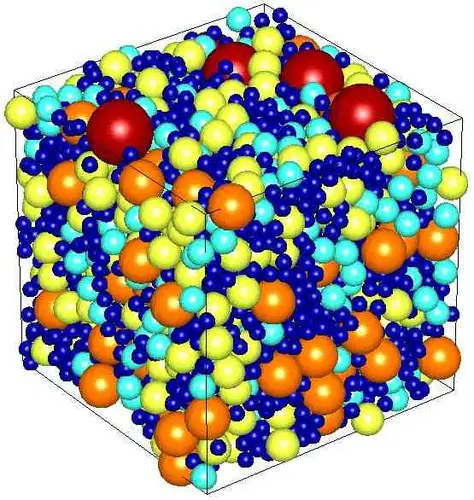
What is the term for the amount of matter in a given volume? (Hint: It is the same as the mass per unit volume)
Mass
Volume
Density
Weight
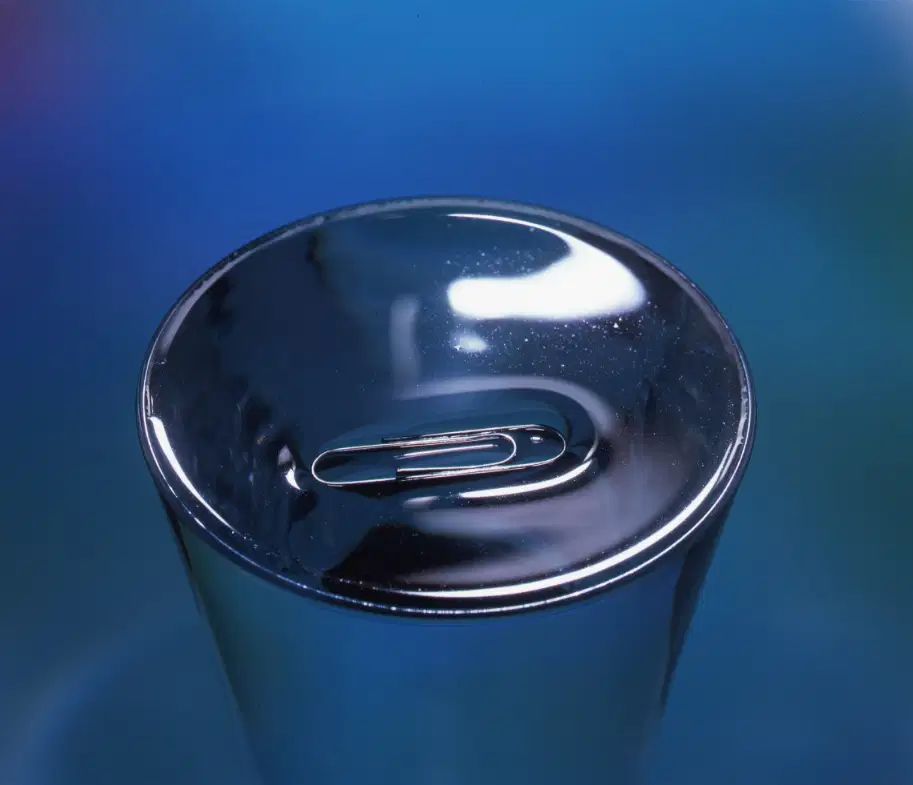
An invisible film forms at the surface of water, allowing certain objects to walk on it. This is caused by cohesive forces.
Capillary Action
Adhesion
Cohesion
Surface Tension
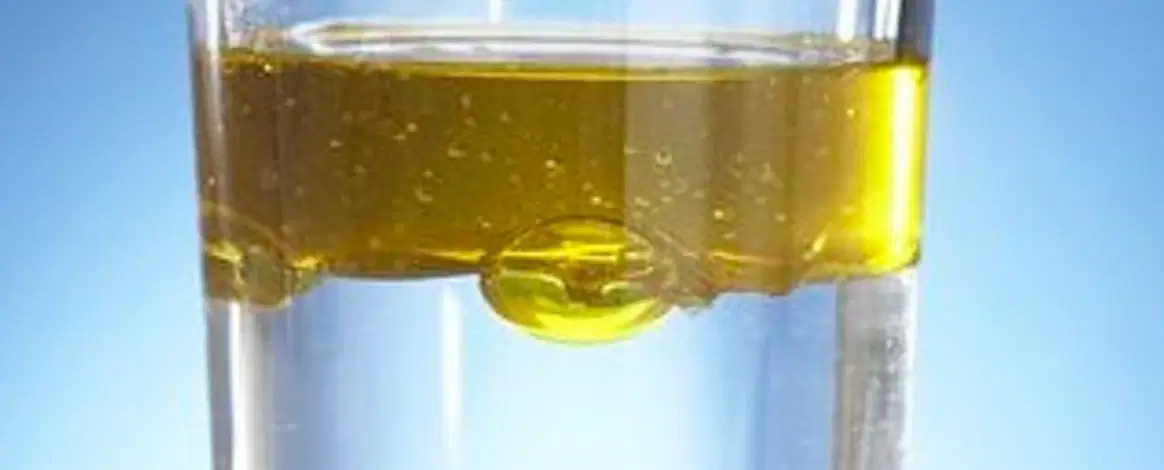
A substance that is repelled by water, usually non-polar molecules like oil, is called?
Density
Solute
Hydrophobic
Solvent
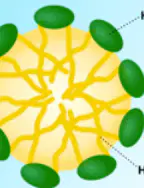
A substance that is attracted to water, usually polar molecules such as lemon juice, is known as...
Density
Hydrophilic
Solute
Solvent
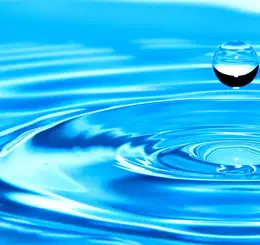
Due to its polarity and the ability to dissolve many substances, water is considered to be a/an...?
Adhesive
Cohesive
Universal Solvent
Hydrogen bond

What is the phenomenon called when liquid goes up a narrow tube against the force of gravity?
Capillary Action
Adhesion
Cohesion
Polarity
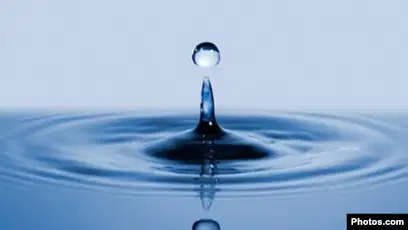
What is the percentage (%) of fresh water on Earth?
97%
100%
3%
0%

The property that holds molecules of different substances together is called...
Solvent
Polarity
Cohesion
Adhesion
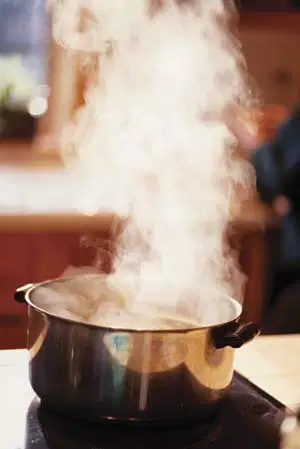
Water changes its state (between solid, liquid, gas) when...
it only gains energy
it gains and releases energy
it only releases energy
it neither gains nor releases energy

What does H2O represent?
1 atom of Hydrogen and 2 atoms of Oxygen
2 atoms of Hydrogen and 1 atom of Oxygen
2 atoms of Hydrogen and 2 atoms of Oxygen
1 atom of Hydrogen and 1 atom of Oxygen

The phenomenon of opposite charges attracting each other, where positive (+) is drawn to or connects with negative (-), is known as...
Solvency
Adhesion
Polarity
Cohesion
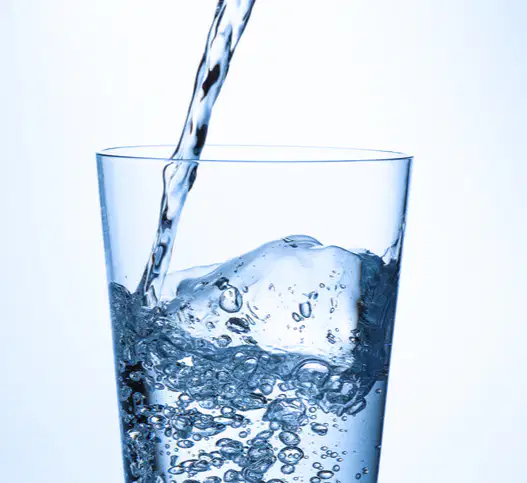
The chemical formula for water is...
H2O
H2O2
HO2

An attraction between molecules of the same substance is called...
Polarity
Adhesion
Cohesion
Surface Tension

The energy required to heat a substance by a specific amount is called...
Specific Heat
Polarity
H2O
Adhesion
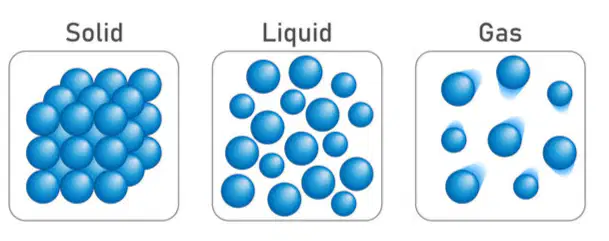
Solid, liquid, and gas
Solvent
Cohesion
Specific Heat
States of Matter

Ice, Water, and Water Vapor
Adhesion
Cohesion
Solvent
Phase changes of water

Ice floats on liquid water because...
the molecules are closer together in ice than in liquid water, making it more dense
the molecules are farther apart in ice than in liquid water, making it less dense
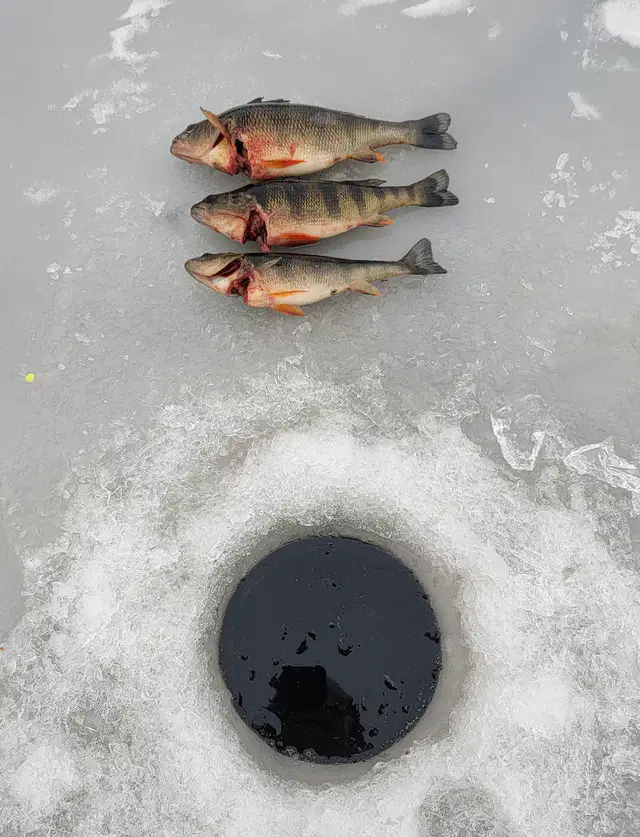
Fish are able to survive deep underwater in very cold temperatures, even when the surface freezes because...
Ice floats, causing bodies of water to freeze from the top to the bottom.
Ice sinks, causing bodies of water to freeze from the bottom to the top.
Ice melts, causing bodies of water to never, ever freeze in the first place.
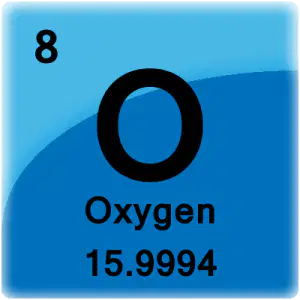
Oxygen atoms have a...
negative charge (-)
positive charge (+)
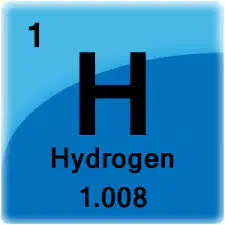
Hydrogen atoms have a...
negative charge (-)
positive charge (+)
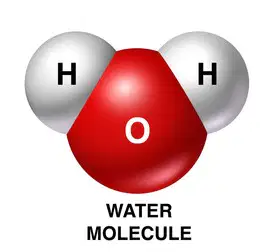
What does a water molecule look like?
Mickey Mouse
A doughnut
The Earth
A fly

The substance being dissolved is known as the...
solution
solvent
solute
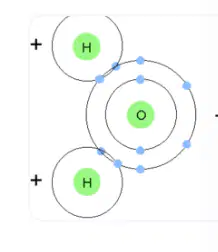
A molecule in which one side is slightly negative (-) and the opposite side is slightly positive (+) is known as a/an...
Hydrogen bond
Ionic bond
Polar molecule


What is the definition of POLARITY?
The quantity of heat energy required to raise the temperature of a substance by a certain amount.
A positive charge at one end and a negative charge at the other
The process by which plants release water vapor into the air through stomata
The force that holds molecules of a single material together.
What is the definition of COHESION?
The process in which a solid changes directly into a gas
The attractive force between two bodies of different substances that are in contact with each other.
Precipitation that flows over the land and into streams and rivers.
The force that holds molecules of a single material together.
What is the definition of ADHESION?
The attractive force between two bodies of different substances that are in contact with each other.
A positive charge at one end and a negative charge at the other
The change of state from a gas to a liquid.
The continuous movement of water between the atmosphere, the land, the oceans, and living things.
What is the definition of SPECIFIC HEAT?
The change of state from a liquid to a gas.
The continuous movement of water between the atmosphere, the land, the oceans, and living things.
The quantity of heat energy required to raise the temperature of a substance by a certain amount.
Precipitation that flows over the land and into streams and rivers.
What is the definition of SOLVENT?
The change of state from a liquid to a gas.
The water that is beneath Earth's surface
The area of land that is drained by a river system.
A liquid that dissolves substances.
What is the definition of WATER CYCLE?
The continuous movement of water between the atmosphere, the land, the oceans, and living things.
The change of state from a liquid to a gas.
A positive charge at one end and a negative charge at the other
The quantity of heat energy required to raise the temperature of a substance by a certain amount.
What is the definition of EVAPORATION?
The quantity of heat energy required to raise the temperature of a substance by a certain amount.
The change of state from a liquid to a gas.
Any form of water that falls to Earth's surface from the clouds; includes rain, snow, sleet, and hail.
All the bodies of fresh water, salt water, ice, and snow that are found above the ground.
What is the definition of TRANSPIRATION?
The process by which plants release water vapor into the air through stomata
All the bodies of fresh water, salt water, ice, and snow that are found above the ground.
A liquid that dissolves substances.
All the bodies of fresh water, salt water, ice, and snow that are found above the ground.
What is the definition of SUBLIMATION?
All the bodies of fresh water, salt water, ice, and snow that are found above the ground.
A liquid that dissolves substances.
The process in which a gas changes directly into a solid.
The process in which a solid changes directly into a gas.
What is the definition of DEPOSITION?
The change of state from a gas directly into a solid.
The process in which a solid changes directly into a gas.
The quantity of heat energy required to raise the temperature of a substance by a certain amount.
Precipitation that flows over the land and into streams and rivers.
What is the definition of CONDENSATION?
The change of state from a gas to a liquid.
Water on land that seeps into the ground.
The attractive force between two bodies of different substances that are in contact with each other.
The change of state from a liquid to a gas.
What is the definition of PRECIPITATION?
The path that a stream follows.
All the bodies of fresh water, salt water, ice, and snow that are found above the ground.
Any form of water that falls to Earth's surface from the clouds; includes rain, snow, sleet, and hail.
The change of state from a liquid to a gas.
What is the definition of RUNOFF?
The path that a stream follows.
Precipitation that flows over the land and into streams and rivers.
A liquid that dissolves substances.
The boundary between watersheds.
What is the definition of INFILTRATION?
The boundary between watersheds.
Water on land that seeps into the ground.
The attractive force between two bodies of different substances that are in contact with each other
The change of state from a gas to a liquid.
What is the definition of GROUNDWATER?
The change of state from a gas to a liquid.
The continuous movement of water between the atmosphere, the land, the oceans, and living things.
All the bodies of fresh water, salt water, ice, and snow that are found above the ground.
The water that is beneath Earth's surface.
What is the definition of SURFACE WATER?
All the bodies of fresh water, salt water, ice, and snow that are found above the ground.
The change of state from a gas directly into a solid
A stream that flows into a lake or into a larger stream.
A streamlike movement of ocean water that follows a regular pattern.
What is the definition of WATER TABLE?
A streamlike movement of ocean water that follows a regular pattern.
Water on land that seeps into the ground.
The upper surface of underground water; the upper boundary of the zone of saturation.
The curving of the path of a moving object from an otherwise straight path due to Earth's rotation.
What is the definition of CHANNEL?
The curving of the path of a moving object from an otherwise straight path due to Earth's rotation.
A body of rock or sediment that stores groundwater and allows the flow of groundwater.
The force that holds molecules of a single material together.
The path that a stream follows.
What is the definition of TRIBUTARY?
A stream that flows into a lake or into a larger stream.
A streamlike movement of ocean water that follows a regular pattern.
The process by which plants release water vapor into the air through stomata
A positive charge at one end and a negative charge at the other
What is the definition of WATERSHED?
A positive charge at one end and a negative charge at the other
A horizontal movement of ocean water that is caused by wind and that occurs at or near the ocean's surface.
The process in which a solid changes directly into a gas.
The area of land that is drained by a river system.
What is the definition of DIVIDE?
The process in which a solid changes directly into a gas.
The boundary between watersheds.
The upper surface of underground water; the upper boundary of the zone of saturation.
A streamlike movement of ocean water far below the surface.
What is the definition of AQUIFER?
A streamlike movement of ocean water far below the surface.
The path that a stream follows.
All the bodies of fresh water, salt water, ice, and snow that are found above the ground.
A body of rock or sediment that stores groundwater and allows the flow of groundwater.
What is the definition of OCEAN CURRENT?
A streamlike movement of ocean water that follows a regular pattern.
The upper surface of underground water; the upper boundary of the zone of saturation.
Waste matter or other material that is introduced into water and that is harmful to organisms that live in, drink, or are exposed to the water
The curving of the path of a moving object from an otherwise straight path due to Earth's rotation.
What is the definition of SURFACE CURRENT?
Waste matter or other material that is introduced into water and that is harmful to organisms that live in, drink, or are exposed to the water
A horizontal movement of ocean water that is caused by wind and that occurs at or near the ocean's surface.
The area of land that is drained by a river system.
A temperature increase in a body of water that is caused by human activity.
What is the definition of CORIOLIS EFFECT?
A temperature increase in a body of water that is caused by human activity.
Suitable for drinking.
The curving of the path of a moving object from an otherwise straight path due to Earth's rotation.
Pollution that comes from a specific site.
What is the definition of DEEP CURRENT?
A stream that flows into a lake or into a larger stream.
A streamlike movement of ocean water far below the surface.
Precipitation that flows over the land and into streams and rivers.
Pollution that comes from a specific site.
What is the definition of CONVECTION CURRENT?
Precipitation that flows over the land and into streams and rivers.
The curving of the path of a moving object from an otherwise straight path due to Earth's rotation.
An increase in the amount of nutrients, such as nitrates, in a marine or aquatic ecosystem.
Any movement of matter that results from differences in density.
What is the definition of WATER POLLUTION?
An increase in the amount of nutrients, such as nitrates, in a marine or aquatic ecosystem.
A body of rock or sediment that stores groundwater and allows the flow of groundwater.
Waste matter or other material that is introduced into water and that is harmful to organisms that live in, drink, or are exposed to the water.
The path that a stream follows.
What is the definition of UPWELLING?
The path that a stream follows.
The movement of deep, cold, and nutrient-rich water to the surface.
The boundary between watersheds.
Live or dead organisms or wastewater added to water supplies
What is the definition of POINT-SOURCE POLLUTION?
Live or dead organisms or wastewater added to water supplies
The change of state from a gas to a liquid.
Suitable for drinking.
Pollution that comes from a specific site.
What is the definition of NONPOINT-SOURCE POLLUTION?
Suitable for drinking.
Pollution that comes from many sources rather than from a single specific site.
A body of rock or sediment that stores groundwater and allows the flow of groundwater.
Water on land that seeps into the ground.
What is the definition of THERMAL POLLUTION?
A temperature increase in a body of water that is caused by human activity.
Water on land that seeps into the ground.
A streamlike movement of ocean water far below the surface
Pollution that comes from a specific site.
What is the definition of CHEMICAL POLLUTION?
Pollution that comes from a specific site.
All the bodies of fresh water, salt water, ice, and snow that are found above the ground.
The area of land that is drained by a river system
Harmful chemicals added to the water
What is the definition of BIOLOGICAL POLLUTION?
The area of land that is drained by a river system
A stream that flows into a lake or into a larger stream.
The movement of deep, cold, and nutrient-rich water to the surface.
Live or dead organisms or wastewater added to water supplies
What is the definition of EUTROPHICATION?
An increase in the amount of nutrients, such as nitrates, in a marine or aquatic ecosystem.
Pollution that comes from a specific site
A body of rock or sediment that stores groundwater and allows the flow of groundwater.
A stream that flows into a lake or into a larger stream.
What is the definition of POTABLE?
A body of rock or sediment that stores groundwater and allows the flow of groundwater.
Suitable for drinking
The change of state from a gas directly into a solid
A temperature increase in a body of water that is caused by human activity
What is the correct chemical formula for water?
H2O
HO2
H2O2
2H1O
Which of the following is an example of COHESION?
water sticking to water
water sticking to glass
oil sticking to plastic
hydrogen sticking to oxygen
Water is polar. What does that mean?
it is a molecule with opposite charges on opposite ends
it is a molecule with no charge
it is a molecule with identical charges on opposite ends
it is a molecule with too many protons
Water sticks well to many materials. What term relates to this property of water?
cohesion
adhesion
density
surface tension
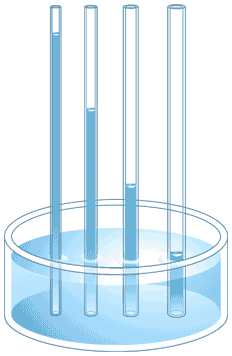
What is the term for water's ability to defy gravity and climb up a tube?
Capillary Action
Specific Heat
Universal Solvent
Magic
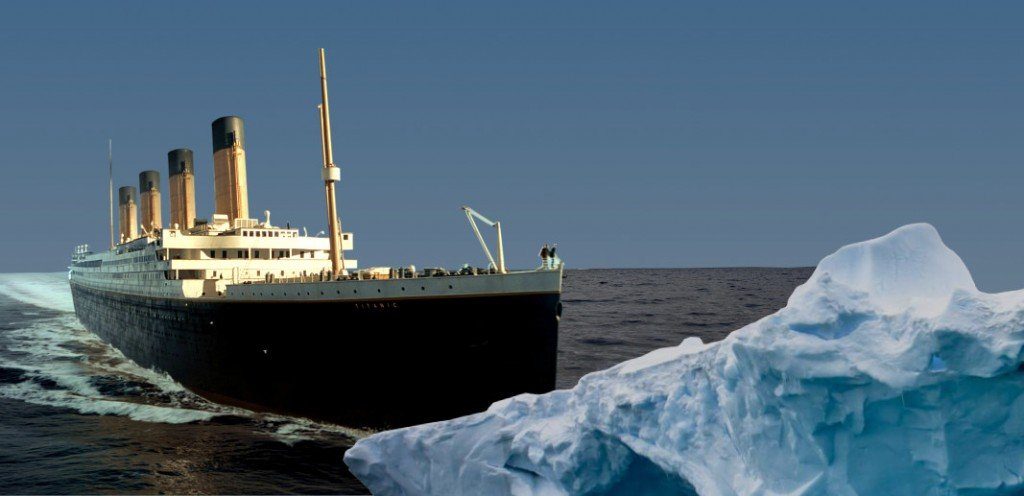
Why does ice float?
water expands when it freezes, making ice less dense than water
water compacts when it freezes, making ice more dense than water
hydrogen bonds in water push the ice to the surface
ice is afraid of water, and avoids it
At what temperature does water Freeze?
0o C
100o C
32o C
-273o C
At what temperature does water Boil?
0o C
100o C
32o C
212o C

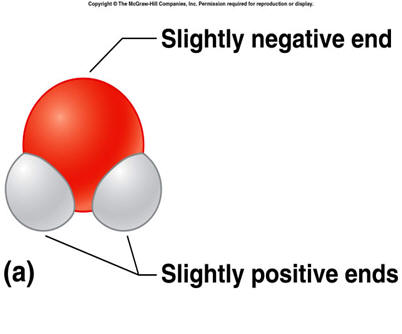
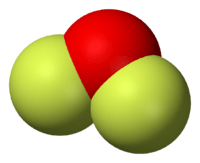
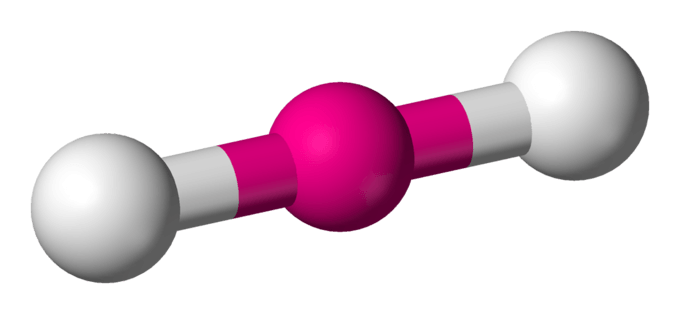
Which of the following is the correct molecular structure for water, H2O?
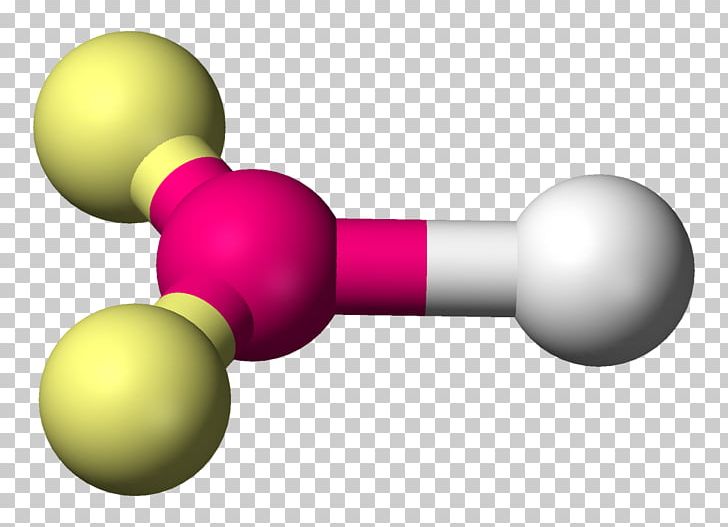
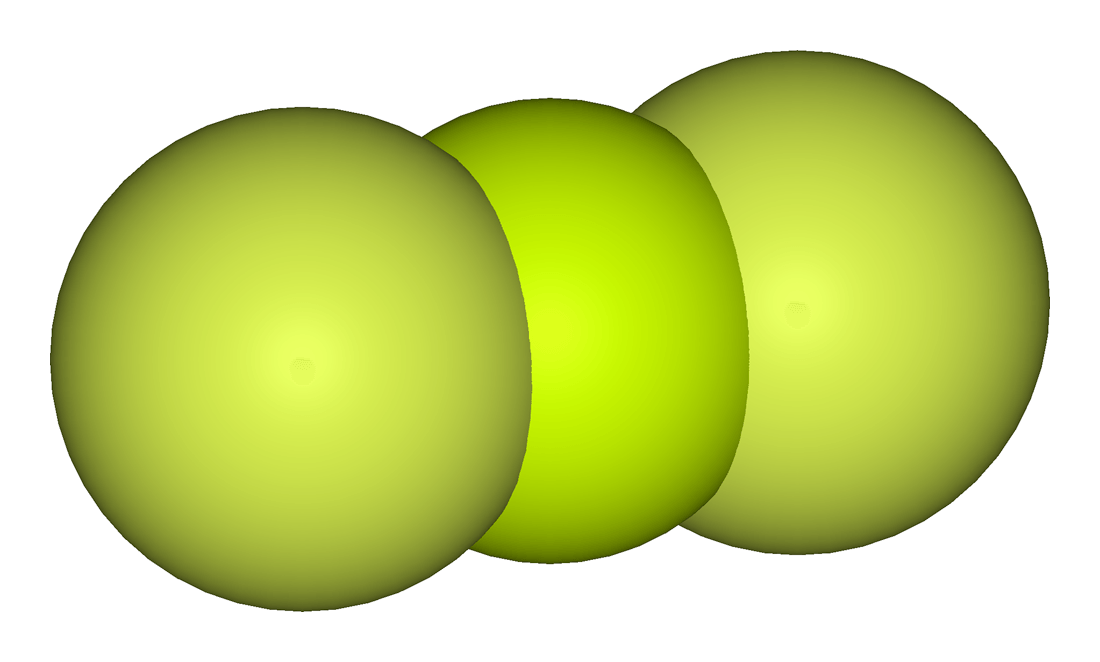
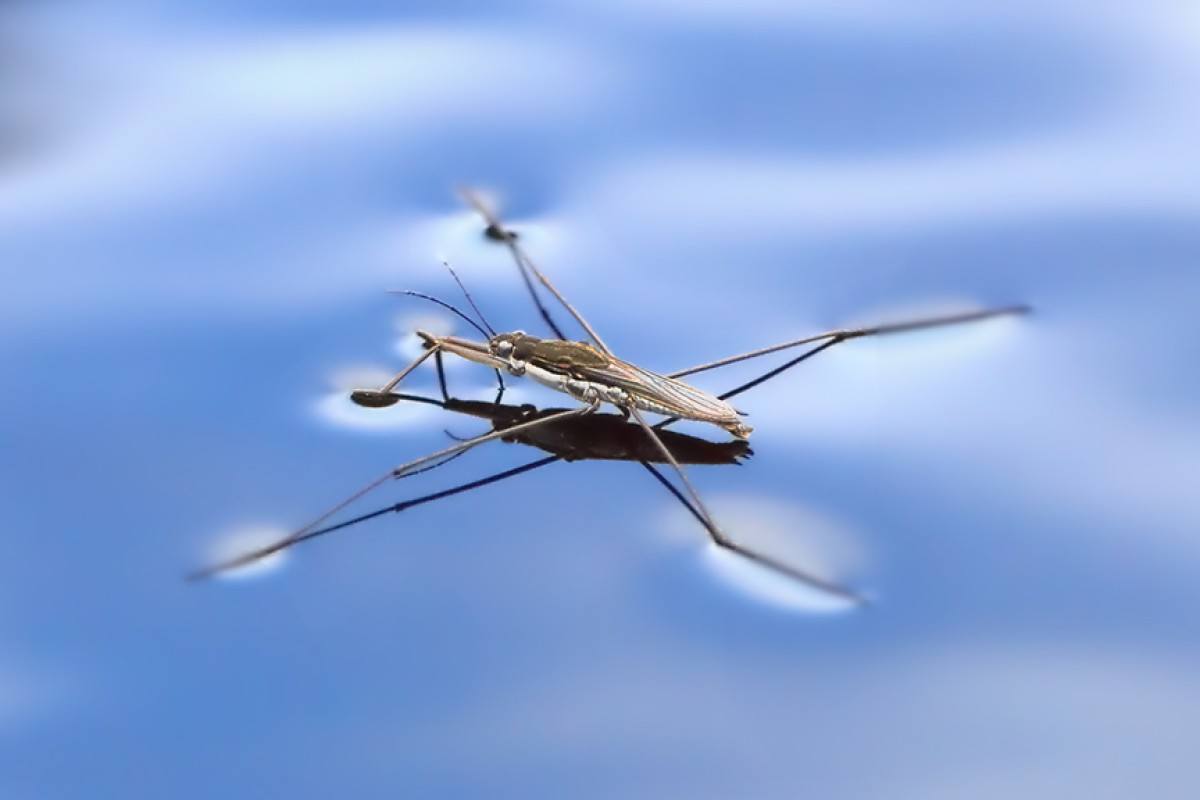
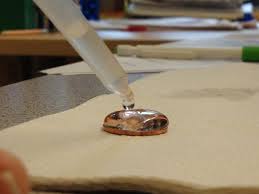
Water striders can walk across the surface of calm water. Their feet push the surface of the water down slightly, but they do not break the surface. Why?
The insects are light enough so they do not break the hydrogen bonds holding the water molecules together
The insects actually use their wings to hover slightly above the water’s surface and they only skim it with their feet.
The insect’s feet are non-polar, so they are repelled by the polar water molecules and are pushed away from the water’s surface.
The insects are small enough to see the individual water molecules, so they are able to step carefully from one molecule to the next
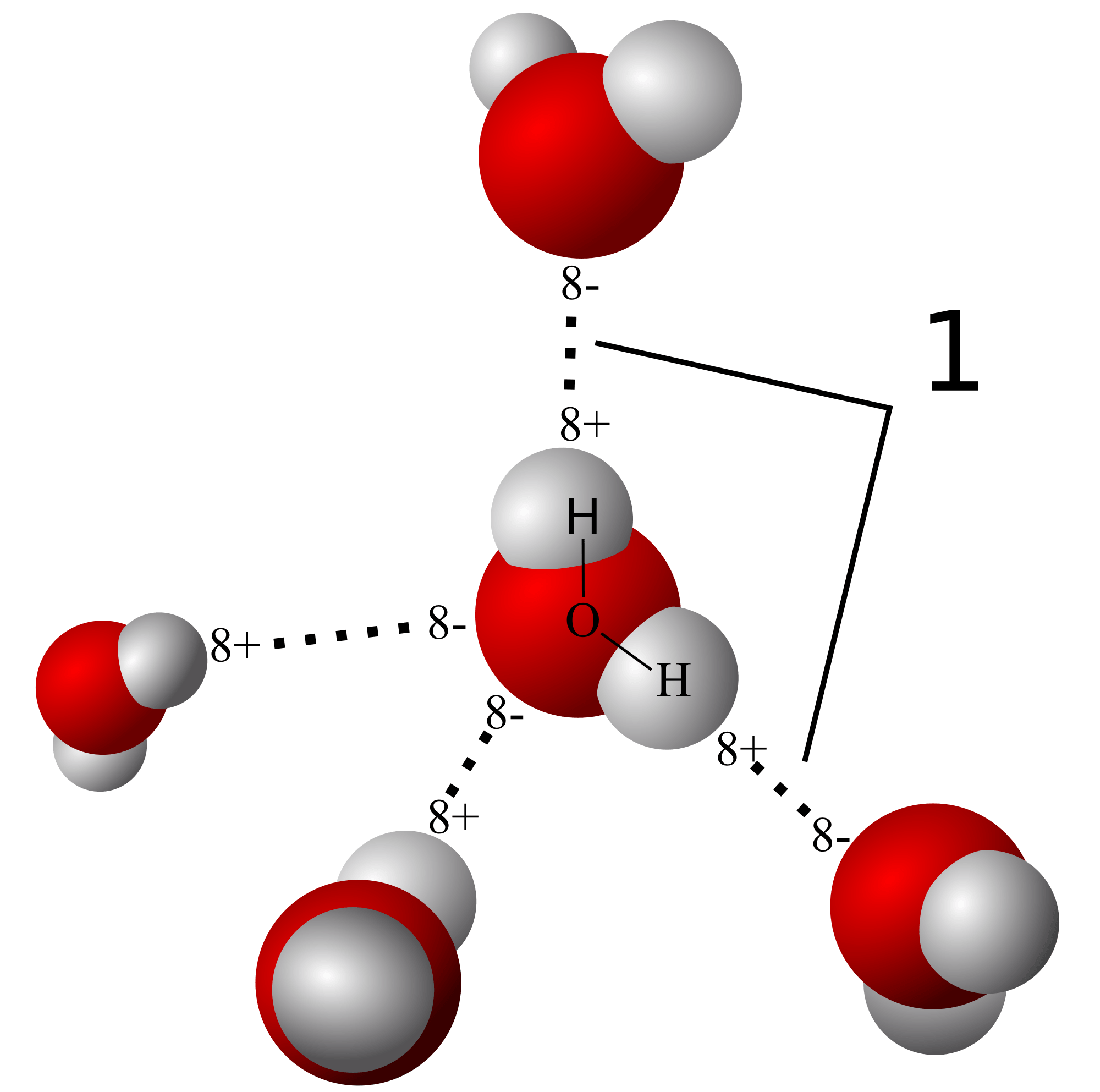

How many hydrogen atoms are in a water molecule?
5
1
2
0
Where would be the best place for a well?
Impermeable rock
Zone of aeration
Zone of saturation
A mountain
Where in the water cycle does water change from a gas to a liquid?
Aquifer saturation
Leaf transpiration
Cloud formation
Groundwater infiltration
Where would the greatest amount of water be added to the water cycle?
Glacier
Desert
Cold lake
Warm ocean
What will most likely happen if an area receives a large amount of rainfall?
Temperature will increase.
Groundwater will increase.
Ocean level will decrease.
Evaporation will decrease.
Which ocean topographical feature looks like a mountain range
Deep-sea trench
Continental shelf
Mid-ocean ridge
Continental slope
Why does the salinity in the ocean stay the same?
Water becomes salty as it enters the ocean
Sea organisms consume the water
Water continually evaporates out of the ocean.
Salty glacial water is evaporating from ice caps.
Which is the correct description of the seafloor?
Looks similar to the waves.
Has many plants living on it.
Has features that are very similar to the land's surface.
Flat even though it has waves.
What are two causes of deep ocean currents?
Earth's rotation and differences in water temperature
wind and differences in water density
wind and differences in water temperature
differences in water density and water temperature
What causes waves to form at the surface of the ocean?
winds blowing over the ocean
ocean tides rising and falling
the Sun unevenly heating the ocean
the activity of ocean animals
What changes in ocean level are caused by the gravity from the moon and sun?
thermohaline currents
surface waves
deep currents
tides
What is an ancient aquifer called?
Groundwater aquifer
Drinking water aquifer
impermeable aquifer
artesian aquifer
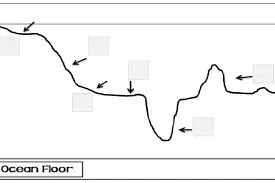
Which correctly identifies the features in the diagram?
Ocean ridge, ocean floor, continental slope
Ocean floor, continental slope, ocean ridge
Continental slope, ocean floor, ocean ridge
Continental slope, ocean ridge, ocean floor
What is the Greek word for water that is used in the term 'hydrological cycle'?
Aero
Hydro
Aqua
H2O

