
 Worksheets
Page 1
Total questions: 63
Worksheet time: 32mins
Read the passage: "Entrepreneurship refers to the process of starting, organizing, and managing a new business venture with the goal of earning profit while taking on financial risks. It involves identifying opportunities, mobilizing resources, innovating products or services, and creating value for society and the economy." Based on this passage, which statement best summarizes entrepreneurship?
Starting and managing a new venture to earn profit while accepting financial risks
Working as an employee in an established firm to avoid uncertainty
Running a nonprofit activity without any financial considerations or risks
Saving personal income in a bank account to build wealth passively
Read the same passage: "Entrepreneurship refers to the process of starting, organizing, and managing a new business venture with the goal of earning profit while taking on financial risks. It involves identifying opportunities, mobilizing resources, innovating products or services, and creating value for society and the economy." Which activities are described as part of entrepreneurship? Select all that apply.
Identifying opportunities
Mobilizing resources
Innovating products or services
Creating value for society and the economy
Avoiding all financial risks and maintaining the status quo
According to the passage: "Entrepreneurship refers to the process of starting, organizing, and managing a new business venture with the goal of earning profit while taking on financial risks." What role do financial risks play in entrepreneurship?
They are inherent and deliberately taken on
They are eliminated through guarantees
They are entirely transferred to customers
They are irrelevant to venture creation
From the passage: "It involves identifying opportunities, mobilizing resources, innovating products or services, and creating value for society and the economy." What is the intended outcome of these activities?
Creating value for society and the economy
Maximizing only short-term speculative gains
Generating value exclusively for the entrepreneur
Increasing government revenue through taxation alone
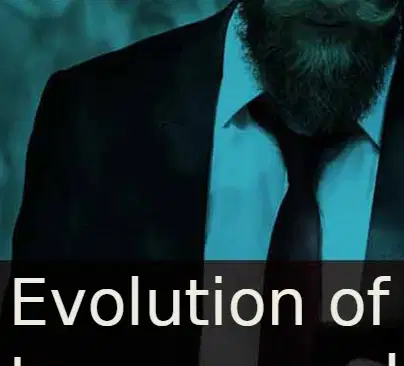
Refer to the slide with a suited person holding a phone. Based on the large heading shown on the slide, what is the topic?
Evolution of Entrepreneurs and Entrepreneurship
Fundamentals of Corporate Finance
Marketing Strategies for Startups
Principles of Operations Management

Based on the timeline of entrepreneurship evolution, which period is associated with Traders and Merchants?
Early Period (Before 17th Century)
17th–18th Century
19th Century (Industrial Revolution)
21st Century (Modern Era)
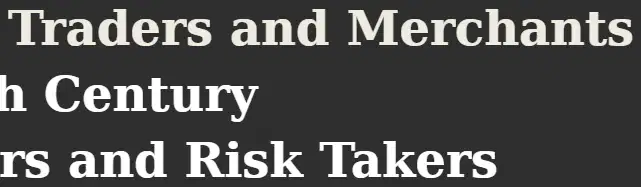
According to the timeline, Adventurers and Risk Takers are linked to which period?
Early Period (Before 17th Century)
17th–18th Century
20th Century
21st Century (Modern Era)

In the evolution timeline, Industrial Entrepreneurs most closely correspond to which period?
19th Century (Industrial Revolution)
20th Century
17th–18th Century
21st Century (Modern Era)

Which period in the timeline is associated with Innovators and Managers?
20th Century
19th Century (Industrial Revolution)
21st Century (Modern Era)
Early Period (Before 17th Century)
In the timeline of entrepreneurship evolution, Tech and Social Entrepreneurs are most associated with which period?
21st Century (Modern Era)
20th Century
17th–18th Century
19th Century (Industrial Revolution)

Based on the listed stages of the evolution of entrepreneurship, which stage corresponds to the 21st century?
Early Stage
Classical Stage
Industrial Stage
Neo-Classical Stage
Modern Stage

According to the evolution of entrepreneurship shown, the Classical Stage corresponds to which period?
Pre-Industrial Age
17th–18th Century
19th Century
20th Century
21st Century

In the evolution of entrepreneurship, which stage is associated with the 19th century?
Early Stage
Classical Stage
Industrial Stage
Neo-Classical Stage
Modern Stage

Which stage in the evolution of entrepreneurship is identified as the Pre-Industrial Age?
Early Stage
Classical Stage
Industrial Stage
Neo-Classical Stage
Modern Stage

According to the listed stages, which stage corresponds to the 20th century?
Early Stage
Classical Stage
Industrial Stage
Neo-Classical Stage
Modern Stage

Read the excerpt: Entrepreneurship is the process of identifying opportunities, organizing resources, and creating a business venture to produce goods or services for profit while taking financial risks. Which activity is explicitly included in this process?
Identifying opportunities
Avoiding all financial risk
Eliminating competitors
Reducing production for lower profit

According to the excerpt, entrepreneurship involves converting an idea into a successful enterprise. Which combination of elements is stated as essential for this conversion?
Innovation, creativity, leadership, and risk-taking
Cost-cutting, outsourcing, and downsizing
Regulatory compliance, taxation, and auditing
Tradition, conformity, and risk-avoidance

Based on the excerpt provided, what is the stated purpose of creating a business venture in entrepreneurship?
To produce goods or services for profit while taking financial risks
To maintain the status quo without financial exposure
To provide free services with guaranteed subsidies
To eliminate market competition regardless of cost

Select all steps that are explicitly mentioned in the excerpt as part of the entrepreneurship process.
Identifying opportunities
Organizing resources
Creating a business venture
Eliminating competition through regulation
Which item is listed as a key feature of entrepreneurship in the slide titled Key Features?
Innovation and creativity
Strict government regulation
Guaranteed passive income without effort
Elimination of all risk
Which example on the slide illustrates entrepreneurship as described?
Elon Musk starting Tesla for electric vehicles
A student reading about business history
A company closing stores to cut costs
A charity distributing donated clothes
According to the slide, which set of resources are organized in entrepreneurship?
Men, money, materials
Time, taxes, tariffs
Land, legislation, logistics
Brands, broadcasts, billboards
Which outcomes are mentioned on the slide as resulting from entrepreneurship? (Select all that apply.)
Creation of employment and value
Contribution to economic development
Guaranteed market stability
Removal of competition
In simple terms as stated on the slide, which statement best captures the meaning of entrepreneurship?
Starting something new and making it grow successfully through ideas, effort, and risk-taking
Maintaining existing processes to avoid change and uncertainty
Maximizing short-term profit by reducing quality and service
Relying on external funding to avoid organizing resources
According to the slide, intrapreneurship refers to acting like an entrepreneur within what kind of setting?
an existing organization
a startup founded by the individual
a freelance arrangement
no organizational structure
Who is described as an intrapreneur in the slide?
An employee who uses innovation, creativity, and leadership to develop new ideas, products, or processes for the company’s growth
A company founder focused on raising venture capital
An external consultant hired to design business strategies
A manager who maintains routine operations without changes
Which of the following are explicitly listed as entrepreneurial skills used by an intrapreneur on the slide? Select all that apply.
Innovation
Creativity
Leadership
Cost-cutting compliance
The slide states that an intrapreneur develops new ideas, products, or processes primarily for what purpose?
The company’s growth
Personal branding
Regulatory compliance
Short-term cost reduction

According to the slide titled “Characteristics of Entrepreneurs,” which trait is explicitly listed as a characteristic of entrepreneurs?
Visionary
Financial dependency
Aversion to change
Indecisiveness

Based on the slide titled “Characteristics of Entrepreneurs,” which item emphasizes a willingness to face uncertainty in pursuit of opportunity?
Risk-Taking Ability
Conformity to routine
Avoidance of accountability
Passive decision-making

From the slide titled “Characteristics of Entrepreneurs,” which characteristic highlights creating novel solutions and approaches?
Innovation and Creativity
Strict rule adherence
Short-term profit focus
Cost-cutting as the sole strategy

According to the slide, which characteristic reflects belief in one’s own abilities when pursuing ventures?
Self-Confidence
Reliance on external approval
Chronic self-doubt
Delegation avoidance

Which listed characteristic on the slide is most directly about choosing among alternatives effectively?
Decision-Making Skills
Procrastination under pressure
Impulsiveness without analysis
Deferring all choices to others

From the slide titled “Characteristics of Entrepreneurs,” which trait focuses on guiding and motivating others?
Leadership Qualities
Solitary work preference
Avoidance of responsibility
Minimal interpersonal engagement

According to the slide, which trait emphasizes staying the course through challenges and setbacks?
Persistence and Determination
Immediate pivot at first obstacle
Risk avoidance at all costs
Complacency after initial success

Which item on the slide most directly emphasizes setting clear targets and working toward them?
Goal-Oriented
Random experimentation
Aimless multitasking
Status-quo maintenance

From the slide titled “Characteristics of Entrepreneurs,” which characteristic stresses the ability to adjust to changing conditions?
Flexibility and Adaptability
Rigid adherence to plans
Refusal to iterate
Fixed mindset about processes

According to the slide, which characteristic combines moral conduct with consideration for societal impact?
Ethical and Social Responsibility
Aggressive market domination
Purely profit-driven tactics
Personal brand maximization only
According to the slide titled Reality about entrepreneurship, which statement best reflects the role of personal attributes in entrepreneurship?
Entrepreneurship is a skill that can be developed
Entrepreneurship is only a natural talent people are born with
Entrepreneurship is purely luck and cannot be learned
Entrepreneurship depends entirely on inheritance and family ties
According to the Reality slide, what most often drives entrepreneurs besides profit?
Passion for their work
A desire to avoid any risk
Pressure from competitors
Routine day‑to‑day comfort
Based on the Reality slide, how do entrepreneurs approach risk?
They take calculated risks rather than blind ones
They avoid all risks whenever possible
They pursue blind risks to move fast
They transfer every risk to others
According to the Reality slide, with whom do successful entrepreneurs commonly work?
Teams, investors, mentors, and networks
Only close family members
Only their employees without outside input
Mainly customers with no other relationships
According to the Reality slide, how do many successful businesses begin?
They start small and grow over time
They launch at a massive scale from day one
They must begin as a national franchise
They always require a large corporate acquisition first
What does the Reality slide state about the timeline for real success?
It takes years of hard work, patience, and persistence
It happens quickly for most entrepreneurs
It requires one viral product with little effort
It depends on timing rather than effort
According to the Reality slide, what is the role of formal education in entrepreneurship?
It helps but is not a requirement
It is mandatory before starting any business
It is unnecessary and provides no benefit
It matters only in technology startups
According to the Reality slide, how do many entrepreneurs achieve success with products or services?
By improving existing products or offering better services
By copying competitors without changes
By abandoning services to focus only on hardware
By inventing entirely new technologies every time
What balance does the Reality slide highlight about an entrepreneur’s work conditions?
They have flexibility but also face high pressure
They enjoy flexibility with no pressure
They have rigid schedules with low pressure
They experience only high pressure without any flexibility
According to the Reality slide, where does success come from?
Preparation, hard work, and perseverance
Shortcuts and rapid scaling alone
Primarily celebrity endorsements
Winning a single large contract
According to the slide titled Impact of the Startup Revolution, which item is explicitly listed as an impact of the startup revolution?
Employment
Taxation policy overhaul
Decline in rural-to-urban migration
Reduced internet penetration
Based on the slide titled Impact of the Startup Revolution, which outcome is included among the listed impacts?
Global Recognition
Lower literacy rates
Decreased technological adoption
Isolation from global markets
From the slide’s Impact of the Startup Revolution list, which societal outcome is explicitly mentioned as an impact?
Social Change
Population growth control
Urban traffic reduction
Subsidy elimination
According to the slide section The Future of India’s Startup Revolution, where is expansion highlighted?
Tier-II and Tier-III cities
Only Tier-I metropolitan centers
International megacities exclusively
Rural villages exclusively
In the slide’s The Future of India’s Startup Revolution, which set of technology domains is identified as a focus for the future?
AI, Green Energy, AgriTech, and DeepTech
Blockchain, Virtual Reality, Crypto mining only
Automotive assembly and textile weaving
Nuclear weapon systems and space warfare
As per the slide The Future of India’s Startup Revolution, which group is noted as increasingly entering the field?
Women and social entrepreneurs
Only expatriate founders
Retired public servants predominantly
Foreign multinational CEOs only
According to the slide The Future of India’s Startup Revolution, what kind of partnerships are emphasized to strengthen the startup ecosystem?
Government and private partnerships
Student-only cooperatives
Sole proprietorships without collaboration
International embargo alliances
From the slide Impact of the Startup Revolution, which economic outcome is directly listed as an impact?
Economic Growth
Fiscal austerity measures
Trade deficits by design
Price controls on all goods
According to the image titled “Types of entrepreneurs,” which of the following appears in the list of types?
Technopreneur
Franchise Entrepreneur
Green Entrepreneur
Serial Entrepreneur
In the image listing types of entrepreneurs, which item is presented as focused on a geographic context?
Rural Entrepreneur
Urban Entrepreneur
Global Entrepreneur
Corporate Entrepreneur
Which pair is shown as alternatives in a single bullet on the “Types of entrepreneurs” list?
Imitative or Adoptive Entrepreneur
Innovative or Radical Entrepreneur
Social or Ethical Entrepreneur
Rural or Urban Entrepreneur
Which item in the “Types of entrepreneurs” list is explicitly gender-specific?
Women Entrepreneur
Men Entrepreneur
Gender-neutral Entrepreneur
Nonbinary Entrepreneur
Which type appears first in the list under the heading “Types of entrepreneurs”?
Innovative Entrepreneur
Social Entrepreneur
Agricultural Entrepreneur
Technopreneur
Which type appears last in the list under the heading “Types of entrepreneurs”?
Agricultural Entrepreneur
Drone Entrepreneur
Fabian Entrepreneur
Social Entrepreneur
Select all items that are included in the “Types of entrepreneurs” list.
Fabian Entrepreneur
Drone Entrepreneur
Green Entrepreneur
Serial Entrepreneur
Social Entrepreneur

