
 Worksheets
Page 1
Total questions: 66
Worksheet time: 33mins

Based on the Unit I: Introduction slide, which topic is explicitly included under the introductory list of marketing fundamentals?
Financial auditing techniques
Who markets
Advanced quantum computing methods
Industrial safety protocols

Which trio of concepts is listed together on the Unit I: Introduction slide?
Supply, demand and price
Segmentation, targeting and positioning
Needs, wants and demands
Design, production and logistics

Which named process appears on the Unit I: Introduction slide?
Manufacturing optimization process
Marketing management process
Human resource appraisal process
Financial risk assessment process
Which emphasis regarding environment is explicitly mentioned on the Unit I: Introduction slide?
Importance of marketing environment
Importance of geological environment
Importance of laboratory environment
Importance of political campaigning

According to the Unit I: Introduction slide, which classification correctly aligns with the environments listed?
Internal environment includes micro and macro environment
External environment includes micro and macro environment
Micro and macro environment are components of product design
Internal environment is the only environment mentioned
Read the excerpt: "Marketing is an organizational function and a set of processes for creating, communicating, and delivering value to customers and for managing customer relationships in ways that benefit the organization and its stakeholders." What does the excerpt primarily define marketing as?
An organizational function and a set of processes
A single sales tactic focused on promotion
A manufacturing technique for producing goods
An internal human resources policy
According to the excerpt, which group ultimately benefits from managing customer relationships through marketing?
The organization and its stakeholders
Only customers
Only shareholders
Government agencies
Which set of activities is explicitly listed in the excerpt as part of marketing processes?
Creating, communicating, and delivering value
Recruiting, training, and compensating employees
Designing, prototyping, and testing products
Auditing, reporting, and ensuring compliance
From the slide titled What is Marketing Management?, choose the statement that best defines marketing management.
The art and science of choosing target markets and getting, keeping, and growing customers through creating, delivering, and communicating superior customer value.
The process of selling products by setting low prices and running frequent promotions.
A production-oriented approach focused on manufacturing efficiency and inventory control.
A financial management technique for budgeting and forecasting marketing expenses.
According to the definition shown, which set of customer relationship activities are included in marketing management?
Getting, keeping, and growing customers.
Acquiring, discounting, and liquidating customers.
Recruiting, training, and retaining employees.
Identifying, auditing, and reporting suppliers.
Per the definition on the slide, through which actions is superior customer value achieved in marketing management?
Creating, delivering, and communicating superior customer value.
Pricing, discounting, and promoting seasonal sales.
Producing, storing, and shipping goods efficiently.
Segmenting, targeting, and positioning competitors.
The definition characterizes marketing management as the art and science of what primary task?
Choosing target markets.
Producing goods at scale.
Managing corporate accounting.
Overseeing human resource policies.
Refer to the diagram titled "What is Marketed?" that lists the categories Goods, Services, Events & Experiences, Persons, Places & Properties, Organizations, Information, and Ideas. Which of the following categories are shown in the diagram? Select all that apply.
Goods
Services
Ideas
Information
Based on the diagram titled "What is Marketed?", which categories are positioned between Events & Experiences and Organizations? Select all that apply.
Persons
Places & Properties
Goods
Services
According to the diagram titled "What is Marketed?", which category directly follows Services?
Goods
Events & Experiences
Persons
Organizations

In the diagram titled "What is Marketed?", which category is listed last?
Information
Ideas
Goods
Services

How many categories are displayed in the diagram titled "What is Marketed?"?
6
7
8
9
According to the diagram titled "What is Marketed?", which category is immediately before Information?
Organizations
Ideas
Persons
Events & Experiences
Based on the diagram titled Key Customer Markets, how many distinct market categories are shown.
3
4
5
6
Which of the following is listed as a key customer market in the diagram titled Key Customer Markets.
Consumer Markets
Education Markets
Sports Markets
Agricultural Markets

Which category title appears in the lower right of the diagram titled Key Customer Markets.
Nonprofit/ Government Markets
Global Markets
Consumer Markets
Business Markets
Which pair lists two categories that appear together in the diagram titled Key Customer Markets.
Global Markets and Business Markets
Consumer Markets and Education Markets
Business Markets and Agricultural Markets
Global Markets and Sports Markets

According to the diagram titled “The marketplace isn’t what it used to be…”, which factor is explicitly listed as a driver of change in the marketplace?
Information technology
Inflation
Subsidization
Urbanization
Which item in the diagram specifically reflects a change in consumer behavior?
Consumer resistance
Producer consolidation
Investor optimism
Employee turnover
Which term from the diagram denotes a shift of ownership from public to private entities?
Privatization
Nationalization
Liberalization
Monetization
Which entries from the diagram represent policy or regulatory shifts in the marketplace? Select all that apply.
Deregulation
Privatization
Competition
Convergence

Which transformation is mentioned explicitly in the diagram regarding retail?
Retail transformation
Retail stagnation
Retail automation
Retail globalization
A diagram titled Company Orientations displays four labeled blocks. Which label is not included in the diagram?
Production
Product
Selling
Marketing
Finance
In the Company Orientations diagram, how many distinct orientations are shown?
3
4
5
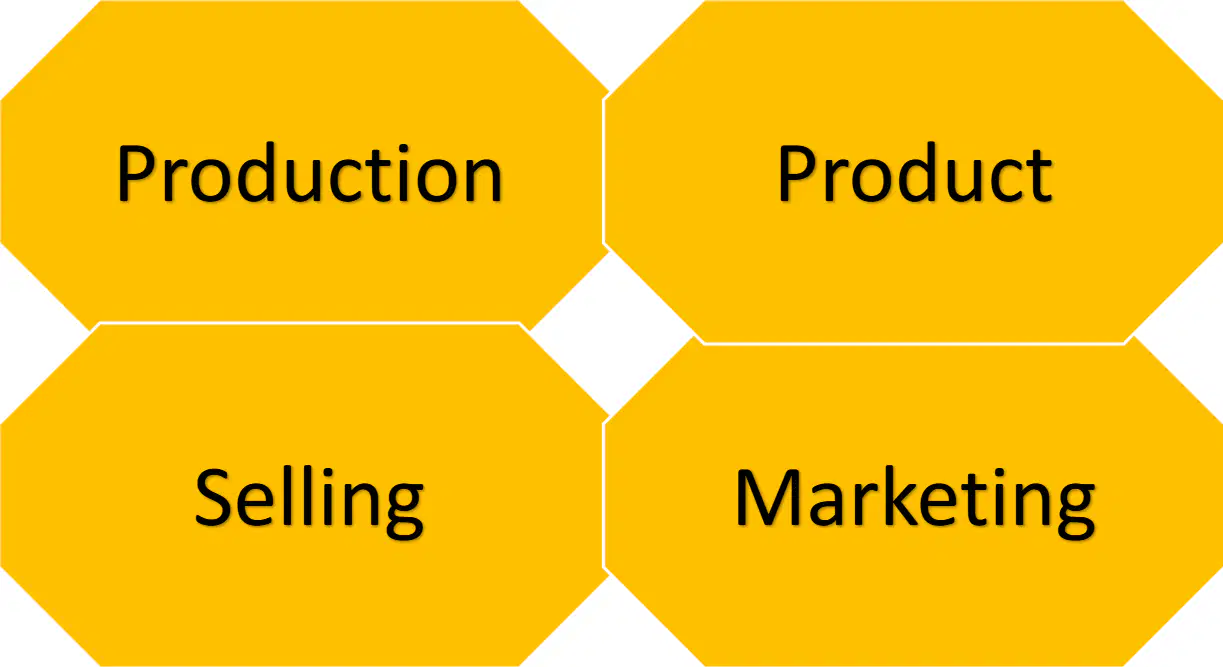
Which of the following is listed in the Company Orientations diagram along with Marketing?
Selling
Finance
Research and Development
Customer Support
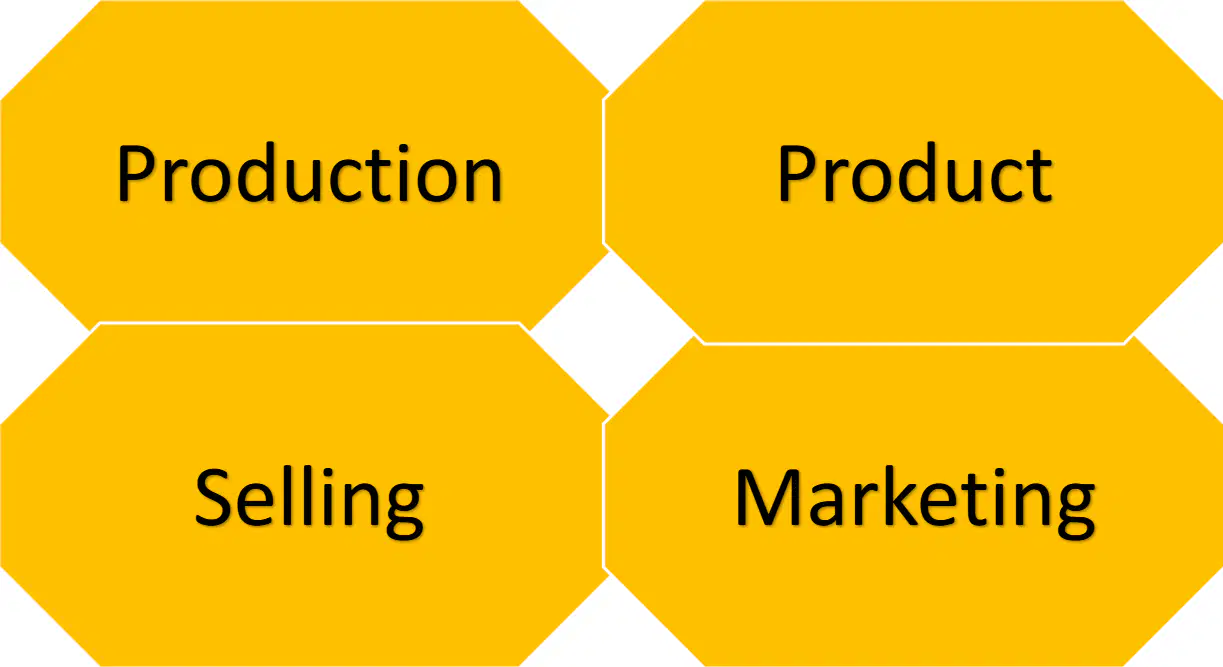
Which labels appear in the top row of the Company Orientations diagram? Select all that apply.
Production
Product
Selling
Marketing
According to the slide, which item is a core marketing management task focused on planning?
Develop market strategies and plans
Analyze production capacity
Optimize supply chain logistics
Increase accounting compliance
Which listed task emphasizes understanding and gathering information about markets?
Capture marketing insights
Expand employee benefits
Standardize manufacturing protocols
Audit information systems
Which task directly involves building relationships with buyers?
Connect with customers
Manage vendor contracts
Monitor inventory levels
Forecast cash flows
Which item on the slide focuses on strengthening brand equity?
Build strong brands
Reduce operating expenses
Implement quality control checks
Negotiate lease agreements
Which task refers to tailoring products and services to fit market needs?
Shape market offerings
Automate payroll processing
Consolidate supplier lists
Benchmark coding standards
Which task is explicitly about providing benefits to customers?
Deliver value
Schedule maintenance checks
Secure intellectual property
Conduct workplace safety drills
Which task focuses on conveying benefits and positioning to the market?
Communicate value
Broker financial derivatives
Refactor legacy code
Outsource facilities management
Which task aims at ensuring the organization’s sustainability over time?
Create long-term growth
Document meeting minutes
Calibrate laboratory equipment
Issue quarterly tax filings
Refer to the infographic titled “Needs, Wants and Demands.” Which statement defines wants according to the diagram?
A product desired by a customer that is not required for survival
States of deprivation experienced by individuals
The willingness and ability to purchase a need or a want
Belonging and affection provided by social groups
In the infographic, which phrase corresponds to the Needs category?
States of deprivation
A product desired by a customer not required for survival
Willingness and ability to buy a need or a want
Preference for specific brands
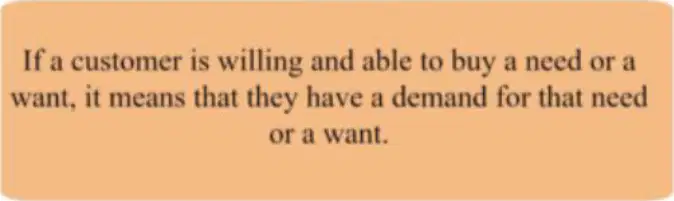
According to the infographic, what condition creates demand?
Being willing and able to buy a need or a want
Recognizing a product through advertising
Desiring a product that is not required for survival
Identifying states of deprivation
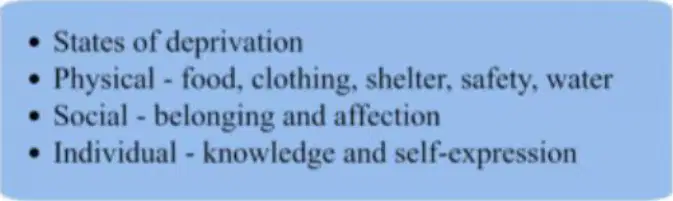
Which item listed under Needs is categorized as physical in the infographic?
Food, clothing, shelter, safety, water
Belonging and affection
Knowledge and self-expression
Ability to purchase goods
In the infographic, knowledge and self-expression fall under which category?
Needs (individual)
Wants
Demands
Social preferences
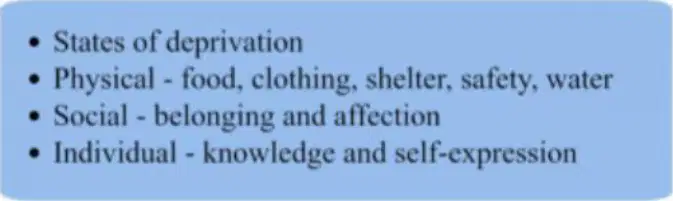
Which of the following is NOT listed as part of physical needs in the infographic?
Self-expression
Shelter
Water
Safety
Based on the infographic titled “5 Steps in the Marketing Management Process,” which item is labeled as Step 01?
Conduct Market Research
Develop a Marketing Strategy
Make a Marketing Plan
Implement Automation
According to the diagram of the marketing management process, which item is labeled as Step 02?
Develop a Marketing Strategy
Conduct Market Research
Feedback and Control
Implement Automation
In the illustrated five-step process, what is named at Step 03?
Make a Marketing Plan
Conduct Market Research
Feedback and Control
Develop a Marketing Strategy
Within the five-step marketing management process shown, which item is labeled as Step 04?
Implement Automation
Feedback and Control
Make a Marketing Plan
Conduct Market Research
According to the depicted process, which item completes the sequence as Step 05?
Feedback and Control
Conduct Market Research
Develop a Marketing Strategy
Implement Automation
Which of the following is not listed among the five steps in the marketing management process shown in the diagram?
Feedback and Control
Implement Automation
Make a Marketing Plan
Develop a Marketing Strategy
Set Pricing Policies
Refer to the diagram showing a central circle labeled Marketing Environment with four surrounding banners numbered 1 to 4. Select all features listed in the diagram.
Dynamic
Relative
Complex
Uncertain
Stable
In the diagram titled Features of Marketing Environment, which feature is labeled 1?
Dynamic
Relative
Complex
Uncertain

In the diagram titled Features of Marketing Environment, which feature is labeled 3?
Complex
Dynamic
Relative
Uncertain
Which term appears at the center of the diagram titled Features of Marketing Environment?
Marketing Environment
Market Segmentation
Marketing Mix
Consumer Behavior
Read the description: "Internal Environment. It is all about those marketing factors that take place within the firm. They affect the overall business operations. These factors include:" Which statement best describes the internal environment as presented in the worksheet text?
Marketing factors that occur within the firm and influence overall business operations
External market conditions shaped by competitors and customers
Government regulations that apply across industries
Unpredictable macroeconomic trends outside the company
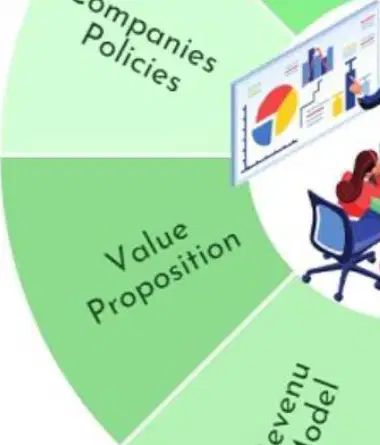
According to the circular chart of internal environment factors, which of the following is one of the listed factors?
Value Proposition
Market Share
Exchange Rate
Customer Demographics
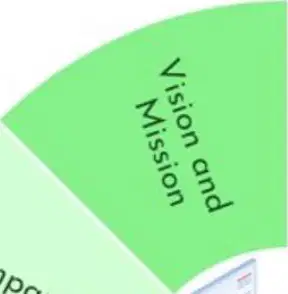
In the internal environment diagram, which factor directly expresses the organization’s direction and purpose?
Vision and Mission
Customer complaints
Tax policy
Seasonal demand
Which of the following is NOT listed among the internal environment factors in the diagram?
Objectives
Labor Union
Core Capabilities
Supply Chain Partners
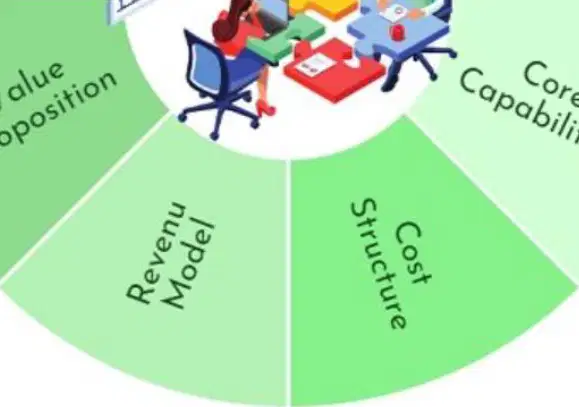
Select all items from the internal environment diagram that specifically concern how the firm handles money through spending or earning.
Cost Structure
Revenue Model
Labor Union
Vision and Mission
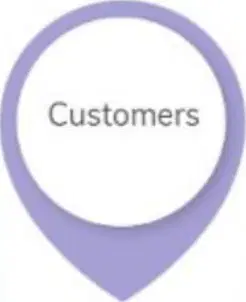
Refer to the diagram labeled Micro Environment that displays stakeholder categories around a central title. Which stakeholder category is explicitly shown in the diagram?
Customers
Natural Environment
Economic Policy
Technology Vendors
According to the Micro Environment diagram, which of the following is not listed as a stakeholder category?
Government
Competitors
General Public
Macro Forces
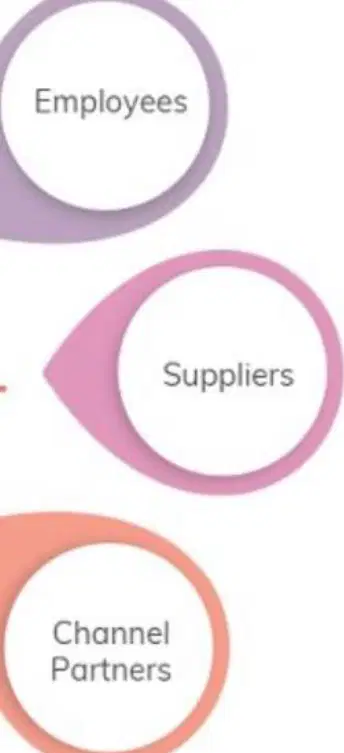
Select all items that the Micro Environment diagram lists as stakeholder categories.
Suppliers
Channel Partners
Employees
Shareholders
Media

In the Micro Environment diagram, which stakeholder group represents investors?
Shareholders
Lenders
Owners
Venture Capitalists
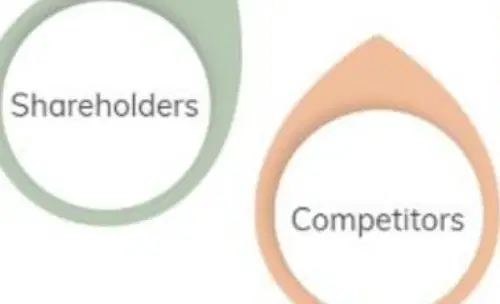
Which stakeholder group named in the Micro Environment diagram represents market rivals?
Competitors
Collaborators
Customers
Consultants

Which public segment is explicitly mentioned in the Micro Environment diagram?
General Public
Local Community
Non-Governmental Organizations
Press

