
Font size
 Worksheets
Nutrition In Animals
Total questions: 70
Worksheet time: 53mins
The process of intake of food is called...........
Ingestion
Digestion
Absorption
Assimilation
The longest part of the digestive tract in humans is the ........................
Oesophagus
Stomach
Small Intestine
Large Intestine
Human dental formula is ...................
2123 / 2123
2231 / 2231
1223 /1223
2131 /2131
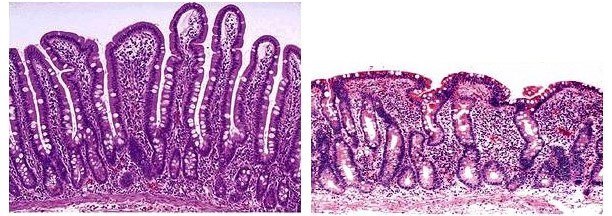
Name the finger like projections present in the small intestine which helps in nutrient absorption
Buccal cavity
Duodenum
Pancreas
Villi
The digestive juice which doesnot contain digestive enzymes .
Saliva
Gastric juice
Bile juice
Pancreatic juice
How many Incisors will be there in adult buccal cavity including upper jaw and lower jaw?
2
4
6
8
Identify ruminant from the following.
Cat
Cow
Ant
Tiger
In amoeba,ingestion of food takes place with the help of false feet called................
Vacuole
Lysosome
Arms
Pseudopodia
Largest gland in the human body
Buccal cavity
Brain
Liver
Intestine
Name the process by which the digested food molecules are taken up by the intestine wall and sent to circulatory system.
Assimilation
Digestion
Absorption
Egestion
The enzymes present in the saliva convert
fats into fatty acids and glycerol.
starch into simple sugars.
proteins into amino acids.
complex sugars into simple sugars.
The piercing and tearing teeth is called
incisor
Canine
Pre-molar
Molar
______ takes in food by the use of pseudopodia.
Goat
Tiger
Amoeba
Human
Water from the undigested food is absorbed mainly in the_____.
Stomach
Food Pipe
Small Intestine
Large Intestine
_____transports the nutrients from the undigested food to every cell of the body.
Oxygen
Blood
Water
Nitrogen
The ___ helps in mixing saliva with food.
Heart
Stomach
Nose
Tongue
____ is the largest gland in our body.
Skin
Hand
Liver
Leg
The mode of feeding of the mosquito_____.
Chewing
Cuddling
Scraping
Sucking
Mostly grass eating animals are called____.
Carnivore
Omnivore
Ruminants
Scavenger
The inner walls of the stomach secrete _________.
Mucus & hydrochloric acid
Bile
Lime
Salt
______secretes pancreatic juice.
Liver
Brain
Pancreas
Skin
____ catches insects with it’s tongue.
Snail
Human
Lion
Frog
Digestion starts from _____.
Mouth
Stomach
Liver
Ribs
Liver secrets _____.
Acid
Bile Juice
Base
Water
The process of breaking down of food is called__.
Digestion
Ingestion
Excretion
Respiration
The process of food intake is known as ______.
Excretion
Calculation
Respiration
Ingestion.
The longest part of the digestive tract in humans is the ........................
Oesophagus
Stomach
Small Intestine
Large Intestine
Name the finger like projections present in the small intestine which helps in nutrient absorption
Buccal cavity
Duodenum
Pancreas
Villi
Identify ruminant from the following.
Cat
Cow
Ant
Tiger
Name the process by which the digested food molecules are taken up by the intestine wall and sent to circulatory system.
Assimilation
Digestion
Absorption
Egestion
The pointed teeth in your mouth are
premolars
incisors
molars
canines
- Which of these is not a part of nutrition?
digestion
absorption
egestion
excretion
4.Bile is produced in the
stomach
small intestine
pancreas
liver
During digestion,fats are changed into
amino acids
fatty acids and glycerol
glucose
sugar
Which of the following statements is/are correct?
(i) All green plants can prepare their own food.
(ii) Most animals are autotrophs.
(iii) Carbon dioxide is not required for photosynthesis.
(iv) Oxygen is liberated during photosynthesis.
Choose the correct answer from the options below:
(i) and (iv)
(ii) only
(ii) and (iii)
(i) and (ii)
Amoeba digests its food in the ____.
Food vacuole
Stomach
Liver
Intestine
Salivary glands secrets____.
Bile Juice
Hydrochloric Acid
Blood
Sugar
1) Glucose combines with oxygen and produces _________.
Gas
Energy
Liquid
Carbon
Choose the correct order after reading the statement below.
Digestion is a complex process involving:
Ingestion, Absorption, Digestion, Assimilation, Egestion
Ingestion, Digestion, Assimilation, Absorption, Egestion
Ingestion, Digestion, Absorption, Assimilation, Egestion
Ingestion, Absorption, Assimilation, Digestion, Egestion
salivary gland produces a enzyme known as -----------------
(a)
in cows grass are stored in which part ?
small intestine
gall bladder
rumen
caecum
Which of the following animals swallow its prey?
human beings
snakes
humming birds
ants
Cellulose is a type of
fats
carbohydrate
carbon dioxide
protein
The finger-like outgrowths of human intestine helps to
make the food soluble
absorb the digested food
absorb the undigested food
digest the fatty food substances
The False Feet Of “Amoeba” Are Used For
Movement only
Capture of food only
Capture of food and movement
Exchange of gases only
The (a) kills microorganisms and provides an acidic medium for effective digestion.
The walls of the oesophagus contract and relax to produce wave-like movements called (a)
Animals that bring back swallowed food to chew on it again are called___________
Ruminants
Rodents
THE PARTIALLY DIGESTED FOOD IN RUMINANTS IS CALLED
CELLULOSE
CUD
PSEUDOPODIA
VILLI
AFTER DIGESTION,THE PROTEINS GET CONVERTED INTO
GLYCEROL
AMINO ACID
SIMPLE SUGARS
GLUCOSE
Organ that stores bile is
Liver
Gall bladder
Pancreas
Spleen
_________________is the part of stomach in cow where food is stored temporarily.
caecum
rumen
stoma
liver
The canal consists of mouth oesophagus stomach small intestine large intestine rectum and anus together form
(a)
Mouth is also called
(a)
What is secreted by salivary glands
(a)
The flat blade like teeth located in the front part of each jaw is called
(a)
sticky substance formed by harmful bacteria combining with small food pieces and saliva is called
(a)
The tongue rolls the food into a lump which is called
(a)
Which is not digested by human?
Fats
Protein
Cellulose
Glucose
The chemicals that help to digest the food are called
digestive juice
vitamins
enzymes
hormones

A layer of ________ protects the stomach wall from being burned by the acids presents in the stomach.
Mucus
Another acid
Which of the following is the primary site for nutrient absorption in the human digestive system?
Small Intestine
Pancreas
Stomach
Large Intestine
What is the function of the gallbladder in the digestive system?
Stores bile
Produces insulin
Absorbs nutrients
Secretes digestive enzymes
Which type of teeth are primarily used for grinding food?
Molars
Premolars
Canines
Incisors
What is the primary function of the small intestine in the digestive system?
Secretion of gastric juice
Production of saliva
Storage of bile
Absorption of nutrients
Which of the following organs is responsible for producing digestive enzymes?
Stomach
Gallbladder
Pancreas
Liver
Which organ is primarily responsible for detoxifying harmful substances in the body?
Kidney
Liver
Pancreas
Gall bladder
Which type of nutrient is primarily broken down in the stomach?
Carbohydrates
Proteins
Vitamins
Fats

