
 Worksheets
BIOL 107 Exam 1 Study Guide Review Questions
Total questions: 138
Worksheet time: 1hrs 29mins
What determines whether two individuals belong to the same species in terms of reproductive success?
Having identical chromosome number
Sharing the same habitat type
Similarity in physical appearance
Ability to produce fertile offspring
What are the necessary conditions for natural selection to occur in a population?
No mutation, equal survival, genetic drift
Complete isolation, identical genotypes, stasis
Large population, random mating, migration
Variation, heritability, differential fitness
What is microevolution, and how does it differ from macroevolution?
Sudden leaps caused by catastrophic events
Formation of new kingdoms across lineages
Changes only observable in fossils record
Small changes within populations over time
How does genetic drift affect small populations?
Random allele frequency changes significant
Strong stabilizing selection predominates
Gene flow always increases variation
Mutations occur at constant predictable rates
What role does gene flow play in preventing speciation?
It reduces mutation rates drastically
It creates reproductive barriers rapidly
It eliminates selection pressures entirely
It homogenizes populations genetically
How does directional selection influence phenotypic traits in a population?
It increases variance without changing mean
It favors both extremes simultaneously
It shifts trait distribution toward one extreme
It maintains intermediate phenotypes only
What structural characteristic differentiates Gram-negative bacteria from Gram-positive bacteria?
Presence of multiple nuclei per cell
Thin peptidoglycan with outer membrane
Thick peptidoglycan without outer layer
Absence of peptidoglycan entirely
How does transduction differ from transformation and conjugation in bacterial genetic exchange?
Involves uptake of naked DNA
Requires plasmid-encoded F factor
Relies on direct pilus connection
Uses bacteriophages to transfer DNA
What is the function of the F plasmid in bacterial conjugation?
It degrades host cell walls
It produces toxins for defense
It stores nutrients for survival
It encodes pilus formation and transfer
How do bacteria use fimbriae, and what advantage do they provide?
Photosynthesis increases energy production
DNA uptake improves genetic diversity
Swimming motility increases dispersal distance
Attachment to surfaces enhances colonization
How does an anaerobic chemoheterotroph obtain its energy?
Oxidizes organic molecules without oxygen
Uses light to fix carbon dioxide
Oxidizes inorganic molecules for ATP
Ferments CO2 into carbohydrates directly
What is the F factor (F+ and F-)? Why is it important?
A plasmid enabling DNA transfer
A chromosomal lethal mutation
A viral genome causing lysis
An enzyme initiating replication
What structures make up the filamentous mats in fungi, and what is their function?
Setae forming tissues for support
Hyphae forming mycelium for absorption
Flagella forming colonies for motion
Cilia forming networks for signaling
What is mycorrhizal fungi, and how does it benefit plants?
Symbiosis enhancing nutrient uptake
Parasitism reducing root growth
Predation deterring herbivores
Commensalism providing shade
What is plasmogamy, and why is it important in fungal reproduction?
Fusion of cytoplasm preceding karyogamy
Formation of spores after meiosis
Growth of hyphae from germinated spores
Production of fruiting bodies for dispersal
What is the key characteristic of chytrids that suggests they diverged early in fungal evolution?
Obligate multicellular organization
Flagellated zoospores in life cycle
Lack of cell walls entirely
Complex septate hyphae structures
How do ascomycetes reproduce sexually?
Release conidia by mitosis alone
Produce basidia with basidiospores
Generate zygospores via fusion
Form asci containing haploid spores
How does yeast reproduce asexually?
By generating endospores
By forming motile gametes
By binary fission equally splitting
By budding to form new cells
How do protists contribute to aquatic ecosystems as primary producers?
Consume bacteria via phagocytosis
Recycle phosphorus from sediments
Fix carbon through photosynthesis
Decompose detritus into nitrates
What structures allow excavates to ingest food?
Cilia bands generating currents
Silica frustules capturing prey
Contractile vacuoles expelling water
Feeding grooves guiding particles
Which point best captures the significance of the fossil record in evolutionary history?
It proves all species evolved at constant rates
It confirms fossils form exclusively in igneous rocks
It shows only gradual changes without transitional forms
It documents stratified extinction and radiation patterns
It reveals identical morphologies across geologic eras
Which pair correctly distinguishes microevolution from macroevolution?
Speciation events versus single gene mutations
Allele frequency shifts versus broad lineage diversification
Chromosomal nondisjunction versus developmental plasticity
Behavioral adaptation versus physiological homeostasis
Population bottlenecks versus cell cycle regulation
How does the Hardy–Weinberg principle help determine if a population is evolving?
By assessing individual fitness with controlled mating trials
By tracking fossil deposition across sedimentary layers
By measuring mutation rates in isolated laboratory cultures
By sequencing mitochondrial genomes for shared haplotypes
By comparing observed genotype frequencies to expected equilibrium
Which scenario best illustrates allopatric speciation?
Individuals converge on identical courtship behavior
A shared habitat promotes frequent gene flow and panmixia
Seasonal mating shifts cause unified breeding synchrony
A population stabilizes at a single peak phenotype
A river divides a population, leading to reproductive isolation
Which natural selection pattern favors both extremes of a trait?
Directional selection toward a single optimum
Stabilizing selection around the intermediate mean
Balancing selection maintaining heterozygote advantage
Purifying selection removing deleterious variants
Disruptive selection with bimodal phenotypic distribution
Which statement best reflects endosymbiosis in eukaryotic evolution?
Peroxisomes descended from obligate intracellular parasites
Centrioles evolved from symbiotic cyanobacteria only
Ribosomes arose from viral integration into genomes
Nuclei formed by fusion of archaeal membranes alone
Mitochondria and chloroplasts originated from engulfed bacteria
Which description aligns with the biological species concept?
Populations with matching karyotype numbers
Taxa separated solely by geographic barriers
Lineages with unique ecological niches only
Individuals sharing identical morphological traits
Groups that interbreed to produce fertile offspring
Which primary difference separates Gram-positive and Gram-negative bacteria?
Multiple flagella versus single fimbrial appendage
Linear chromosomes versus circular plasmid-only genomes
Presence of membrane sterols versus cholesterols exclusively
Thick peptidoglycan versus outer membrane with lipopolysaccharide
Mitochondrial respiration versus chloroplast photosynthesis
Why could loss of fimbriae reduce bacterial survival?
Metabolic ATP synthesis would immediately cease
Spore formation efficiency would consistently rise
Photosynthetic pigment arrays would expand greatly
Attachment to host tissues and surfaces would decrease
DNA replication fidelity would dramatically improve
How does horizontal gene transfer influence bacterial evolution and resistance?
It spreads adaptive traits like antibiotic resistance across strains
It prevents recombination and limits genetic diversity
It forces strict clonal inheritance without plasmids
It confines beneficial mutations to single lineages
It eliminates mobile genetic elements from populations
Which feature most distinguishes archaea from bacteria in cell wall composition?
Archaeal cellulose microfibrils versus bacterial chitin
Archaeal collagen layers versus bacterial elastin
Archaeal pseudopeptidoglycan versus bacterial peptidoglycan
Archaeal pectin polymers versus bacterial keratin
Archaeal silica frustules versus bacterial lignin
Which mechanism best explains bacterial development of antibiotic resistance?
Resistance arises only from vertical descent without change
Host fever denatures bacterial chromosomes permanently
Antibiotics strengthen peptidoglycan causing lysis
Daily nutrient supplementation eliminates drug activity
Selection on mutations and gene transfer of resistance loci
Which pairing correctly compares coenocytic and septate fungi?
Single-celled yeasts only versus multicellular molds only
Multinucleate hyphae without septa versus hyphae with cross walls
Cellulose-dominant walls versus chitin-dominant walls
Hyphae forming spores versus hyphae lacking reproduction
Photosynthetic filaments versus heterotrophic filaments
Which ecological role do diatoms often play in aquatic systems?
Obligate parasites of vertebrate intestinal tracts
Primary producers forming substantial phytoplankton biomass
Top predators in benthic trophic cascades
Anaerobic decomposers of keratin and collagen
Exclusive nitrogen fixers in oligotrophic lakes
In basidiomycetes, which structure produces spores during reproduction?
Sporangia inside specialized sporangiospores
Ascus within closed cleistothecia only
Basidia on gills or pores of fruiting bodies
Conidiophores bearing asexual conidia
Archegonia along filamentous gametangia
Which contrast of reproductive strategies is accurate for ascomycetes and basidiomycetes?
Dominant haploid phase versus dominant diploid phase
Obligate asexual cycles versus exclusive sexual cycles
Asci with ascospores versus basidia with basidiospores
Flagellated gametes versus nonflagellated gametes
Endosymbiotic chloroplasts versus cyanobacterial plastids
Which trait defines pseudopodia in amoeboid movement?
Contractile vacuole jets propelling forward
Rotary flagellar motors embedded in membranes
Gliding via secreted mucilage along surfaces
Rigid microtubule cilia beating for swimming
Actin-driven cytoplasmic extensions for locomotion
How do heterotrophic protists typically obtain nutrients and affect ecosystems?
Photosynthesis and stomatal regulation of transpiration
Phagocytosis and parasitism or predation altering communities
Nitrogen fixation through specialized root nodules
Autotrophy with CAM metabolism in deserts
Chemolithotrophy and sulfur oxidation in vents only
Why are protists considered important primary producers in large ecosystems?
They contribute significant carbon fixation in marine food webs
They control ozone synthesis with halogen release
They drive plate tectonics by mineral precipitation
They regulate mammalian gut microbiota through antibiotics
They maintain permafrost stability via heat absorption

Why do antibiotics destroy bacterial cells but have no effect on viruses?
Viruses are made up of organic molecules that are too small to be targeted by antibiotics.
Viruses are not alive and do not carry out the life functions that are stopped by antibiotics
Viruses do not possess the protein coat that is targeted by all antibiotics


All statements listed below are true about Chlamydomonas sp. except
It has green pigment called chlorophyll
Its mode of nutrition is autotrophic
Its grouped under phylum Euglenophyta
Its store carbohydrate in the form of starch
Tail like movement in protista's come from
cilia
pseudopods
flagella
diatoms
Which of the following statements about protozoa are TRUE?
I. Amoeba uses pseudopodium for locomotion
II. Paramecium is a heterotroph
III. Euglena has flagella for movement
IV. Euglena has contractile vacuole
I, II and III
I, II and IV
II, III and IV
I, II, III and IV
Which of the following is a nutritional mode of Protists?
All of the Following are nutritional modes
Photoautotrophs
Heterotrophs
Mixotrophs
In this supergroup, many species lack plastids, have reduced mitochondria because they live in anaerobic environments, and have unique flagella.
SAR
Excavata
Archaeplastida
Unikonta
Stramenopiles are unique because this is the first lineage of Protists where a multicellular species exists. What is that species?
Diatoms
Golden Algae
Green Algae
Brown Algae
Yay or Nay: Alveolates are classified by their membrane-enclosed sacs called alveoli
(a)
Many species of Rhizarians are
Pseudopodia
Diatoms
Amoebas
Alveolates
The supergroup Archaeplastida has TWO lineages of interest to us that we have expanded on in current chapters. What are they?
Green Algae
Red Algae
Plants
Fungi


Possess two flagella
Diatoms
Entamoebas
Dinoflagellates
Radiolarians
What Protist is shaped like complete circle
Volvox
Euglena
Paramecium
Amoeba
Which of these groups has a hard outer shell?
Kinetoplastids
Diatoms
Apicomplexans
Ciliates
A protista that uses conjugation to reproduce is a
paramecium
arcella
ameoba
algae
A protista that reproduces using spores is a
euglena
slime molds
arcella
Primary endosymbiosis lead to the development of _______ in eukaryotic cells.
Nucleus
Chloroplasts
Plastids
Mitochondria
Stramenopiles are unique because this is the first lineage of Protists where a multicellular species exists. What is that species?
Diatoms
Golden Algae
Green Algae
Brown Algae
Yay or Nay: Prokaryotes can have more than on flagella
(a)
What are the three primary shapes of Prokaryotes?
(a)
Prokaryotes can be divided into two Domains, what are they?
(a)
What substance is responsible for trapping the crystal violet solution when staining bacteria?
Plasma Membrane
Lipopolysaccharides
Peptidoglycan
Membrane-Bound Proteins
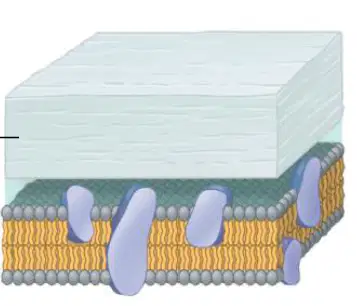
Gram-Positive Bacteria are classified by having a thick layer of this substance
(a)
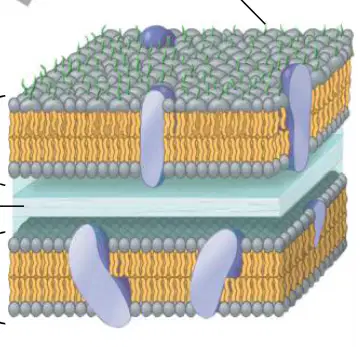
Gram-Negative Bacteria do contain peptidoglycan layer, but their layer is very thin compared to Gram-Positive. So, what defining feature classifies Gram-Negative Bacteria?
(a)
Why do Gram-Negative Bacteria stain red?
Because their peptidoglycan layer is too thin and the violet dye rinses away
Because their peptidoglycan layer is too thick and the violet dye rinses away
Because their peptidoglycan layer is too thin and the violet dye is trapped
Because their peptidoglycan layer is too thick and the violet die is trapped
Yay or Nay: Prokaryotes reproduce sexually
(a)
Why are Transformation and Transduction important for Prokaryotes?
They provide the basis for Prokaryotes to be genetically identical
They provide the basis for genetic diversity
They provide new DNA to Prokaryotes by the means of a Bacteriophage
They provide new DNA to Prokaryotes from the environment
Archaea can be classified as Extremophiles because of their ability to live in extreme environments. What is an example of an Extremophile?
Halophiles
Thermophiles
Methanogens
All the Following are Extremeophiles
Which of these are OLDER?
Prokaryotes
Eukaryotes
Where do bacteria and Archaea keep their DNA?
Nucleus
Nucleolus
Nucleoid
Plasma membrane
Ribosomes manufacture ____.
Carbohydrates
Proteins
Lipids
Nucleic acids
Penicillin...
Targets harmful viruses
Is effective in combating Staphylococcus aureus
Weakens bacterial cell walls with peptidoglycan
Only attacks harmful, gram-negative bacteria
What is an example of mutualism?
Humans and gut bacteria
Cattle egrets picking insects cattle stir up
Ticks and dogs
Tree frogs using plants as protection
Which kind of symbiosis is nitrogen fixation involving bacteria and plants?
Commensalism
Mutualism
Parasitism

Which domain contains extremophiles?
Bacteria
Eukarya
Archaea
This type of organism has a chemical energy source and derives carbon from organic compounds.
Chemoautotroph
Chemoheterotroph
Photoautotroph
Photochemotroph
the Gram-positive bacteria stain purple because
they form endospore
they have cellulose layer
they have thick peptidoglycan layer
they have thin peptidoglycan layer
Escherichia coli is an example of Domain...
Bacteria
Archaea
Eukarya
Prokarya
Which of the following statements show characteristics of Archaebacteria?
I. The cell walls do not contain peptidoglycan.
II. There are no membrane-enclosed organelles within their cytoplasm.
III. Their DNA consist of histone proteins.
IV. Their membrane lipid has unbranched hydrocarbon chain.
I, II and III
II, III and IV
I, II and IV
I, III and IV
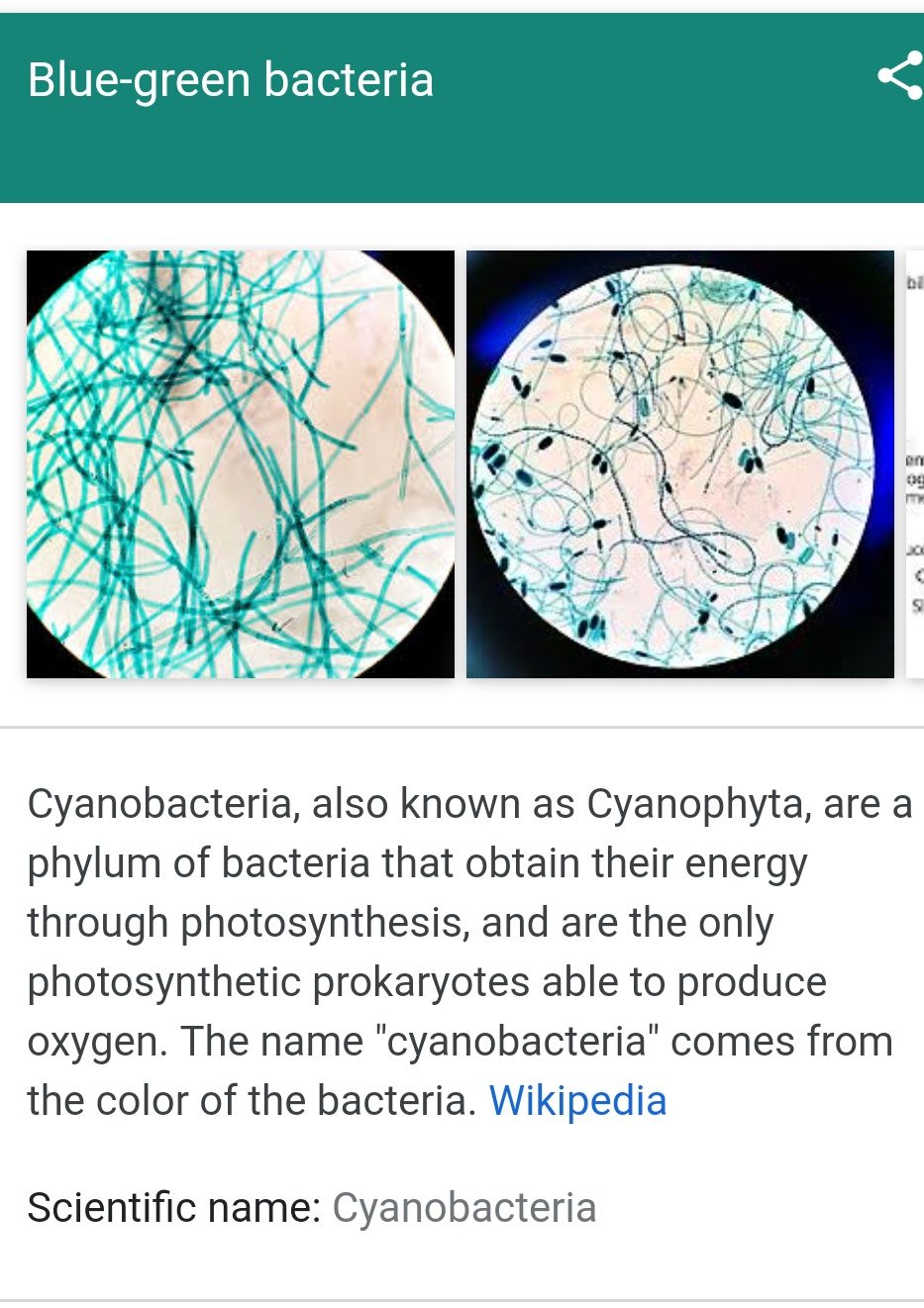
Cyanobacteria are
Photoheterotrophs
Photoautotrophs
Chemoautotrophs
Chemoheterotrophs
Bacteria and Archaebacteria are both prokaryotes. How do they differ to each other?
Bacteria inhabit extreme environment while Archaebacteria inhabit diverse environment.
Bacteria inhabit diverse environment while Archaebacteria inhabit extreme environment.
Both inhabit diverse environment.
Both inhabit extreme environment.

Identify letter H.
nucleoid region (DNA)
nucleus
nuclei
What is the primary purpose of Gram staining in microbiology?
To measure bacterial growth rate
To differentiate bacterial species into two groups based on cell wall composition
To identify bacterial DNA
To determine bacterial motility
The transfer of naked DNA from one cell to another is referred to as
Transduction
Lysogeny
Transformation
Conjugation
The transfer of genes from one cell to another by a bacteriophage is known as
Recombination
Conjugation
Transduction
Transformation
What are plasmids?
Mobile sections of DNA that can move within genomes.
Circular DNA sections that replicate independently of chromosomes.
Enzymes that catalyze the cutting and resealing of DNA.
Proteins that facilitate gene transfer.
How do bacteria typically achieve conjugation?
By releasing DNA into the environment.
Through a process called transposition.
Through the action of bacteriophages.
By using a conjugation pilus for cell-cell contact.
Why is horizontal gene transfer important for bacteria?
It prevents them from acquiring pathogenicity or antibiotic resistance.
It slows down their adaptation to new environments.
It ensures that their genome size keeps increasing.
It allows them to achieve genetic diversity and adapt to new environments.
What is horizontal gene transfer?
Genetic change passed on to daughter cell
Genetic change acquired from another cell
Why is horizontal gene transfer significant in bacterial populations?
It creates diversity by introducing new genetic material.
It allows bacteria to replicate more efficiently.
It ensures that bacteria remain genetically identical.
It reduces the risk of mutations within the genome.
What is the primary function of fimbriae in bacteria?
Attachment to surfaces
Protein synthesis
DNA replication
Motility
How do fimbriae contribute to bacterial infections?
They help bacteria adhere to host tissues, aiding colonization
They produce toxins that kill host cells
They enable bacteria to move through the bloodstream
They allow bacteria to resist antibiotics
Which statement best defines evolution at the population level?
Directional selection acting every reproductive season
Increase in individual fitness over one lifetime
Accumulation of mutations within single organisms
Change in allele frequencies across generations
Which mechanism most likely causes random changes in allele frequencies in small populations?
Genetic drift through chance events
Directional selection favoring extremes
Gene flow from nearby populations
Balancing selection maintaining heterozygotes
In the Hardy–Weinberg model, a population in equilibrium has constant what?
Mutation rates per generation
Selection coefficients on traits
Phenotypic plasticity levels
Allele and genotype frequencies
Which source directly generates new alleles in a gene pool?
Sexual reproduction mixing alleles
Mutations altering DNA sequences
Natural selection filtering phenotypes
Gene flow moving individuals
Sexual reproduction increases genetic variation primarily by which process?
Recombination and independent assortment
Mutation accumulation each gametogenesis
Directional selection on mating traits
Gene flow through long-distance dispersal
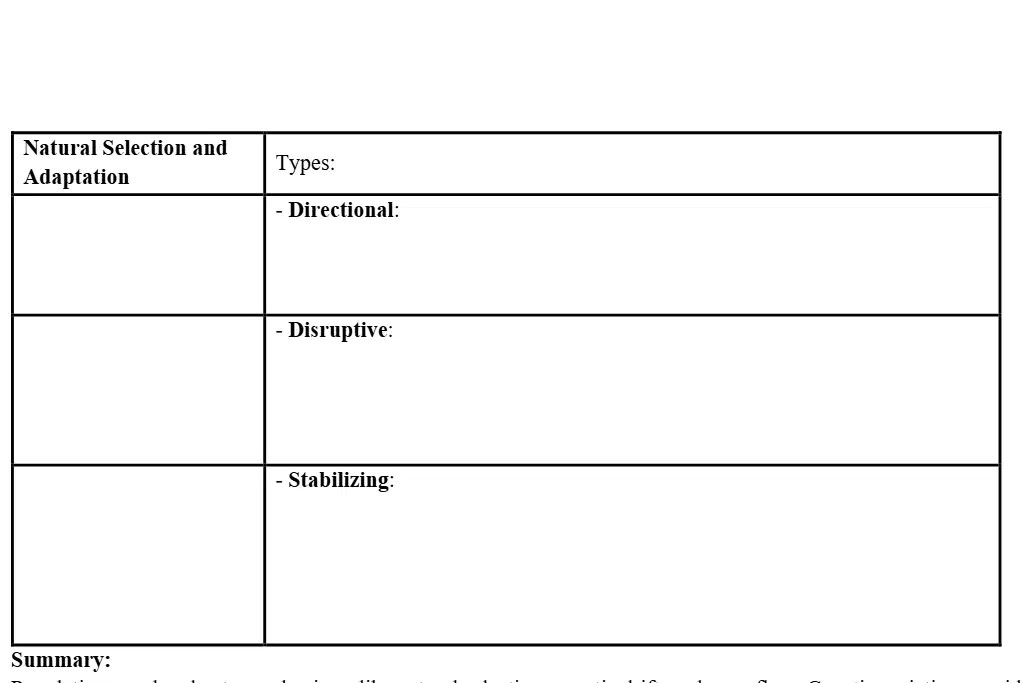
Natural selection that shifts the population mean toward one extreme is called what?
Disruptive selection
Stabilizing selection
Directional selection
Balancing selection
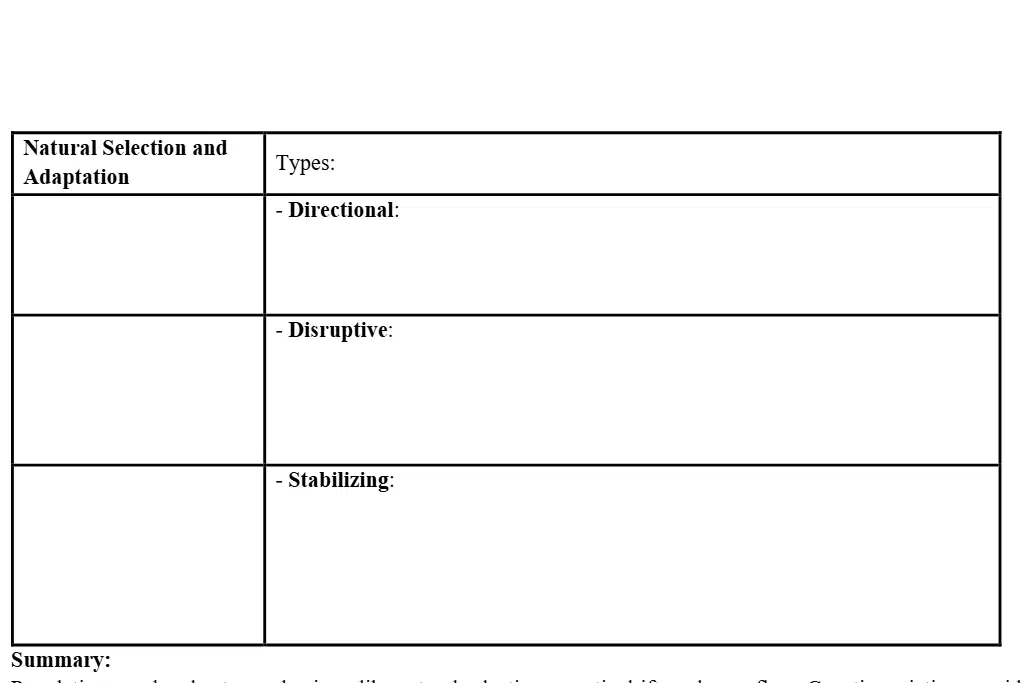
Which scenario illustrates disruptive selection?
Both extremes favored over intermediates
One extreme consistently increases fitness
Random drift changes allele frequencies
Intermediate trait favored most strongly
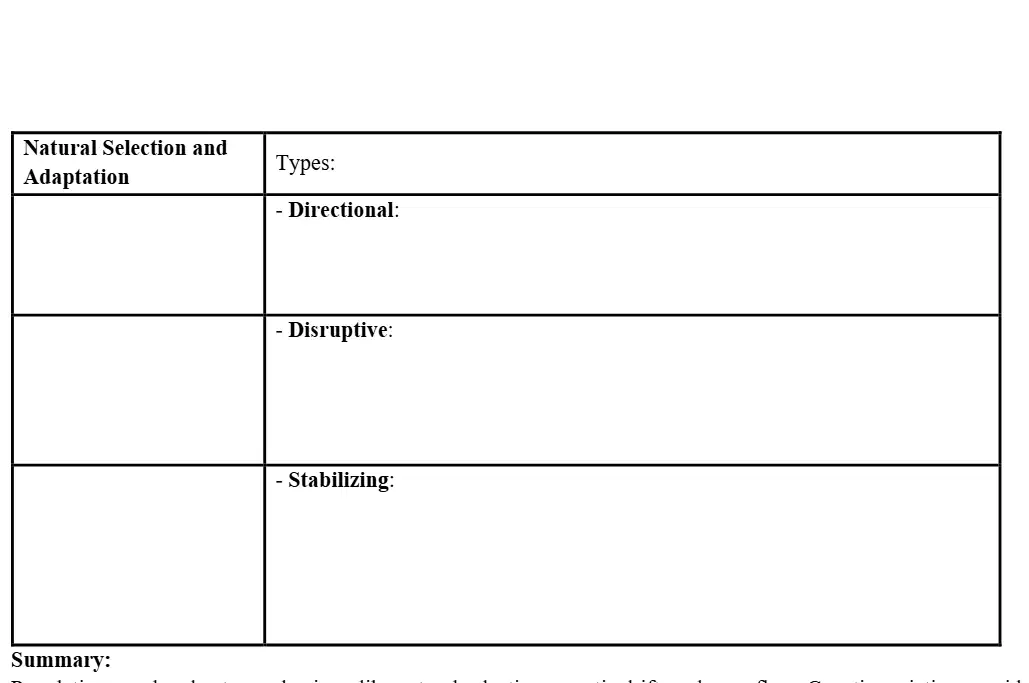
Stabilizing selection typically has which effect on trait variation?
Randomizes phenotypes independent of fitness
Shifts mean toward higher values
Amplifies extremes, splits distribution
Reduces extremes, maintains intermediates
Gene flow most directly affects populations by doing what?
Introducing alleles through migration
Creating new alleles by mutation
Randomly fixing alleles in small groups
Eliminating heterozygotes via selection
Which statement best defines the biological species concept?
Populations that interbreed and are reproductive isolated
Lineages with unique morphological traits
Populations living in the same environment
Groups sharing a recent common ancestor
Which scenario exemplifies allopatric speciation?
Polyploidy arising in a plant population
Disruptive selection within a single habitat
A river divides a population, preventing gene flow
Assortative mating in a mixed population
Which mechanism is most directly a prezygotic barrier?
Reduced hybrid viability post-fertilization
Hybrid sterility after mating occurs
Temporal isolation preventing mating seasons
Hybrid breakdown in later generations
Which outcome is characteristic of postzygotic barriers?
Behavioral isolation prevents courtship
Hybrids are sterile or inviable
Mechanical isolation blocks copulation
Gametes fail to fuse during mating
Which situation most likely leads to sympatric speciation in animals?
Geographic barriers separate subpopulations
Random mating across the entire range
Disruptive selection with strong assortative mating
Stable gene flow maintaining one gene pool
Which combination correctly pairs barrier type with example?
Prezygotic—mechanical isolation
Postzygotic—temporal isolation
Prezygotic—hybrid sterility
Postzygotic—behavioral isolation
Which evidence best supports variable rates of speciation across lineages?
Uniform mutation rates in all organisms
Fossil transitions showing gradual and punctuated events
Identical selection pressures across ecosystems
Consistent generation times in populations
A plant lineage undergoes chromosome doubling producing polyploids. What mode of speciation is most consistent with this event?
Sympatric driven by instant reproductive isolation
Allopatric driven by physical separation
Peripatric driven by founder effects
Parapatric driven by clinal variation
Which pattern aligns with punctuated equilibrium in the fossil record?
Continuous anagenesis over many strata
Gradual transitions without stasis phases
Long stasis interrupted by rapid divergence
Slow change with constant morphological shifts
Two populations develop different mating calls and timing, reducing interbreeding while coexisting. What barrier combination is primarily involved?
Postzygotic viability and breakdown
Mechanical isolation and hybrid sterility
Behavioral and temporal isolation
Gametic isolation and hybrid inviability
Which hypothesis describes the earliest steps in life’s origin on Earth?
Direct descent from extraterrestrial organisms
Instant creation of multicellular eukaryotes
Spontaneous generation produced complex animals
Abiotic synthesis formed organic molecules first
Hydrothermal vents are proposed to have contributed to life’s origin primarily by:
Providing mineral catalysts and energy gradients
Flooding continents with liquid water
Generating abundant atmospheric oxygen
Delivering ultraviolet radiation for polymerization
Stromatolites are significant in the fossil record because they:
Record early prokaryote communities in layered rocks
Demonstrate multicellular plant vascular tissues
Show the first tetrapod limb impressions
Contain direct fossils of modern humans
Endosymbiosis theory explains the origin of:
Nuclei in archaeal lineages
Cell walls in early prokaryotes
Mitochondria and chloroplasts in eukaryotes
Vascular tissue in land plants
Which evidence best supports endosymbiosis?
Organelles form de novo from vesicles
Organelles have linear DNA with histones
Organelles divide by mitosis like nuclei
Organelles have circular DNA and 70S ribosomes
Multicellularity led directly to the rise of:
Viruses and prions primarily
Bacteria and archaea only
Plants, animals, and fungi
Single-celled protists mainly
Tetrapods first appeared around:
Approximately 1.8 billion years ago
Approximately 195,000 years ago
Approximately 365 million years ago
Approximately 3.5 billion years ago
Modern Homo sapiens emerged roughly:
1.8 billion years ago in the Proterozoic
500 million years ago during early Paleozoic
195,000 years ago in the late Pleistocene
3.5 billion years ago in the Archean
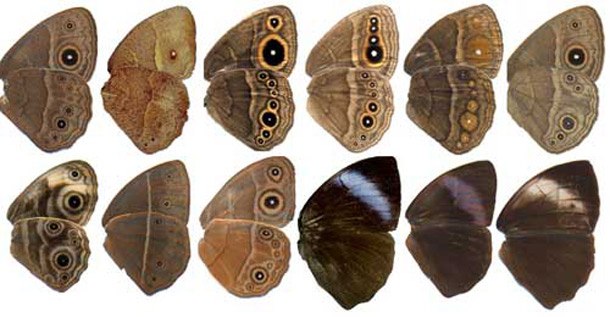


Which scenario best illustrates allopatric speciation?
Gene flow increases between distant populations
Hybrid offspring have increased fertility
Individuals mate randomly within a single population
Populations separated by a physical barrier evolve independently

