


Atomic Radius Presentations
This presentation explains atomic radius concepts through structured lesson slides and visual learning materials designed for chemistry students. Explore how atomic size varies across the periodic table with clear diagrams and examples that make understanding electron shell relationships straightforward.

28 questions
Atomic Radius

Presentation
•
9th - 12th Grade

20 questions
Review Trends : Atomic Radius, Ions & Electronegatity
Presentation
•
10th - 12th Grade
25 questions
Periodic Trends
Presentation
•
10th - 12th Grade

36 questions
Introduction to the Periodic Table
Presentation
•
9th - 12th Grade

13 questions
Atomic Structure - Rapid Review
Presentation
•
9th Grade

16 questions
Periodic Trends
Presentation
•
12th Grade
15 questions
Atomic Theory
Presentation
•
7th - 9th Grade
21 questions
Periodic Trends
Presentation
•
10th Grade
10 questions
Atomic Structure
Presentation
•
9th Grade
34 questions
Periodic Families, Radius, Reactivity Review CP
Presentation
•
9th Grade
120 questions
Unit 2 Chemistry Atomic Theory and Periodicity
Presentation
•
9th - 12th Grade
30 questions
Periodic Table Trends
Presentation
•
10th Grade
Browse by grade
Explore Atomic Radius Presentations
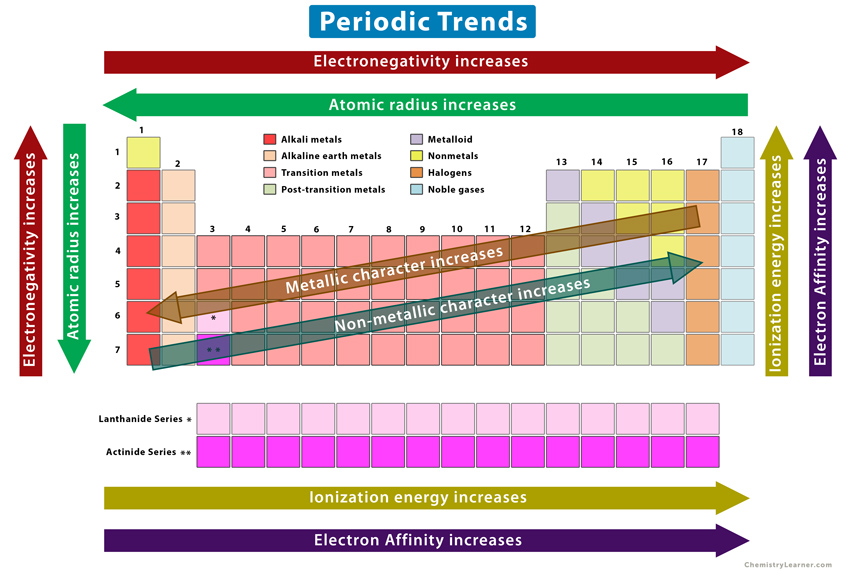
Atomic radius presentations provide comprehensive concept explanation and visual learning opportunities that help students understand the periodic trends governing atomic size across elements. These structured instruction materials guide learners through the fundamental principles of how atomic radius changes within periods and groups on the periodic table, offering clear explanations of the underlying forces that determine atomic size, including nuclear charge, electron shielding, and electron-electron repulsion. Through detailed visual representations and systematic concept explanation, students develop critical analytical skills for predicting and comparing atomic sizes, understanding the relationship between atomic structure and periodic properties, and connecting atomic radius trends to other fundamental chemical concepts such as ionization energy and electronegativity. Wayground supports chemistry educators with millions of teacher-created atomic radius presentations that feature robust search and filtering capabilities to locate resources aligned with specific learning objectives and academic standards. The platform's differentiation and customization tools enable teachers to modify presentation content to meet diverse student needs, from foundational concept introduction to advanced trend analysis and problem-solving applications. These digital-first resources offer flexible delivery formats that support various instructional approaches, whether for whole-class concept explanation, small group exploration, or individual student review sessions. Teachers utilize these comprehensive presentation collections for initial instruction planning, targeted remediation of misconceptions about periodic trends, enrichment activities for advanced learners, and ongoing skill reinforcement to ensure students master the complex relationships between atomic structure and periodic properties.

Accessibility
Features
Wayground Super
School & District
Wayground for Business
Create a quiz
Create a presentation
Wayground AI
Subjects
Mathematics
Social Studies
Science
Physics
Chemistry
Biology
About
Our Story
Wayground Blog
Media Kit
Careers
Support
F.A.Q.
Help & Support
Privacy Policy
Terms of Service
Teacher Resources
2026 Wayground


Get our app

