
Resource Type


Subjects
11th Grade Civil Rights Movement: Martin Luther King Jr. Quizzes
Test your knowledge of Martin Luther King Jr. and his pivotal role in the Civil Rights Movement with this Grade 11 U.S. History quiz. Assess your understanding of key events, speeches, and strategies through practice questions designed to provide instant feedback on this transformative period in American history.

30 questions
Civil Rights midpoint

Quiz
•
11th Grade
20 questions
Civil Rights Preassessment
Quiz
•
11th Grade

14 questions
Civil Rights Test Review
Quiz
•
11th Grade

24 questions
Civil Rights Movement Test (L)
Quiz
•
11th Grade

11 questions
5.2 Civil Rights Movements Quiz
Quiz
•
11th Grade

40 questions
Civil Rights Review 2025
Quiz
•
11th Grade
52 questions
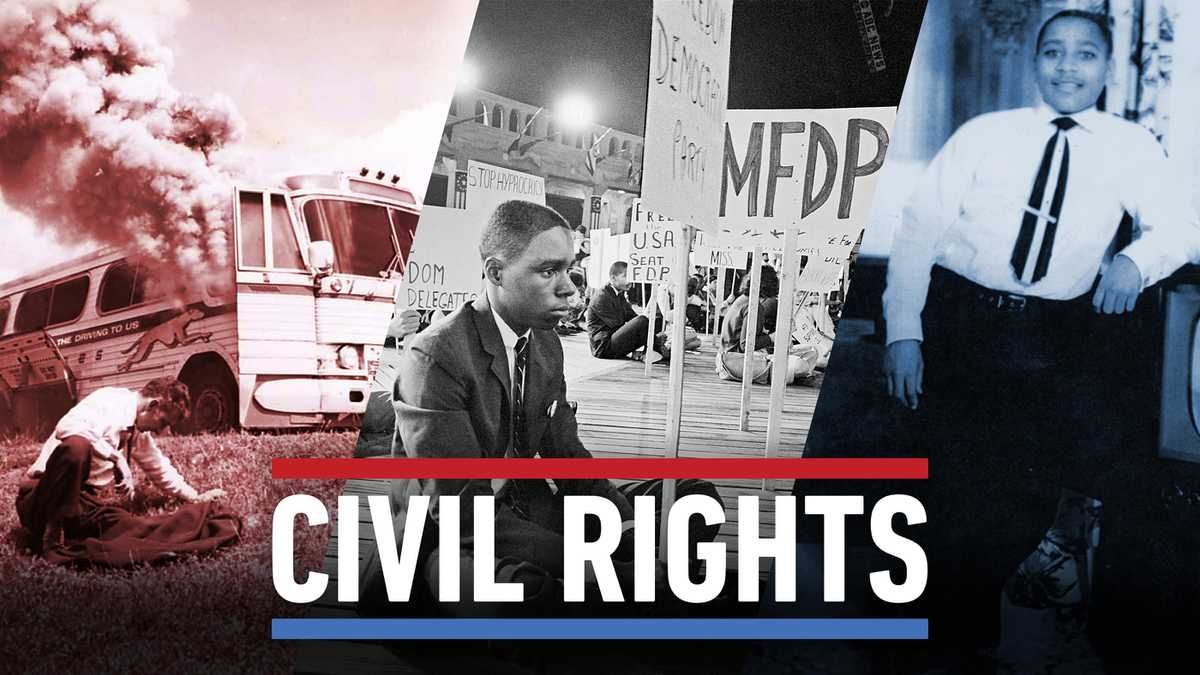
Civil Rights
Quiz
•
11th Grade
20 questions
Civil Rights Review
Quiz
•
11th Grade
31 questions
Ch 16 Civil Rights
Quiz
•
11th Grade
37 questions
Civil Rights Exam Review 2023
Quiz
•
11th Grade
17 questions
Civil Rights
Quiz
•
11th Grade
24 questions
Civil Rights Movement Review - US History
Quiz
•
11th Grade
Explore 11th Grade Civil Rights Movement: Martin Luther King Jr. Quizzes
Martin Luther King Jr. and the Civil Rights Movement represent pivotal subjects for Grade 11 students studying transformative periods in American history. Wayground's comprehensive quiz collection provides educators with targeted assessment tools that evaluate student understanding of Dr. King's leadership philosophy, his strategic approach to nonviolent resistance, and his lasting impact on social justice movements. These practice questions delve into key events such as the Montgomery Bus Boycott, the March on Washington, and the Birmingham Campaign, while offering immediate feedback that helps students grasp the complexities of civil rights activism and its broader historical context. The quizzes systematically build knowledge about King's speeches, writings, and collaborative relationships with other civil rights leaders, ensuring students develop critical thinking skills about this transformative era. Wayground's platform empowers teachers with access to millions of teacher-created quiz resources specifically designed for Civil Rights Movement instruction, featuring robust search and filtering capabilities that align with state and national social studies standards. Educators can easily customize existing assessments or create differentiated versions that accommodate diverse learning needs, while the platform's flexible digital delivery formats enable seamless integration into both classroom instruction and remote learning environments. These tools support comprehensive lesson planning by providing formative assessment opportunities that identify knowledge gaps requiring remediation, while also offering enrichment activities for advanced learners ready to explore deeper connections between King's philosophy and contemporary social movements. The platform's extensive resource library enables teachers to reinforce key historical concepts through varied question formats that promote long-term retention and analytical thinking about civil rights history.
FAQs
How do I teach Martin Luther King Jr. and the Civil Rights Movement to students?
Teaching the Civil Rights Movement effectively means grounding students in both the historical timeline and the philosophy behind it. Start with Dr. King's core belief in nonviolent resistance and connect it to specific events like the Montgomery Bus Boycott, the Birmingham Campaign, and the March on Washington. Primary source analysis — speeches, letters, and photographs from the era — helps students move beyond memorization toward genuine historical thinking. Pairing chronological context with discussion of cause and effect gives students a framework for understanding how grassroots organizing produced legislative change.
What quizzes or activities help students practice Civil Rights Movement content?
Effective practice activities for this topic include timeline sequencing exercises, document-based questions using excerpts from speeches like 'I Have a Dream' or the 'Letter from Birmingham Jail,' and cause-and-effect graphic organizers that trace how specific events led to policy outcomes. Analytical tasks that ask students to evaluate the effectiveness of nonviolent protest strategies push beyond recall and build critical thinking. Quizzes that combine factual questions with short-response prompts are especially useful for reinforcing both content knowledge and historical reasoning skills.
What common mistakes do students make when learning about Martin Luther King Jr. and the Civil Rights Movement?
One of the most common misconceptions is reducing the Civil Rights Movement to a single leader, which obscures the collective organizing, local activism, and contributions of figures like Rosa Parks, John Lewis, and Fannie Lou Hamer. Students also frequently conflate the legal victories of the movement — such as the Civil Rights Act of 1964 and Voting Rights Act of 1965 — without understanding the years of sustained protest that preceded them. Another frequent error is treating nonviolent resistance as passive rather than as a deliberate, disciplined strategy. Addressing these misconceptions directly in quiz prompts helps students develop a more accurate and nuanced understanding.
How can I differentiate Civil Rights Movement instruction for students with different learning needs?
Differentiation for this topic can include tiered reading passages at varied Lexile levels, graphic organizers that scaffold document analysis for struggling readers, and extension tasks that ask advanced learners to compare King's philosophy with other civil rights strategies. On digital platforms like Wayground, teachers can apply individual accommodations such as read-aloud support for students who need text read to them, reduced answer choices to lower cognitive load for selected students, and extended time settings — all configurable per student without disrupting the experience of other learners.
How do I use Wayground's Martin Luther King Jr. quizzes in my classroom?
Wayground's Civil Rights Movement quizzes are available as printable PDFs for traditional classroom use and in digital formats for technology-integrated or remote learning environments, giving teachers flexibility in how they deploy the materials. Teachers can also host quizzes as interactive quizzes directly on Wayground, enabling real-time student responses and instant feedback. Each quiz includes a complete answer key, which supports independent student practice, small-group work, and teacher-led review sessions equally well.
What primary sources should students analyze when studying Martin Luther King Jr.?
The most instructive primary sources for this topic include Dr. King's 'Letter from Birmingham Jail' (1963), which articulates the moral and strategic case for nonviolent direct action, and the 'I Have a Dream' speech from the March on Washington. The Montgomery Bus Boycott's organizational documents and photographs from lunch counter sit-ins also provide concrete visual and textual evidence of the movement in action. Teaching students to identify the audience, purpose, and context of each source builds the analytical skills required for both standardized assessments and deeper historical understanding.

Accessibility
Features
Wayground Super
School & District
Wayground for Business
Create a quiz
Create a presentation
Wayground AI
Subjects
Mathematics
Social Studies
Science
Physics
Chemistry
Biology
About
Our Story
Wayground Blog
Media Kit
Careers
Support
F.A.Q.
Help & Support
Privacy Policy
Terms of Service
Teacher Resources
2026 Wayground


Get our app

