
Resource Type


Subjects
Graphing and Shading Solutions Quizzes
Master the essential skill of graphing and shading inequality solutions with our comprehensive collection of interactive quizzes designed to assess your understanding through targeted practice questions. These self-paced assessments provide instant feedback as you work through problems involving linear inequalities, compound inequalities, and coordinate plane graphing techniques.

18 questions
Compound Inequalities

Quiz
•
6th Grade

17 questions
Inequalities Pt. III: Compound Inequalities {Day 1}
Quiz
•
6th - 12th Grade
15 questions
Writing and Graphing Inequalities
Quiz
•
6th Grade

15 questions
Graphing Solutions to Inequalities
Quiz
•
7th Grade

10 questions
Solving and Graphing Inequalities
Quiz
•
6th - 8th Grade

20 questions
Solving and Graphing Inequalities
Quiz
•
7th Grade
19 questions
writing and graphing inequalities
Quiz
•
7th Grade
20 questions
Solutions and Inequalities
Quiz
•
6th Grade
13 questions
Solving and Graphing Two-Step Inequalities and Equations
Quiz
•
7th Grade
20 questions
Solving and Graphing Inequalities
Quiz
•
7th Grade
20 questions
Solutions to Graphing Inequalities
Quiz
•
7th Grade
14 questions
Writing and Graphing Inequalities
Quiz
•
6th - 8th Grade
Explore Graphing and Shading Solutions Quizzes
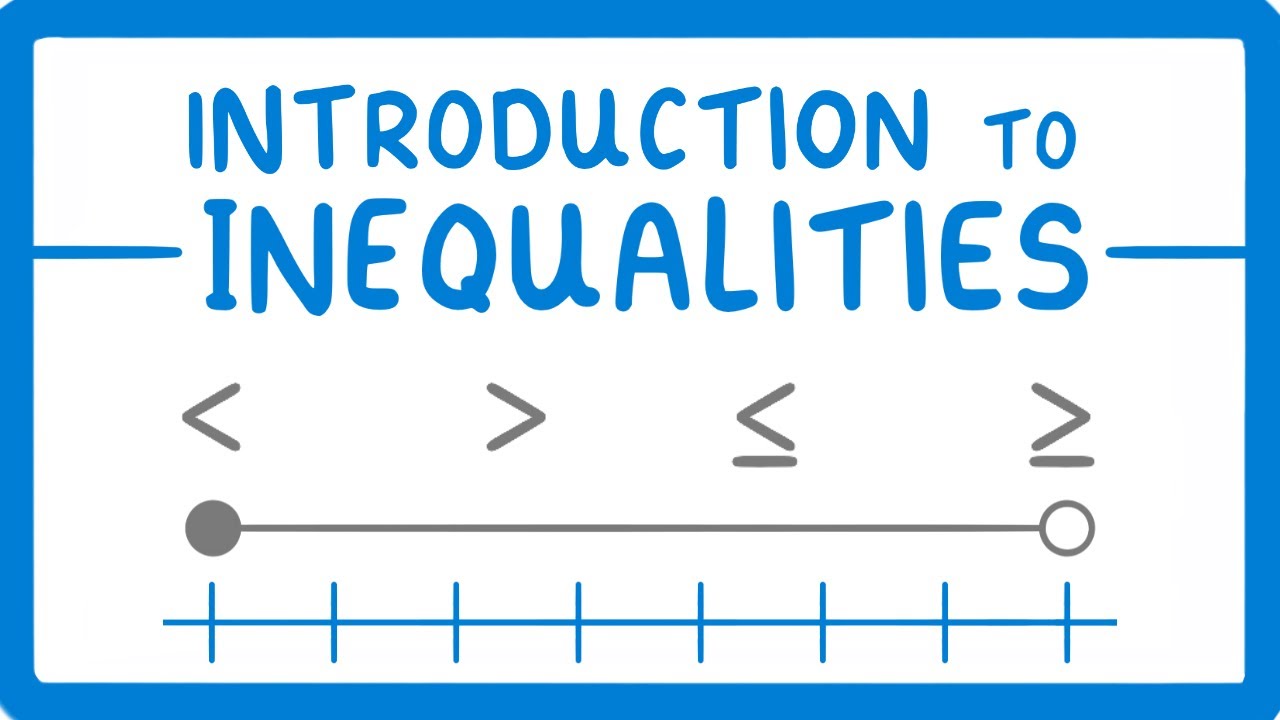
Graphing and shading solutions for inequalities represents a fundamental skill in mathematics that bridges algebraic reasoning with visual representation. These comprehensive quizzes available through Wayground help students master the essential techniques for translating inequality statements into accurate graphical displays on coordinate planes. Students develop critical understanding of boundary lines, determining whether lines should be solid or dashed based on inclusive or exclusive inequalities, and applying proper shading techniques to represent solution regions. Through targeted practice questions and immediate feedback, learners strengthen their ability to interpret inequality symbols, identify correct half-planes, and verify solutions by testing coordinate points within shaded regions. Wayground's extensive collection of teacher-created inequality graphing quizzes provides educators with powerful tools to support diverse learning needs and instructional goals. Drawing from millions of professionally developed resources, teachers can easily search and filter content to find materials that align with specific curriculum standards and match their students' skill levels. The platform's robust customization features enable instructors to modify existing quizzes, adjust difficulty levels, and create differentiated assignments that address individual learning gaps or provide enrichment opportunities. These digital-first assessment tools facilitate flexible delivery methods suitable for classroom instruction, homework assignments, or targeted remediation sessions, empowering teachers to reinforce graphing concepts while tracking student progress toward mastery of inequality solution techniques.
FAQs
How do I teach graphing and shading solutions for inequalities?
A reliable method is a three-step process: 1) Graph the boundary line or point as if it were an equation. 2) Determine if the boundary is solid (for ≤ or ≥) or dashed/open (for < or >). 3) Pick a test point (like (0,0) if not on the line) to see if it satisfies the inequality, then shade the appropriate region or direction.
What are the most common mistakes students make when graphing inequality solutions?
Students most often struggle with three things: 1) Confusing when to use a solid versus a dashed boundary line. 2) Shading the incorrect side of the boundary line. 3) Basic errors in graphing the boundary line equation itself.
What exercises help students practice graphing inequalities?
Effective practice involves a variety of problems. Start with graphing one-variable inequalities on a number line, then progress to two-variable linear inequalities on a coordinate plane. Quizzes that mix inequality types (e.g., <, >, ≤, ≥) help students master the nuances of boundary lines and shading.
How can I use these graphing and shading solutions quizzes?
These quizzes are available as printable PDFs and in a digital format. You can host a quiz as a digital quiz on Wayground for instant feedback or print it for hands-on practice. Every quiz includes a complete answer key to support grading and student self-assessment.
How does graphing inequalities fit into the math curriculum?
Graphing inequalities is a key concept in the Common Core math progression, serving as a bridge between algebra and geometry. It typically starts in middle school with one-variable inequalities on a number line and advances in high school algebra to graphing two-variable linear inequalities and systems of inequalities on the coordinate plane.
How can I differentiate instruction for graphing and shading inequalities?
Use Wayground's features to support diverse learners. For students needing support, you can reduce the number of answer choices on a digital quiz or use a quiz that focuses only on number lines. For advanced students, assign quizzes with systems of linear inequalities or those involving quadratic inequalities.

Accessibility
Features
Wayground Super
School & District
Wayground for Business
Create a quiz
Create a presentation
Wayground AI
Subjects
Mathematics
Social Studies
Science
Physics
Chemistry
Biology
About
Our Story
Wayground Blog
Media Kit
Careers
Support
F.A.Q.
Help & Support
Privacy Policy
Terms of Service
Teacher Resources
2026 Wayground


Get our app

