

11th Grade Jim Crow Laws Quizzes
Test your knowledge of Jim Crow Laws with this comprehensive Grade 11 quiz designed to assess understanding of segregation policies in the American South. Practice answering questions about the implementation, impact, and eventual dismantling of these discriminatory laws through self-paced assessment with instant feedback.

10 questions
The History of Jim Crow Laws

Quiz
•
11th Grade

12 questions
Civil Rights Progressive Era
Quiz
•
11th Grade

15 questions
Quiz: Reconstruction through Jim Crow Laws
Quiz
•
9th - 12th Grade
19 questions
Jim Crow Laws and Segregation
Quiz
•
9th - 12th Grade

15 questions
Jim Crow Laws Disenfranchisement
Quiz
•
9th - 12th Grade

22 questions
Jim Crow laws, Reconstruction Amendments
Quiz
•
9th - 12th Grade
21 questions
Reformers and JIm Crow
Quiz
•
9th - 12th Grade
14 questions
Segregation Check Up
Quiz
•
9th - 12th Grade
10 questions
Jim Crow Laws
Quiz
•
4th Grade
15 questions
Jim Crow
Quiz
•
8th Grade
15 questions
Jim Crow Laws
Quiz
•
4th Grade
Explore 11th Grade Jim Crow Laws Quizzes
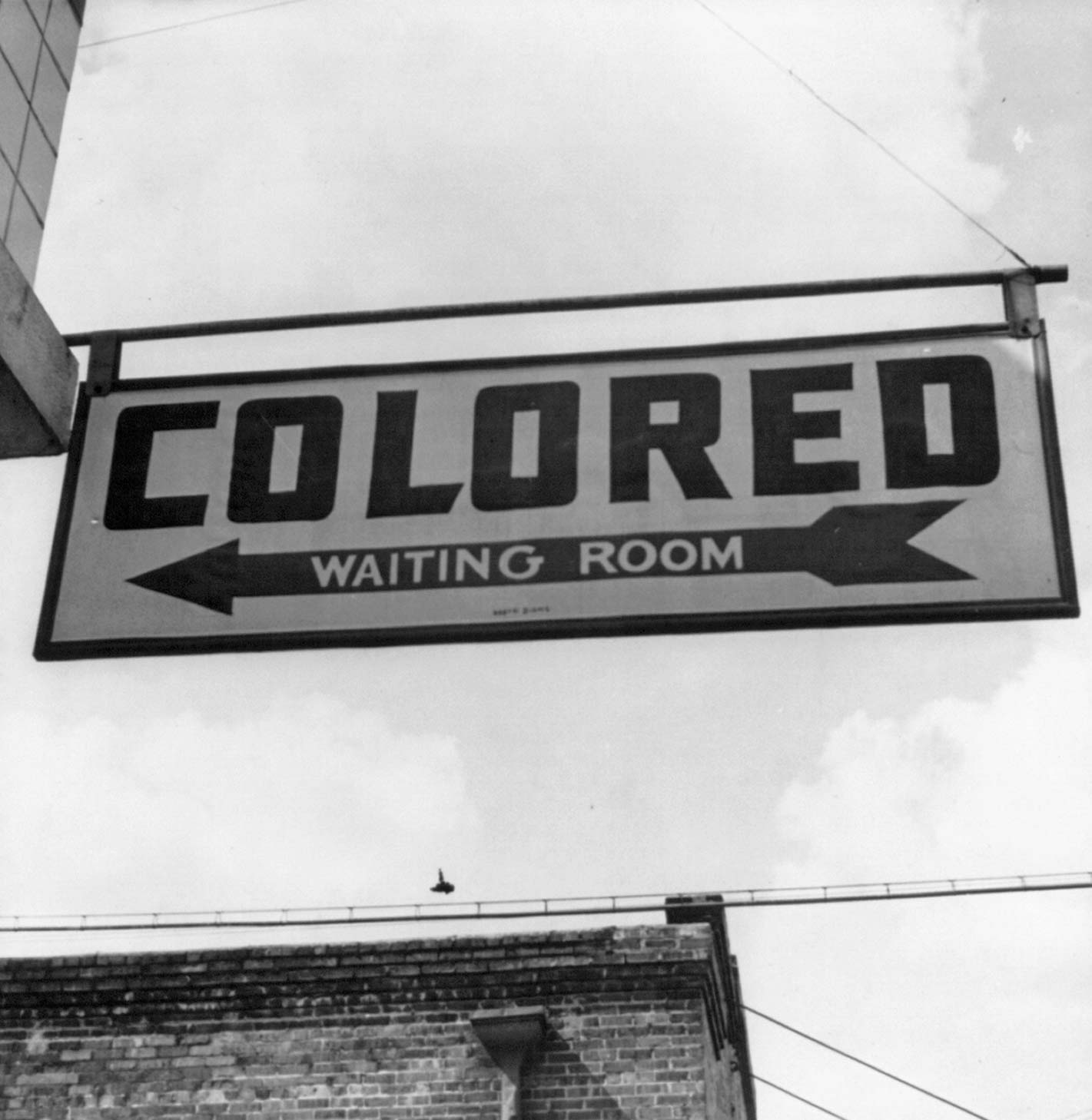
Jim Crow Laws quizzes for Grade 11 students provide comprehensive assessment opportunities that examine this critical period of American legal segregation from the 1870s through the 1960s. These practice questions guide students through understanding the systematic enforcement of racial discrimination in the South, analyzing landmark Supreme Court cases like Plessy v. Ferguson, and evaluating the social and economic impact of segregationist policies on African American communities. Through targeted assessment activities, students develop critical thinking skills as they examine primary source documents, constitutional amendments, and the legal frameworks that institutionalized racial inequality, while receiving immediate feedback on their comprehension of this transformative era in civil rights history. Wayground supports educators teaching about this pivotal historical period through millions of teacher-created quiz resources that address Jim Crow Laws from multiple analytical perspectives. The platform's robust search and filtering capabilities enable teachers to locate assessment materials aligned with state and national history standards, while customization tools allow for differentiation based on individual student needs and learning objectives. Digital delivery formats facilitate both synchronous classroom assessment and independent practice, supporting comprehensive lesson planning that addresses remediation for struggling learners and enrichment opportunities for advanced students. These flexible quiz collections reinforce essential skills in historical analysis, constitutional interpretation, and understanding the long-term consequences of institutionalized discrimination in American society.
FAQs
How do I teach Jim Crow Laws to middle or high school students?
Teaching Jim Crow Laws effectively means grounding students in historical context before examining specific legislation. Start with the post-Reconstruction period to explain how and why legal segregation took hold across Southern states. From there, introduce landmark cases like Plessy v. Ferguson to help students understand how the Supreme Court legitimized 'separate but equal' doctrine. Primary source analysis, such as comparing actual state and local ordinances, helps students move beyond surface-level facts and into critical evaluation of how institutionalized discrimination operated in daily life.
What exercises help students practice analyzing Jim Crow Laws?
Effective practice exercises include primary source document analysis, where students read and interpret actual legislation or court rulings, and comparative tasks that ask students to contrast Jim Crow ordinances across different states. Cause-and-effect organizers work well for tracing how specific laws shaped social and economic conditions for Black Americans. Evaluative writing prompts that ask students to assess the long-term impact of segregation policies also build the analytical skills this topic demands.
What mistakes do students commonly make when learning about Jim Crow Laws?
A common misconception is that Jim Crow Laws were limited to the Deep South or to a single period in time. Students often underestimate the geographic spread and the duration of legal segregation, which persisted from the post-Reconstruction era well into the Civil Rights Movement. Another frequent error is conflating de facto segregation with de jure segregation. Students also sometimes treat Plessy v. Ferguson as an isolated case rather than understanding it as a legal foundation that enabled decades of discriminatory policy.
How can I use Jim Crow Laws quizzes to support students with different learning needs?
Jim Crow Laws quizzes on Wayground are available as printable PDFs and in digital formats, making them adaptable for both traditional and technology-integrated classrooms. For students who need additional support, Wayground's accommodation tools allow teachers to enable read-aloud functionality, extended time, or reduced answer choices on an individual basis without singling students out in front of peers. These settings are saved per student and carry over to future sessions, which reduces setup time when revisiting related topics across a unit on civil rights history.
How do Jim Crow Laws connect to the broader Civil Rights Movement?
Jim Crow Laws created the legal architecture of racial segregation that Civil Rights activists directly challenged throughout the mid-twentieth century. Landmark moments like the Montgomery Bus Boycott, Brown v. Board of Education, and the Civil Rights Act of 1964 are only fully understood in relation to the specific laws they dismantled. Teaching this connection helps students see the Civil Rights Movement not as a spontaneous uprising but as a deliberate, organized response to nearly a century of codified discrimination.
What primary sources work best when teaching Jim Crow Laws?
State-level segregation statutes and local ordinances are among the most effective primary sources because they make the specificity and scope of legal discrimination concrete for students. Court documents from Plessy v. Ferguson and later Brown v. Board of Education provide a before-and-after legal framework. Photographs, newspaper accounts, and personal narratives from people who lived under segregation are also valuable because they translate legislative language into lived human experience, which is often what makes the historical weight of this topic register with students.

Accessibility
Features
Wayground Super
School & District
Wayground for Business
Create a quiz
Create a presentation
Wayground AI
Subjects
Mathematics
Social Studies
Science
Physics
Chemistry
Biology
About
Our Story
Wayground Blog
Media Kit
Careers
Support
F.A.Q.
Help & Support
Privacy Policy
Terms of Service
Teacher Resources
2026 Wayground


Get our app

