Search Header Logo
  1. Resource Library
  2. Science
  3. Biology
  4. Human Body
  5. Human Body Systems Unit Review
Human Body Systems Unit Review

Human Body Systems Unit Review

Assessment

Presentation

Science

7th Grade

Medium

NGSS
MS-LS1-3, MS-LS1-1, HS-LS1-3

+2

Standards-aligned

Created by

Heather Ziemba

Used 10+ times

FREE Resource

27 Slides • 39 Questions

1

Human Body Systems Unit Review

Review for your final exit ticket tomorrow!
Slide image

2

Slide image

3

Multiple Select

When we are cold we

1

shiver

2

sweat

3

stretch out

4

put on a jumper

4

Multiple Choice

Homeostasis

1

internal conditions are unstable

2

internal conditions remain stable

3

external conditions remain stable

4

external conditions are unstable

5

Multiple Choice

Question image

When we run, we maintain homeostasis by ...

1

increasing our breathing and heart rate

2

decreasing our heart rate

3

not drinking as much water

4

not eating healthy foods

6

Slide image

7

Slide image

8

Multiple Choice

Question image
This is a example of ........
1
organ
2
organ system
3
tissue
4
cell

9

Multiple Choice

Question image
This is a example of ........
1
cell
2
organ system
3
organ
4
tissue

10

Multiple Choice

Muscle tissue
1
Is tissue that functions in lining, covering, and glandular tissue
2
Is tissue involved in protecting, supporting, and binding together other body tissues
3
Is tissue that contracts and shortens to produce movement 
4
Tissue that receives and conducts electrochemical impulses from one part of the body to another

11

Multiple Choice

The basic unit of a living thing is a ________________.

1

cell

2

cytoplasm

3

nucleus

4

cell membrane

12

Slide image

13

Slide image

14

Multiple Choice

What are the rhythmic muscular contractions of your esophagus called to help food move along?

1

swallowing

2

peristalsis

3

inertia contractions

4

paralysis

15

Multiple Choice

Which is NOT a function of the Digestive System?

1

To rid the body of solid waste

2

Absorb nutrients for energy & growth

3

Break down nutrients from food

4

Pump blood around the body

16

Multiple Choice

Gastric juices in the stomach digest food into a thick liquid.  This is...
1
Mechanical digestion
2
Chemical digestion

17

Multiple Choice

Question image

Nutrients from digested food are absorbed in which digestive organ?

1

Small Intestine

2

Stomach

3

Large Intestine

4

Gallbladder

18

Slide image

19

Slide image

20

Slide image

21

Multiple Choice

Question image

NUMBER 3:

1

Pharynx

2

Trachea

3

Bronchi

4

Alveoli

22

Multiple Choice

Question image
What is the main function of the respiratory system?
1
to provide oxygen and remove carbon dioxide from the body
2
to bring oxygen to the body
3
to break down food and absorb nutrients
4
to remove oxygen from the body and deliver carbon dioxide

23

Multiple Choice

Question image
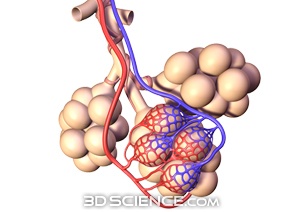
The air sacs that are covered with capillaries where gas exchange takes place
1
bronchi
2
lungs
3
oxygen
4
alveoli

24

Multiple Choice

Question image

When you breathe, your lungs take in ___ and remove ___.

1

air/oxygen

2

oxygen/carbon dioxide

3

carbon dioxide/waste

4

waste/air

25

Slide image

26

Slide image

27

Slide image

28

Slide image

29

Multiple Choice

The fancy name for what gives blood its red colour.

1

Plasma

2

Erythrocytes

3

Hemoglobin

4

Leukocytes

30

Multiple Choice

Which blood cells that help you stop bleeding if you get a cut?

1

Red

2

White

3

Plasma

4

Platelets

31

Multiple Choice

Which blood cells fight infection?

1

Red

2

White

3

Plasma

4

Platelets

32

Multiple Choice

Which blood cells carry oxygen throughout the body?

1

Red

2

White

3

Plasma

4

Platelets

33

Multiple Choice

Which blood cells carry oxygen throughout the body?

1

Red

2

White

3

Plasma

4

Platelets

34

Slide image

35

Slide image

36

Slide image

37

Slide image

38

Multiple Choice

Which blood vessels take blood AWAY from the heart?

1

Veins

2

Arteries

3

Capillaries

39

Multiple Choice

Which blood vessels take blood TO the heart?

1

Veins

2

Arteries

3

Capillaries

40

Multiple Choice

Question image

What part of the heart is the arrow pointing to?

1

Right Ventricle

2

Left Ventricle

3

Left Atrium

4

Right Atrium

41

Multiple Choice

Question image

What part of the heart is the arrow pointing to?

1

Right Ventricle

2

Left Ventricle

3

Left Atrium

4

Right Atrium

42

Multiple Choice

Your heart ...

1

pumps blood

2

carries electrical signals

3

fights diseases

4

digests food

43

Slide image

44

Slide image

45

Multiple Choice

Question image

Dendrites are part of a neuron that carries electrical signals _______ the cell body.

1

to

2

away

3

in between

46

Multiple Choice

Question image

A nerve cell is called a:

1

neutron

2

nerve

3

neuron

4

synapse

47

Multiple Choice

What is the main function of the nervous system?

1

to inhale oxygen and exhale carbon dioxide

2

to break down food consumed by a person for nutrients

3

to control the body's activities by relaying messages

4

to control the body's movements

48

Multiple Choice

The central nervous system is composed of the ...

1

brain and nerves

2

nerves and spinal cord

3

spinal cord and brain

49

Slide image

50

Slide image

51

Slide image

52

Slide image

53

Multiple Choice

Simply act as a barrier to keep foreign bodies from entering our system.

1

Specific Defenses

2

Nonspecific defenses

54

Multiple Choice

Vaccinations will

1

give you a deadly disease

2

give you autism

3

give you memory cells and antibodies

4

give you autoimmune diseases

55

Multiple Choice

Which cell is directly associated with killing infected body cells?

1

macrophage

2

helper T cell

3

cytotoxic T cell

4

B cell

56

Multiple Choice

Which cell eats or engulfs pathogens?

1

macrophage

2

helper T cell

3

cytotoxic T cell

4

B cell

57

Multiple Choice

What type of cell produces antibodies?

1

macrophage

2

cytotoxic T cell

3

B cell

4

Helper T cell

58

Slide image

59

Slide image

60

Slide image

61

Slide image

62

Multiple Choice

Athlete's foot is an example of this pathogen. HINT, it is multicellular, eukaryotic, and disrupts skin cells on the foot!

1

Bacteria

2

Virus

3

Fungus

4

Protozoan

63

Multiple Choice

Which pathogen is non-living?

1

Virus

2

Bacteria

3

Fungi

4

Parasite

64

Multiple Choice

Parasites cause diseases by living off of their hosts. They are ....

1

bacteria

2

protists

3

fungi

4

viruses

65

Multiple Choice

Bacteria are ...

1

made of 1 cell

2

don't have a nucleus for their DNA

3

make toxins, which can make you sick

4

are curable with antibiotics

5

all of these answer choices are correct

66

Multiple Choice

Antibiotics are useful against ...

1

bacteria

2

viruses

3

bacteria and viruses

Human Body Systems Unit Review

Review for your final exit ticket tomorrow!

Slide image

Show answer

Auto Play

Slide 1 / 66

SLIDE