Search Header Logo
  1. Resource Library
  2. Science
  3. Biology
  4. Cell Transport
  5. Cell Transport Review
Cell Transport Review

Cell Transport Review

Assessment

Presentation

Science

7th Grade

Medium

NGSS
MS-PS1-4, MS-PS1-5, MS-LS2-3

+6

Standards-aligned

Created by

EMILY FISH

Used 13+ times

FREE Resource

5 Slides • 57 Questions

1

Cell Transport Review

by EMILY FISH

2

​Cell Transport

​Quiz #5 is TOMORROW (Tuesday)

There are two big key ideas to make sure you know and understand.

​Quiz #5 will have 10 questions...

  • ​7 on cell transport

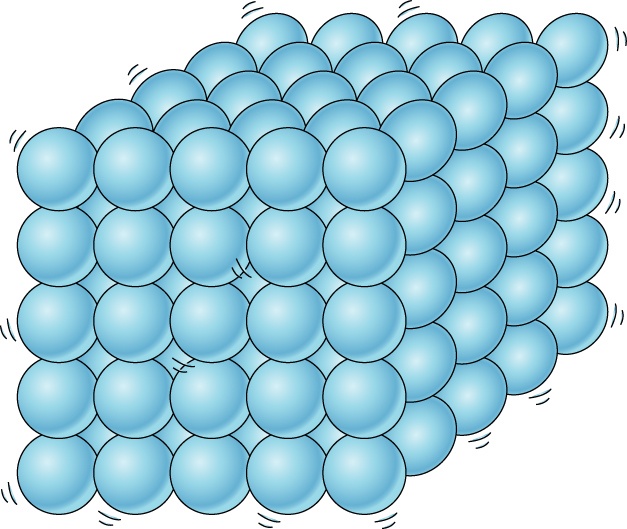
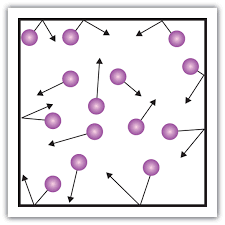
  • ​2 on states of matter

  • ​1 on Law of Conservation of Mass

media

3

​Key Idea #1

  • The cell membrane (semi-permeable) controls what enters and leaves a cell.

  • It does this to maintain ‘equilibrium’ or homeostasis, a stable internal environment despite external environment, which allow smaller molecules like water to enter, but larger molecules cannot.

media

4

​Key Idea #2

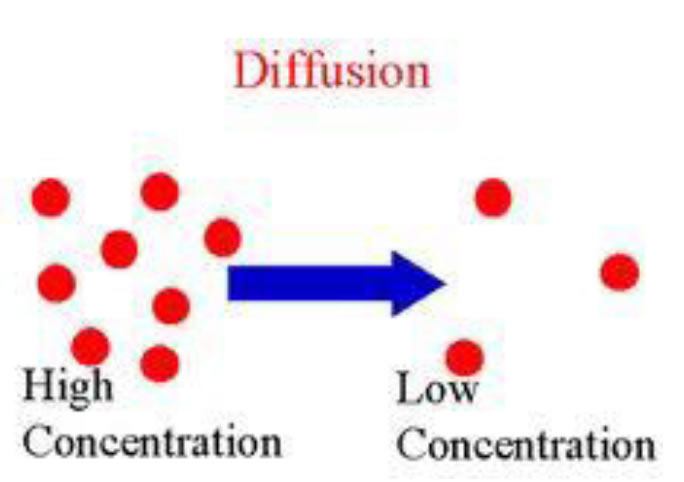
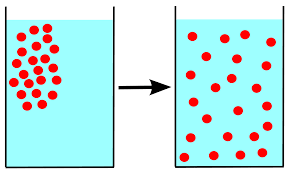
  • Passive transport like diffusion and osmosis, requires no energy on the cell’s part because it is moving from HIGH to LOW concentration levels.

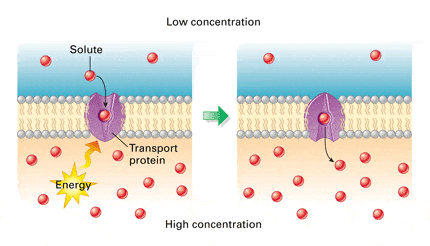
  • Active transport requires energy because the molecules are larger and move from LOW to HIGH concentrations.

media

5

6

Multiple Choice

Question image
Where is there a high concentration of water?
1
in the flower
2
cannot be determined by picture.
3
in the vase
4
in the leaves

7

Multiple Choice

Question image
Where is there a low concentration of perfume?
1
in the bottle
2
on the hand
3
in the room
4
in the top

8

Multiple Choice

Diffusion can be used in...
1
Plants and Animals
2
Only Plants
3
Only Animals
4
Only Humans

9

Multiple Choice

Permeable means
1
things can pass through
2
the concentration levels are different
3
it is permanent
4
things are stuck

10

Multiple Choice

Question image

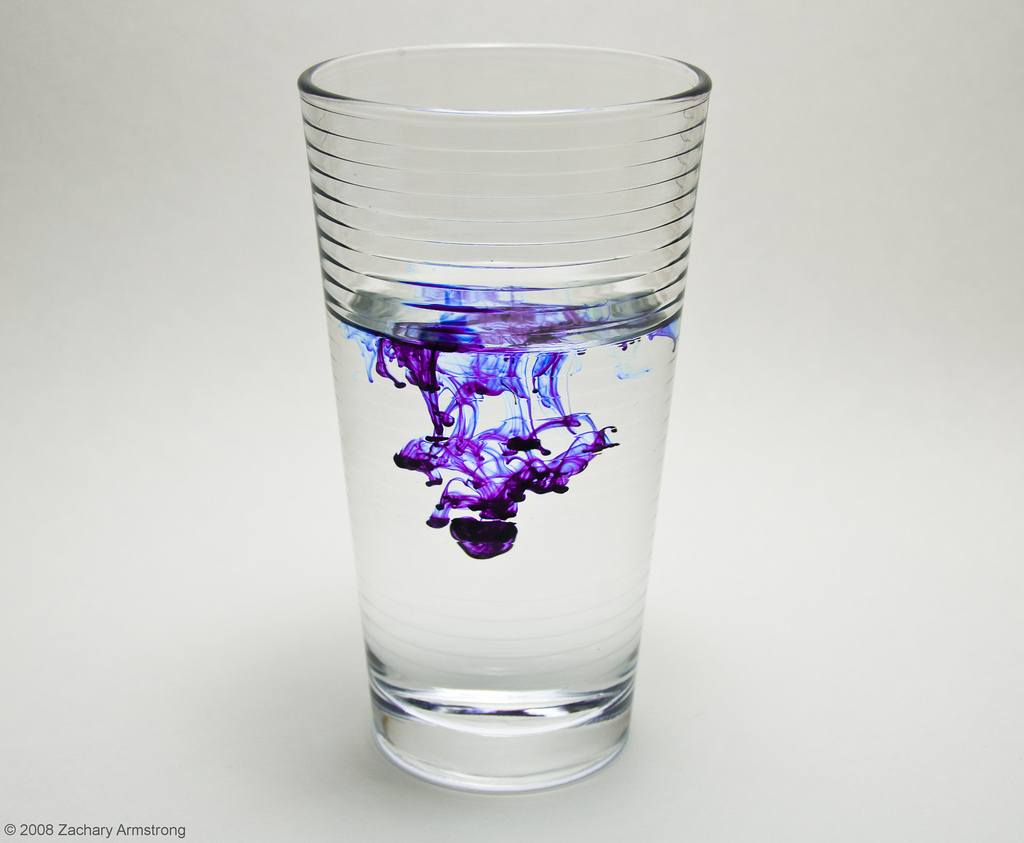
Where is there a low concentration of dye?

1

at the bottom of cup

2

in the color

3

at the top of cup

4

no concenteraion gradient

11

Multiple Choice

Passive Transport

1

Does require cell energy

2

Does NOT require cell energy

12

Multiple Choice

Which of the following pictures shows a higher concentration?

1
2

13

Multiple Choice

Question image
Movement of particles from high to low concentration. 
1
Passive Transport
2
Active Transport

14

Multiple Choice

What is diffusion?
1
when molecules move from a low concentration to a high concentration 
2
when molecules move from a high concentration to a low concentration.
3
no movement 
4
molecules move everywhere

15

Multiple Choice

Osmosis is a form of ______________. 
1
Passive Transport
2
Active Transport

16

Multiple Choice

Osmosis is the movement of _____ across a membrane.
1
food
2
energy
3
oxygen
4
water

17

Multiple Choice

This cell organelle helps organisms maintain homeostasis by controlling what substances may enter or leave cells.
1
vacuole
2
nucleus
3
cell membrane
4
cell wall

18

Multiple Choice

When the concentration of particles inside of a cell is the same as the concentration of particles outside of the cell. 
1
active transport
2
concentration
3
diffusion
4
equilibrium

19

Multiple Choice

Something is ___________ ____________
when some molecules can cross the membrane while others cannot. 
1
Selectively (or Semi) Permeable 
2
Totally Transparent
3
Liquid Licorice 
4
Heavily Patrolled 

20

Multiple Choice

Question image
Which direction will the dots (solute) move without the use of energy?
1
into the cell
2
out of the cell

21

Multiple Choice

Question image
Which form of transport is being shown in the diagram.
1
diffusion
2
osmosis
3
facilitated diffusion
4
active transport

22

Multiple Choice

Question image

Which CELL contains MORE particles than are found in the surrounding solution?

1

Left

2

Center

3

Right

23

Multiple Choice

Question image
In this situation, where the solute is illustrated by red dots, predict if will WATER move into or out of the cell, and how that will affect the cell.
1
Water will move into the cell and the cell will expand.
2
Water will move into the cell and the cell will shrink.
3
Water will move out of the cell and the cell will expand.
4
Water will move out of the cell and the cell will shrink.

24

Multiple Choice

Question image
Semi-permeable mean to allow
1
all materials across the membrane
2
only some materials across the membrane
3
no material to cross the membrane
4
to allow only water across the membrane

25

Multiple Choice

What does “high concentration area” mean?
1
Spread out
2
Tightly packed together
3
Uncrowded
4
Spacious

26

Multiple Choice

Question image
Which diagram best shows the end result of diffusion?
1
F
2
G
3
H
4
J

27

Multiple Choice

Question image
The picture  is an example of _________________.
1
isotonic
2
diffusion
3
osmosis
4
active transport

28

Multiple Choice

Why are diffusion and osmosis important to cells?

1

It allows them to take in materials/substances without using energy.

2

It allows them to reproduce.

3

It allows them to absorb sunlight.

4

It allows cells to use all energy.

29

Multiple Choice

Question image

Which type of diffusion is represented?

1

Facilitated diffusion

2

Osmosis

3

Diffusion

30

Multiple Choice

Question image
Water exists as a _____________ at 3 mmHg and 50 °C.
1
solid
2
liquid
3
gas
4
supercritical fluid

31

Multiple Choice

Question image

What letter on the diagram represents the triple point?

1

A

2

B

3

C

4

D

32

Multiple Choice

Question image

At what temperature is the triple point?

1

0 degrees

2

0.01 degrees

3

100 degrees

4

374 degrees

33

Multiple Choice

Question image

What state of matter does the picture below represent?

1

solid

2

liquid

3

gas

4

plasma

34

Multiple Choice

Question image

The diagram shows arrangement of particles in a

1

Solid

2

Liquid

3

Gas

35

Multiple Choice

Question image

What state is represented in the gif?

1

Solid

2

Liquid

3

Gas

36

Multiple Choice

Question image

What state of matter?

1

Solid

2

Liquid

3

Gas

37

Multiple Choice

Question image

What state of matter?

1

Solid

2

Liquid

3

Gas

4

Plasma!!!

38

Multiple Choice

Question image

What state of matter?

1

Solid

2

Liquid

3

Gas

39

Multiple Choice

What is the Law of Conservation of mass?
1
Mass is created in a chemical reaction
2
Mass is created in a physical change
3
New chemicals formed from a chemical reaction have a larger overall mass than the original reactants
4
Mass is never created or destroyed

40

Multiple Choice

Matter can not be created nor destroyed: it can only be
1
Destroyed a little bit
2
Invisible
3
Transformed, changed
4
None of the above

41

Multiple Choice

Law of conservation of mass states the amounts of atoms in the reactants and the products...

1

Increase

2

Decrease

3

Stay the same

4

No correct answer

42

Multiple Choice

Does the equation H2+O2 →H2O follow the Law of Conservation of Mass?

1

Yes, because the atoms are equal.

2

No, because more info is needed.

3

No, because there are more atoms in the product.

4

No, because there are more atoms in the reactant.

43

Multiple Choice

Which of the following describes the law of conservation of mass?
1
In a reaction, atoms are created or destroyed.
2
In a reaction, atoms are not lost or made.
3
In a reaction, the mass of the product may be more or less than the reactants.
4
In a reaction, mass never stays the same.

44

Multiple Choice

Question image

Why does this picture demonstrate the Law of Conservation of Mass?

1

the number of atoms of each element are the same on both sides

2

they start out separate and end up combined

3

the same elements are used

4

it doesn't demonstrate the Law of Conservation of Mass

45

Multiple Choice

When both inside and outside of a cell have the same amount of water it is said that the cell has reached a state of ___________.
1
osmosis
2
equilibrium
3
diffusion
4
hypertonic

46

Multiple Choice

Question image
Which way will the water molecules move during osmosis?
1
Out of the cell, so the cell shrinks.
2
Out of the cell, so the cell swells.
3
Into the cell, so the cell shrinks.
4
Into the cell, so the cell swells.

47

Multiple Choice

Question image
The picture below is an example of _________________.
1
osmosis
2
isotonic
3
diffusion
4
active transport

48

Multiple Choice

During osmosis
1
water moves from high to low concentration
2
large or oddly shaped molecules move across a cell membrane
3
water moves when energy is used
4
proteins are built

49

Multiple Choice

Passive transport requires ________________

1

concentration gradients

2

no energy

3

motion

4

energy

50

Multiple Choice

If a gummy bear is placed in salt water, the mass of the gummy bear will decrease because water will move out of the gummy bear. What process does this represent?

1

osmosis

2

fermentation

3

respiration

4

diffusion

51

Multiple Choice

Uses ATP (energy)
1
Passive Transport
2
Active Transport

52

Multiple Choice

Question image
1
Passive Transport
2
Active Transport

53

Multiple Choice

Question image
1
Passive Transport
2
Active Transport

54

Multiple Choice

Question image

An animal cell placed in a hypertonic (salty) solution will

1

Stay the same

2

Shrink- get smaller

3

Swell- get bigger

55

Multiple Choice

Question image

Which of the types of transport are passive?

1

A only.

2

A and B only.

3

B and C only.

4

C only.

56

Multiple Choice

Transport of water molecules across a cell membrane allows cells to maintain stable internal conditions in an ever-changing environment. This stable internal condition is called _____.

1

homeostasis

2

energy transfer

3

osmosis

4

carrying capacity

57

Multiple Choice

Oxygen moves from the lungs into red blood cells without the use of energy.


What type of transport describes the movement of oxygen into cells?

1

osmosis

2

simple diffusion

3

active transport

58

Multiple Choice

Question image

Water moves to dilute.


In which direction would water move through the semipermeable membrane separating sides A and B?

1

From A to B

2

From B to A

3

Neither, the concentration of solute is equal

59

Multiple Select

What is DIFFUSION?

1
2
3
4

60

Multiple Choice

Question image

Which way will the small molecules if no energy is used?

1

Out of the cell

2

Into the cell

3

They won't move at all

61

Multiple Choice

Question image

What changes to this model need to be made to make it more accurate?

1

It needs to show energy being used.

2

The concentration labels need to switch sides.

3

The nucleus needs to be labeled.

4

No changes needed. The model is accurate.

62

Multiple Choice

Question image

Which type of diffusion is represented?

1

Facilitated diffusion

2

Osmosis

3

Diffusion

Cell Transport Review

by EMILY FISH

Show answer

Auto Play

Slide 1 / 62

SLIDE