Search Header Logo
G7- Final Review Chapter 2 [Term1]

G7- Final Review Chapter 2 [Term1]

Assessment

Presentation

Science

7th Grade

Medium

NGSS
MS-PS1-2, MS-PS1-4, MS-PS1-5

+6

Standards-aligned

Created by

Mai Hamza

Used 62+ times

FREE Resource

5 Slides • 112 Questions

1

media

2

media

3

media

4

Multiple Select

Matter is anything has..........................

1

Volume

2

Mass

3

Color

4

Electric conductivity

5

Multiple Choice

It refers to the space that matter occupies.

1

volume

2

mass

3

weight

4

density

6

Multiple Choice

It is the amount of matter in an object.

1

volume

2

mass

3

weight

4

density

7

Multiple Choice

What units do we use to measure mass?

1

meter

2

Celsius

3

kilogram/gram

4

Newton

8

Multiple Choice

A combination of two or more substances where each keeps its own properties and both can be easily separated.
1
mixture
2
solution
3
substance
4
physical change

9

Multiple Choice

Make different without changing what the material is made of, such as cutting, folding, or melting.
1
physical change
2
mixture
3
solution
4
mass

10

Multiple Choice

The parts of a homogeneous mixture are   __________ throughout. 
1
Same 
2
Different 
3
Neutral 
4
Suspended 

11

Multiple Choice

___________ is a combination of substances that can be physically separated. 
1
Colloid 
2
Mixture 
3
Suspension 
4
Compound 

12

Multiple Choice

A substances that dissolves in a liquid 
1
Solvent
2
Salt 
3
Solute 
4
Sugar 

13

Multiple Choice

Question image
This type of mixture has particles that settle. 
1
Suspension
2
Colloid 
3
Emulsion
4
Solution 

14

Multiple Choice

Question image
This type of mixture looks gel like and has moderate sized particles suspended 
1
Suspension 
2
Solute 
3
Colloid 
4
Solvent 

15

Multiple Choice

A pure substance can be either an element or a ______________. 
1
single substance
2
hot mess 
3
Complex 
4
compound 

16

Multiple Choice

Gold is an example of a(n)
1
Element 
2
Compound 
3
Nugget 

17

Multiple Choice

Water is an example of a(n) 
1
element 
2
compound 

18

Multiple Choice

Are mixtures able to be separated?
1
Yes
2
No way, Jose 

19

Multiple Choice

The three types of mixtures are..

1

solutions, solutes, solvents

2

solutions, colloids, suspensions

3

solutions, colloids, sediments

4

concentrates, dilutes, dissolvers

20

Multiple Choice

If a substance is soluble is means...

1

that it can dissolve into another substance

2

that it cannot dissolve into another substance

3

it must be a concentrated substance

4

it must be a diluted substance

21

Multiple Choice

Which is the most common type of mixutre

1

solutions

2

solutes

3

colloids

4

suspensions

22

Multiple Choice

Solutions are made up of..

1

a soluble and a solvent

2

a solute and a solvent

3

a suspension and a sediment

4

a suspension and a colloid

23

Multiple Choice

Some sugar dissolves in water, the solute is...

1

particles

2

water

3

sugar

4

oxygen

24

Multiple Choice

The word concentrated means a mixture is..

1

weak

2

strong

3

disappearing

4

reappearing

25

Multiple Choice

If a mixture is concentrated is means..

1

there is a large amount of colloid

2

there is no solute in the mixture

3

there is a large amount of solvent and a small amount of solute

4

there is a large amount of solute and a small amount of solvent

26

Multiple Choice

A mixture is dilute is means the mixture is..

1

weak

2

strong

3

disappearing

4

reappearing

27

Multiple Choice

If you wish to dilute a mixture you can..

1

add more solute

2

add more solution

3

add more solvent

4

add more sediment

28

Multiple Choice

A suspension is a mixture that has

1

a solute and a solvent

2

a sediment

3

a cloudy appearance

4

oil in it

29

Multiple Choice

Which best describes the word sediment?

1

a substance that something else can dissolve into

2

small particles that easily dissolve

3

medium sized particles that block light

4

large particles that settle to the bottom of a mixture

30

Multiple Choice

Solutions has ______________ sized particles, colloids have _________________ sized particles, and suspensions have _________________________ sized particles.

1

small, medium, large

2

large, medium, small

3

medium, small, large

4

medium, large, small

31

Multiple Choice

_________________ is an example of a solution, __________________ is an example of a colloid, _____________________ is an example of a suspension.

1

cordial, sand and water, milk

2

sand and water, milk, cordial

3

milk, cordial, sand and water

4

cordial, milk, sand and water

32

Multiple Choice

Which of the following is an example of a homogeneous mixture?

1

salt and water

2

sand and water

33

Multiple Choice

3. A fruit salad is a _____

1

homogeneous mixture

2

heterogeneous mixture

34

Multiple Choice

Question image

4.Colored water is an example of a

1

Homogeneous mixture

2

Heterogeneous mixture

35

Multiple Choice

5.Type of mixture that has substances that cannot be distinguished because solutes completely dissolve in the solvent.

1

Heterogeneous mixture

2

Homogeneous mixture

36

Multiple Choice

Question image

6. Chicken noodle soup is an example of

1

Heterogeneous mixture

2

Homogeneous mixture

37

Multiple Choice

Question image

Cookies and cream ice cream would be classified as

1

Homogeneous mixture

2

Heterogeneous mixture

38

Multiple Choice

8. What is the difference between a heterogeneous mixture and a homogeneous mixture?

1

You cant see the parts in a heterogeneous mixture, but you can in a homogeneous mixture.

2

You can see the parts in heterogeneous mixture, but you cant see them in a homogeneous mixture

39

Multiple Choice

Question image

9.A combination of two or more substances.

1

matter

2

mixture

40

Multiple Choice

A mixture in which 2 liquids are mixed so evenly that it is not possible to see the separate particles 
1
Solute 
2
Solution
3
Solvent 
4
Suspension 

41

Multiple Choice

Are mixtures able to be separated?
1
Yes
2
No way, Jose 

42

Multiple Select

Black pepper and water

1

Homogeneous

2

Heterogeneous

43

Multiple Choice

Question image
The amount of the solutes compared to the solvent in a solution is the what of the solution.
1
density
2
flavor
3
concentration
4
solution

44

Multiple Choice

Question image
This is a type of mixture in which one substance is split up into tiny particles and spread throughout another substance.
1
solubility
2
colloid
3
solute
4
solvent

45

media

46

Multiple Choice

It refers to the space that matter occupies.

1

volume

2

mass

3

weight

4

density

47

Multiple Choice

It is the amount of matter in an object.

1

volume

2

mass

3

weight

4

density

48

Multiple Choice

Which property of matter changes depending on the gravitational pull?

1

volume

2

mass

3

weight

4

density

49

Multiple Choice

Which of the following determines an object’s ability to float in water?

1

volume

2

mass

3

weight

4

density

50

Multiple Choice

Which properties does gasoline have?

1

brittle and flexible

2

malleable and ductile

3

elastic and soft

4

corrosive and flammable

51

Multiple Choice

What make a copper the right material for an electric wire?

1

hardness and flexibility

2

ductility and conductivity

3

elasticity and malleability

4

flammability and stretchability

52

Multiple Choice

When does a physical change occur?

1

When the size, shape or state of matter changes

2

When a new material is created

3

When a substance reacts with another substance

4

When elements combine to form a molecule

53

Multiple Choice

It is anything that has both mass and volume.

1

weight

2

density

3

matter

4

energy

54

Multiple Choice

Question image

This is testing ___________

1

relative density

2

solubility

55

Multiple Choice

Question image
The water is ______ dense than the boat
1
more
2
less

56

Multiple Choice

Question image

More dense than the corn oil, but less dense than the water...

1

glycerin

2

plastic

57

Multiple Choice

Mass, relative density, solubility, color, texture, state of matter, conductivity, are all considered...

1

Insulators

2

Physical Properties

58

Multiple Choice

Question image
Molecules spread out and move FAST!
1
solid
2
gas
3
liquid

59

Multiple Choice

Question image
Molecules are tightly packed together
1
solid
2
liquid
3
gas

60

Multiple Choice

What do sugar, salt, Kool-Aid powder, Crystal Light, etc., do in liquid water?
1
turn into ice 
2
remain in powder form 
3
dissolve

61

Multiple Choice

Question image
The ability of a substance to dissolve is called...
1
malleability
2
ductility
3
solubility

62

Multiple Choice

A description of objects that can be measured and observed.
1
gas
2
mustangs
3
physical properties
4
melting point

63

Multiple Choice

Gas changing to a liquid that sometimes results in cloud formation.
1
density
2
gas
3
evaporation
4
condensation

64

Multiple Choice

A substance that resists change and holds it's shape.
1
liquid
2
solid
3
water
4
clouds

65

Multiple Choice

What is the boiling point of water?
1
0 degrees Celcius
2
32 degrees Celcius
3
100 degrees Celcius
4
I have no idea.

66

Multiple Choice

Which physical property will change if you visit the moon?
1
mass
2
volume
3
density
4
weight

67

Multiple Choice

What tool can be used to measure mass?
1
microscope
2
Mr Thayer
3
hand lens
4
balance

68

Multiple Choice

Which property describes the property of a liquid?
1
It tastes really good.
2
water
3
It takes the shape of the container.
4
It is invisible.

69

Multiple Choice

Which is not a separation technique?

1

Filtrating

2

Distillating

3

Evaporating

4

Dissolving

70

Multiple Choice

Which tool could you use to separate large and small particles?

1

A sieve

2

A distillation flask

3

Chromatography

4

Evaporating basin

71

Multiple Choice

Solutions are made up of...?

1

Solutes and insolubles

2

Solubles and solutes

3

Solutes and solvents

4

Solubles and solvents

72

Multiple Choice

If something is insoluble in water, it will not...

1

Separate after distillation

2

Dissolve in water

3

Dissolve in anything except water

4

Separate after filtration

73

Multiple Select

How could you increase the concentration of a solution?

1

Add more solute

2

Add more solvent

3

Remove some solute

4

Remove some solvent

74

Multiple Choice

What words should be used to describe the concentration of a solution?

1

Weak and strong

2

Concentrated and dilute

3

Dilute and strong

4

Distillate and concentrated

75

Multiple Select

Which can be separated using Magnetism?

1
2
3
4

76

Multiple Select

Which of the following methods of separation are we going to use to separate two liquids with different boiling points?

1

Filtration

2

Evaporation

3

Distillation

4

Decantation

77

Multiple Select

Which of the following can be separated by Distillation?

1
2
3
4

78

Multiple Select

Which of the following is the correct set-up of Filtration?

1
2
3
4

79

Multiple Select

Which mixture can be separated using Sieving?

1
2
3
4

80

Multiple Select

Which of the following mixtures can be separated by Evaporation?

1
2
3
4

81

media

82

Multiple Choice

A change that alters the physical properties of a substance without changing its composition.
1
Physical Change
2
Chemical Change

83

Multiple Choice

Question image
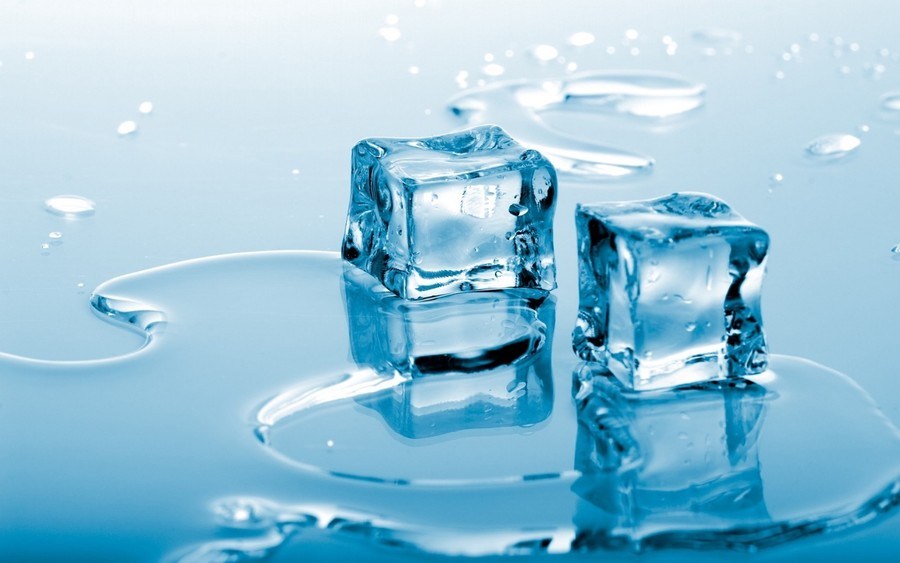
Water freezing into ice is an example of a...
1
Physical Change
2
Chemical Change

84

Multiple Choice

Any change in the state of matter of a substance is a...
1
Physical Change
2
Chemical Change

85

Multiple Choice

A change in matter that forms one or more new substances with new chemical properties is a/an...
1
Physical Change
2
Chemical Change

86

Multiple Choice

Which of the following indicates a PHYSICAL change?
1
Change in temperature
2
Change in shape
3
Formation of a precipitate
4
Change in color

87

Multiple Choice

Question image
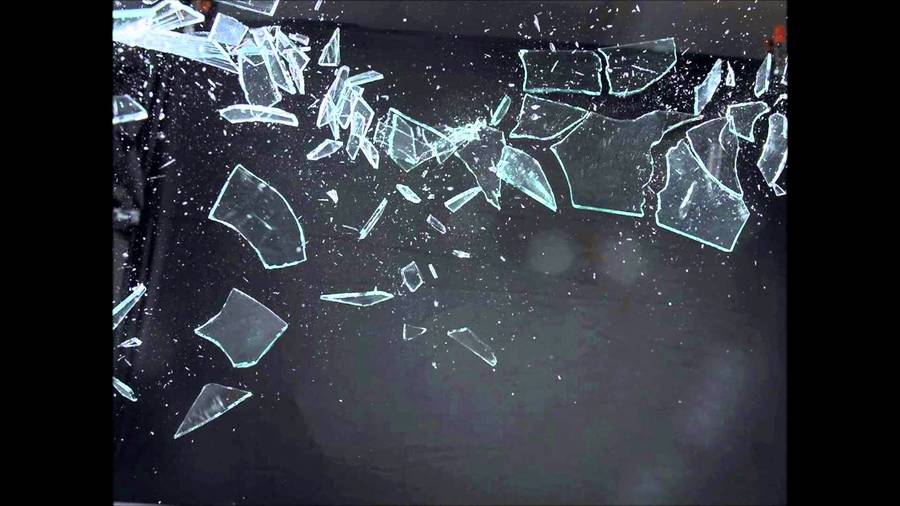
Chemical or Physical?  Glass breaking into tiny shards
1
Chemical Change
2
Physical Change

88

Multiple Choice

Question image
Physical or Chemical Change?  Iron rusts
1
Physical Change
2
Chemical Change

89

Multiple Choice

Question image
Physical or Chemical Change?  Cutting an orange into wedges.
1
Physical Change
2
Chemical Change

90

Multiple Choice

Question image
Physical or Chemical Change?  Sodium metal burning in water.
1
Physical Change
2
Chemical Change

91

Multiple Choice

Question image
melting ice cream
1
physical change
2
chemical change

92

Multiple Choice

Question image
1
physical change
2
chemical change

93

Multiple Choice

A physical change...

1

changes the physical properties of an object, but does not create a new substance.

2

creates a new substance and cannot be undone.

94

Multiple Choice

A chemical change

1

changes the physical properties of an object, but does not create a new substance.

2

creates a new substance and cannot be undone.

95

Multiple Choice

Question image

Is this an example of a physical or chemical change?

1

physical

2

chemical

96

Multiple Choice

Question image

Is this an example of a physical or chemical change?

1

physical

2

chemical

97

Multiple Choice

Question image

Is this an example of a physical or chemical change?

1

physical

2

chemical

98

Multiple Choice

Question image

Is this an example of a physical or chemical change?

1

physical

2

chemical

99

Multiple Choice

Question image

Is this an example of a physical or chemical change?

1

physical

2

chemical

100

Multiple Choice

Question image

Is this an example of a physical or chemical change?

1

physical

2

chemical

101

Multiple Choice

Question image

Is this an example of a physical or chemical change?

1

physical

2

chemical

102

Multiple Choice

Question image

Is this an example of a physical or chemical change?

1

physical

2

chemical

103

Multiple Choice

Question image

Is this an example of a physical or chemical change?

1

physical

2

chemical

104

Multiple Choice

Question image

Is this an example of a physical or chemical change?

1

physical

2

chemical

105

Multiple Choice

Question image

Is this an example of a physical or chemical change?

1

physical

2

chemical

106

Multiple Choice

Question image

Is this an example of a physical or chemical change?

1

physical

2

chemical

107

Multiple Choice

what is the definition of physical change?
1
any change that results in the formation of new chemical substances. 
2
rusting
3
changes affecting the form of a chemical substance, but not its chemical composition.
4
any property that is measurable, whose value describes a state of a physical system

108

Multiple Choice

What is physical change?

1

How two chemicals react with one another when combined

2

A property that we can measure or observe with our 5 senses or other tools

3

When two chemicals react with one another to form a new substance

4

When a change occurs but it does not result in the formation of a new substance

109

Multiple Choice

What is chemical change?

1

How two chemicals react with one another when combined

2

A property that we can measure or observe with our 5 senses or other tools

3

When two chemicals react with one another to form a new substance

4

When a change occurs but it does not result in the formation of a new substance

110

Multiple Choice

Which answer makes a correct statement?
1
Physical change only changes the size.
2
Physical change only changes the color.
3
Physical changes begin and end with the same matter.
4
Physical changes change the matter into something total different.

111

Multiple Choice

A student mixes 125 grams of sugar, 250 grams of water and 5 grams of flavoring. The solution weighs...

1

250 grams

2

380 grams

3

375 grams

4

400 grams

112

Multiple Choice

A precipitate is a 
1
liquid that forms when two solids are reacted
2
a solid that forms when two liquids are mixed
3
a gas that forms when vinegar and baking soda react
4
a change of color in a solution

113

Multiple Choice

If reaction starts with 20g of reactants it should produce 
1
a total of 40g of products
2
a total of 10g of products
3
a total of 80 g of products
4
a total of 20g of products

114

Multiple Choice

What will weigh more when a chemical change is complete?  The reactants before the chemical reaction, or the product after the reaction is complete?
1
They both will weigh the same
2
The product always weighs more than the reactant
3
The reactant will weigh more than the product
4
They both will loose mass after the reaction

115

Multiple Choice

Jamie weighs a glass of water and observes its weight to be 12 ounces. Jamie then adds 6 ice cubes to the glass of water. Each ice cube weighs one ounce. After all of the ice cubes have melted, what will be theapproximate weight of the glass of water?
1
2
12 
3
18 ounces

116

Multiple Choice

Matter can not be created nor destroyed: it can only be
1
Destroyed a little bit
2
Invisible
3
Transformed, changed
4
None of the above

117

Poll

How do you Evaluate yourself....Are you ready for the Final Exam

media

Show answer

Auto Play

Slide 1 / 117

SLIDE