- Resource Library
- Science
- Biology
- Living And Non Living Things
- 5.12a Lesson 2 Living And Nonliving Things Locked!

5.12A - Lesson 2 - Living and Nonliving Things - LockeD!
Presentation
•
Science
•
5th Grade
•
Practice Problem
•
Easy
+3
Standards-aligned
LockeD! Science
Used 22+ times
FREE Resource
8 Slides • 6 Questions
1
Living vs
Non-Living
Things
LockeD! Science
Unit 7A – Lesson 2
2
Target: I will observe the way organisms live and
survive in their ecosystem by interacting with the
living and nonliving components.
Success Criteria: I know I have
it when I can determine how
organisms interact with living and
nonliving things in their
ecosystem.
3
Living vs. Nonliving
• An ecosystem is a collection of
all the living and nonliving
things in a certain area.
What is an ecosystem?
In every ecosystem, living
things interact with each other
and nonliving things to survive.
4
Open Ended
What is one relationship between living and nonliving things you observe?
5
Multiple Select
Which of the following are living?
Soil
Antelope
Cactus
Water
Bald Eagle
6
Multiple Select
Which of the following are non-living?
Mouse
Oxygen
Temperature
Palm Tree
Sunlight
7
Living vs Nonliving
Think: Reflect on the last time you saw an animal either in its natural
habitat or in captivity. Give at least three examples of living and nonliving
thing that the animal needs to survive.
In the next slide
Share: Discuss your thoughts with another person. This person should try
to give at least one more example of a living and nonliving resource for your
animal’s needs. List the additional items below.
The slide after next
LockeD! Science
Brain Work Time!
8
Open Ended
THINK: Reflect on the last time you saw an animal either in its natural habitat or in captivity. Give at least three examples of living and nonliving things that the animal needs to survive.
9
Open Ended
SHARE: Discuss your thoughts with another person. This person should try to give at least one more example of a living and nonliving resource for your animal’s needs.
List the additional items below.
10
Living vs Nonliving
• Organisms use both living
and nonliving resources
from their environment to
meet their needs.
• For example, birds often
use trees for shelter to
build nests.
• Birds also use nonliving
buildings and structures as
support for their nests.
11
Living vs. Nonliving
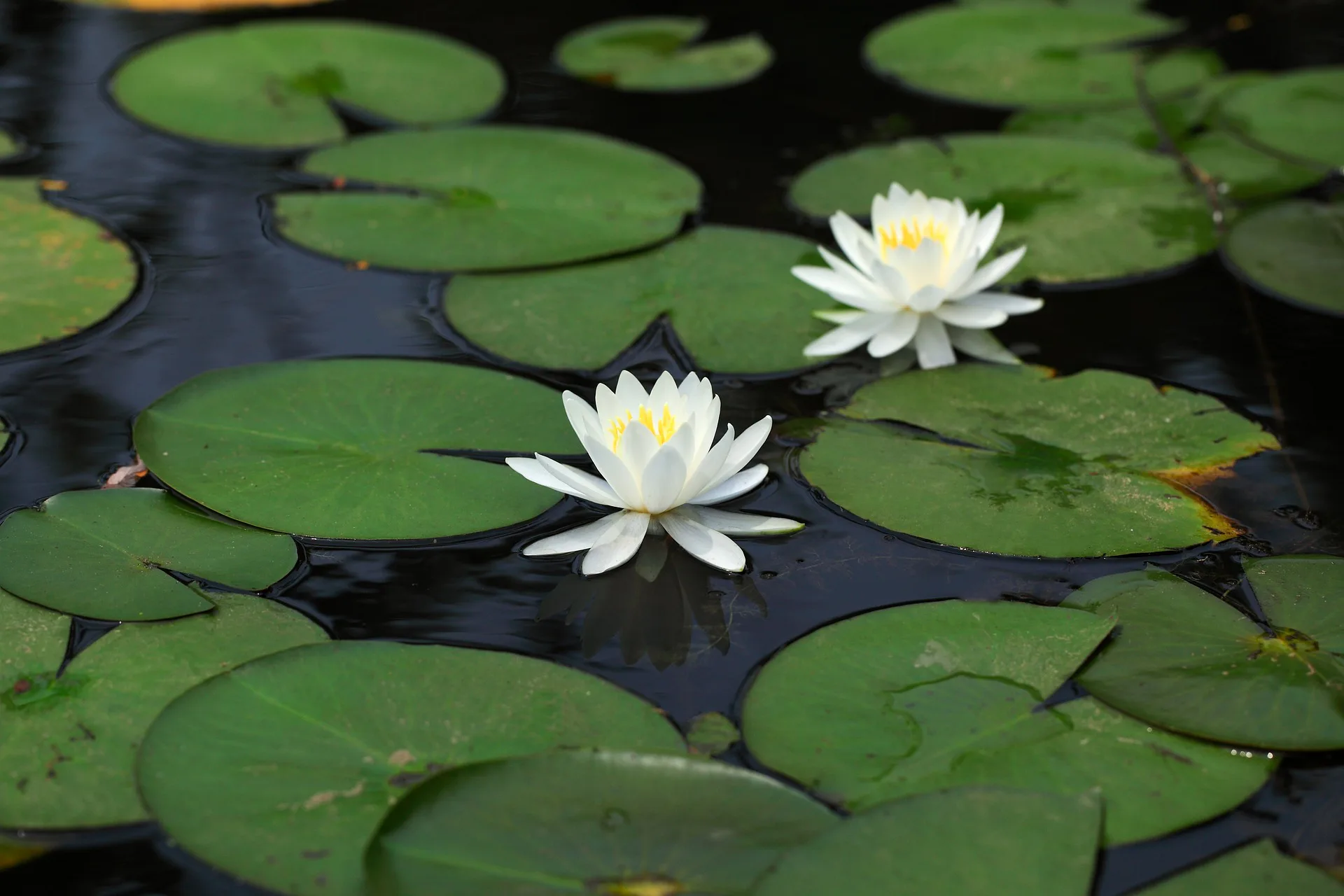
Aquatic plants must adapt to
life in water in order to
survive. All plants need water
and sunlight for
photosynthesis, the process
by which producers make
their own food.
Let’s Think About It!
12
Living vs. Nonliving
Let’s Think About It!
Water lilies have adapted in
a way that allows them to
interact well with a specific
nonliving component of
their ecosystem. Explain
what you think it is.
13
Open Ended
Let’s Think About It!
Water lilies have adapted in a way that allows them to interact well with a specific nonliving component of their ecosystem.
Explain what you think it is.
14
Living vs
Non-Living
Things
LockeD! Science
Unit 7A – Lesson 2
Show answer
Auto Play
Slide 1 / 14
SLIDE

Similar Resources on Wayground
11 questions
Sounds- What are sounds?/Volume & Pitch/ Vibrations
Presentation
•
5th Grade
11 questions
Conservation of Matter
Presentation
•
5th Grade
11 questions
Weather Fronts
Presentation
•
5th Grade
10 questions
Heredity
Presentation
•
5th Grade
11 questions
Science --- Investigations vs. Experiments
Presentation
•
5th Grade
9 questions
Cell Organelles
Presentation
•
6th Grade
11 questions
Law of conservation of energy
Presentation
•
6th Grade
14 questions
Microorganisms Are Beneficial
Presentation
•
5th Grade
Popular Resources on Wayground
10 questions
Main Idea and Supporting Details
Quiz
•
3rd - 6th Grade
20 questions
Math Review
Quiz
•
3rd Grade
14 questions
25-26 SY 8th Grade EOY Benchmark
Quiz
•
8th Grade
15 questions
Fast food
Quiz
•
7th Grade
20 questions
Math Review
Quiz
•
6th Grade
20 questions
Context Clues
Quiz
•
6th Grade
21 questions
EOY Grade 6 Benchmark Assessment - Content Skills
Quiz
•
6th Grade
20 questions
Inferences
Quiz
•
4th Grade