

Biodiversity and Human Impact

Presentation
•
Science
•
6th Grade
•
Medium
+29
Standards-aligned

Heather Ziemba
Used 11+ times
FREE Resource
11 Slides • 69 Questions
1

2

3

4

NOTE: most of the information slides are introductory. You will be asked questions that require more logic than just looking back at the slides.
5
Multiple Choice

How do biodiversity and stability work together?
The lower the biodiversity the greater the stability of an ecosystem.
The higher the biodiversity, the less stable the ecosystem
The higher the biodiversity, the greater the stability of the ecosystem.
Biodiversity has nothing to do with ecosystem stability.
6
Multiple Choice

having a lot of the same organism.
having a few of the same organism.
having a lot of variety of different organisms.
only having one of each organism.
7
Multiple Choice

Which ecosystem is more likely to survive a change in the environment?
One with High biodiversity
One with Low biodiversity
8
Multiple Choice

Which shows more biodiversity Image A or Image B. Why?
Image B is more biodiverse, because shows more different species than image A.
Image A is more biodiverse, because shows a greater number of organisms that image B
Both images show the same biodiversity
9
Multiple Choice
Define genetic diversity
a variety of genes and traits within a species
a variety of ecosystems in a given area
system made up of all the living and nonliving things in a given area
a variety of species in an ecosystem
10
Multiple Choice
Why is biodiversity important to ecosystems?
It helps populations adapt to ecological changes.
It increases at each level of the food chain.
11
Multiple Select
What are the 3 types of biodiversity (SELECT 3)
Genetic
Species
Ecosystem
Size
Biotic
12
Multiple Choice
Sometimes when a bee pollinates a flower, this action is beneficial to humans. Bees are the main pollinators of many plants that humans eat, such as blueberries, potatoes, apples, celery, and strawberries. What are the benefits that humans receive from the ecosystem called?
ecological restoration
sustainability
ecosystem services
ecology
13
Multiple Choice
Water, fuel, food, and raw materials are examples of what?
natural resources
cultural services
regulating services
cycling of matter and energy
14
Multiple Choice
Pick the cultural service
natural resources
water cycle
plants and animals
recreational services
15
Multiple Choice
Pick the regulating service
natural resources
water cycle and nutrients
plants and animals
recreational services
16
Multiple Choice
Pick the provisional service
natural resources
water cycle and nutrients
plants and animals
recreational services
17
Multiple Choice
Pick the supporting service
natural resources
water cycle and nutrients
plants and animals
recreational services
18


Occurs when forests or other ecosystems are cleared for humans use such as expanding cities and suburbs (urbanization), farms, or mines.
Habitat Loss/Destruction
This is when human constructions like roads chop habitats into smaller pieces, limiting the range of different species.
Habitat Fragmentation
19
Multiple Choice
The loss of a natural habitat is called:
Habitat Development
Pollution
Biodiversity
Habitat Destruction
20
Multiple Choice
The breaking of habitats into smaller pieces is called...
habitat division
habitat corruption
habitat pollution
habitat fragmentation
21
Multiple Choice
Why is habitat fragmentation hazardous to animals?
Animals may not thrive in their new habitat
Habitat fragmentation causes loss of habitat for many organisms
If coral reefs die, so will many fish species that depend on them
Habitat fragmentation does not pose a threat to animals.
22
Multiple Choice
Habitat fragmentation occurs when...
an ecosystem is able to recover, or adjust easily to change.
smaller fragments of a habitat join to make a large habitat.
the temperature of ocean water causes algae to leave coral reefs.
a large area of habitat is broken up into smaller isolated areas.
23
Multiple Choice
Human impact on the environment is often more dramatic than the impact of most other living things because humans have a greater
need for water.
ability to alter the environment.
need for food.
ability to adapt to change.
24


Overharvesting - unsustainably using a resource to the point where whole species or ecosystems are endangered or thrown out of balance.
Over 130 fish species are at risk of going endangered. in general overfishing is the greatest threat to ocean biodiversity as a whole as it disrupts food webs and balance in ecosystems.
Overfishing
The logging industry has cleared millions of acres of habitat for terrestrial species, in addition to threatening specific species of trees. Many forests are cleared for farms. Trees use CO2, so less trees means we leave more in the atmosphere.
Deforestation
25
Multiple Choice
Clearing Earth's forests on a massive scale
Eating too much vegetables
Going to a forest and pulling weeds
Clearing the five trees in my backyard
26
Multiple Choice
Deforestation causes an increase in atmospheric carbon dioxide
true
false
27
Multiple Choice
Plants and animals
Our biosphere
Humans
All of the above
28
Multiple Choice

loss of habitat
increased green house gasses
soil erosion and flooding
all of the above
29
Multiple Choice
No, trees aren't that important
Sometimes because only the cutting down of Maple trees contributes to global warming
No, deforestation adds methane to the atmosphere, which makes the Earth cooler
Yes; less trees means less CO2 is turned into oxygen.
30
Multiple Choice
What is "overfishing"?
Fishing out of season
Catching fish faster than they can replenish
Catching fish from the top of the food chain
Catching more fish than what people eat
31
Multiple Choice
What percentage of the world's fish are currently overfished?
10%
33%
65%
100%
32
Multiple Choice
What is bycatch?
Catching other sea life than what you were aiming to catch
Fish caught as the ships go by
Fish that escapes out of nets
Fish caught at the very end of the fishing season
33
Multiple Select
According to the article, what are some of the causes of Overfishing? Select all that apply.
Illegal Fishing
Too many fish species in an area
"Farmed" fish are easier to catch
Subsidies (government payments to fishermen)
34
Multiple Select
What is an impact of fish disappearing? Select all that apply.
Global warming
Jobs and economies can disappear
A major source of protein for humans is lost
Sea levels will rise, flooding coastal areas
35


Run off from factories, pesticides, homes etc. can threaten clean air and water sources.
Chemicals
Plastics and other materials are damaging water and soil sources.
Trash
This kind of pollution can throw off sleep cycles of native animals and growth patterns of plants.
Light
Loud and unfamiliar noises can scare off wildlife from their natural habitats.
Sound
Pollution - the presence of a substance or thing that is harmful to the environment.
36
Multiple Choice
Which of the following causes of pollution?
Car and vehicle emissions
smog
acid rain
animals and plants dying
37
Multiple Choice
We can reduce air pollution by:
Car pool and walk/bike more
Limit factories burning fossil fuels
Use more renewable energy sources
All of the above
38
Multiple Choice
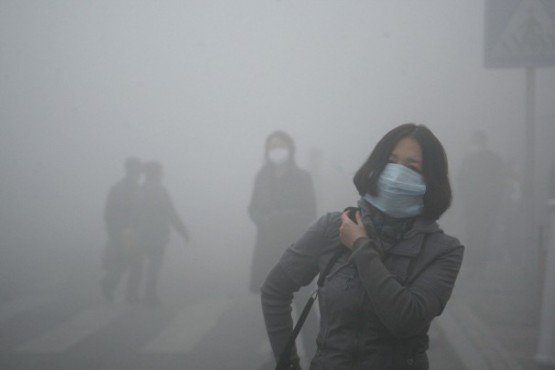
air pollution
water pollution
land pollution
noise pollution
39
Multiple Choice
only in the air
only on the land
only in the water
on land, in the air, and in the water
40
Multiple Choice

They can use a water filter to use fewer water bottles.
They can recycle their plastic, glass, paper, and cardboard items and only throw away non-recyclable items.
They can watch less television, reducing electricity use and allowing their electronics to last much longer.
They can refill large plastic containers, like those used for laundry detergent, instead of throwing them away.
41
Multiple Choice
Wildlife are afraid of human garbage.
Trash covers the scent of other animals they are hunting.
Wildlife may try to eat plastics and choke on them.
Trash and litter removes their camouflage.
42
Multiple Choice
This type of pollution inhibits people from seeing the stars and planets.
Light Pollution
Water Pollutilon
Air Pollution
Land pollution
43
Multiple Choice
Respiratory problems
Reduced food sources for humans
Increased disease for humans
Decrease in global temperatures
44
Multiple Choice
Which human action can cause pollution?
Walking
Biking
Mining
Recycling
45
Multiple Choice
_____________________ is the contamination of air, land, and water.
Conservation
Ecology
Pollution
46
Multiple Choice
Pollution occurs when people release, dump, leak, spill, or ______________ the environment around us.
litter
preserve
save
47
Multiple Choice
Most incidents of pollution are deliberately caused by______.
humans
machines
animals
48
Multiple Choice
The leaking or spilling of chemicals or raw sewage into a body of water is ________ pollution.
air
water
land
49
Multiple Choice
The release of smoke and harmful gases into the air is called _________ pollution.
air
water
land
50
Multiple Choice
The illegal dumping or littering of waste onto the land is called __________ pollution.
air
land
water
51


As ice caps melt, ocean levels rise. This means that the homes of many people around the world are at risk. It also changes the chemistry of the ocean, endangering wildlife.
Melting Ice and Rising Oceans
Warmer temperatures mean that more water evaporates into the atmosphere. More extreme weather patterns such as hurricanes, blizzards, droughts, etc. are becoming more commmon.
Worsening Storms
Species that cannot adapt to rising temperatures will go extinct. Polar Bears are one example of a species that is at risk.
Endangered Species
Climate Change - gradual increase in global temperatures due to the release of greenhouse gases from burning fossil fuels.
.
52

53
Multiple Choice
gases that cause climate change
gases that emit green smoke
gases that are used to make green colored glass
54
Multiple Choice
the hole in the ozone
the greenhouse effect
atmospheric pressure
the inversion layer
55
Multiple Choice
lower levels of ozone in the atmosphere
lower levels of nitrogen in the atmosphere
higher levels of carbon dioxide in the atmosphere
higher levels of oxygen in the atmosphere
56
Multiple Choice

atmospheric carbon dioxide levels have been decreasing since 1960
Hawaii has a lot of carbon dioxide
humans have been working hard to decrease carbon dioxide levels
atmospheric carbon dioxide levels have increased steadily since 1960
57
Multiple Choice
droughts
flooding
melting of polar ice caps
all of the above
58
Multiple Choice
using bottled water
burning fossil fuels
texting on cellphones
eating meat
59
Multiple Choice
will result in cooler temperatures in the Arctic
will result in sea-levels rising
Will have no effect on ecosystems
None of the above
60
Multiple Choice
Trees and other living things
Oceans
underground in soil and fossil fuels
All are correct
61
Multiple Choice
warmer
cooler
62
Multiple Choice
Flooding
Heat Waves
Hurricanes
All of the above
63
Multiple Choice
Possible human solutions for limiting global warming and climate change are...
being more energy-efficient
using renewable sources of energy
removing carbon from fossil fuel emissions
all of the above
64


Mining is almost always destructive to the environment. Habitats are lost, poisonous chemicals like sulfur leak into the air and water, and wildlife is threatened.
Mining
Burning fossil fuels releases greenhouse gases like CO2 into the atmosphere, which traps heat, acidifies the oceans, and pollutes the ar.
Relying on Fossil Fuels
Plastics and other non-recyclable materials cannot be easily disposed of.
Reliance on Plastics
Human choices that cause harm:
65
Multiple Select
Why is plastic dangerous for marine life? (Check all that apply)
They mistake it for food and cannot digest it
They can get tangled in it
It's not dangerous because they use plastic waste for habitats
It's not dangerous unless it's small enough to eat
66
Multiple Choice
The breaking of habitats into smaller pieces is called _______.
habitat breaking
habitat pollution
habitat destruction
habitat fragmentation
67
Multiple Choice
Where does the majority of plastic waste end up?
Burned for energy
Landfill
Recycled
Oceans
68
Multiple Choice
True or False: Plastic in the ocean ends up in the food you eat.
True
False
69
Multiple Choice
How long does it take plastic to degrade?
500-1000 years
200 years
150 years
50 years
70
Multiple Choice

carbon
sulfur
nitrogen
boron
71
Multiple Choice
Destroys natural communities over large areas.
Acid drainage pollutes groundwater.
Creates minimal dust.
Mass wasting is common when overburden is loosened.
72
Multiple Choice
Surface mining
Sub-surface mining
Mining in the oceans
73
Multiple Choice
The demand for minerals is expected to decline as the world's nations become more industrialized.
The Antarctic environment is fragile and extremely vulnerable to the disturbance that would accompany development.
Existence of valuable mineral deposits in the Antarctic environment is unlikely.
74
Multiple Choice
Thermal pollution of streams in the area.
Released nutrients that cause eutrophication into streams.
Air pollution caused by smog from ozone formation.
Acid drainage due to leaching of tailing piles.
75


These species are found in far lower numbers than they should be, making them vulnerable to extinction.
Endangered Species
These species are indispensible to their ecosystems and fill important ecological roles.
Keystone Species
This is a non-native species that can outcompete other organisms in its new environment to the point where it takes over and threatens native wildlife.
Invasive Species
Biotic Factors Play a Role Too!
76
Multiple Choice
If the population of a certain predator increases, the population of its prey often _______.
decreases
increases
does not change
moves
77
Multiple Choice
Wolves were reintroduced to Yellowstone National Park in 1995. This keystone species restored the park’s ecosystem. What is the ecological value of a keystone species?
they influence the survival of many other species in an ecosystem.
they prevent the ecosystem from changing and growing.
they protect land and water resources within the ecosystem.
They decrease the number of unwanted species in an ecosystem.
78
Multiple Choice
What is the main way that invasive species get introduced to a new area?
too much food
human actions
weather events
moving there
79
Multiple Choice
What makes a species "invasive"?
species that cannot adapt
making another species leave so that it can move in
moving to a new ecosystem where it does not naturally belong and taking resources from natives
taking up too much space
80
Multiple Choice
Which threat to biodiversity causes all of the others?
population growth
pollution
habitat destruction
invasive species
Show answer
Auto Play
Slide 1 / 80
SLIDE
Similar Resources on Wayground

75 questions
Nature and Changing Ecosystems
Presentation
•
6th Grade
74 questions
Identifying DNA as the genetic material
Presentation
•
KG
76 questions
Science Flashcards
Presentation
•
5th Grade
78 questions
UK, Germany, and Russia Impact of Location, Climate, and Resourc
Presentation
•
6th Grade
76 questions
Iceland Adventure: Land of Fire and Ice
Presentation
•
6th Grade
78 questions
EC A2 8.3
Presentation
•
6th Grade
70 questions
Buddhism Hinduism w Annotations
Presentation
•
6th Grade
75 questions
Southwest Asia's Government Slideshow
Presentation
•
7th Grade
Popular Resources on Wayground
10 questions
Safety Day 2026 – Student Review

Quiz
•
9th Grade
21 questions
Continents and Oceans
Quiz
•
6th Grade
20 questions
Parts of Speech
Quiz
•
5th Grade
16 questions
Subject & Predicate
Quiz
•
5th Grade
25 questions
Multiplication Facts
Quiz
•
5th Grade
12 questions
Map Skills
Quiz
•
3rd Grade
22 questions
Continents and Oceans
Quiz
•
5th Grade
15 questions
Rounding Decimals
Quiz
•
5th Grade
Discover more resources for Science
20 questions
Elements, compounds, and mixtures
Quiz
•
6th Grade
10 questions
6.6D - Relative Density Review
Quiz
•
6th Grade
10 questions
Exploring Chemical and Physical Changes

Interactive video
•
6th - 10th Grade
20 questions
CONDUCTION,CONVECTION AND RADIATION
Quiz
•
6th Grade
20 questions
Rocks and The Rock Cycle
Quiz
•
6th Grade
19 questions
Describing and Classifying Matter
Presentation
•
6th Grade
21 questions
Waves and Wave Properties
Quiz
•
6th - 8th Grade
20 questions
Phases of the Moon
Quiz
•
6th Grade