

Skeletal System

Presentation
•
Biology
•
12th Grade
•
Practice Problem
•
Hard

Alejandra Mendoza
FREE Resource
41 Slides • 0 Questions
1
Skeletal System
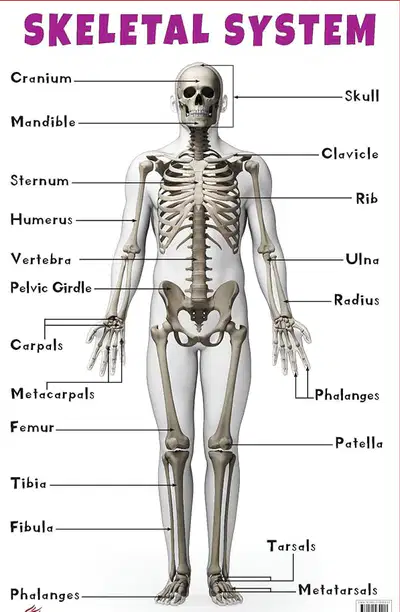

2
Objective:
1. Students will be able to list 3 important organs of this body system and 1 way to keep this system healthy.

3
The Skeletal System

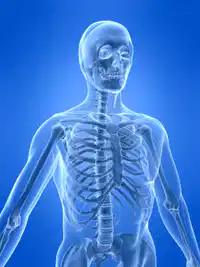
This system provides a strong, stable, and mobile framework on which muscles can act. It provides protection for tissues and organs of your body.
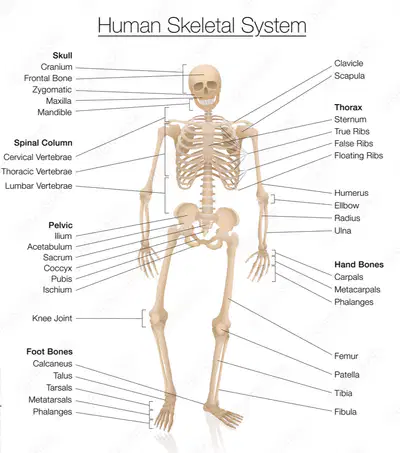
4
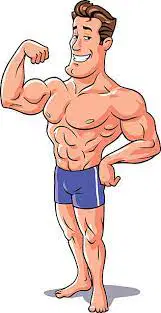
It is also the system that supports us and gives us our shape.
Has a skeleton
Does not have a skeleton
5
Main Structures of the Skeletal System
The two main structures that form the skeletal system are cartilage and bone.
Cartilage is largely composed of water and contains no nerves or blood vessels.
It allows joints to move easily, cushions bones, and supports soft tissue.
6
Bones are hard on the outside.
Inside they are soft, but strong.
Red and white blood cells are
made inside the bones.

7

Types of Joints
A joint is the point at which two bones meet. Some joints are fixed, such as those between the bones of the skull. They do not move.

8
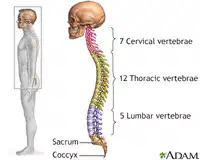
Some joints, such as those between the vertebrae, only allow small amounts of movement. However, most joints allow a wide range of movement.
9


There are 4 types of moveable
joints.
1. Pivot joint: This allows
rotation.
Ex. Your neck - between
the first two vertebrae .
10
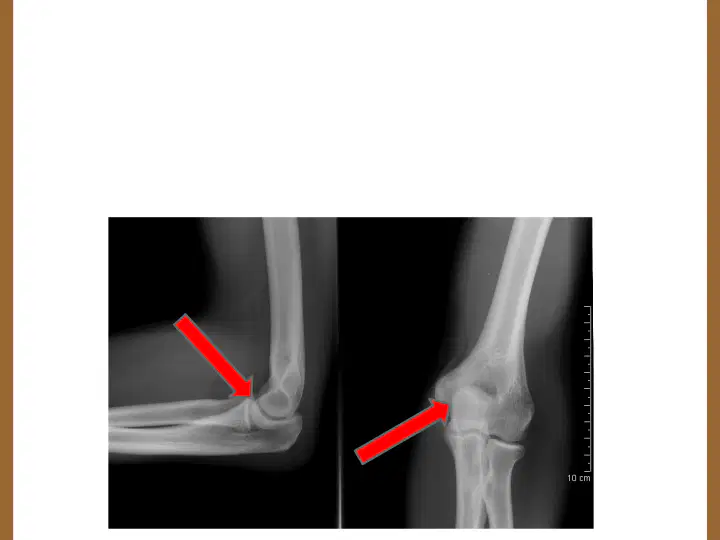
2. Hinge joint: This allows
bending and straightening.
Ex. Your fingers, toes,
knees, and elbows.
11
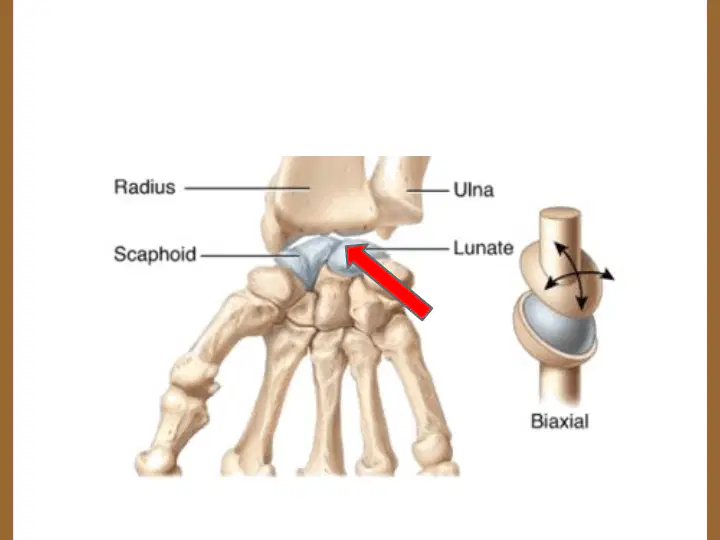
3. Ellipsoidal joint: This allows
all types of movement except
pivotal.
Ex. Your wrists.
12
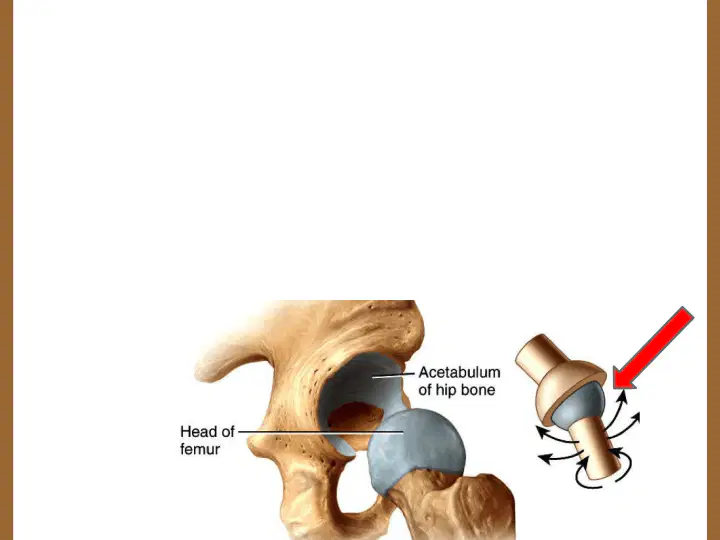
4. Ball and socket joint: This
allows the widest range of
movement - forward,
backward, sideways, and in a
circle.
Ex. Your shoulders and
hips.
13
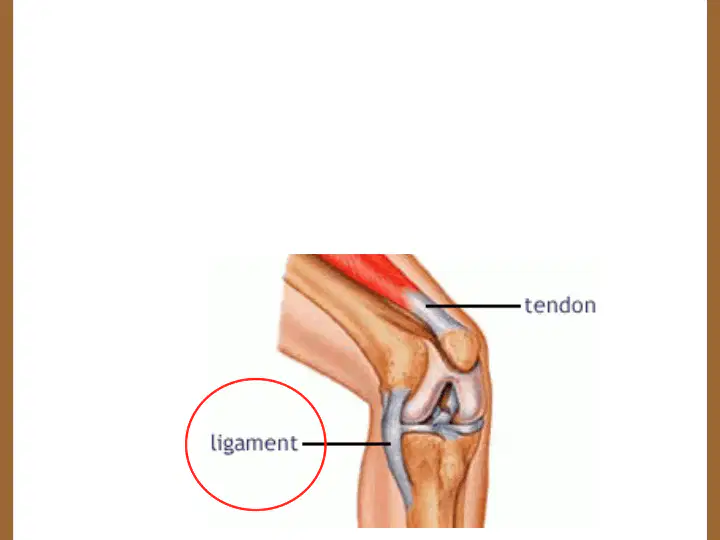
Your skeletal system also
includes ligaments and tendons.
Ligaments are tough bands of
fibrous, slightly elastic tissue
that bind the bone ends at the
joint.
14
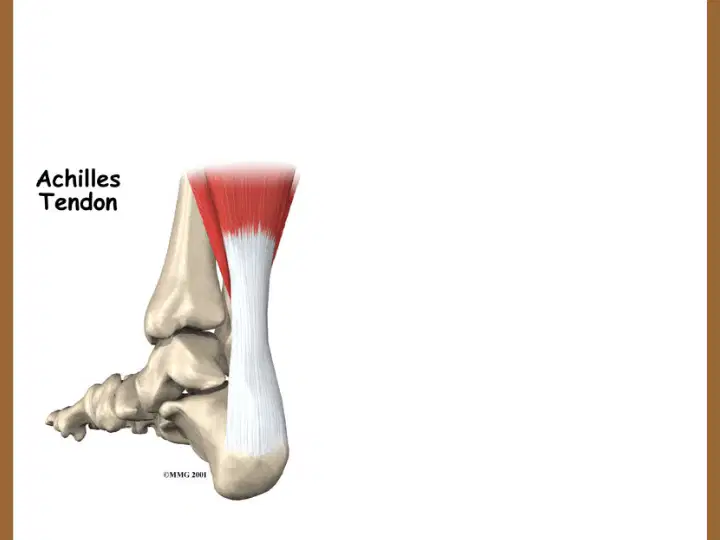
Tendons are fibrous cords that
join muscle to bone or to other
muscles.
Drum your fingers
on your desk. The
movement you see
on the back of
your hand are your
tendons in action.
Your Achilles tendon - thickest tendon in the body.
15
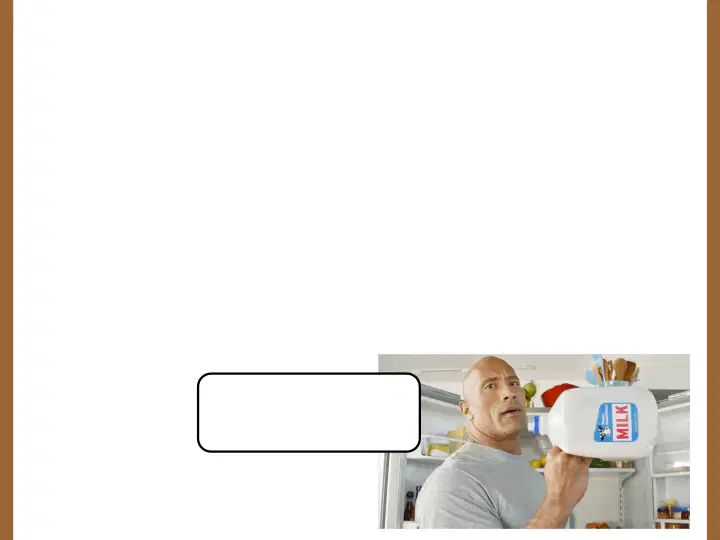
Taking Care of the Skeletal
System
Your habits and decisions you
make concerning nutrition and
exercise can affect the health
of your skeletal system now and
later in life. You need 3 things.
Drink it!!
16



1. Calcium, found in dairy
products, is essential for
building strong bones. It is
especially important during
the teen years when the body
builds most of its bone mass.
17
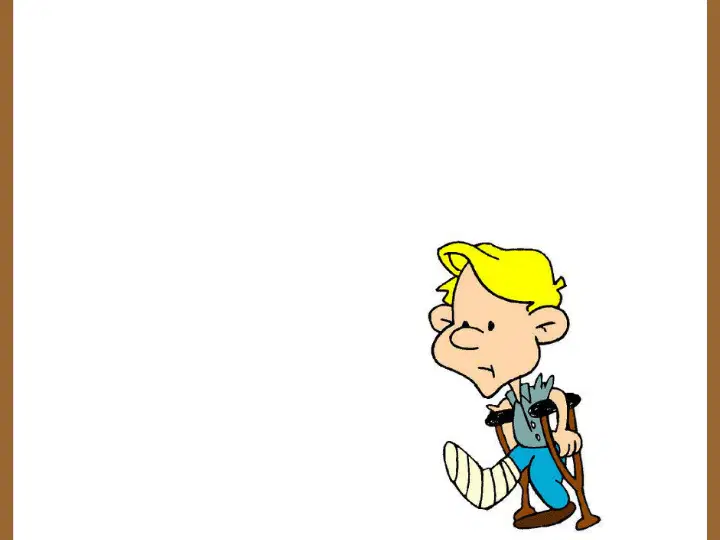
2. Phosphorus, another
important mineral, combines
with calcium to give bones
their rigidity (so they won’t
easily break).
18
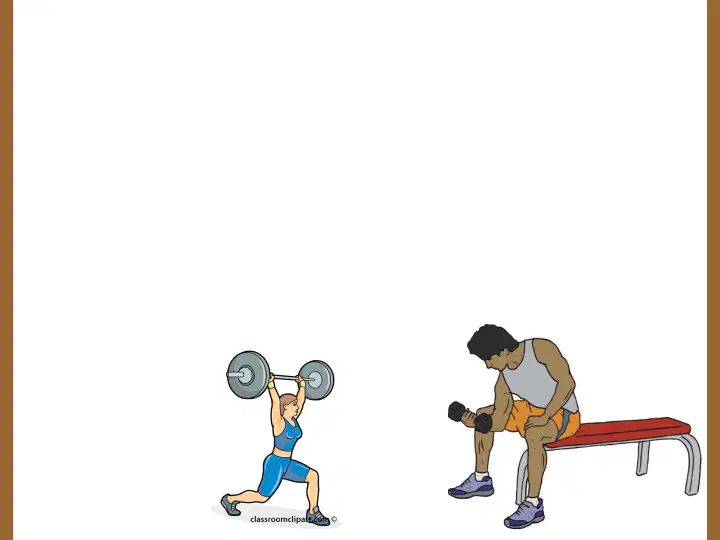
3. Physical activity, especially
weight-bearing exercise,
increases bone mass.
Exercise also promotes
better circulation of the
blood, increasing nourishment
to your bones..
19

Problems of the Skeletal
System
Skeletal system disorders and
injuries to bones can be the
result of many factors. These
include:
a. poor nutrition
20
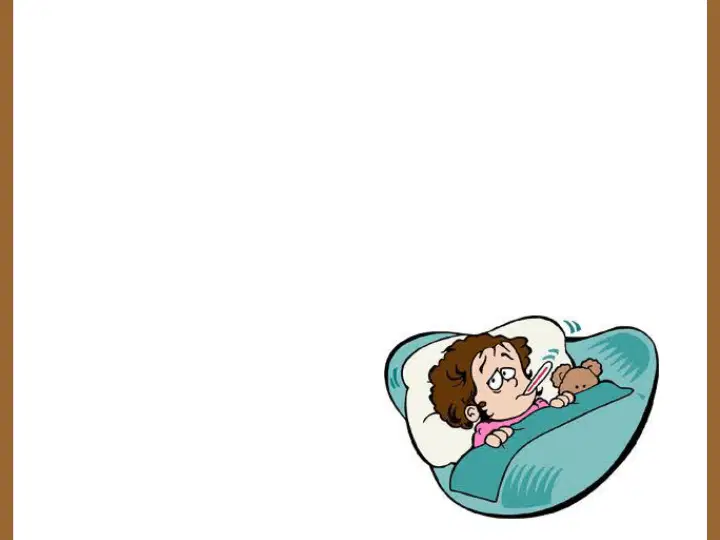
Problems of the Skeletal System
Skeletal system disorders and
injuries to bones can be the
result of many factors. These
include:
a. poor nutrition
b. infections
21


Problems of the Skeletal System
Skeletal system disorders and
injuries to bones can be the
result of many factors. These
include:
a. poor nutrition
b. infections
c. sports/recreational injuries
22


Problems of the Skeletal System
Skeletal system disorders and
injuries to bones can be the
result of many factors. These
include:
a. poor nutrition
b. infections
c. sports/recreational injuries
d. accidents
23


Problems of the Skeletal System
Skeletal system disorders and
injuries to bones can be the
result of many factors. These
include:
a. poor nutrition
b. infections
c. sports/recreational injuries
d. accidents
e. poor posture
24
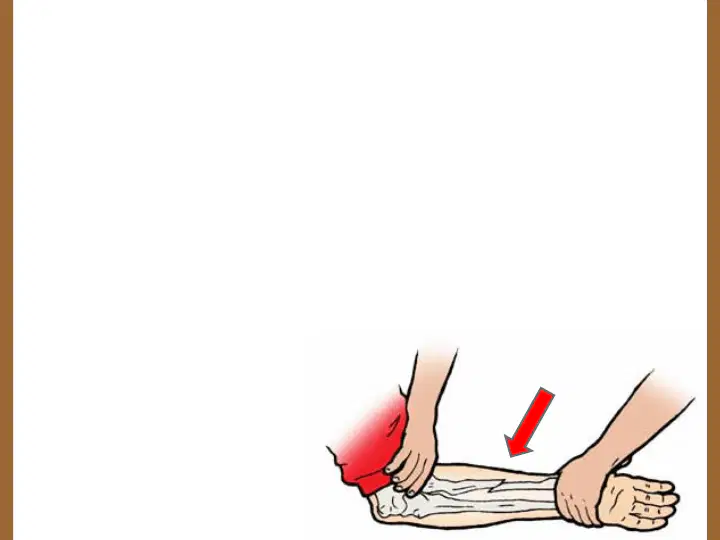
Problems:
1. Fractures - Fractures are any
type of break in a bone. They
are divided into two main
types - simple and compound.
In a simple fracture, the
broken bone does not protrude
through the skin.
25
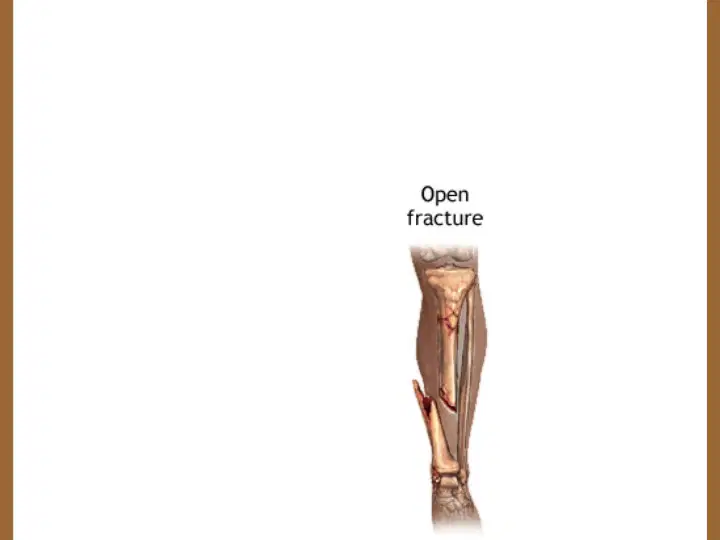

In a compound fracture, or
“open” fracture, one or both
bone ends project through the
skin.
26


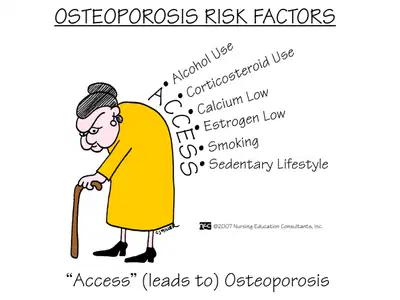
2. Osteoporosis - This is a loss
of bone mass which makes the
bones brittle and easily
fractured. Women are
especially vulnerable to this
when they get older, though
men can also get this. In
order to prevent this, make
sure you get enough calcium
and weight-bearing exercise
during your teen years.
27

28

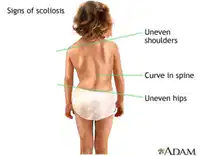

3. Scoliosis- Scoliosis is a side-
to-side curvature of the
spine. It usually starts in
childhood or adolescence and
becomes more severe until
the age when growth stops.
29


Depending upon the severity,
treatment may include exercise,
a special brace, or surgery.
30


There are also some common
joint injuries:
a. dislocation - bone moves from
its normal position at the
joint.
31

There are also some common
joint injuries:
a. dislocation - bone moves from
its
normal position at the joint.
b. torn cartilage - result of a
sharp blow or severe twisting
of a joint.
32


c. bunion - painful swelling of
the bursa in the first joint of
the big toe. Bunions are
caused by wearing high-heeled
shoes or tight shoes that
cram your toes and cause
them to bend in an abnormal
way.
33


34
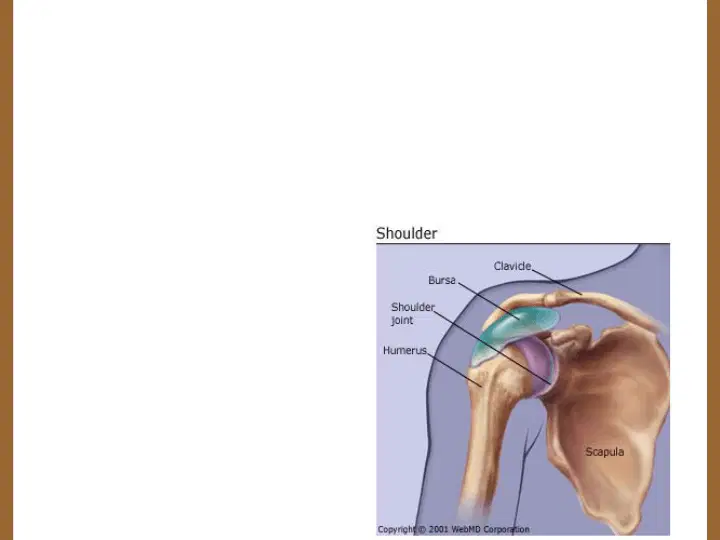
d. bursitis - a painful condition
that occurs when the bursa in
a joint becomes inflamed. It
is common in the shoulder and
knee joints.
35
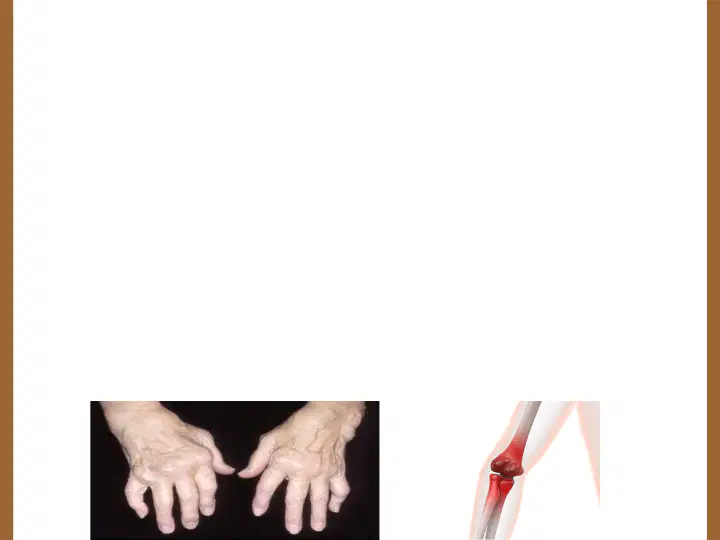
e. arthritis - an inflammation of
a joint, characterized by pain,
swelling, stiffness, and
redness. The most common
type, osteoarthritis, results
from wear and tear on the
joints and most often
troubles older adults.
36


Repetitive Motion Injury
Technology (computers, IPods,
Wii, texting) has brought about a
new class of injuries. They are
called repetitive motion injuries.
They result from damage to
tissues caused by prolonged,
repeated movements.
37


To prevent this injury:
a. Keep your wrists relaxed and
straight when typing.
38


To prevent this injury:
a. Keep your wrists relaxed and
straight when typing.
b. Press keys with the least
amount of pressure necessary.
39

To prevent this injury:
a. Keep your wrists relaxed and
straight when typing.
b. Press keys with the least
amount of pressure necessary.
c. Move the entire hand to press
hard-to-reach keys.
40

To prevent this injury:
a. Keep your wrists relaxed and
straight when typing.
b. Press keys with the least
amount of pressure necessary.
c. Move the entire hand to press
hard-to-reach keys.
d. Take frequent breaks, which
is also good for your eyes and
leg muscles.
41


Keeping This System Healthy
Eating enough foods rich in
calcium and phosphorus can
prolong the life and health of
your bones. It begins now,
during your teen years.
Skeletal System
Show answer
Auto Play
Slide 1 / 41
SLIDE
Similar Resources on Wayground

37 questions
Unit 4 Exam Review - Respiratory System
Presentation
•
12th Grade - University
36 questions
Биология зоология кр
Presentation
•
KG - University
34 questions
ECONOMICS TOPIC 3 LESSON 7
Presentation
•
12th Grade
39 questions
The Animal Science Industry
Presentation
•
11th - 12th Grade
35 questions
Viruses
Presentation
•
12th Grade
35 questions
Body Tissue Notes
Presentation
•
11th - 12th Grade
34 questions
Introduction to Ecology Ecological Organization
Presentation
•
12th Grade
34 questions
Ecological Organization Lesson
Presentation
•
12th Grade
Popular Resources on Wayground
6 questions
PRIDE Always and Everywhere
Presentation
•
12th Grade
20 questions
Lab Safety Quiz

Quiz
•
6th Grade
26 questions
KOR Review Kahoot Questions
Quiz
•
8th Grade
21 questions
Continents and Oceans
Quiz
•
6th Grade
12 questions
Unit Zero lesson 2 cafeteria
Presentation
•
9th - 12th Grade
20 questions
Parts of Speech
Quiz
•
5th Grade
10 questions
Riddles Riddles fun Riddles
Quiz
•
6th - 12th Grade
16 questions
Subject & Predicate
Quiz
•
5th Grade
Discover more resources for Biology
20 questions
Scientific Method & Variables
Quiz
•
9th - 12th Grade
10 questions
Exploring the 4 Major Macromolecules and Their Functions

Interactive video
•
9th - 12th Grade
20 questions
Cell Transport
Quiz
•
9th - 12th Grade
26 questions
Quiz Week 2 REVIEW (9/4/26)
Quiz
•
9th - 12th Grade
20 questions
Properties of Water
Quiz
•
9th - 12th Grade
20 questions
Food Chains and Food Webs
Quiz
•
7th - 12th Grade
25 questions
Unit 1 Formative 1
Quiz
•
9th - 12th Grade
15 questions
LS.Bio.3.2 and LS.Bio3.3 Photosynthesis/Respiration
Quiz
•
9th - 12th Grade