Search Header Logo
Chemical Bonds and Chemical Reactions

Chemical Bonds and Chemical Reactions

Assessment

Presentation

Chemistry

KG

Practice Problem

Medium

Created by

Susan Schroer

Used 4+ times

FREE Resource

26 Slides • 27 Questions

1

media

2

Chemical vs Physical Change

Can you spot the difference?

3

Multiple Select

What is an example of a Physical Change?

1

Shredding Paper

2

Mixing Vinegar and Baking Soda

4

Multiple Select

Why do atoms of different elements bond?

1

to achieve 7 energy levels

2

to achieve excited state

3

to achieve octet valence electrons

4

to become neutral and stable

5

media

6

​Physical Change Definition:

Change that does NOT result in a new substance.

​NO new substance formed

​CAN be easily reversed

Temporary change

7

media

8

Multiple Choice

No new substance is formed in a physical change.

1

True

2

False

9

Multiple Choice

Evidence of a physical change.
1
New substance
2
Shape Change
3
Light produced
4
Gas released.

10

Multiple Choice

Chemical channges are ______________ chnages.

1

Temporary

2

Permanent

11

Chemical Change definition:

Change that results in a NEW substance

NEW substance formed

NOT easily reversed

Permanent Change

12

media

13

Multiple Choice

If a new substance is formed would this be a physical or chemical change?
1
Physical
2
Chemical

14

Multiple Choice

Question image

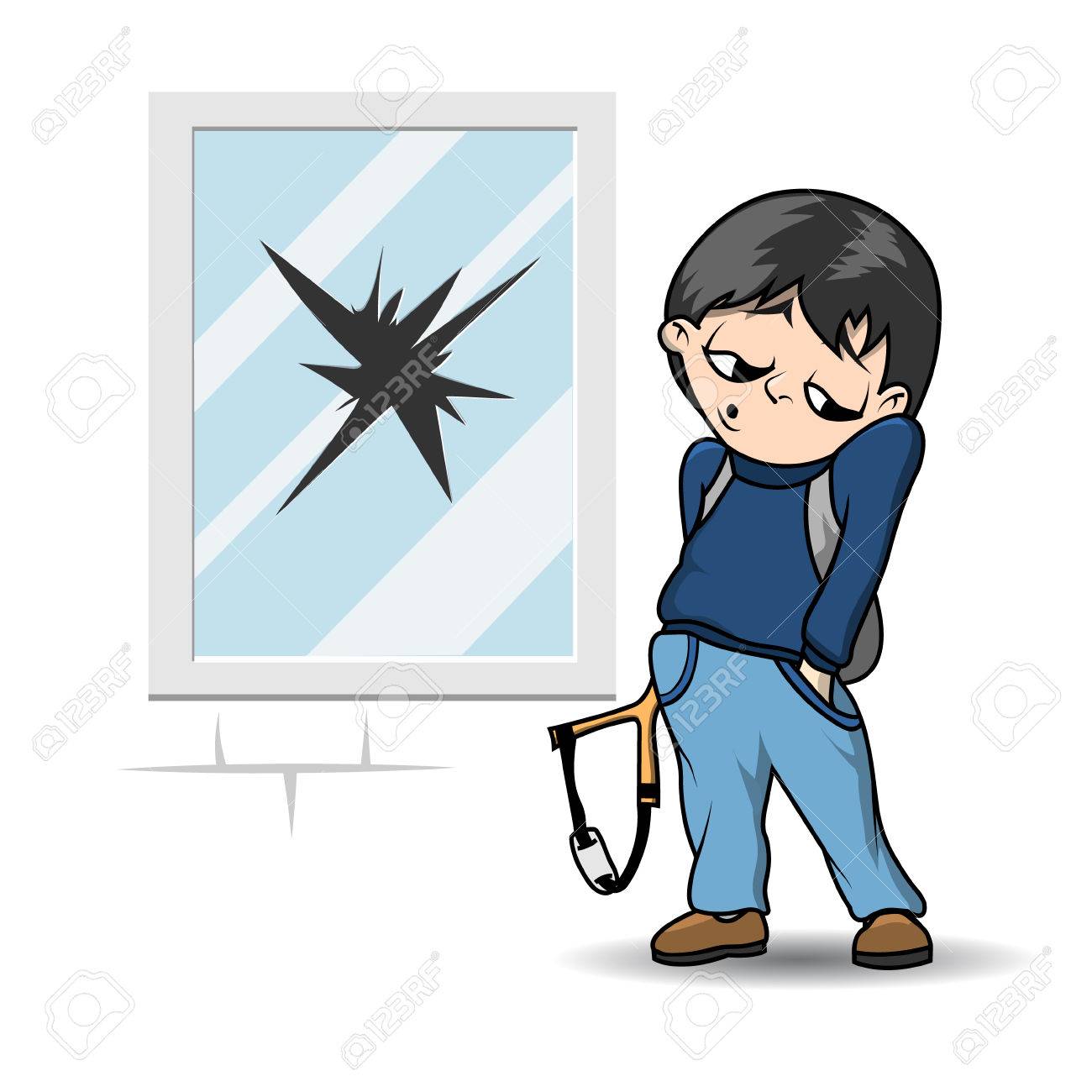
What kind of change is breaking a window?

1
2

15

Multiple Choice

Question image
Is sour milk a physical or chemical change?
1
Physical
2
Chemical

16

Multiple Choice

Question image
Is melting iron a physical or chemical change?
1
Physical
2
Chemical

17

Multiple Choice

Question image
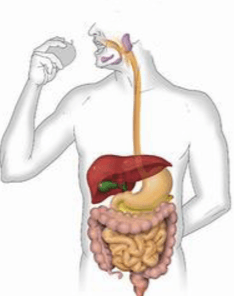
Is digesting your food a physical or chemical change?
1
Physical
2
Chemical

18

Multiple Choice

Fireworks Exploding are a ________ change.
1
Physical Change
2
Chemical Change

19

Multiple Choice

Question image

What kind of change is baking a cake?

1
2

20

Multiple Choice

Question image

What kind of change is crushing a soda can?

1
2

21

media

Chemical Bonding

Some text here about the topic of discussion.

22

media

The world around us is made up of tiny units of matter called atoms. How these atoms stick together to form substances is called chemical bonding.

What is Chemical Bonding

23

Types of Chemical Bonds

There are two categories of Chemical Bonds:

Ionic Bonds and Covalent Bonds.

Atoms combine to form these bonds by losing, gaining or sharing valence electrons

Some text here about the topic of discussion

24

Types of Chemical bonding

  • Metals tend to react with nonmetals to form ionic compounds.

  • Nonmetals tend to react with other nonmetals to form molecular (covalent) compounds.

  • Ionic compounds containing polyatomic ions have both ionic and covalent bonding.

25

media

IONIC COMPOUNDS

In ionic Compounds, Metals TRANSFER their Valence Electrons to Non-Metals to have 8 electrons (or sometimes 2 electrons) in the outer shell.

For Example, The metal lithium in Group 1 TRANSFERS 1 valence electron to Fluorine in Group 17 who has 7 Valence electrons

26

media

Covalent (Molecular) COMPOUNDS

In covalent bonding electrons are shared between non-metal atoms rather than transfered in order for the atoms of both elements to gain full outer shells. Electrons are always shared in pairs.

27

Co -means to share

Valent - means valence electrons

Covalent therefore means to share valence electrons

Some text here about the topic of discussion

28

Multiple Choice

An ionic bond can be formed when one or more electrons are

1

(1) equally shared by two atoms

2

(2) unequally shared by two atoms

3

(3) transferred from the nucleus of one atom to the nucleus of another atom

4

(4) transferred from the valence shell of one atom to the valence shell of another atom

29

Multiple Choice

Question image

What type of bond is formed between the atoms of an oxygen molecule?

1

Ionic Bond

2

Covalent Bond

30

Multiple Choice

Which element reacts with oxygen to form ionic bonds?

1

(1) calcium

2

(2) hydrogen

3

(3) chlorine

4

(4) nitrogen

31

media

32

Multiple Choice

What does the Law of Conservation of Mass say? It says,


"During a chemical reaction, mass is neither _______ or destroyed."

1

burned

2

created

3

melted

33

media

34

Multiple Choice

The substances that go into a reaction are called the _______.

1

products

2

reactants

35

Multiple Choice

So, the Law of Conservation of Mass would tell us that the mass of all the REACTANTS must __________ the mass of all PRODUCTS in a chemical reaction.

1

equal

2

be greater than

3

be less than

36

media

37

Multiple Choice

An ENDOTHERMIC reaction would feel ______ to the touch, while an EXOTHERMIC reaction would feel ______ to the touch.

1

hot ; cold

2

cold ; hot

38

media

39

2H2 + O2 ---> 2H2O

This equation is BALANCED on both sides.

Notice that there are 4 Hydrogens and 2 Oxygens on each side.


The full-size numbers to the LEFT of the elements/compounds are called COEFFICIENTS and are the ONLY VALUES YOU CAN CHANGE.


The small numbers to the right of the elements are called SUBSCRIPTS and MUST STAY THE SAME in the equation.

40

media

41

media

42

In this example, we want the number of Mg (Magnesium) on the LEFT of the arrow to be the same on the RIGHT of the arrow.


We also want the number of O (Oxygen) to be the same number on both the LEFT and RIGHT of the arrow.

43

Once we count up the Mg and O on both sides, we can see what needs to change.


We CANNOT TAKE ANYTHING AWAY.

We can ONLY ADD using coefficients.


You'll see this done in the next slide...

44

media

45

media

46

media

47

Multiple Choice

What is the left part of a chemical equation called?

2H2 + O2 ---> 2H2O

1

Reactants

2

Yields

3

Products

4

Chemical equation

48

Multiple Choice

What is the right part of a chemical equation called?

2H2 + O2 ---> 2H2O

1

Reactants

2

Yields

3

Products

4

Chemical Equation

49

Multiple Choice

What is the number before a chemical formula called?

Example: 2H2 + O2 ---> 2H2O

1

Coefficient

2

Atom

3

Subscript

4

Equation

50

Multiple Choice

What is the little number after an element in a chemical equation called?

Example: H2

1

Coefficient

2

Atom

3

Subscript

4

Equation

51

Multiple Choice

How many Oxygens are in this molecule? 
(OH)2
1
4
2
1
3
2
4
3

52

Multiple Choice

How many HCl molecules do you need to balance this equation? 
Mg +  __HCl --->  MgCl2 + H2
1
1
2
2
3
3
4
4

53

Multiple Choice

What coefficients are needed to balance the equation?

___Al + ___ O2 ---> 2Al2O3

1

3,2

2

3,4

3

4 , 3

4

4,2

media

Show answer

Auto Play

Slide 1 / 53

SLIDE