

DC Civil Rights Leaders

Presentation
•
Social Studies
•
12th Grade
•
Practice Problem
•
Easy

Danielle Durham
Used 1+ times
FREE Resource
7 Slides • 6 Questions
1
A Few Civil Rights Leaders in the Nation's Capital
2
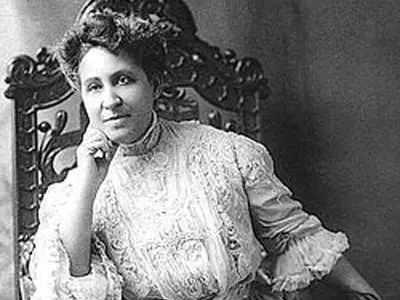
Mary Church Terrell was a civil rights activist, suffragist, and educator. She was one of the first African American women to earn a college degree and became an influential figure in the fight for racial and gender equality. Terrell lived and worked in Washington, D.C., and was a founding member of the National Association for the Advancement of Colored People (NAACP).
Mary Church Terrell:
3
Multiple Choice
Mary Church Terrell was a founding member of which important civil rights organization?
A) NAACP
B) SNCC
C) ACLU
D) SCLC
4
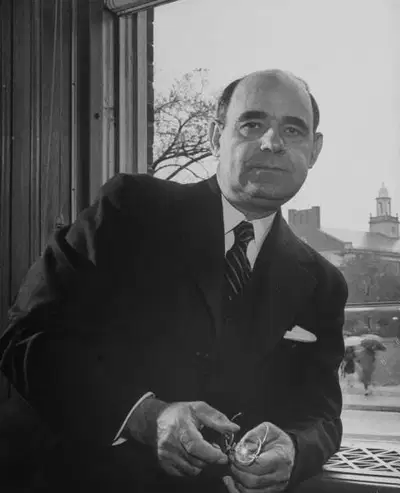
Mordecai Wyatt Johnson's historic presidency at Howard University from 1926 to 1960 established the institution as a leading center for African-American higher education and civil rights activism. During a pivotal period in African-American history, he passionately pursued expanded educational opportunities and racial equality. His enduring legacy is rooted in his unwavering dedication to using education as a means to address racial inequalities and promote social justice.
Mordecai Wyatt Johnson
5
Multiple Choice
Mordecai Wyatt Johnson's presidency at Howard University was significant for what reasons?
A) Advancing African-American higher education and civil rights activism.
B) Expanding opportunities for women in education.
C) Leading the Harlem Renaissance.
D) Founding a major civil rights organization
6
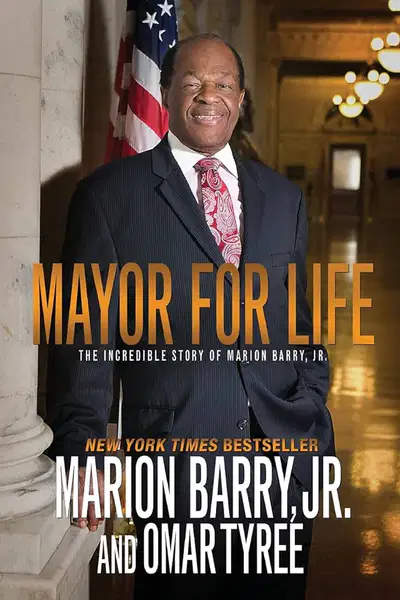
Marion Barry was a prominent African American civil rights activist and politician who served as the Mayor of Washington, D.C. He played a significant role in the city's political and social landscape, advocating for the rights and needs of the African American community. Despite controversy in his career, Barry is remembered for his commitment to addressing issues of poverty, inequality, and representation in the nation's capital, making him a polarizing but influential figure in the city's history.
Marion Barry
7
Multiple Choice
Marion Barry, a prominent civil rights activist and former Mayor of Washington, D.C., is known for his dedication to addressing which key issues in the city?
A) Environmental conservation and wildlife protection.
B) Economic development and entrepreneurship.
C) Poverty, inequality, and the rights of the African American community.
D) Cultural preservation and heritage promotion.
8
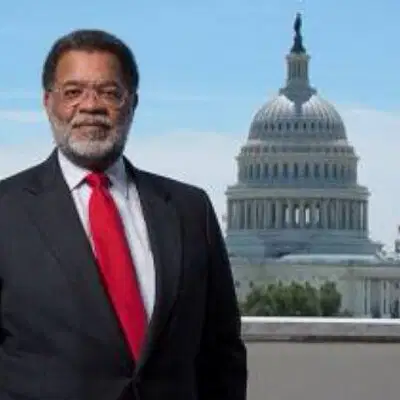
Julius Hobson was a notable civil rights activist and community organizer in Washington, D.C. He dedicated his life to advocating for civil rights and social justice, particularly in the context of the civil rights movement in the 1960s. Hobson was a pivotal figure in the local civil rights movement, working to address issues of poverty, housing discrimination, and educational inequalities in the District of Columbia. His contributions left a lasting impact on the fight for civil rights in the nation's capital and the pursuit of equal rights for African Americans and marginalized communities.
Julius Hobson
9
Multiple Choice
Julius Hobson was a significant civil rights activist in Washington, D.C., during the 1960s. What were some of the key issues he passionately advocated for? .
A) Environmental conservation and wildlife protection.
B) Poverty, housing discrimination, and educational inequalities.
C) Economic development and job creation.
D) Cultural heritage preservation and arts promotion
10
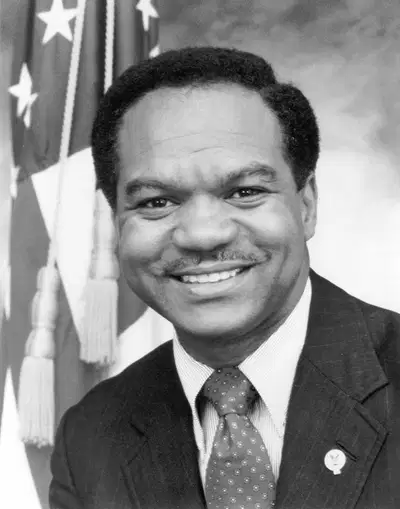
Walter Fauntroy was a prominent civil rights leader known for his pivotal role in organizing and participating in historic civil rights demonstrations, such as the 1963 March on Washington. Beyond his activism, he became the first delegate to represent Washington, D.C. in the U.S. House of Representatives, advocating for self-determination and home rule for the city. Fauntroy's enduring legacy is defined by his unwavering commitment to civil rights and his instrumental contributions to the fight for equal representation and political empowerment in the nation's capital.
Walter Fauntroy
11
Multiple Choice
Walter Fauntroy played a pivotal role in organizing which historic civil rights demonstration in 1963?
A) The Montgomery Bus Boycott.
B) The Selma to Montgomery March.
C) The March on Washington for Jobs and Freedom.
D) The Birmingham Campaign.
12
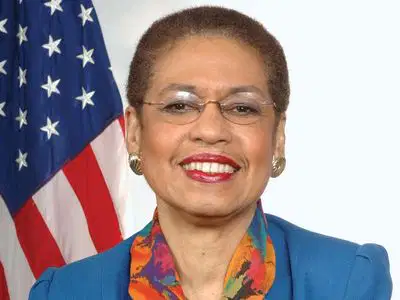
Eleanor Holmes Norton is a prominent civil rights advocate and politician who has represented the District of Columbia as its non-voting delegate in the U.S. House of Representatives since 1991. Throughout her career, she has been a strong advocate for civil rights, women's rights, and statehood for the District of Columbia. Norton's tireless efforts have focused on achieving equal representation and full voting rights for the residents of the nation's capital, making her a respected and influential figure in both local and national politics.
Eleanor Holmes Norton
13
Multiple Choice
Eleanor Holmes Norton has been a prominent advocate for the civil rights of which group of people in addition to her representation of the District of Columbia?
A) Native Americans
B) Women
C) Veterans
D) Senior citizens
A Few Civil Rights Leaders in the Nation's Capital
Show answer
Auto Play
Slide 1 / 13
SLIDE
Similar Resources on Wayground

11 questions
RELATIVE CLAUSES
Presentation
•
12th Grade
8 questions
Race - the Power of an Illusion
Presentation
•
12th Grade
11 questions
Minority, Race, and Ethnicity
Presentation
•
12th Grade
11 questions
Equilibrium-Shortage-Surplus
Presentation
•
11th - 12th Grade
10 questions
Grit/Growth Mindset
Presentation
•
12th Grade
11 questions
The Sociological Perspective
Presentation
•
12th Grade
8 questions
Symbolic Interactionism and Deviance
Presentation
•
12th Grade
9 questions
Enlightenment Philosophers
Presentation
•
12th Grade
Popular Resources on Wayground
15 questions
Grade 3 Simulation Assessment 1

Quiz
•
3rd Grade
22 questions
HCS Grade 4 Simulation Assessment_1 2526sy
Quiz
•
4th Grade
16 questions
Grade 3 Simulation Assessment 2
Quiz
•
3rd Grade
19 questions
HCS Grade 5 Simulation Assessment_1 2526sy
Quiz
•
5th Grade
17 questions
HCS Grade 4 Simulation Assessment_2 2526sy
Quiz
•
4th Grade
20 questions
Equivalent Fractions
Quiz
•
3rd Grade
24 questions
HCS Grade 5 Simulation Assessment_2 2526sy
Quiz
•
5th Grade
20 questions
Math Review
Quiz
•
3rd Grade
Discover more resources for Social Studies
15 questions
AP Gov Required SCOTUS Cases
Quiz
•
10th - 12th Grade
48 questions
Civics EOC Practice Questions
Quiz
•
12th Grade
50 questions
US History EOC Review
Quiz
•
9th - 12th Grade
18 questions
Foundational Documents
Quiz
•
11th - 12th Grade
30 questions
AP Psychology Unit 5: Mental and Physical Health
Quiz
•
12th Grade
40 questions
Stuffa
Quiz
•
9th - 12th Grade
38 questions
Government Unit 4/5 Review
Quiz
•
12th Grade
19 questions
AP Gov Required documents
Quiz
•
12th Grade