

Circulatory and Respiratory Systems

Presentation
•
Science
•
6th Grade
•
Practice Problem
•
Hard
+4
Standards-aligned

MARK NATIVIDAD
Used 1+ times
FREE Resource
15 Slides • 0 Questions
1

2

3
Breathing takes in oxygen and removes carbon dioxide.
These two gases cannot be stored by the body, so you breathe constantly.
Respiratory system - carries out respiration which exchanges gases from inside and outside the body.
The main organs of this system are the lungs.
Breathing

4
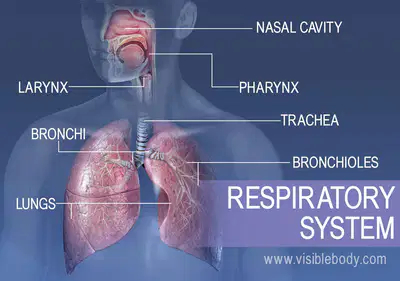
Inhale - pulling air into the lungs through the mouth or nose.
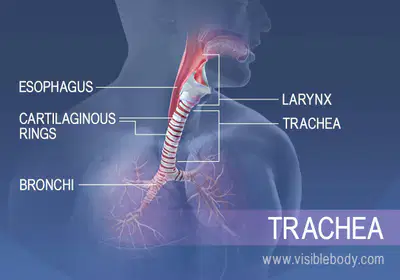
The air travels down the trachea.
The trachea divides into two bronchi which go into the lungs.
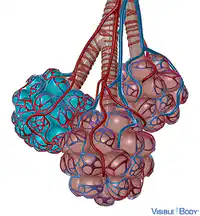
The bronchi divide into smaller bronchioles and end with alveoli.
Respiratory Tract
5
Nose - air enters through nostrils, and filtered by cilia.
Pharynx - a muscular tube inside the neck. It carries air and equalizes pressure in the ears.
Larynx - connects the pharynx to the trachea. Also called the voice box.
Upper Respiratory Tract
6
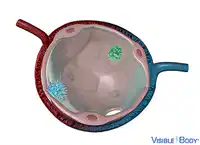
Alveoli are surrounded by short, narrow blood vessels called capillaries.
There are thin membranes separating alveoli and capillaries.
Oxygen enters the capillaries from the alveoli. CO2 exits from the capillaries to the alveoli. When you exhale, the CO2 is breathed out.
Respiratory Tract
7
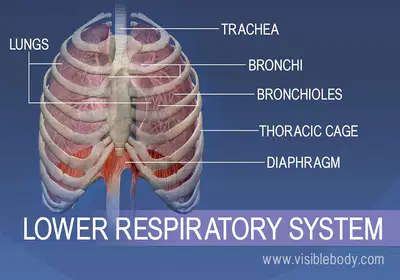
Lungs - the main organ of the respiratory system. It provides oxygenated blood for the heart which pumps it to the rest of the body.
Diaphragm - the large, flat muscle below the lungs push air in and out of them. The diaphragm does this by moving up and down.
Lower Respiratory Tract
8
It keeps blood moving through all parts of the body at all times.
Heart - the main organ of the circulatory system which acts like a pump. It lies in your chest, between the lungs.
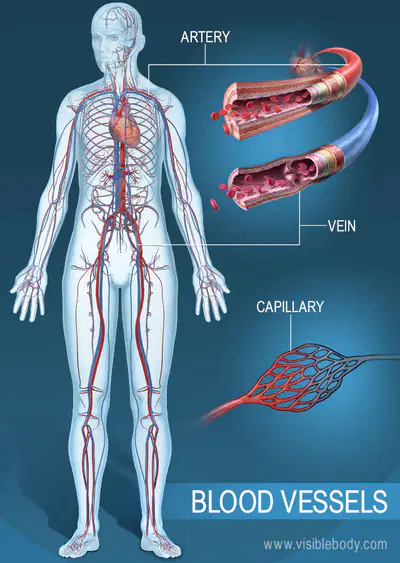
Blood vessels - the organs that carry blood. These are the arteries, veins and capillaries
Circulatory System

9
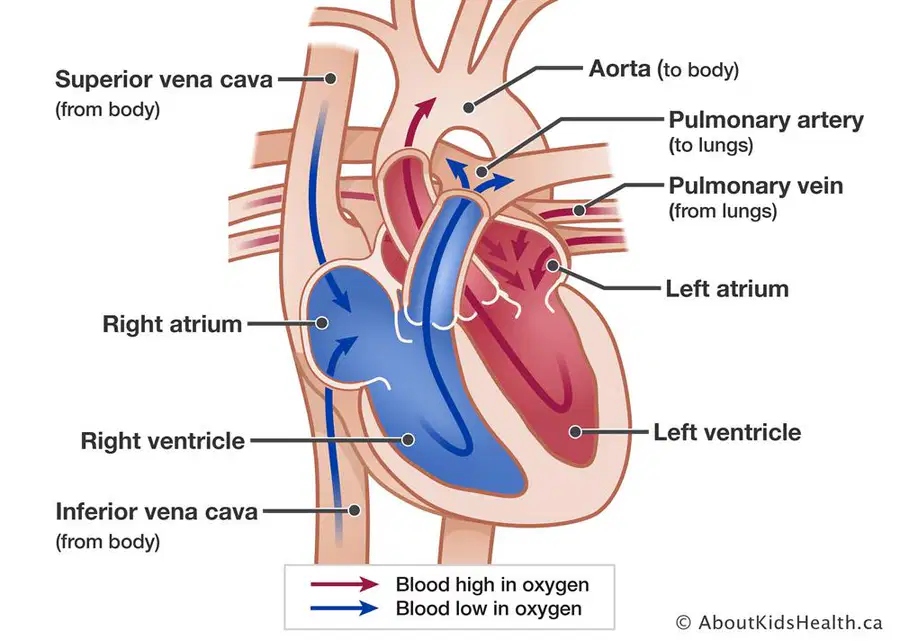
Blood travels through the body on many paths, but all paths lead into and out of the heart and lungs. Low-oxygen blood from the cells travel through the veins and are full of CO2. It enters the right atrium of the heart, then the right ventricle, then into the lungs. Gases exchange in the lungs, and the oxygen-rich blood goes into the left atrium, left ventricle and in the aorta - the largest artery.
Path for Blood
10
11
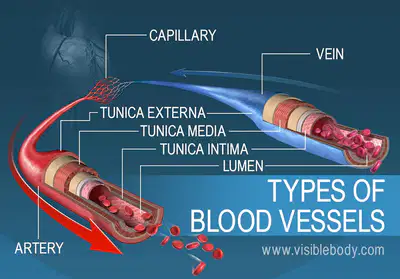
The aorta branches into many paths that go all over the body. Arteries get narrower the further they are from the heart. The narrowest parts end in capillaries - which are only one cell thick. Within the capillaries, gases exchange again. Capillaries are connected to a vein where they go back to the heart.
The Blood Vessels
12
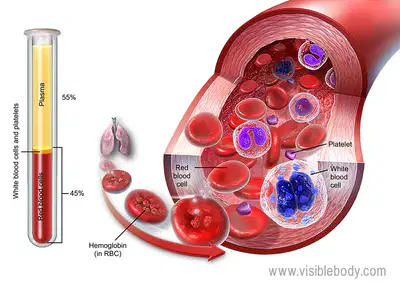
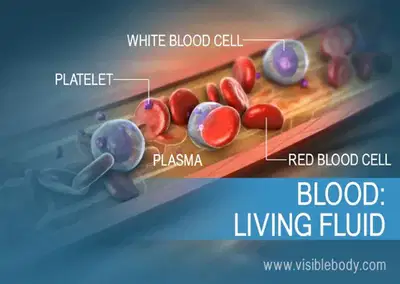
Blood is a movable body tissue. Blood carries gases and other materials that cells need, clots when there's an injury, and protects the body from diseases.
Carrying gases - blood carries oxygen and CO2 with the compound hemoglobin. It contains iron which makes blood red.
Blood

13
Carrying Food, Proteins, and Wastes - serum in the blood contains materials for cells and their waste products. Serum can transfer into lymph (which removes cell wastes). Lymph nodes filter the lymph, and it returns to the blood.
Clotting - platelets in the blood clump together at the site of a wound.
Blood
14
Fighting Invaders - White blood cells fight invaders in the body.
Blood Pressure - it happens when the heart beats, and the blood pushes on the walls of the blood vessels.
If blood pressure is too low, the body will not get enough oxygen. If it is too high, it can burst blood vessels.
Blood
15
The heart contracts and relax in a regular cycle. One cycle is called a heartbeat.
The brain can control the heartbeats.
An electrocardiogram can study heartbeats. It can help doctors check if your heart is healthy.
Heartbeats

Show answer
Auto Play
Slide 1 / 15
SLIDE
Similar Resources on Wayground

14 questions
Photosynthesis
Presentation
•
6th Grade
13 questions
Electromagnetic Spectrum
Presentation
•
6th - 7th Grade
11 questions
Law of conservation of energy
Presentation
•
6th Grade
9 questions
Cell Organelles
Presentation
•
6th Grade
10 questions
PRINCIPLES OF FLIGHT
Presentation
•
6th Grade
13 questions
Stimuli and Response
Presentation
•
6th Grade
10 questions
Energy Transformations
Presentation
•
6th Grade
8 questions
Study Jams Properties of Matter
Presentation
•
6th Grade
Popular Resources on Wayground
10 questions
Safety Day 2026 – Student Review

Quiz
•
9th Grade
21 questions
Continents and Oceans
Quiz
•
6th Grade
20 questions
Parts of Speech
Quiz
•
5th Grade
16 questions
Subject & Predicate
Quiz
•
5th Grade
25 questions
Multiplication Facts
Quiz
•
5th Grade
12 questions
Map Skills
Quiz
•
3rd Grade
22 questions
Continents and Oceans
Quiz
•
5th Grade
15 questions
Rounding Decimals
Quiz
•
5th Grade
Discover more resources for Science
20 questions
Elements, compounds, and mixtures
Quiz
•
6th Grade
10 questions
6.6D - Relative Density Review
Quiz
•
6th Grade
10 questions
Exploring Chemical and Physical Changes

Interactive video
•
6th - 10th Grade
20 questions
CONDUCTION,CONVECTION AND RADIATION
Quiz
•
6th Grade
20 questions
Rocks and The Rock Cycle
Quiz
•
6th Grade
19 questions
Describing and Classifying Matter
Presentation
•
6th Grade
21 questions
Waves and Wave Properties
Quiz
•
6th - 8th Grade
20 questions
Phases of the Moon
Quiz
•
6th Grade