

Rise of Christianity

Presentation
•
Social Studies
•
8th Grade
•
Practice Problem
•
Easy

Anonymous Anonymous
Used 9+ times
FREE Resource
28 Slides • 13 Questions
1
Chapter 13 - Rise of Christianity
Lesson 1 - Early Christianity
2
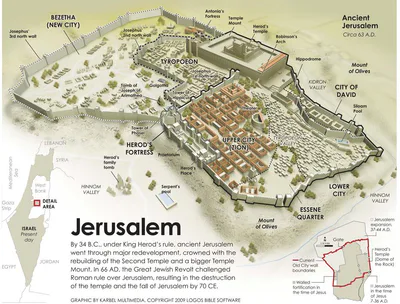
Before the rise of Christianity, the Roman Empire controlled the region of Judaea and Galilee in the ancient land of Israel and Palestine. At first, the Romans and the Jewish people got along but over time the Romans began to tighten their control over the region, causing some of the Jewish people to push for independence.
Jewish Heritage
3
Fill in the Blanks
What empire controlled the regions of Judaea and Galilee before the rise of Christianity?
Type answer...
4
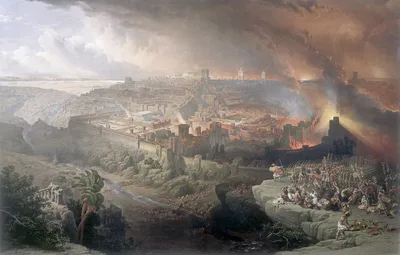
The Jewish people were divided on how best to deal with the Romans controlling their land. Most of the Jewish people wanted a peaceful resolution but one powerful group called the Zealots wanted violent rebellion. The Zealots led multiple revolts against the Romans, eventually leading to their complete exile from Jerusalem, their holy city.
Jewish Heritage
5
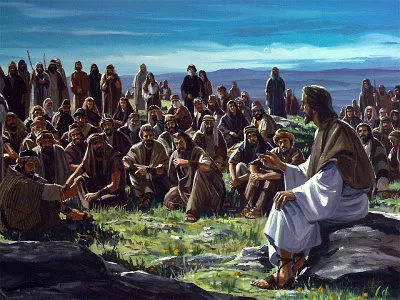
Jesus was born in a small town called Nazareth in the region of Galilee, just north of Judaea. According to the Christian Bible, around CE 30, he began to travel throughout Galilee and Judaea preaching about his ideas and God's return to rule the world.
6
Jesus of Nazareth
Jesus had twelve close followers, called disciples, that went with him on his travels to help him spread the word of God. Jesus spoke in everyday language, making him very popular with the common people and would preach using parables, easy to understand stories that helped explain Jesus' teachings. Jesus' main lessons reinforced the ideas of Judaism such as to love God and each other fully and completely from the heart. He also taught true forgiveness and acceptance of others.
7
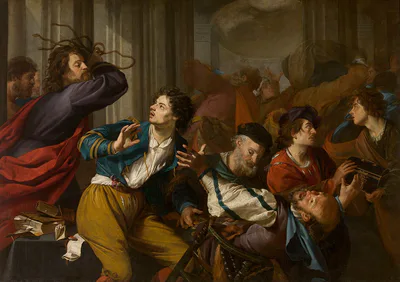
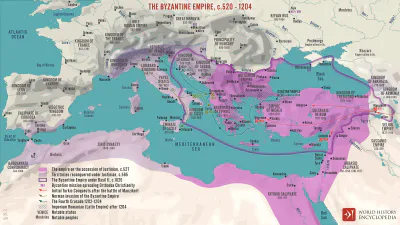
Jesus' way of preaching and the lessons he was spreading greatly impacted the people. Soon stories of him performing miracles began to spread wildly and he quickly gained a massive following. Many believed him to be the deliverer, come to save them from Roman rule. Others thought he was lying to the people and opposed him. The Romans feared his growing influence and popularity; they saw him as a threat.
Jesus of nazareth
8
Word Cloud
Which words do you think early followers of Jesus would use to describe him?
9
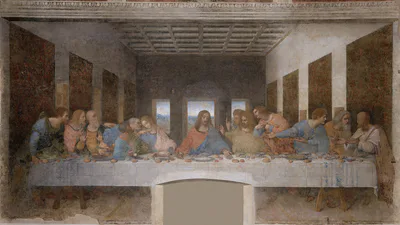
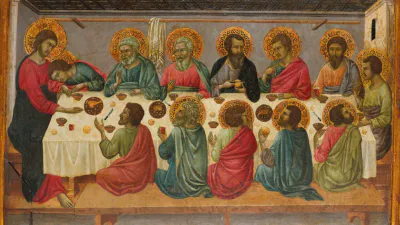
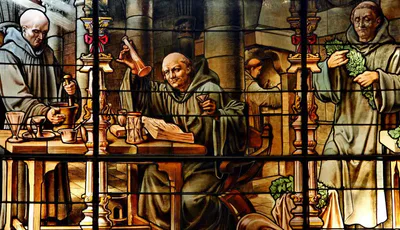
As the tension between the Jews and the Romans increased, Jesus travelled to Jerusalem to celebrate the Jewish holiday of Passover. The people greeted him as a savior and there he ate with his disciples, an event known as the Last Supper. After the meal, one of Jesus' disciples betrayed him, leading to his arrest and eventually his execution by crucifixion at the hands of the Romans.
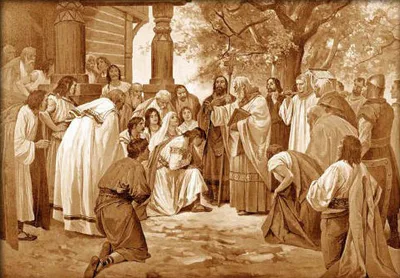
Jesus of nazareth
10
Multiple Choice
What holiday were Jesus and his disciples celebrating when they went to Jerusalem?
11
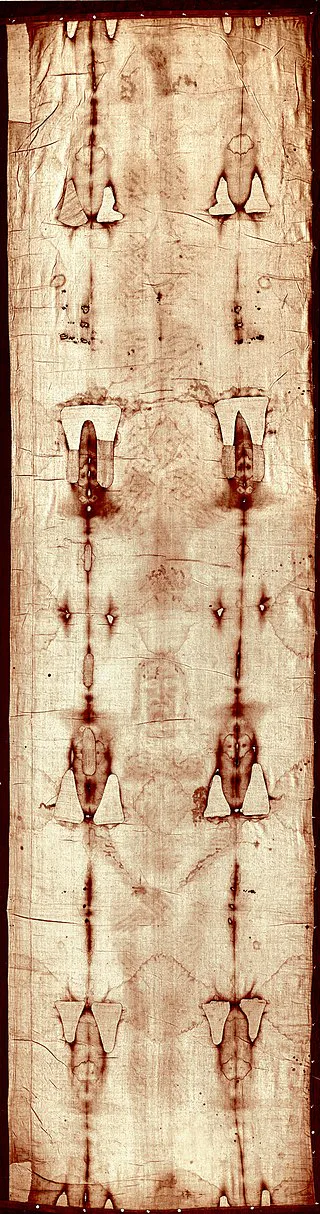
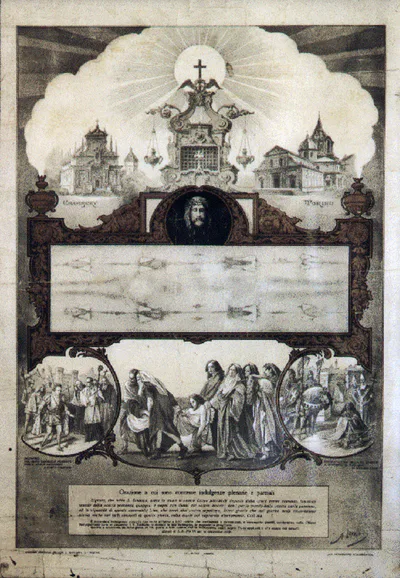
According to the Christian Bible, three days after his death, Jesus arose from the dead and appeared to his followers. Stories of his resurrection led to the birth of Christianity. Early Christians were a simply a subsection of Judaism but over time, the cult evolved into its own religion.
Jesus of nazareth
12
After the death of Jesus, his closest followers and disciples continued to spread his teachings throughout Judaea, Galilee and eventually the rest of the Roman Empire. These messengers were called apostles and they were the first real leaders of the Christian faith. As Christianity spread, early followers organized small churches to study the Hebrew Bible and the teachings of Jesus.
13
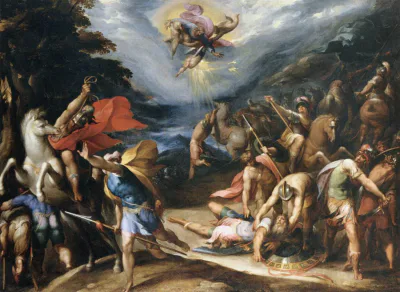
Two of the more famous apostles were Peter of Galilee and Paul of Tarsus. Peter was one of the 12 original disciples and he helped set up a Christian church in the capitol city of Rome, which would eventually become the center of the Catholic branch of Christianity. Paul on the other hand, was a Jew and a Roman loyalist who was originally sent to Damascus to stop the spread of Christianity. According to the Christian Bible, on his way to the city, Paul saw a great light and heard the voice of Jesus, leading him to become a lifelong convert who spread Christianity throughout the eastern Mediterranean.
Early Christianity
14
Fill in the Blanks
Which branch of Christianity did Rome eventually become the center of?
Type answer...
15
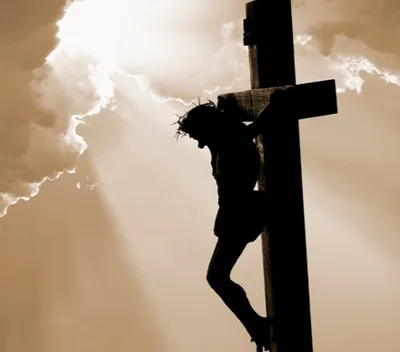
Early Christian Beliefs
Early Christians were very similar to the Jewish people. They were monotheistic and followed the same holy book and many of the same teachings. The main difference was that Christians believed in Jesus being the Son of God, sent to Earth to provide his followers with salvation in the afterlife.
16
early christian beliefs
Christians also developed a new way to believe in God. While they still worshipped the God of Israel, they say God as being three separate pieces, combined in the Holy Trinity. The Trinity included the Father, the Son, and the Holy Spirit. These beliefs set the basis for the Christian Faith.
As time passed and Rome spread its influence, Christianity used the peace and order that had been established to further spread its reach, eventually becoming the main religion in the empire.
17
Open Ended
How were early Christians different than Jews? How were they similar? (Write at least 3 sentences)
18
Chapter 13 - Rise of Christianity
Lesson 2 - The early Church
19
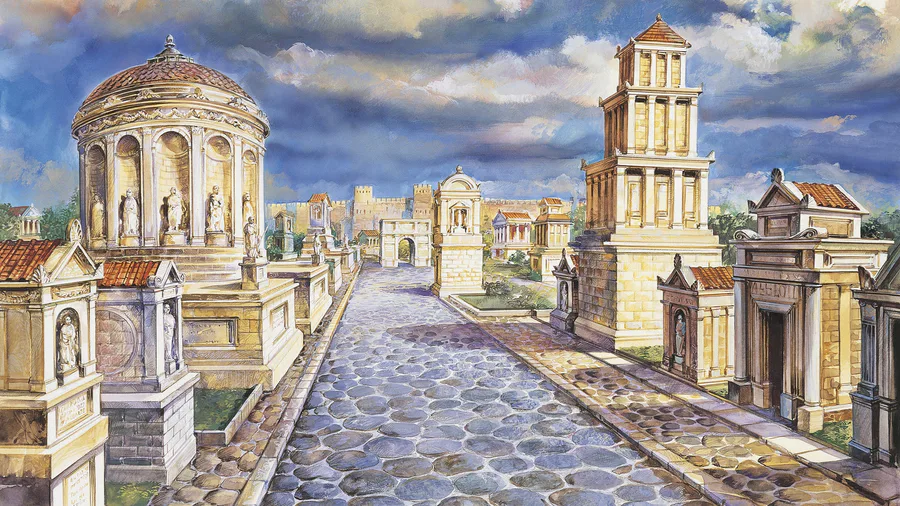
After the death of Jesus, his apostles continued to spread his message. Christianity grew quickly thanks to a number of factors. A common language, a sense of community and a strong message all contributed to Christianity's rapid spread throughout the Roman Empire. A strong infrastructure also contributed.
20
Multiple Choice
Which of the following Roman developments would have helped Christianity spread?
funeral homes
roads
common currency
a powerful military
21
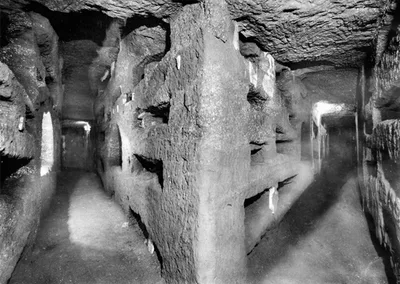
Although Christianity was gaining popularity with the common people, the Roman government saw it as a threat. The Christians did not conform to many of the traditions that most Romans practiced. This included burial rituals, religious worship and participation in the military. This lead to many Christians being beaten, arrested or even executed.
Roman persecution
22
Even through all of the Roman persecution, Christianity continued to spread, surviving one final Great Persecution at the hands of the Roman emperor Diocletian. According to Christian writes, soon after, the emperor Constantine had a vision which led him to paint crosses on the shields of his soldiers, which he believed to have won him the battle. Constantine became a staunch support of Christianity and contributed greatly to its spread. About 80 years later, in CE 392, the emperor Theodosius declared Christianity the official religion of Rome.
23
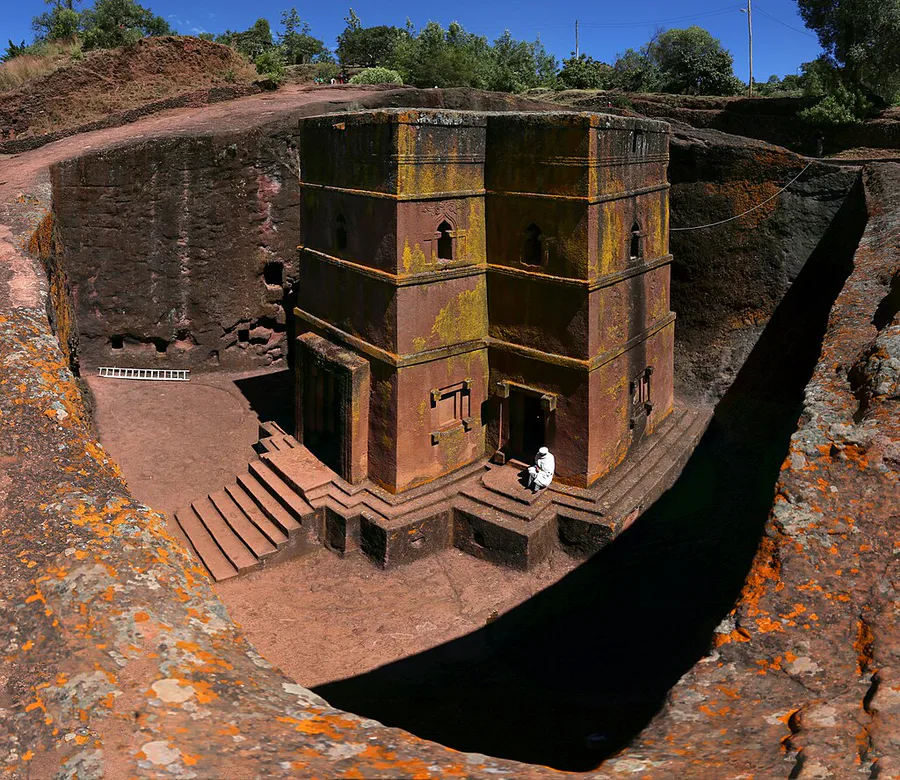
Around the time Christianity became the religion of Rome, an African king named Christianity the religion of his newly established Axum Empire.
24
Draw
What symbol did Emperor Constantine have his soldiers draw on their shields before a battle?
25
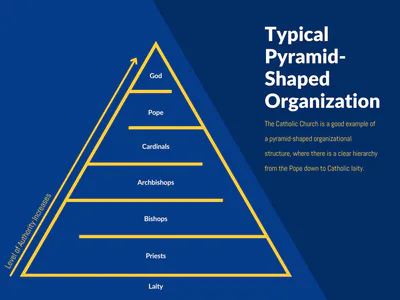
As Christianity grew and cemented itself as the religion of the empire, the various churches began to organize themselves to better unite their followers. They based their structure on the government of Rome, with a hierarchy of patriarchs in charge. Local churches were led by priests. Bishops would be in charge of guiding a handful of churches. Archbishops were in charged of whole regions and cities and a set of five archbishops, called patriarchs, controlled the largest regions.
The bishops would come together in councils to discuss define the teachings of Christianity. They wanted to insure that all Christians followed the same beliefs. The ideas that were accepted were considered "doctrine" and whatever was rejected was called "heresy".
Church leadership
26
Christians still widely accepted the Jewish Bible to part of their religion. They called these writings the Old Testament.
Old testament
The main beliefs of Christianity are based on the teachings of Jesus, however he never wrote any of teachings down. Instead, there are four accounts of his life that are widely accepted, written by some of his apostles. These gospels, along with some other writings by Paul and other leaders were called the New Testament
New testament
27
Fill in the Blanks
Which level of church leadership would be in charge of multiple dioceses or cities?
Type answer...
28
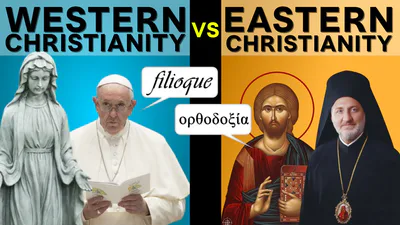
Over time, the archbishop of Rome began to claim authority over the other bishops, citing his connection to the apostle Peter and the fact that his diocese was the capital of the Roman empire. The Latin-speaking Christians of the West accepted the pope as the head of the whole church but the eastern, Greek-speaking Christians did not. This would eventually lead to the first Great Schism of Christianity.
The Pope and the Patriach
29
Open Ended
What writings are included in the Christian faith?
30
Multiple Choice
What would eventually lead the split of the Christian Church?
The Greek-speaking Christians did not like Jewish teachings
The Greek-speaking Christians did not accept the Pope as the leader of the Church
The Latin-speaking Christians did not accept the Pope as the leader of the Church
The Latin-speaking Christians went to war with the Greek-speaking Christians
31
Chapter 13 - Rise of Christianity
Lesson 3 - a Christian Europe
32
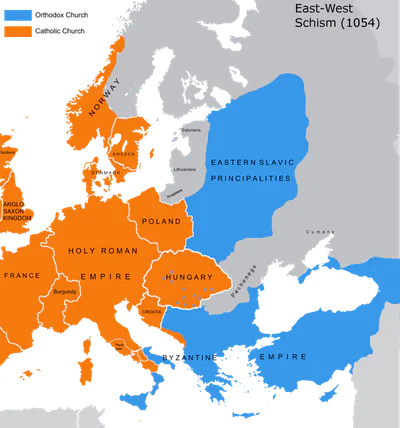
The Roman Catholic Church was based in Rome, the capital of the Western Roman Empire, however as the empire declined, the Church survived. In the East, the Roman Empire became the Byzantine Empire. They developed their own Christian church, based on their Greek heritage. This church would become known as the Eastern Orthodox Church.
Two Christian Churches
33
The emperor of the Byzantine empire worked closely with the Eastern Orthodox Church. The Byzantines believed the emperor to be God's representative on Earth. The emperor would eventually become the leader of both the government and the church, controlling large amounts of wealth and unifying Orthodox Christians.
The Byzantine Empire
34
Fill in the Blanks
What did the Eastern Roman Empire become?
Type answer...
35
Conflicts between the churches
As the two separate churches developed, they began to have differences of theology.
One of the first major dilemmas was the issue of icons. In the CE 700s, most Christians displayed images of Jesus, Mary, saints and other holy figures in their homes. However, the leadership of the Eastern Orthodox church considered this idol worship, which was forbidden. This caused a divide both within the Orthodox church and between the Catholics and Orthodoxy.
36
Conflicts between the churches
Around the same time, the archbishop of Rome began to claim he was the head of all Christian churches. The Orthodox leadership vehemently rejected those claims, saying that the "pope" was equal to the patriarch of Constantinople and the other archbishops.
Military events also had an effect. In the Late CE 700s, Italy was invaded. The pope asked the Byzantines for help but was denied. He then turned to the Franks who did send aid. As thanks, the pope crowned the Frankish king, Charlemagne, emperor of the Roman Empire. This upset the Byzantines who considered their leader to be the only emperor of Rome.
37
Conflicts between the churches
The churches' role in government furthered the divide. In Byzantine, the emperor controlled both the government and the church. In the West, the pope claimed to have political and religious authority over all of Europe, causing numerous issues with the kings of Europe.
All of these conflicts led to the Great Schism in CE 1054. After centuries of arguments and bitterness both the pope and the patriarch of Constantinople (leader of the Orthodox church) excommunicated each other. This marked the official separation of the major churches, a split that still exists to this day.
38
Multiple Choice
Which of the following was a cause of the Great Schism?
Discussions about the correct way to construct churches
Disputes over the authority of the Pope
Arguments over which color was better for decorating churches
39
As the Christian faith grew, devout followers created religious communities called monasteries. Women created similar communities called convents. Individuals that lived in these communities were called monks and nuns, respectively. They devoted their days to work and prayer and, more importantly, acted as missionaries, aiming to convert non-believers.
Growing Communities
40
Both sects of the Christian church aimed to grow their followings. The Orthodox church sent missionaries North to convert the Slavic people. They created an alphabet for the Slavic languages in an attempt to gain interest. This alphabet would eventually be called Cyrillic and is still used today. In the West, missionaries travelled to Britain and converted some of the Celts in Ireland and the Anglo-Saxons in England.
Spreading the Faith
41
Open Ended
Why were monasteries and convents important to Christian Europe?
Chapter 13 - Rise of Christianity
Lesson 1 - Early Christianity
Show answer
Auto Play
Slide 1 / 41
SLIDE
Similar Resources on Wayground

36 questions
Bohr Diagrams
Presentation
•
8th Grade
37 questions
The Texas Revolution Maps, Graphs, and Review
Presentation
•
7th Grade
35 questions
Stars / HR Diagrams
Presentation
•
8th Grade
35 questions
Comprar ropa (Realidades 1 7A)
Presentation
•
8th Grade
34 questions
Reconstruction Begins
Presentation
•
8th Grade
34 questions
Exploration of the New World
Presentation
•
8th Grade
38 questions
Unit 4: The Constitution (Articles & Great Compromise)
Presentation
•
8th Grade
37 questions
Lesson_GS_U3_American Indians, Exploration, and Colonization
Presentation
•
8th Grade
Popular Resources on Wayground
10 questions
How much do you know about our Portrait of an Eagle?

Quiz
•
10th Grade
10 questions
Fast Food Slogans
Quiz
•
6th - 8th Grade
21 questions
Continents and Oceans
Quiz
•
6th Grade
20 questions
Parts of Speech
Quiz
•
5th Grade
16 questions
Subject & Predicate
Quiz
•
5th Grade
25 questions
Multiplication Facts
Quiz
•
5th Grade
12 questions
Map Skills
Quiz
•
3rd Grade
22 questions
Continents and Oceans
Quiz
•
5th Grade
Discover more resources for Social Studies
10 questions
Exploring the Age of Exploration: Key Events and Figures

Interactive video
•
6th - 10th Grade
13 questions
13 Colonies Map Quiz
Quiz
•
6th - 8th Grade
20 questions
13 original colonies
Quiz
•
8th Grade
10 questions
Causes of the American Revolution
Quiz
•
8th Grade
10 questions
Pillars of Free Enterprise
Quiz
•
6th - 8th Grade
26 questions
QA 1 Review
Quiz
•
6th - 8th Grade
10 questions
Exploring the 13 Colonies Regions
Interactive video
•
6th - 10th Grade
3 questions
Unit 3 Road to Revolution Vocabulary
Quiz
•
8th Grade