Search Header Logo
Biomolecules

Biomolecules

Assessment

Presentation

•

Biology

•

9th - 12th Grade

•

Medium

•
NGSS
HS-LS1-6, HS-LS1-1, MS-PS1-1

+3

Standards-aligned

Created by

Dorothy Burford

Used 11+ times

FREE Resource

17 Slides • 36 Questions

1

media

2

media

3

media

4

media

5

Multiple Choice

Question image

What is the definition of a monomer?

1

The whole biomolecule

2

An organism 

3

Building block

6

Multiple Choice

Question image

What is the definition of a polymer?

1

The whole biomolecule

2

An organism 

3

Building block

7

media
media

8

media

9

Fill in the Blank

Question image

What is the monomer of carbohydrates?

10

Multiple Select

Question image

What elements are carbohydrates made out of?

1

Carbon (C)

2

Hydrogen (H)

3

Oxygen (O)

4

Phosphorus (P)

5

Nitrogen (N)

11

Multiple Select

Question image

What is the main function of carbohydrates? 

1

Hold genetic information

2

Store excess energy

3

Variety of specific functions

4

Provide quick energy

12

media

13

media

14

media

15

media

16

Fill in the Blank

Question image

What is the monomer of proteins?

17

Multiple Select

Question image

What elements are proteins made out of?

1

Carbon (C)

2

Hydrogen (H)

3

Oxygen (O)

4

Phosphorus (P)

5

Nitrogen (N)

18

Multiple Select

Question image

What is the main function of proteins? 

1

Hold genetic information

2

Store excess energy

3

Variety of specific functions

4

Provide quick energy

19

media
media

20

media

21

media

22

media

23

Fill in the Blank

Question image

What is the monomer of lipids?

24

Multiple Select

Question image

What elements are lipids made out of?

1

Carbon (C)

2

Hydrogen (H)

3

Oxygen (O)

4

Phosphorus (P)

5

Nitrogen (N)

25

Multiple Select

Question image

What is the main function of lipids? 

1

Hold genetic information

2

Store excess energy

3

Variety of specific functions

4

Provide quick energy

26

media

27

media

28

Fill in the Blank

Question image

What is the monomer of nucleic acids?

29

Multiple Select

Question image

What elements are nucleic acids made out of?

1

Carbon (C)

2

Hydrogen (H)

3

Oxygen (O)

4

Phosphorus (P)

5

Nitrogen (N)

30

Multiple Select

Question image

What is the main function of nucleic acids? 

1

Hold genetic information

2

Store excess energy

3

Variety of specific functions

4

Provide quick energy

31

media

32

Multiple Choice

A monomer is ...

1

a single atom

2

a building block for polymers

3

a single element

4

is an inorganic molecule

33

Multiple Choice

Question image

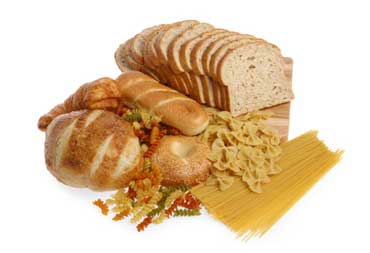
Which biomolecule is found in pasta and bread?

1

Lipid

2

Protein

3

Nucleic Acid

4

Carbohydrate

34

Multiple Choice

Question image

Which biomolecule is a main source of quick energy?

1

Nucleic Acid

2

Protein

3

Lipid

4

Carbohydrate

35

Multiple Choice

Question image

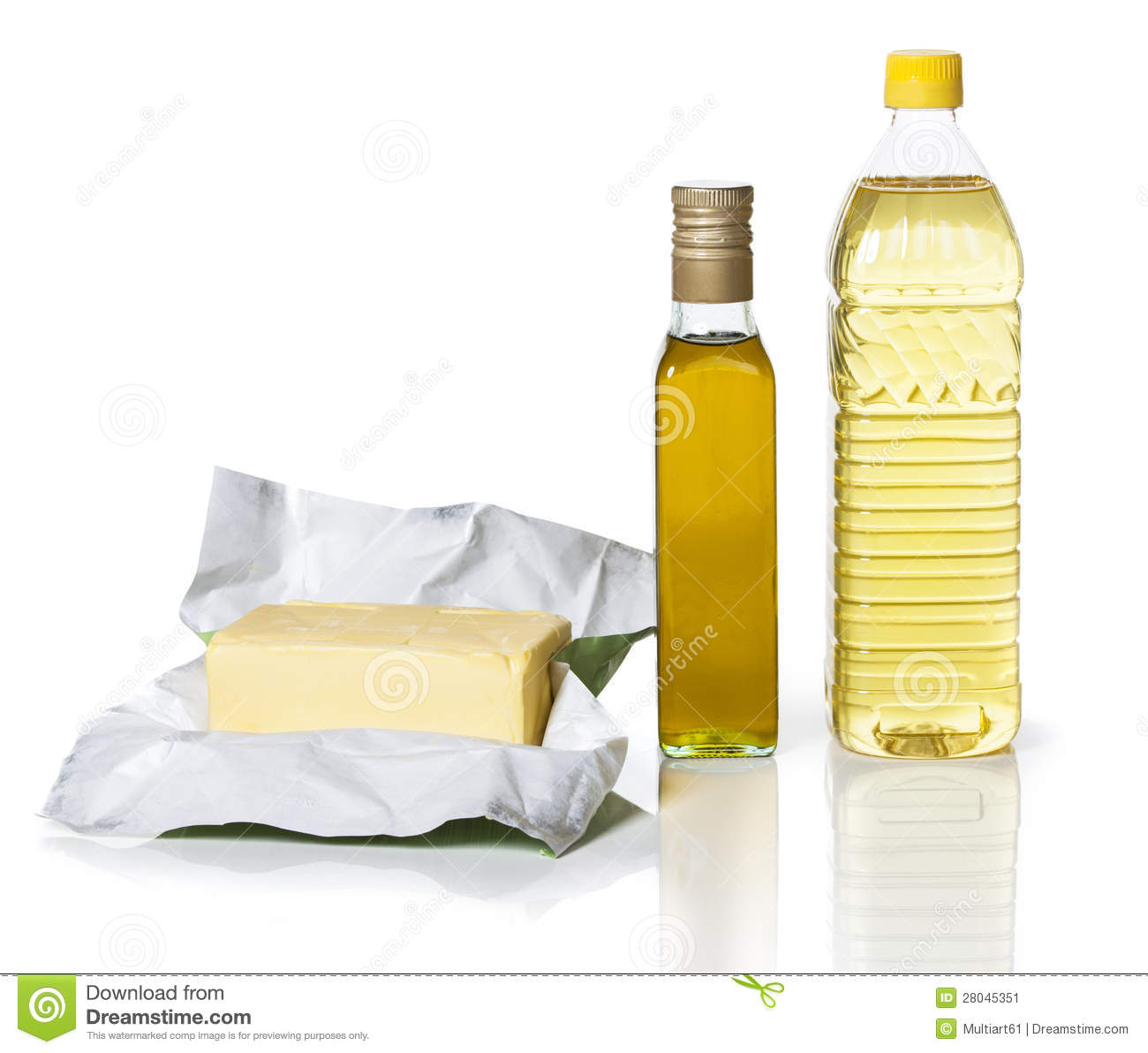
Which biomolecule is found in fats, oils, and waxes and is a source of long-term energy

1

Proteins

2

Nucleic Acid

3

Lipids

4

Carbohydrate

36

Multiple Choice

Question image

What biomolecule do enzymes belong to? 

1

Carbohydrate

2

Lipid

3

Nucleic Acid

4

Protein

37

Multiple Choice

Question image

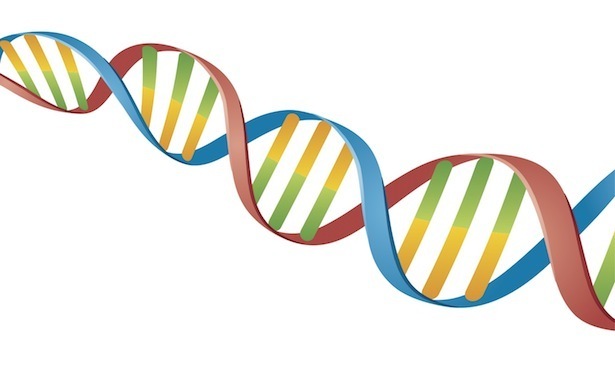
What is the function of a nucleic acid?

1

Stores genetic information

2

Stores energy

3

Quick source of energy

4

Builds structures

38

Multiple Choice

Question image

Carbon, Hydrogen, Oxygen and Nitrogen are elements in what biomolecule?

1

Carbohydrate

2

Lipid

3

Protein

4

Nucleic acid

39

Multiple Choice

Question image

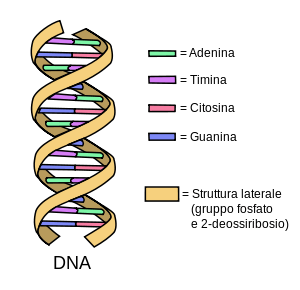
Which biomolecule is this a picture of?

1

Protein

2

Nucleic Acid

3

Lipid

4

Carbohydrate

40

Multiple Choice

Question image

Which biomolecule is this a picture of?

1

Protein

2

Nucleic Acid

3

Lipid

4

Carbohydrate

41

Multiple Choice

Question image

Which biomolecule is this a picture of?

1

Protein

2

Nucleic Acid

3

Lipid

4

Carbohydrate

42

Multiple Choice

Which biomolecule is made of nucleotides and contain you DNA?

1

Carbohydrate

2

Lipids

3

Protein

4

Nucleic Acid

43

Multiple Choice

Which biomolecule helps form muscles?

1

Nucleic Acid

2

Carbohydrate

3

Protein

4

Lipids

44

Multiple Choice

Which biomolecule is responsible for insulation and energy storage?

1

Protein

2

Nucleic Acid

3

Lipid

4

Carbohydrate

45

Multiple Choice

Which biomolecule has sugars and starches?

1

Lipids

2

Proteins

3

Carbohydrates

4

Nucleic Acid

46

Multiple Choice

Question image

What type of molecule is this?

1

Nucleic acid

2

Protein

3

Carbohydrate

4

Lipid

47

Multiple Choice

Question image

What elements are common to all 4 biomolecules?

1

Carbon, hydrogen, nitrogen

2

Carbon, Nitrogen, Phosphorus

3

Carbon, Hydrogen, Oxygen

4

Carbon, Hydrogen, Phosphorus

48

Multiple Choice

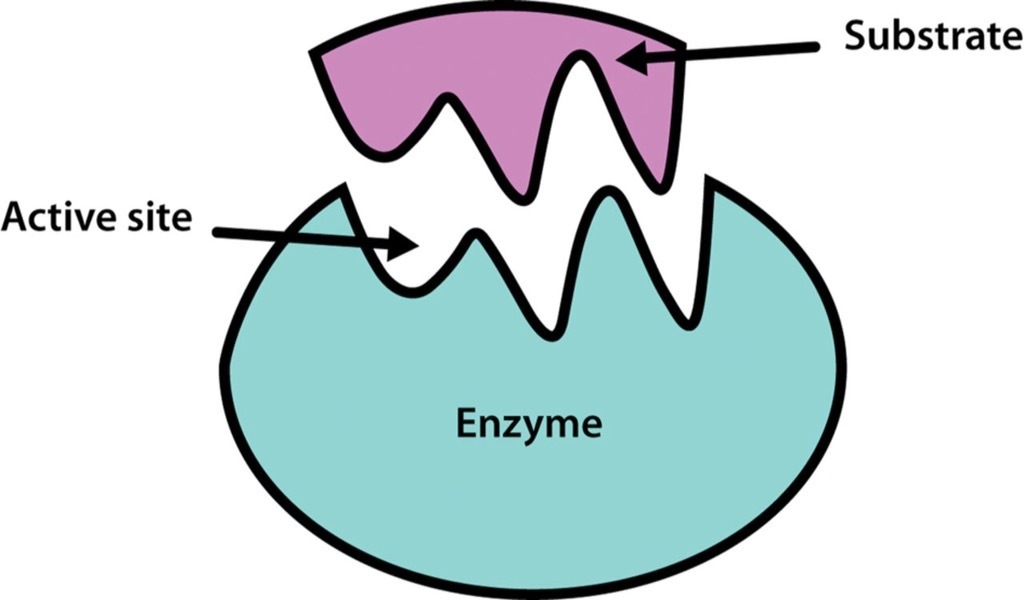
What is the purpose  of an enzyme?

1

give permission for the reaction

2

raise activation energy

3

speed up reactions

4

control how many reactions occur

49

Multiple Choice

An advertisement for a health supplement for dogs claims to build lean muscle and strengthen tendons and ligaments, as well as provide energy. Which two biomolecules must the supplement contain to provide these benefits? 

1

Carbohydrates and lipids

2

Proteins and carbohydrates

3

Nucleic acids and carbohydrates

4

Lipids and nucleic acids

50

Multiple Choice

Question image

Proteins and carbohydrates have many functions in the body of an organism. Specific proteins and carbohydrates perform specific tasks. Information about a protein and a carbohydrate is given in the image. (Click on image). How are ferritin and glycogen SIMILAR in their primary functions for an organism?

1

Both store materials needed by the organism

2

Both store energy used by the organism

3

Both support the structure of the organism

4

Both store information for the organism

51

Multiple Choice

Carbohydrates usually have less calories gram per gram than lipids. This means that lipids provide cells with more: 

1

Nitrogen

2

Protein 

3

Structure

4

Energy

52

Multiple Choice

Question image

Click on the graphs to see the reaction rate for an enzyme across a range of temperatures and pH. Based on the data, this enzyme functions best at what temperature and pH? 

1

Temperature of 27C and a pH of 4

2

Temperature of 37C and a pH of 6

3

Temperature of 40C and a pH of 8

4

Temperature of 50C and a pH of 10 

53

Multiple Choice

Which graph represents the effect that enzymes have on the activation energy of a chemical?

1
2
3
4
media

Show answer

Auto Play

Slide 1 / 53

SLIDE