

Test Review - Solar System and Habitable Zone

Presentation
•
Science
•
7th Grade
•
Practice Problem
•
Medium
+11
Standards-aligned

Molly John
Used 2+ times
FREE Resource
7 Slides • 25 Questions
1

Essential Question-
What are the characteristics that make a planet
habitable for humans? What conditions need to
exist in order for life to survive?
Earth is unique in the Solar System as being the
only planet which is able to support life in all its
forms. There are many reasons why this happens.
Some characteristics that make a planet
habitable for humans are oxygen, water,
sunlight, protective atmosphere, gravity, and
temperature.
2
Multiple Choice
Earth is unique - it is the only planet in our solar system known to support life. Earth is considered to be in the ___________ zone
Big Bad Wolf
Snow White
Cinderella
Goldilocks
3



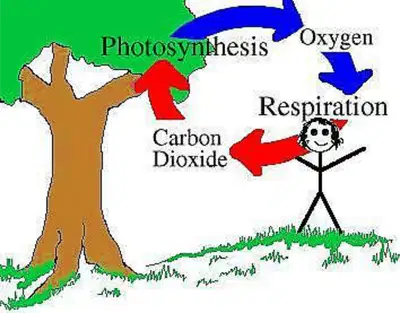
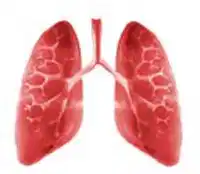
Oxygen is a key ingredient to life.
All human beings breathe oxygen.
Earth has a
breathable
atmosphere.
Oxygen is constantly put
into the atmosphere by
plants and trees.
4
Multiple Choice
Oxygen is a key ingredient for life. Humans can only live for about ______ minutes without oxygen.
60
2
4
6
5
Multiple Select
oxygen is continuously put back into the atmosphere by ...
plants
trees
sheep
humans
6
Multiple Choice
Earth has a ________ atmosphere.
(Check at Box 2)
tasty
breathable
helpful
dig gable
7

Water on Earth can be found anywhere, in its
three states. It can be frozen, taking the form
of ice. It can be liquid, seen in
seas and oceans and lakes.
No other planet has liquid water.
Water is essential for life –
our bodies are 50-70% water.
Water can transport nutrients, absorb heat
and regulate body temperature.
8
Dropdown
9

Sunlight is very important. Heat, light, and energy all
come from the sun. Trees and plants need the Sun to
produce oxygen through a process called
photosynthesis. We also need sunlight to grow our
food - crops and animals.
10
Multiple Choice
Trees and plants need the sun for a process called
photosynthesis
carbon cycle
geology
digestion
11
Multiple Choice
Heat, light and energy all come from the
sun
moon
Venus
Mercury
12
Fill in the Blanks
13




The ozone is
the layer
around the
earth that
screens out
harmful
radiation.
The
protective
atmosphere
around the
earth is
needed to
for the
survival of
humans.
Reason 4: Protective
Atmosphere
14
Multiple Choice
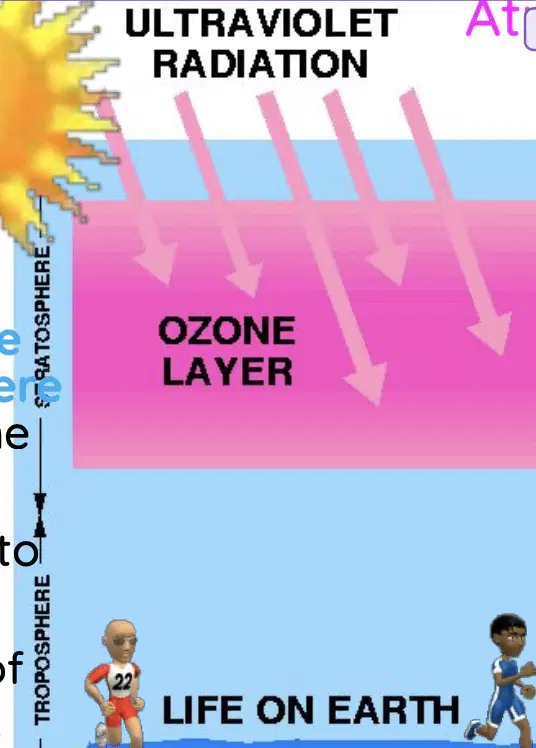
The protective layer around the earth is called ...
ozone layer
geosphere
biosphere
hydrosphere
15

Reason Five: The Sun
If there was no Sun, there would be no life on
Earth. Earth would not exist.
Because of Earth's ideal distance from the
Sun, it receives the perfect amount of heat
and light to support life. Earth is the only
planet with the right temperaturerange for
there to be liquid water
Temperatu
re
16
Multiple Choice
An object in our solar system is described as:
having the most mass
made of gas
has 8 natural satellites
What is this object?
Sun
Moon
Earth
Jupiter
17
Multiple Choice
What force governs motion in our solar system?
friction
air resistance
kinetic energy
gravity
18
Multiple Select
Which of the following are the most important that makes Earth’s temperature habitable ("Just Right")?
Select TWO correct answers.
Distance to the moon
Gas composition
Proximity to the Sun
Amount of water
Revolution of the Earth around the Sun
19
Multiple Select
Which of the following statements are true about objects in our solar system? Select
THREE that apply.
The inner planets are large, gas giants
Moons are natural satellites that orbit around most planets
The planets that orbit around the sun in order are Mercury, Venus Earth, Mars, Jupiter, Saturn, Uranus, Neptune
All planets, asteroids and comets are influenced by the Sun
20
Multiple Choice
Which of the following characteristics of planet Earth is the MOST essential for living organisms?
Earth has enough available water
Earth has just one orbiting moon
Earth orbits the Sun every 365 days
Earth rotates on it axis once every 24 hours
21
Multiple Choice
Which of the following statesments is true about the gravitational pull of the solar system?
Tje solar system is held together by the gravitational attraction between all objects within it
The only objects in the solar system not affected by the Sun's gravitational attraction are comets
Mercury exerts the same amount of gravitational force on earth as Neptune does
Jupiter is the largest planet in the solar system but has the least gravitational attraction because it is furthest from the sun
22

Gravity is what
holds us down to
the planet,
without it we
would fly out
into space.
Reason Six:
Too little
gravity
results in
weaker
bones and
muscles.
Too much gravity
tires muscles,
breaks bones and
would require a
lot more energy
to move.
23
Multiple Choice
Gravity was first described by..
Sir Isaac Newton
Sir Gregory John
King George I
Galileo
24
Multiple Choice
The amount of matter in an abject (sometime called weight) Is correctly known as
mass
mercury
pickles
gravity
25
Multiple Choice
The force of attraction between 2 objects that have mass is
26
Multiple Choice
Everything (that has mass) has gravity
27
Multiple Choice
Planets stay in a curved orbit around the sun because
28
Multiple Choice
Lucy jumps off a bridge during a bungee jump. She falls toward Earth because
Earth has more gravity than her
She has more gravity than Earth
29
Multiple Choice
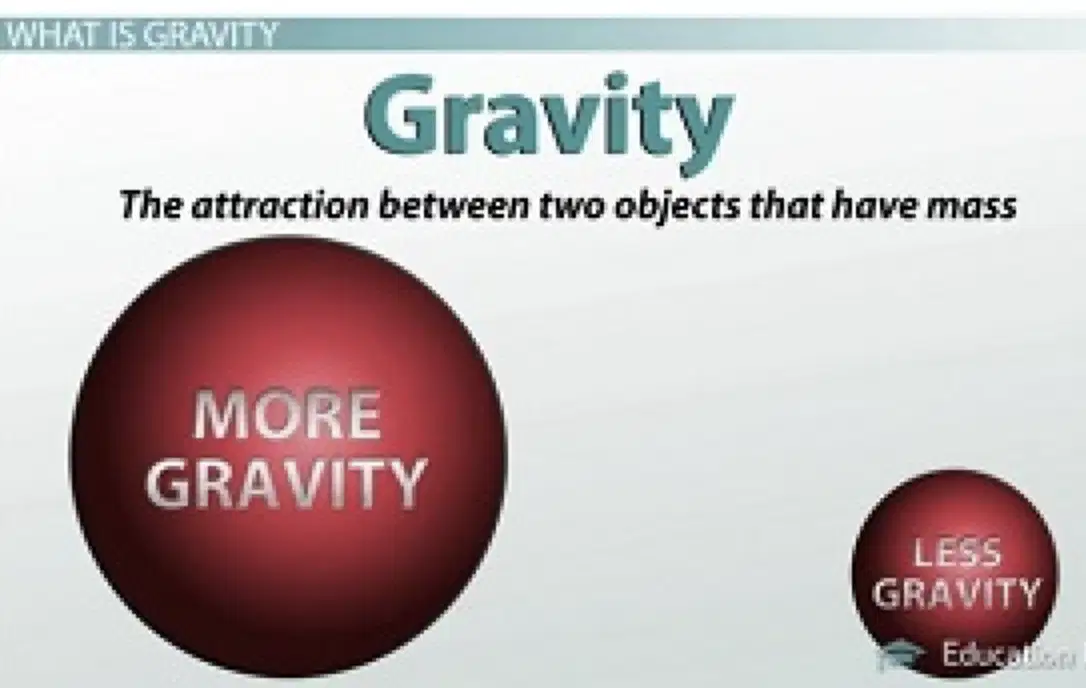
The greater the _____ of the object, the more gravity it has
mass
distance
height
width
30
Multiple Choice
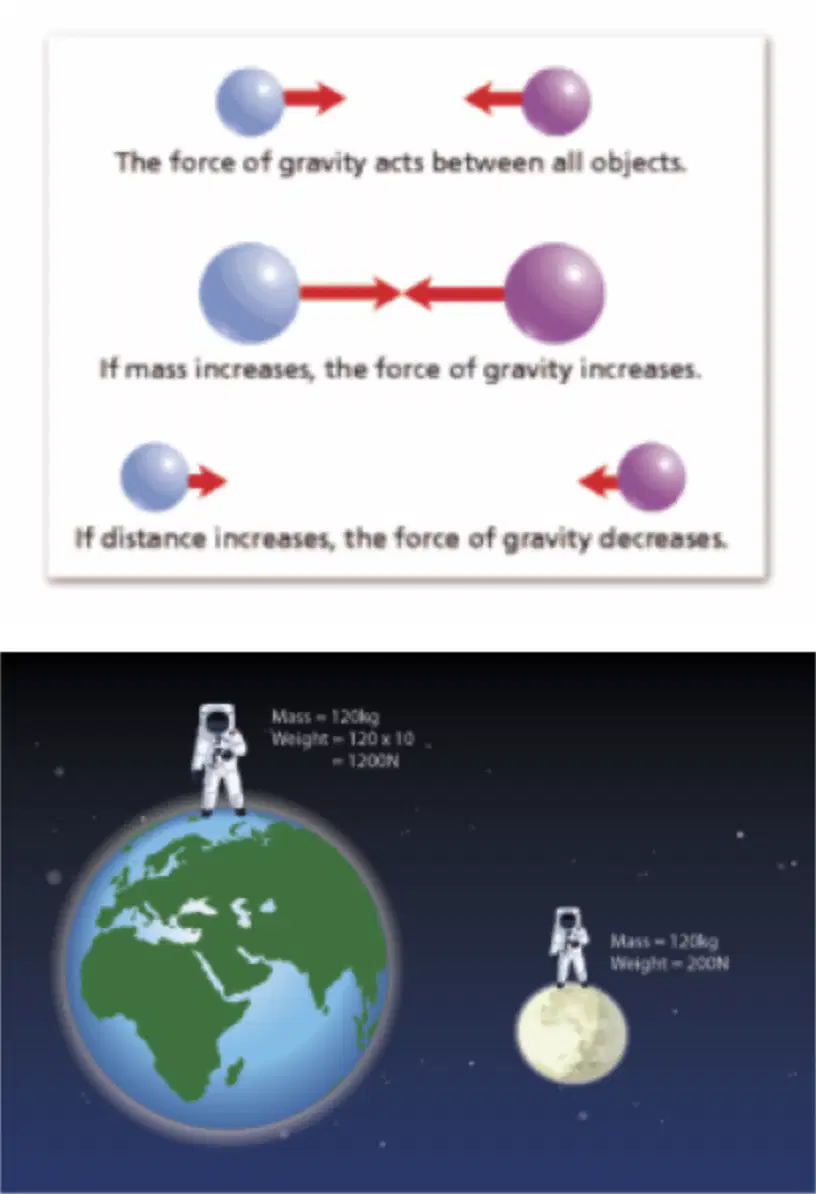
The greater the _____ between the objects, the LESS gravity there is.
31
Multiple Choice

Which 2 objects have the most gravity in our solar system?
sun and jupiter
mercury and pluto
Venus and earth
moon and stars
32
Multiple Choice
Gravity is what keeps are feet planted on ..
Earth
Mars
Moon
sky
Essential Question-
What are the characteristics that make a planet
habitable for humans? What conditions need to
exist in order for life to survive?
Earth is unique in the Solar System as being the
only planet which is able to support life in all its
forms. There are many reasons why this happens.
Some characteristics that make a planet
habitable for humans are oxygen, water,
sunlight, protective atmosphere, gravity, and
temperature.
Show answer
Auto Play
Slide 1 / 32
SLIDE
Similar Resources on Wayground

24 questions
Plant Kingdom
Presentation
•
7th Grade
24 questions
Cells to Systems
Presentation
•
7th Grade
23 questions
7U4L2a Watersheds Introduction
Presentation
•
7th Grade
23 questions
The Steps of the Cell Cycle
Presentation
•
7th Grade
28 questions
Magnetic Forces and Electrictromagnetism
Presentation
•
7th Grade
25 questions
Genetics Introduction
Presentation
•
6th - 7th Grade
26 questions
Traits and Alleles
Presentation
•
7th - 8th Grade
24 questions
Layers of the Earth
Presentation
•
7th Grade
Popular Resources on Wayground
19 questions
Naming Polygons

Quiz
•
3rd Grade
10 questions
Prime Factorization
Quiz
•
6th Grade
20 questions
Math Review
Quiz
•
3rd Grade
15 questions
Fast food
Quiz
•
7th Grade
20 questions
Main Idea and Details
Quiz
•
5th Grade
20 questions
Context Clues
Quiz
•
6th Grade
20 questions
Inferences
Quiz
•
4th Grade
19 questions
Classifying Quadrilaterals
Quiz
•
3rd Grade
Discover more resources for Science
16 questions
Interactions within Ecosystems
Presentation
•
6th - 8th Grade
20 questions
Moon Phases and Eclipses
Quiz
•
6th - 8th Grade
16 questions
Photosynthesis and Cellular Respiration Review
Quiz
•
7th Grade
22 questions
6th & 8th Grade Science Material SOL Review
Quiz
•
6th - 8th Grade
20 questions
genetics, punnett squares, heredity
Quiz
•
7th Grade
17 questions
Human body systems
Quiz
•
7th Grade
20 questions
Food Webs + Energy Pyramids
Quiz
•
7th Grade
20 questions
Evolution and Natural Selection
Quiz
•
7th Grade