Search Header Logo
  1. Resource Library
  2. Ela
  3. Writing
  4. ...
  5. Poetry Intro 10.8.24
Poetry Intro 10.8.24

Poetry Intro 10.8.24

Assessment

Presentation

•

English

•

12th Grade

•

Practice Problem

•

Easy

•
CCSS
6.NS.B.3, RI.2.1, RL.8.10

+10

Standards-aligned

Created by

Katharine Gillenson

Used 1+ times

FREE Resource

9 Slides • 5 Questions

1

Poll

Question image

If you could only eat one breakfast for the rest of your life, what breakfast would you choose?

oatmeal

pancakes, waffles, or French toast

some kind of eggs

I don't do breakfast.

something else

2

Follow-Up (from yesterday)

If you're still thinking about thesis statements ...

... check out this link to a thesis-based Quizlet. Also, please feel free to contact me if you have questions and/or want to work together.
Click HERE for my Bookings link, folks.

3

media

​We are back with a regular daily/participation-based lesson today, so those of you in class can submit it blank after class ends.

:)

4

media
media

5

Open Ended

Question image

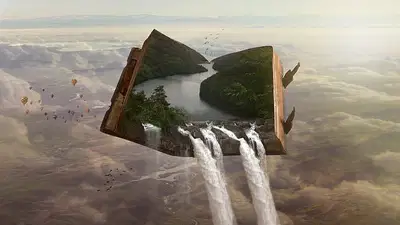
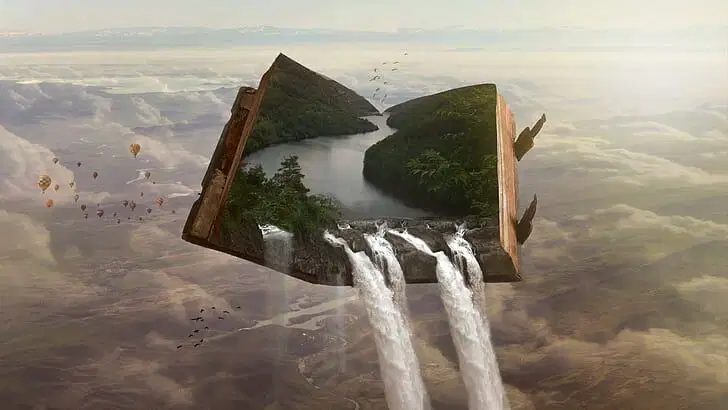
Look closely at the image included here. Notice as many details as you can, and describe what you see.

6

- Mary Oliver

Think about how you described the picture on the previous slide. Did you use sensory details or comparisons? Did your mind conjure up similes or metaphors?

In today's lesson, you will explore poetry and how poems use descriptions to convey meaning.

​“Figurative language can give shape to the difficult and painful. It can make visible and ‘felt’ that which is invisible and ‘unfeelable’.”

7

media

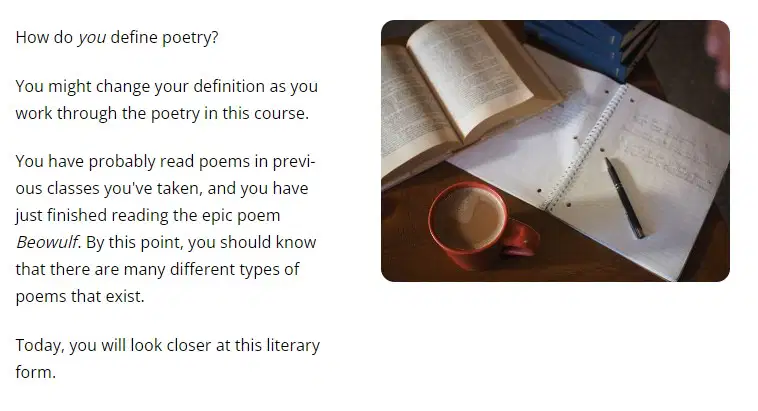
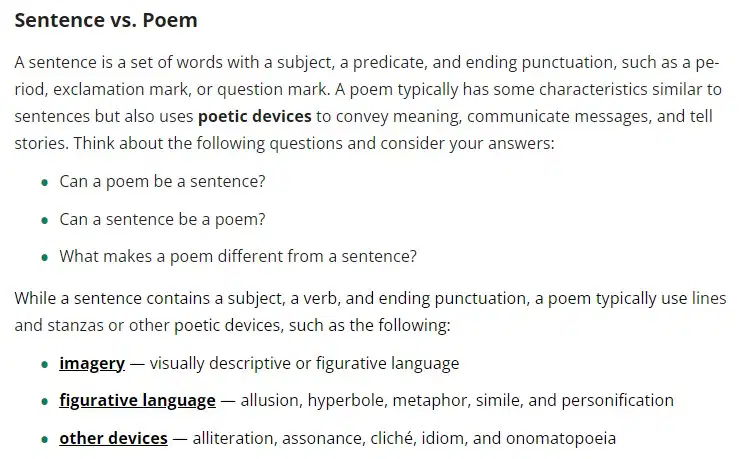
Poetry is defined as a literary work in which special intensity is given to the communication of feelings and ideas by the use of distinctive style and rhythm. This may seem like a pretty broad definition. Watch the video below entitled
What makes a poem...a poem?
We watched this during a previous Live Class.

As you watch again, look for different examples of poems mentioned within the video.

​What is poetry?

8

media

9

media

​If you are interested, click HERE to read more about figurative language in particular.

10

media
media

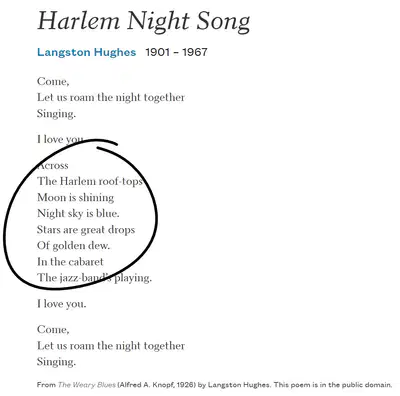
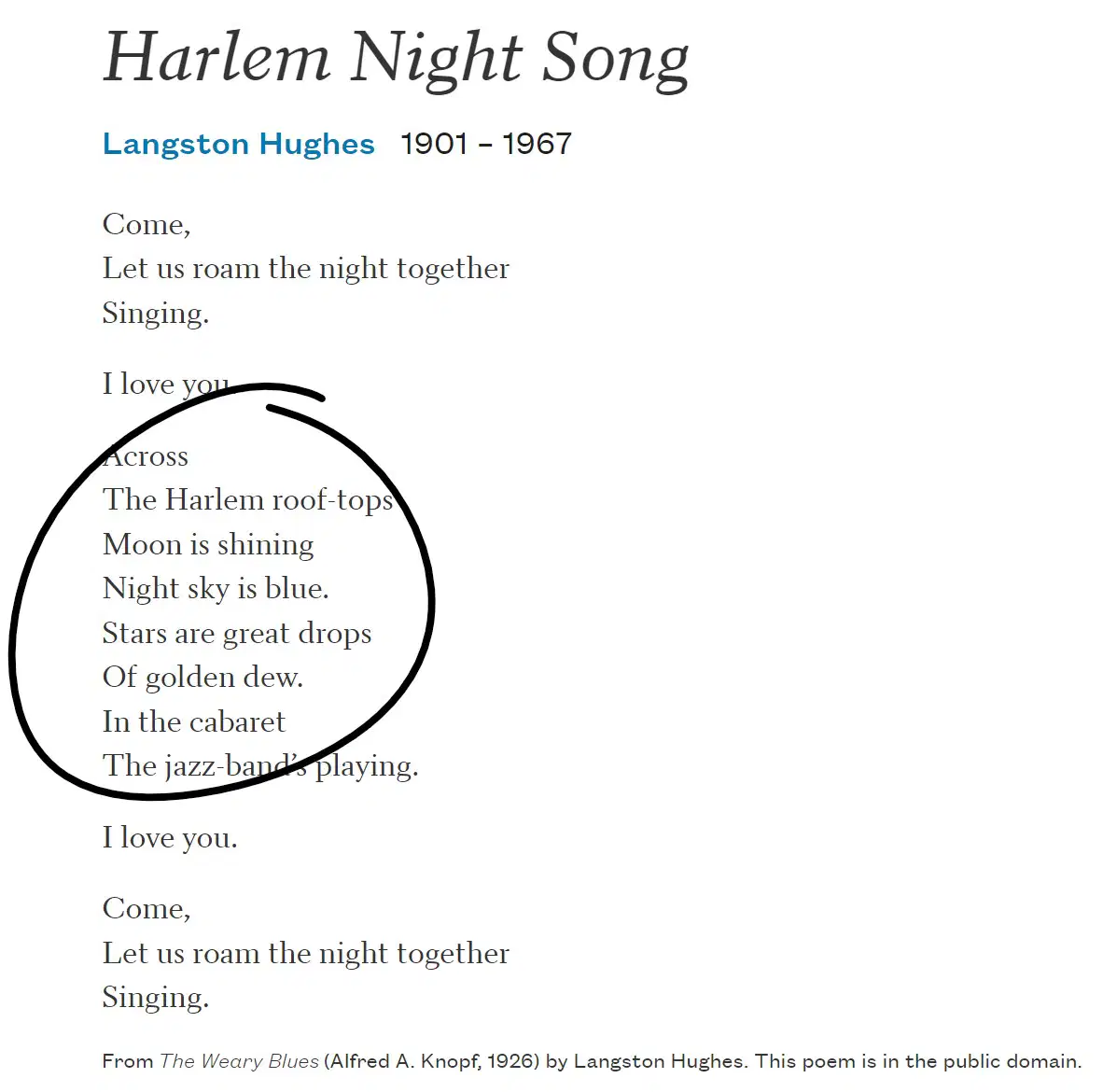
​Look at Langston Hughes' "Harlem Night Song" on the right. Specifically, examine the circled portion as well as the words that appear next ("I love you.").

11

Drag and Drop

Question image
The circled segment of the poem is a ​
whereas "I love you." is a ​
.​
Drag these tiles and drop them in the correct blank above
stanza
line
rhyme scheme

12

Match

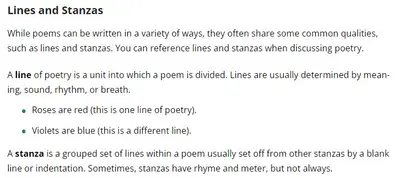
Match the terms listed here with their corresponding definitions.

There is one distractor definition listed.

lines

stanzas

This is the distractor!

13

Draw

We have looked at the poem "Ulysses" in a previous class, and an excerpt from the end of the poem is included here.

Underline one line from "Ulysses" and circle one complete sentence.

14

media

Today's lesson introduced you to some terms to use when discussing poetry. In the next lesson, you will begin to read poetry focused on answering the question, "What makes a hero?" You will have a choice of which poetry you read, and then you will discuss your selection with your peers.

As you read and discuss poetry, remember what makes a poem, and use the terms you learned today in your discussions.

​


REFLECTION
pattern-tertiary
Question image

If you could only eat one breakfast for the rest of your life, what breakfast would you choose?

oatmeal

pancakes, waffles, or French toast

some kind of eggs

I don't do breakfast.

something else

Show answer

Auto Play

Slide 1 / 14

POLL