Search Header Logo
  1. Resource Library
  2. Science
  3. Biology
  4. ...
  5. Evidence Of Evolution
Evidence of Evolution

Evidence of Evolution

Assessment

Presentation

Science

6th - 8th Grade

Hard

Created by

James Gonzalez

FREE Resource

16 Slides • 22 Questions

1

media

2

media

3

Multiple Choice

Question image
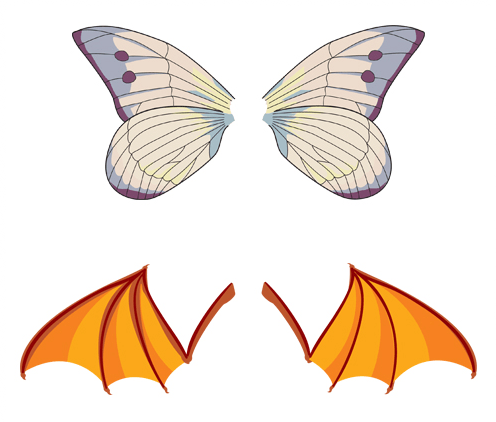
Some organisms that share a common ancestor have features that have different functions, but similar structures.  These are known as
1
vestigial structures
2
analogous structures
3
homologous structures
4
fossil structures

4

media

5

media

6

Multiple Choice

Question image
Darwin wrote that organisms with traits that are best suited to the environment will ________________
1
increase in number
2
become extinct

7

media

8

media

9

media

10

Multiple Choice

Question image
Which layer is the youngest
1
1
2
2
3
3
4
4

11

media

12

media

13

Multiple Choice

How do fossils provide evidence that evolution has happened on Earth?
1
Fossils show how the sizes of certain animals has changed drastically over millions of years
2
Fossils show that some species have gone extinct
3
Fossils show how life forms present today are different than those from the past
4
Different sedimentary rock layers provide evidence for how the environment has changed over time

14

Multiple Choice

The fossil record help scientists

1

better understand the kinds of organisms that lived in the past

2

better understand how the environment has changed over time

3

better understand how organisms have evolved over time

4

all of the above

15

media

16

media

17

media

18

Multiple Choice

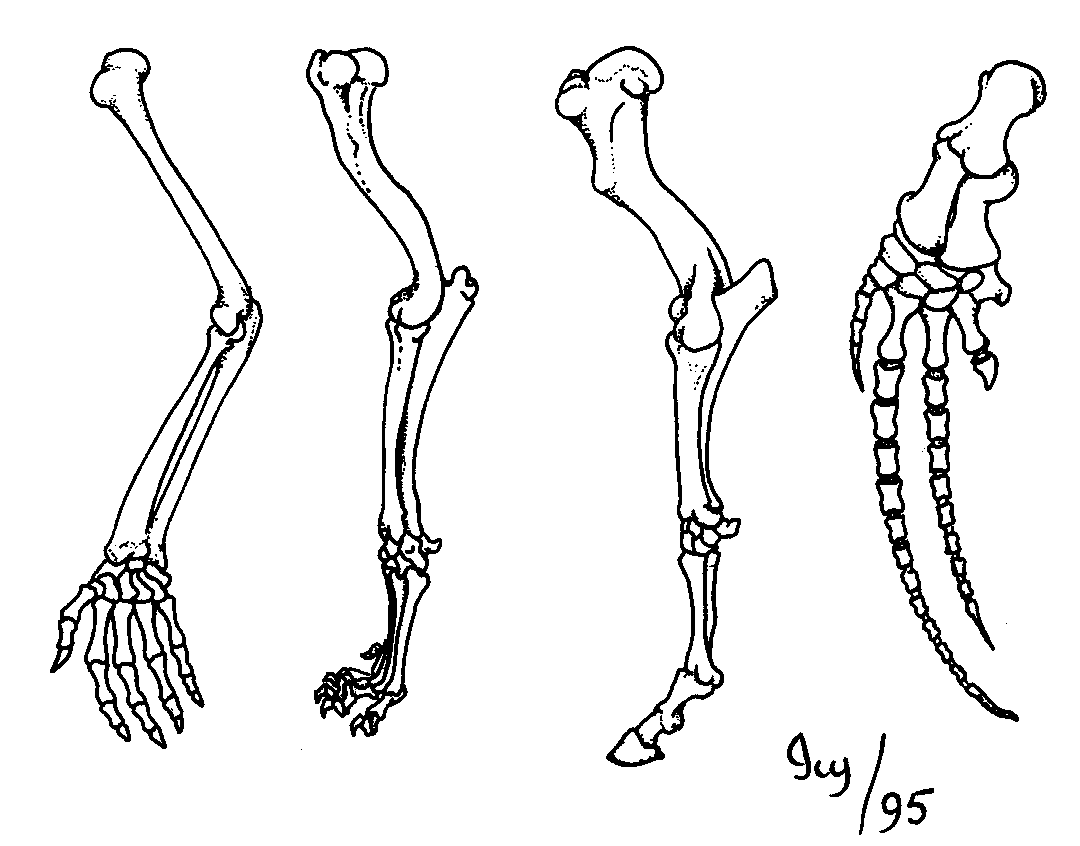
Humans, birds, whales, and lizards all have similar arm bones. What is the reason for this?
1
The function of these bones is the same in all animals
2
They live in similar environments
3
They have a common ancestor
4
All organisms resemble humans

19

Multiple Choice

Question image

What is this an example of?

1

Homologous structure

2

Analogous structure

3

Vestigial organs

4

Functional adaption

20

Multiple Choice

Question image

The picture shows a/an ___________

1

homologous structure

2

vestigial structure

21

Multiple Choice

Question image

Vestigial structures

1

structures that perform a similar function but are not similar in origin

2

remnants of once-important structures that have slowly lost all or most of their function

3

features found in different organisms that share structural similarities but may have very different functions

4

preserved remains of an organism

22

Multiple Choice

Question image

What best describes the hind leg bones seen in the whale?

1

The bones are analogous structures to the fins of living fish.

2

The bones are vestigial structures that had a function in an ancestor.

3

The bones are homologous structures to the wings of butterflies.

4

The bones are fossil structures from an extinct ancestor.

23

Multiple Choice

Which of the following are homologous structures?

1

whale flipper and bat wing

2

legs on a beetle and legs on a cat

24

media

25

Multiple Choice

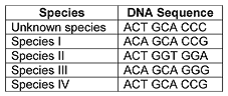
If two organisms have similar traits of DNA they are probably
1
share a common ancestor
2
share a common environment
3
share a common population
4
speciation

26

Multiple Choice

Question image
According to this data, the unknown bacterial species is most closely related to: 
1
Species I
2
Species II
3
Species III
4
Species IV

27

media

28

media

29

Multiple Choice

Question image
The diagram illustrates an embryonic stage of two organisms.

Which of the following can be determined by observing the embryos shown in the diagram
1
The organisms share a common ancestry.
2
The organisms belong to the same genus.
3
The organisms are native to the same geographic areas.
4
The organisms will grow into anatomically similar adults.

30

Multiple Choice

Question image
Study of embryos of various organisms to show a common ancestor because of similarities in development
1
natural selection
2
embryology
3
speciation
4
evolution

31

Multiple Choice

Question image
The study of the early stages of development that is one evidence of evolution is:
1
Homologous Structures
2
Embryology
3
Vestigial Organs

32

Multiple Choice

Question image
Study of embryos of various organisms to show a common ancestor because of similarities in development
1
natural selection
2
embryology
3
speciation
4
evolution

33

media

34

Multiple Choice

Question image

What type of evidence is shown with the diagram above?

1

Molecular

2

Anatomical

3

Embryological

4

Fossil

35

Match

Match the following

Analogous Structure

Homologous Structure

Comparative Embryology

Biochemical Evidence

Vestigial Structures

Same function different structure

Same structure different function

Comparing embryological development of different species

Comparing DNA and amino acid sequences of different species

Structures in the body of an organism that no longer work.

36

Multiple Choice

Question image
Which species’ DNA is most similar to the DNA of the toothed whale? 
1
Hippopotamus 
2
Baleen Whale
3
Grazing Mammals
4
Camels

37

Multiple Choice

Question image
Structures with the same parts have different functions; suggests that organisms share a common ancestry
1
vestigial structures
2
homologous structures
3
adaptive radiation
4
fossil

38

Multiple Choice

The changes of species over time
1
Embryonic 
2
Natural selection 
3
Mimicry 
4
Evolution 
media

Show answer

Auto Play

Slide 1 / 38

SLIDE