
Theories of Learning and Development Applied to Classroom Manage

Presentation
•
Education
•
Professional Development
•
Medium

B Dale
Used 1+ times
FREE Resource
54 Slides • 80 Questions
1
2
3
4
5
6
7
8
9
10
11
12
Multiple Choice
13
Multiple Choice
14
Multiple Choice
15
Multiple Choice
16
Multiple Choice
17
Multiple Choice
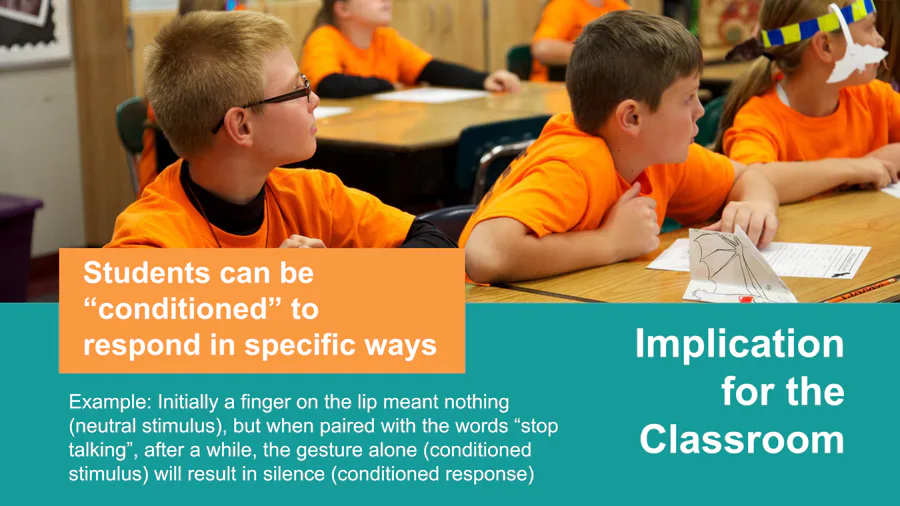
Which of the following scenarios best matches classical conditioning?
Bob studied for his math test for two hours and only got a C, so he decided to study more for the next test.
Bob skipped class last week and had to stay after for detention. He decided not to skip classes anymore.
Bob ate a cheeseburger and felt sick afterwards, so every time he smells McDonalds he feels nauseous.
Bob has always been afraid of dogs because they might bite, so he has a pet fish instead.
18
Multiple Choice
Little Albert began to associate any small, fluffy object with the loud sound. What is this describing?
discrimination
extinction
generalization
counterconditioning
19
Multiple Choice
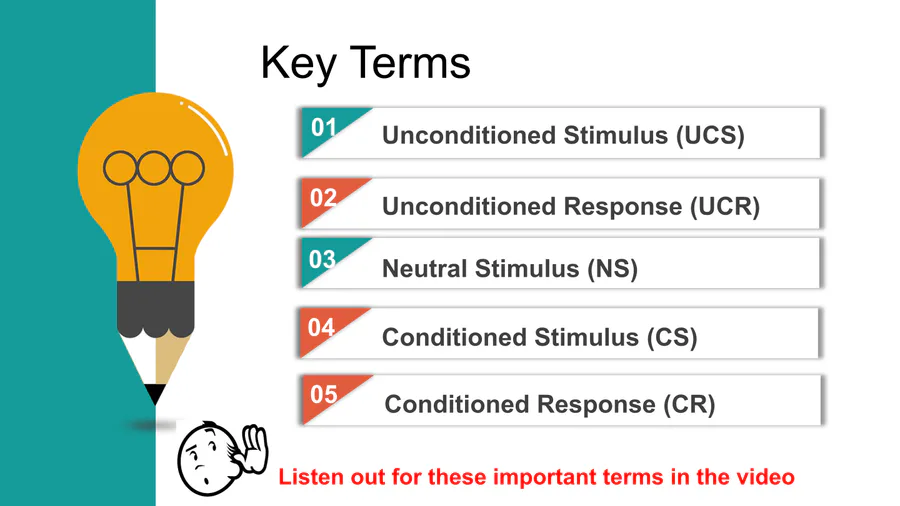
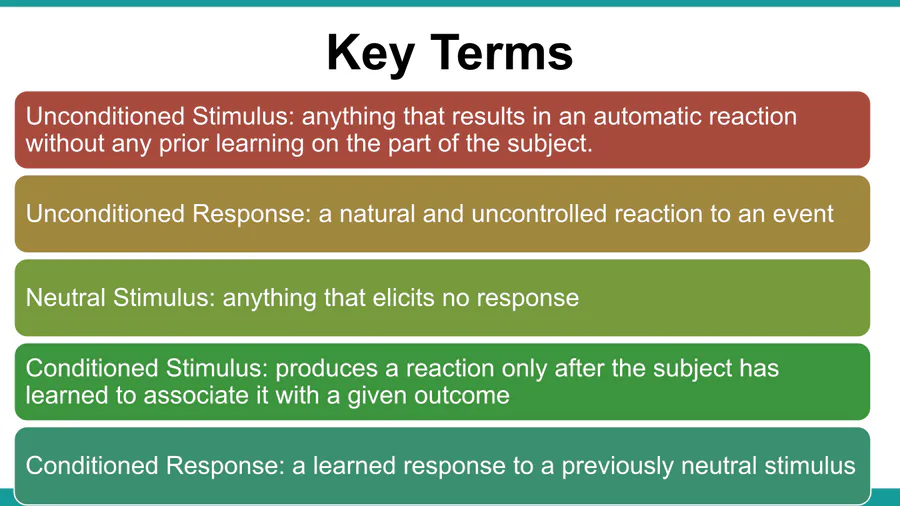
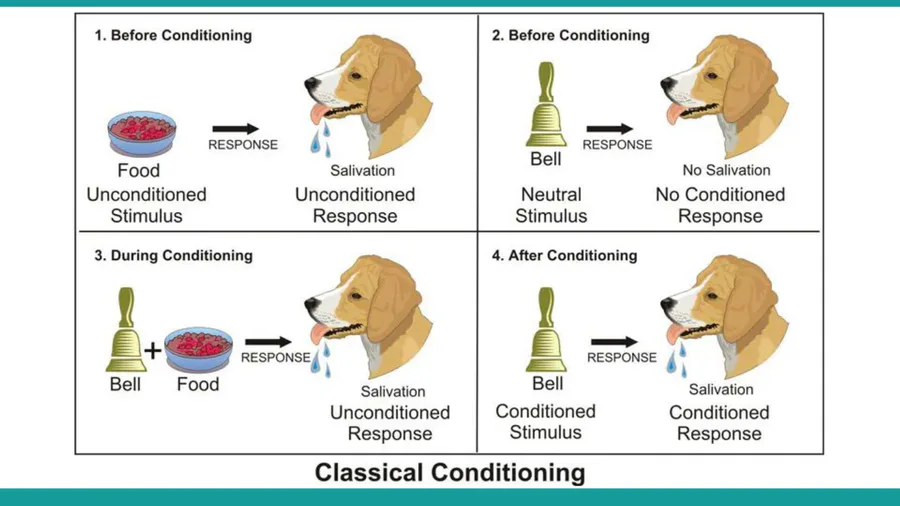
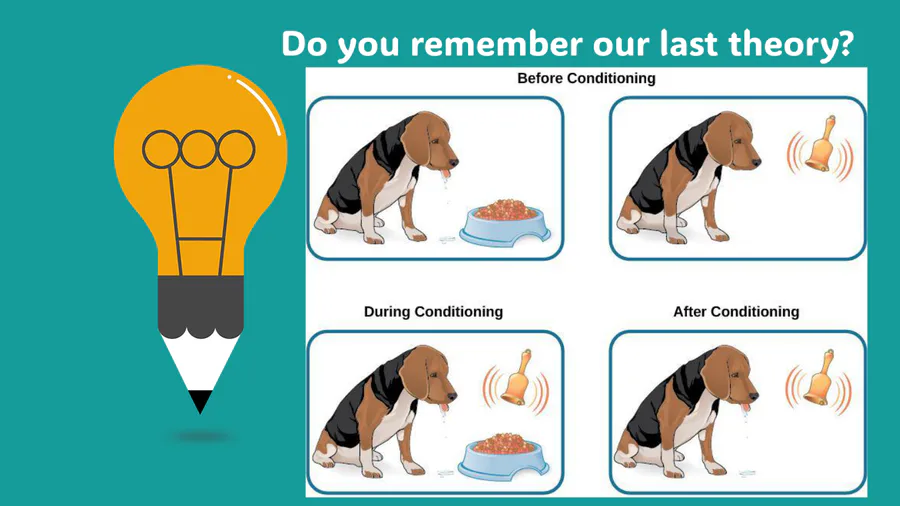
In Pavlov's experiment, what is the bell/ticking sound?
unconditioned stimulus
unconditioned response
conditioned stimulus
conditioned response
20
Multiple Choice
In Pavlov's experiment, dogs eventually drooled just by hearing a tone. In this experiment, what is the conditioned response?
food
tone
eating
drooling
21
22
23
24
25
26
27
28
29
30
31
32
33
34
Multiple Choice
35
Multiple Choice
36
Multiple Choice
37
Multiple Choice
38
Multiple Choice
39
Multiple Choice
40
Multiple Choice
41
Multiple Choice
42
Multiple Choice
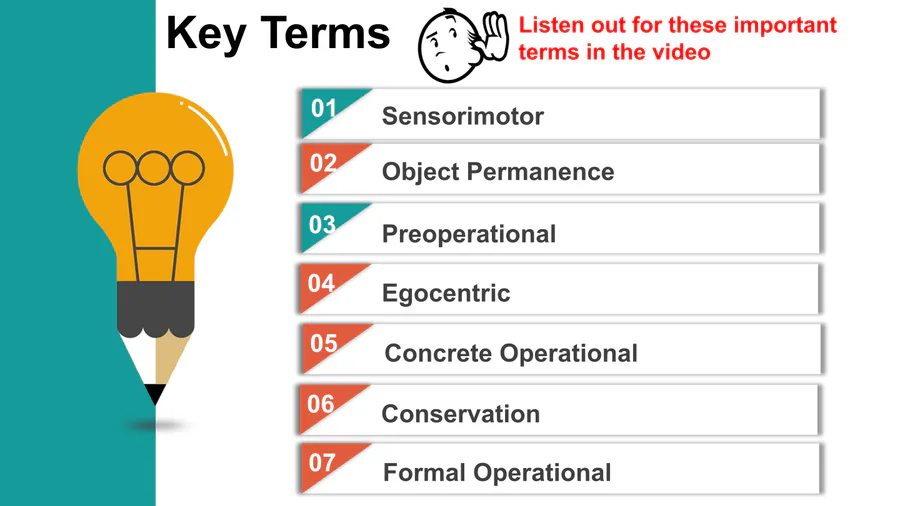
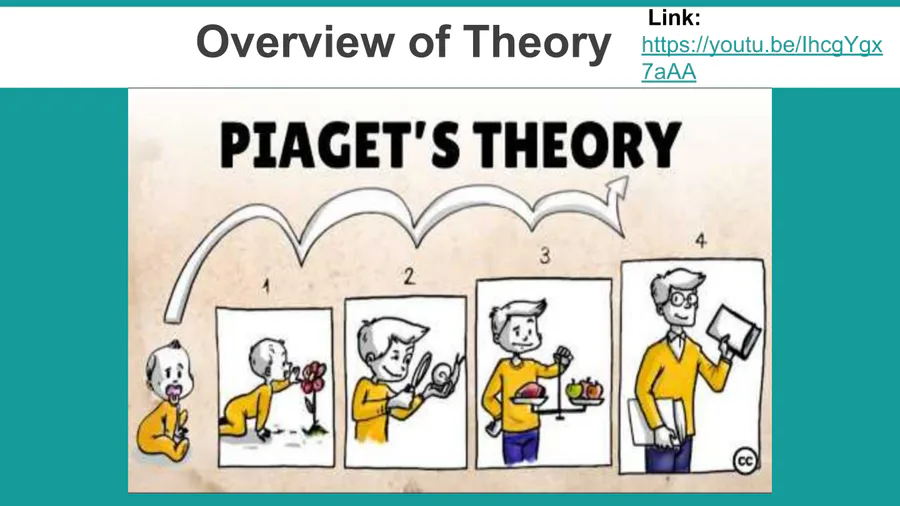
Sally attempts to retrieve her teddy bear after her father hides it under a blanket. This suggests that Sally has developed a sense of
egocentrism.
object permanence.
conservation.
accommodation.
43
Multiple Choice
44
45
46
47
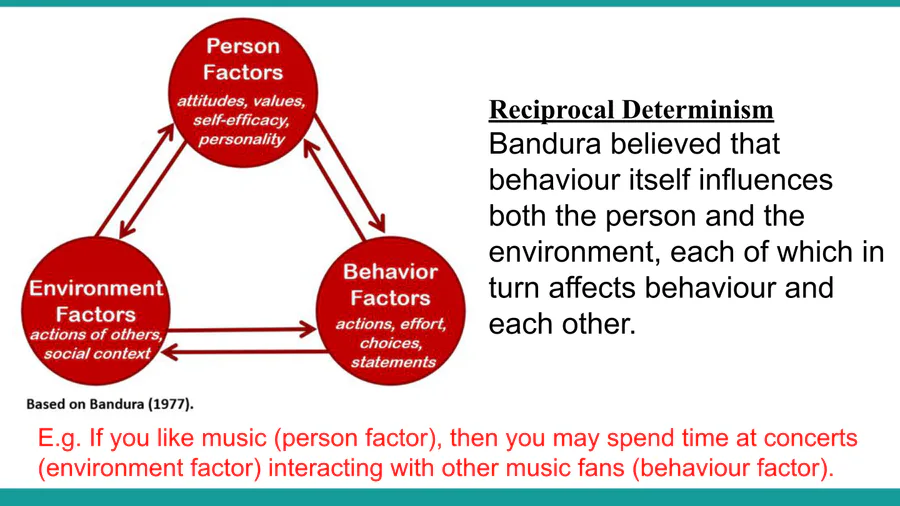
48
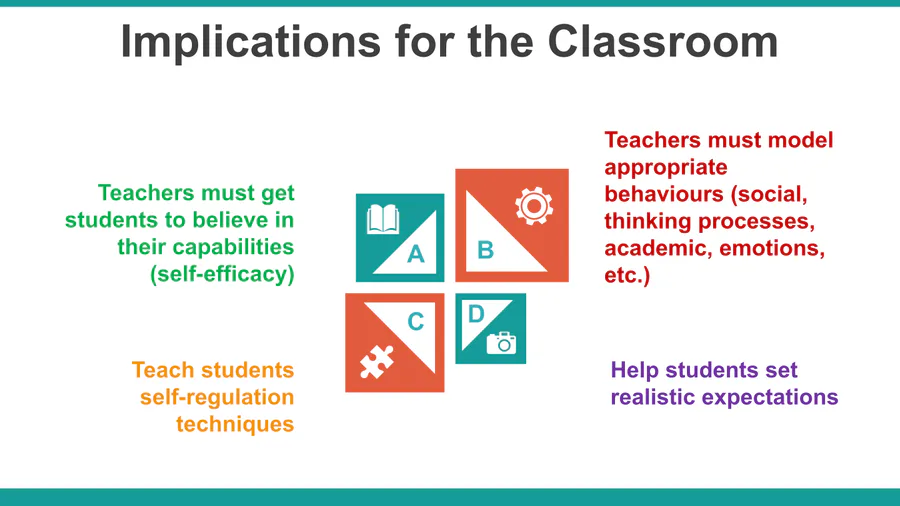
49
Multiple Choice
Social Learning Theory developed from operant conditioning
True
False
50
Multiple Choice
'If a child observes a models aggression being rewarded they are more likely to imitate' - this is a definition of...
Self efficacy
Vicarious punishment
Vicarious reinforcement
Identification
51
Multiple Choice
'whether someone is capable of successfully reproducing a models behaviour' describes what?
Identification
Vicarious reinforcement
Retention
Self efficacy
52
Multiple Choice
What was the main aim of Bandura’s Bobo Doll experiment?
To see if children learn aggression by observation
To see if children prefer dolls over action figures
To test children's intelligence
To find out if punishment stops bad behaviour
53
Multiple Choice
What type of learning does Social Learning Theory focus on?
Learning through rewards only
Learning through trial and error
Learning by observing others
Learning only in school
54
Multiple Choice
In Bandura’s study, what did children do after watching an adult behave aggressively towards the Bobo doll?
They ignored the doll
They copied the aggressive behaviour
They ran away from the doll
They started crying
55
Multiple Choice
What concept explains why children were more likely to imitate aggression when the adult was rewarded?
Classical Conditioning
Operant Conditioning
Vicarious Reinforcement
Cognitive Dissonance
56
Multiple Choice
What is one key process in Social Learning Theory?
Observation and imitation
Hypnosis and memory loss
Trial and error learning
Forgetting and relearning
57
Multiple Choice
What happened when children saw the adult being punished for aggressive behaviour?
They still copied the behaviour
They were less likely to imitate it
They became even more aggressive
They ignored the experimenters
58
59
60
61
62
Multiple Choice
63
Multiple Choice
64
Multiple Choice
65
Multiple Choice
66
Multiple Choice
67
Multiple Choice
68
Multiple Choice

What are the forms of language?
social speech, inner speech, private speech
social speech, listening, inner speech
private speech, inner speech, speaking
inner speech, listening, speaking
69
Multiple Choice

What is the meaning of self-regulation?
being yourself at all times
the ability to act in your long term best interest
Regulating the behavior of other children
the ability to ignore people's negative opinions
70
Multiple Choice

When are self regulation skills developed?
first 10 years of life
first 15 years of life
first 20 years of life
first 5 years of life
71
72
73
74
75
Multiple Choice
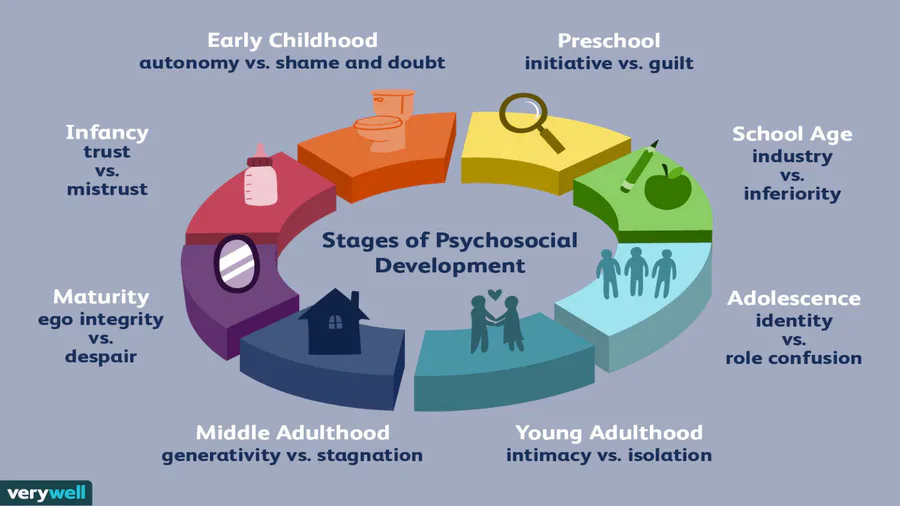
According to Erikson, what is the main crisis in adolescence?
Industry vs. Inferiority
Identity vs. Role Confusion
Autonomy vs. Shame and Doubt
Initiative vs. Guilt
76
Multiple Choice
According to Erikson, the key question, “Can I do things by myself or must I always rely on others?” emerges during the stage of:
Trust vs Mistrust
Autonomy vs Shame and Doubt
Competency vs Inferiority
Identity vs Role Confusion
Intimacy vs Isolation
77
Multiple Choice
Jeff is 93-years old. Lately, he has been dwelling on mistakes that he made in the past and on his imminent death. According to Erikson, Jeff is likely experiencing a sense of:
Competency vs Inferiority
Identity vs Role Confusion
Intimacy vs Isolation
Generativity vs Stagnation
Integrity vs Despair
78
Multiple Choice
Leslie is dating Brad. They have discussed the future of their relationship but Leslie is not sure whether or not to make a commitment to Brad. What stage of Erikson’s psychosocial development is Leslie experiencing?
Competency vs Inferiority
Identity vs Role Confusion
Intimacy vs Isolation
Generativity vs Stagnation
Integrity vs Despair
79
Multiple Choice
According to Erikson's Psychosocial Stages of Development, which stage describes a child who needs to learn important academic skills and compare favorably with peers in school to achieve competence?
Trust vs Mistrust
Identity vs Role Confusion
Initiative vs Guilt
Industry vs Inferiority
80
Multiple Choice
81
Multiple Choice
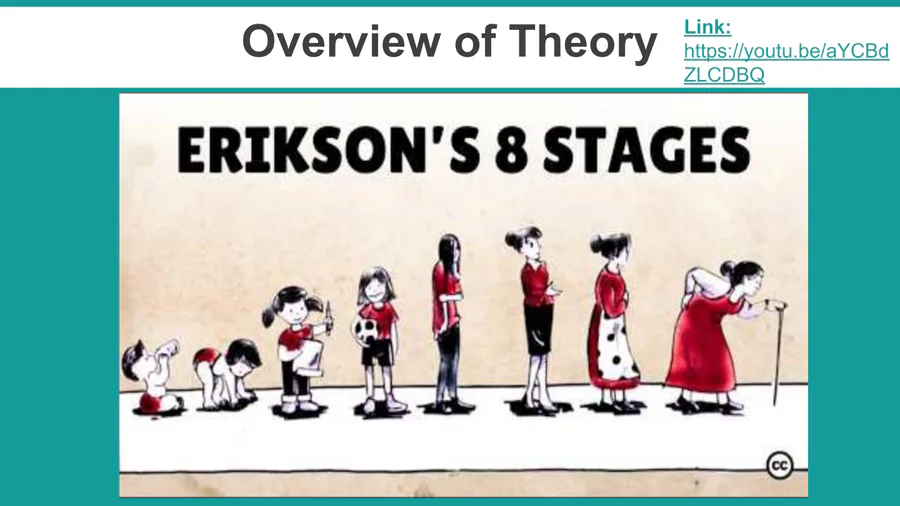
How many stages of psychosocial development did Erikson describe?
6
4
8
2
82
Multiple Choice
Which is an example of the autonomy versus shame and doubt stage?
An infant chewing on a teething toy
teenager trying out new fashions and hairstyles
A preschooler insisting on picking out her own clothes, no matter how mismatched they are
A middle-schooler completing a challenging math assignment
83
84
85
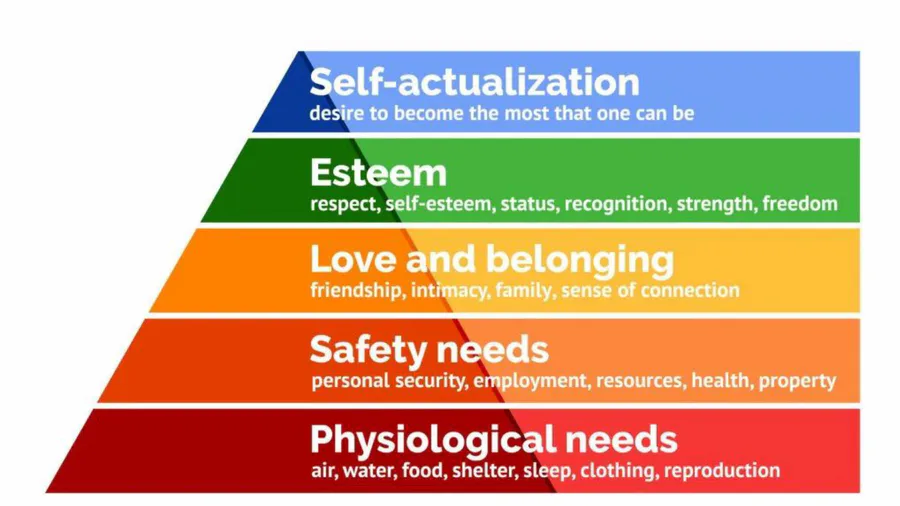
86
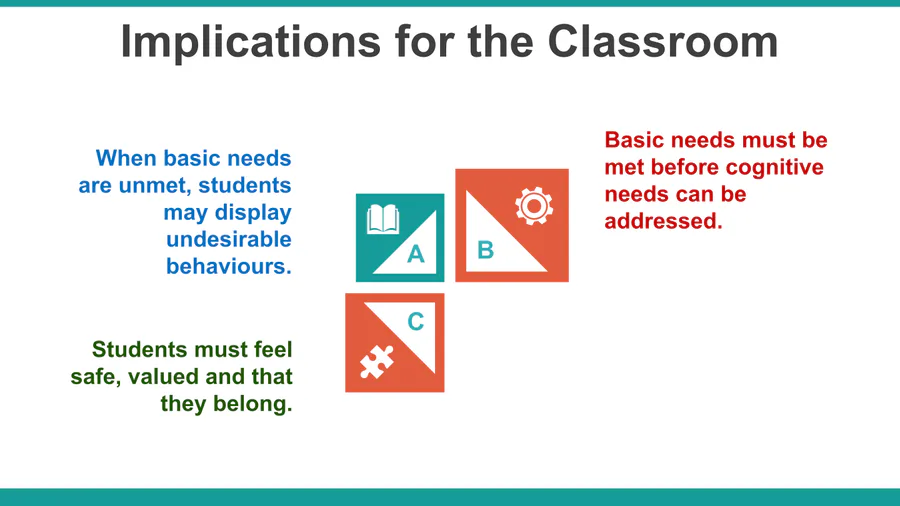
87
Multiple Choice
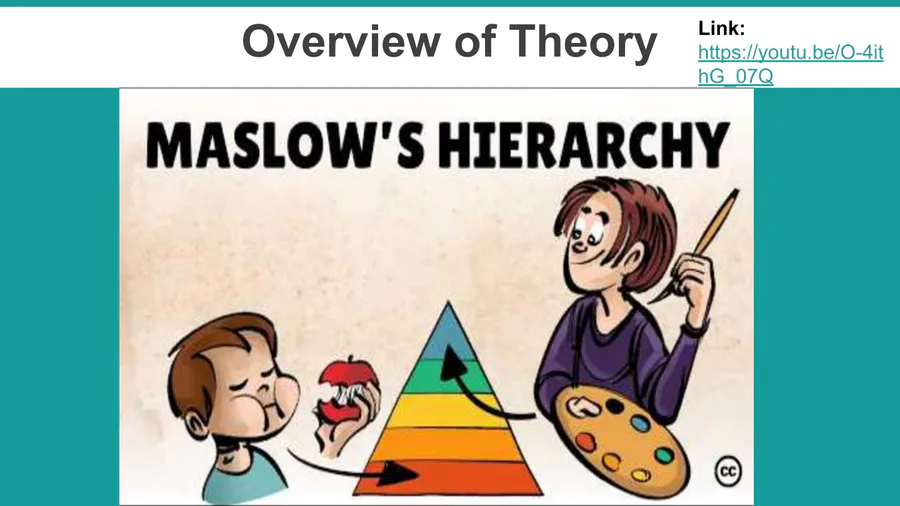
Which of the following is a physiological basic need?
love
belonging
shelter
safety
88
Multiple Choice
89
Multiple Choice
90
Multiple Choice
91
Multiple Choice
As an employer, installing self locking doors and offering a retirement plan satisfies which level of Maslow's Hierarchy?
Physiological
Security
Social
Esteem
92
Multiple Choice
The following are examples of esteem needs except:
Employee of the month
Promotion to supervisor
joining the company golf league
outstanding employee award
93
Multiple Choice
Feeling a part of a group helps us meet _______________ need
basic physiological needs
safety and security
love and belonging
self-esteem
94
Multiple Choice

95
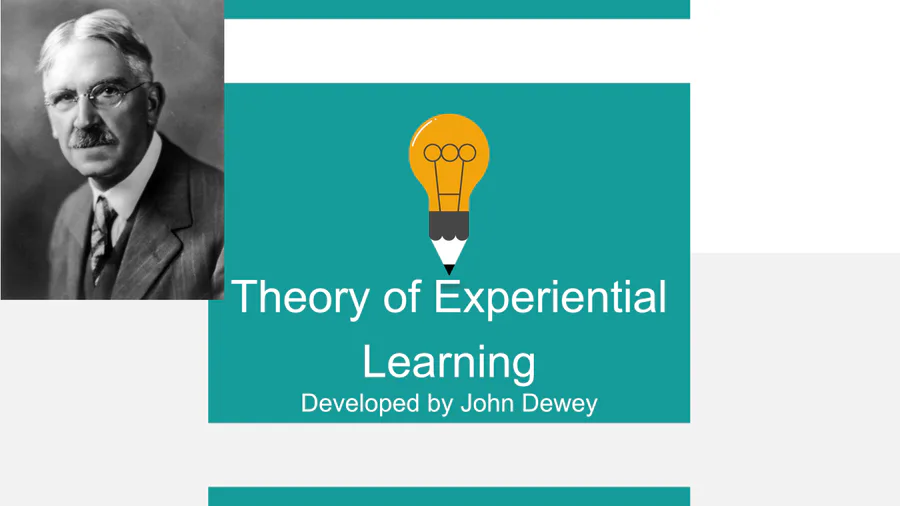
96
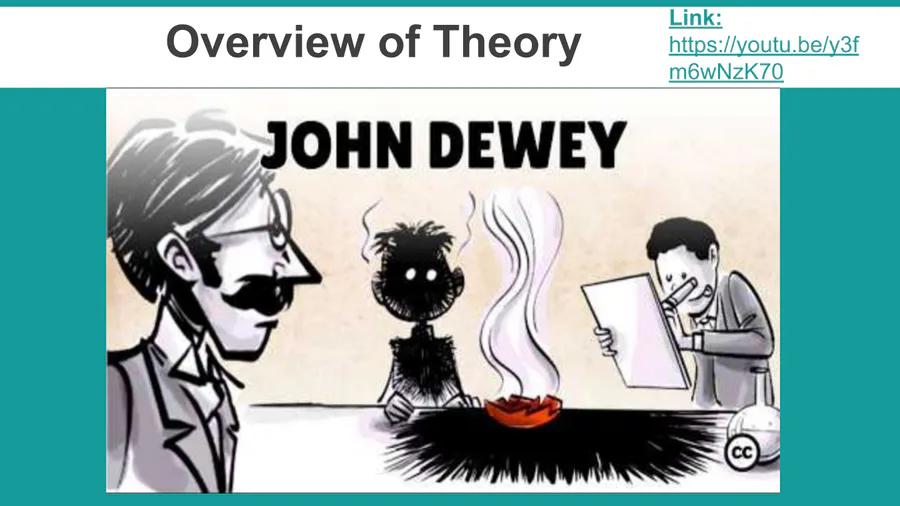
97
98
Multiple Choice
What does the first step of applying the Experimental Learning Theory in a classroom consist of?
A. A final reflection on the experiment will follow through discussion or journaling.
B. Introduce the students to the topic by going over the basic material to be familiar with the subject whenever the class goes more in-depth.
C. The learner should participate in an experience that requires a deeper level of involvement
D. At this step, students will experiment with the newly formed concepts and interpret current conflicts and conflict resolutions.
99
Multiple Choice
What does the last step of applying the Experimental Learning Theory in a classroom consist of?
A. At this step, students will experiment with the newly formed concepts and interpret current conflicts and conflict resolutions.
B.Following up with another discussion where students discuss what happened and how they felt.
C. At this step, learners will begin to construct concepts and hypotheses related to the experience through discussion and individual reflection
D. A final reflection on the experiment will follow through discussion or journaling.
100
Multiple Choice
What is one of the main criticisms that Kolb receives after establishing the ELT?
A. it was problematic and unrealistic
B. it was unsystematic and problematic
C. it was unrealistic and wrong
D. it was wrong and unsystematic
101
Multiple Choice
After Learning about the criticisms of ELT what did people think about the concrete learning experience part of this cycle?
A. they believed it was explained well but a little shattered
B. they believed it was completely wrong
C. they believed it was left unexplored and not explained well
D. they believed there was too much-unneeded information
102
Multiple Choice
How much information did Kolb provide on how social groups gain their knowledge through common experiences?
A. too much-unneeded information
B. Just enough information to understand the concept
C. this was mentioned only twice
D. little to no information was mentioned on this topic
103
Multiple Choice
What are the four components of the Experimental Learning Cycle model?
A. experience, apprehension, extension, and observation
B. Experience, critical reflection, abstract conceptualization, and active experimentation
C. both A & B
D. none of the above
104
Multiple Choice
Apprehension-Comprehension is the distinct mode of gaining experience.
A. True
B. False
105
Multiple Choice
Intension-extension is the distinct mode of transforming experience.
A. True
B. False
106
Multiple Choice
A learner’s observations of their own ______ are considered to be ______.
A.emotions/the end result
B. subjective reality/the starting point
C. learning ability/ the focal point
D.subjective reality/the end result
107
108
109
110
111
112
Multiple Choice

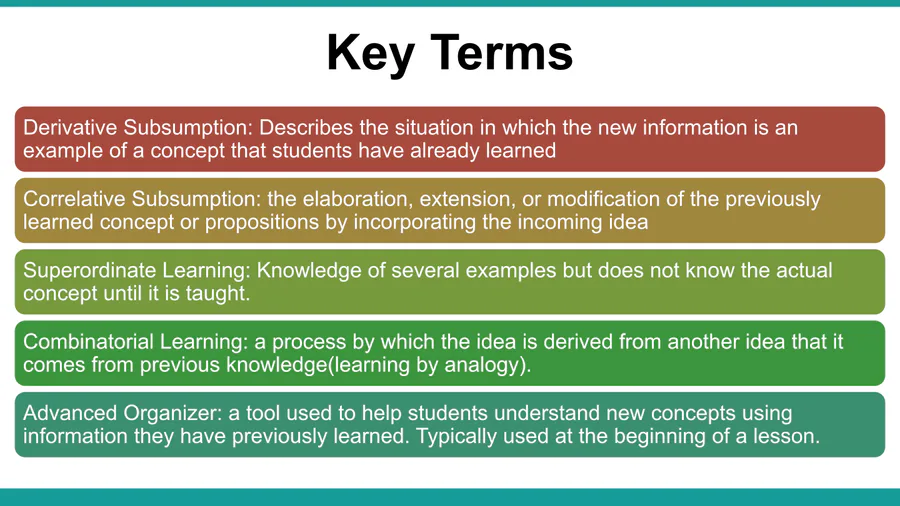
What is Ausubel´s theory about?
Cognitive development theory
Meaningful learning theory
The zone of proximal development
Constructivist theory
113
Multiple Choice

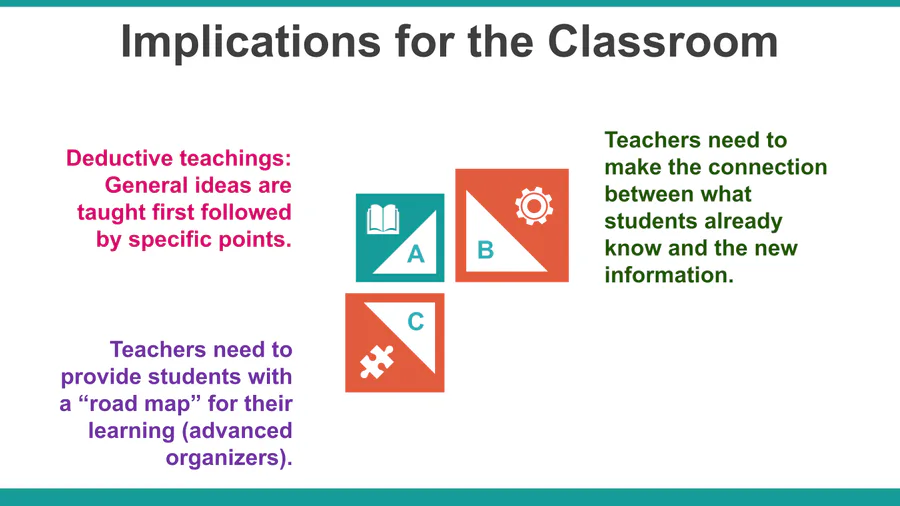
Meaningful Learning occurs when the new information is related to prior knowledge.
TRUE
FALSE
114
Multiple Choice

Learners memorize new information without relating it to prior knowledge. It refers to:
Meaningful learning
Memoristic or rote Learning
115
Multiple Choice

David Ausubel says that meaningful learning is not a crucial type of learning for classroom instruction.
TRUE
FALSE
116
Multiple Choice
What are the types of meaningful learning?
Representation Learning
Concept learning
Proposition Learning
All of them
117
Multiple Select
What is/are the focus of the Condition of Learning?
Quantity, Quality and Organization
The process of information that enters to our cognitive
Relating new information to prior knowledge
To awaken their conscious in every information that enters to our cognitive
118
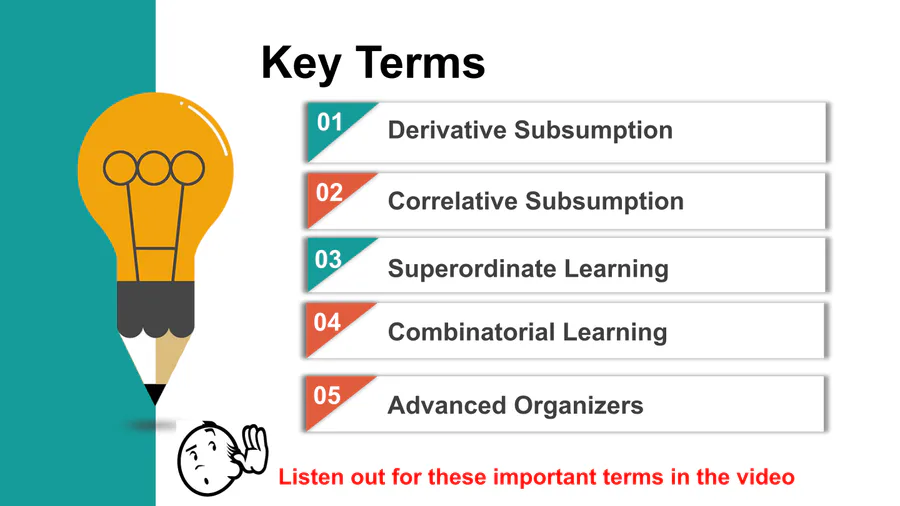
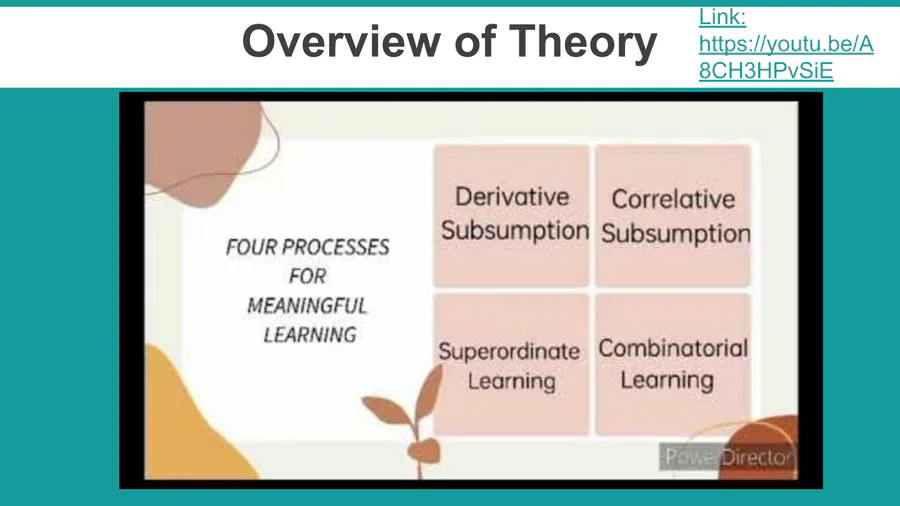
Multiple Choice
It is the level of basic knowledge and adding new ideas to cognitive structure.
Correlative
Subsumption
Derivative Subsumption
Combinatorial Subsumpton
Superordinate Subsumption
119
Multiple Choice
All green fruits are sour unless it is not yet ripe.
Correlative
Subsumption
Derivative Subsumption
Combinatorial Subsumpton
Superordinate Subsumption
120
Multiple Choice
Vitamins can help our body strengthen.
Correlative
Subsumption
Derivative Subsumption
Combinatorial Subsumpton
Superordinate Subsumption
121
Multiple Choice
Familiar with things without knowing the whole concept
Correlative
Subsumption
Derivative Subsumption
Combinatorial Subsumpton
Superordinate Subsumption
122
123
124
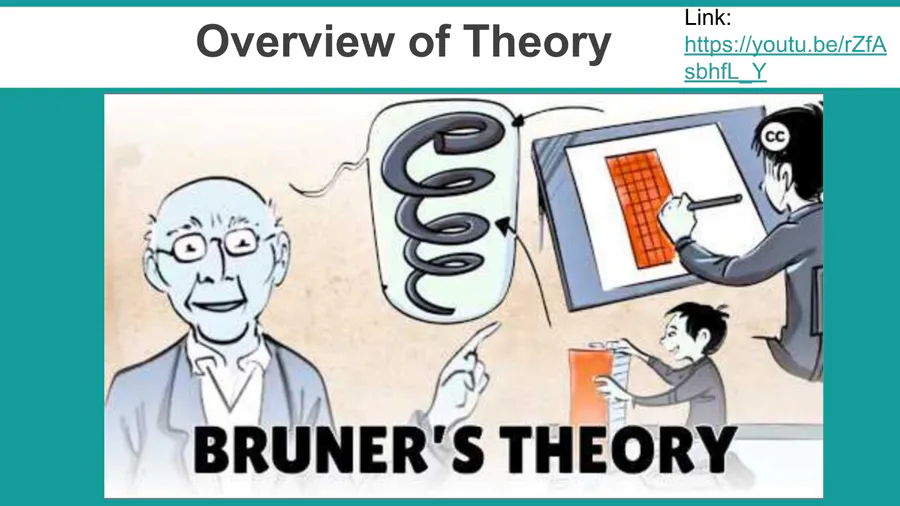
125
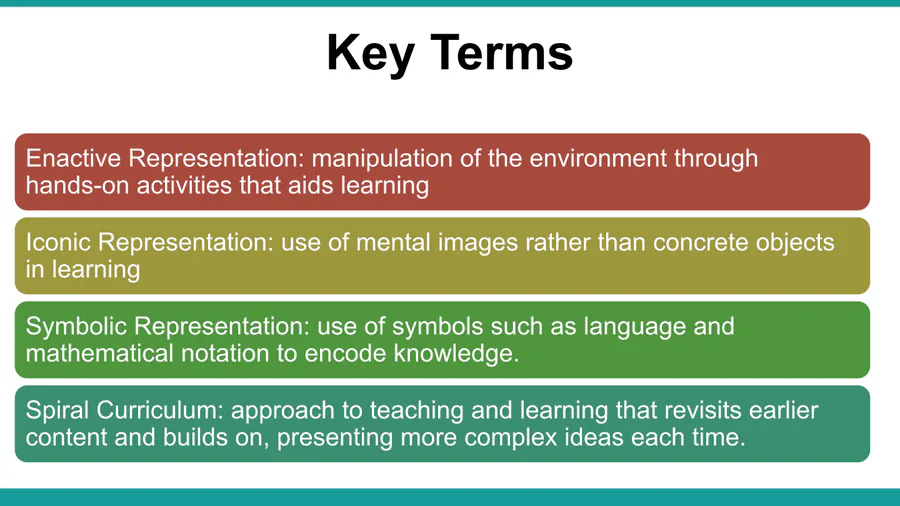
126
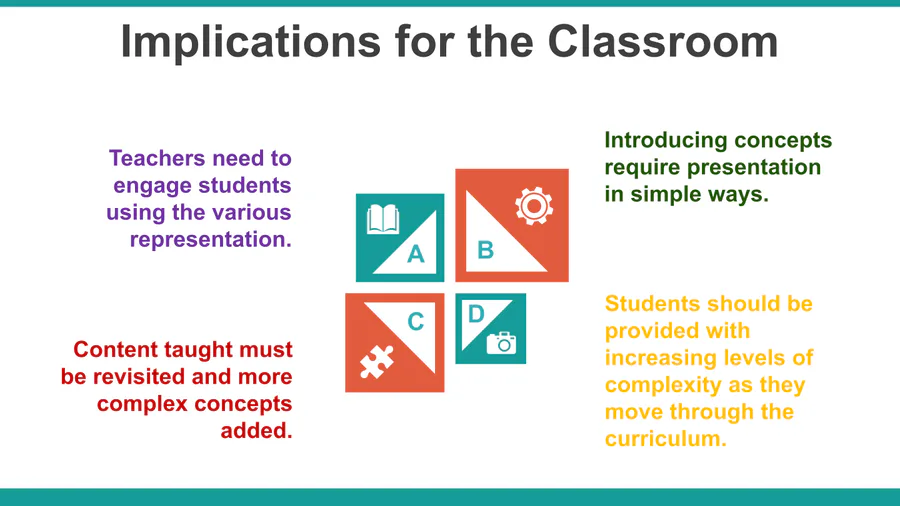
127
Multiple Choice
Which age group is not included in the constructivist theory?
13 -18
0-1
1-6
7+
128
Multiple Choice
The constructivist theory is a(n) _______ process.
compliant
passive
active
repetitious
129
Multiple Choice
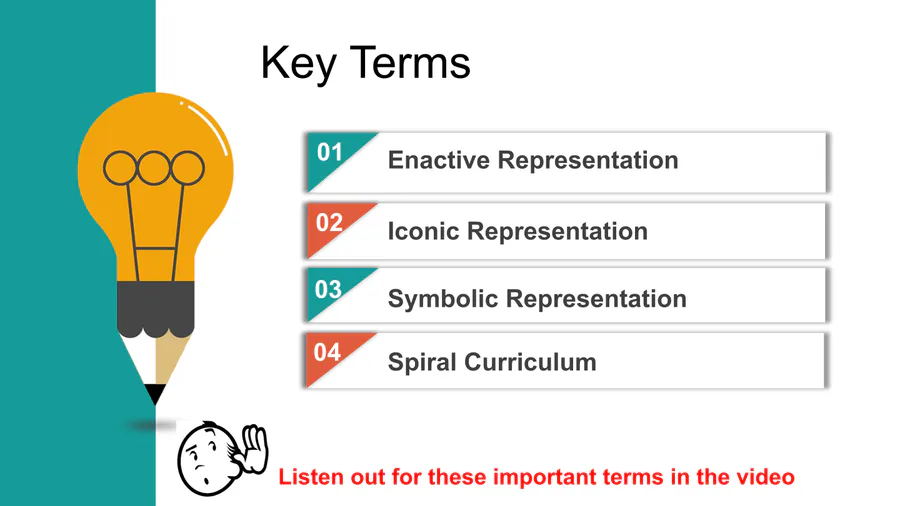
Which category does the age group 1-6 belong to?
symbolic
iconic
tactile
enactive
130
Multiple Choice
Burner agreed with Piaget that the underlying cognitive structure ___________ ___________.
never matures
mature rapidly
matures overtime
sometimes matures
131
Multiple Choice
Did Burner agree with Piaget that a child can think about an organized world in an increasingly complex way?
yes
no
maybe
I don't know. I should learn to listen.
132
Multiple Choice
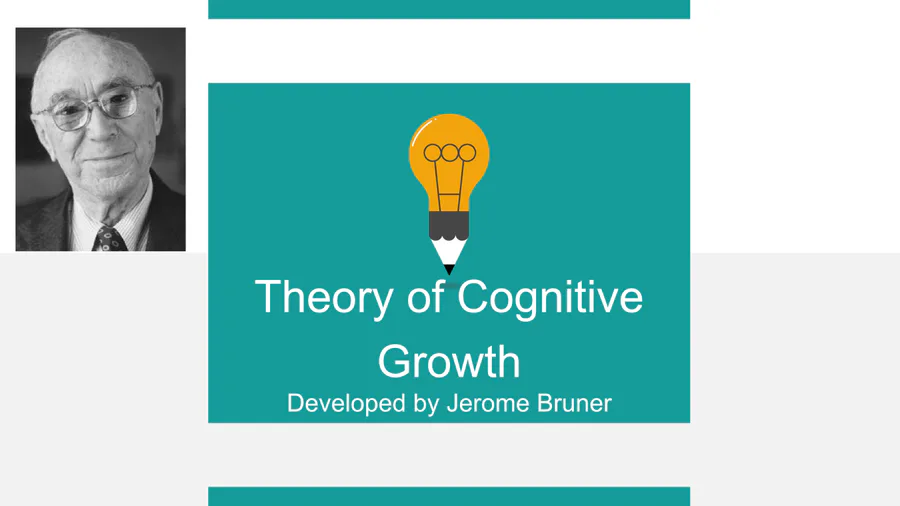
Bruner was similar to Vygotsky, he stressed
The world of education and isolation
The world of math and science
the world of images and isolation
the world of language and interpersonal communication
133
Multiple Choice
Bruner's Intellectual Development was made up of
physical mode
visual mode
language mode
all of the above
134
Multiple Select
Spiral curriculum is when to facilitate structuring a curriculum to work
simple-to-complex
inabstract-to-concrete
abstract-to-concrete
general-to-detailed
Show answer
Auto Play
Slide 1 / 134
SLIDE
Similar Resources on Wayground

130 questions
Entrep - 314
Presentation
•
University
121 questions
Why Big Data Matters?
Presentation
•
University
126 questions
APES Population Review
Presentation
•
12th Grade
135 questions
Vocabulary 1
Presentation
•
Professional Development
126 questions
TExES Core To SPED Training
Presentation
•
Professional Development
123 questions
Writing Foundation 1
Presentation
•
University
122 questions
Repaso Final Español
Presentation
•
University
125 questions
Lesson Present simple Best
Presentation
•
Professional Development
Popular Resources on Wayground
10 questions
Safety Day 2026 – Student Review

Quiz
•
9th Grade
21 questions
Continents and Oceans
Quiz
•
6th Grade
20 questions
Parts of Speech
Quiz
•
5th Grade
16 questions
Subject & Predicate
Quiz
•
5th Grade
25 questions
Multiplication Facts
Quiz
•
5th Grade
12 questions
Map Skills
Quiz
•
3rd Grade
22 questions
Continents and Oceans
Quiz
•
5th Grade
15 questions
Rounding Decimals
Quiz
•
5th Grade