Search Header Logo
Cells-Biology-Slides 91 to 123

Cells-Biology-Slides 91 to 123

Assessment

Presentation

Science

9th - 12th Grade

Practice Problem

Hard

NGSS
MS-LS1-1, MS-LS1-3, HS-LS1-4

+1

Standards-aligned

Created by

Michele Perry

FREE Resource

33 Slides • 38 Questions

1
media

2

media

3

Fill in the Blanks

4

media

5

Multiple Choice

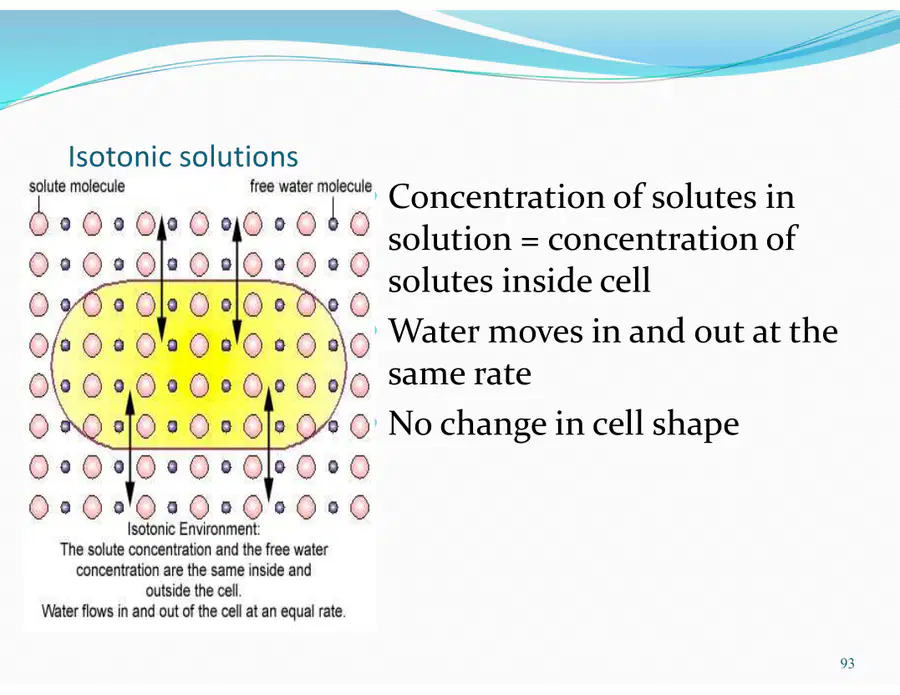
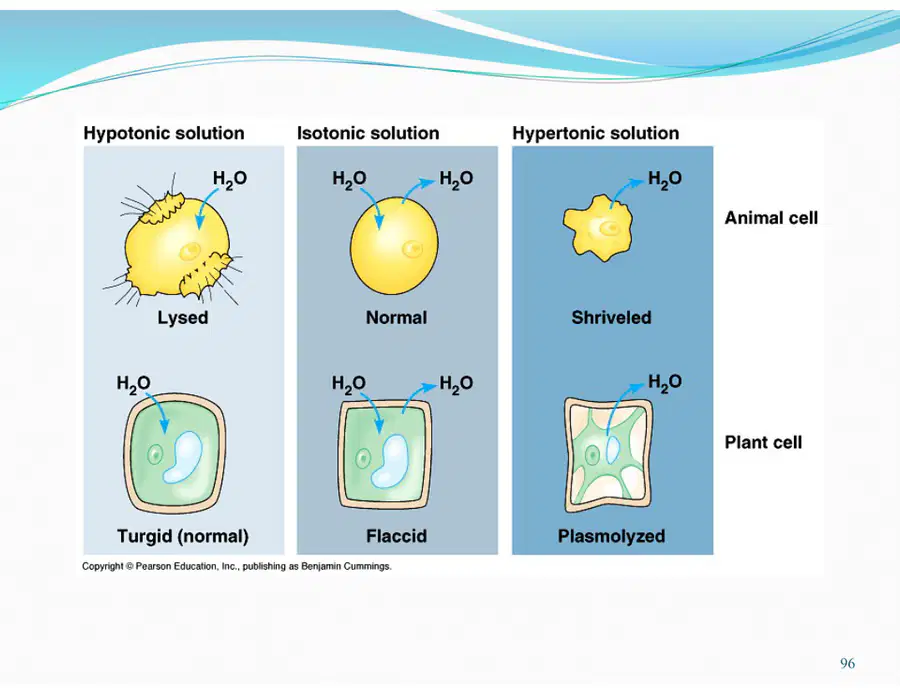
Which type of solution causes no change in cell shape because water moves in and out at the same rate?

1

Isotonic solution

2

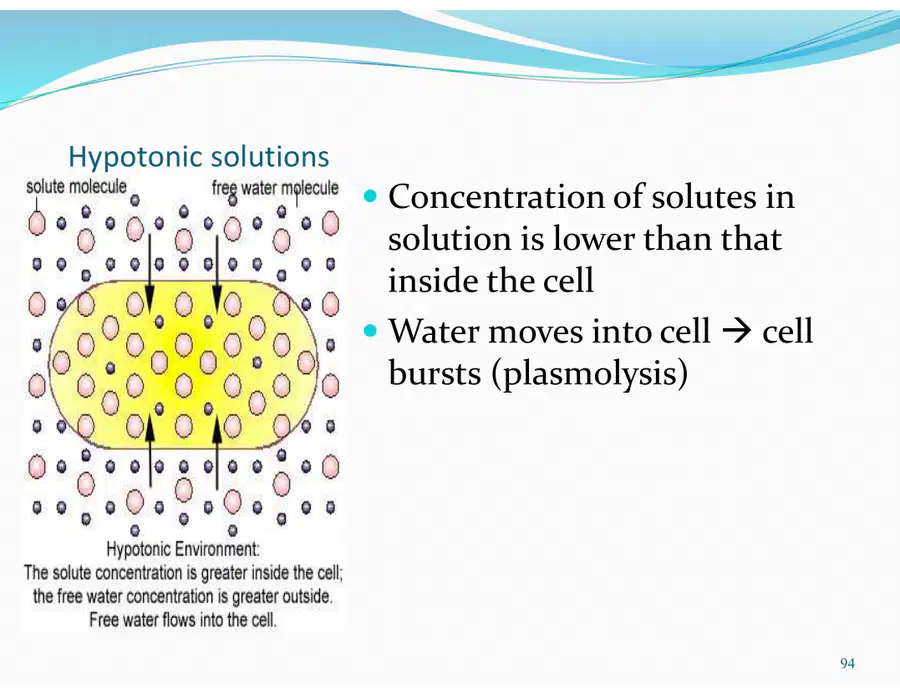
Hypotonic solution

3

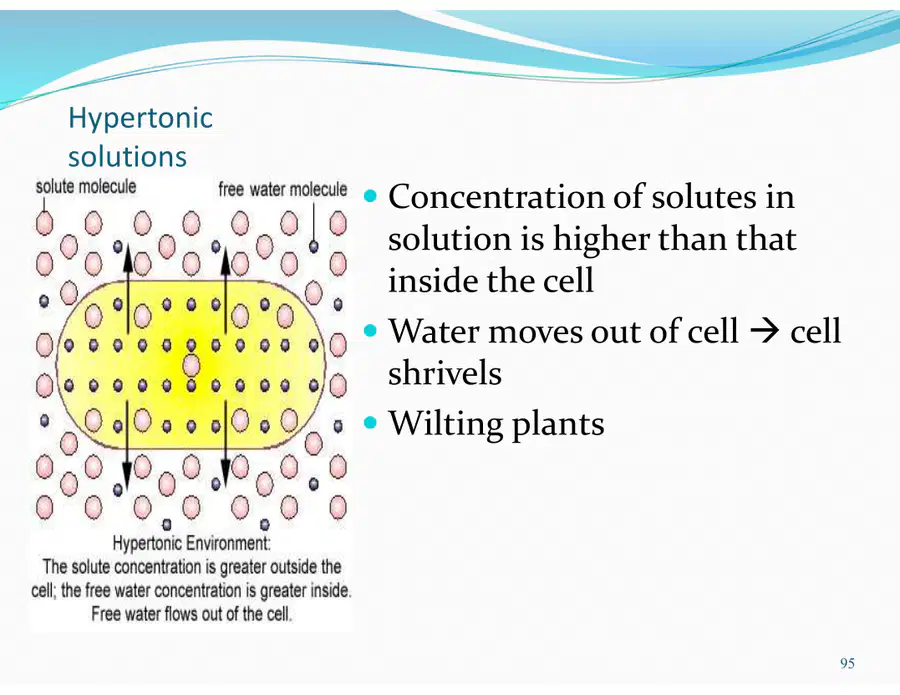
Hypertonic solution

4

Acidic solution

6

media

7

media

8

Fill in the Blanks

9

media

10

media

11

Open Ended

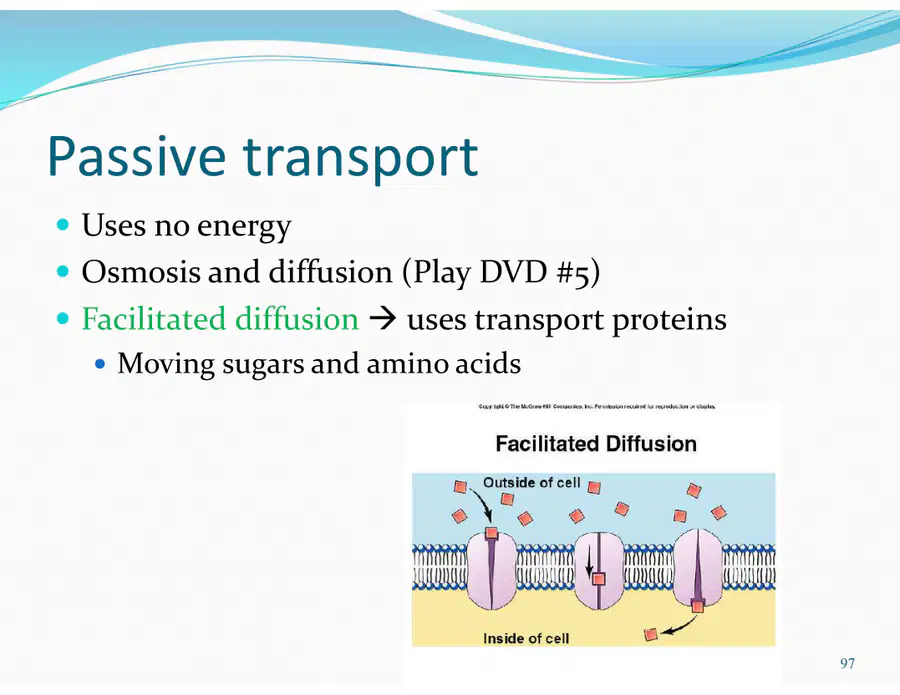
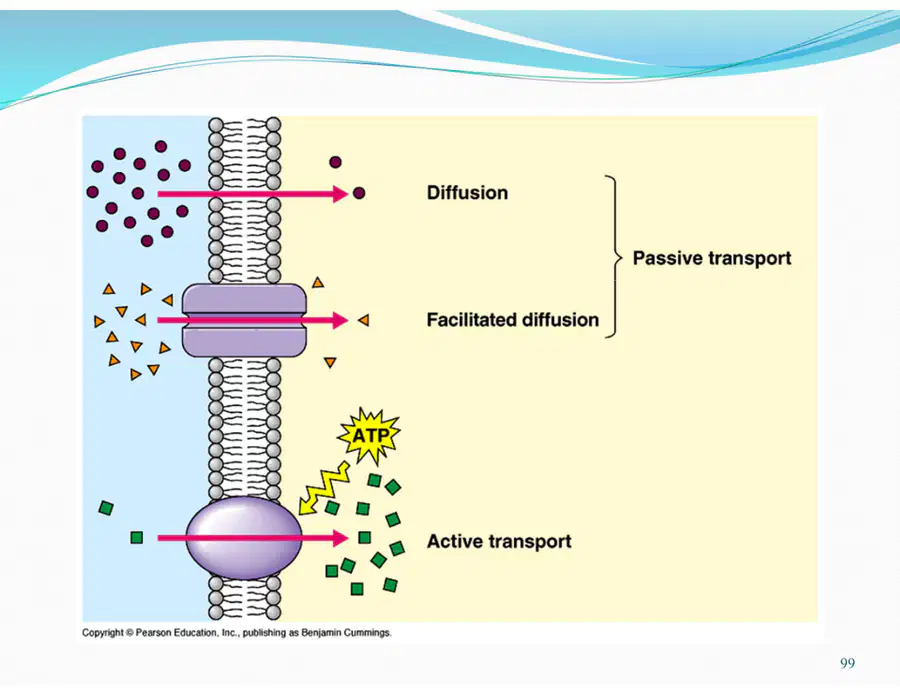
Explain how facilitated diffusion differs from simple diffusion and why it is important for cells.

12

Multiple Choice

Which of the following statements about passive transport is correct?

1

It uses no energy and includes osmosis and diffusion.

2

It requires energy to move molecules across the membrane.

3

It only occurs in plant cells.

4

It involves the movement of water only.

13

media

14

Multiple Select

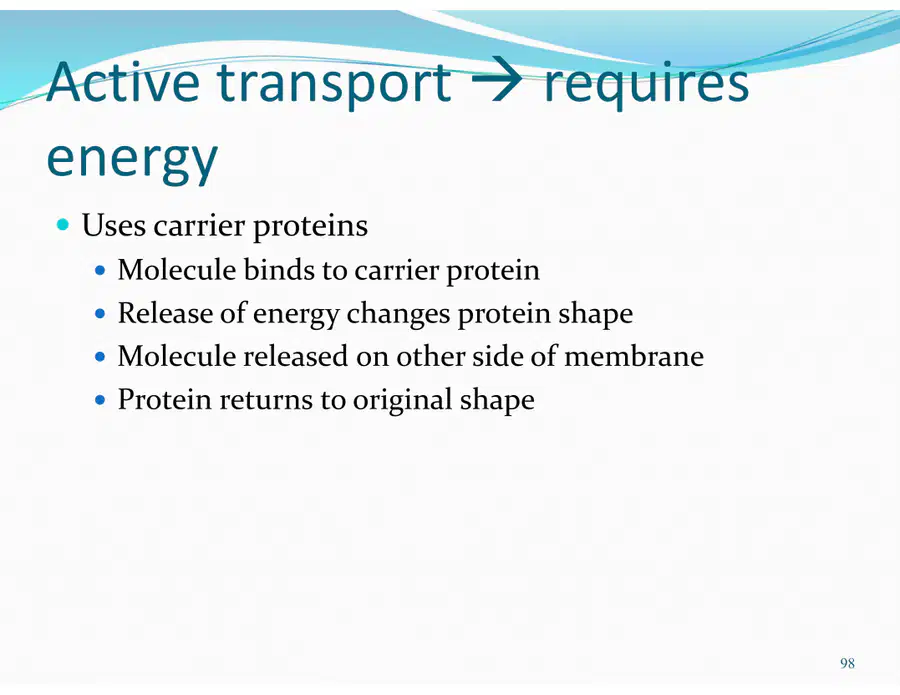
Select all the correct statements about active transport.

1

It requires energy.

2

It uses carrier proteins.

3

It moves molecules against the concentration gradient.

4

It only occurs in animal cells.

15

media

16

Multiple Choice

Which of the following processes requires energy input from the cell?

1

Diffusion

2

Facilitated diffusion

3

Active transport

4

Osmosis

17

media

18

Open Ended

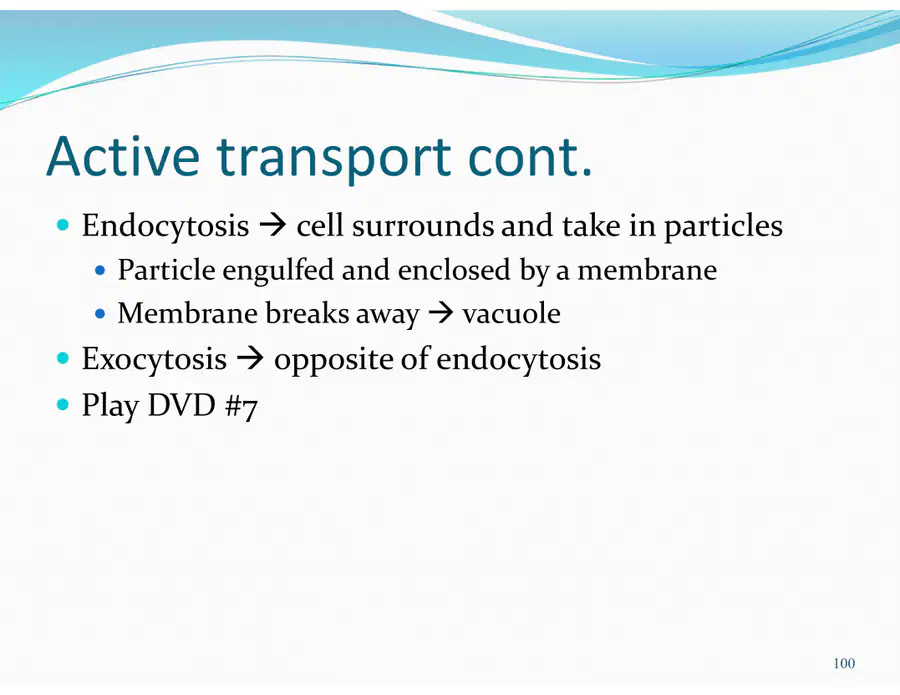
Explain the difference between endocytosis and exocytosis in terms of how cells move materials across their membranes.

19

media

20

media

21

Fill in the Blanks

22

media

23

Open Ended

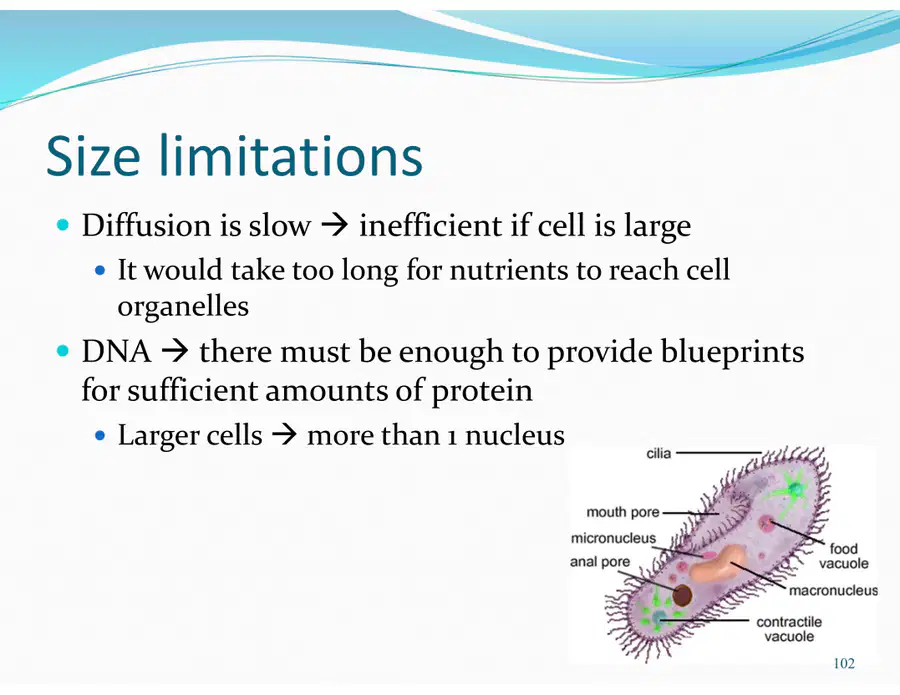
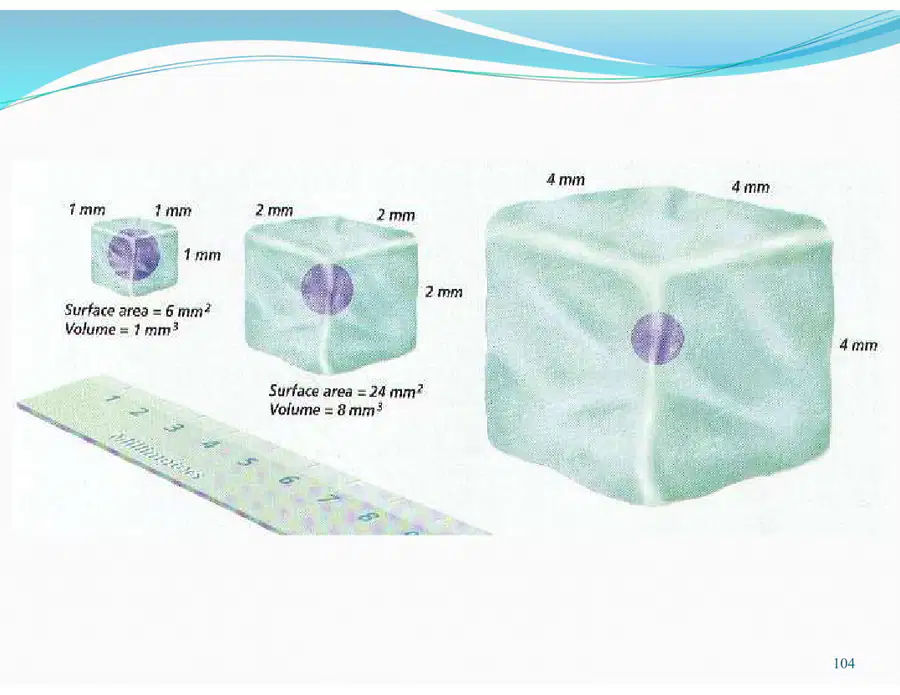
How do the limitations of diffusion and DNA content affect the maximum size a cell can reach?

24

Multiple Select

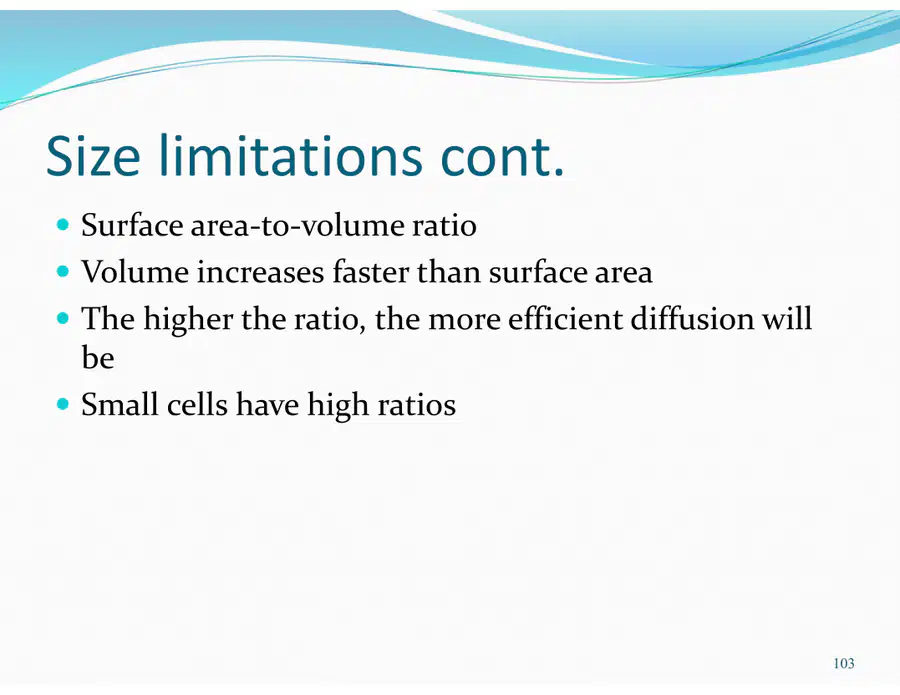
Which of the following statements about surface area-to-volume ratio are correct?

1

Small cells have a high surface area-to-volume ratio.

2

Large cells are more efficient at diffusion than small cells.

3

As a cell grows, its volume increases faster than its surface area.

4

A higher surface area-to-volume ratio increases diffusion efficiency.

25

media

26

Multiple Choice

Based on the diagram, which cube would be most efficient at exchanging materials with its environment?

1

1 mm cube

2

2 mm cube

3

4 mm cube

4

All are equally efficient

27

media

28

Multiple Choice

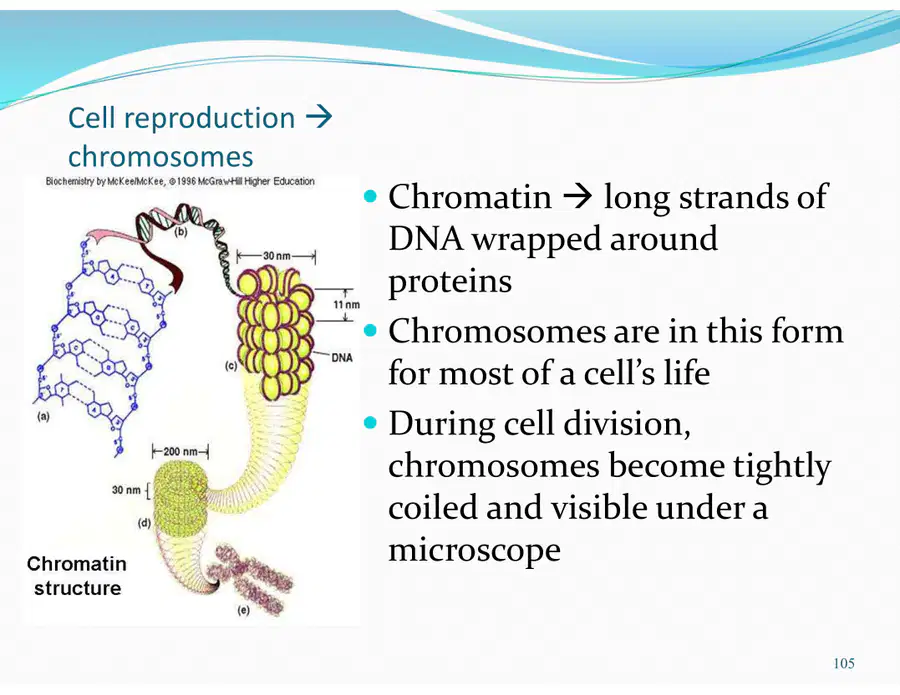
What is the main function of chromatin in the cell?

1

To wrap DNA around proteins and form chromosomes

2

To produce energy for the cell

3

To synthesize proteins

4

To transport molecules across the membrane

29

media

30

Multiple Select

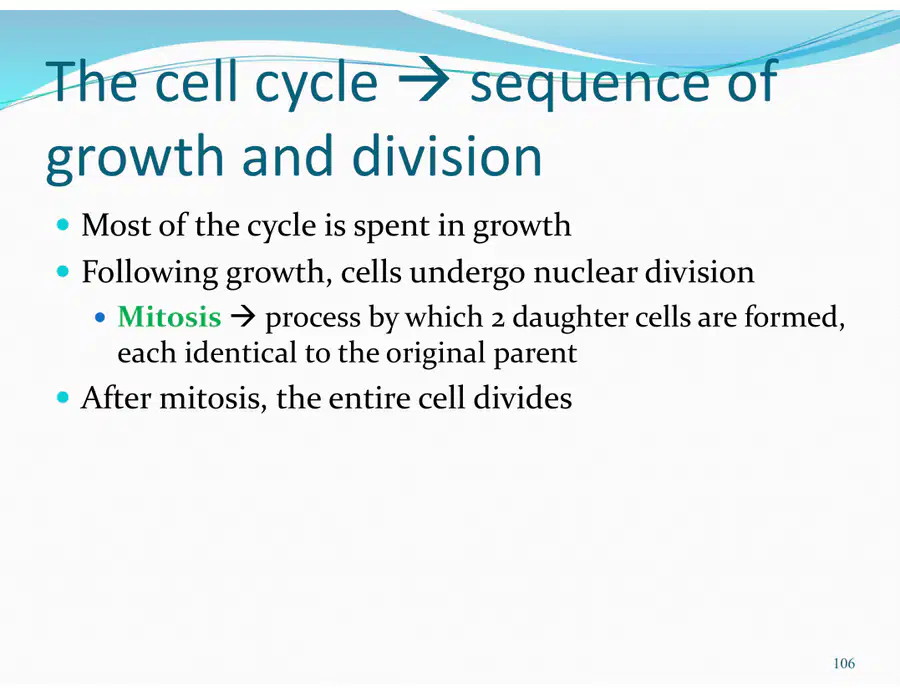
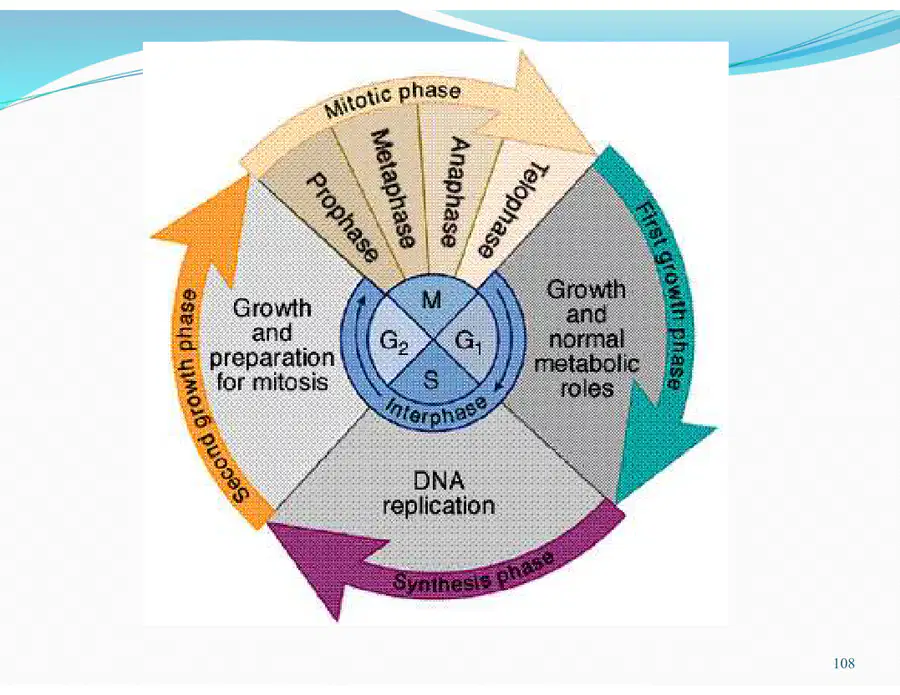
Which of the following statements about the cell cycle are correct?

1

Most of the cell cycle is spent in growth

2

Mitosis results in two identical daughter cells

3

Cells do not undergo nuclear division during the cell cycle

4

After mitosis, the entire cell divides

31

media

32

Fill in the Blanks

33

media

34

Multiple Choice

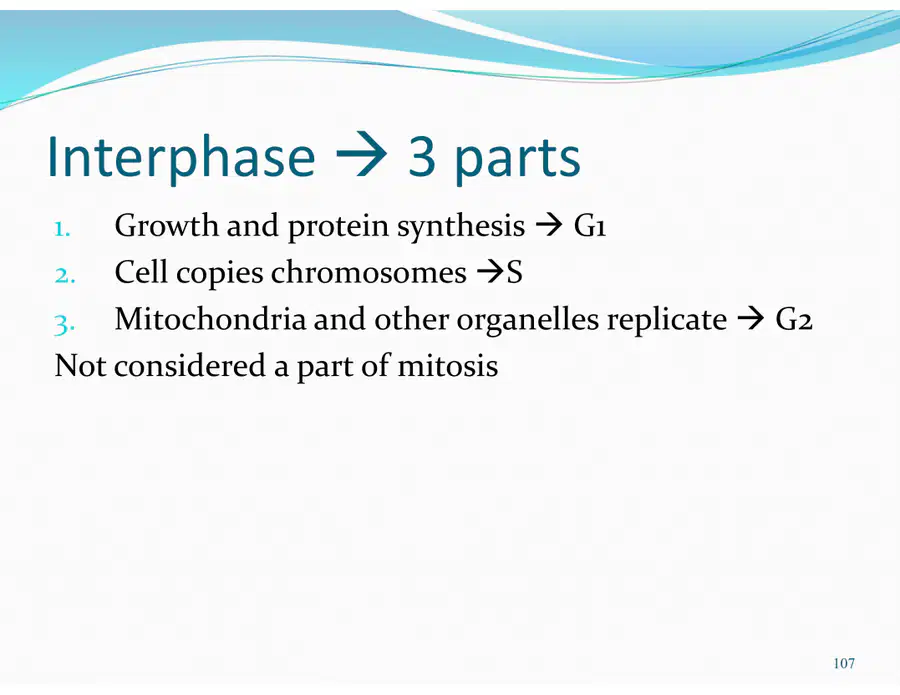
Which phase of the cell cycle is characterized by growth and normal metabolic roles?

1

G1 phase

2

S phase

3

G2 phase

4

M phase

35

Open Ended

Explain the significance of the G1, S, and G2 phases during interphase in the cell cycle.

36

media

37

media

38

Multiple Choice

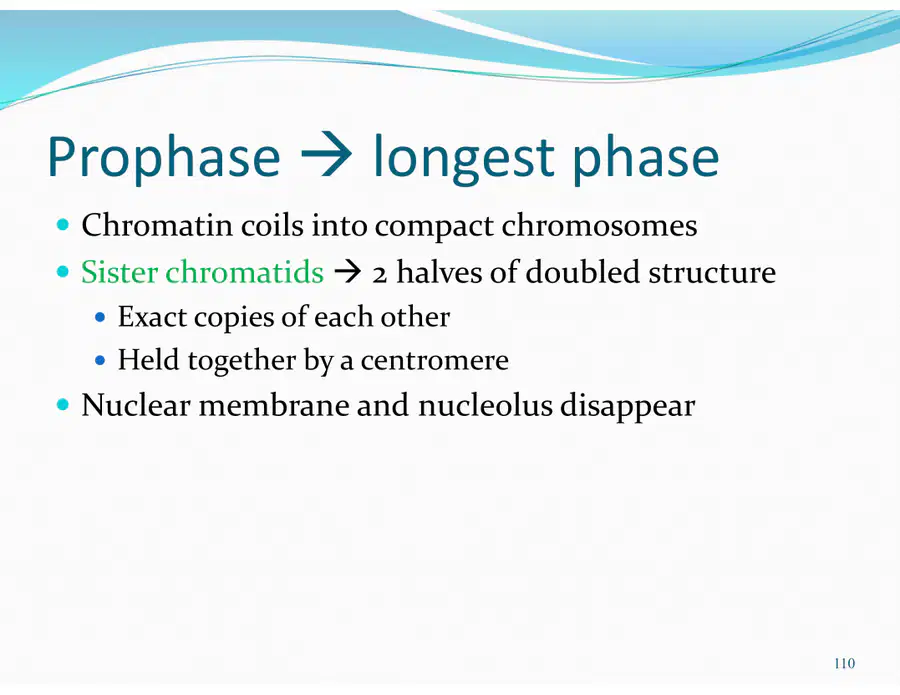
During prophase, what happens to the nuclear membrane and nucleolus?

1

They disappear

2

They become more visible

3

They double in number

4

They move to the cell center

39

media

40

Multiple Choice

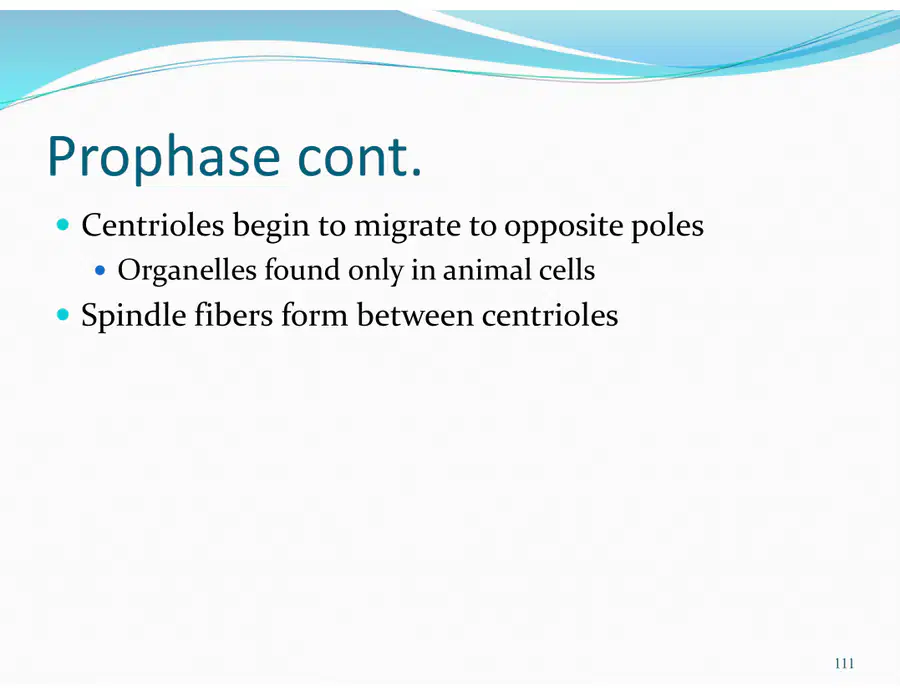
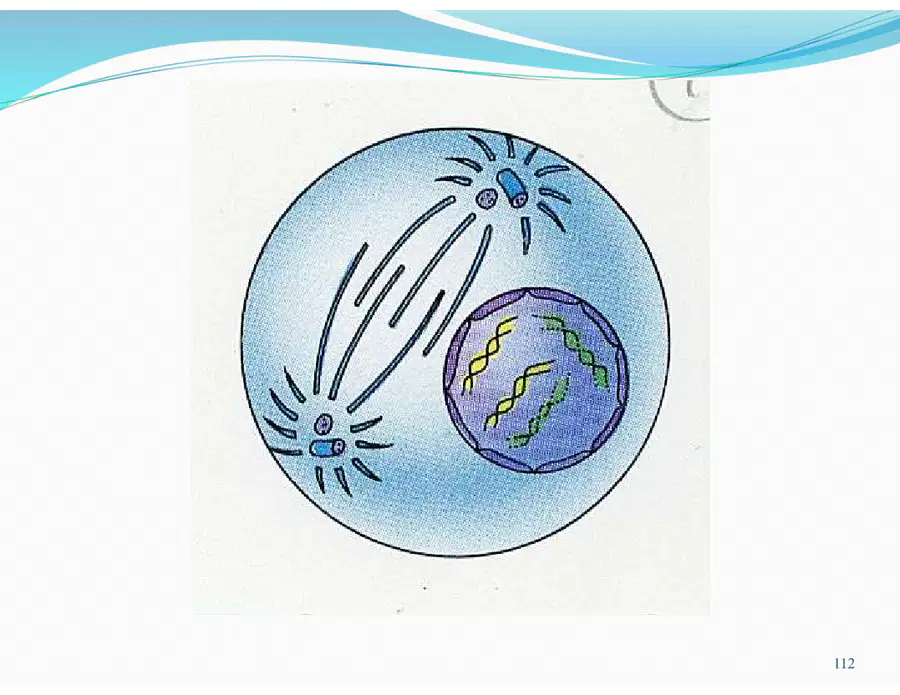
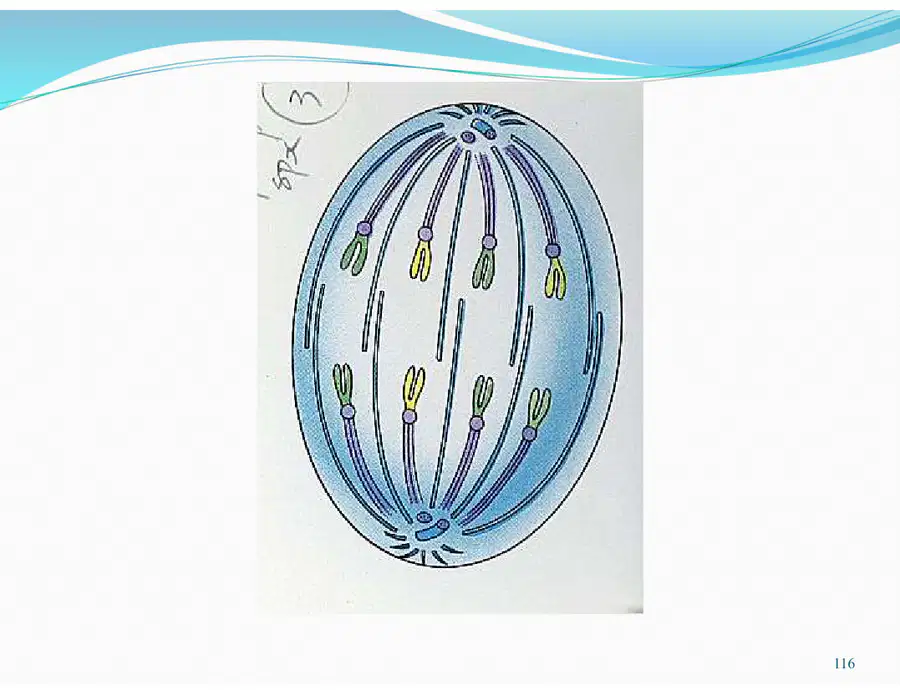
During which phase of mitosis do centrioles begin to migrate to opposite poles and spindle fibers form between them?

1

Prophase

2

Metaphase

3

Anaphase

4

Telophase

41

media

42

media

43

Multiple Choice

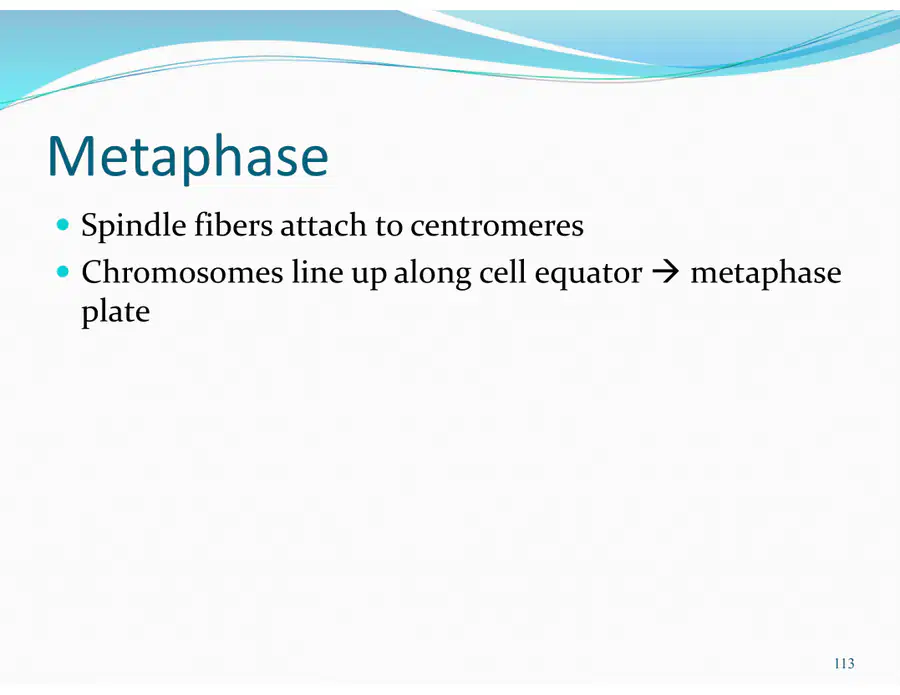
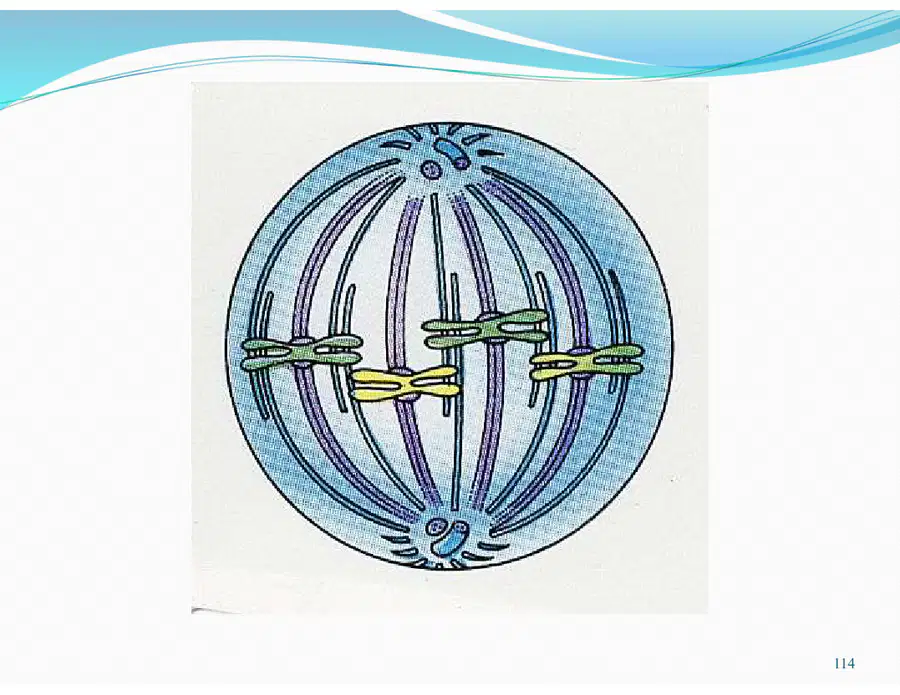
What is the main event that occurs during metaphase of mitosis?

1

Chromosomes line up along the cell equator.

2

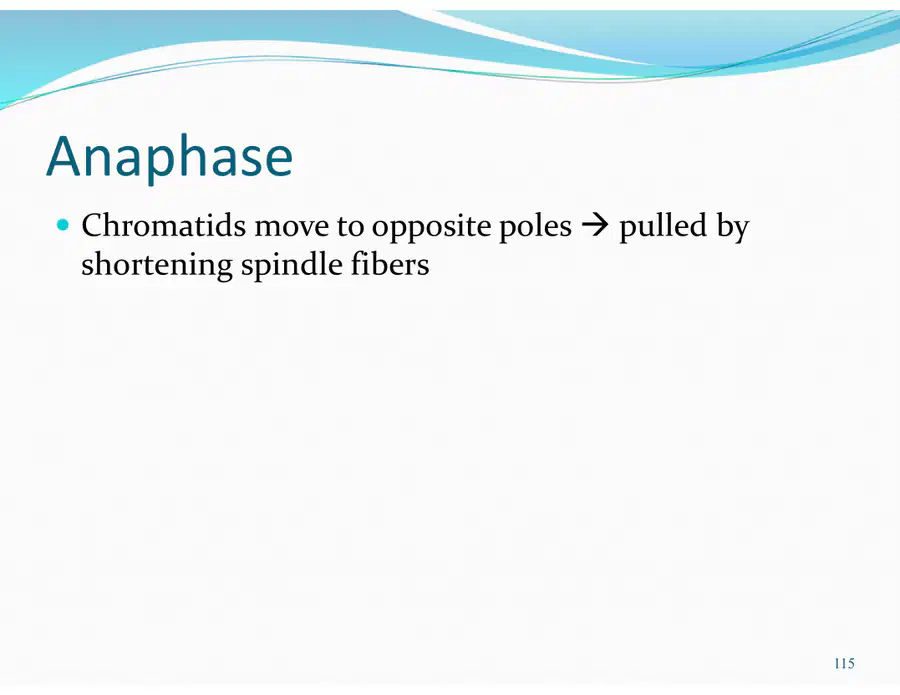
Chromatids move to opposite poles.

3

Centrioles begin to migrate to opposite poles.

4

Nuclear envelope reforms.

44

Multiple Select

Which of the following statements about spindle fibers and centrioles during mitosis are correct?

1

Spindle fibers form between centrioles.

2

Centrioles are found only in animal cells.

3

Spindle fibers attach to centromeres during metaphase.

4

Centrioles are present in all eukaryotic cells.

45

media

46

Multiple Choice

Which diagram best represents the stage of mitosis where chromosomes are aligned at the cell's equator?

1

Image 2

2

Image 4

3

Image 0

4

Image 5

47

media

48

Fill in the Blanks

Type answer...

49

media

50

media

51

media

52

Multiple Choice

Question image
What phase is this?
1
prophase
2
metaphase
3
anaphase
4
telephase

53

media

54

Multiple Choice

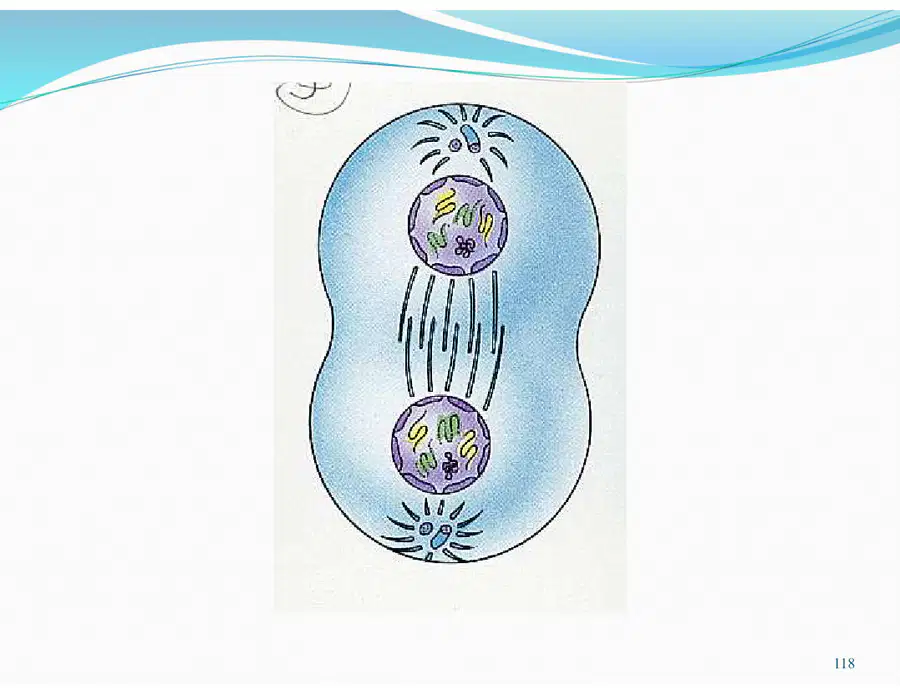
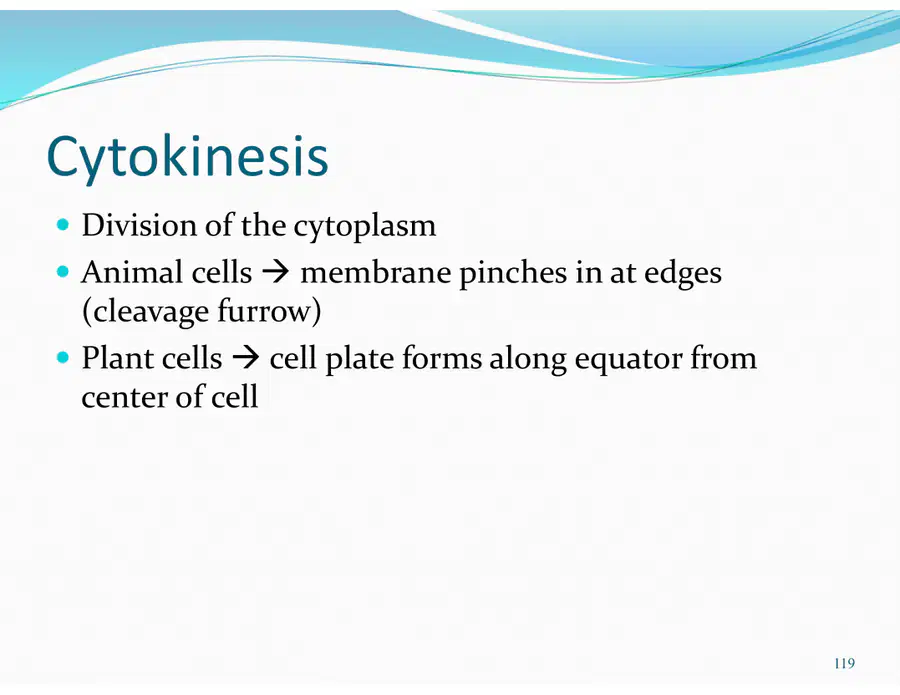
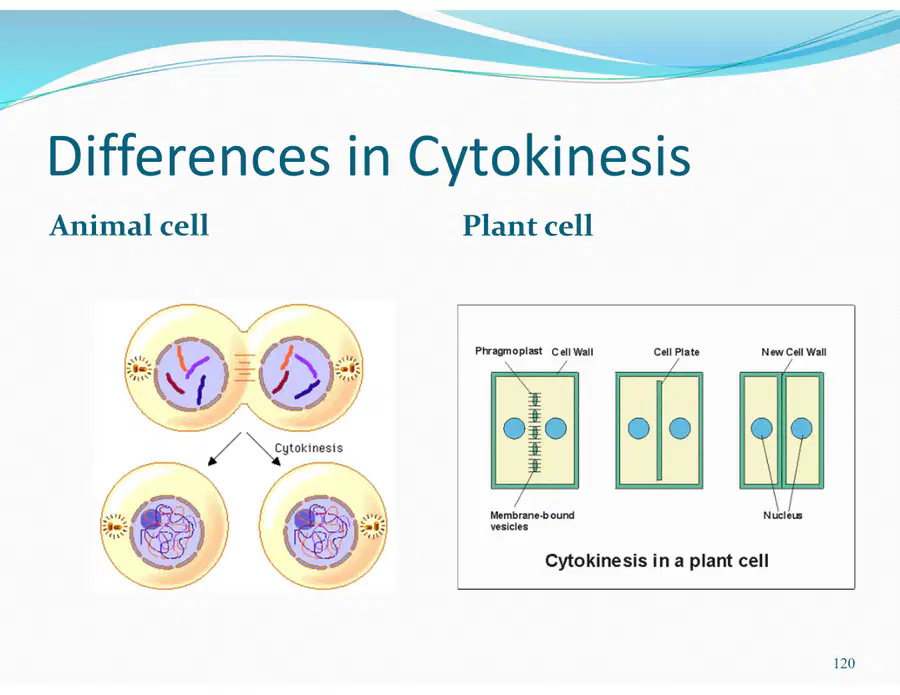
What is the division of cytoplasm called?

1

chromosome

2

mitosis

3

cytokinesis

4

the cell cycle

55

media

56

Multiple Choice

What two parts of the cell are different between an animal and a plant cell

1

cell wall and nucleus

2

nucleus and cell membrane

3

cell wall and chloroplast

4

mitochondria and chloroplast

57

media

58

Multiple Choice

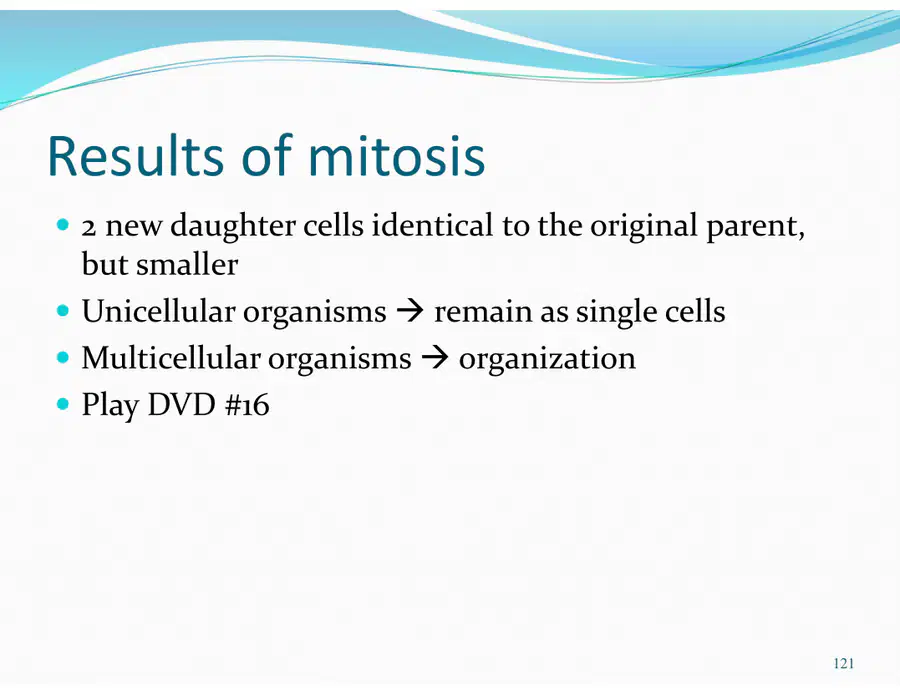
How many daughter cells are produced in mitosis?
1
1
2
2
3
4
4
6

59

media

60

media

61

Multiple Choice

Question image
This is a example of ........
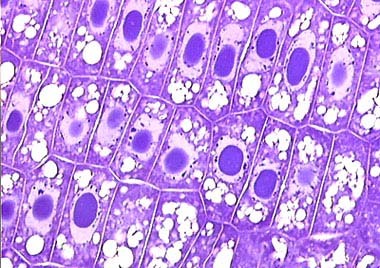
1
cell
2
organ system
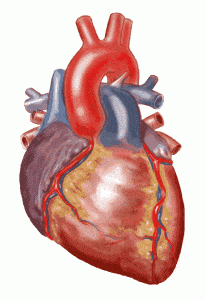
3
organ
4
tissue

62

Multiple Choice

Question image
This is a example of ........
1
cell
2
tissue
3
organ 
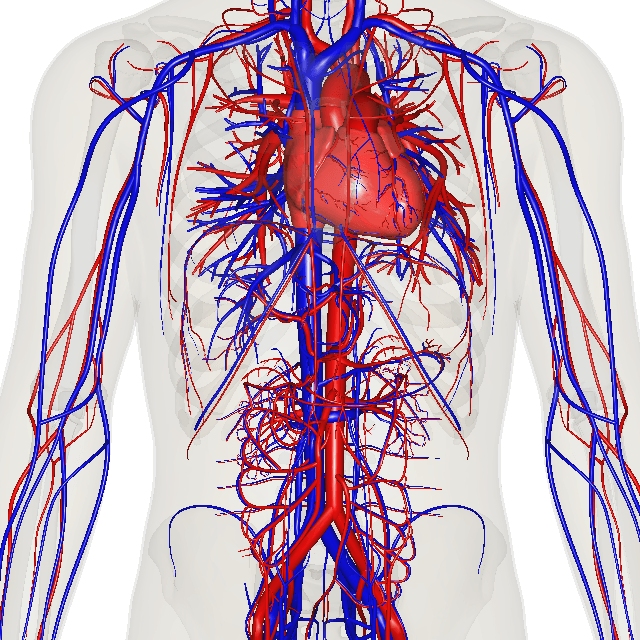
4
organ system

63

Multiple Choice

Question image
This is a example of ........
1

organ

2

organ system

3

tissue

4

cell

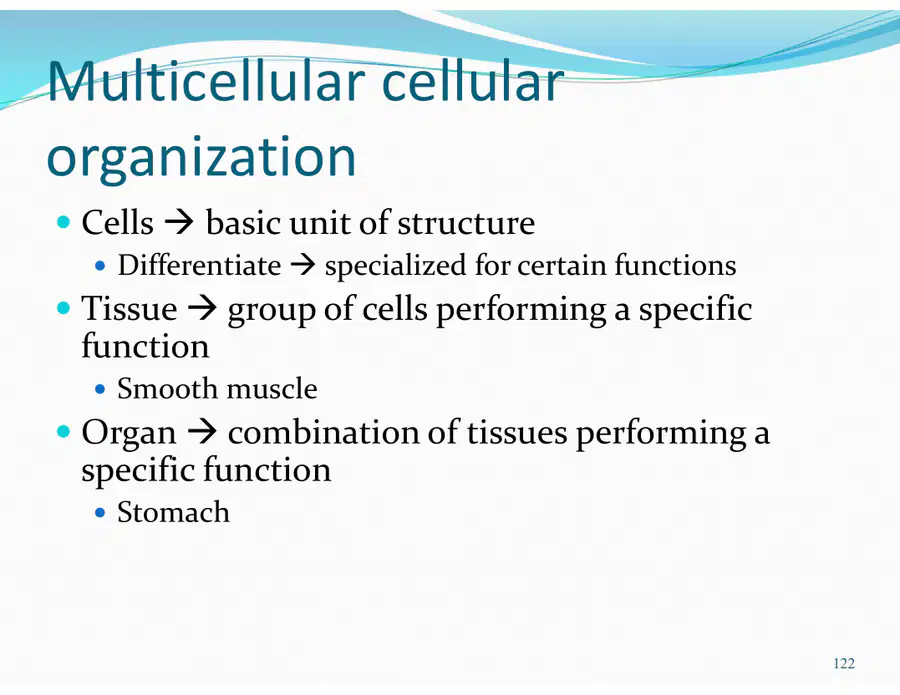
64

Multiple Choice

Question image
This is a example of........ 
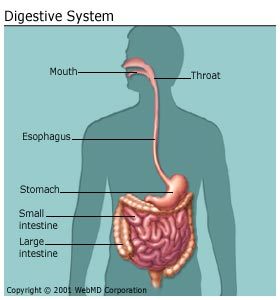
1
organ system
2
cells
3
organ
4
tissue

65

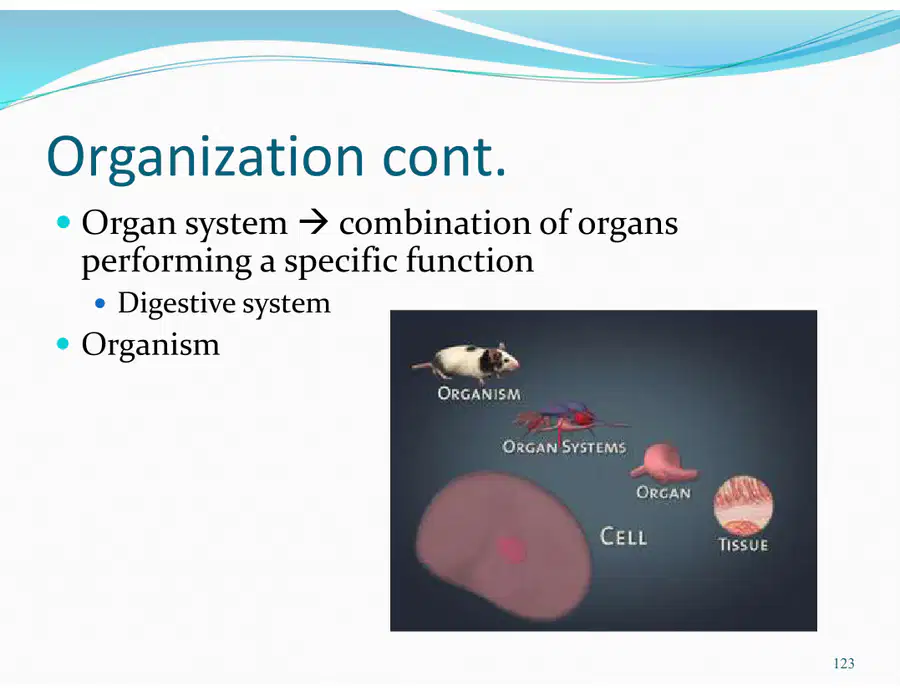
Labelling

Label the levels of organization in the correct order.

Drag labels to their correct position on the image

organ system

organ

tissue

cell

organism

66

Labelling

A student makes a model to represent the levels of biological organization, as shown.

If the top of the pyramid represents the basic unit of life, how should each section be labeled?

Drag labels to their correct position on the image

tissue

cell

organ system

organism

organ

67

Drag and Drop

- A group of Cells

- The building block of life

- A group of similar organs

- A group of tissue with a specific function

Drag these tiles and drop them in the correct blank above
Tissue
Cells
Organ System
Organ

68

Drag and Drop

Levels of organization from least complex to most complex

​ ​
Drag these tiles and drop them in the correct blank above
CELL
TISSUE
ORGAN
ORGAN SYSTEM
ORGANISM

69

Multiple Choice

How are single-celled organisms and multi-celled organisms similar?
1
Both need food for energy and growth.
2
Both have a skeletal system for support.
3
Both require the interaction of many cells to survive.
4
Both are able to carry out all life functions in only one cell.

70

Open Ended

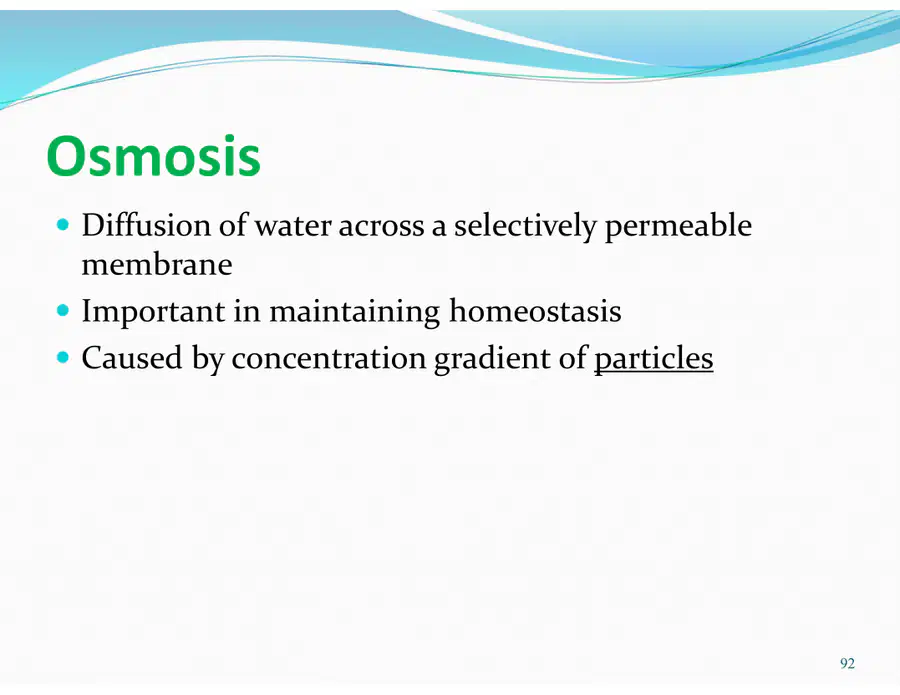
How does osmosis contribute to maintaining homeostasis in cells?

71

Multiple Choice

What is osmosis?

1

Diffusion of water across a selectively permeable membrane

2

Movement of particles from low to high concentration

3

Active transport of ions

4

Diffusion of gases across a membrane

media

Show answer

Auto Play

Slide 1 / 71

SLIDE