

Physical Science 4-5: Acids & Bases

Presentation
•
Science
•
9th - 12th Grade
•
Medium
+2
Standards-aligned

Abby Fancsali
Used 2+ times
FREE Resource
10 Slides • 19 Questions
1

2
Multiple Choice
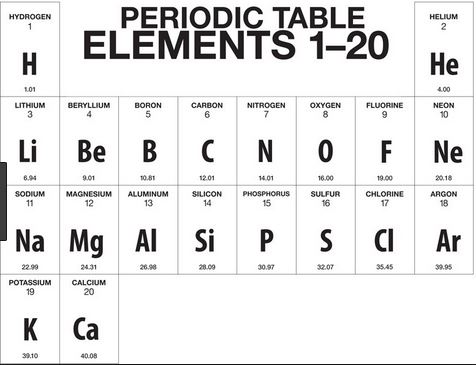
How many valence electrons does Hydrogen Have?
1 Valence electron
2 Valence electron
3 Valence electron
4 Valence electron
5 Valence electron
3
Multiple Choice
What do we call an atom that has a charge?
Ion
Molecule
Isotope
Metal
4
Multiple Choice
If Sodium (Na) and Chlorine (Cl) form a compound, it will be held together by...
Metallic bonds
Covalent bonds
Polar bonds
Ionic bonds
5
Multiple Choice
The "sharing of electron pairs" describes a(n) ___________________ bond.
Ionic
Metallic
Covalent
Orbital
6
Dropdown
If an atom
7
Multiple Choice
8
Multiple Choice

The left side of the chemical equation is called
9
Multiple Choice
A chemical reaction that absorbs heat is...
10
Multiple Choice
__K + __Br2 --> __KBr
11
Describe the Properties of Acids
Distinguish between a strong and a weak acid
Describe the Properties of Bases
Distinguish between strong and weak bases
Describe a reaction between an acid and a base
Define pH

12
Acid: any compound that increases the number of Hydronium ions when dissolved in water.
Hydronium = H3O+
All Acids share certain properties
A sour taste
Corrosive: Can destroy body tissues
Change the color of indicators
React with many metals to form Hydrogen Gas
Conduct Electricity

13
Base: Any Compound that makes Hydroxide Ions when dissolved in Water
Hydroxide= OH-
They are also called Alkalines
All Bases share certain properties
A bitter flavor
A slippery feel
Corrosive
Change the color of indicators
Conduct electricity
Bases are the opposite of Acids
14
Acids and Bases are can be sorted based on how many ions they form when dissolved in water
More ions means A stronger acid/base
Examples of strong Acids: Sulfuric Acid, Nitric Acid, & Hydrochloric Acid
Weak acids tend to be found in foods
Examples of Strong Bases: Sodium Hydroxide, Calcium Hydroxide
Weak bases are used in antacid medicines
15
When acids and bases mix, they react to combine their ions to make water
Neutralization Reaction: the reaction of an acid and a base to form a neutral solution of water and a salt
The Hydrogen in the Hydronium ions combine with hydroxide ions to make water

16
Multiple Choice
What is the formula of a Hydronium ion?
17
Multiple Choice
A sour taste is a characteristic of:
acids
bases
neutral Solutions
pH Buffers
18
Dropdown
19
Categorize
Release Hydronium ions
corrosive
Organize these options into the right categories
20
We can use indicators to determine if a substance is an acid or a base, but that does not always indicate the strength of the acid
pH: A value that is used to represent the acidity or alkalinity of a solution
pH measures the number of hydronium ions
Adding more hydronium ions lowers the pH
pH exists on a scale of 1-14
1-6.9 is considered acidic
7 is considered neutral
7.1-14 is considered alkaline
21
There are several ways to find the pH of a solution
pH Paper- a strip of paper that is treated with a group of indicator solutions
Will change color in response to different pH levels
Different papers can get to different levels of specificity
pH Meter: an electronic device that can measure the amount of electricity conducted through a solution
Gives a highly specific number
22
All living things depend on having a steady pH in their environment
Some organisms can thrive and need a low pH, while others will die if the pH changes slightly
Most plants and animals that live in lakes & Streams need a neutral pH to survive
Most rain is slightly acidic (between 5.5 & 6)
Acid rain is between 4 and 4.5

23
Salt: an ionic compound that forms when a metal atom replaces the hydrogen in an acid
A positive ion combines with a negative ion to make an ionic compound

24
Multiple Choice
Which is a characteristic of a base?
tastes sour
found mostly in foods
feels slippery
turn litmus paper red
25
Multiple Choice
26
Multiple Choice
Which of the following statements is true concerning acids and bases?
acids and bases don't react with each other
acids mixed with bases neutralize each other
acids mixed with bases make stronger bases
acids mixed with bases make stronger acids
27
Multiple Choice
Water
28
Multiple Choice
True or false: bases are sometimes called alkaline.
True
False
29
Reorder
Four substances were tested for pH: lemon juice (pH 2), baking soda (pH 9), bleach (pH 12), and milk (pH 6). Rank the substances from most basic to Most acidic
bleach
baking soda
milk
lemon juice
Show answer
Auto Play
Slide 1 / 29
SLIDE
Similar Resources on Wayground

21 questions
Powers Pedigree Intro
Presentation
•
9th - 12th Grade
24 questions
Lesson 6-2: Kites and Trapezoids
Presentation
•
9th - 12th Grade
21 questions
Periodic Trends
Presentation
•
9th - 12th Grade
19 questions
Ionic Compounds
Presentation
•
9th - 12th Grade
24 questions
Ecology
Presentation
•
10th - 12th Grade
22 questions
Volume of Pyramids & Cones
Presentation
•
9th - 12th Grade
19 questions
Comparative Anatomy
Presentation
•
8th - 12th Grade
21 questions
Finding Reliable Sources
Presentation
•
9th - 12th Grade
Popular Resources on Wayground
10 questions
How much do you know about our Portrait of an Eagle?

Quiz
•
10th Grade
10 questions
Fast Food Slogans
Quiz
•
6th - 8th Grade
21 questions
Continents and Oceans
Quiz
•
6th Grade
20 questions
Parts of Speech
Quiz
•
5th Grade
16 questions
Subject & Predicate
Quiz
•
5th Grade
25 questions
Multiplication Facts
Quiz
•
5th Grade
12 questions
Map Skills
Quiz
•
3rd Grade
22 questions
Continents and Oceans
Quiz
•
5th Grade
Discover more resources for Science
10 questions
Exploring Chemical and Physical Changes

Interactive video
•
6th - 10th Grade
20 questions
Atomic Structure
Quiz
•
9th Grade
10 questions
Decoding the Periodic Table of Elements
Interactive video
•
6th - 10th Grade
10 questions
Exploring the Periodic Table
Interactive video
•
6th - 10th Grade
14 questions
Physical and Chemical Changes
Quiz
•
10th Grade
22 questions
Periodic Table Review
Quiz
•
9th - 12th Grade
20 questions
Observation vs. Inference
Quiz
•
7th - 9th Grade
14 questions
Periodic Trends
Interactive video
•
11th Grade