Search Header Logo
Biomes and Community Ecology Mini-Lesson

Biomes and Community Ecology Mini-Lesson

Assessment

Presentation

Biology

10th Grade

Practice Problem

Easy

NGSS
MS-LS2-2, MS-LS2-4, MS-LS2-5

+6

Standards-aligned

Created by

Amber Smith

Used 2+ times

FREE Resource

24 Slides • 14 Questions

1

media

2

media

3

Multiple Choice

What is the importance of the biosphere?

1

It only supports non-essential life forms

2

It has no importance at all

3

It has a negative impact on the climate

4

It supports all life on Earth, regulates the climate, and provides essential resources for human survival.

4

media

5

media

6

media

7

Multiple Choice

Which of these types of information do scientists use to organize the Earth into biomes?
1
Forest and endangered species
2
Biomass, energy, and human populations
3
Precipitation, temperature, and vegetation
4
Renewable and non-renewable resources

8

media

9

media

10

Multiple Choice

Which of the following is NOT an abiotic factor of the taiga biome?

1

High humidity

2

Poor soils

3

Warm winters

4

Moderate precipitation

11

Multiple Choice

Which of the following biomes is characterized by long, cold dark winters and permafrost?

1

Taiga

2

Temperate Grasslands

3

Tundra

4

Savanna

12

media

13

media

14

media

15

media

16

media

17

Multiple Choice

Which of the following biomes is characterized by the highest biodiversity?

1

Temperate Deciduous Forest

2

Desert

3

Tropical Rainforest

4

Savanna

18

media

19

media
media
media
media

20

Multiple Select

Which of the following are examples of specialist species?

1

Humans

2

Cockroaches

3

Panda

4

Koala

21

media

22

Multiple Choice

Which of the following best describes the concept of 'tolerance' in ecology?

1

The ability of a species to adapt to any environment

2

The range of external conditions within which a species can survive and reproduce

3

The maximum population size an environment can support

4

The process by which species compete for resources

23

media

24

media

25

media

26

media
media

27

Open Ended

Describe what happens to the kelp forest ecosystem when the sea otter (a keystone species) is removed.

28

Multiple Choice

What is a keystone species?

1

A species that is most abundant in an ecosystem.

2

A species that plays a critical role in maintaining the structure of an ecological community.

3

A species that has no predators in its ecosystem.

4

A species that can live in a variety of ecosystems.

29

Multiple Select

Which of the following statements about keystone species is/are correct?

1

A keystone species is always the most numerous species in an ecosystem.

2

The removal of a keystone species can significantly alter the structure of a community.

3

Keystone species have strong and wide-reaching effects on a community.

4

All species in an ecosystem are keystone species.

30

media

31

media

32

media

33

media
media
media

34

Multiple Choice

Question image
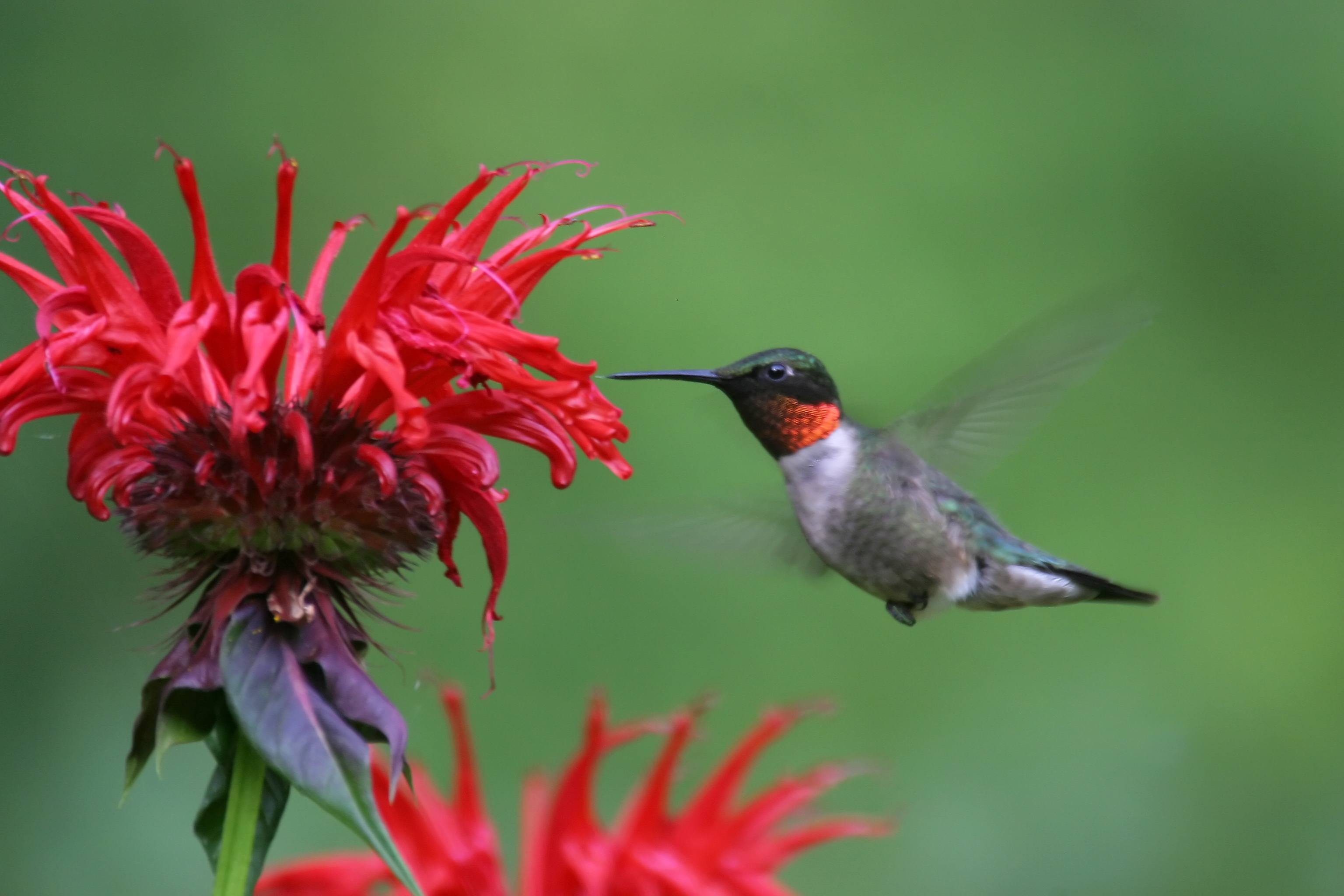
What type of symbiosis?  Hummingbirds feed on nectar from flowers.  The flowers are pollinated by hummingbirds as they move from flower to flower.
1
commensalism
2
mutualism
3
parasitism
4
predation

35

Multiple Choice

Question image
Barnacles create home sites by attaching themselves to whales. This relationship neither harms nor benefits the whales. 
1
parasitism
2
commensalism
3
mutualism

36

Multiple Choice

Question image
Mistletoe extracts water and nutrients from a spruce tree. The spruce tree is harmed. 
1
parasitism
2
commensalism
3
mutualism

37

media
media

38

Multiple Choice

Which of the following best describes the relationship between a predator and its prey in terms of survival?

1

The predator's survival depends on capturing food, while the prey's survival depends on avoiding capture.

2

Both predator and prey depend on plants for survival.

3

Predators and prey always live in harmony.

4

Prey's survival depends on capturing food, while predator's survival depends on avoiding capture.

media

Show answer

Auto Play

Slide 1 / 38

SLIDE