Search Header Logo
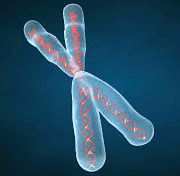
7.LS3.1-The Genetic Pathway: Chromosomes, Genes, and Traits

7.LS3.1-The Genetic Pathway: Chromosomes, Genes, and Traits

Assessment

Presentation

Science

7th Grade

Easy

NGSS
HS-LS3-1, HS-LS1-1, HS-LS3-2

+24

Standards-aligned

Created by

Jessica Freeman

Used 2+ times

FREE Resource

50 Slides • 164 Questions

2

media

3

media

4

media

5

Drag and Drop

The two jobs of the nucleus are ​
and ​
.
Drag these tiles and drop them in the correct blank above
controls the cell
store genetic information
the building block
the heart of the cell

6

Drag and Drop

The two jobs of the nucleus are ​
and ​
.
Drag these tiles and drop them in the correct blank above
controls the cell
store genetic information
the building block
the heart of the cell

7

media

8

media

9

Dropdown

Chromosomes contain ​

10

Multiple Choice

There are __ PAIRS of chromosomes.

1
24
2
23
3
30
4

46

11

media

12

Multiple Choice

Which statement can a student use to communicate the relationship between DNA and a chromosome?

1

DNA is made of several chromosomes.

2

A chromosome is made of several strings of DNA.

3

DNA is made of a coiled chromosome.

4

A chromosome is made of coiled DNA.

13

Multiple Choice

Question image

The diagram shows a section of a cell that has been magnified.


Which statement best describes the relationships between the three visible structures in the magnified section of the cell?

1

A chromosome is a structure near the nucleus that consists of genes on specific locations.

2

A chromosome is a structure in the nucleus that is composed of DNA.

3

A chromosome contains DNA that is composed of proteins.

4

A chromosome consists of many genes that form different proteins.

14

media

nucleus

DNA

genes

genetic instructions

15

Multiple Choice

What are chromosomes made of?

1

Ribosomes

2

DNA

3

RNA

4

Mitochondria

16

Multiple Choice

DNA is inside your cells. What part of the cell is the DNA inside of?
1
cell membrane
2
cytoplasm
3
nucleus

17

Multiple Choice

Question image
The twisted ladder shape of DNA is referred to as a ....
1
Twizzler candy
2
twisted ladder
3
double helix
4
yo mama

18

Multiple Choice

Question image

The number of human chromosomes is

1

23

2

46

3

92

4

64

19

Multiple Choice

Why are your chromosomes arranged in pairs?
1
Scientists have no idea
2
Because you get one from your mom and one from your dad
3
Because pairs can divide easier
4
Because DNA is awesome

20

Multiple Choice

Question image
A chromosome is best described as a
1
gene that has more than one form.
2
green cell found in many plants.
3
strand of DNA containing genetic information.
4
reproductive cell found in certain kinds of bacteria

21

media

22

media

23

Multiple Choice

From smallest to largest how would genetic information be organized?

1

genes, cell, nucleus, chromosome, DNA

2

chromosome, cell, gene, DNA, nucleus

3

DNA, gene, chromosome, nucleus, cell

4

nucleus, cell, gene, DNA, chromosome

24

media

25

media

26

media

27

A gene is a segment of DNA that contains the instructions for building a product, usually a protein.

media

28

Multiple Choice

Traits are passed from parents to offspring through genes in ______

1

RNA

2

DNA

3

SNA

4

VNA

29

Multiple Choice

DNA carries ______________ from parents to offspring.

1

Inherited Information

2

Random Information

3

Selected Information

4

Weird Information

30

Multiple Choice

A _______________ is a segment of DNA that contains information for the building of a product.

1

Cancer

2

Mutation

3

Gene

4

Product

31

A protein is a type of molecule that makes up much of an organism’s structure and helps it function.

media

32

Living organisms have tens or even hundreds of thousands of different kinds of proteins in their bodies.

media

33

Different proteins have different shapes and structures, and they function in different ways.

media

34

The traits of an organism are determined by the kinds of proteins that its genes cause it to build.

media

35

Multiple Choice

A __________________ is a type of molecule that makes up much of an organism’s structure and helps it function.

1

Gene

2

DNA

3

Mutation

4

Protein

36

Multiple Choice

Living organisms have ___________ proteins in their bodies.

1

Not that many

2

A few

3

Hundreds of Thousands of

4

Only one kind of

37

Multiple Choice

An organism's _______________ are determined by the kinds of proteins that its genes cause it to build. (Choose the best answer)

1

Traits

2

Behaviors

3

Sleep patterns

4

Habits

38

Remember that cells are the basic unit of life, and all organisms are made up of cells.

media

39

Remember that cells are the basic unit of life, and all organisms are made up of cells.

media

40

Inside a cell, there is an enclosed structure called the nucleus. The nucleus contains the cell’s chromosomes.

media

41

A chromosome is a cell structure that contains an organism’s DNA. Each chromosome is made up of one long molecule of DNA that includes many genes along its length.

media

42

Multiple Choice

_________ are the basic units of life.

1

RNA

2

Cells

3

DNA

4

Chromosomes

43

Multiple Choice

Inside a cell's nucleus, you will find the cell's ________________ (Choose the best answer)

1

RNA

2

Cells

3

DNA

4

Chromosomes

44

Multiple Choice

A chromosome contains an organism's ______________

1

RNA

2

Cells

3

DNA

4

Organelles

45

media

protein

proteins

protein

46

media

47

Multiple Choice

Question image
Why is DNA important?
1
it is very small and very complicated
2
it's in everything
3
it serves as the blueprint for traits of all living things
4
because we eat it every day for energy

48

Multiple Choice

What does DNA stand for?
1
Deoxyribonucleic acid
2
Denitrogenous acid
3
Deribonucleic acid
4
Diribonucleic acid

49

Multiple Choice

Question image
Which statement about DNA is true?
1
Different people can have the same copy of DNA in their cells.
2
DNA is made up of genes that carry hereditary information.
3
DNA controls the genotype but not the phenotype of an organism.
4
DNA controls the genotype only in the second and third generations.
Question

50

Multiple Choice

These molecules are made up of amino acids.
1
proteins
2
bases
3
ribosomes
4
nucleii

51

Multiple Choice

Each molecule of DNA consists of smaller segments called genes.
1
True
2
False
3
True and False
4
What's a molecule?

52

Multiple Choice

These long molecules carry out most cell functions.
1
DNA
2
RNA
3
Amino Acids
4
Proteins

53

Multiple Choice

These molecules are made up of amino acids.
1
proteins
2
bases
3
ribosomes
4
nucleii

54

Multiple Choice

A gene can be all of the following EXCEPT
1
a set of instructions for a trait
2
a complete chromosome
3
instructions for making a protein
4
a portion of a strand of DNA

55

Multiple Choice

Chromosomes are found

1

only in muscle cells

2

in the genes of the cell

3

in the nucleus of the cell

4

in the proteins of the cell

56

Multiple Choice

Chromosomes are made of

1

DNA

2

genes

3

proteins

4

traits

57

Multiple Choice

What do genes do?

1

Give the body chromosomes.

2

Control the DNA.

3

Control the production of proteins.

58

Multiple Choice

An inheritable characteristic that is determined by DNA is known as a _____.

1

DNA

2

nucleus

3

trait

4

protein

59

Multiple Choice

These long molecules carry out most cell functions.
1
DNA
2
RNA
3
Amino Acids
4
Proteins

60

media

61

Multiple Choice

These molecules are made up of amino acids.

1

proteins

2

bases

3

ribosomes

4

nuclei

62

Multiple Choice

What is a gene?

1

A part of DNA that codes for a specific trait

2

A type of chromosome

3

A cell that carries genetic information

4

A protein that helps in cell division

63

Multiple Choice

Why does a human body need proteins?

1

To place amino acids in a specific order

2

To guard against harmful mutations

3

To send messages to the cell's cytoplasm

4

To perform important bodily functions

64

media

65

media

66

A gene is a segment of DNA that contains the instructions for building a product, usually a protein.

media

67

A protein is a type of molecule that makes up much of an organism’s structure and helps it function.

media

68

Living organisms have tens or even hundreds of thousands of different kinds of proteins in their bodies.

media

69

Different proteins have different shapes and structures, and they function in different ways.

media

70

The traits of an organism are determined by the kinds of proteins that its genes cause it to build.

media

71

Multiple Choice

A __________________ is a type of molecule that makes up much of an organism’s structure and helps it function.

1

Gene

2

DNA

3

Mutation

4

Protein

72

Multiple Choice

Living organisms have ___________ proteins in their bodies.

1

Not that many

2

A few

3

Hundreds of Thousands of

4

Only one kind of

73

Multiple Choice

An organism's _______________ are determined by the kinds of proteins that its genes cause it to build. (Choose the best answer)

1

Traits

2

Behaviors

3

Sleep patterns

4

Habits

74

Multiple Choice

Question image

This protein has many connectors.


The sentence above describes the protein's ___________.

1

Function

2

Structure

75

Multiple Choice

Question image

This protein is used to make spider web silk.


The sentence above describes the protein's ___________.

1

Function

2

Structure

76

Multiple Choice

Which of the following is NOT true about proteins?

1

We get protein from the food we eat

2

Proteins are molecules

3

Proteins do important jobs in our cells/bodies

4

Proteins get broken down into glucose molecules to make energy for our cells

77

Multiple Choice

What determines how a protein will work (function)?

1

The color of a protein determines how it will work

2

The amount of copies of a protein determine how it will work

3

The shape of a protein will determine how it will work

78

Multiple Choice

How do inherited traits pass from parents to offspring?

1

Through proteins

2

Through cellular division

3

Through DNA

4

Through blood type

79

Multiple Choice

Which of the following is heterozygous
1
FF
2
tt
3
Gg
4
RR

80

Multiple Choice

What does the prefix homo- in homozygous mean?
1
same
2
different
3
dating
4
humans

81

Multiple Choice

What does the prefix hetero- in heterozygous mean?
1
same
2
different
3
dating
4
human

82

Multiple Choice

Which of the following is heterozygous
1
Ww
2
ii
3
DD
4
kk

83

Multiple Choice

Question image

Proteins determine our traits.

1

True

2

False

84

Multiple Choice

Question image

Two people have the SAME PROTEINS for hair color. Can their natural hair color be different? 

1

Yes

2

No

85

Multiple Choice

Question image

Two ducks have the SAME PARENTS, but DIFFERENT PROTEINS for wing shape. What will their wings be like? 

1

Their wings will be the SAME because they are related.

2

Their wings will be DIFFERENT because their proteins are different.

86

Multiple Choice

Question image

The FUNCTION of a protein is not much affected by its STRUCTURE. 

1

True

2

False

87

Multiple Choice

Question image

Two giraffes have the SAME PROTEINS for tongue shape in their cells, but they live in DIFFERENT GRASSLANDS. What is true about their tongue shape?

1

Their tongues will be DIFFERENT since they live in DIFFERENT environments.

2

Their TONGUES will be the SAME since their PROTEINS are the SAME.

88

Multiple Choice

Question image

Instructions to make a protein

1

Gene

2

Nucleus

89

Multiple Choice

Question image

Two rhinos live in DIFFERENT ENVIRONMENTS and have DIFFERENT HORN SHAPES. How did it happen? 

1

One rhino has GENES that CURVE; the other has genes that are STRAIGHT. 

2

The rhinos have DIFFERENT GENE VERSIONS with instructions for DIFFERENT PROTEINS. 

90

Multiple Choice

Question image

Trait that can be MASKED or HIDDEN by another trait

1

dominant

2

recessive

91

Multiple Choice

Question image

Trait that can MASK or HIDE another trait

1

dominant

2

recessive

92

Multiple Choice

Question image

Two pangolins have SCALES with different SHAPES. How did it happen?

1

The GENES MUST BE SHAPED DIFFERENTLY inside their scales. 

2

They have DIFFERENT GENE VERSIONS that give different INSTRUCTIONS for the proteins in their scales.

93

Multiple Choice

_______ are sections of DNA that regulate protein and code for specific traits.

1

Genes

2

Chromosomes

3

Proteins

4

Mutations

94

media

function

characteristic

traits

95

media

96

media

97

Multiple Choice

Which of the following is a TRAIT?

1

eye color

2

brown eyes

3

eye shape

4

eye size

98

Multiple Choice

Question image

This protein has many connectors.


The sentence above describes the protein's ___________.

1

Function

2

Structure

99

Multiple Choice

Question image

Proteins determine our traits.

1

True

2

False

100

Multiple Choice

Question image

Two people have the SAME PROTEINS for hair color. Can their natural hair color be different? 

1

Yes

2

No

101

Multiple Choice

Question image

Two ducks have the SAME PARENTS, but DIFFERENT PROTEINS for wing shape. What will their wings be like? 

1

Their wings will be the SAME because they are related.

2

Their wings will be DIFFERENT because their proteins are different.

102

Multiple Choice

Question image

The FUNCTION of a protein is not much affected by its STRUCTURE. 

1

True

2

False

103

Multiple Choice

Question image

An organism's trait is determined by

1

the environment

2

the nucleus

3

the proteins

4

the temperature

104

Multiple Choice

Question image

What does a gene do?

1

makes protein

2

makes traits

3

instructs how to make a protein

4

instructs molecules

105

Multiple Choice

Question image

A change in inherited gene versions is

1

a mutation

2

DNA

3

a ribosome

4

a protein

106

Multiple Choice

Question image

The function of a protein depends on its

1

structure

2

location

3

name

4

sound

107

Multiple Choice

Question image

A difference in traits between individual organisms

1

feature

2

protein

3

variation

4

genes

108

Multiple Choice

Question image

A specific characteristic of an individual organism

1

trait

2

feature

3

variation

4

protein

109

Multiple Choice

Question image

A characteristic that all members of a species have

1

trait

2

feature

3

function

4

gene

110

Multiple Choice

Question image

An offspring cannot have a protein for a trait if neither of its parents have it.

1

true

2

false

111

Multiple Choice

Question image

The way something is shaped or constructed

1

structure

2

function

3

protein

4

trait

112

Multiple Choice

Question image

How something works

1

feature

2

function

3

structure

4

protein

113

Multiple Choice

Question image

An instruction for making a protein

1

blueprint

2

trait

3

gene

4

ribosome

114

Multiple Choice

Question image

Explain the relationship between genes and traits.

1
Traits are inherited from the environment only.
2
Genes have no impact on physical characteristics.
3

Genes control the production of specific proteins, which affect the traits of the organism.

4
Traits are determined solely by diet and lifestyle.

115

media

116

media

117

media

structure or function

traits

different

118

media

119

media

120

Multiple Choice

What does variation mean?

1

A different version of something

2

Changing colour

121

Multiple Choice

What can cause variation?

1

Genetics

2

Environment

3

Both: genetics and environment

122

media

123

Multiple Choice

What is this definition: 'Differences between organisms caused by differences in the DNA they inherit from their parents.'?

1

Species

2

Genetic variation

3

Environmental variation

124

Multiple Select

Which of these variations are caused by genetics only?

1

Natural hair colour

2

Eye colour

3

Hair length

4

Tattoos

5

Blood group

125

Advantages of Traits

Different individuals have different variations of traits. Some variations of traits can give organisms advantages or disadvantages in surviving, hunting prey, hiding from predators, finding mates, and reproducing.

126

Multiple Choice

What does variation mean?

1

A different version of something

2

Changing colour

127

Multiple Choice

What can cause variation?

1

Genetics

2

Environment

3

Both: genetics and environment

128

Fill in the Blanks

Type answer...

129

media
media
  • a mistake or error in DNA

  • typically occurs after birth

  • caused by chemicals, radiation, or incorrect DNA replication

Mutation

  • differences in DNA

  • typically changes that someone is born with

​​Variation

130

Mutations

Mutations can have a positive, negative, or no effect at all on an organism.

131

Multiple Choice

Cancer typically develops after someone has been exposed to some kind of chemical or radiation. Cancer is an example of a:

1

mutation

2

variation

132

Multiple Choice

In a family of six, mom and dad have blue eyes. Five of their six children have the same color blue eyes as their parents, but one child was born with blue eyes that have green and gold flecks. This is an example of:

1

mutation

2

variation

133

media
media
media
  • drive natural selection

  • improve chances of survival

Adaptations

  • are mistakes that can have some effect or no effect on an organism

  • occur randomly

Mutations

  • inherited from parents

  • could improve chances of survival

Variations

134

Multiple Select

Check which answer choices are inherited traits. Check all that apply.

1

Hair Color

2

scar

3

Height

4

length of leg

5

spoken language

135

Multiple Choice

Where do traits come from?

1

They are passed down from parent to offspring.

2

They are passed down from siblings.

3

They are passed down from offspring to parent.

4

N/A

136

Multiple Choice

Where are the instructions stored that provide information for a tiger's fur?

1

On the genes in the cytoplasm inside cells

2

On genes within chromosomes in the nucleus

3

On the cell membrane

4

On the chromosomes in the mitochondria

137

Multiple Choice

the passing of traits from parent to offsprint

1

heredity

2

genetics

3

botany

138

Multiple Choice

the physical or visible appearance of an organism; a trait we can see

1

genotype

2

phenotype

139

Multiple Choice

the genetic make-up; the actual gene pair

1

genotype

2

phenotype

140

Multiple Choice

blue eyes, curly hair

1

genotype

2

phenotype

141

Multiple Choice

Tt, BB, rr

1

genotype

2

phenotype

142

Multiple Choice

controls the trait; you only need one gene for the trait to show up in an organism

1

dominant

2

recessive

143

Multiple Choice

the weaker trait; you need 2 genes for the trait to show up in an organism

1

dominant

2

recessive

144

Multiple Choice

the different forms of a trait that make up a gene, R OR r

1

allele

2

dominant

3

recessive

145

Multiple Choice

purebred; the same gene pair

1

homozygous

2

heterozygous

146

Multiple Choice

hybrid; a different gene pair

1

homozygous

2

heterozygous

147

Multiple Choice

TT, tt

1

homozygous

2

heterozygous

148

Multiple Choice

Rr, Ff

1

homozygous

2

heterozygous

149

Multiple Choice

BB, RR, TT

1

heterozygous

2

homozygous dominant

3

homozygous recessive

150

Multiple Choice

nn, ww, gg

1

heterozygous

2

homozygous dominant

3

homozygous recessive

151

Multiple Choice

Tt, Bb, Ww

1

heterozygous

2

homozygous dominant

3

homozygous recessive

152

Multiple Choice

the father of genetics

1

James Watson

2

Robert Hooke

3

Gregor Mendel

4

Reginald Punnett

153

Multiple Choice

CC, DD, EE

1

heterozygous

2

homozygous dominant

3

homozygous recessive

154

media

155

media

156

media

157

Multiple Choice

Question image

According to the chromosome theory of inheritance, genes are carried from parents to their offspring on ________________.

1

chromatids

2

chromosomes

3

diploid

4

messenger RNA

158

Multiple Choice

Question image

Chromosomes are made up of many _________ joined together like beads on a string.

1

mutation

2

transfer RNA

3

genes

4

messenger RNA

159

Multiple Choice

Question image

Any change in a gene or chromosome.

1

mutation

2

transfer RNA

3

diploid

4

messenger RNA

160

Multiple Choice

What is the basic unit of heredity that is passed from parents to offspring?

1

Chromosome

2

Gene

3

DNA

4

Nucleus

161

Multiple Choice

Where in the cell are chromosomes located?

1

Cytoplasm

2

Ribosome

3

Nucleus

4

Cell membrane

162

Multiple Choice

Which of the following best describes DNA?

1

A type of protein

2

A molecule that carries genetic information

3

A type of cell

4

A type of sugar

163

Multiple Choice

How many chromosomes do humans typically have in each cell?

1

23

2

46

3

64

4

92

164

Multiple Choice

What is the relationship between genes and DNA?

1

Genes are made up of DNA

2

DNA is made up of genes

3

Genes and DNA are the same thing

4

Genes are larger than DNA

165

Multiple Choice

Which of the following is NOT a key term related to genetics?

1

Protein

2

Gene

3

Chromosome

4

DNA

166

Multiple Choice

What is the role of chromosomes in inheritance?

1

They determine the color of your eyes

2

They carry genes that determine traits

3

They produce energy for the cell

4

They help in digestion

167

Multiple Choice

Which of the following statements is true about traits?

1

Traits are only influenced by the environment

2

Traits are only inherited from the mother

3

Traits are inherited from both parents

4

Traits are not influenced by genes

168

Multiple Choice

What is the function of the nucleus in a cell?

1

It produces energy

2

It stores genetic information

3

It digests food

4

It transports materials

169

Multiple Choice

Which of the following best describes a chromosome?

1

A single strand of DNA

2

A structure made of DNA and protein

3

A type of gene

4

A type of cell

170

Multiple Choice

Question image

The model represents molecules found within the nucleus of a cell.


Which statement best describes the relationship between the molecules seen in the model?

1

A strand of DNA is made up of chromosomes found packaged in the nucleus.

2

A strand of DNA is made up of chromosomes found packaged in the nucleus.

3

A chromosome is organized into nuclei that are packaged in the strands of DNA.

4

A chromosome is made up of nuclei found packaged in strands of DNA.

171

Multiple Choice

Which statement describes the relationship between DNA and an organism's phenotype?

1

DNA is expressed as a chromosome which determines the genetic make-up of the organism.

2

DNA is expressed as a chromosome which determines the expressed trait of the organism.

3

DNA is expressed as a gene which determines the genetic make-up of the organism.

4

DNA is expressed as a gene which determines the expressed trait of the organism.

172

Multiple Choice

Which statement can a student use to communicate the relationship between DNA and a chromosome?

1

DNA is made of several chromosomes.

2

A chromosome is made of several strings of DNA.

3

DNA is made of a coiled chromosome.

4

A chromosome is made of coiled DNA.

173

Multiple Choice

Question image

The diagram shows a section of a cell that has been magnified.


Which statement best describes the relationships between the three visible structures in the magnified section of the cell?

1

A chromosome is a structure near the nucleus that consists of genes on specific locations.

2

A chromosome is a structure in the nucleus that is composed of DNA.

3

A chromosome contains DNA that is composed of proteins.

4

A chromosome consists of many genes that form different proteins.

174

Multiple Choice

What is the segment of DNA that contains information to synthesize a specific protein molecule?

1

chromosome

2

codon

3

gene

4

RNA

175

Multiple Choice

Which statement is true about genetic information?

1

A DNA molecule is a section of a gene found on the nucleus of chromosome.

2

The nucleus of a cell contains genes that are made up of chromosomes composed of DNA.

3

A gene is a section of DNA and is found on a chromosome in the cell's nucleus.

4

A chromosome is a section of a gene found in the nucleus of a DNA molecule.

176

Multiple Choice

Genes code for proteins that determine the phenotypes of individuals. Individuals inherit genes from parents.What is the relationship between genes and chromosomes?

1

Genes are made up of chromosomes.

2

Genes are present on chromosomes.

3

Chromosomes are independent of genes.

4

Chromosomes are present inside genes.

177

Multiple Choice

Also known as deoxyribonucleic acid and is a long, double stranded molecule shaped like a double helix that carries the genetic instructions or blueprint for an organism..

1

Nucleus

2

Chromosome

3

DNA

4

Nitrogen base pairs

178

Multiple Choice

The basic unit of living things

1

Nucleus

2

Cells

3

Heredity

4

DNA

179

Multiple Choice

Structures that are found within a cell's nucleus that contain the genetic material, or DNA of an organism and is shaped like an X

1

Chromosomes

2

Double helix

3

Genes

4

DNA

180

Multiple Choice

A section of DNA that contains instructions that tell your cells to make molecules called proteins.

1

Nucleus

2

Gene

3

DNA

4

Chromosomes

181

Multiple Choice

The control center or brain of the cell that contains the cells genetic material

1

Gene

2

Chromosome

3

Cell

4

Nucleus

182

Dropdown

Question image
The chromosomes of cells are composed of​ ​
molecules.

183

Multiple Choice

Question image

What is a Gene?

1

is a segment of DNA that carries the instructions for making a specific protein or set of proteins.

2

Something we put over our legs.

3

Someone who grants you 3 wishes.

4

a long molecule that contains our unique genetic code.

184

Multiple Choice

Question image

Chromosomes are...

1

Really shiny rims

2

Genetic diseases

3

Organelles in charge of protein synthesis.

4

Thread-like structures that are found in the nucleus of cells.

185

Multiple Choice

Question image

How many chromosomes does a human cell contain?

1

Not that many.

2

46 chromosomes, 92 pairs.

3

23 chromosomes,

46 pairs.

4

46 chromosomes,

23 pairs.

186

Multiple Choice

Question image

A gene is a recipe for making?

1

proteins

2

traits

3

DNA

4

Chromosomes

187

Multiple Choice

A segment of DNA that codes for a trait

1

gene

2

centromere

3

chromosome

4

chromatid

188

Multiple Choice

an observable characteristic

1

trait

2

personality

3

cell

4

DNA

189

Multiple Choice

Genetic traits are determined by one or more

1

genes

2

organelles

3

random chances

4

cells

190

Multiple Choice

A version or variation of a gene

1

trait

2

gene

3

allele

4

DNA

191

Multiple Choice

The alleles that an organism has/inherits are its

1

genotype

2

phenotype

3

chromosome

4

recessive

192

Multiple Choice

The observable expression of a trait is its

1

phenotype

2

genotype

3

chromosome

4

allele

193

Multiple Choice

Long strands of DNA are wrapped into

1

DNA

2

Chromosome

3

Alleles

4

Phenotype

194

Multiple Choice

Chromosomes are made of
1
DNA
2
RNT
3
WWE
4
DMA

195

Multiple Choice

Question image

The passing of traits from parents to offspring is known as....

1

hierarchy

2

heredity

3

traits

4

genetics

196

Multiple Choice

Question image

Segments of DNA are called _______________________

1

Genes

2

Alleles

3

Traits

4

Chromosomes

197

Multiple Choice

Chromosomes are found

1

only in muscle cells

2

in the genes of the cell

3

in the nucleus of the cell

4

in the proteins of the cell

198

Multiple Choice

Chromosomes are made of

1

DNA

2

genes

3

proteins

4

traits

199

Multiple Choice

What do genes do?

1

Give the body chromosomes.

2

Control the DNA.

3

Control the production of proteins.

200

Multiple Choice

_______ are sections of DNA that regulate protein and code for specific traits.

1

Genes

2

Chromosomes

3

Proteins

4

Mutations

201

Multiple Choice

An inheritable characteristic that id determined by DNA is known as a _____.

1

DNA

2

nucleus

3

trait

4

protein

202

Multiple Choice

What is the correct sequence of structures from smallest to largest?

1

Chromosomes, Gene, DNA, Nucleus, Cell

2

Cell, Nucleus, Chromosomes, DNA, Genes

3

DNA, Gene, Nucleus, Chromosome, Cell

4

Gene, DNA, Chromosomes, Nucleus, Cell

5

Gene Nucleus, DNA, Chromosome, Cell

203

Multiple Choice

Twins generally resemble each other more than they resemble their other siblings. Which of the following best explains why this happens?

1

They are born together

2

They have the same genes

3

They are brought up in the same manner

4

They develop together inside their mother's womb.

5

They have the same parents

204

Multiple Choice

What do all of the cell in your body have in common?

1

They are the same size

2

They have the same kind of genes

3

They are all the same shape

4

They all perform the same function

5

They are all the same age

205

media

206

media

207

Labelling

Label the following terms: Cell, DNA, Chromosome, Nucleus, Gene

Drag labels to their correct position on the image

Cell

Nucleus

Chromosome

DNA

Gene

208

Multiple Choice

Question image

What can be concluded from the model in the images shown?

1

Chromosomes are stored in the cytoplasm of the cell.

2

Genes determine the inheritance of traits.

3

DNA is a sequence of proteins

4

Genes are made of many chromosomes.

209

Multiple Choice

Which structure determines the traits that will be passed to the offspring?

1

chromosome

2

centromere

3

nuclear membrane

4

spindle fibers

210

Multiple Choice

Genes are located on the chromosome which are composed of?

1

DNA

2

RNA

3

ATP

4

ADP

211

Multiple Choice

Question image

What can be inferred about a gene based on the model?

1

A gene is a segment of DNA.

2

A gene is a long, helical structure.

3

A gene contains many different chromosomes.

4

A gene contains more information than a chromosome.

212

Multiple Choice

Question image

Which relationship is described accurately?

1

A chromosome is found inside the nucleus.

2

A DNA molecule is made up of many chromosomes.

3

A chromosome is one segment on a strand of DNA.

4

A DNA molecule is found outside the nucleus.

213

Drag and Drop

Question image
Use the words to label the image.

(You will only use each word once)

1. ​


2. ​


3. ​


4. ​


Drag these tiles and drop them in the correct blank above
Chromosome
DNA
Base
Gene

214

Hotspot

Identify the image that best represents a gene.

Show answer

Auto Play

Slide 1 / 214

SLIDE