
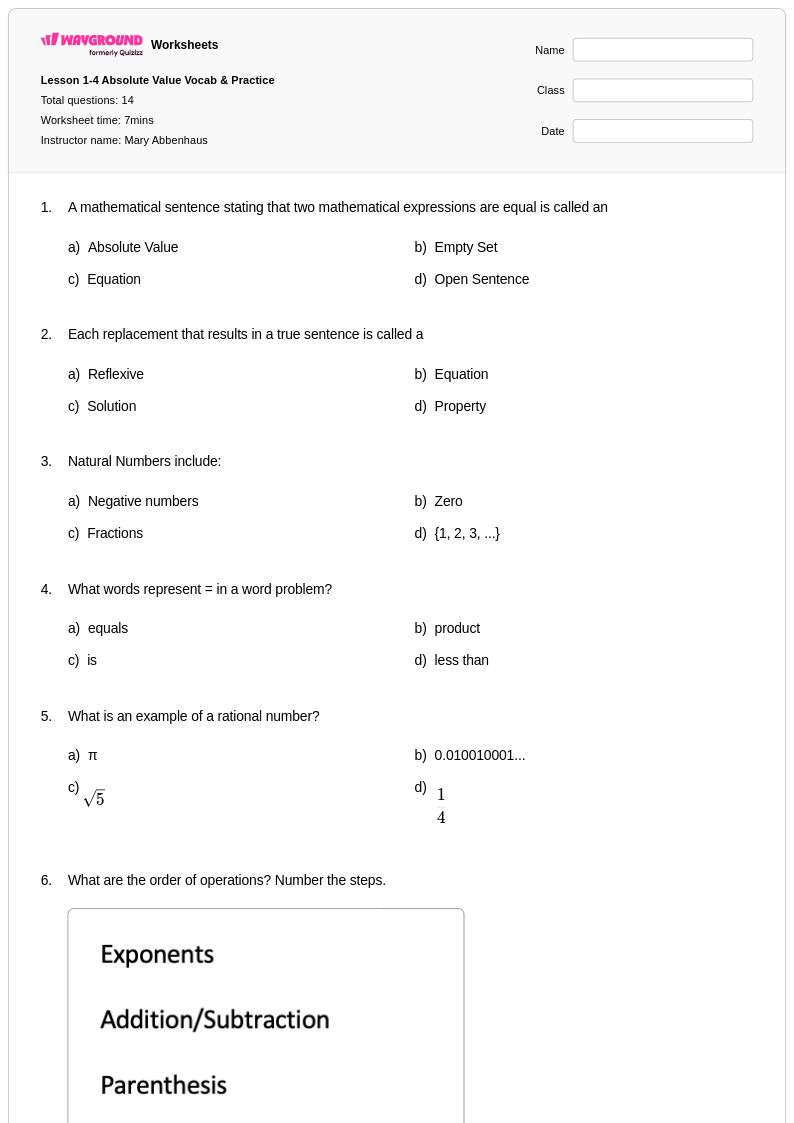
14 T
9th - 12th
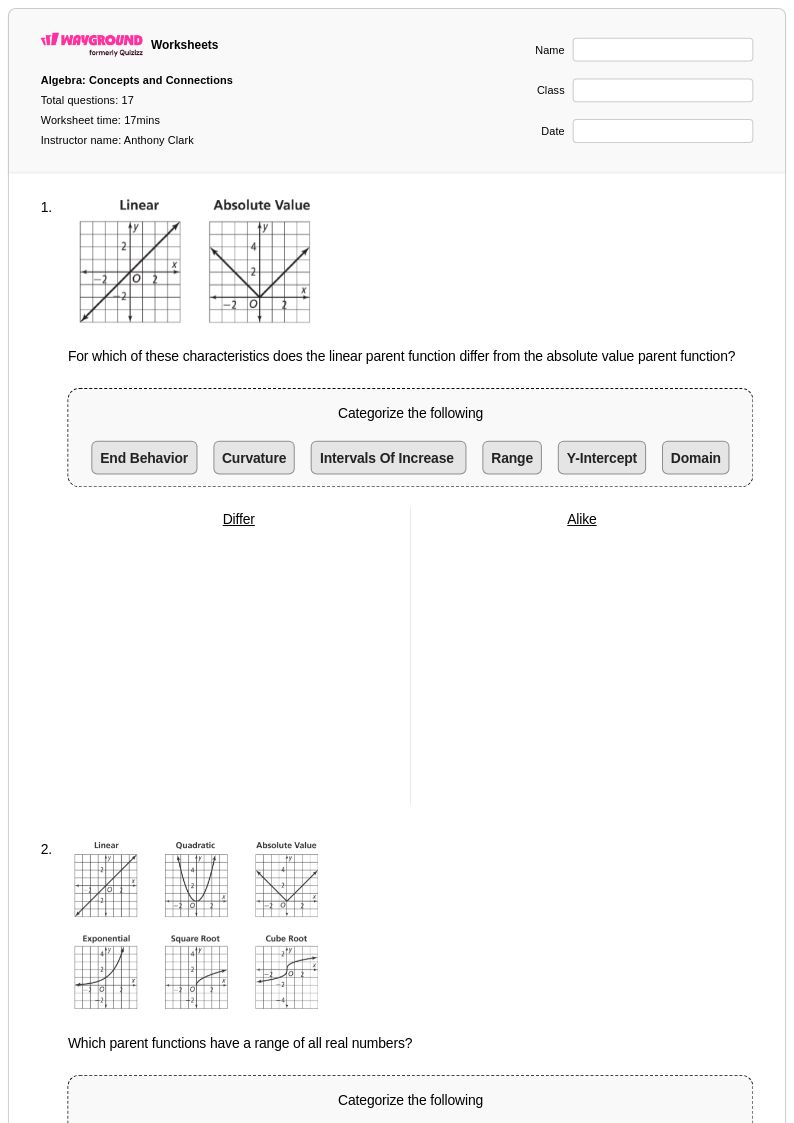
17 T
9th - Uni
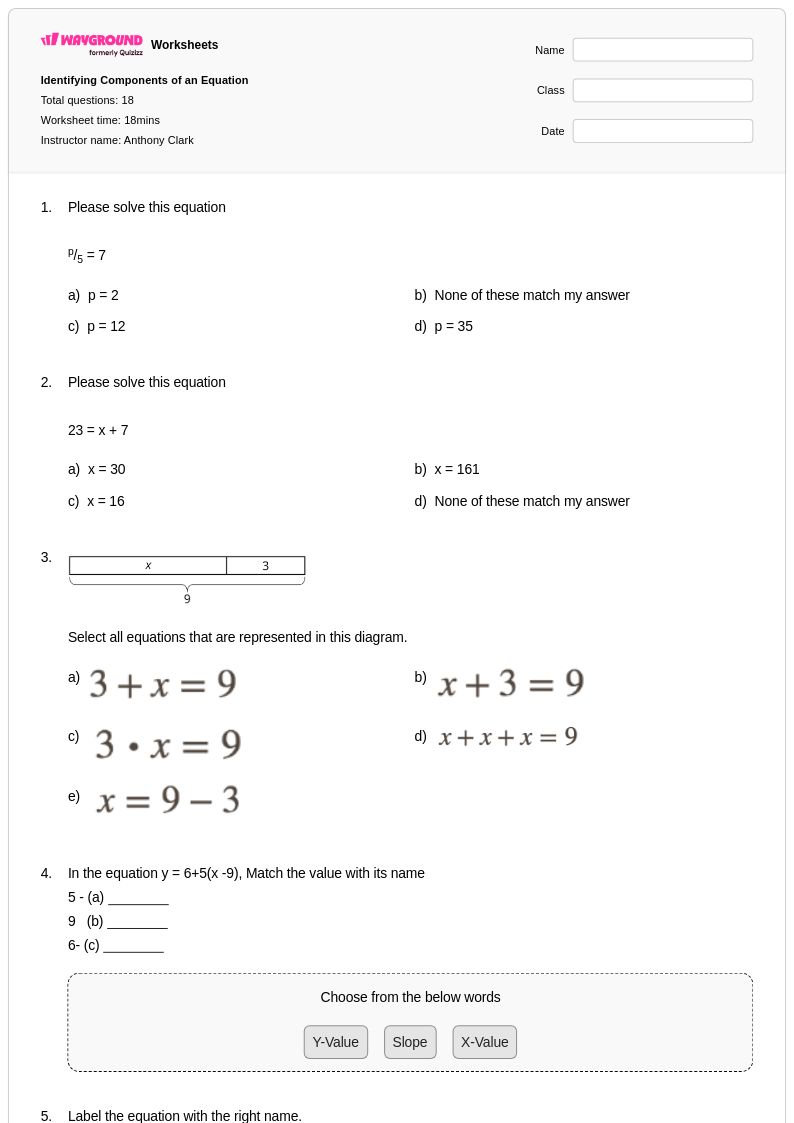
18 T
6th - Uni
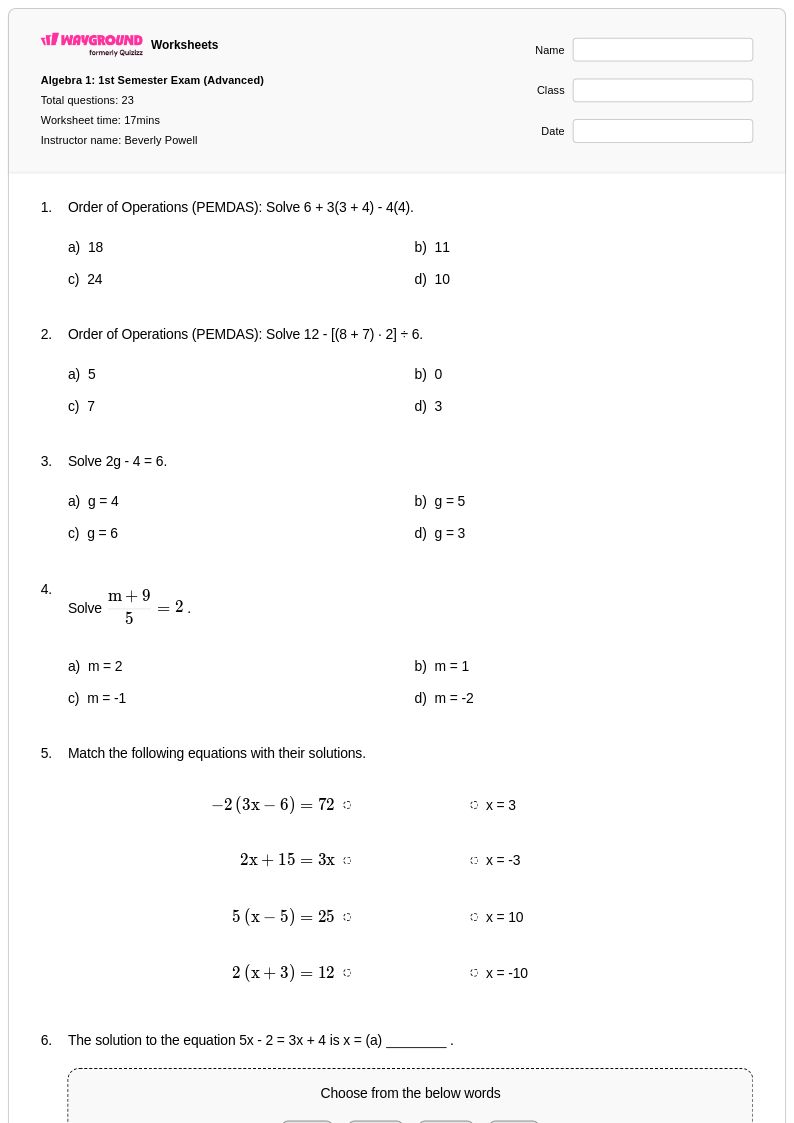
23 T
10th - Uni
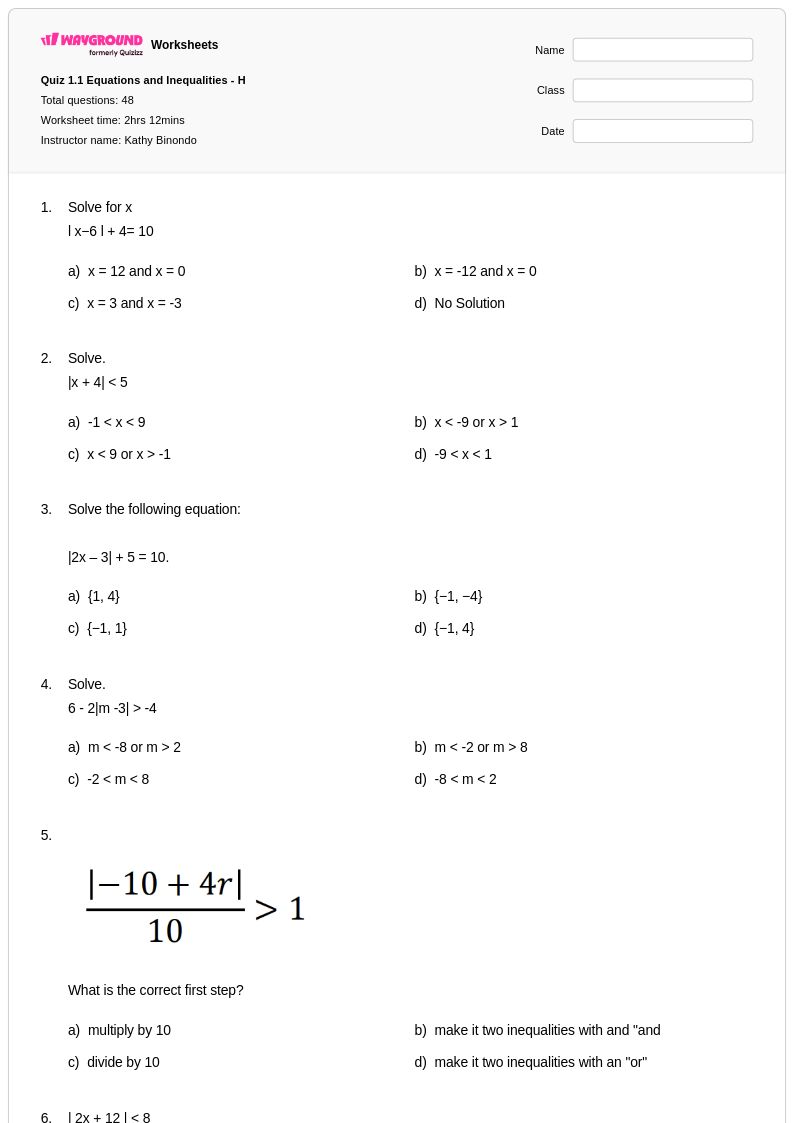
48 T
11th - Uni
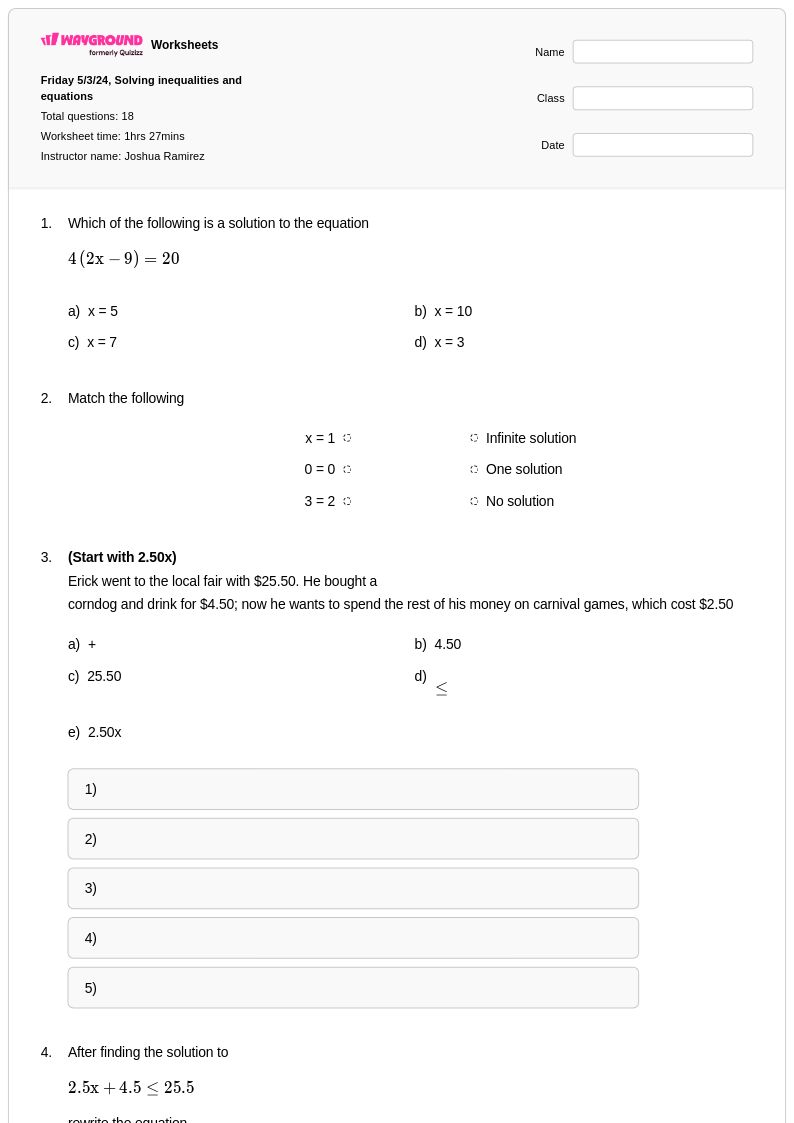
18 T
9th - 12th
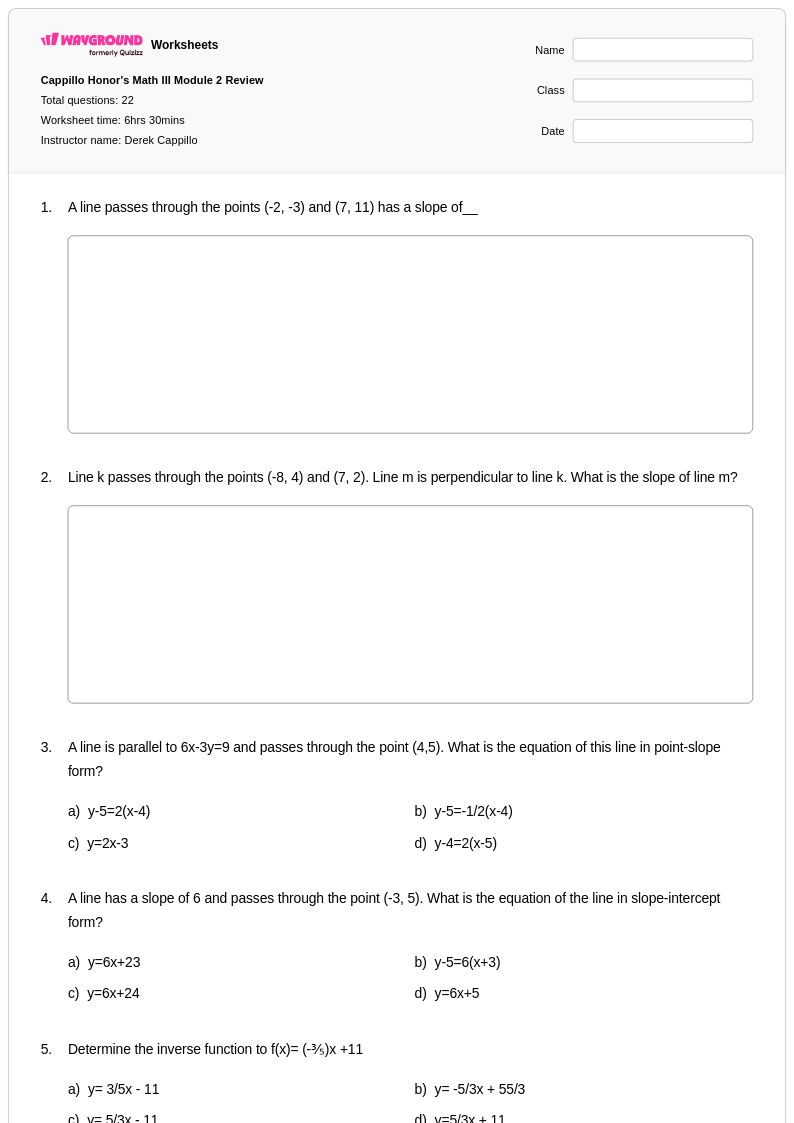
22 T
9th - 12th
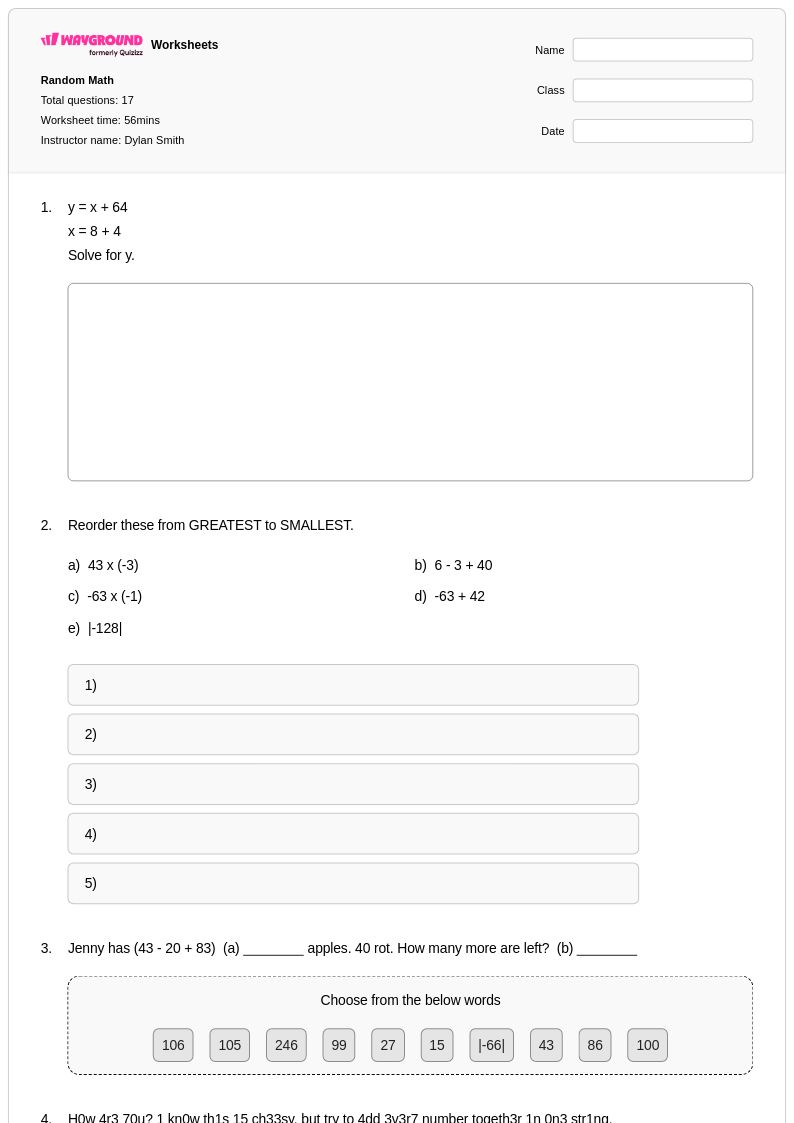
27 T
11th
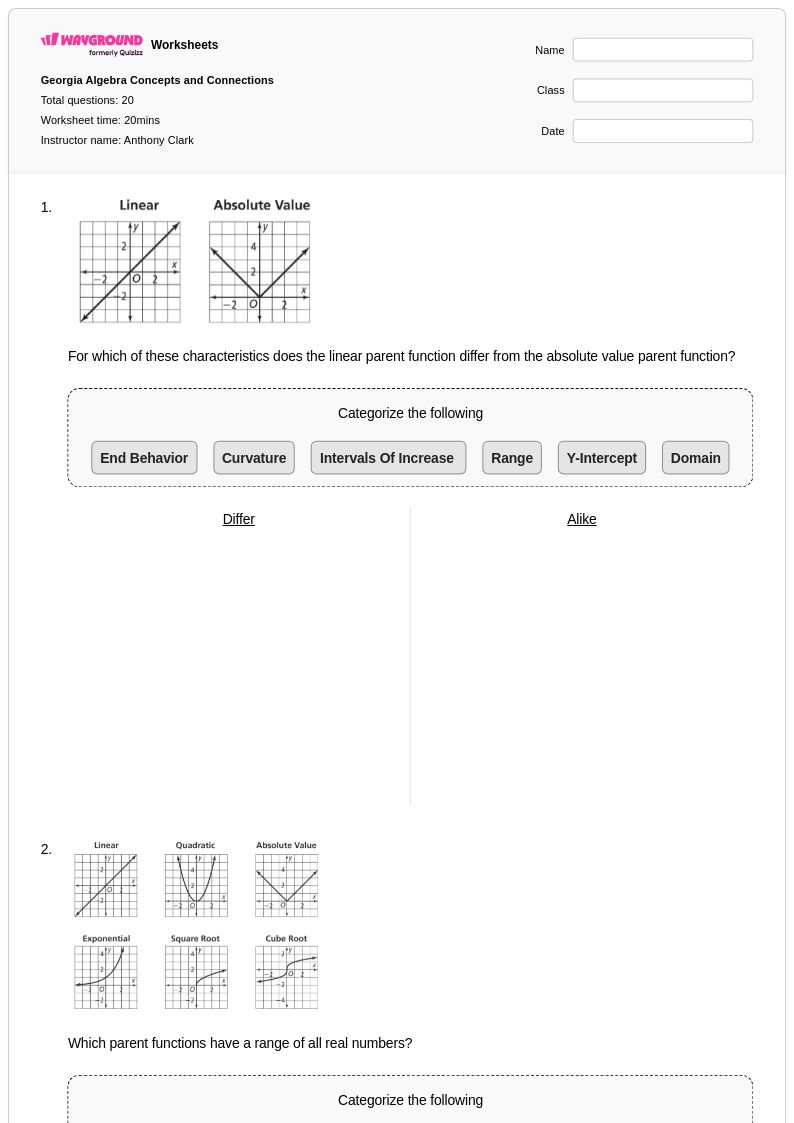
20 T
9th - Uni
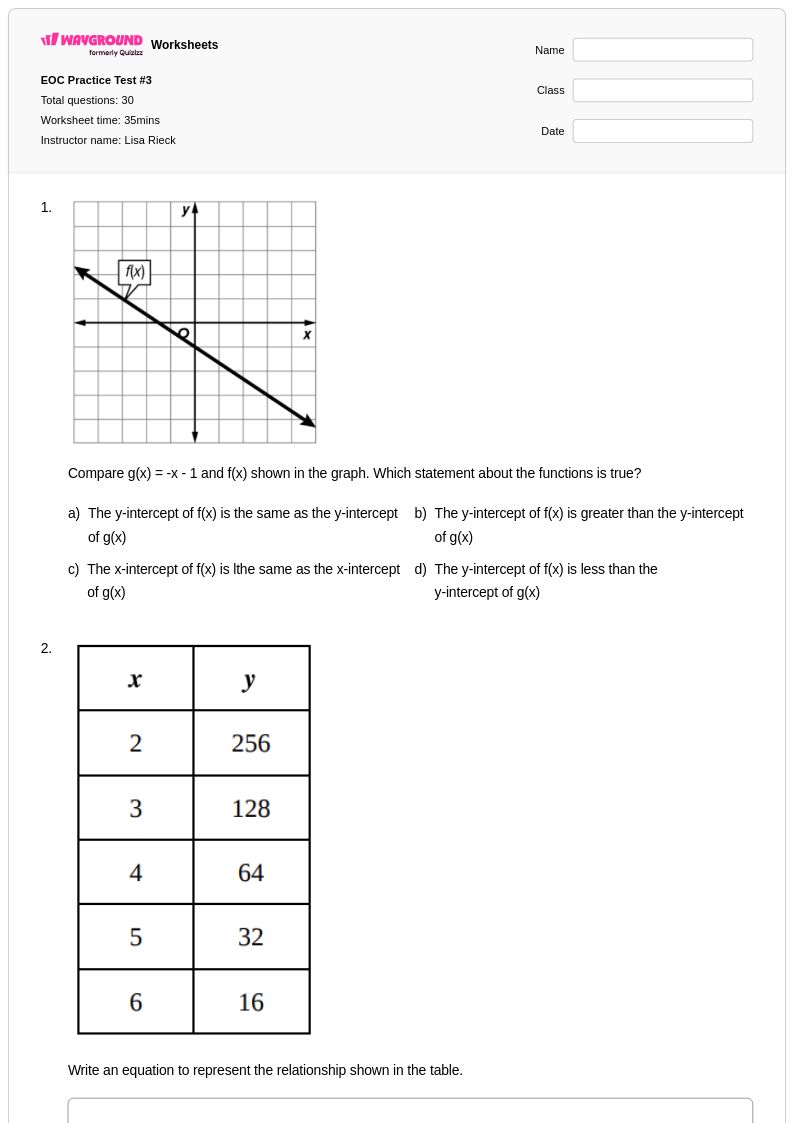
40 T
9th - Uni
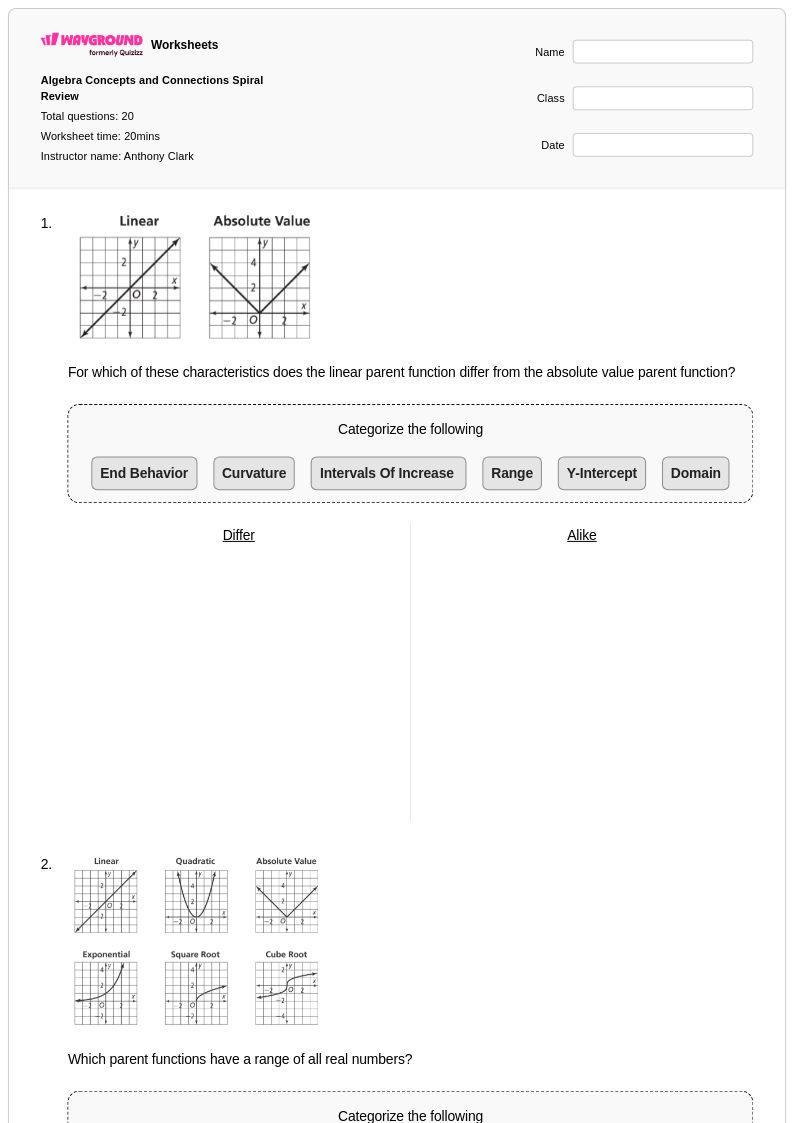
20 T
9th - Uni
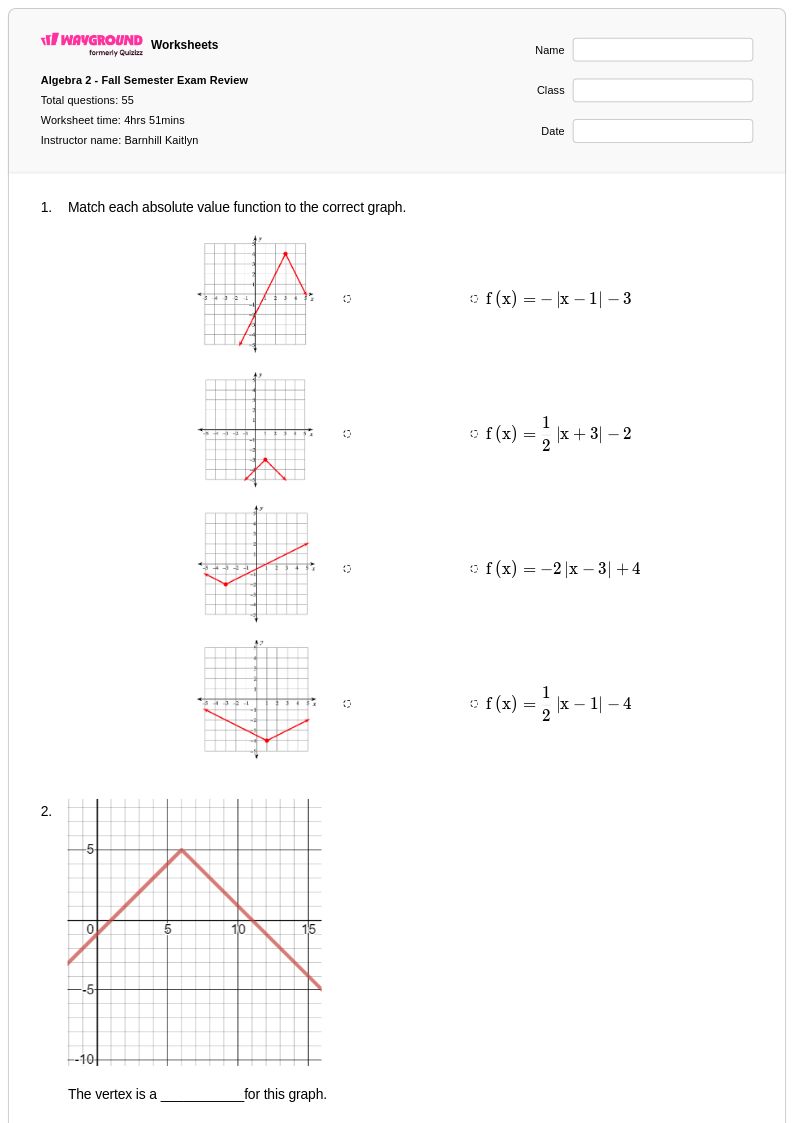
55 T
9th - 12th
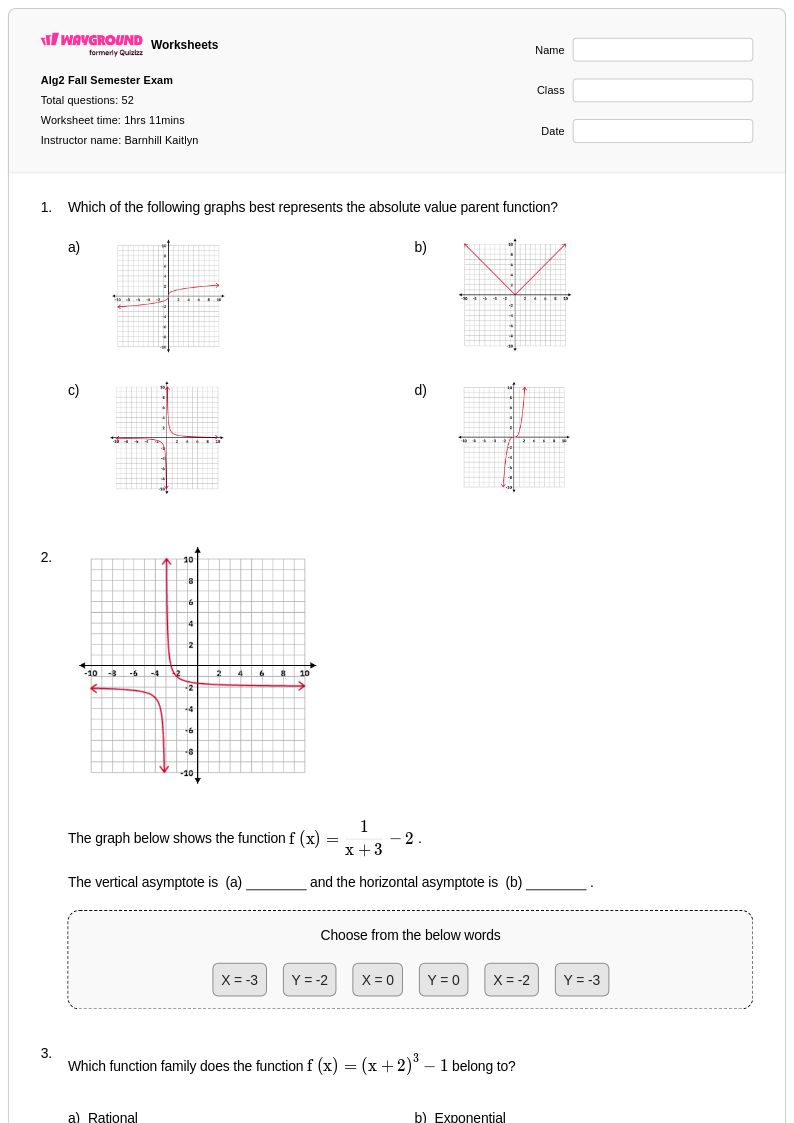
52 T
9th - 12th
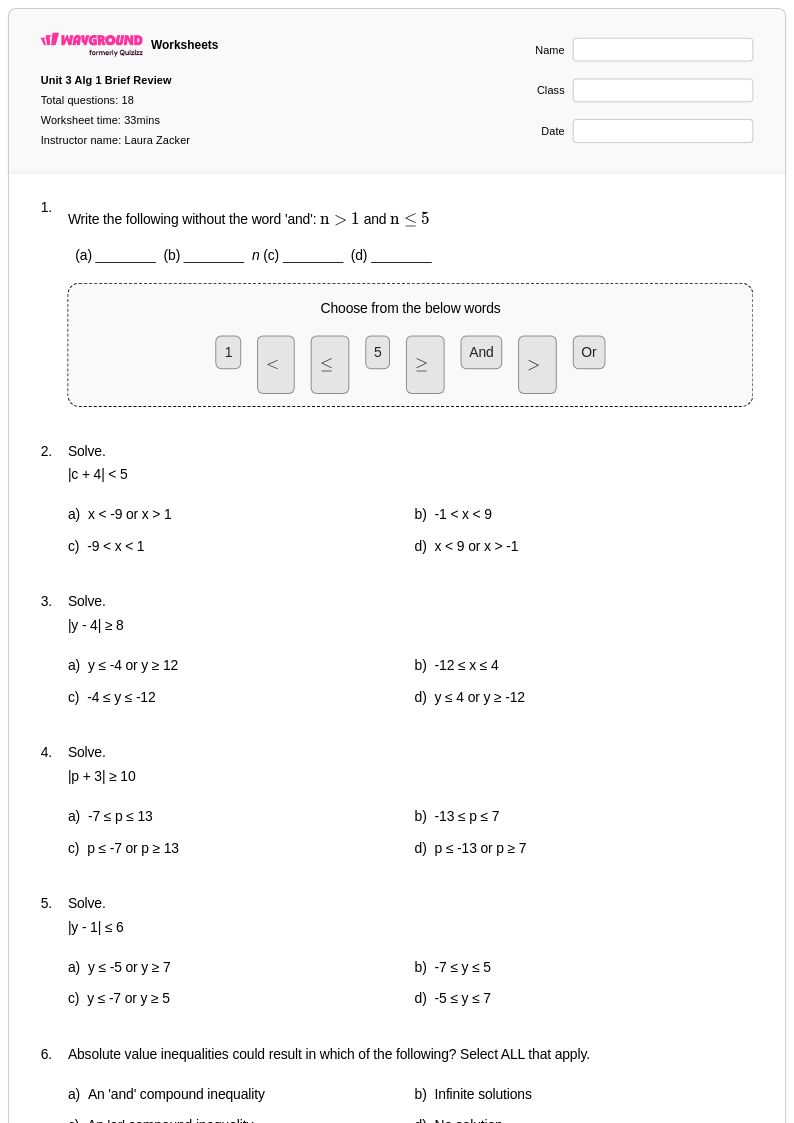
18 T
9th - 12th
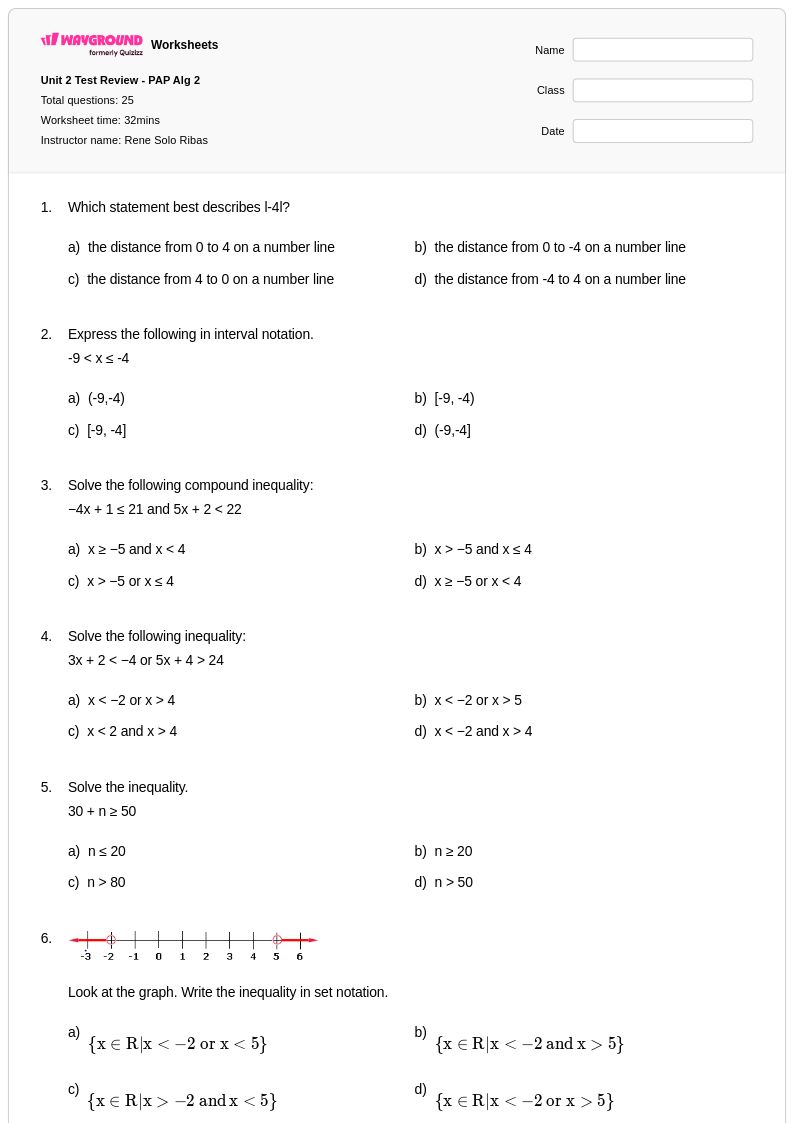
25 T
9th - 12th
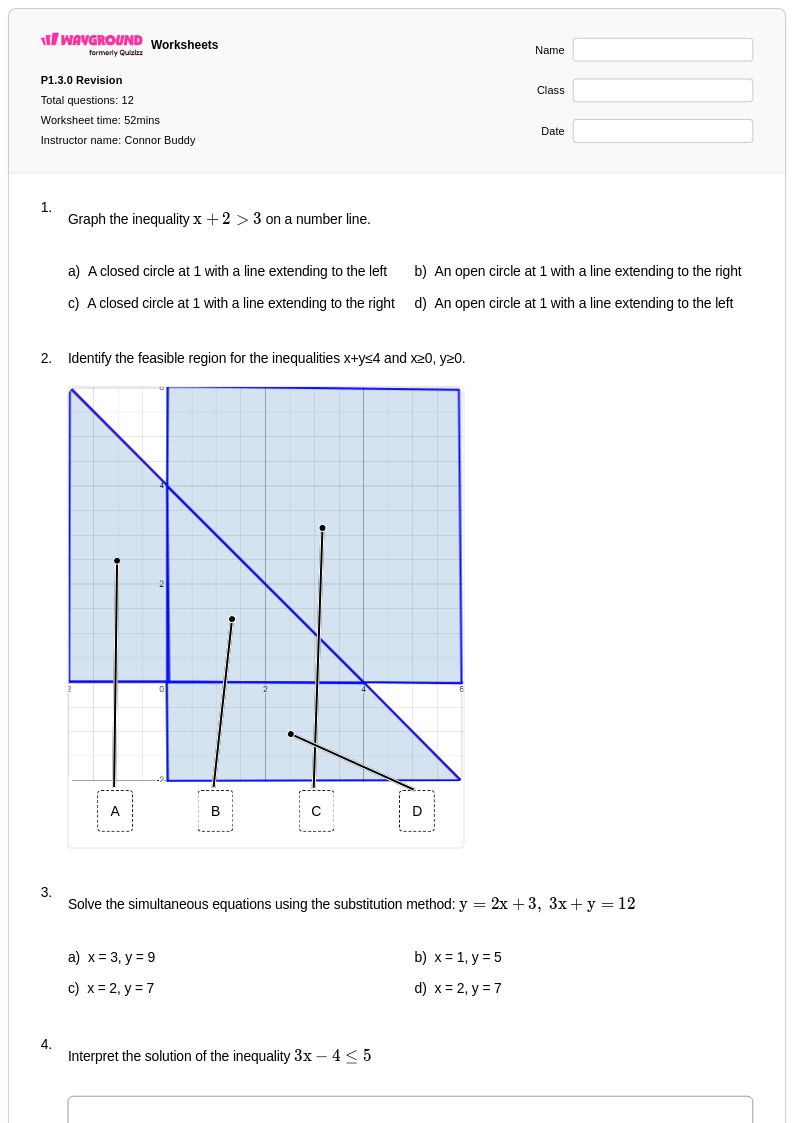
12 T
11th
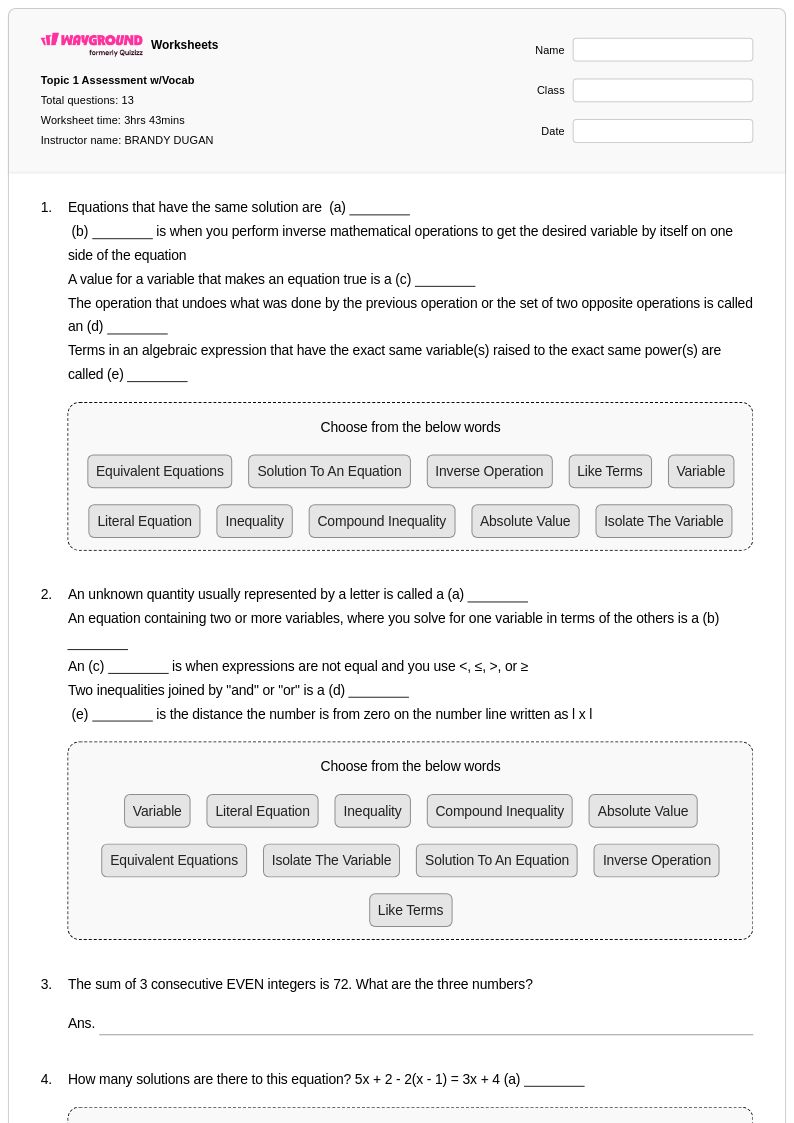
13 T
9th - 12th
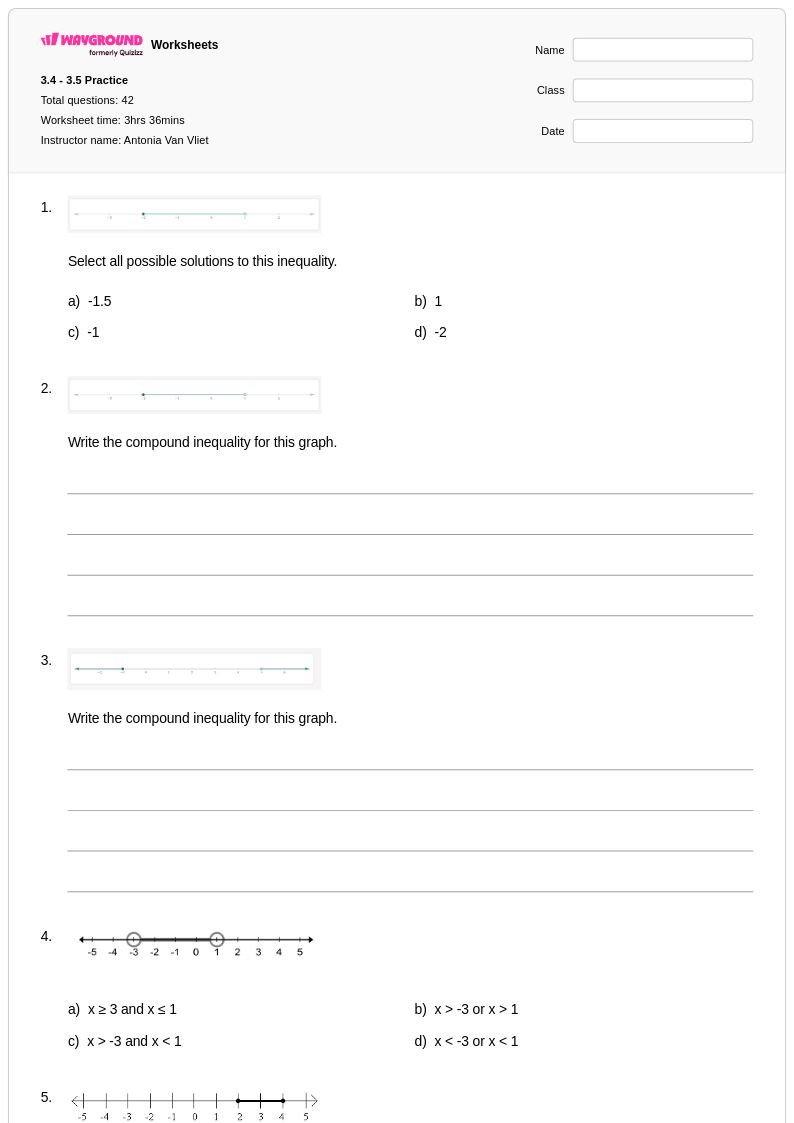
42 T
9th - 12th
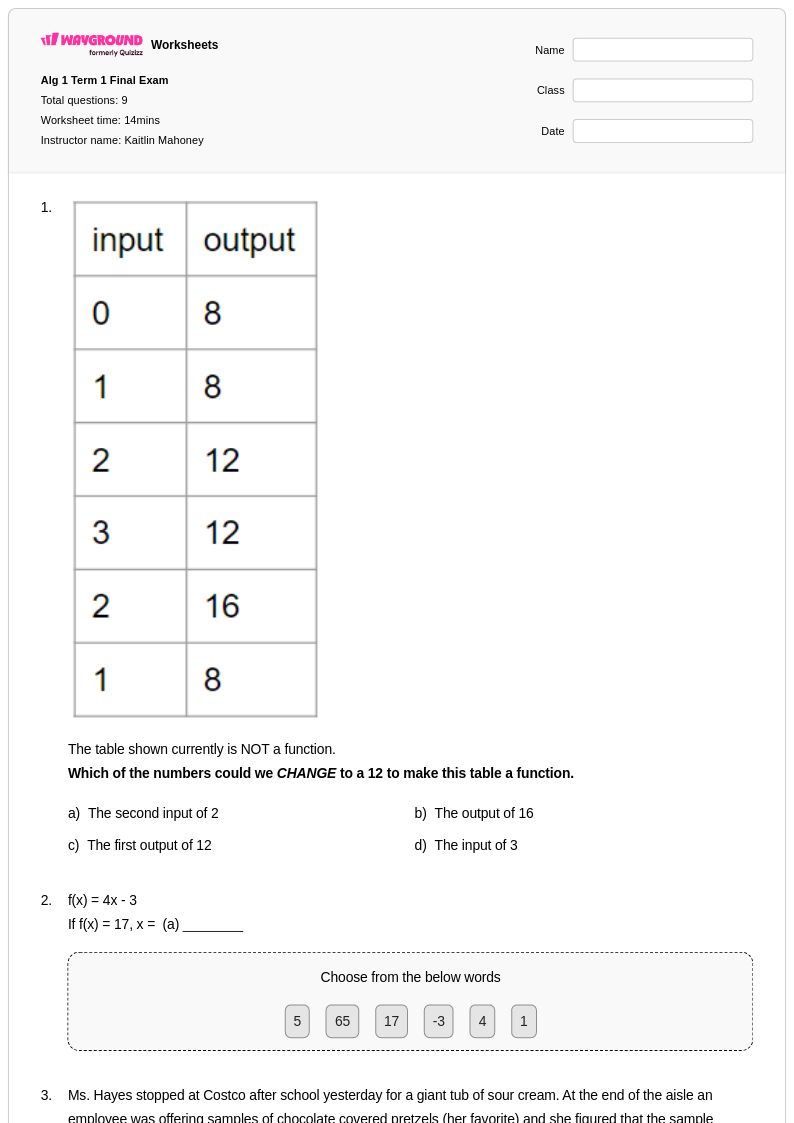
9 T
9th - 12th
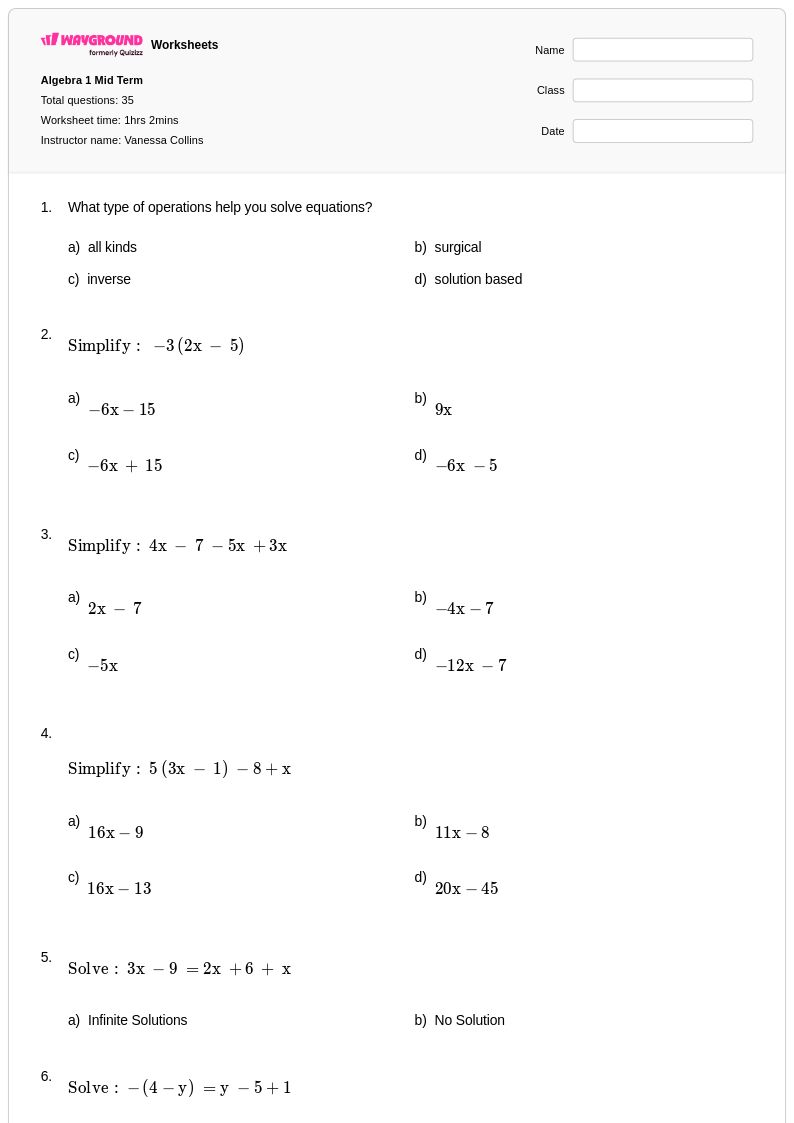
35 T
9th - 12th
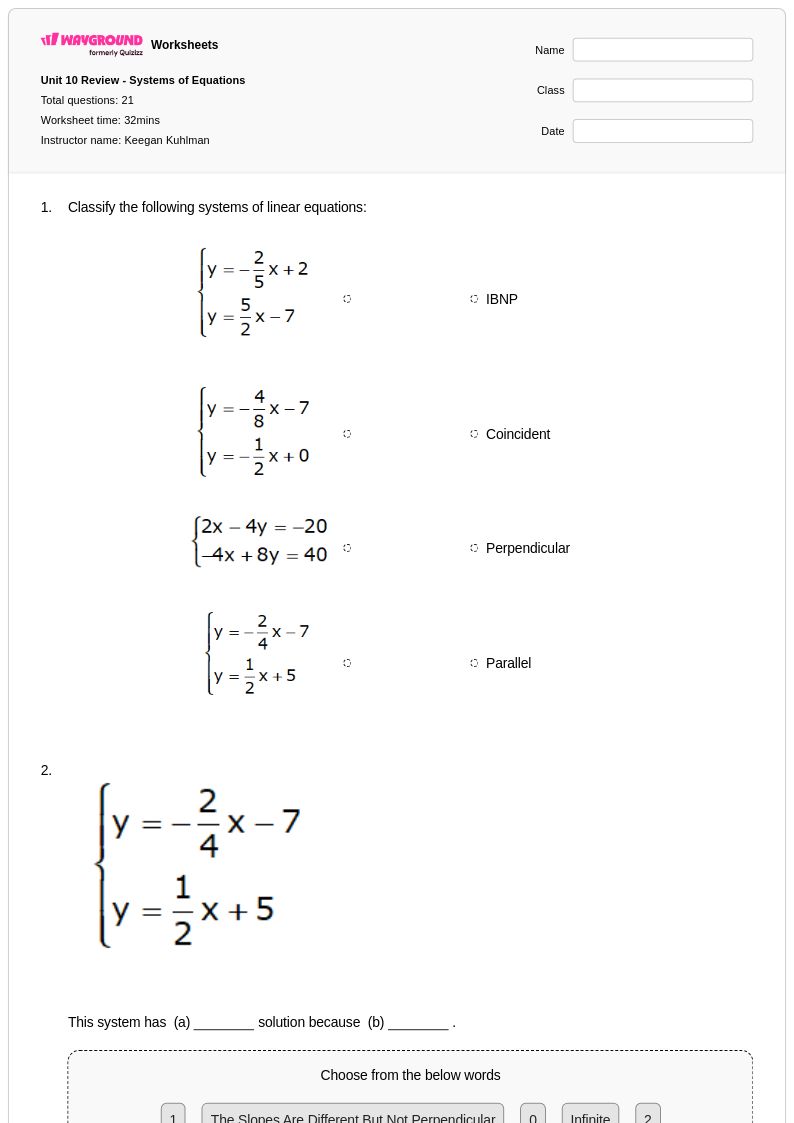
21 T
9th - 12th
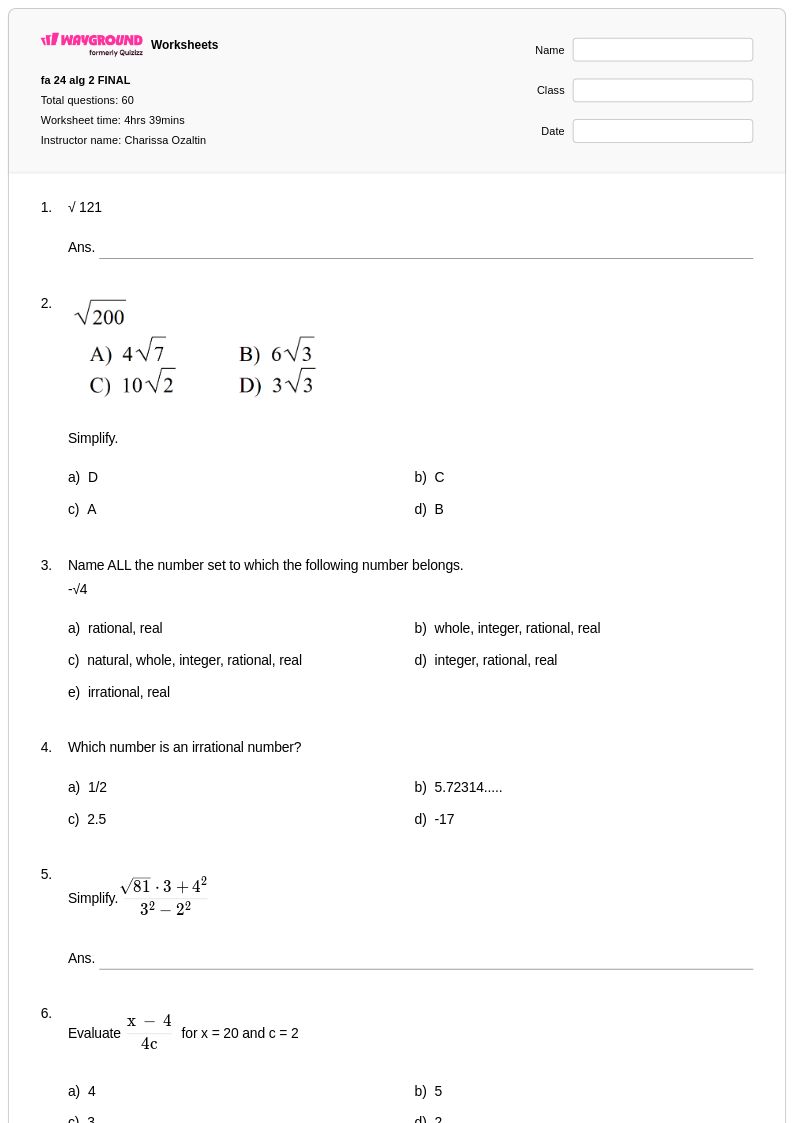
60 T
11th - Uni
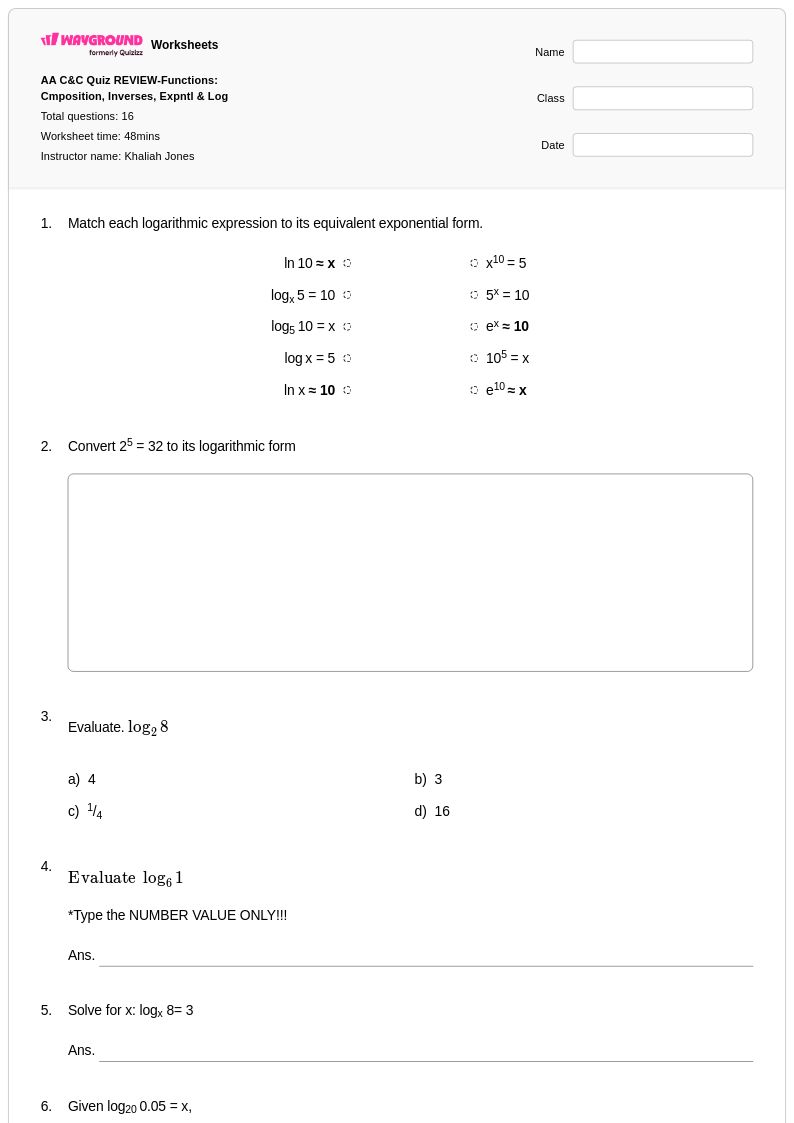
16 T
11th
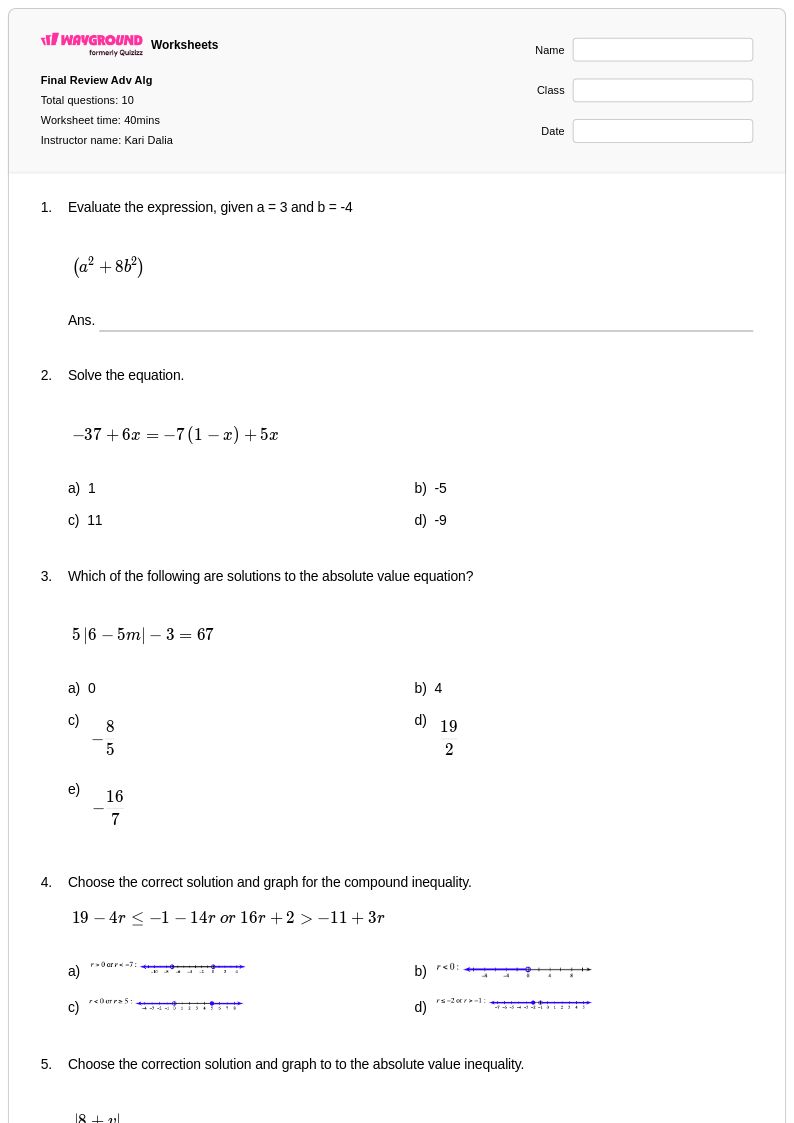
10 T
9th - 12th
Jelajahi Absolute Value Equations Functions and Inequalities Lembar Kerja berdasarkan Nilai
Jelajahi Lembar Kerja Mata Pelajaran Lainnya untuk year 11
Explore printable Absolute Value Equations Functions and Inequalities worksheets for Year 11
Absolute value equations, functions, and inequalities represent a fundamental component of Year 11 algebra that challenges students to understand the geometric and algebraic properties of distance on the number line. Wayground's comprehensive worksheet collection provides extensive practice problems that guide students through solving complex absolute value equations, graphing absolute value functions, and determining solution sets for absolute value inequalities. These carefully designed printables strengthen critical mathematical reasoning skills by requiring students to analyze multiple cases, understand transformations of parent functions, and apply appropriate algebraic techniques to isolate variables within absolute value expressions. Each worksheet includes a detailed answer key that supports independent learning and enables students to verify their understanding of concepts such as vertex form, domain and range restrictions, and the interpretation of absolute value inequalities as compound statements.
Wayground, formerly Quizizz, empowers mathematics teachers with millions of teacher-created resources specifically designed to address the complexities of absolute value concepts in Year 11 algebra curricula. The platform's advanced search and filtering capabilities allow educators to quickly locate worksheets that align with specific learning standards and match their students' varied skill levels, while built-in differentiation tools enable seamless customization of problem difficulty and complexity. Teachers can access these resources in both printable pdf format for traditional classroom use and digital formats for interactive learning environments, making them invaluable for targeted skill practice, remediation sessions, and enrichment activities. The extensive collection supports comprehensive lesson planning by providing varied problem types that progress from basic absolute value equations to more sophisticated applications involving piecewise functions and systems of inequalities.
FAQs
How can I teach absolute value functions effectively in Grade 11?
What absolute value exercises are useful for Grade 11 students?
What misconceptions should I assess in advanced absolute value work?
How do I use these Grade 11 worksheets with my students?
How does Grade 11 absolute value work connect to Common Core math?
Is absolute value still taught in Grade 11?
How can I accommodate different learners during absolute value practice?