Free Printable Analyzing Substances Worksheets for Year 8
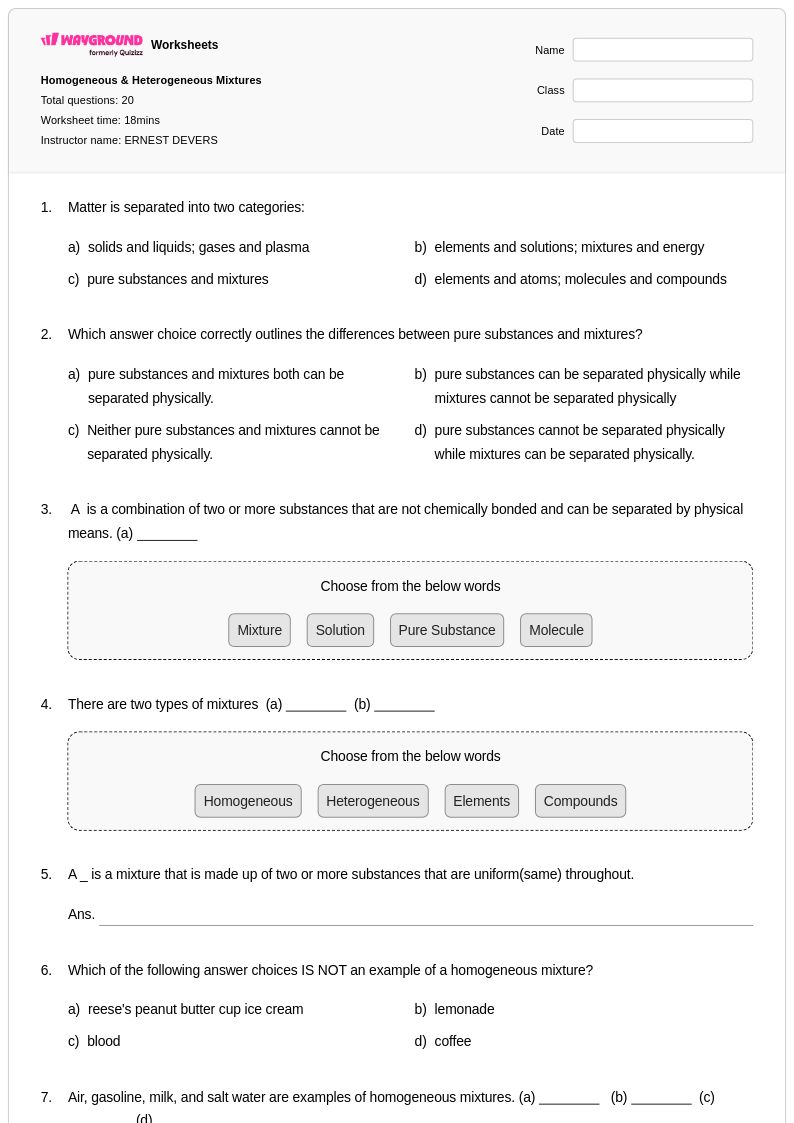
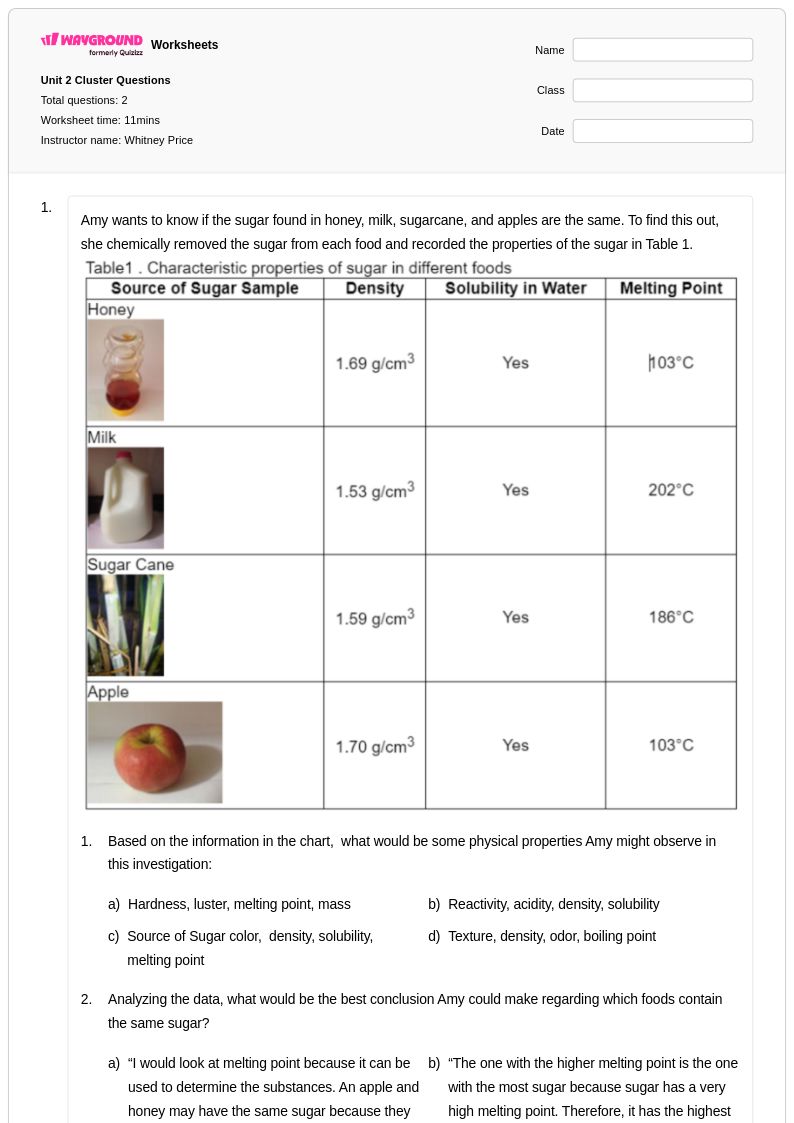
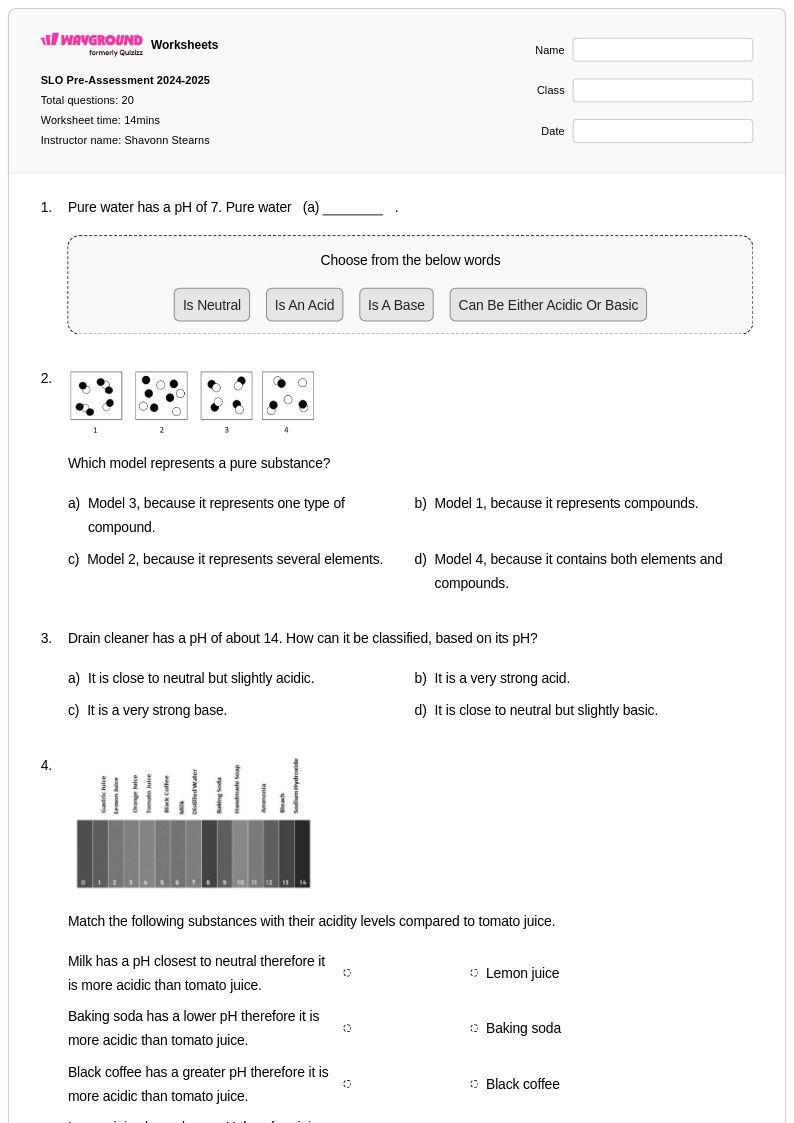
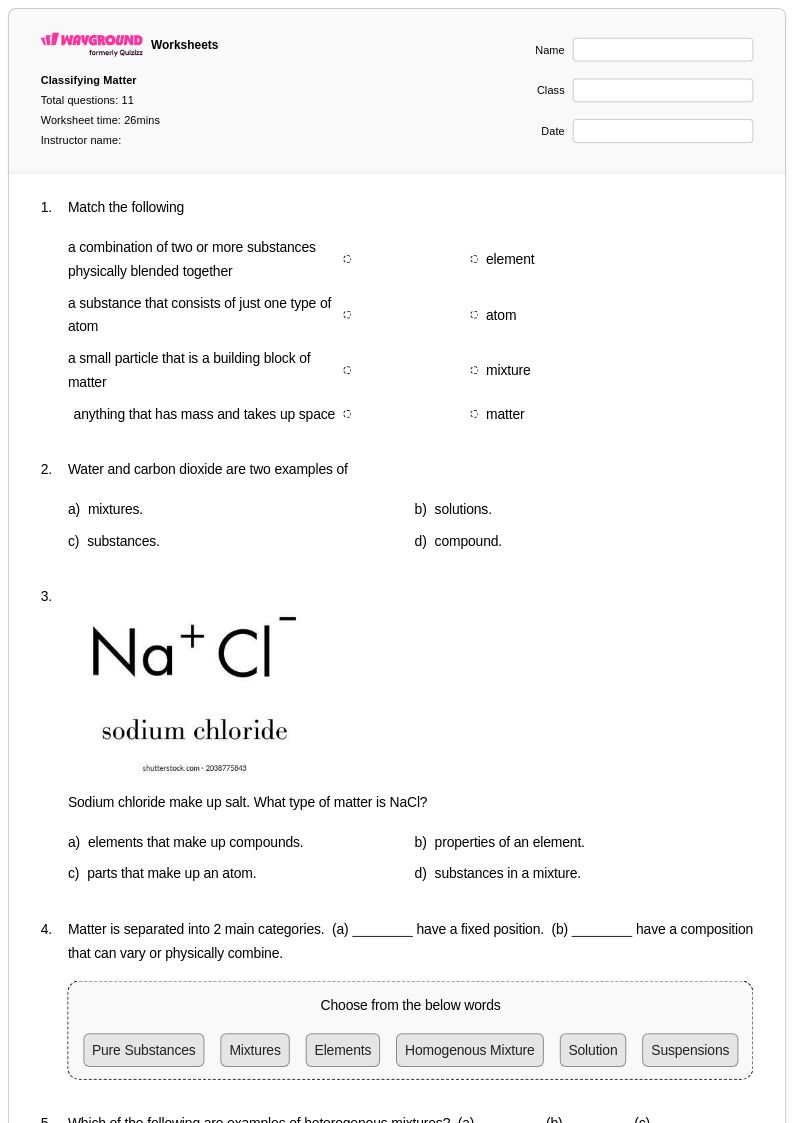
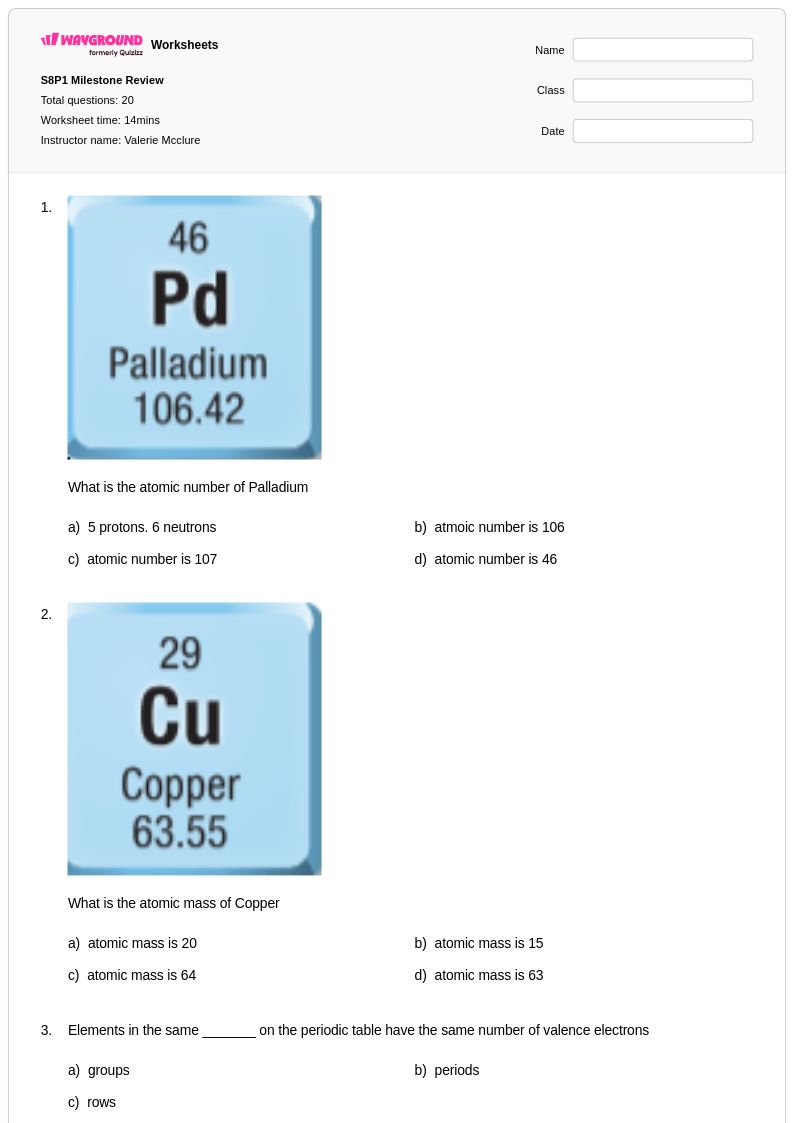
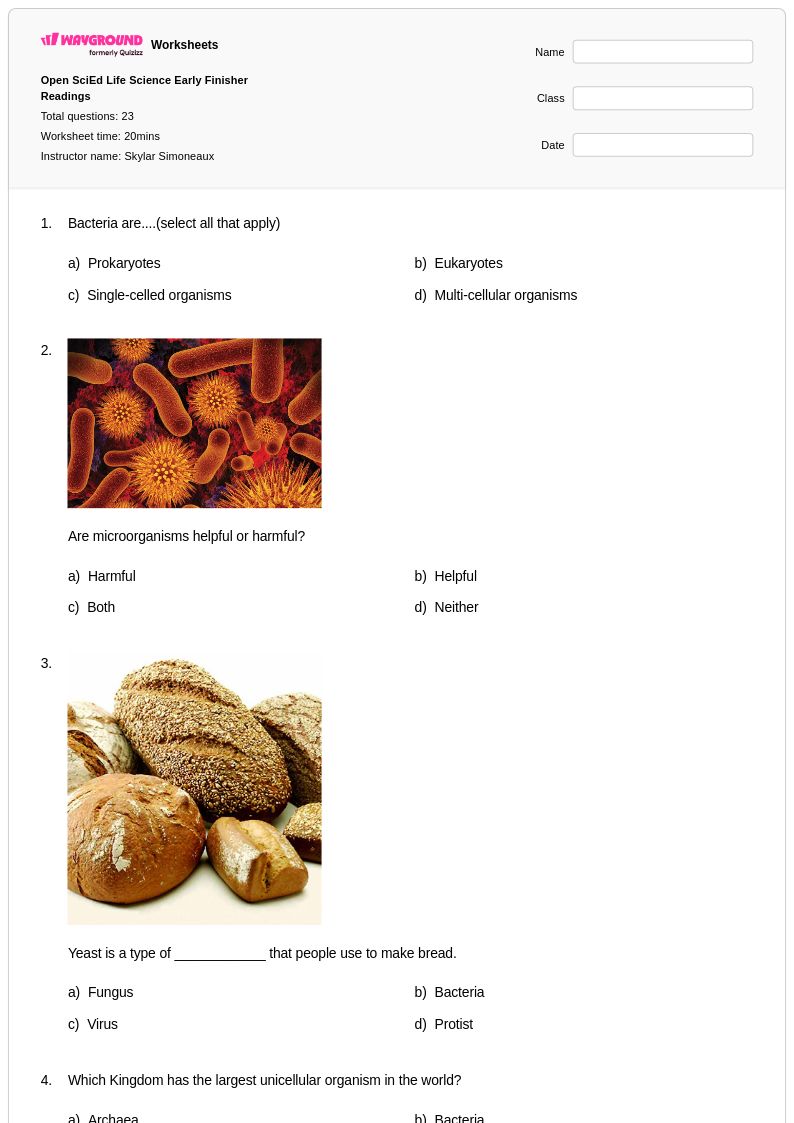
Year 8 students can master analyzing substances with Wayground's free chemistry worksheets featuring printable PDF practice problems and comprehensive answer keys to develop essential scientific investigation skills.
Explore printable Analyzing Substances worksheets for Year 8
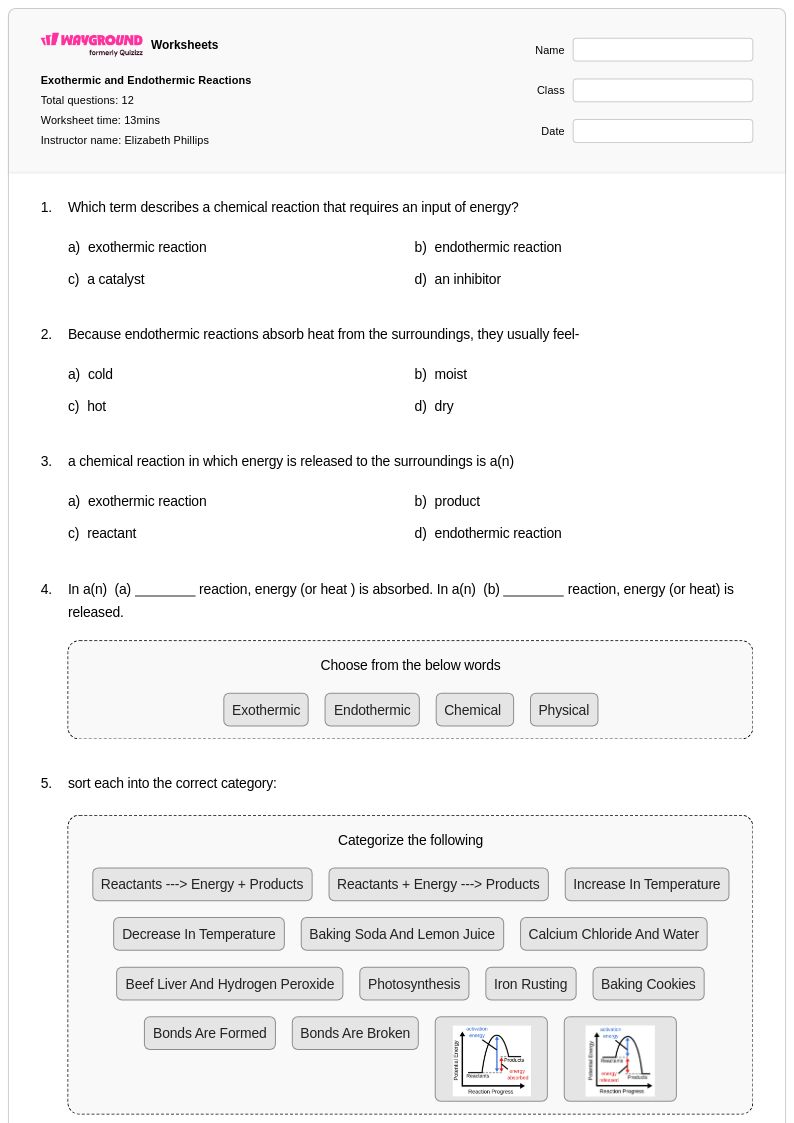
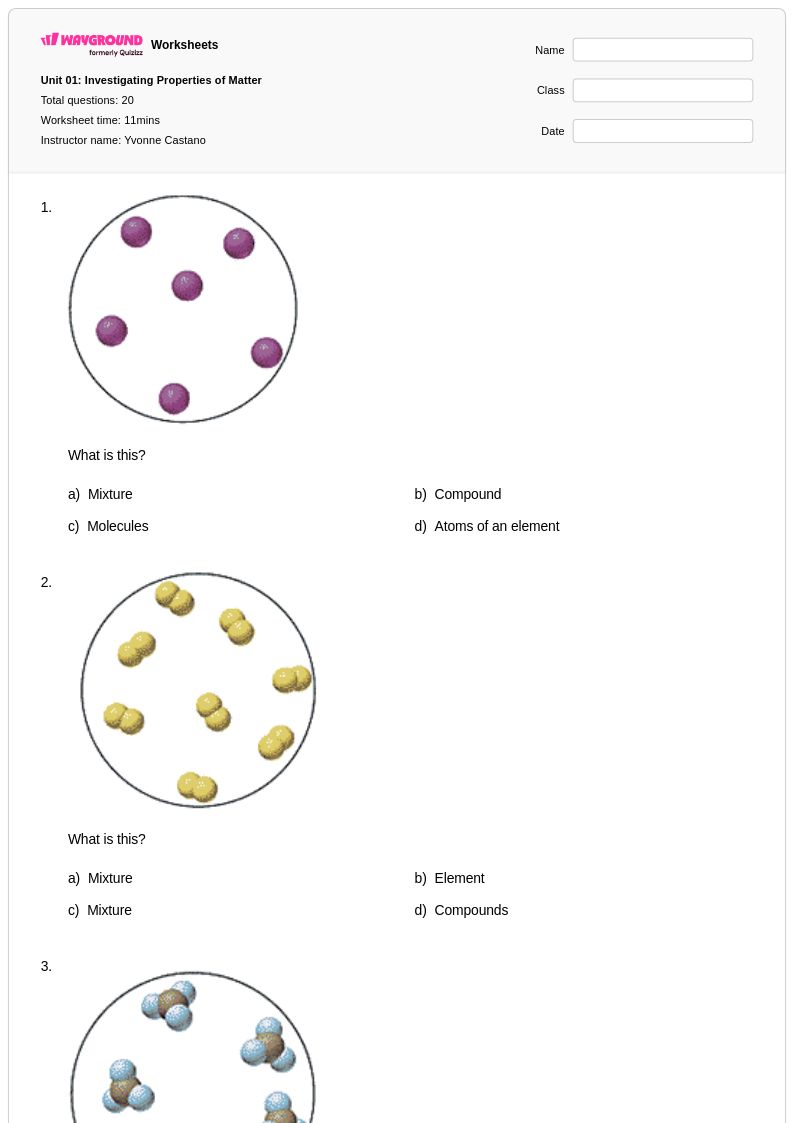
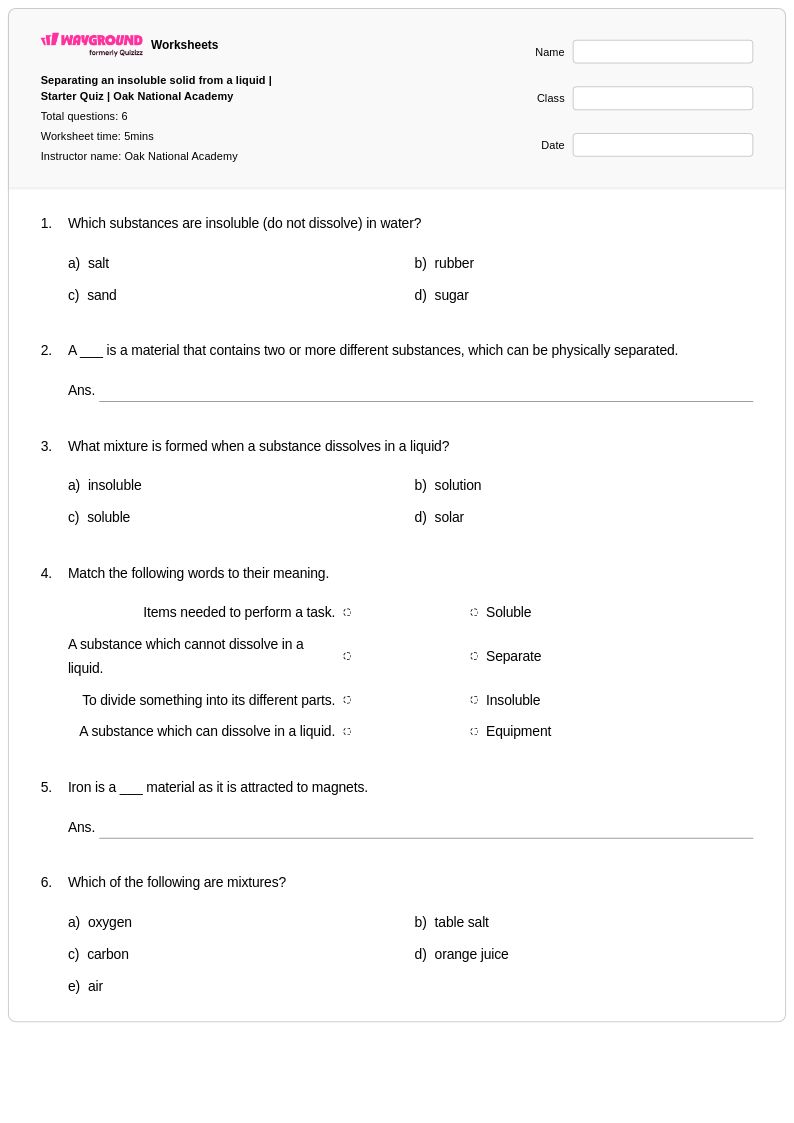
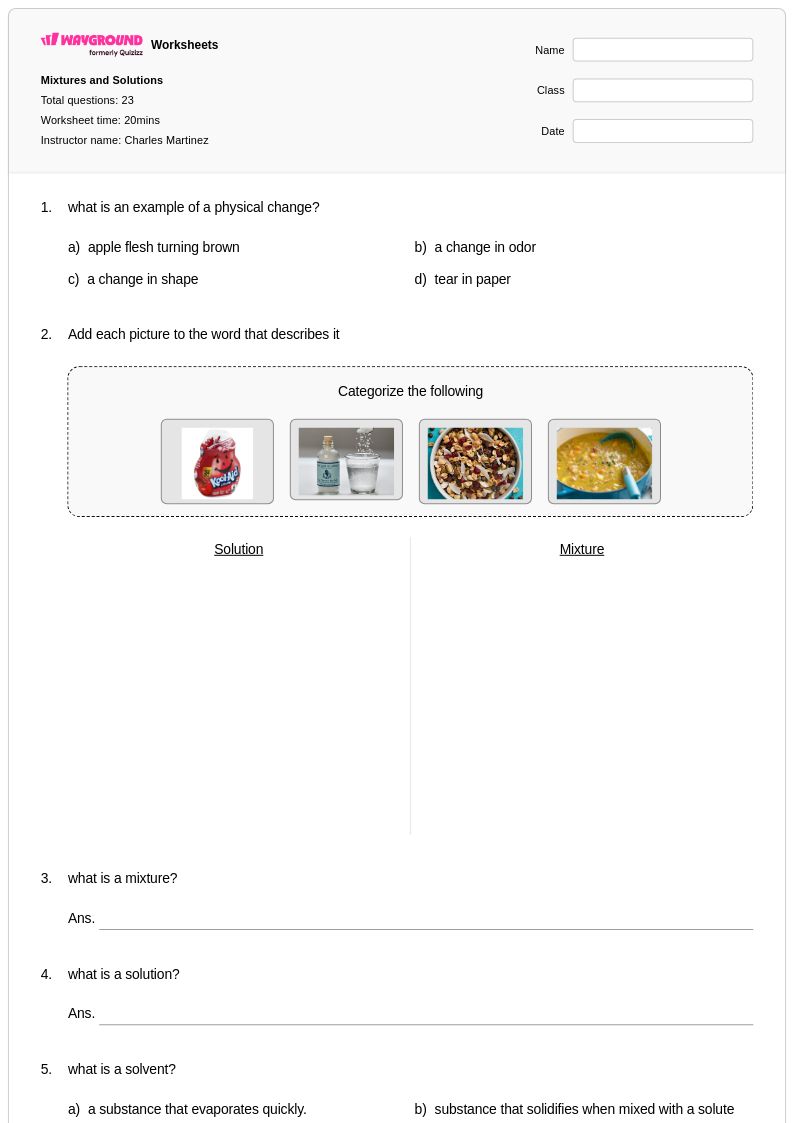
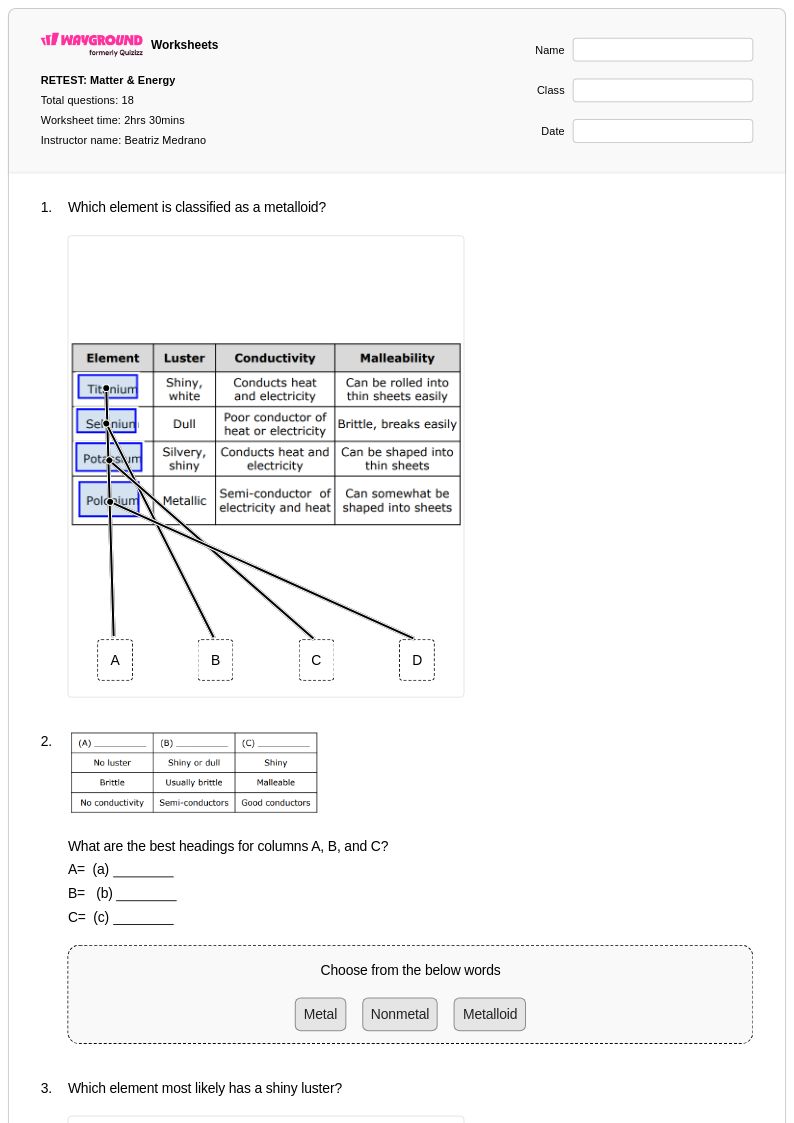
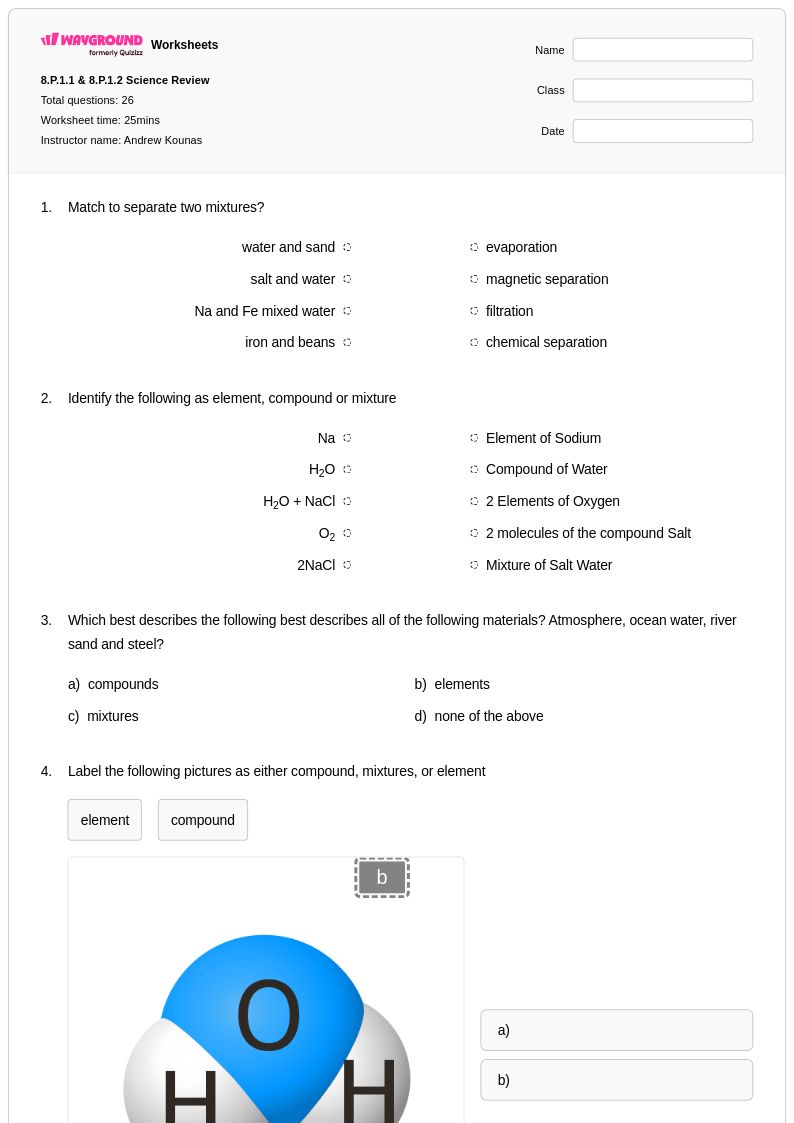
Analyzing substances represents a fundamental skill in Year 8 chemistry that bridges basic observation with scientific methodology. Wayground's comprehensive collection of analyzing substances worksheets provides students with structured opportunities to develop critical thinking skills through hands-on investigation of matter and its properties. These carefully designed resources guide eighth-grade learners through systematic approaches to identifying unknown materials, interpreting experimental data, and drawing evidence-based conclusions about chemical and physical characteristics. Each worksheet includes detailed answer keys that support both independent study and classroom instruction, while the free printables offer flexible access to high-quality practice problems that reinforce laboratory techniques and analytical reasoning essential for advanced chemistry concepts.
Wayground's platform, formerly known as Quizizz, empowers educators with millions of teacher-created resources specifically tailored to support Year 8 chemistry instruction in analyzing substances. The robust search and filtering capabilities allow teachers to quickly locate worksheets that align with state and national science standards, ensuring content matches curriculum requirements and learning objectives. Advanced differentiation tools enable instructors to customize materials for diverse learning needs, while the availability of both printable PDF formats and interactive digital versions provides maximum flexibility for classroom implementation. These features streamline lesson planning by offering ready-to-use resources for skill practice, targeted remediation for struggling students, and enrichment opportunities for advanced learners, ultimately supporting comprehensive mastery of substance analysis techniques across varied educational settings.
FAQs
How do I teach students to analyze unknown substances in chemistry?
Teaching substance analysis works best when students follow a systematic investigative sequence: observe physical properties first, then apply chemical tests, and finally interpret results to draw conclusions. Introduce one analytical technique at a time, such as chromatography or flame tests, before asking students to combine methods. Grounding each technique in real lab contexts helps students understand why each step matters, not just how to perform it.
What exercises help students practice identifying unknown compounds?
Effective practice exercises include interpreting experimental data sets, completing chromatography result tables, and working through multi-step problems where students apply techniques like spectroscopy or chemical testing to narrow down a substance's identity. Worksheets that present unknown compound scenarios and ask students to justify their conclusions build both procedural fluency and evidence-based reasoning. Repeated practice with varied unknowns strengthens pattern recognition across analytical methods.
What mistakes do students commonly make when analyzing substances?
One of the most frequent errors is confusing physical properties with chemical properties, leading students to draw conclusions that a test does not actually support. Students also tend to stop at a single positive result rather than triangulating across multiple tests to confirm an identification. Another common mistake is misreading data from chromatography or spectroscopy outputs, particularly when Rf values or absorption peaks are close together.
How can I differentiate analyzing substances practice for students at different skill levels?
For students who need additional support, reduce the number of variables in a problem or provide a partially completed data table so they can focus on interpretation rather than setup. Advanced learners benefit from open-ended scenarios with ambiguous data that require them to design their own testing sequence. On Wayground, teachers can apply accommodations such as read aloud, reduced answer choices, and extended time to individual students without alerting the rest of the class, making differentiation seamless across a single assignment.
How do I use Wayground's analyzing substances worksheets in my chemistry class?
Wayground's analyzing substances worksheets are available as printable PDFs for traditional lab-prep and in-class review, and in digital formats that work for homework, remote learning, or technology-integrated lessons. Teachers can also host the worksheets as a quiz directly on Wayground, allowing them to track student responses and identify gaps in analytical reasoning in real time. Each worksheet includes an answer key, so teachers can use them efficiently for independent practice, small group review, or formative assessment without additional preparation.
How do analyzing substances worksheets connect to broader chemistry skills?
Substance analysis sits at the intersection of several foundational chemistry competencies: observation, hypothesis formation, data interpretation, and evidence-based conclusion drawing. When students practice identifying unknowns through chromatography, spectroscopy, or chemical testing, they are simultaneously reinforcing the scientific reasoning skills that underpin lab work across all chemistry units. This is why analyzing substances practice is especially valuable early in a course, as it builds habits of systematic thinking that carry forward.