
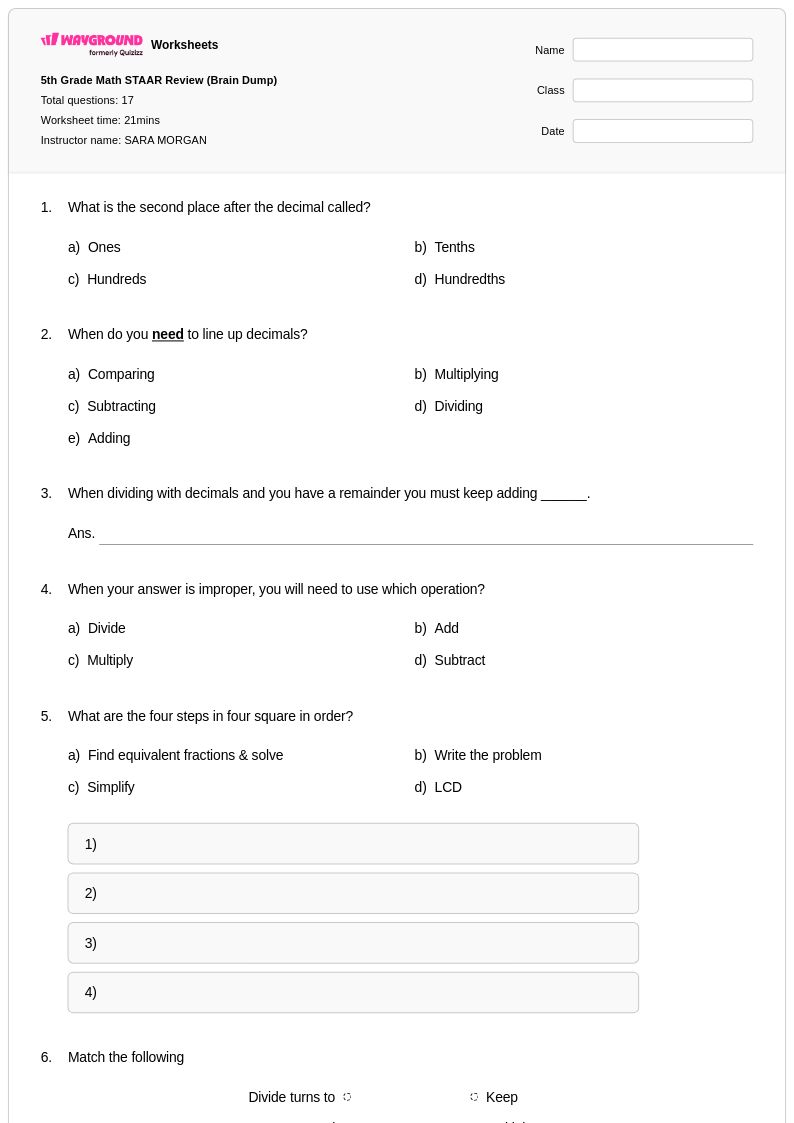
17 Q
5th
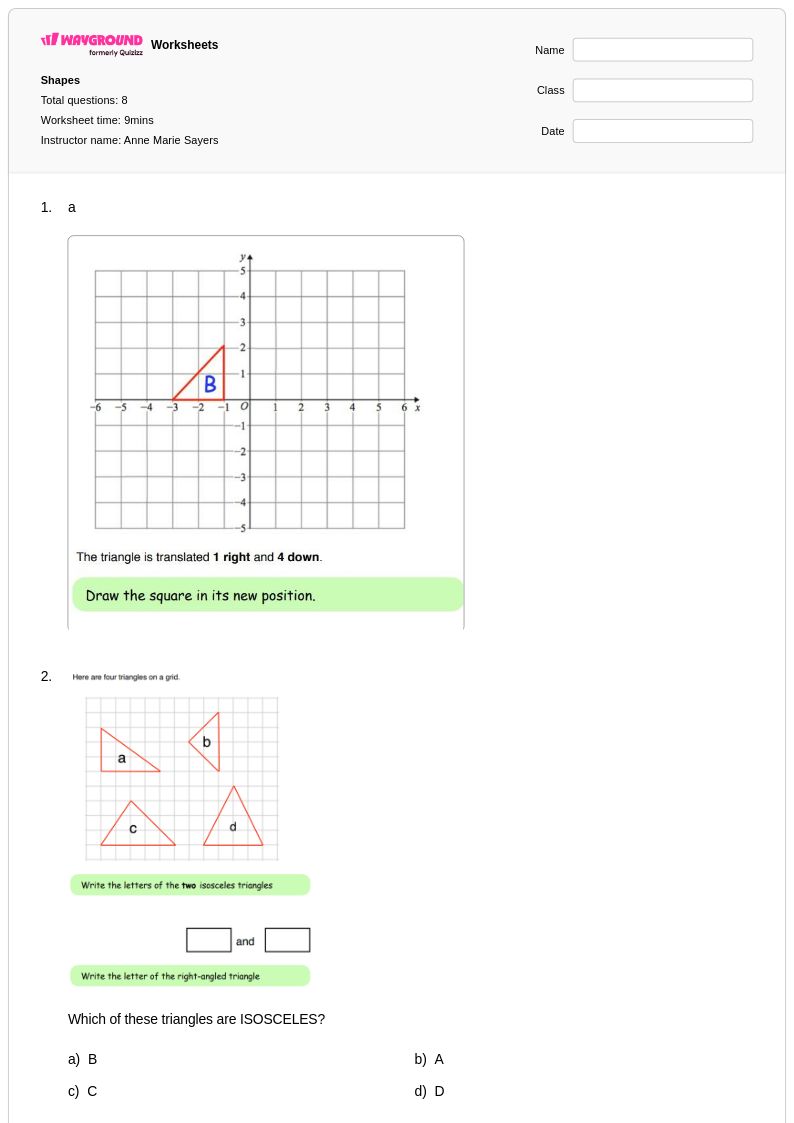
8 Q
5th - 7th
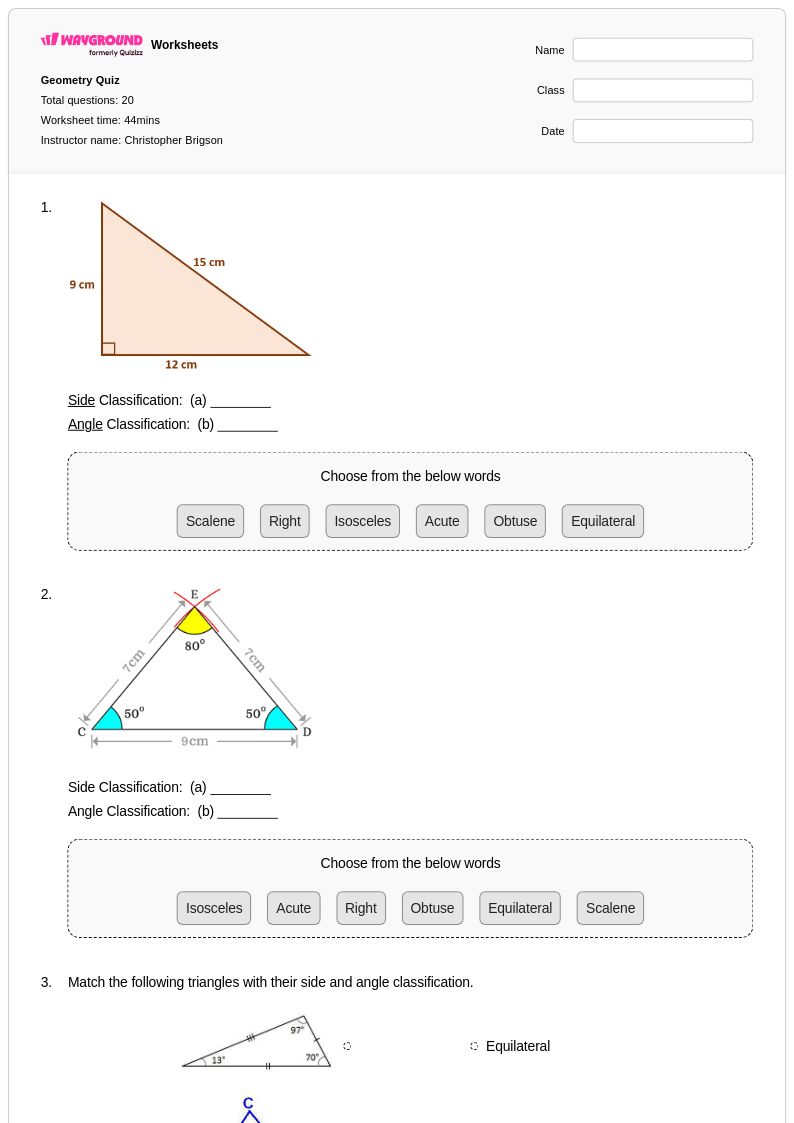
20 Q
5th
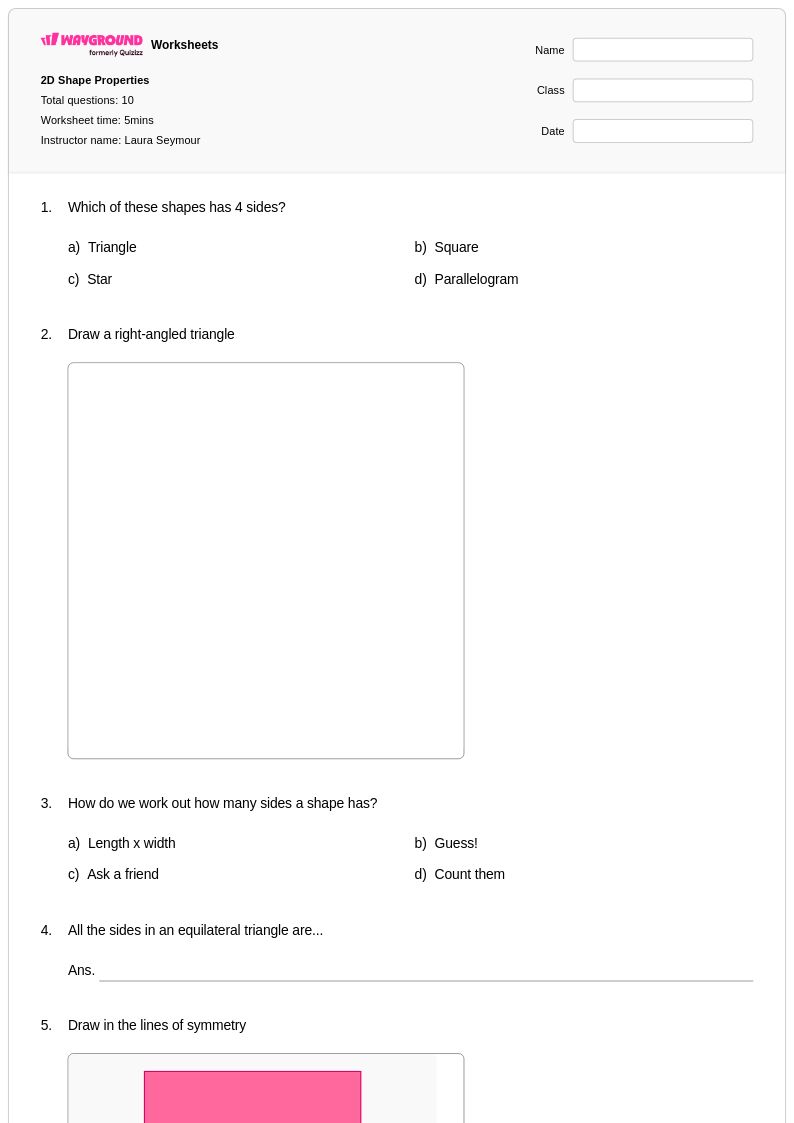
10 Q
5th
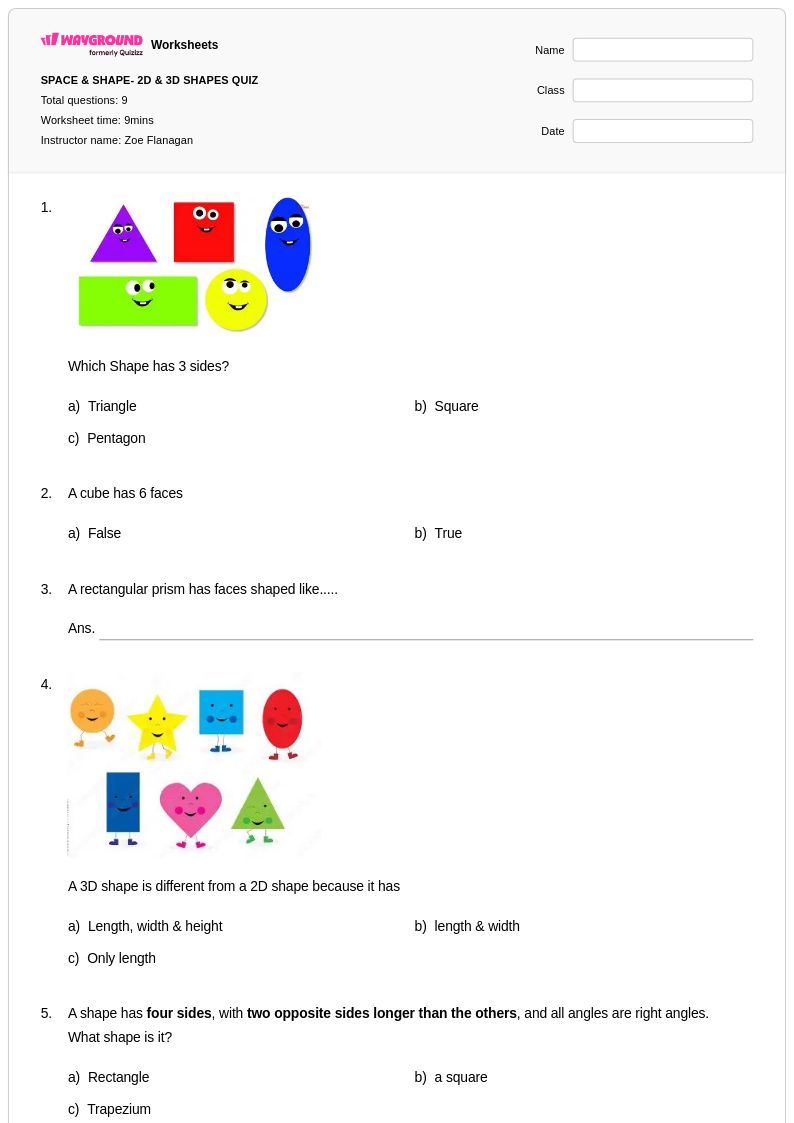
9 Q
5th
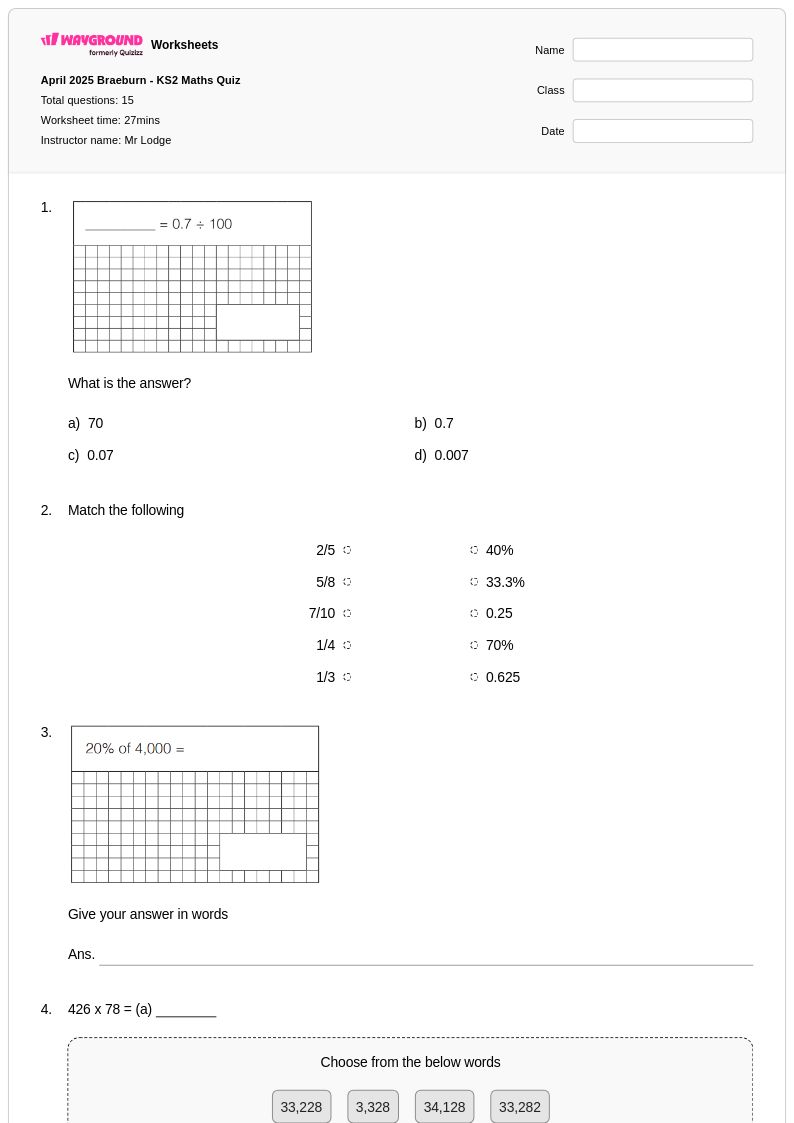
15 Q
5th
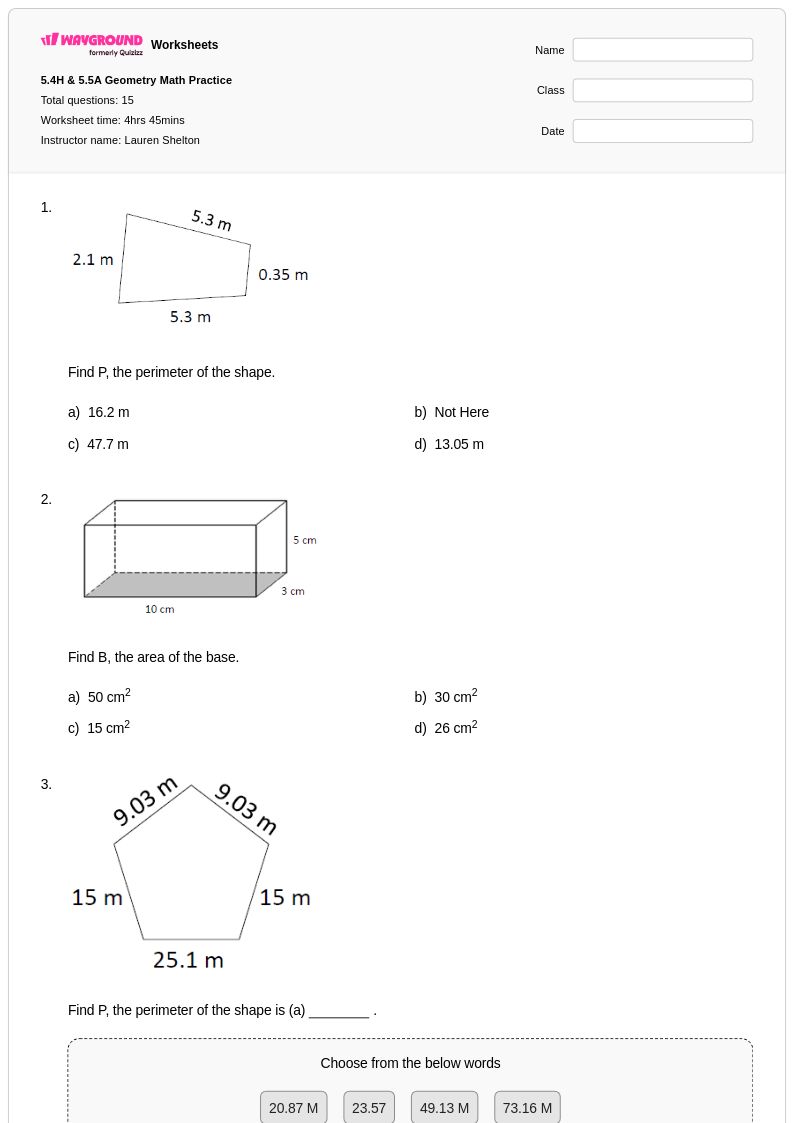
15 Q
5th
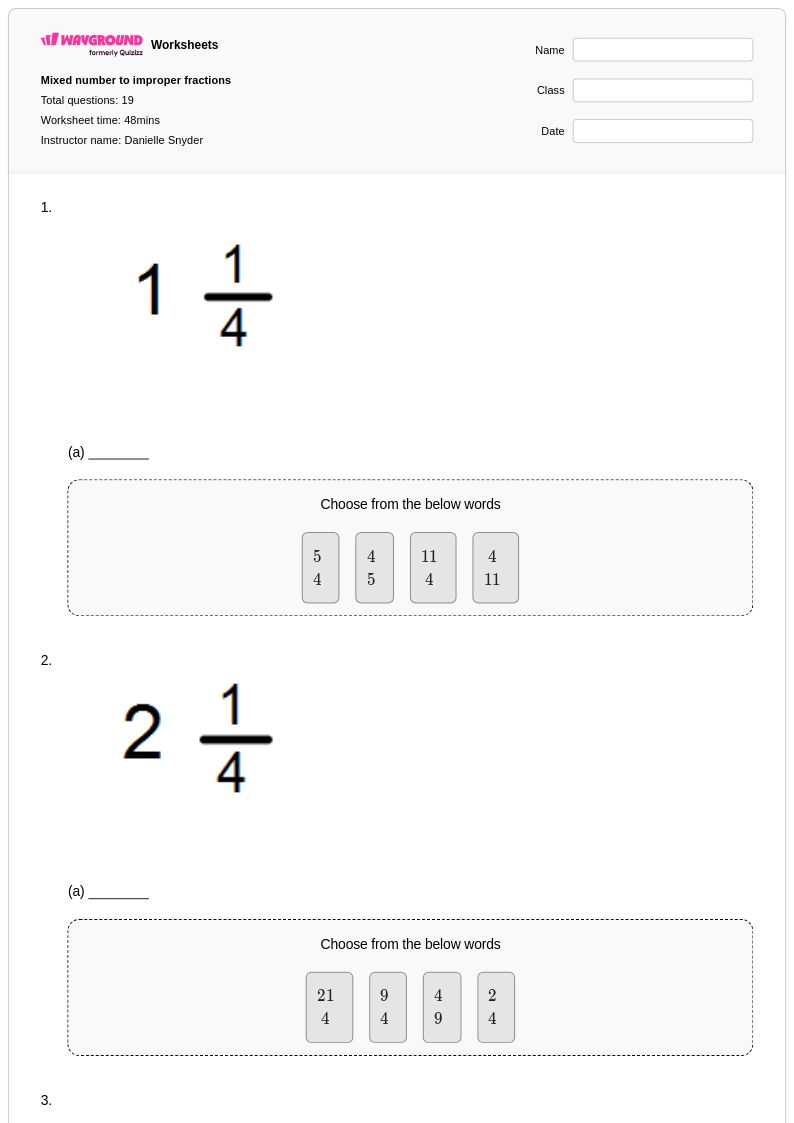
19 Q
5th
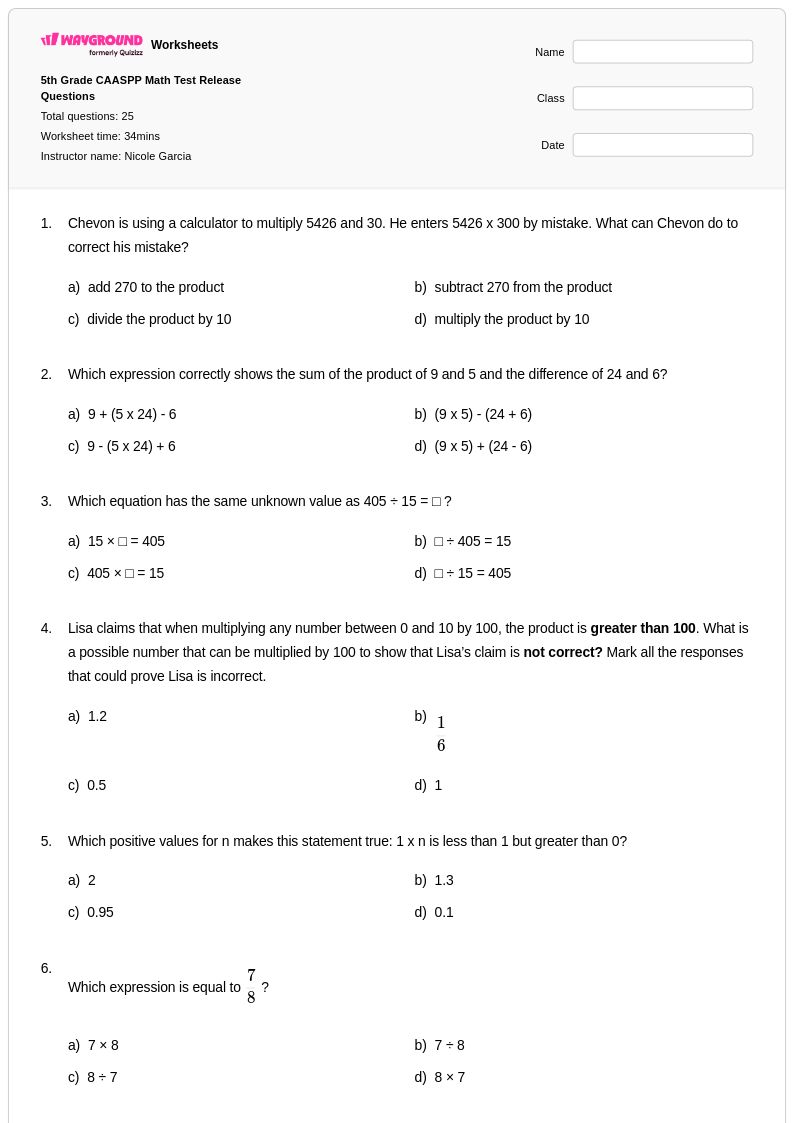
27 Q
5th
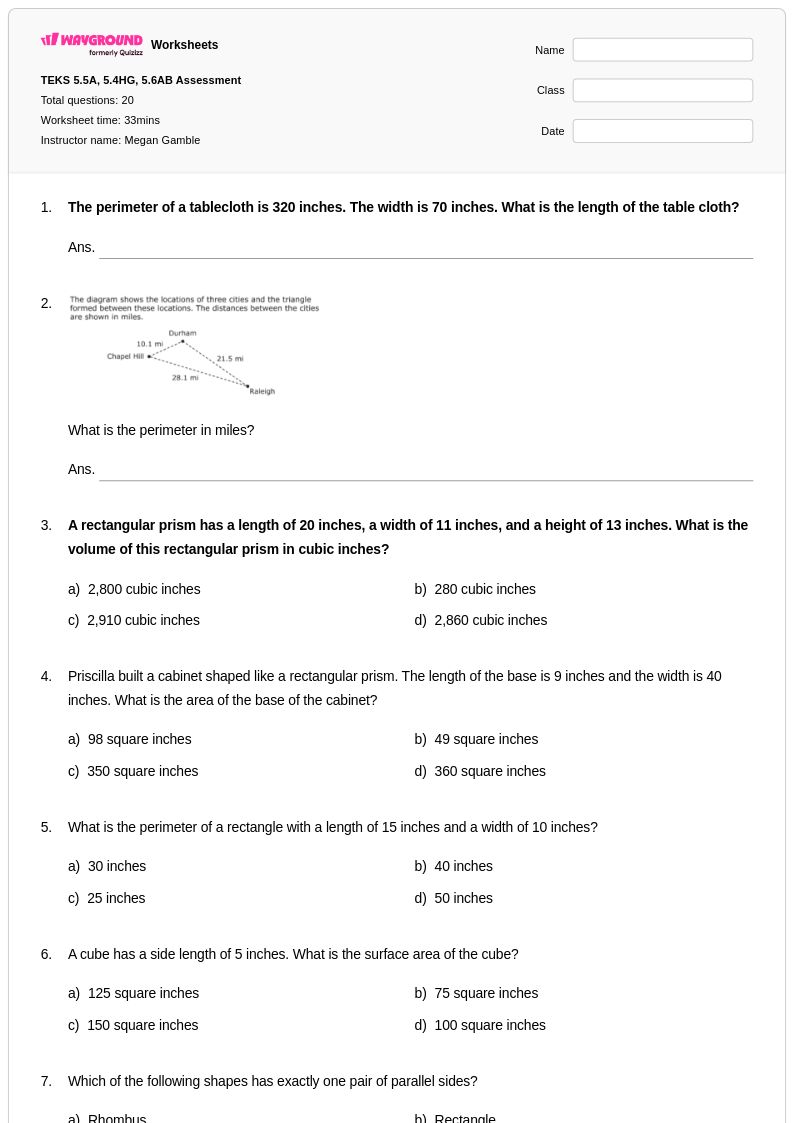
20 Q
5th
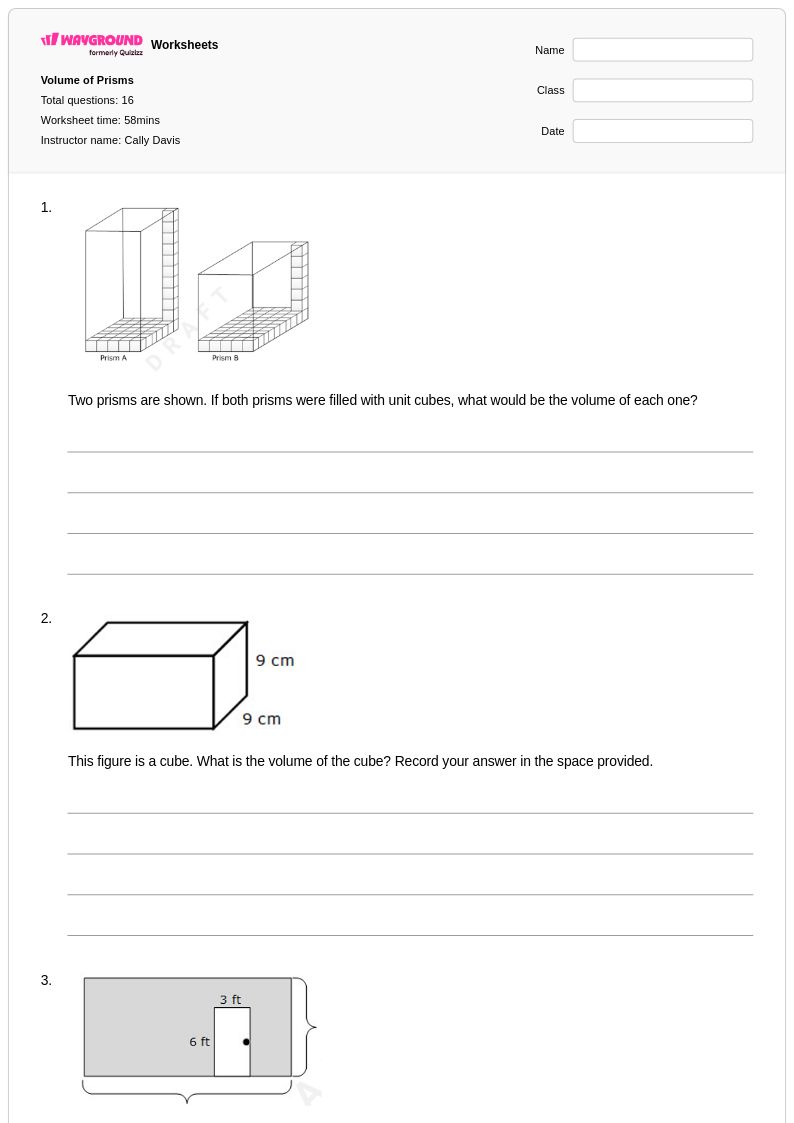
16 Q
5th
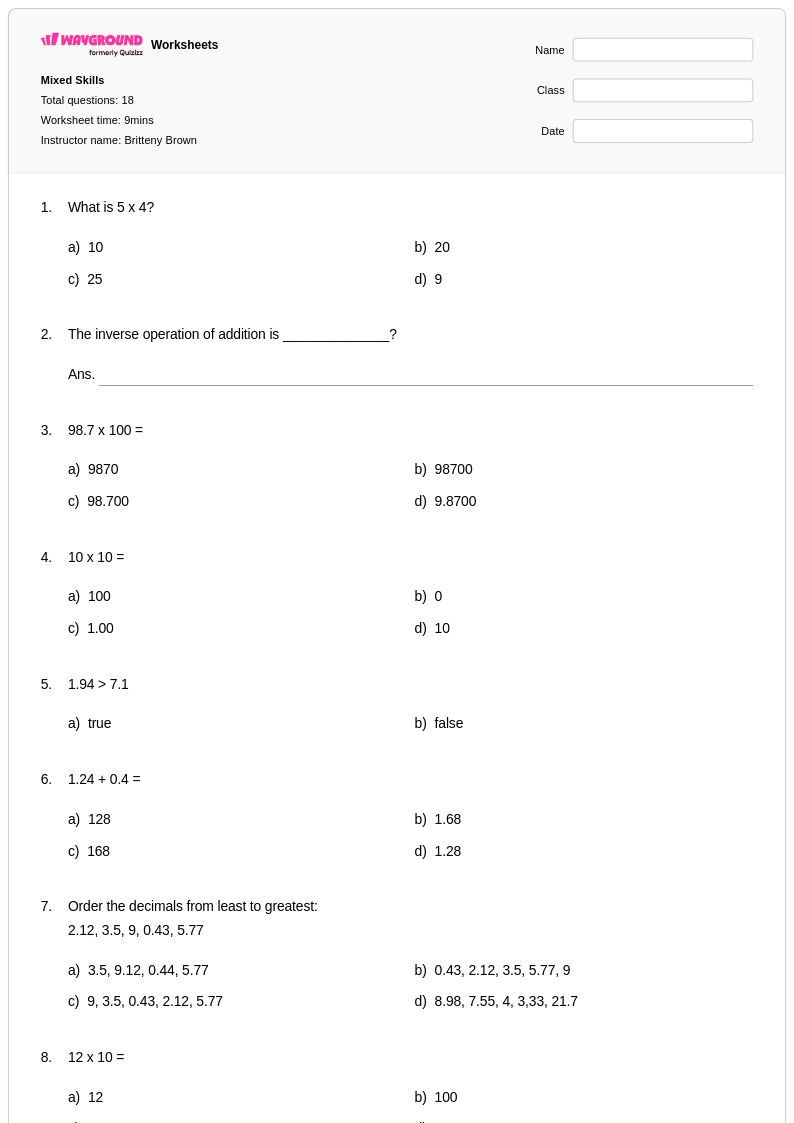
18 Q
5th
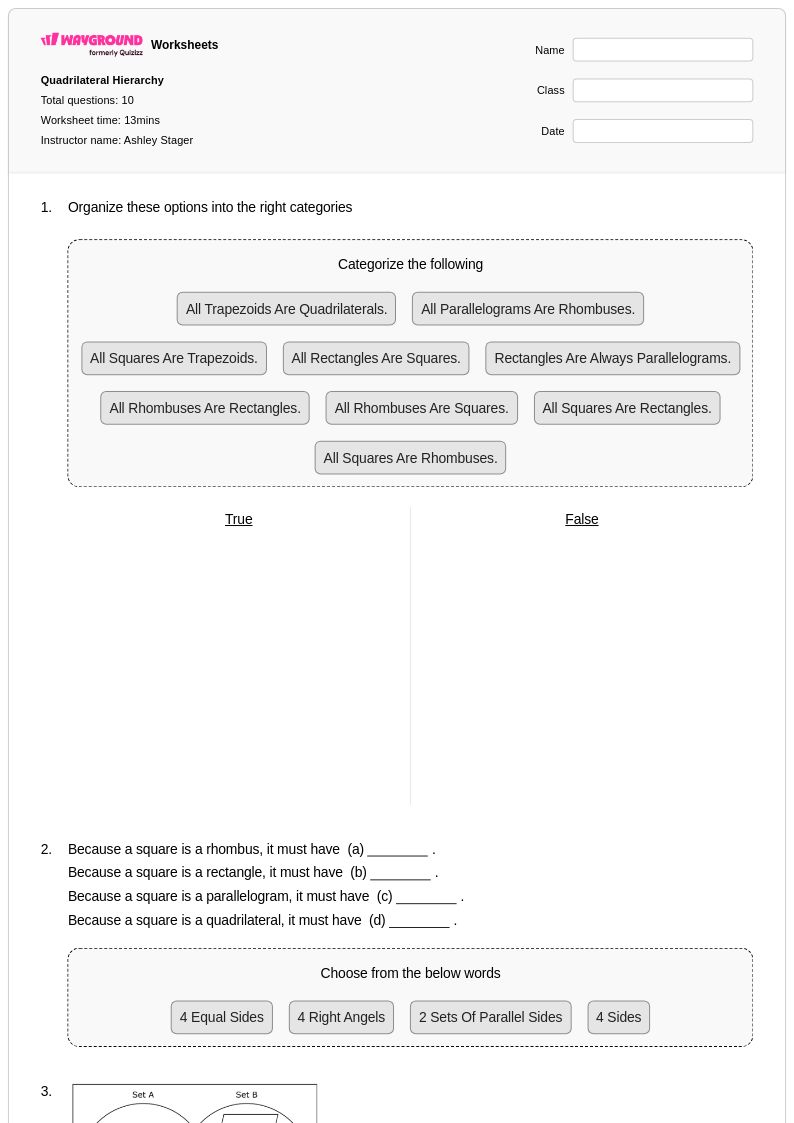
10 Q
5th
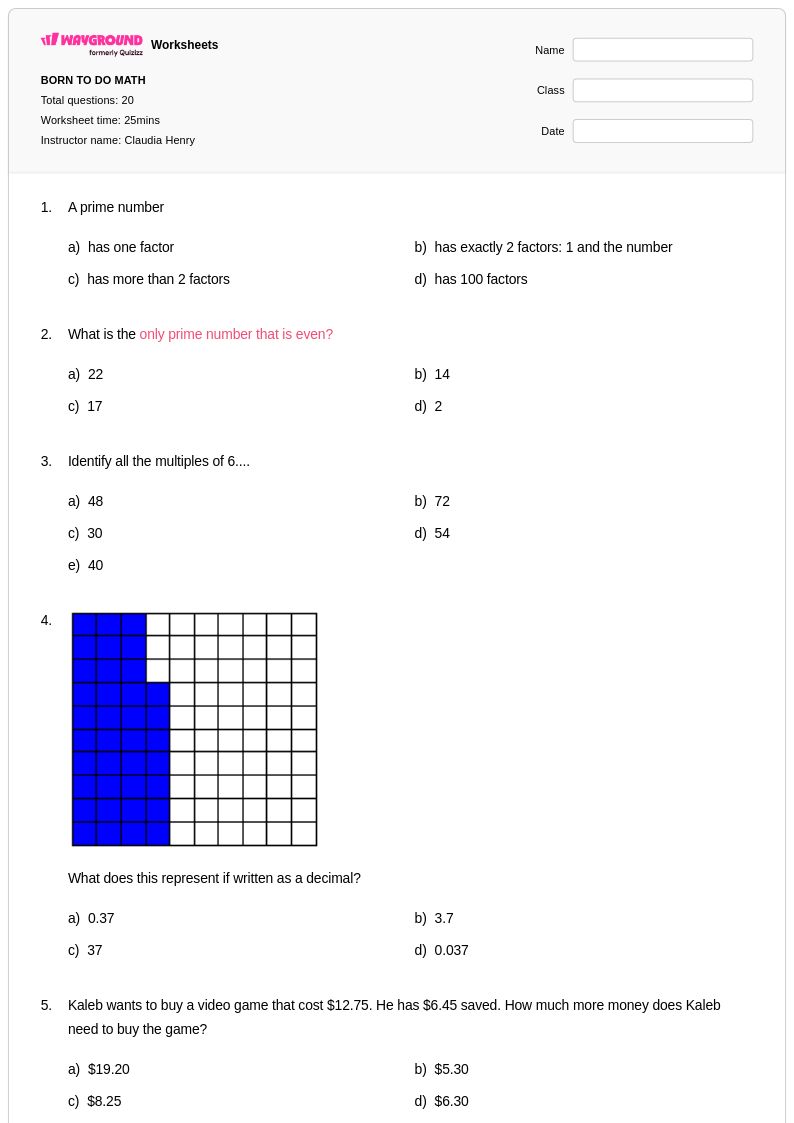
20 Q
5th
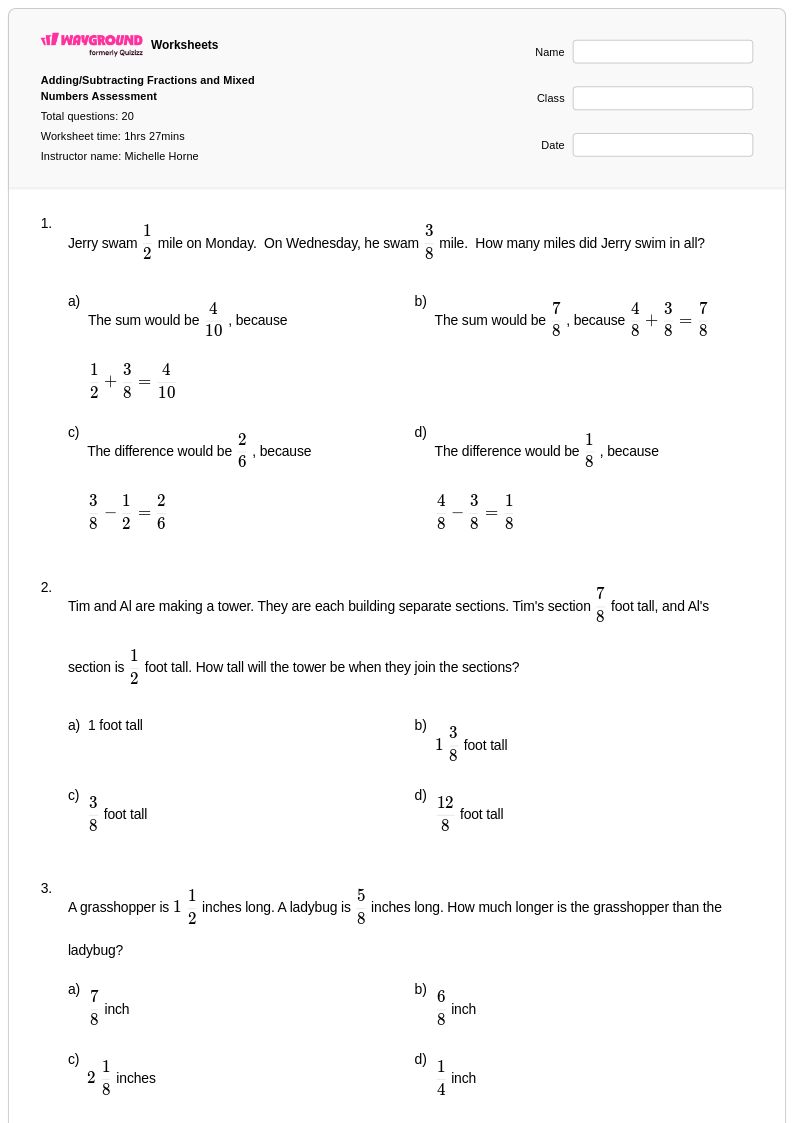
20 Q
5th
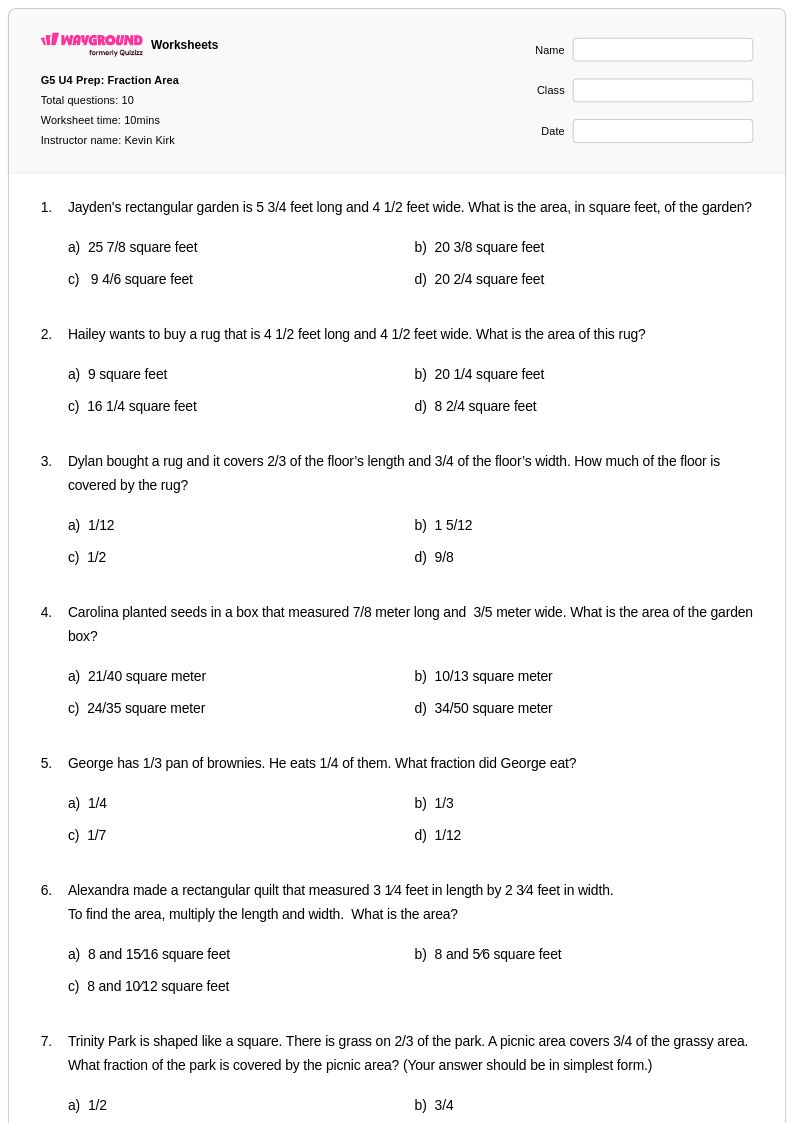
10 Q
5th
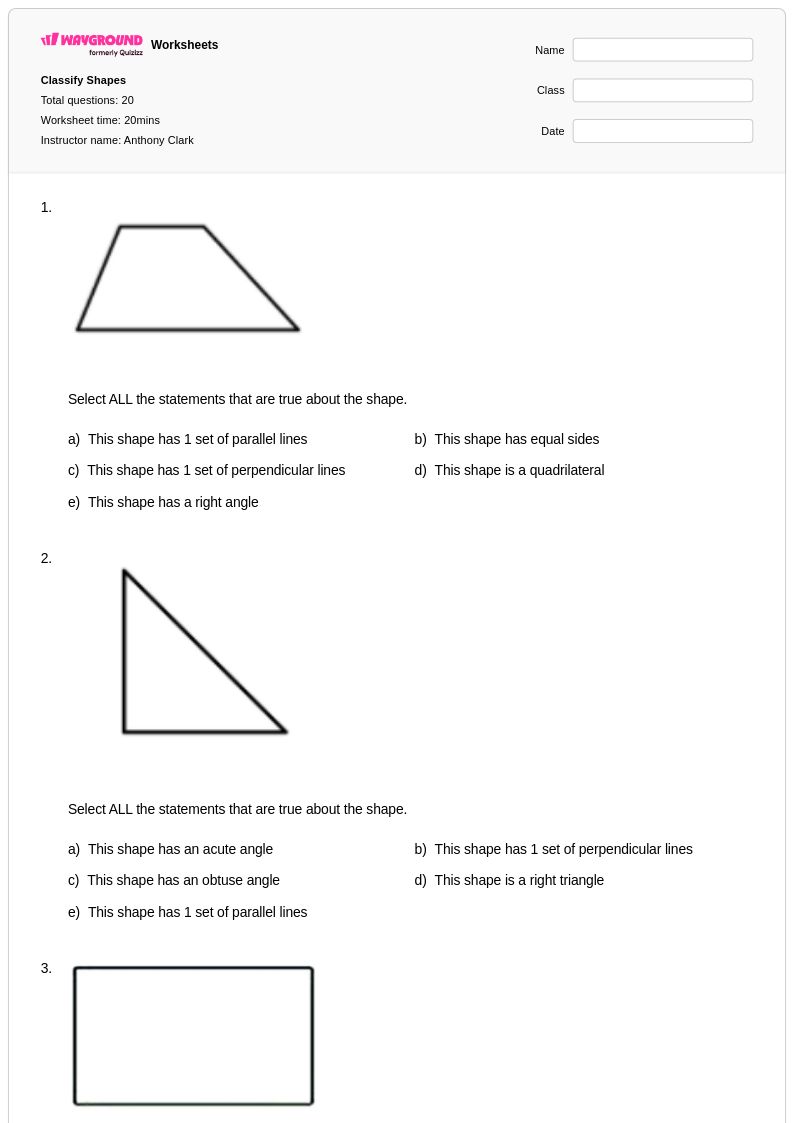
20 Q
5th - Uni
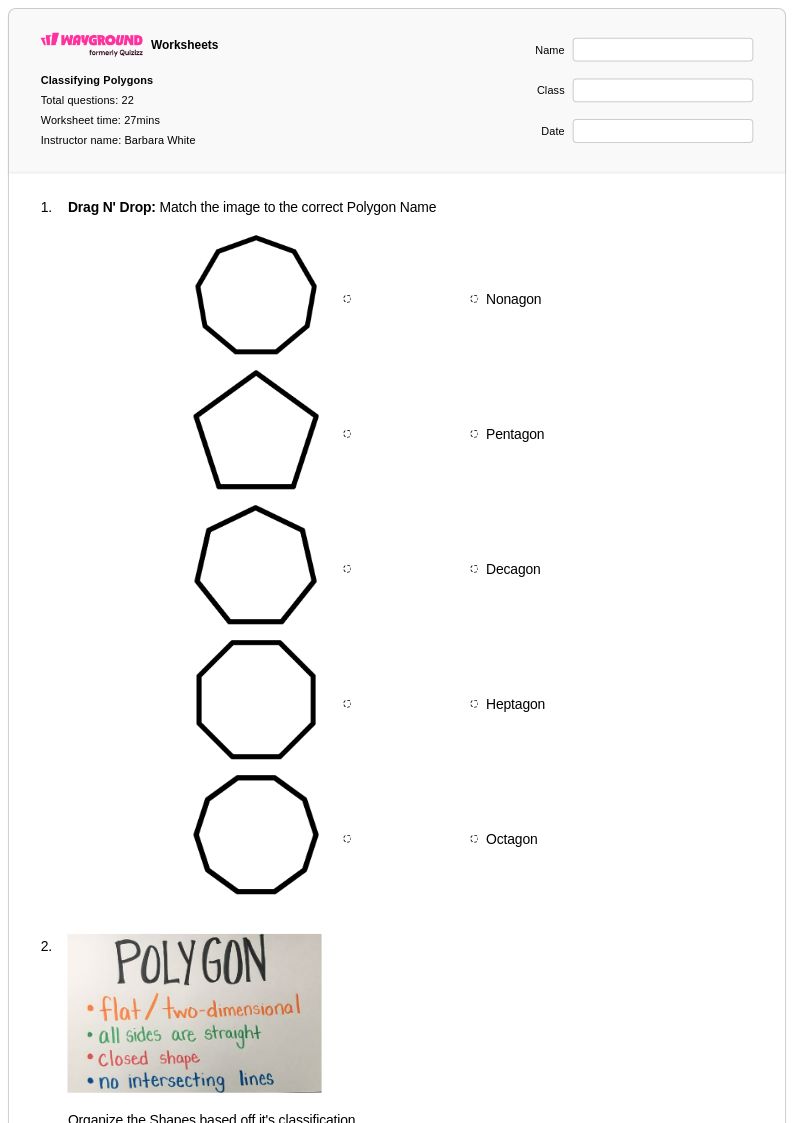
22 Q
5th
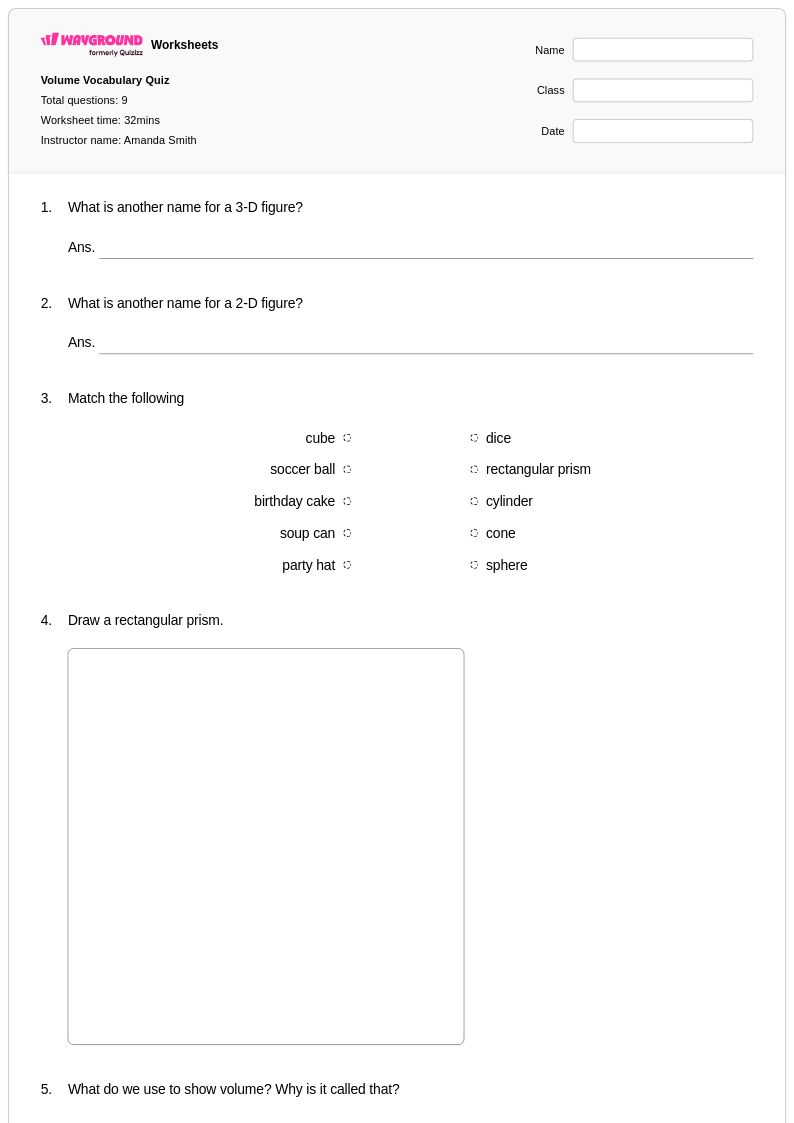
9 Q
5th
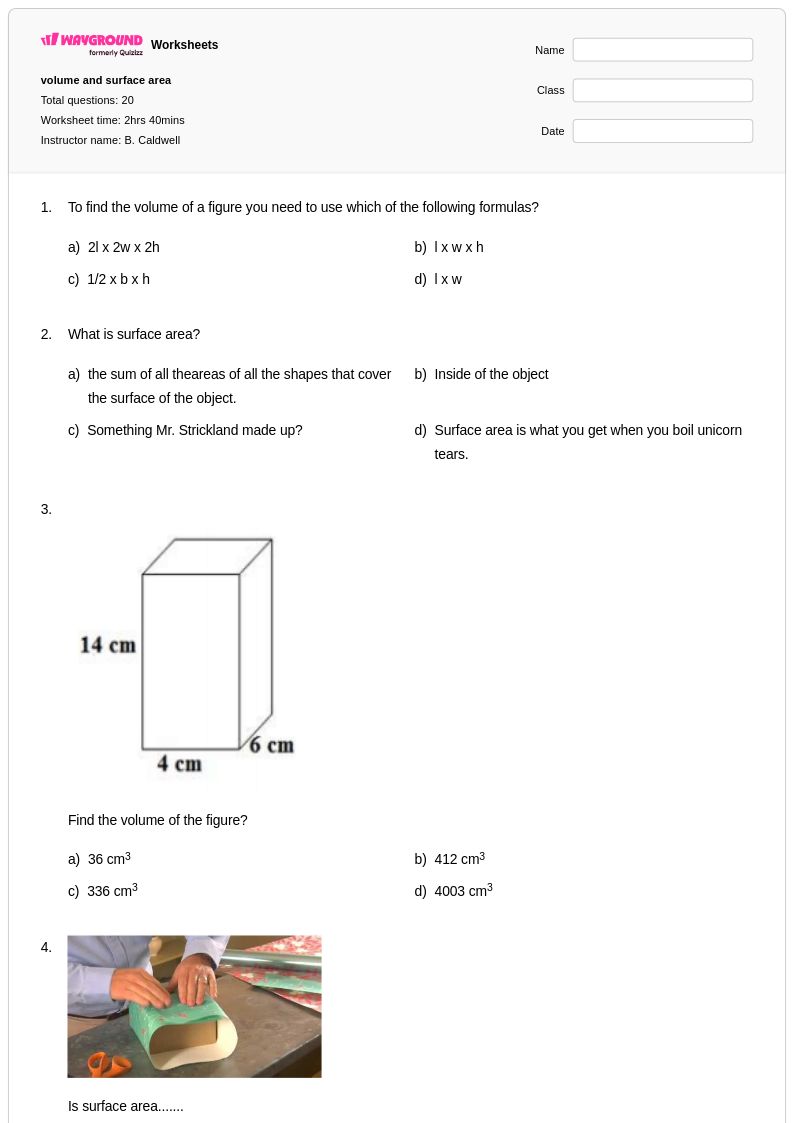
20 Q
5th
13 Q
1st - 5th
20 Q
5th - 8th
10 Q
2nd - Uni
Explore Other Subject Worksheets for year 5
Explore printable Area of Mixed Shapes worksheets for Year 5
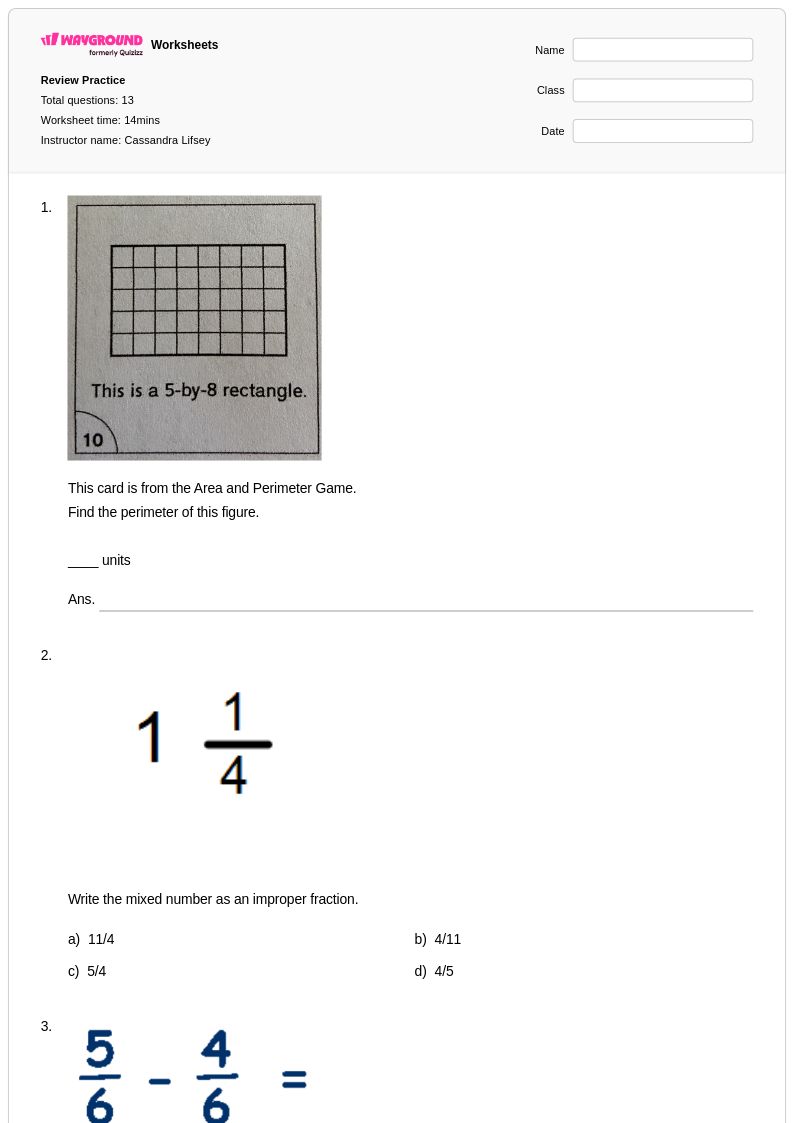
Area of mixed shapes worksheets for Year 5 students available through Wayground (formerly Quizizz) provide comprehensive practice in calculating the total area of complex geometric figures composed of multiple basic shapes. These expertly designed worksheets strengthen students' ability to decompose irregular polygons into familiar rectangles, squares, triangles, and other fundamental shapes, then apply appropriate area formulas to find the combined total area. Each worksheet collection includes detailed answer keys and step-by-step solution guides, making them invaluable free printables for both classroom instruction and independent practice. The practice problems progress systematically from simple L-shaped figures to more complex composite shapes, helping fifth-grade students develop spatial reasoning skills and master the strategic thinking required to break down challenging geometric problems into manageable components.
Wayground (formerly Quizizz) empowers educators with access to millions of teacher-created resources specifically focused on area of mixed shapes and other essential Year 5 geometry concepts. The platform's robust search and filtering capabilities allow teachers to quickly locate worksheets that align with specific learning standards and match their students' varied skill levels, while built-in differentiation tools enable seamless customization for remediation and enrichment activities. These comprehensive worksheet collections are available in both printable PDF format for traditional paper-and-pencil work and interactive digital formats that provide immediate feedback during skill practice sessions. Teachers can efficiently plan targeted geometry lessons, assess student understanding of composite area calculations, and provide focused intervention support using these professionally developed resources that adapt to diverse classroom needs and learning environments.
FAQs
What is the best way to teach area of mixed shapes in Grade 5?
What practice problems help fifth graders master composite area?
What are common errors when calculating the area of complex figures?
Can I assign these Grade 5 area worksheets digitally or on paper?
How does composite area connect to the Grade 5 Common Core curriculum?
How can I differentiate area of mixed shapes worksheets for Grade 5?
When do students learn to calculate the area of composite shapes?