
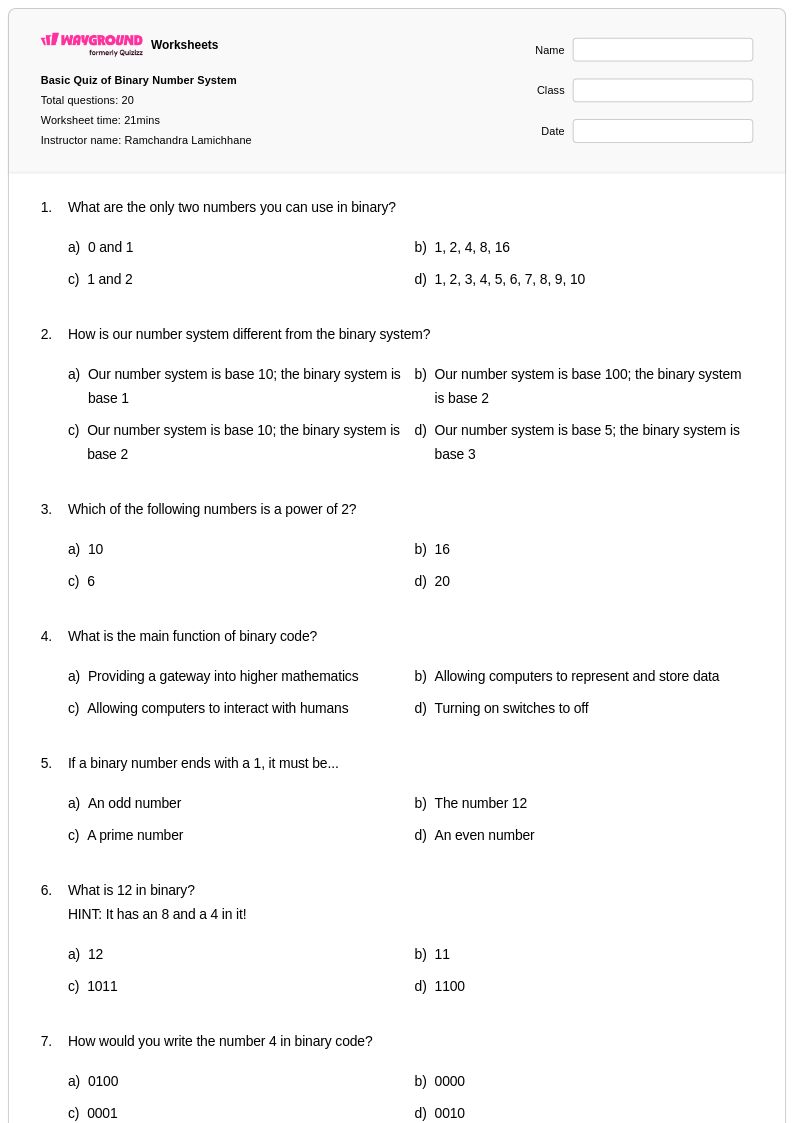
20 Q
6th - 8th
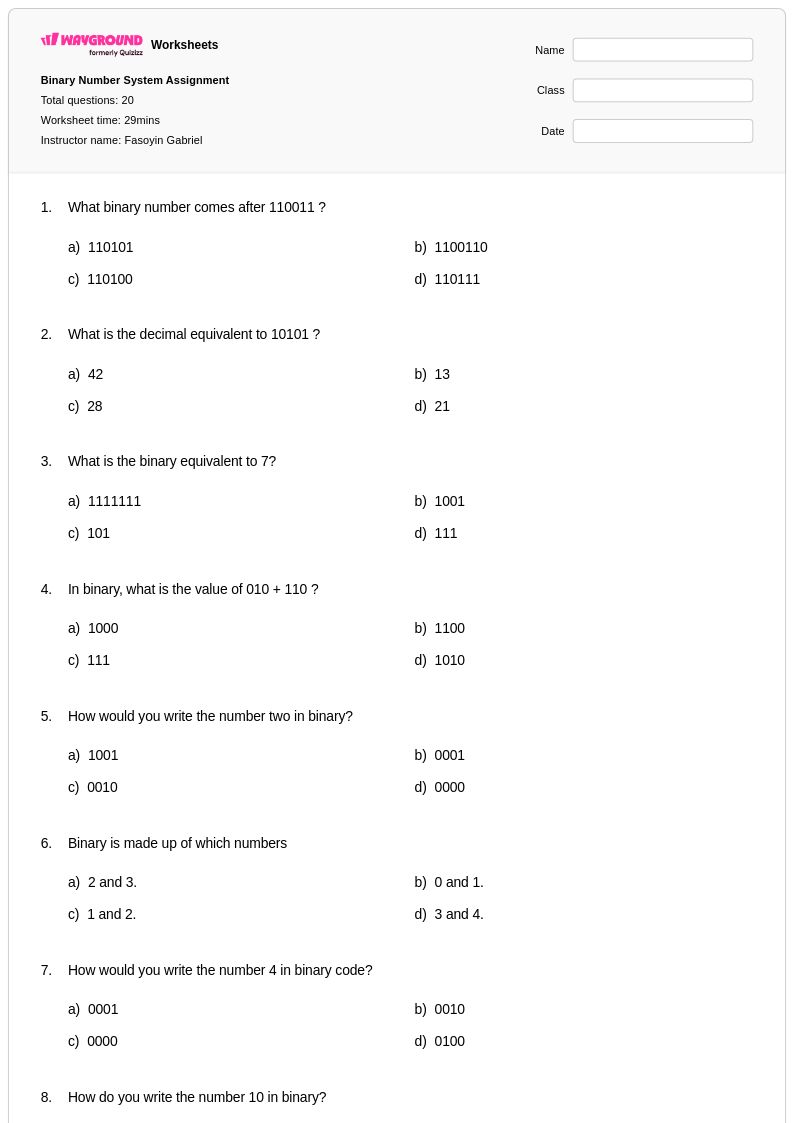
20 Q
6th - 8th
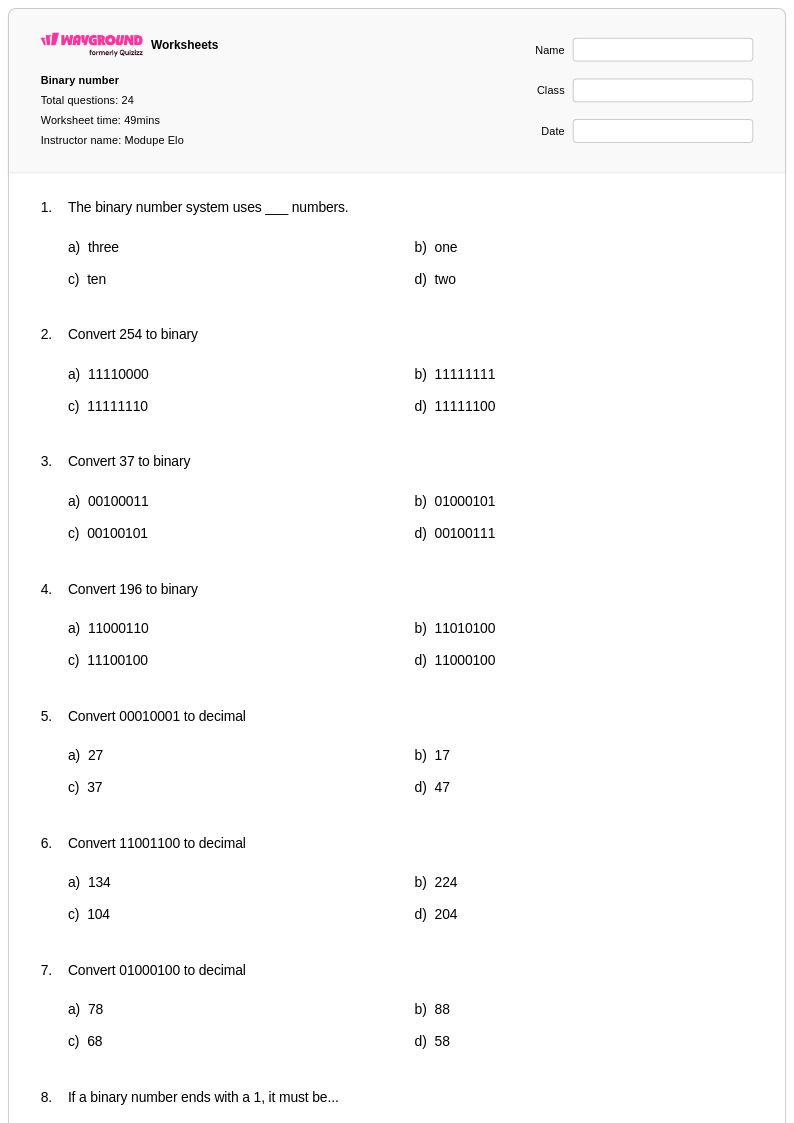
24 Q
1st - 10th
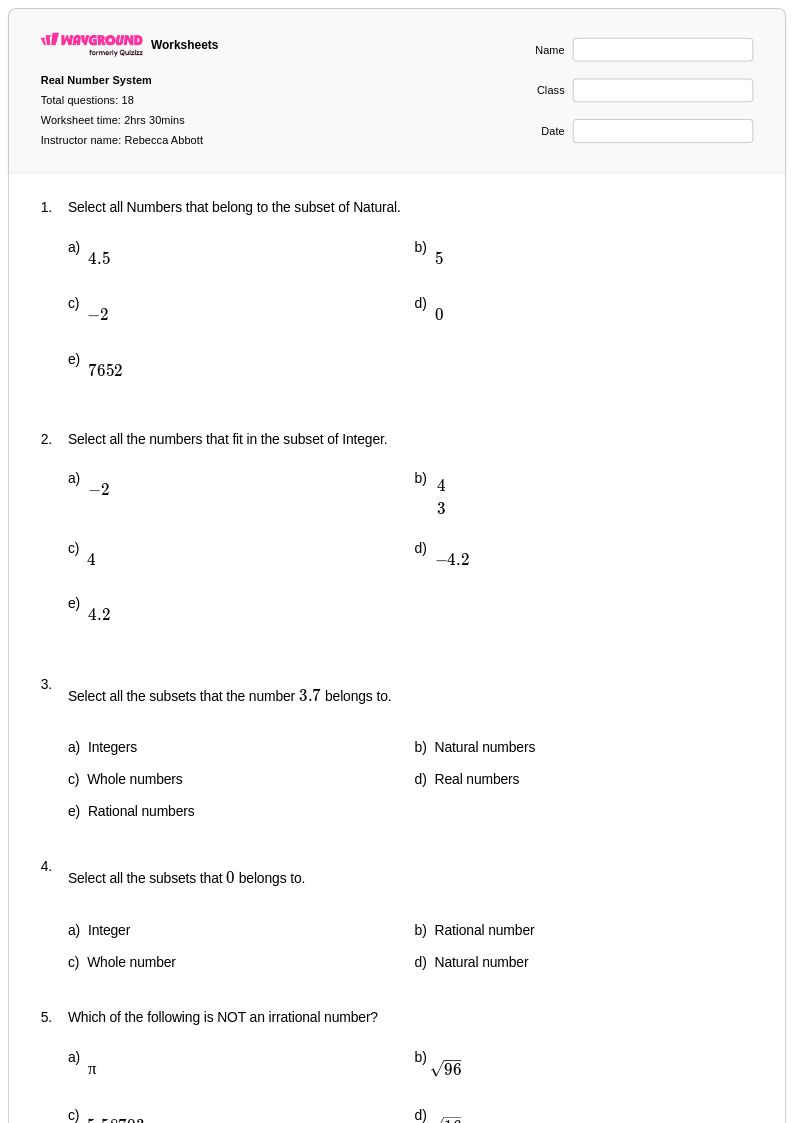
18 Q
6th - 8th
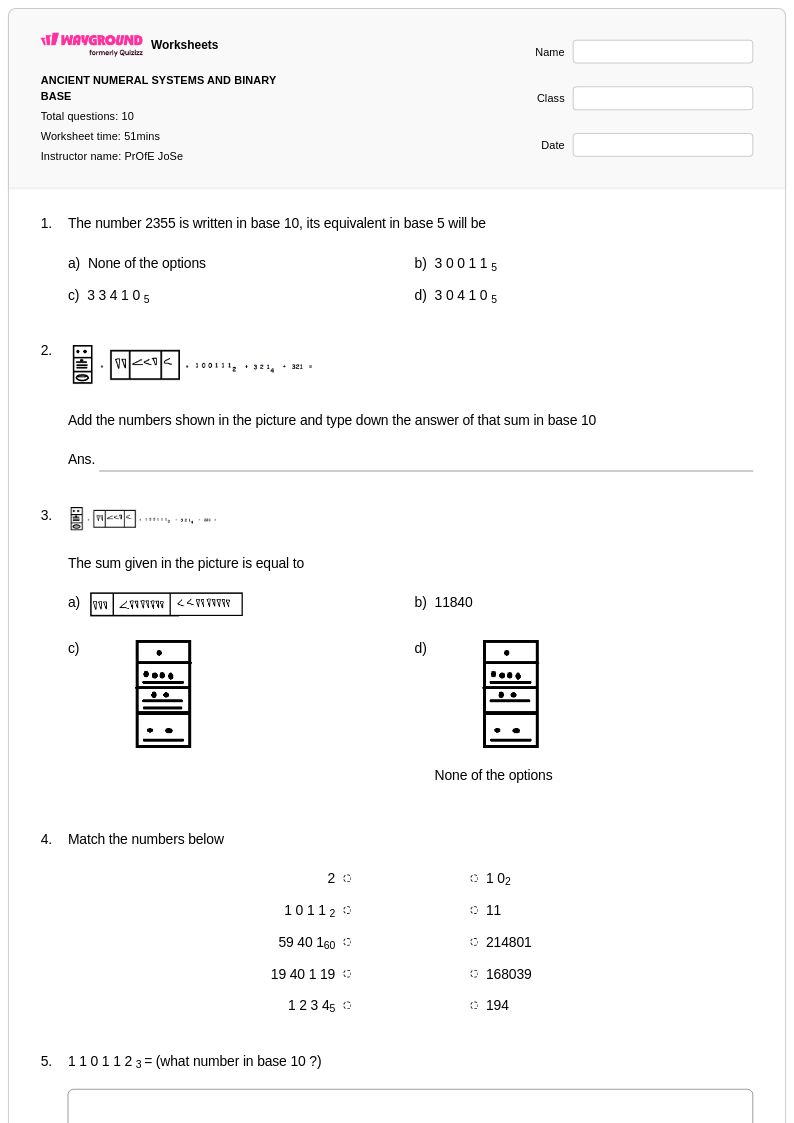
10 Q
6th
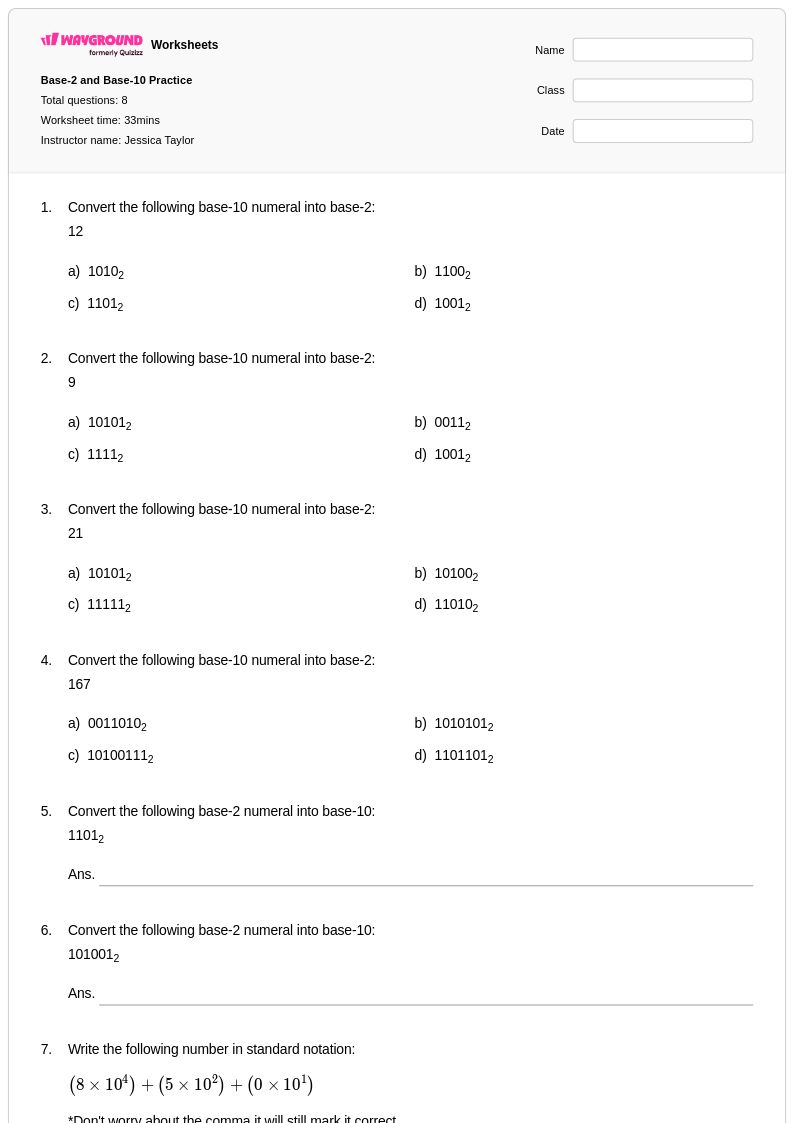
8 Q
6th
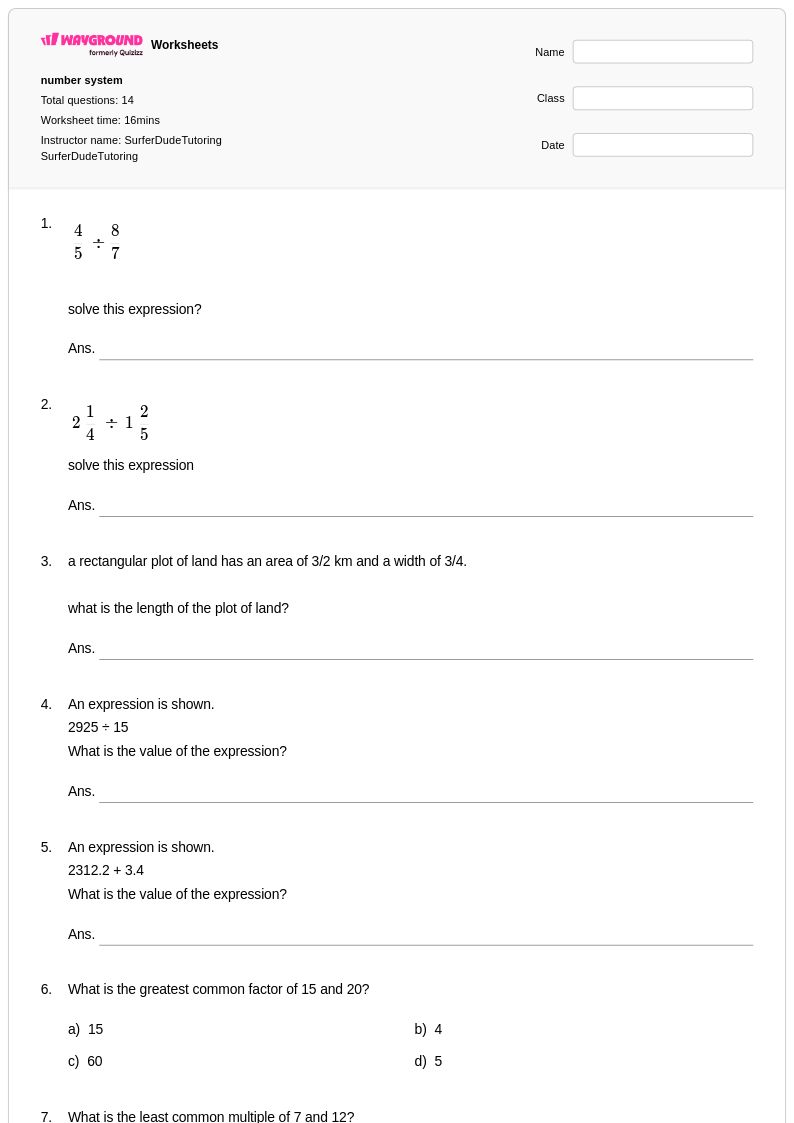
14 Q
6th
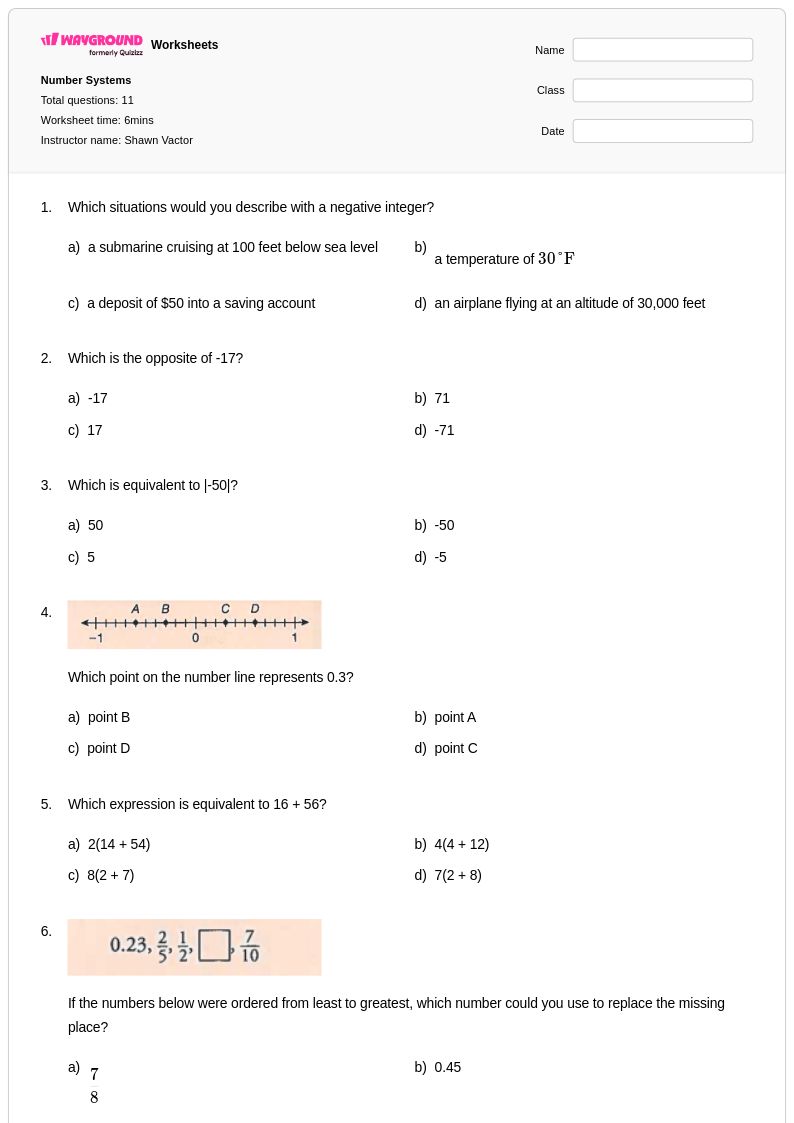
11 Q
6th
10 Q
5th - 6th
14 Q
3rd - 6th
23 Q
6th
18 Q
6th - Uni
20 Q
6th - 8th
11 Q
6th - 8th
18 Q
6th
20 Q
6th
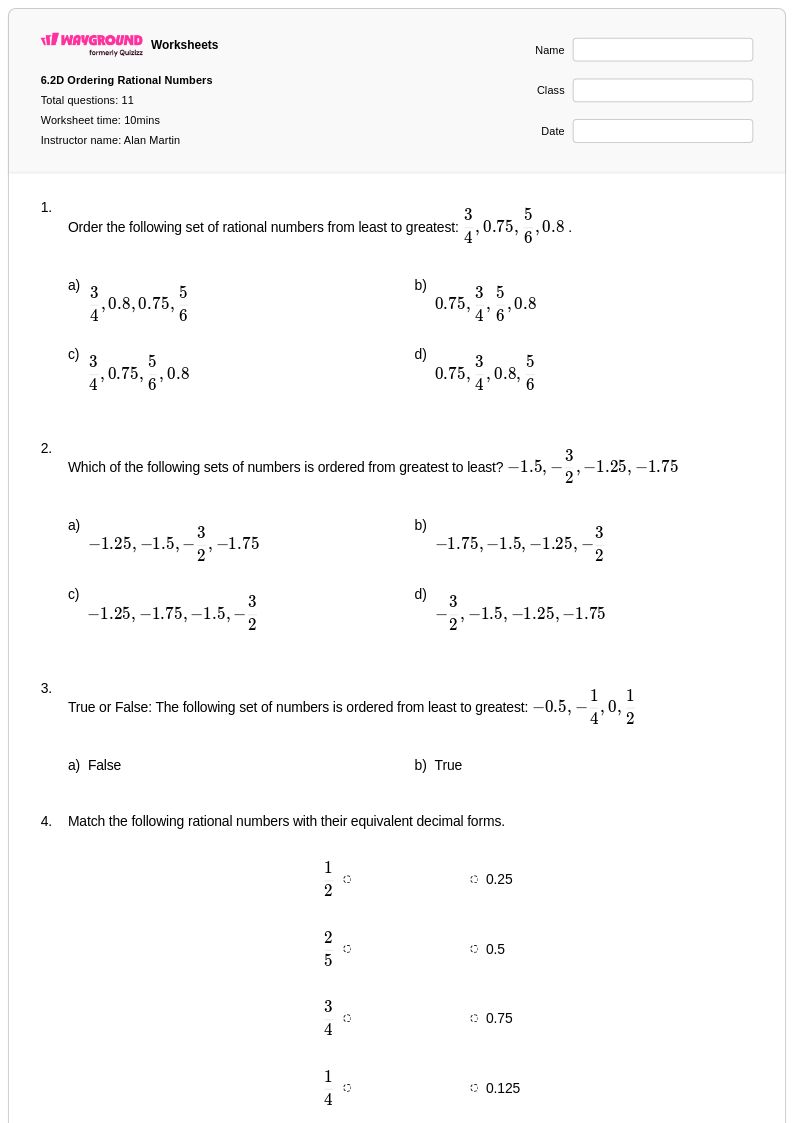
11 Q
6th
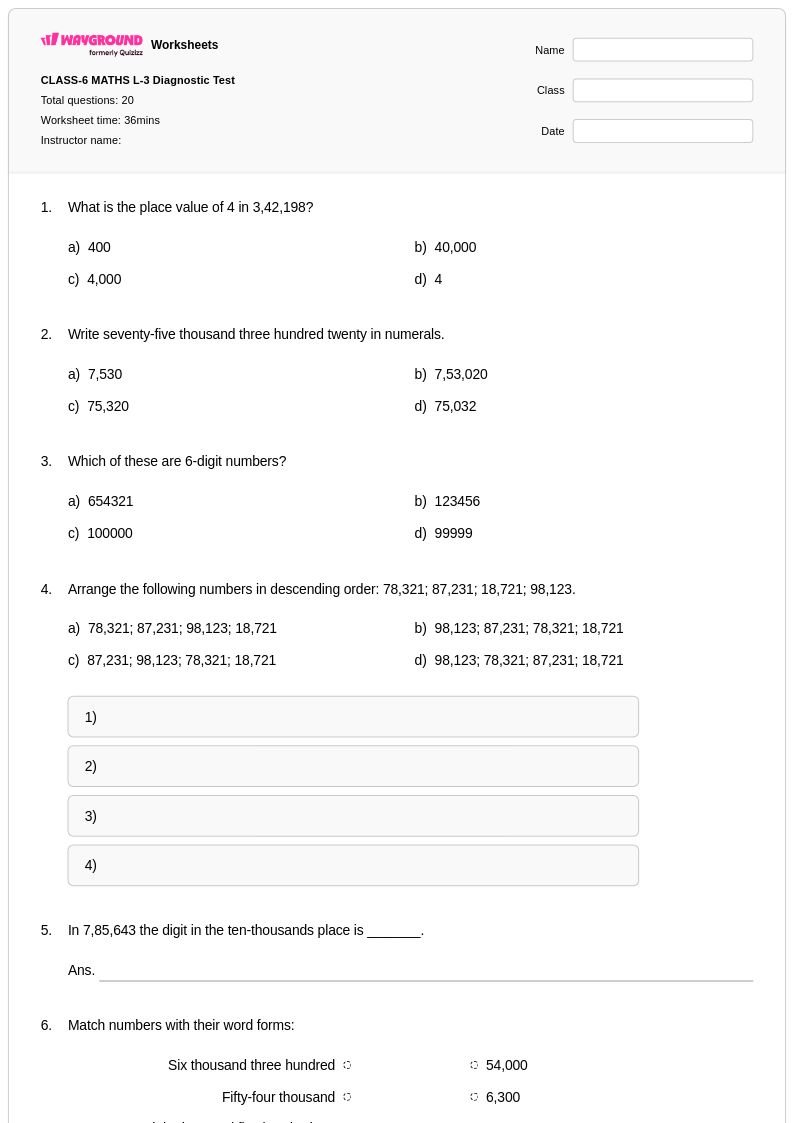
20 Q
6th
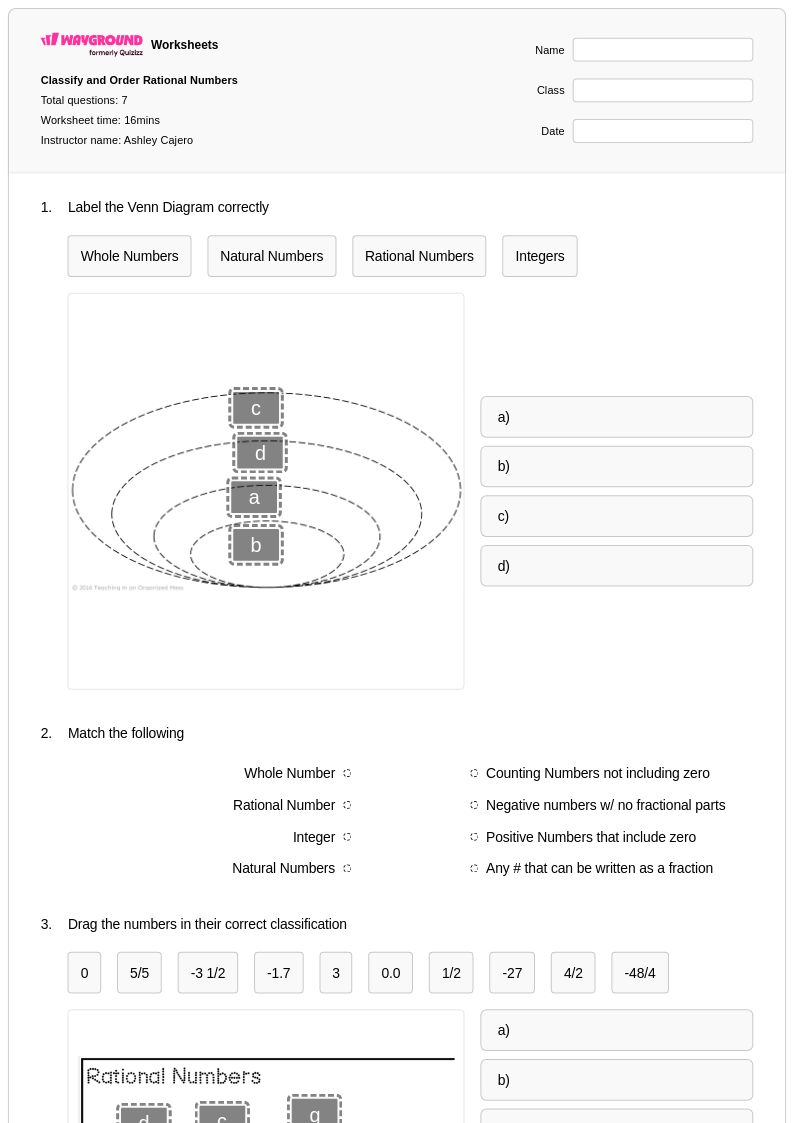
7 Q
6th
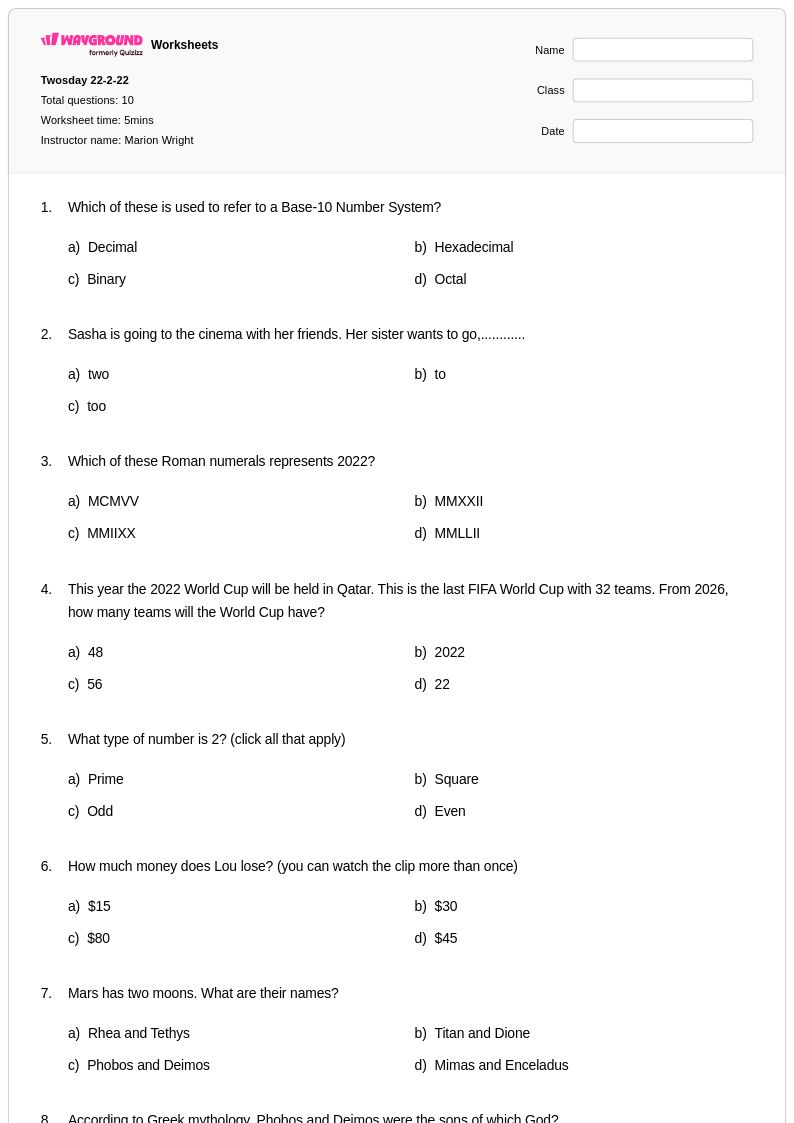
10 Q
3rd - 8th
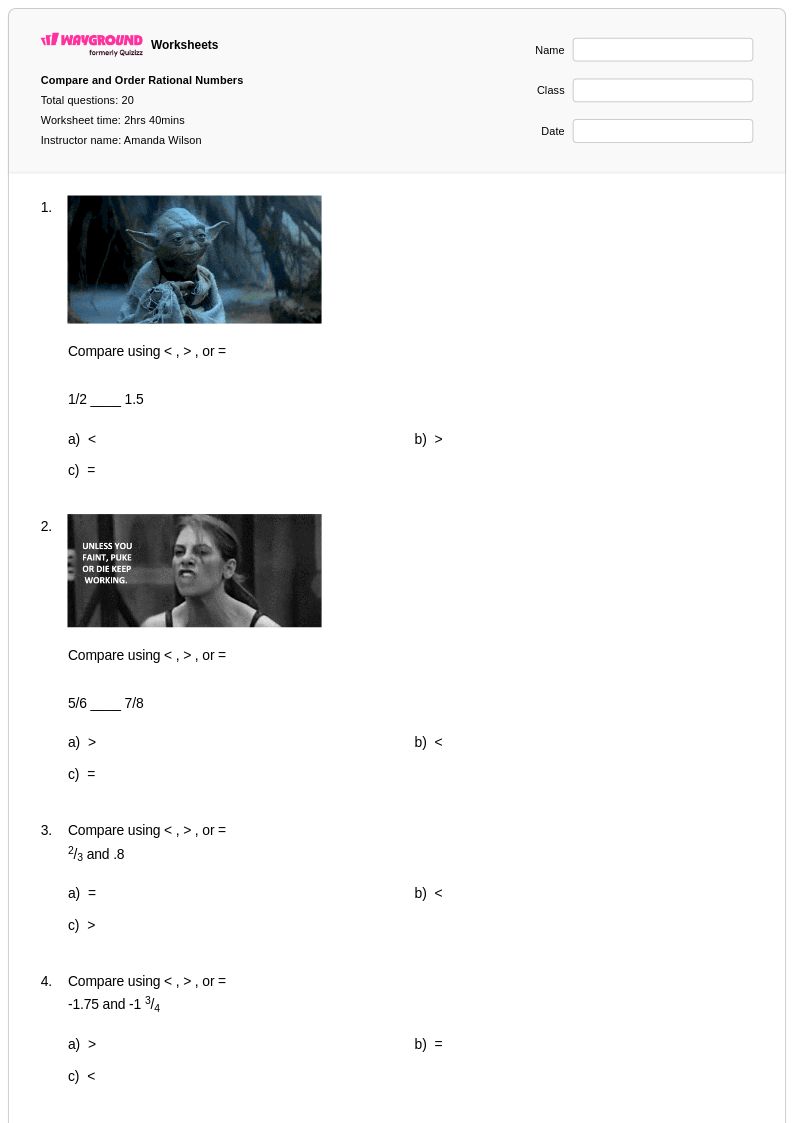
20 Q
6th
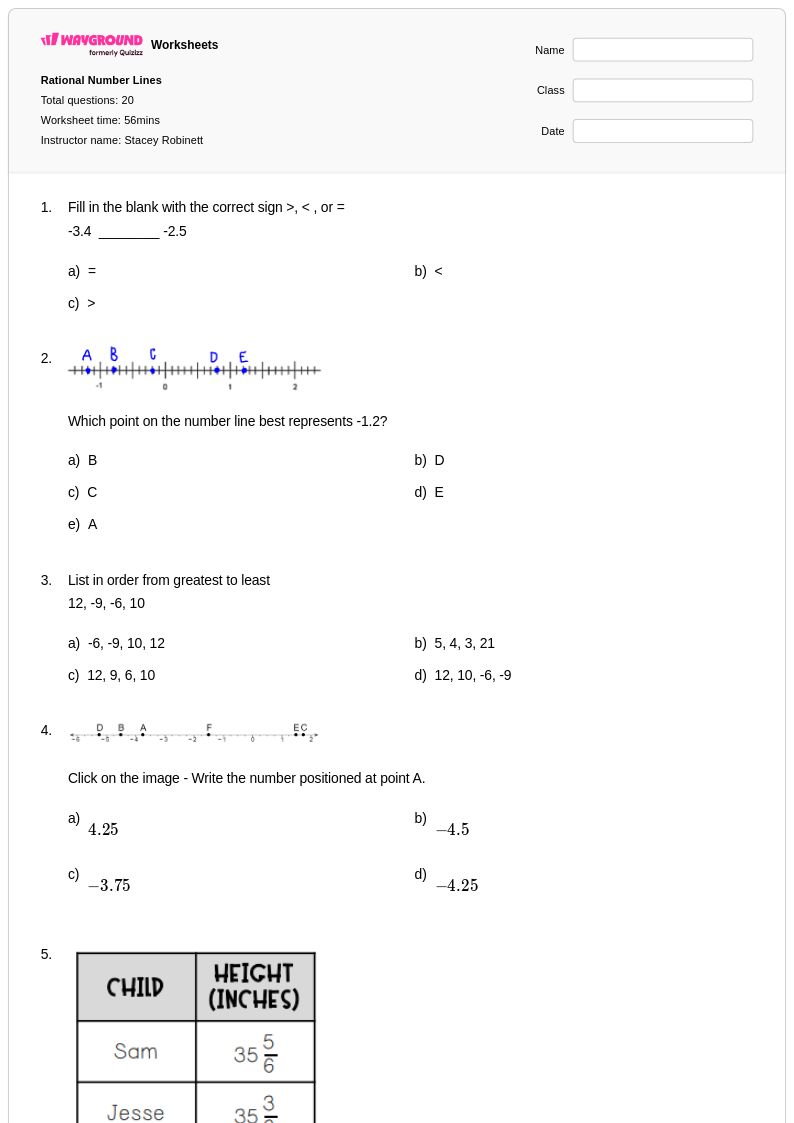
20 Q
6th - 7th
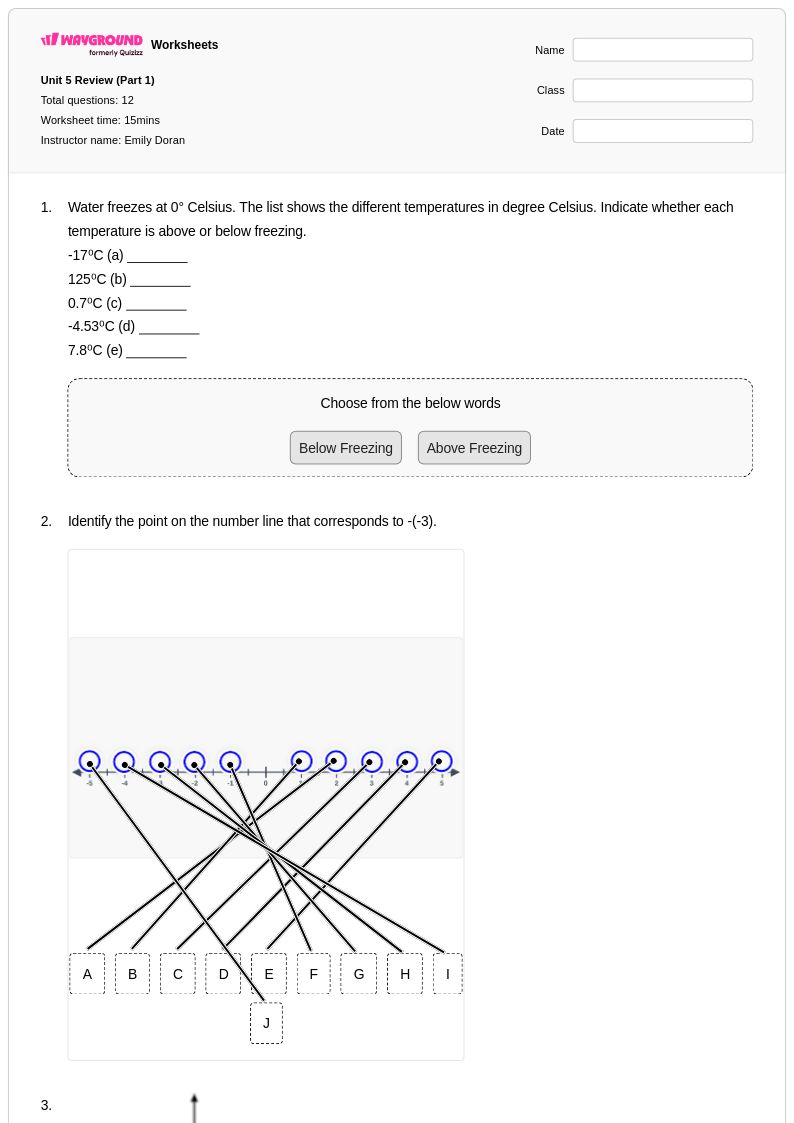
12 Q
6th - 8th
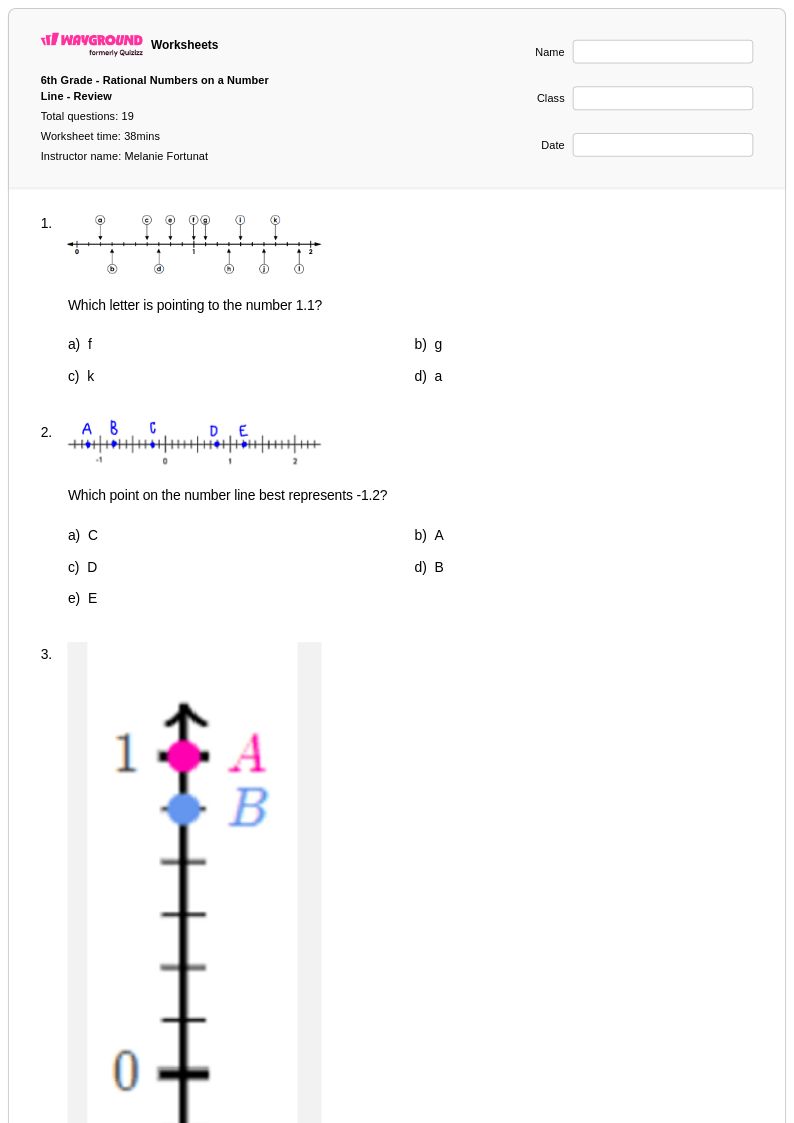
19 Q
6th
Explore Other Subject Worksheets for year 6
Explore printable Binary Number System worksheets for Year 6
Binary Number System worksheets for Year 6 provide students with essential foundational skills in understanding how computers process and store information using only zeros and ones. These comprehensive practice materials available through Wayground (formerly Quizizz) guide sixth-grade learners through the systematic conversion between binary and decimal number systems, helping them recognize patterns in base-2 mathematics and develop computational thinking skills. The worksheets feature carefully scaffolded practice problems that progress from simple binary counting exercises to more complex conversion challenges, with each printable resource including a detailed answer key to support independent learning. These free pdf materials strengthen students' number sense by introducing them to alternative numeration systems beyond the familiar base-10 system, building critical thinking skills that connect mathematics to real-world technology applications.
Wayground (formerly Quizizz) empowers educators with access to millions of teacher-created Binary Number System resources specifically designed for Year 6 mathematics instruction. The platform's robust search and filtering capabilities allow teachers to quickly locate worksheets that align with specific curriculum standards while accommodating diverse learning needs through built-in differentiation tools. These customizable materials are available in both printable and digital formats, including downloadable pdf versions that can be easily distributed for classroom use, homework assignments, or independent practice sessions. Teachers can effectively use these resources for initial skill introduction, targeted remediation for struggling learners, enrichment activities for advanced students, and ongoing assessment of student progress in understanding binary number concepts, making lesson planning more efficient and instruction more responsive to individual student needs.
FAQs
How do I introduce the binary number system to sixth graders?
What exercises help Grade 6 students practice binary numbers?
What mistakes do students commonly make when converting binary numbers?
How can I use these Binary Number System worksheets in my classroom?
How can I differentiate binary number practice for a mixed-ability Grade 6 class?
What grade do students learn the binary number system?