
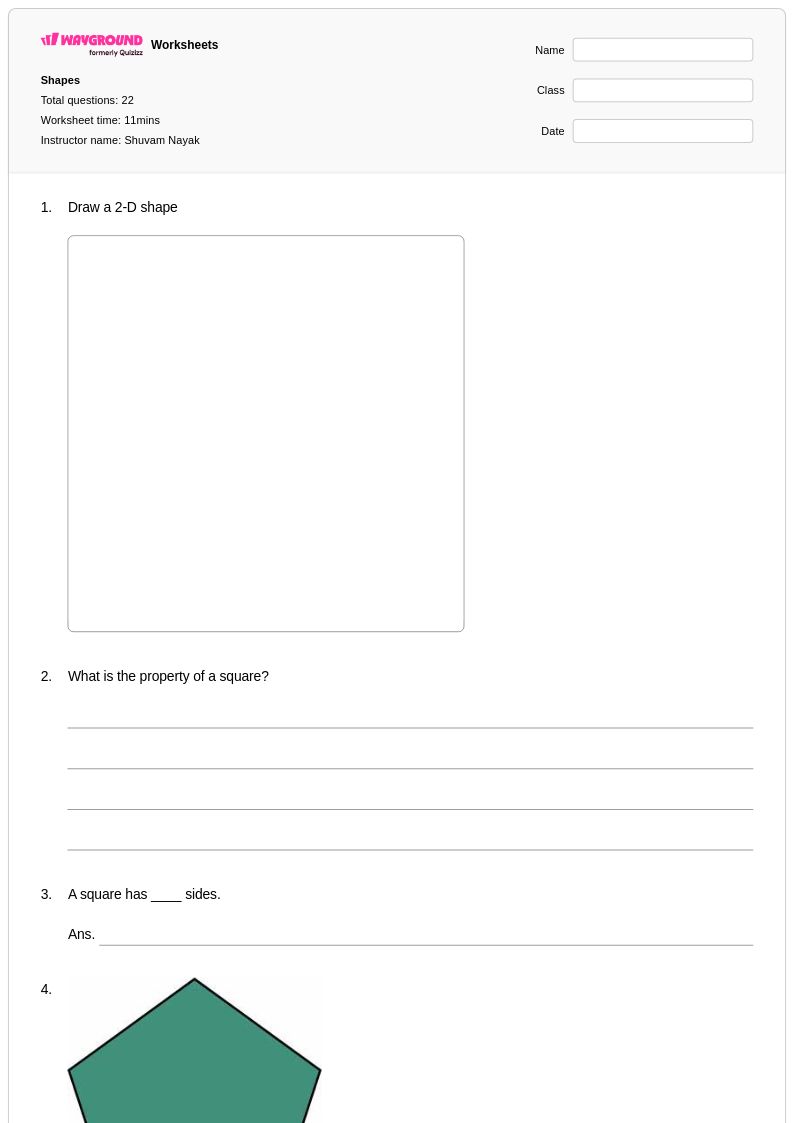
22 Q
1st - 5th
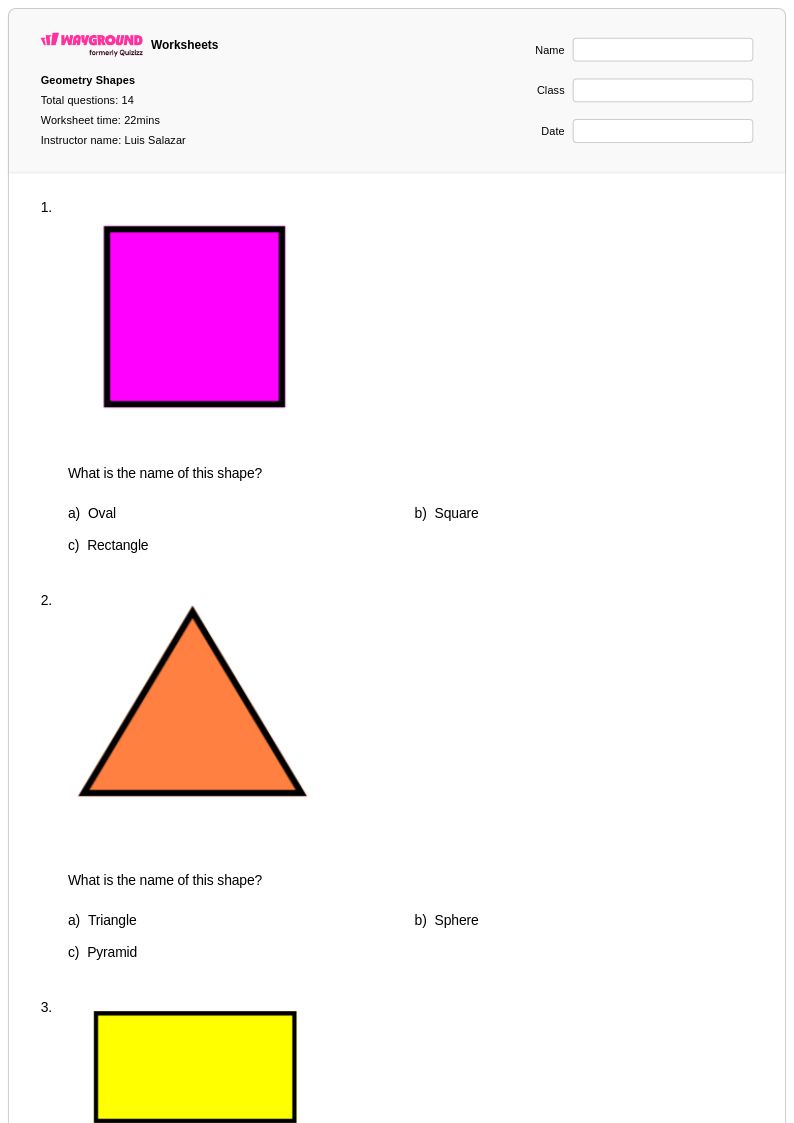
14 Q
1st - 5th
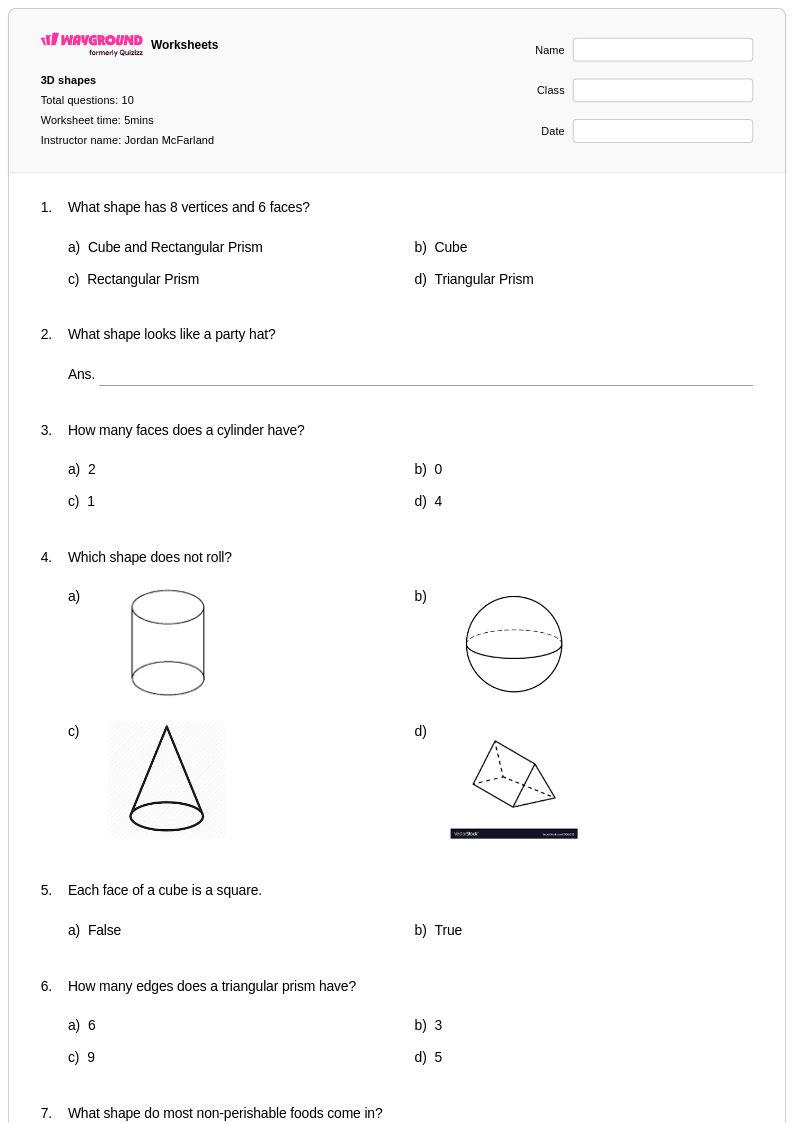
10 Q
3rd
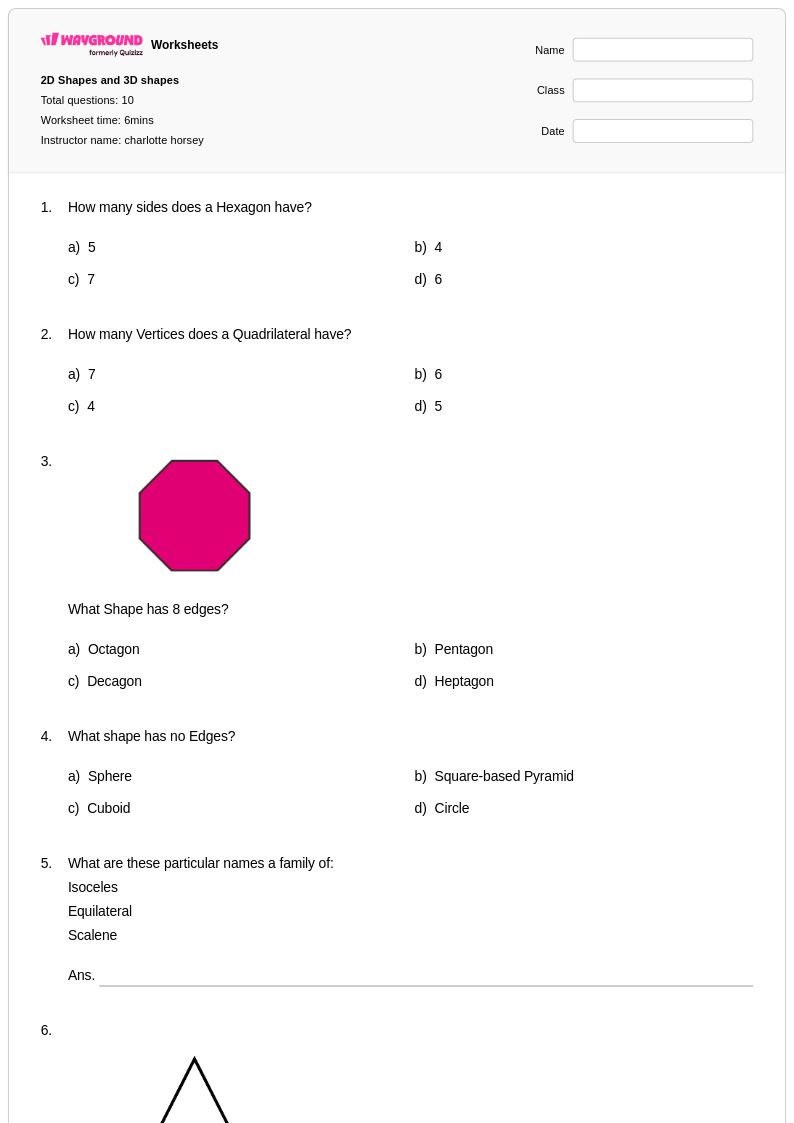
10 Q
2nd - 3rd
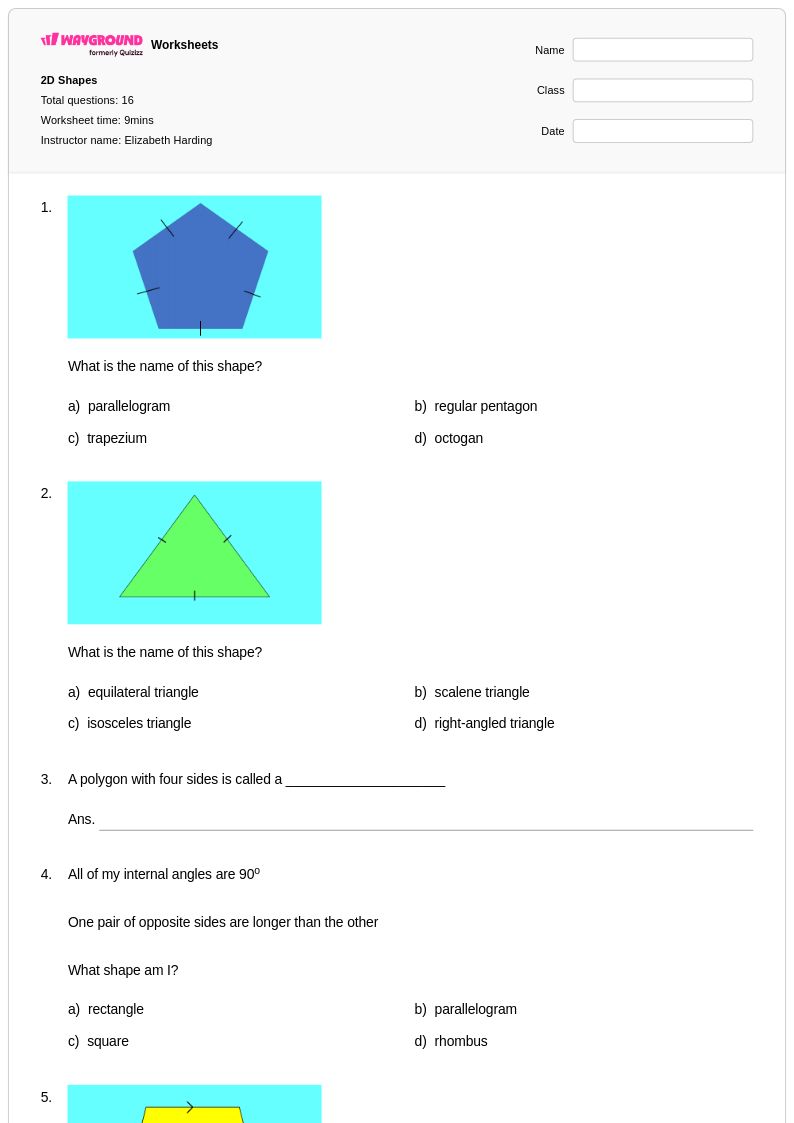
16 Q
2nd - 9th
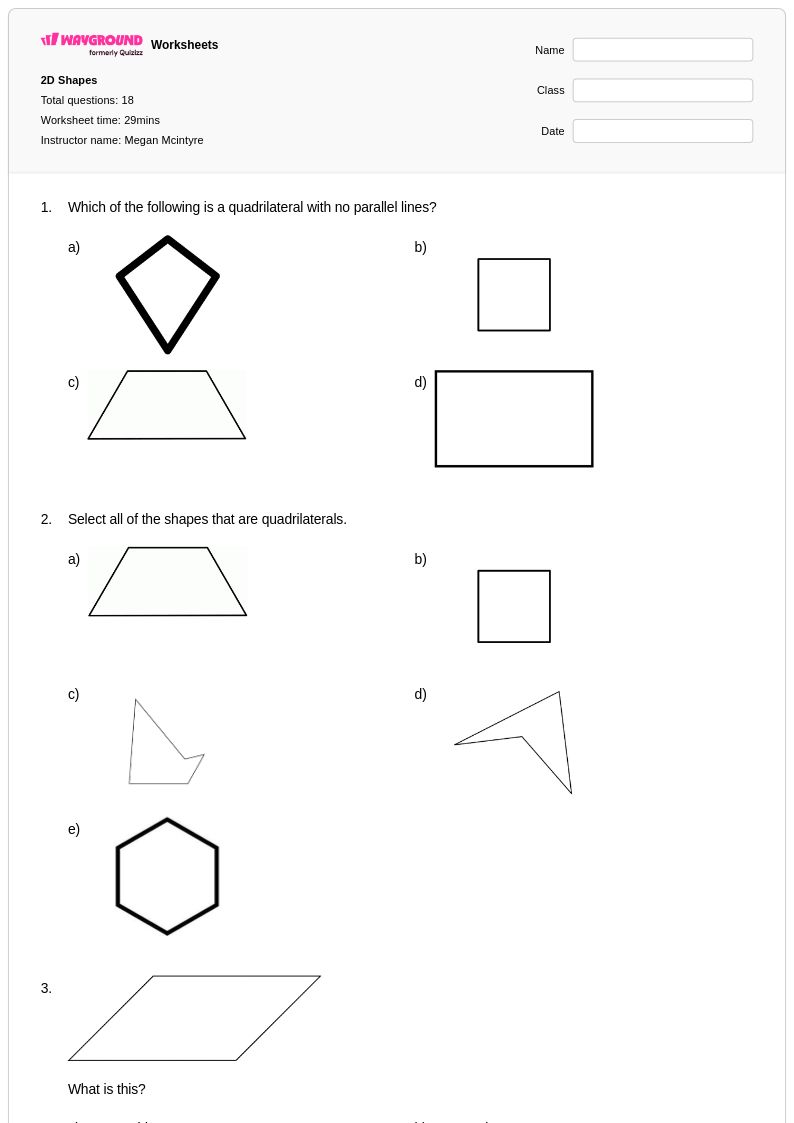
18 Q
2nd - 5th
12 Q
3rd
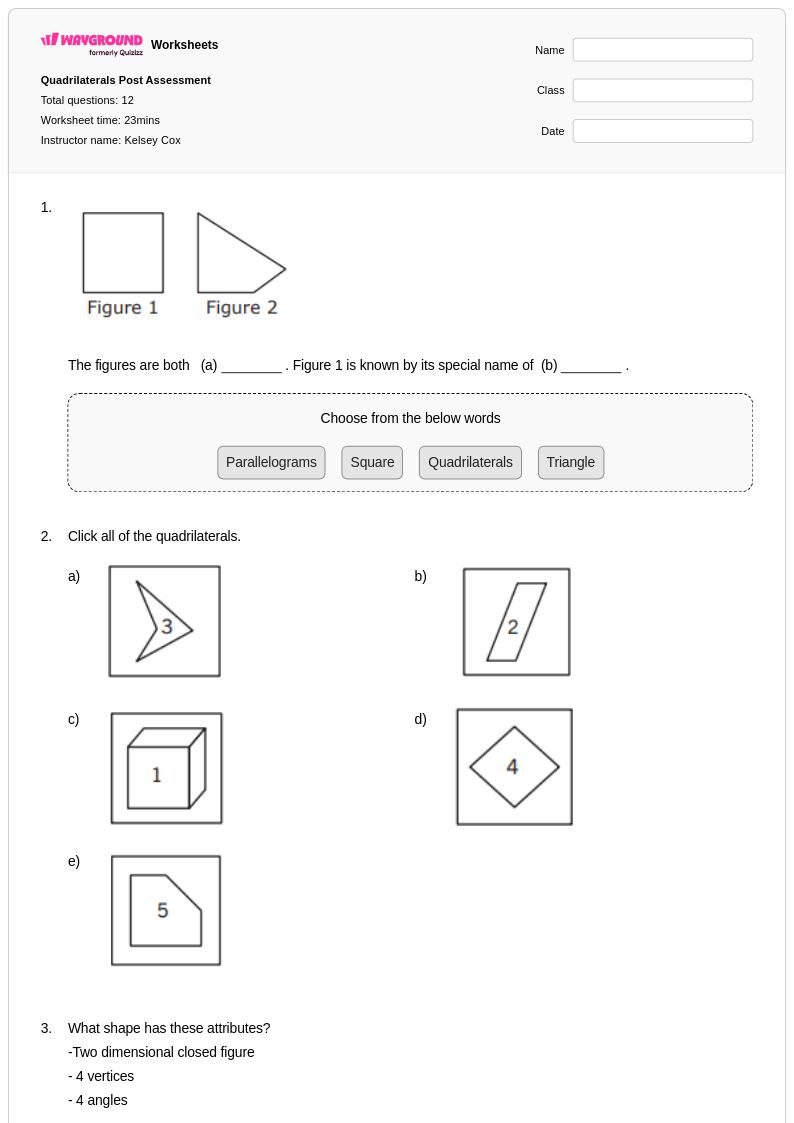
12 Q
3rd
19 Q
3rd - 5th
11 Q
3rd
20 Q
3rd - Uni
21 Q
3rd
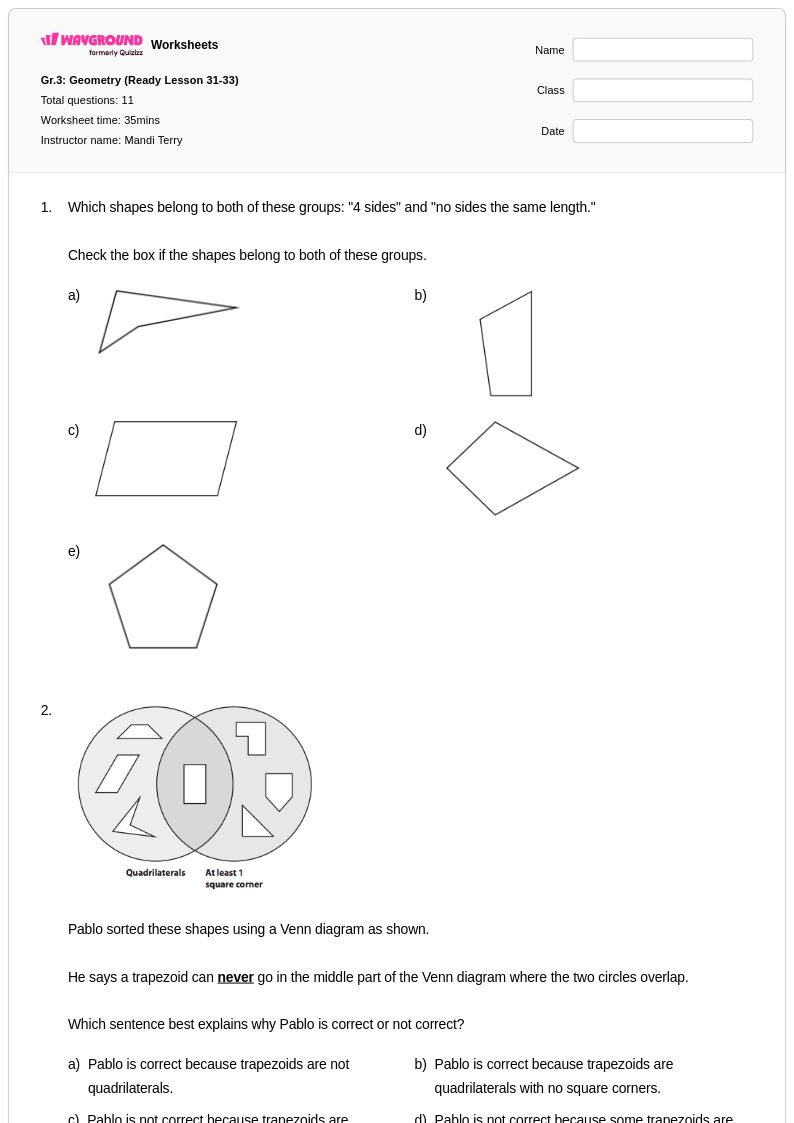
11 Q
3rd
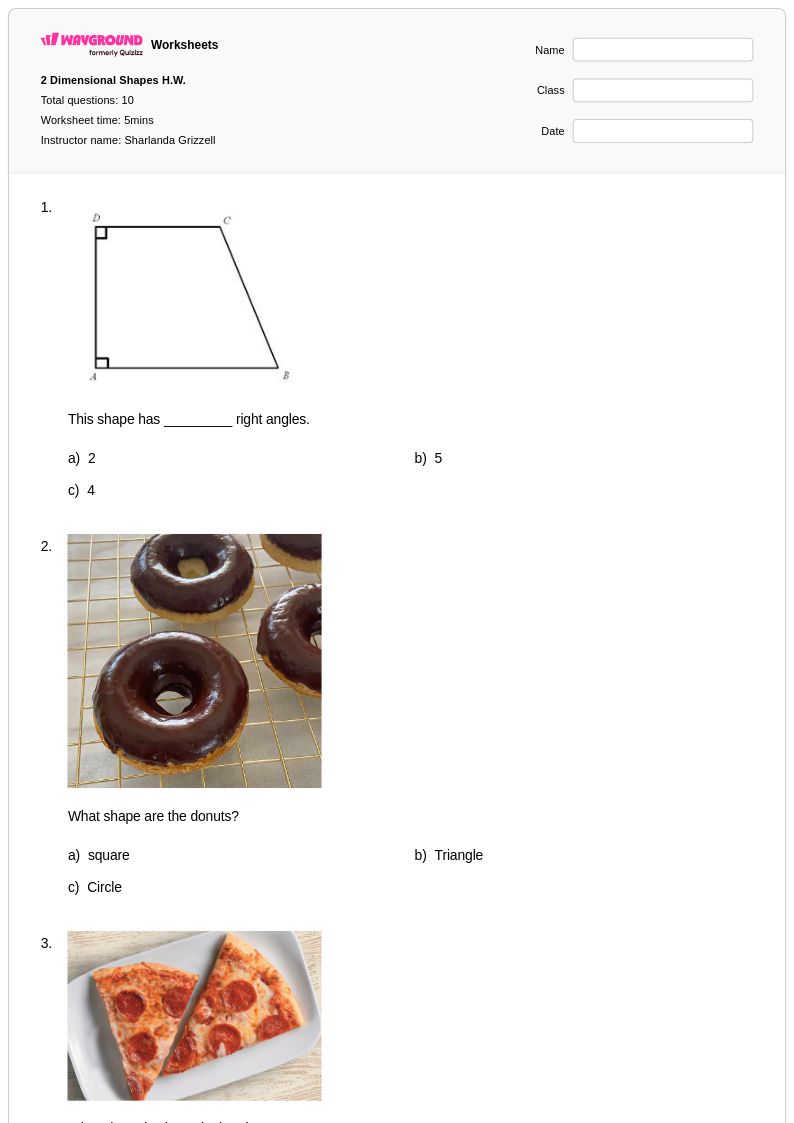
10 Q
3rd
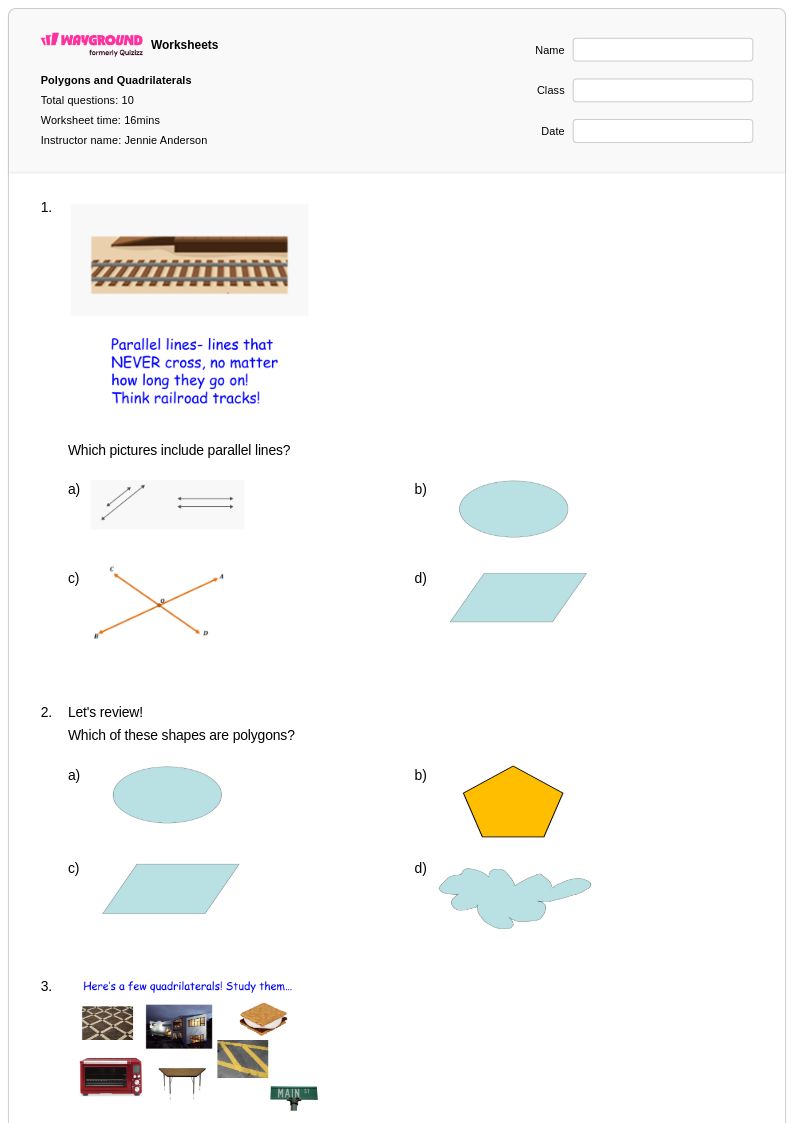
10 Q
3rd
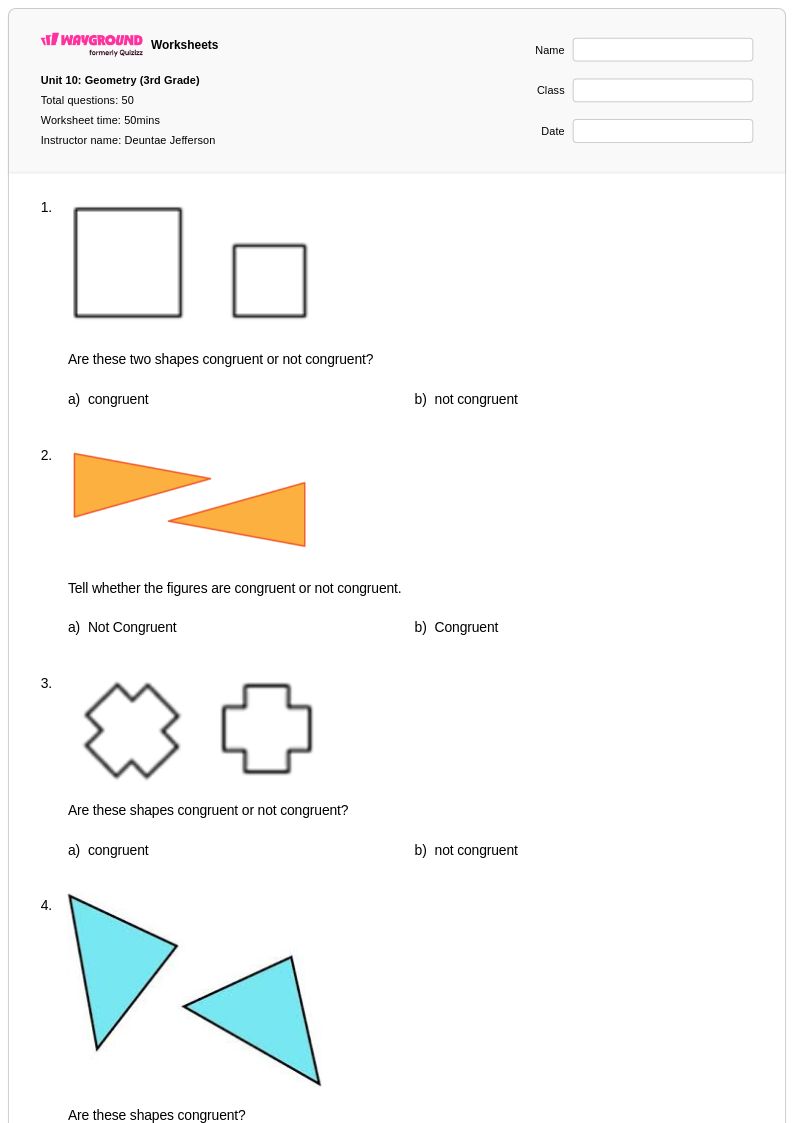
50 Q
3rd
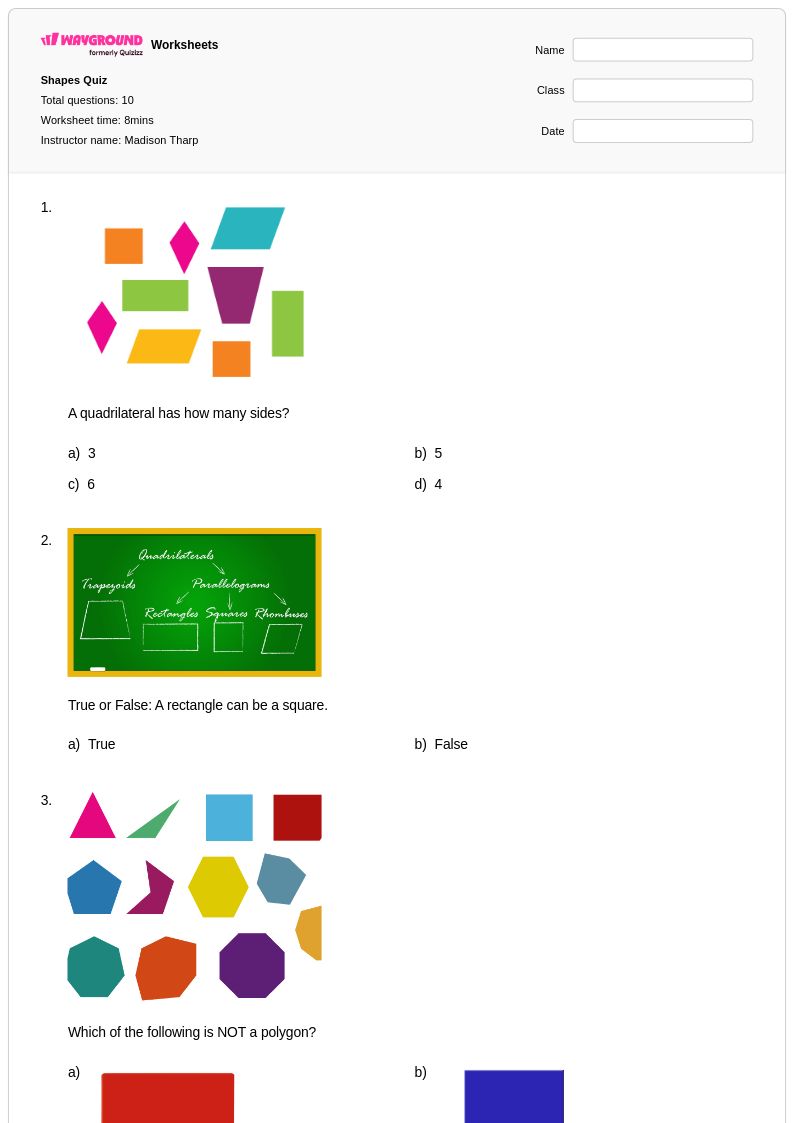
10 Q
3rd
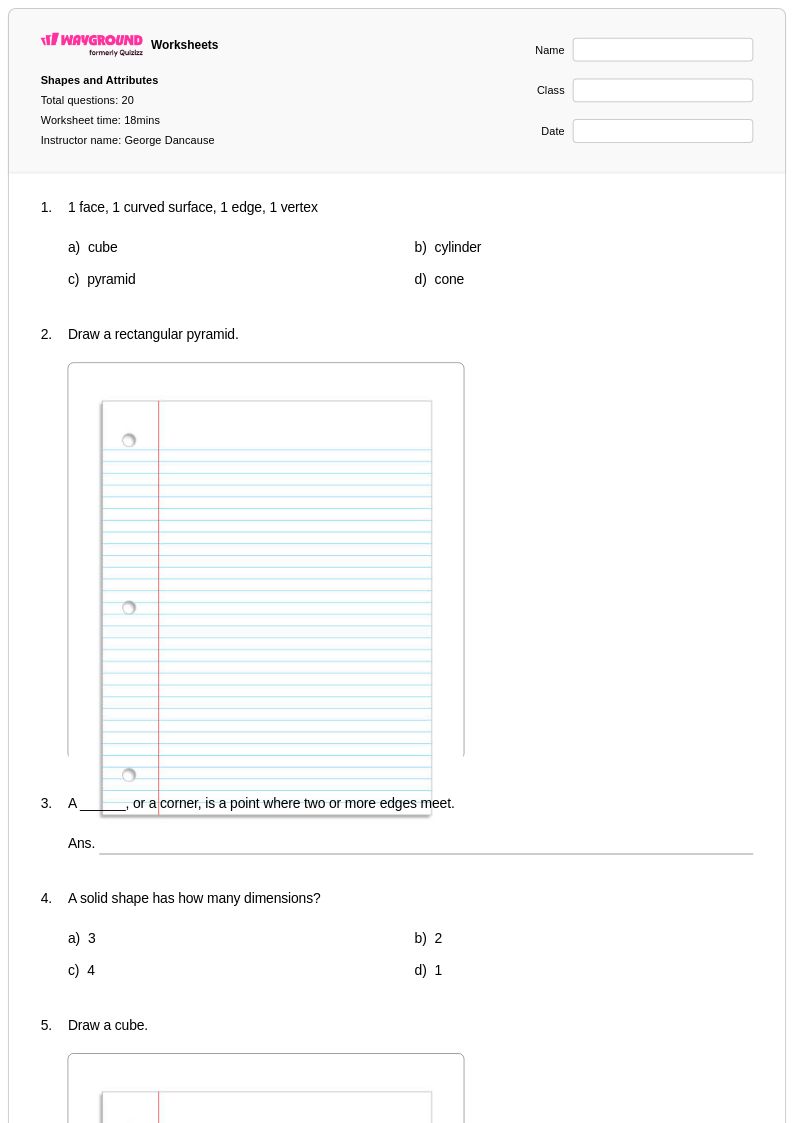
20 Q
3rd
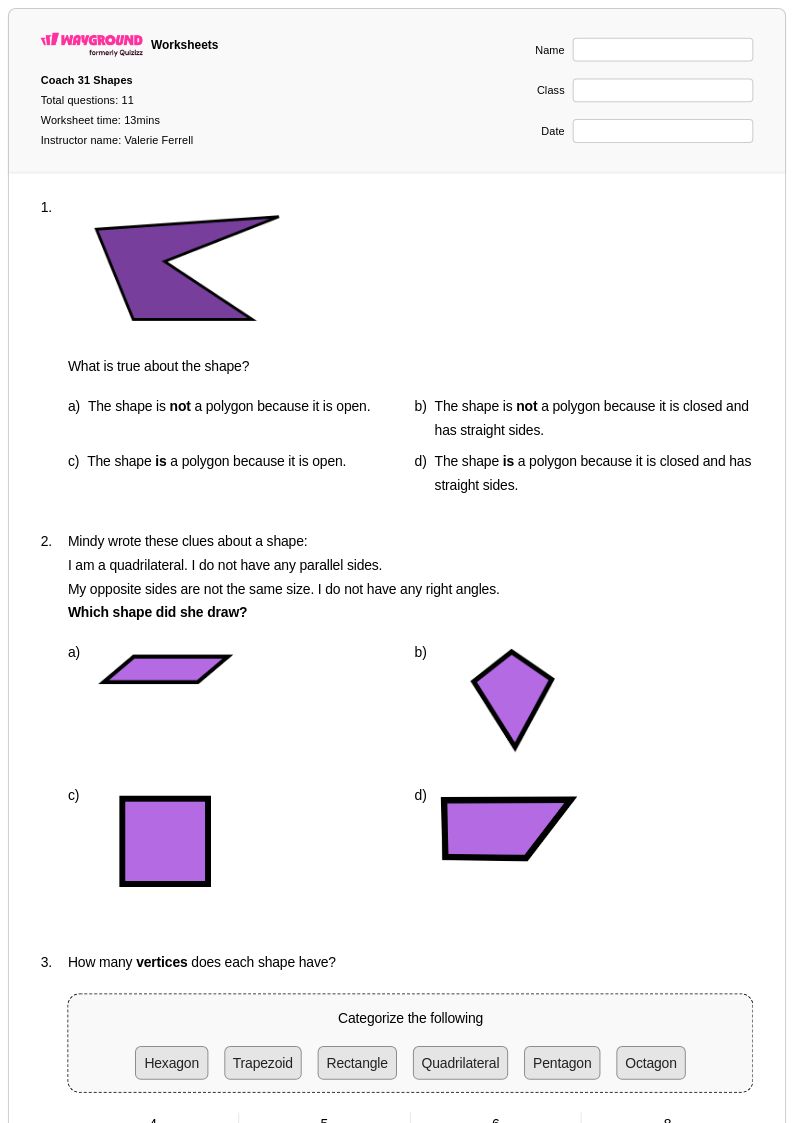
11 Q
3rd
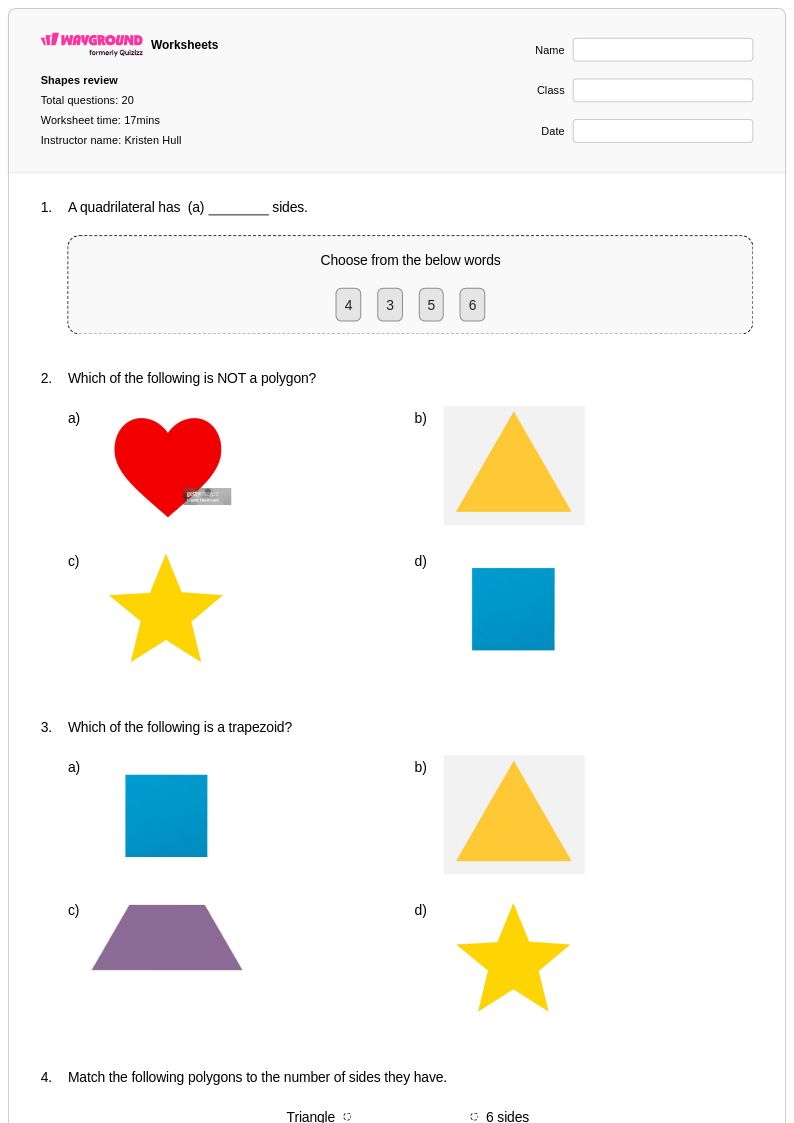
20 Q
3rd
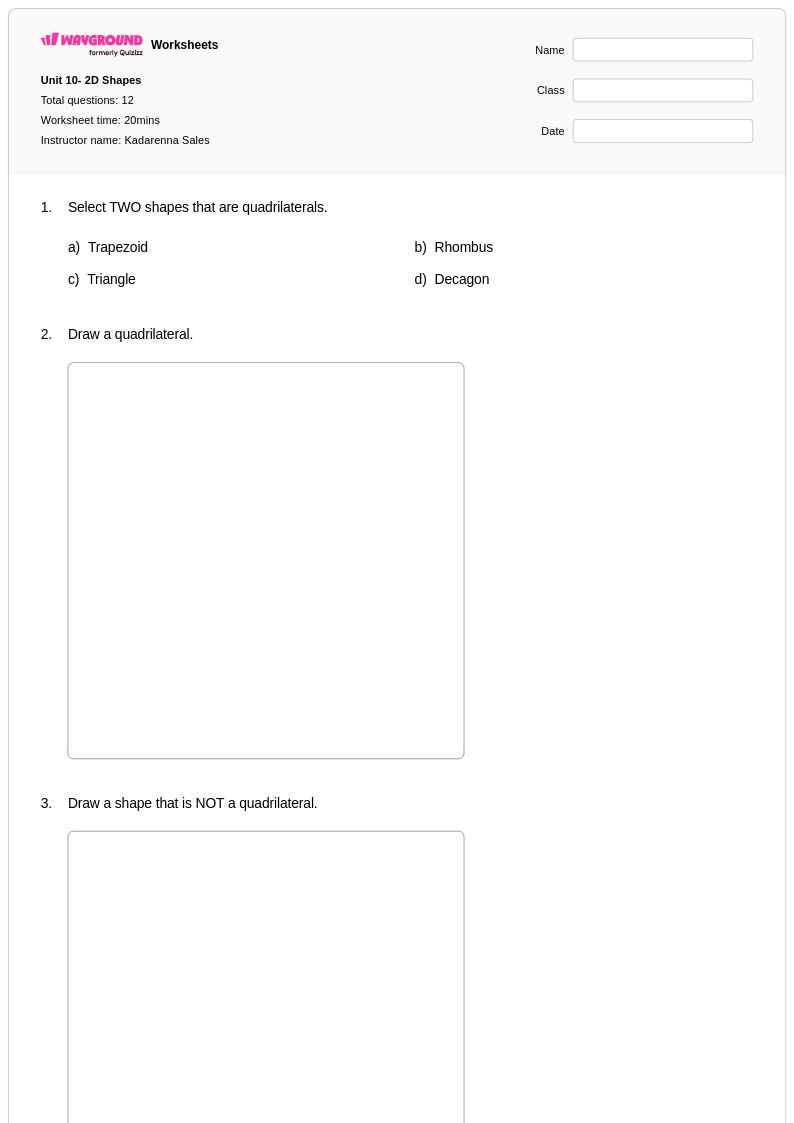
12 Q
3rd
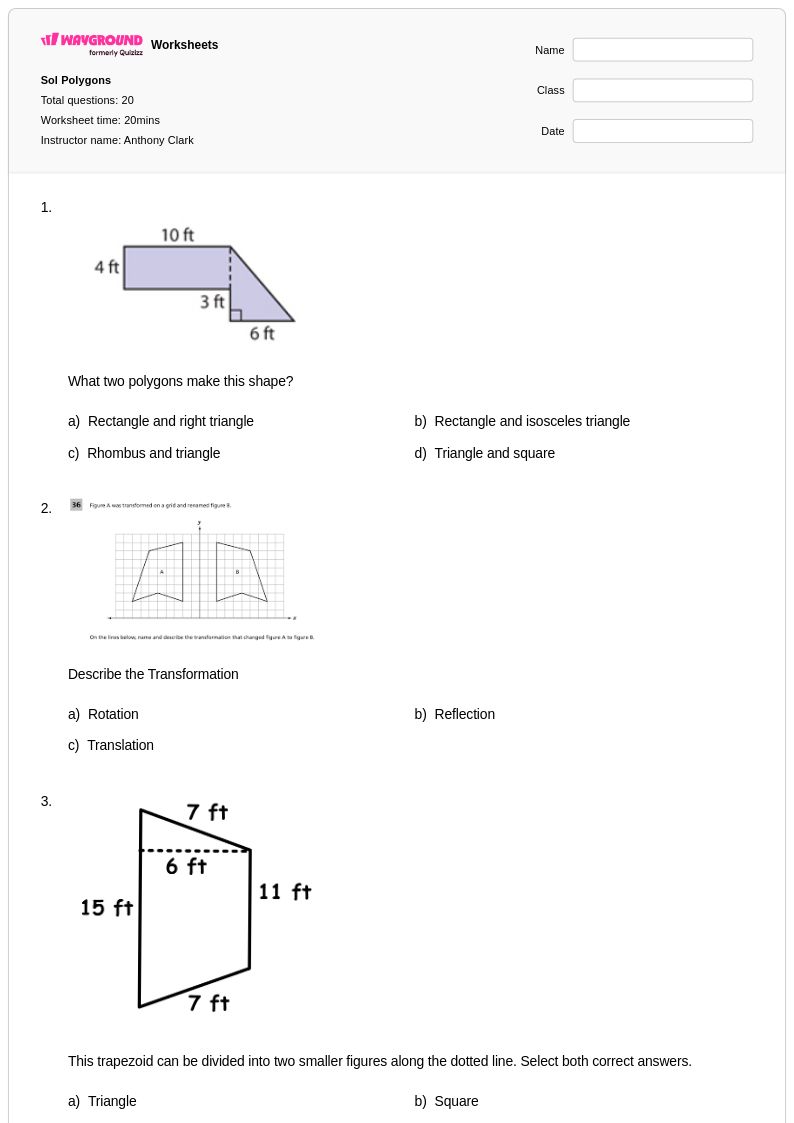
20 Q
3rd - Uni
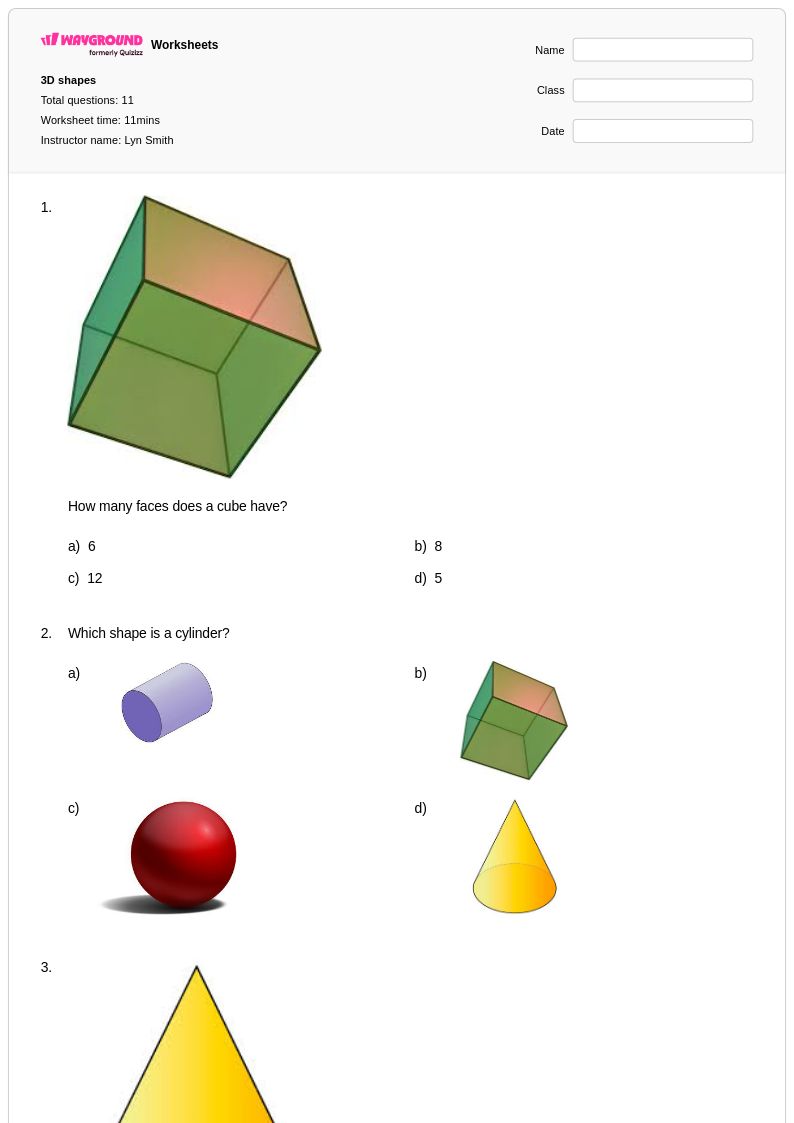
11 Q
3rd
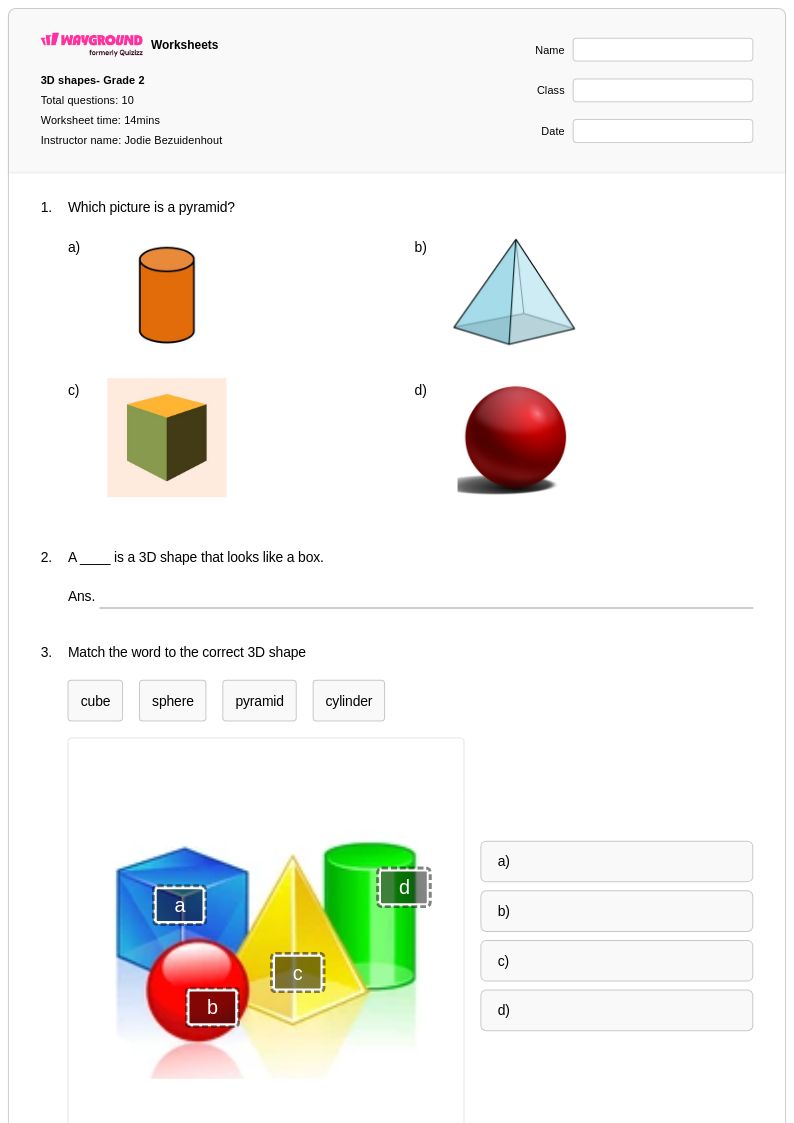
10 Q
2nd - Uni
Explore Other Subject Worksheets for year 3
Explore printable Combining Shapes worksheets for Year 3
Year 3 combining shapes worksheets available through Wayground (formerly Quizizz) provide comprehensive practice opportunities for young learners to develop spatial reasoning and geometric composition skills. These educational resources focus on helping third-grade students understand how basic geometric figures can be joined, arranged, and manipulated to create more complex forms and patterns. The worksheets strengthen essential mathematical abilities including shape recognition, spatial visualization, and logical thinking as students explore how triangles, squares, rectangles, and circles can be combined in various configurations. Each printable resource includes clear instructions and practice problems that guide students through progressively challenging exercises, with accompanying answer keys that enable independent learning and self-assessment. These free pdf materials support classroom instruction while reinforcing fundamental concepts that serve as building blocks for more advanced geometric understanding.
Wayground (formerly Quizizz) empowers educators with access to millions of teacher-created combining shapes resources specifically designed for Year 3 mathematics instruction. The platform's robust search and filtering capabilities allow teachers to quickly locate worksheets that align with specific curriculum standards and match their students' current skill levels. Differentiation tools enable instructors to customize materials for diverse learning needs, while the availability of both printable and digital formats, including downloadable pdf versions, provides maximum classroom flexibility. These comprehensive worksheet collections support effective lesson planning by offering varied approaches to shape combination concepts, facilitate targeted remediation for students who need additional support, and provide enrichment opportunities for advanced learners. Teachers can seamlessly integrate these resources into their geometry curriculum to ensure consistent skill practice and reinforce critical spatial reasoning abilities that form the foundation for future mathematical success.
FAQs
How do I teach combining shapes to third graders?
What exercises help Grade 3 students practice combining shapes?
What mistakes do third graders make when combining shapes?
How can I use Grade 3 combining shapes worksheets on Wayground?
How does combining shapes align with Common Core Grade 3 geometry?
How can I differentiate Grade 3 combining shapes practice?
What grade level is combining shapes taught at?