
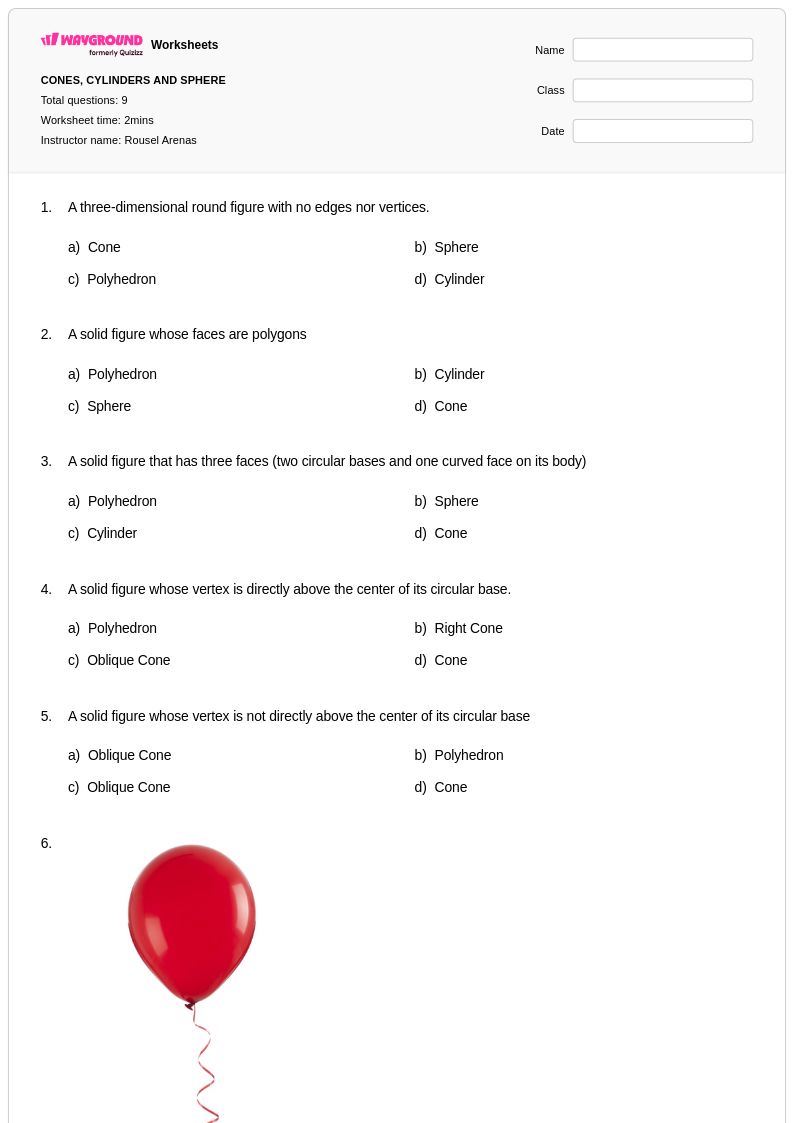
9 Q
4th - 5th
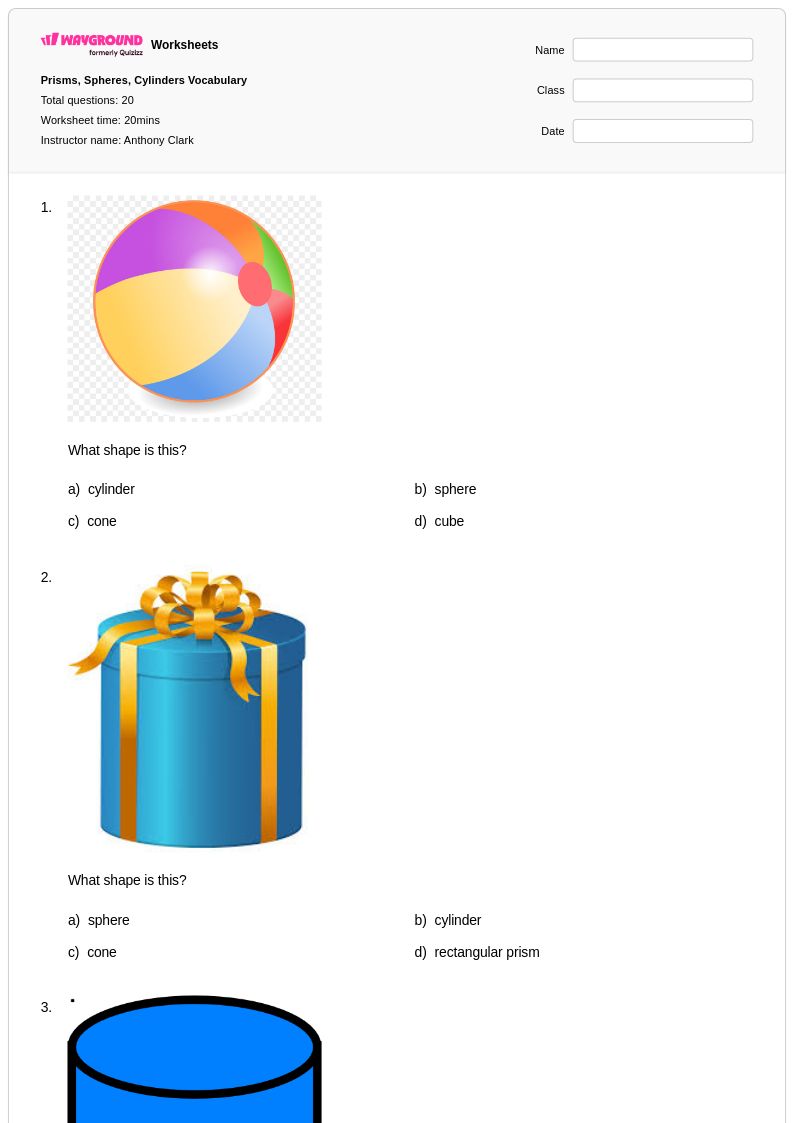
20 Q
2nd - Uni
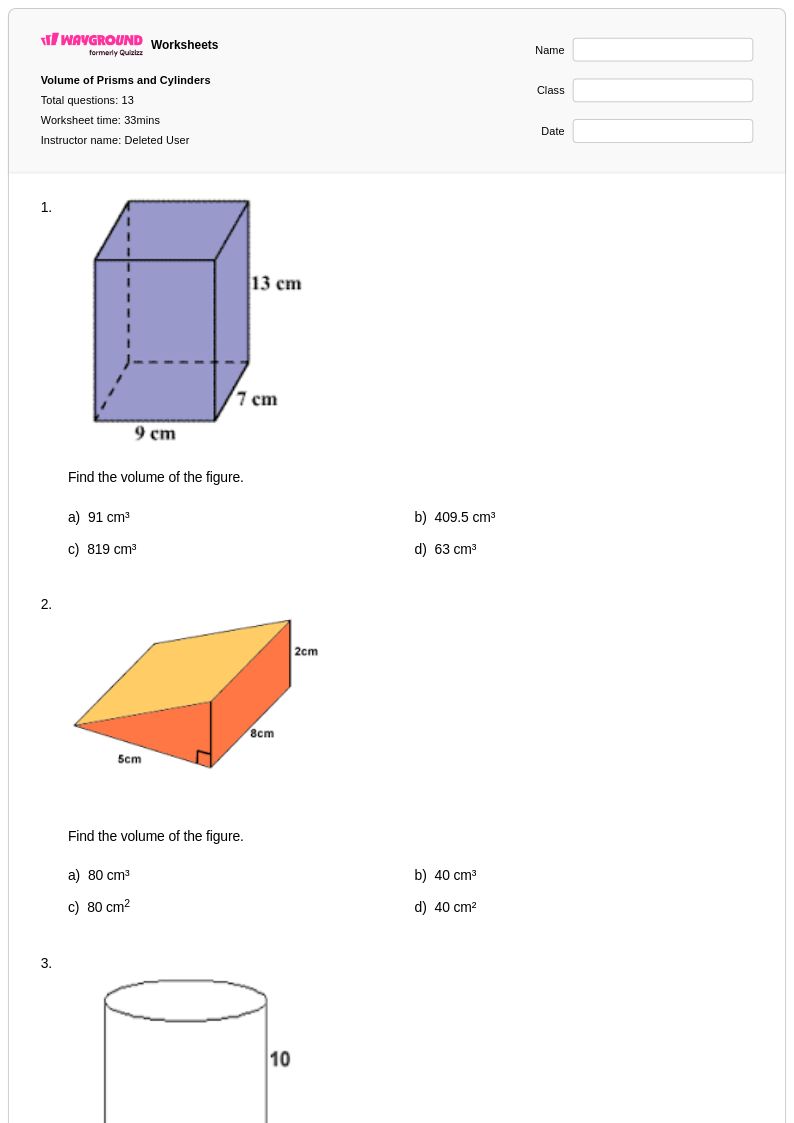
13 Q
KG - Uni
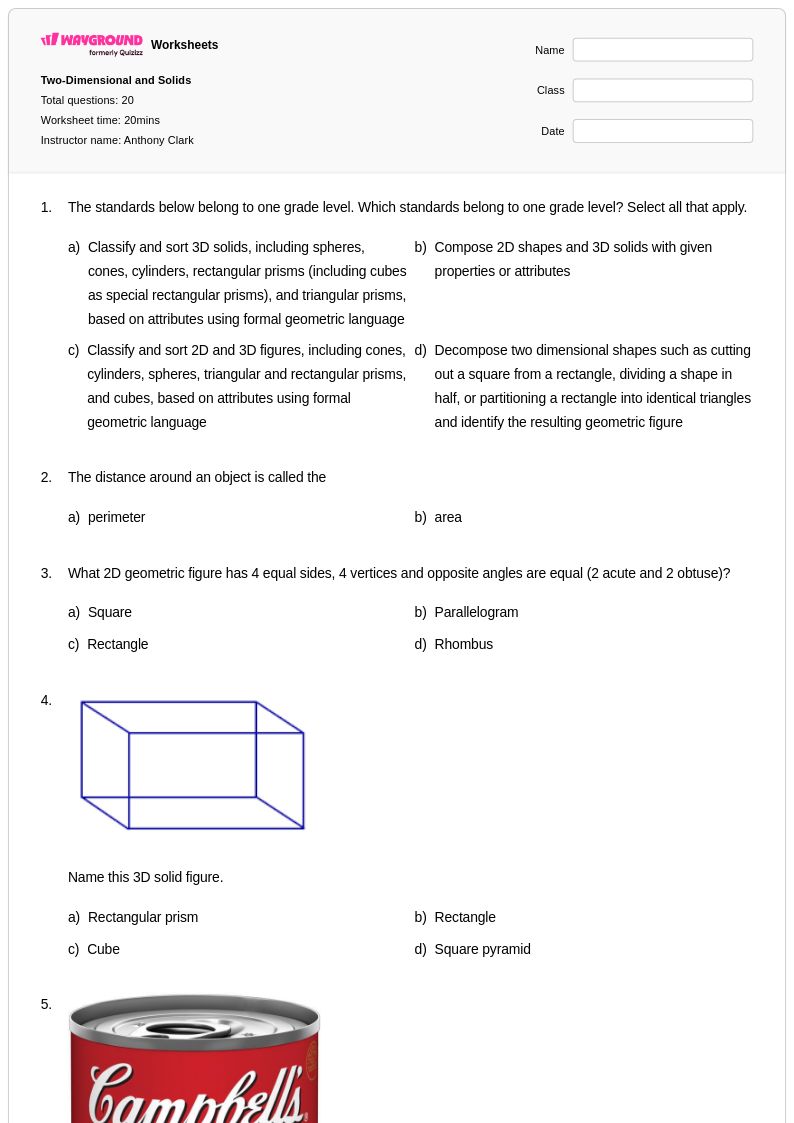
20 Q
3rd - Uni
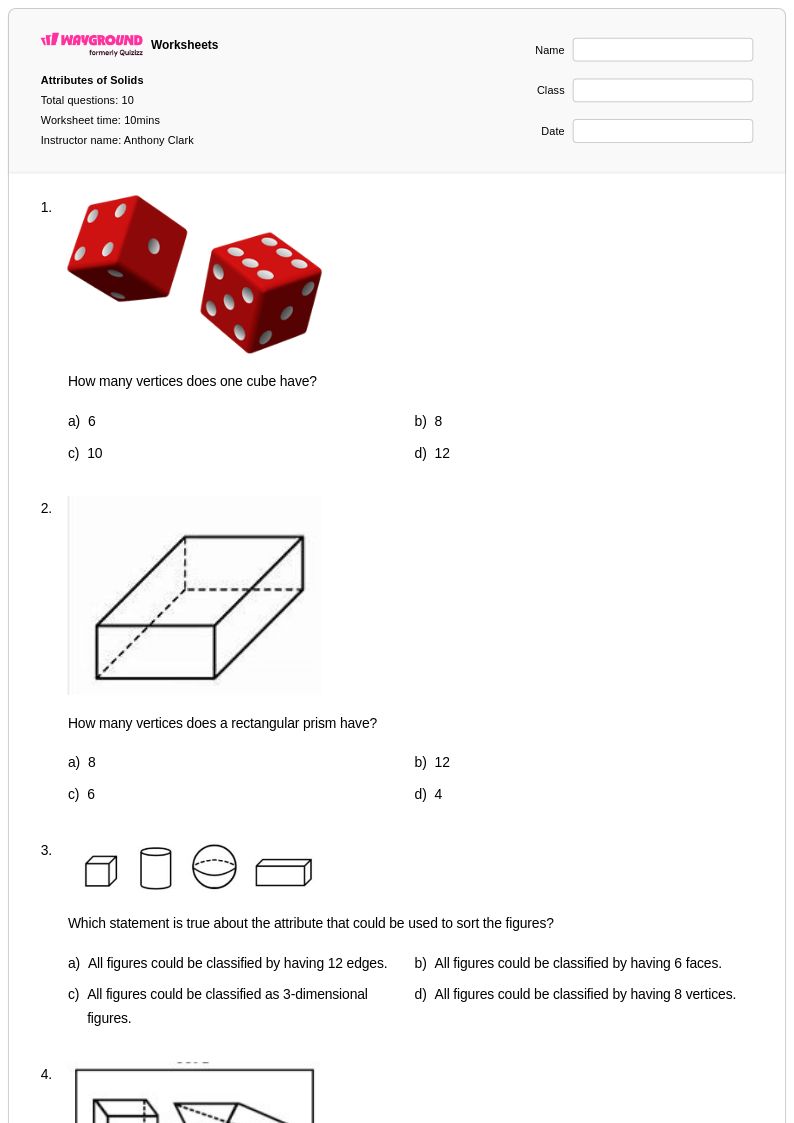
10 Q
3rd - Uni
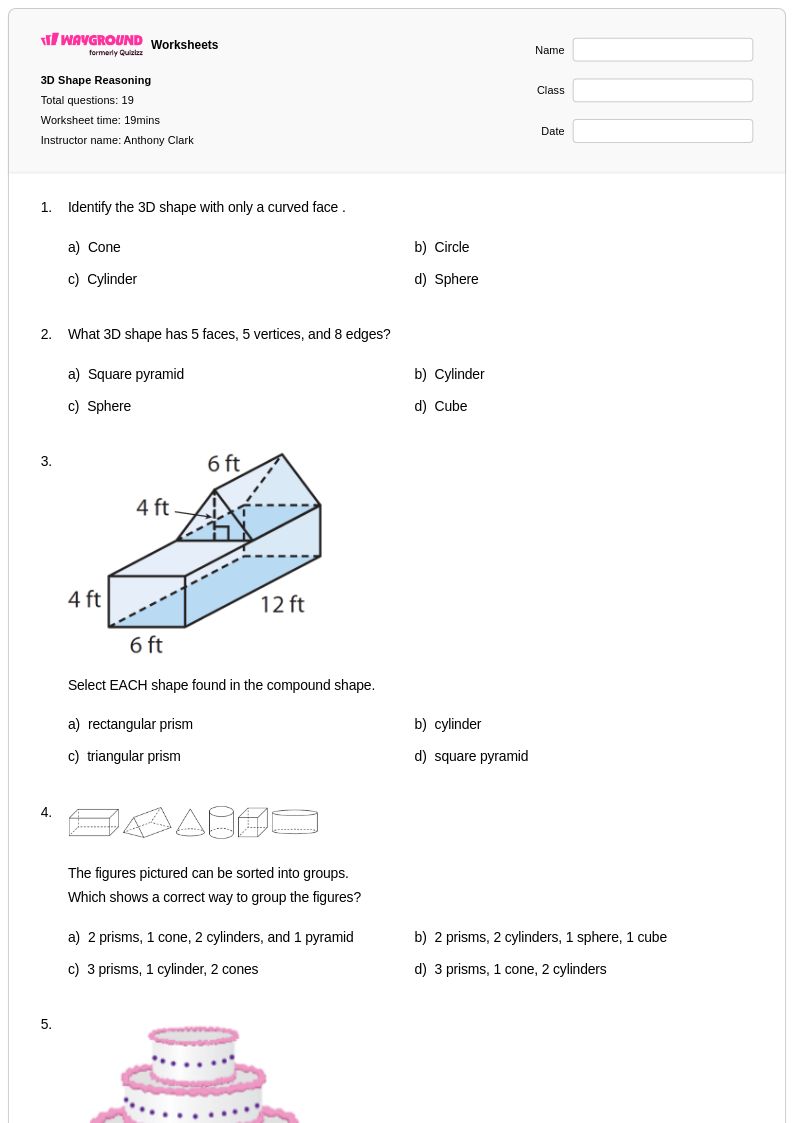
19 Q
3rd - Uni
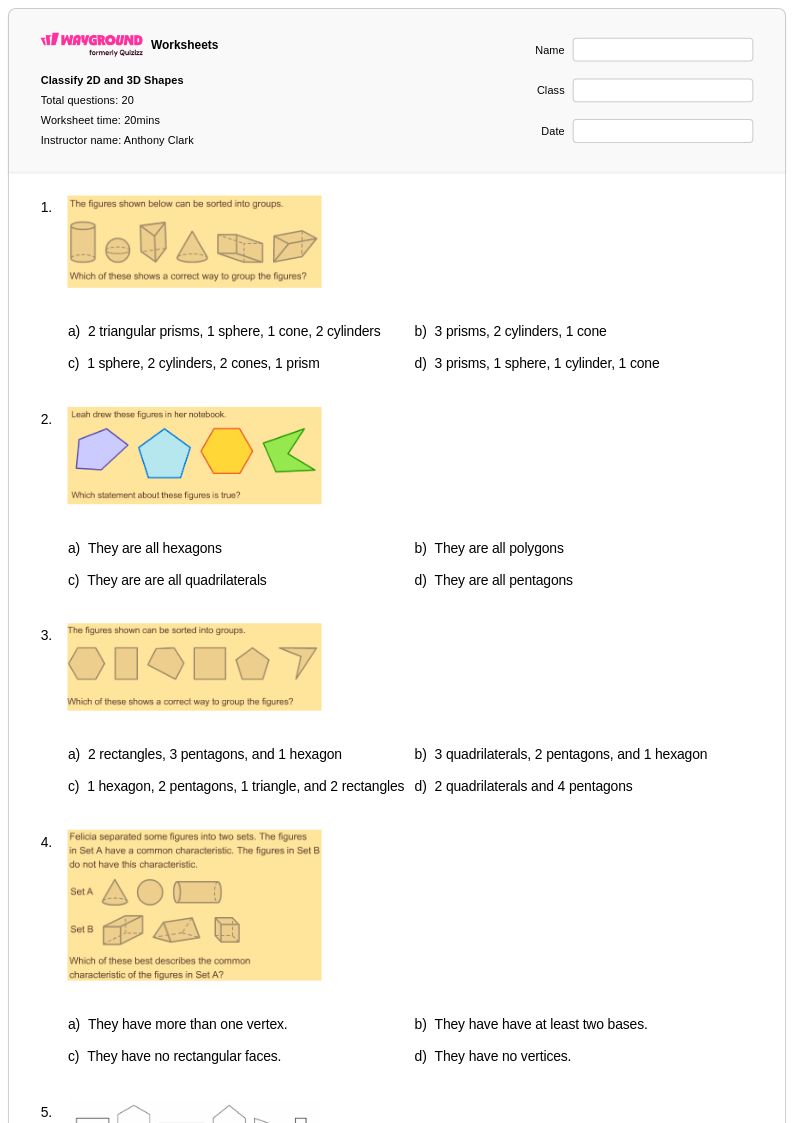
20 Q
3rd - Uni
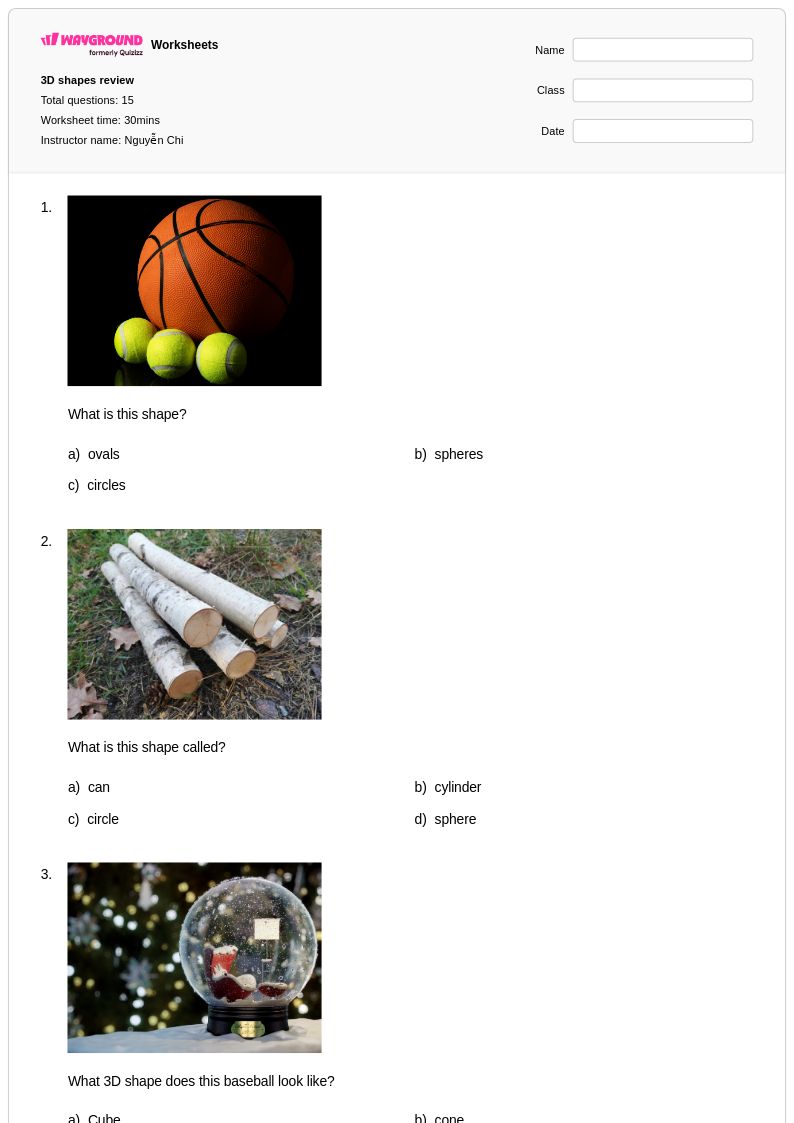
15 Q
1st - 4th
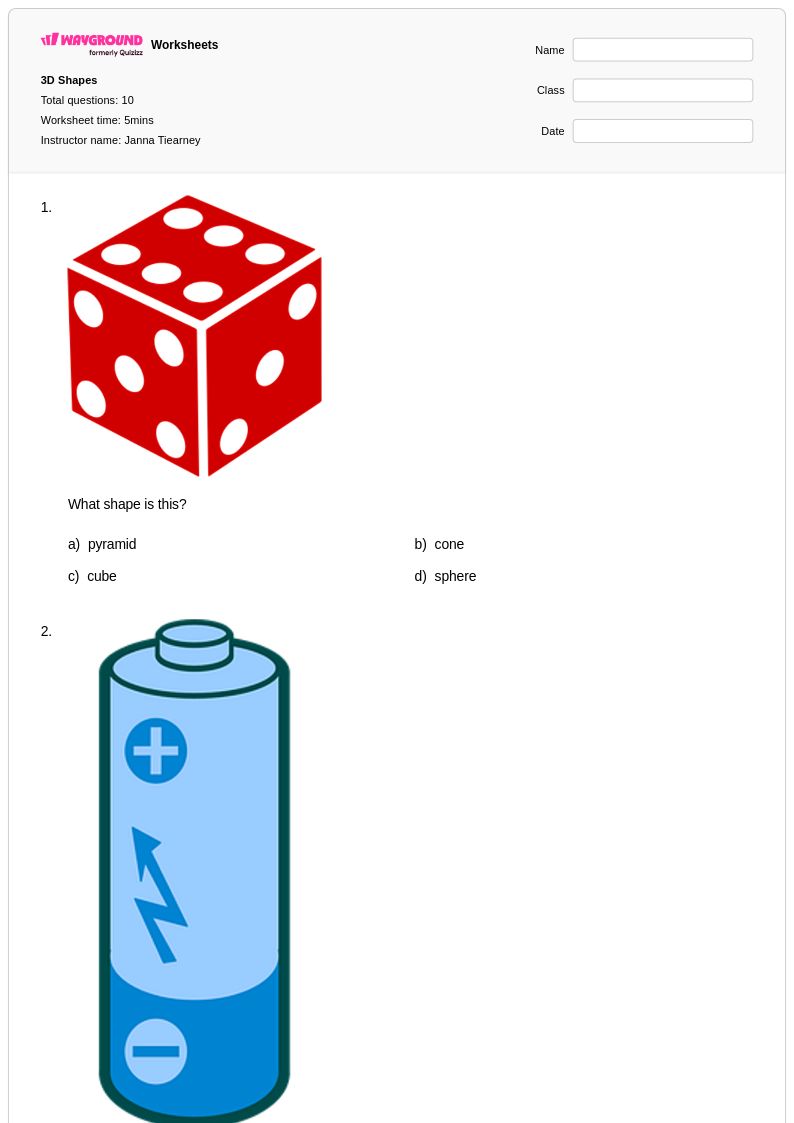
10 Q
1st - 5th
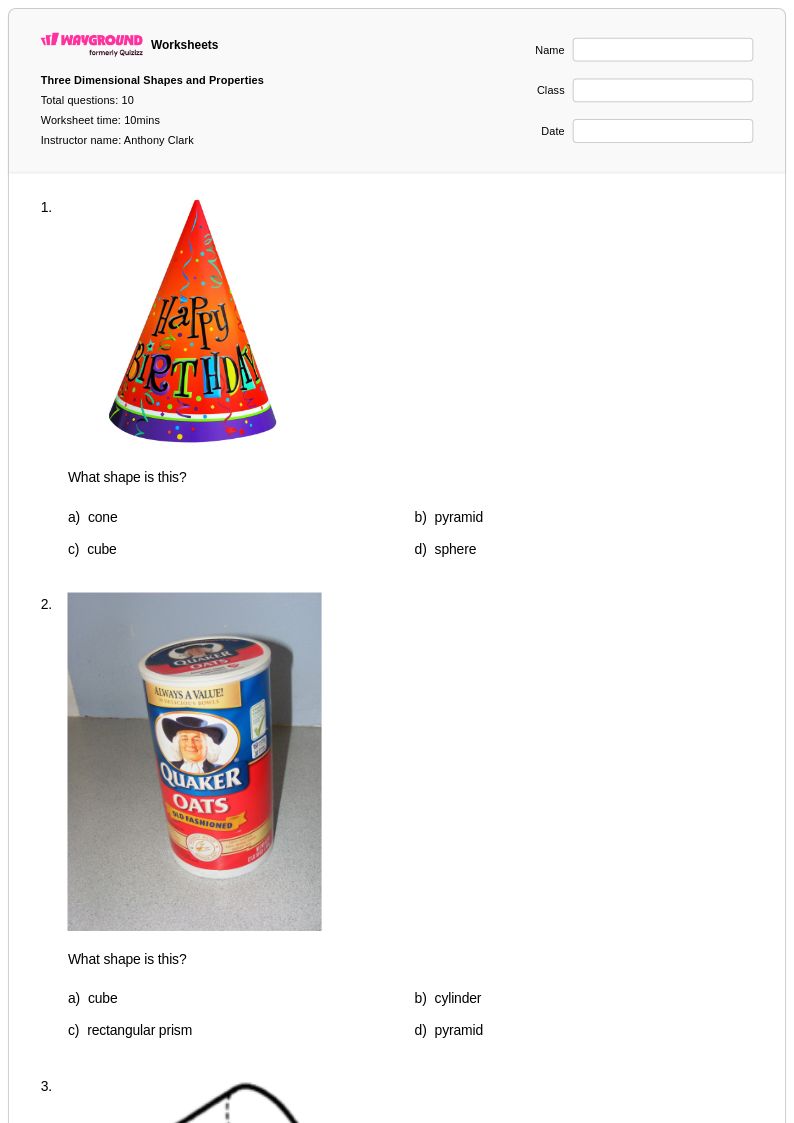
10 Q
3rd - Uni
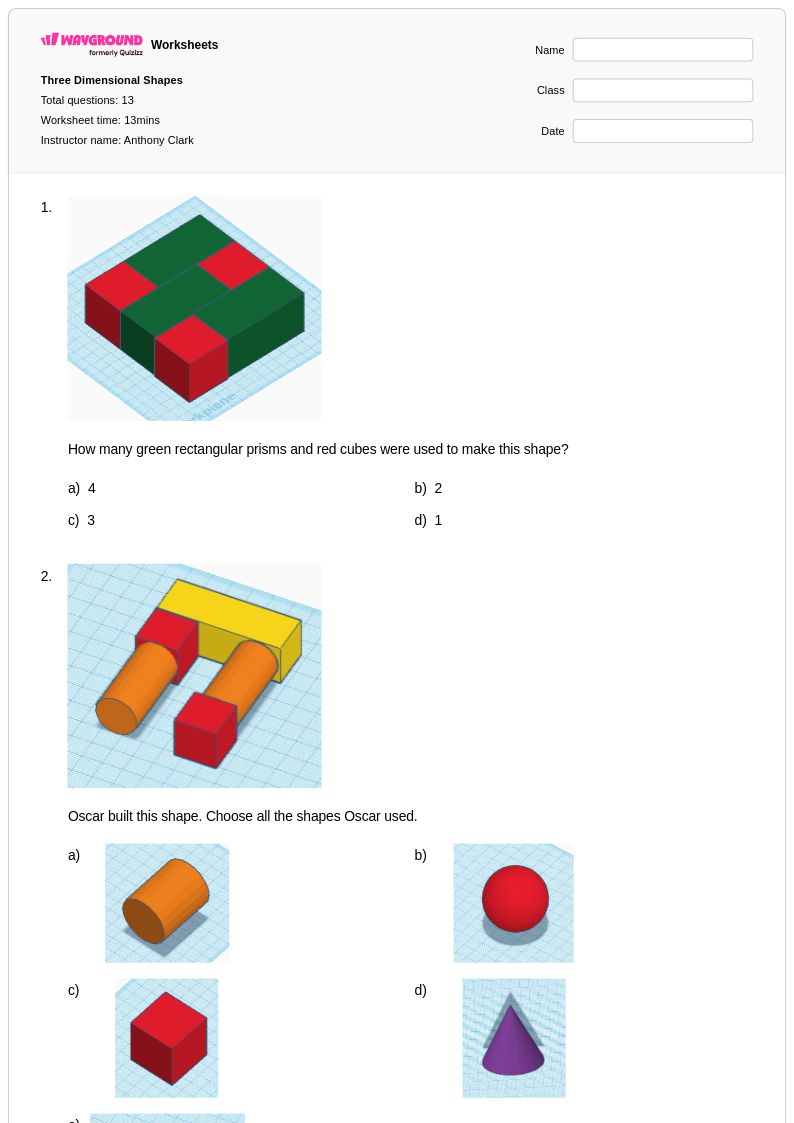
13 Q
3rd - Uni
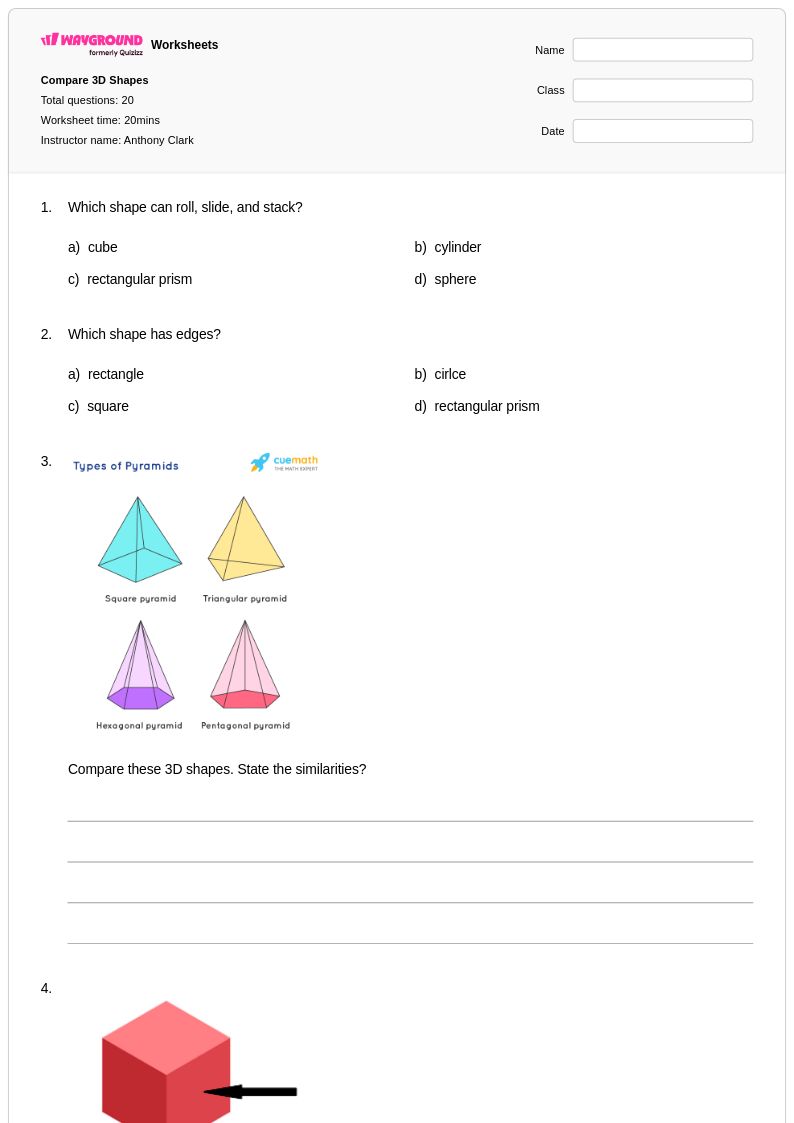
20 Q
3rd - Uni
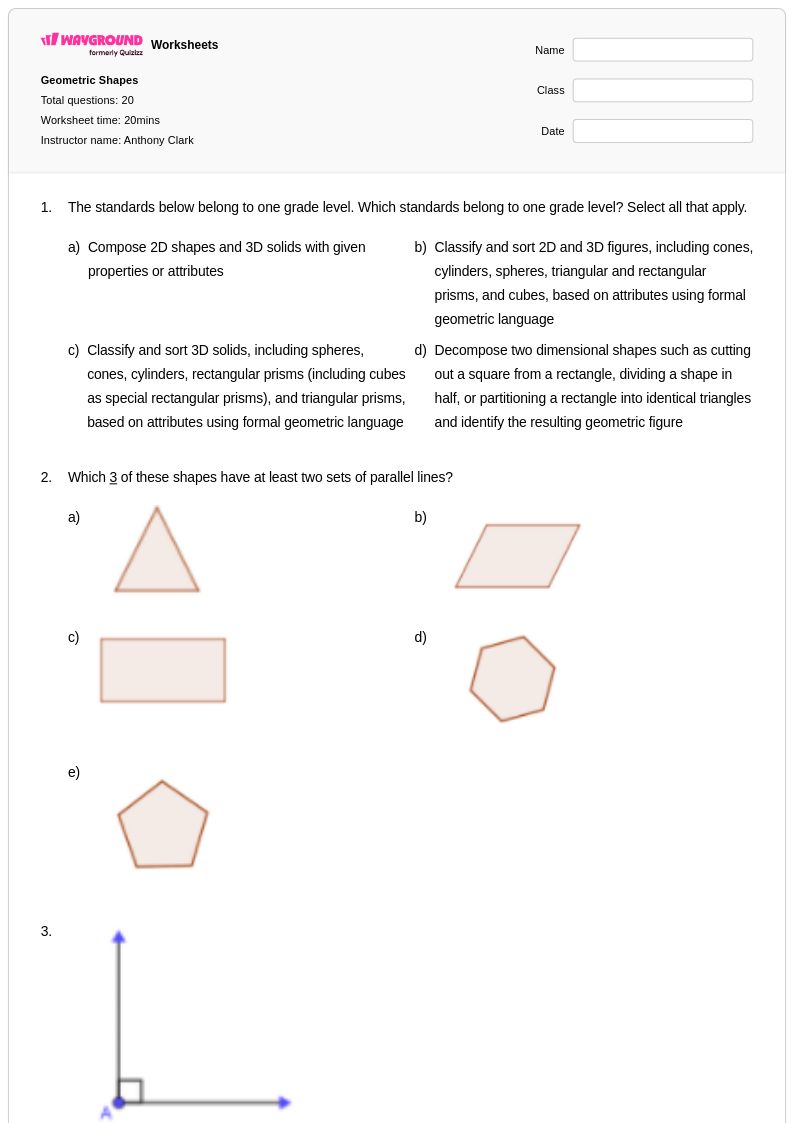
20 Q
4th - Uni
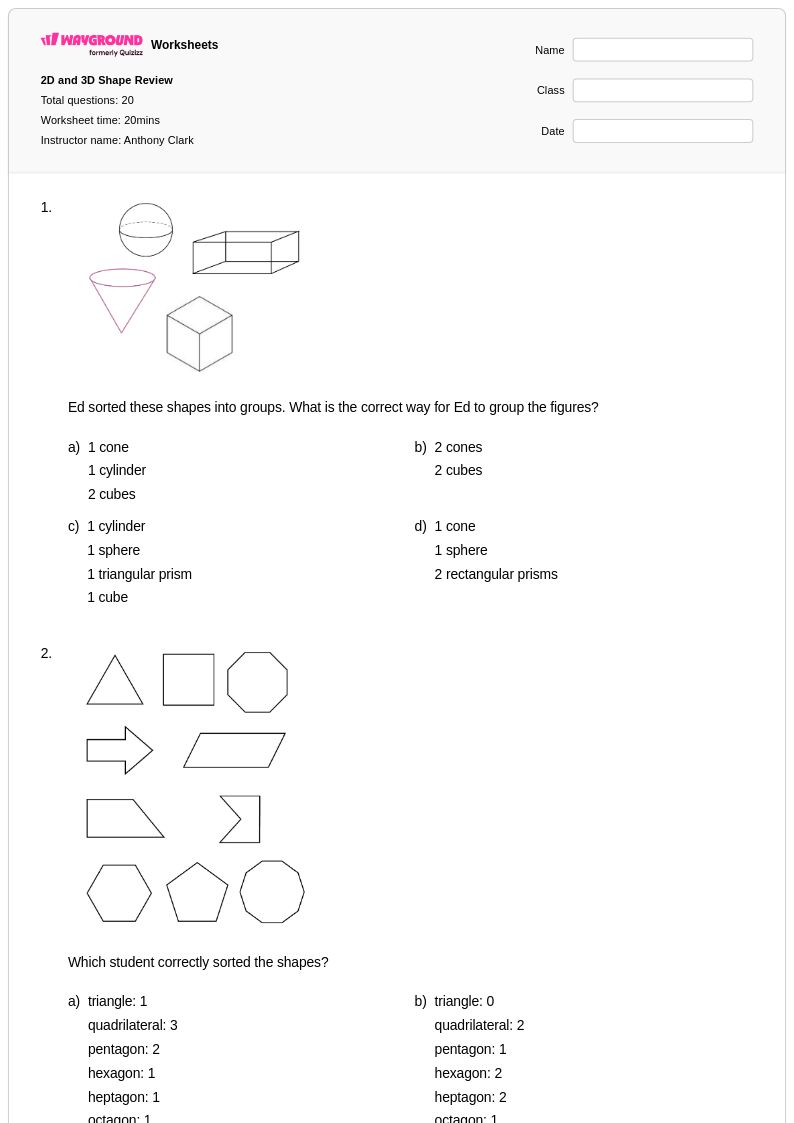
20 Q
2nd - Uni
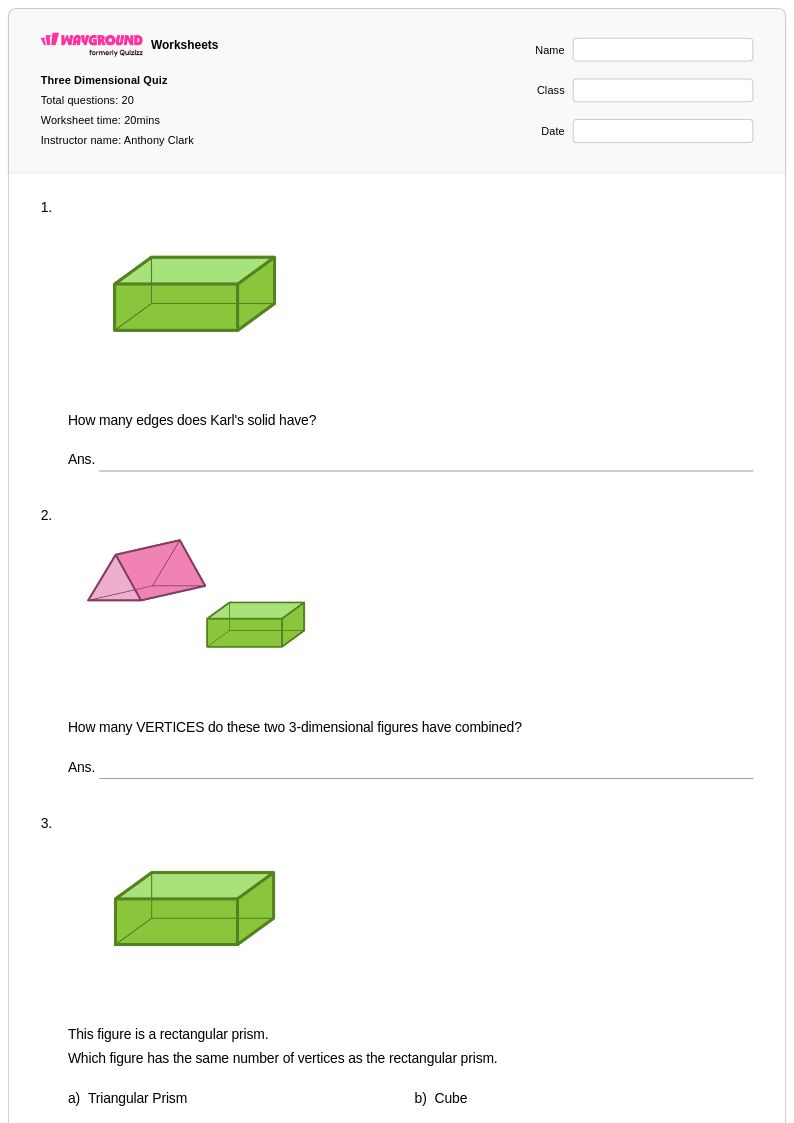
20 Q
1st - Uni
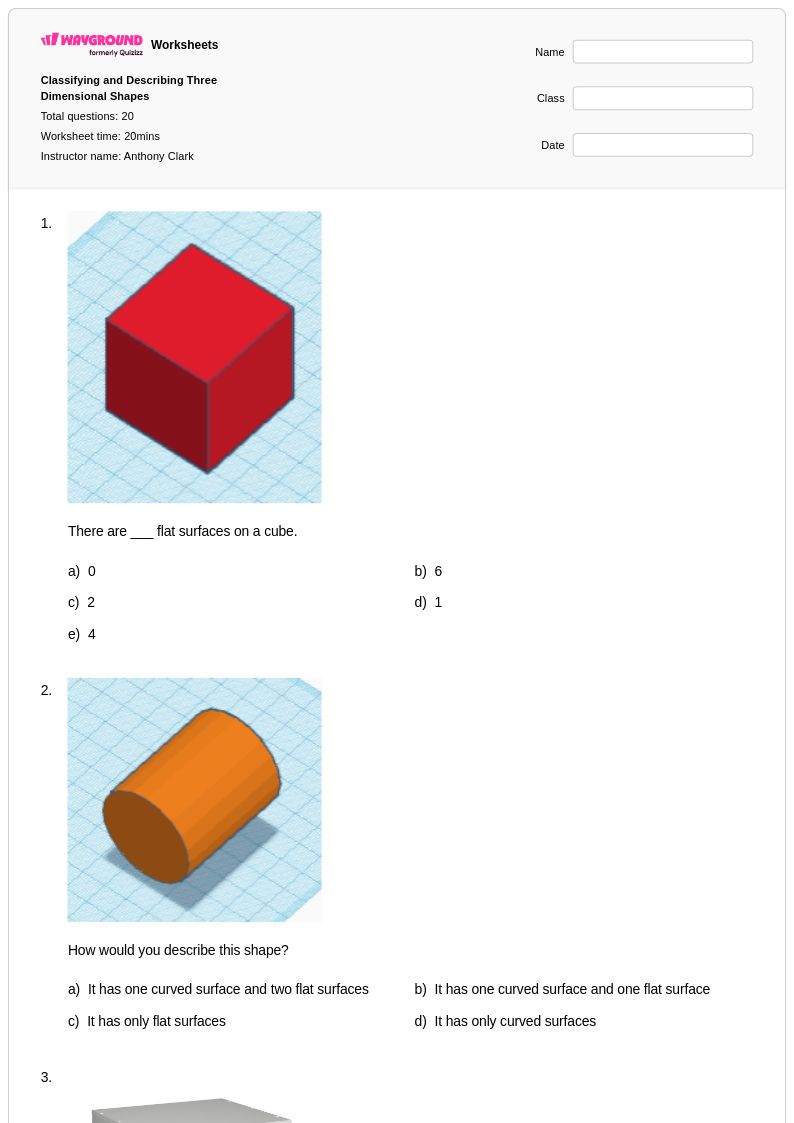
20 Q
4th - Uni
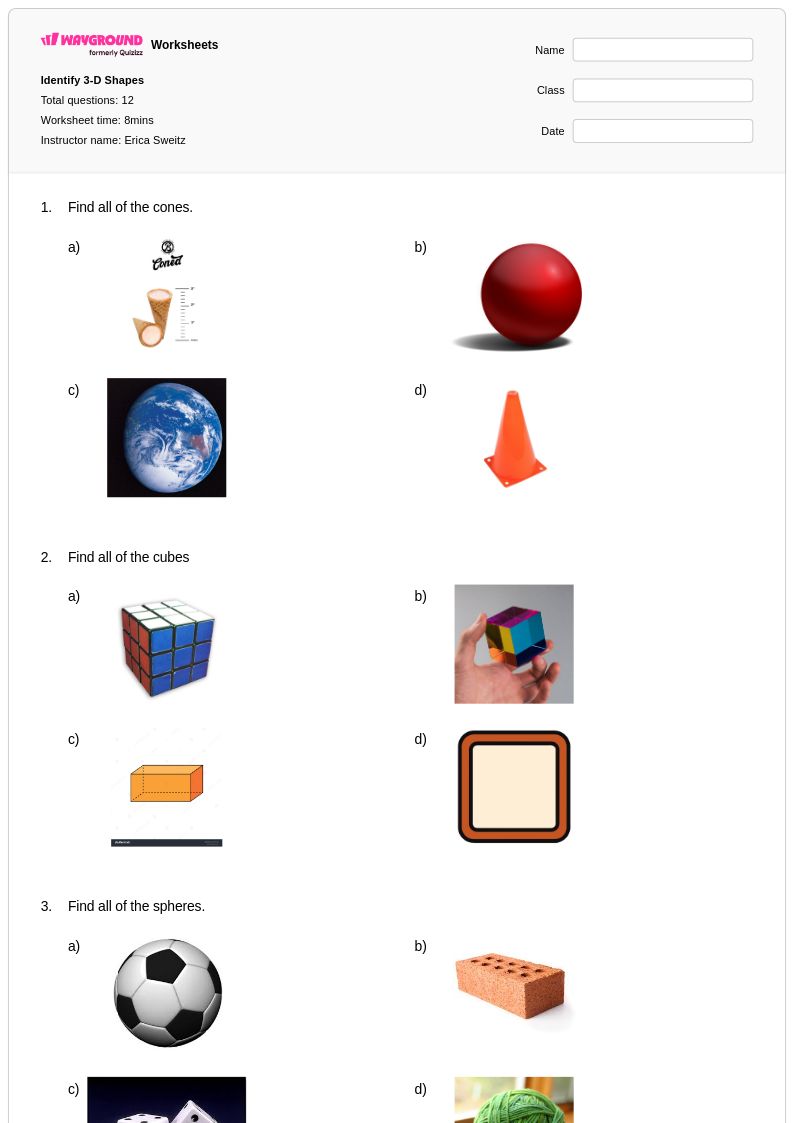
12 Q
1st - Uni
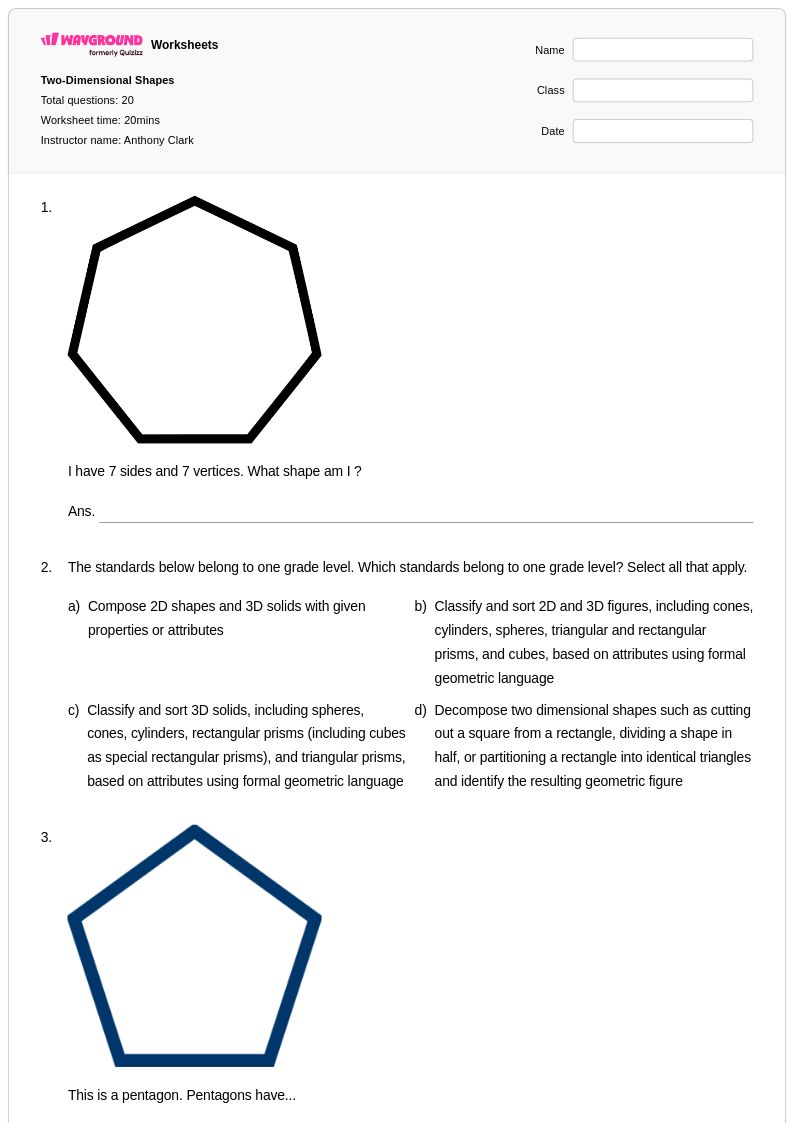
20 Q
4th - Uni
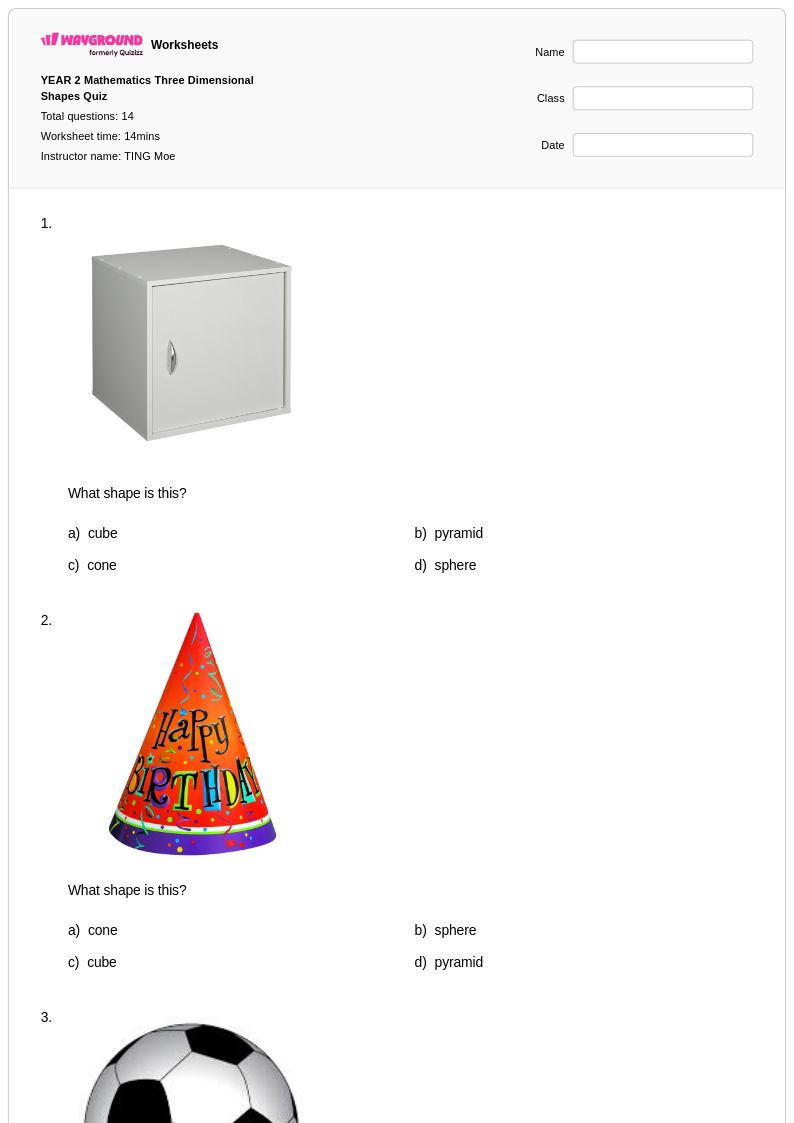
14 Q
1st - 12th
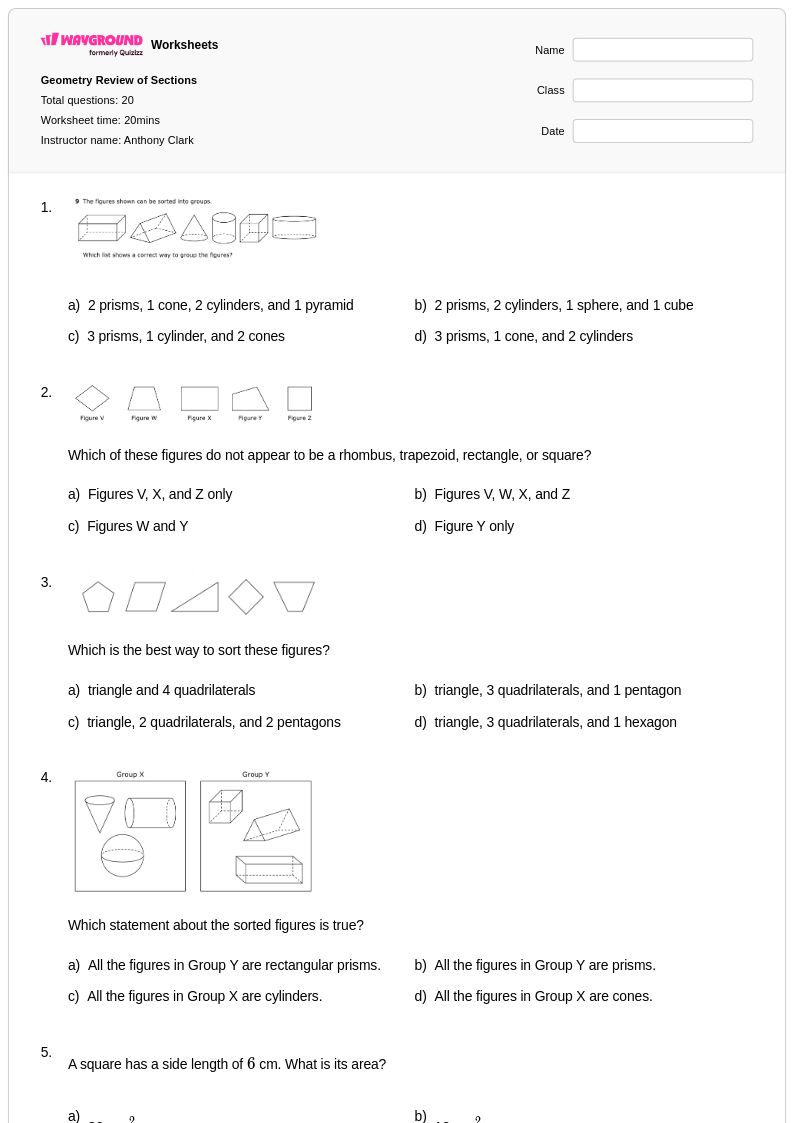
20 Q
3rd - Uni
20 Q
4th - Uni
20 Q
3rd - 4th
12 Q
3rd - Uni
20 Q
3rd - Uni
Explore Cylinders Worksheets by Grades
Explore Other Subject Worksheets for year 4
Explore printable Cylinders worksheets for Year 4
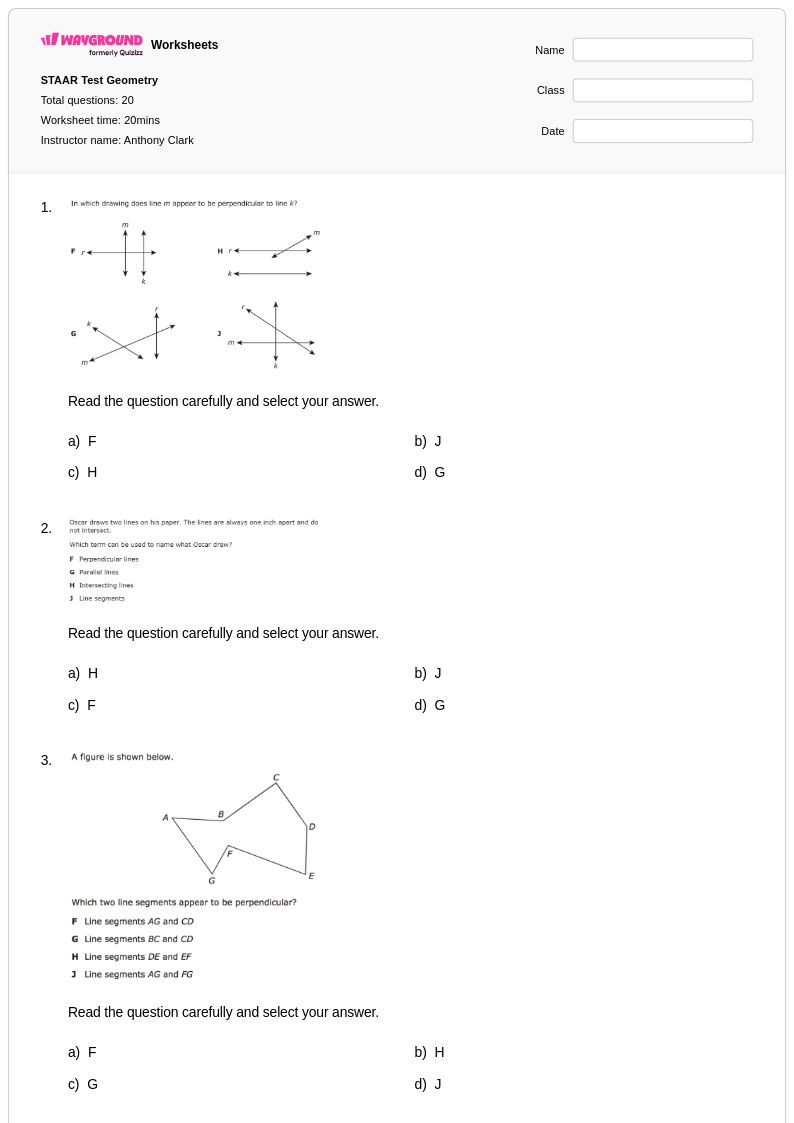
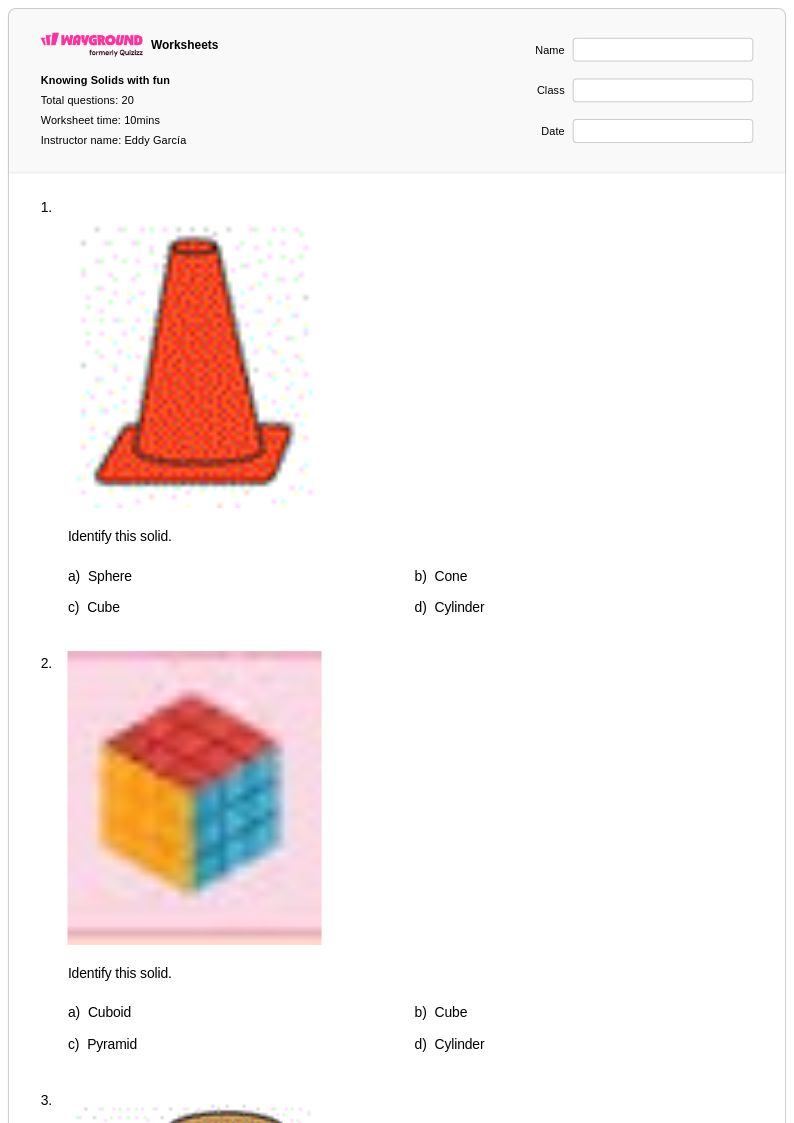
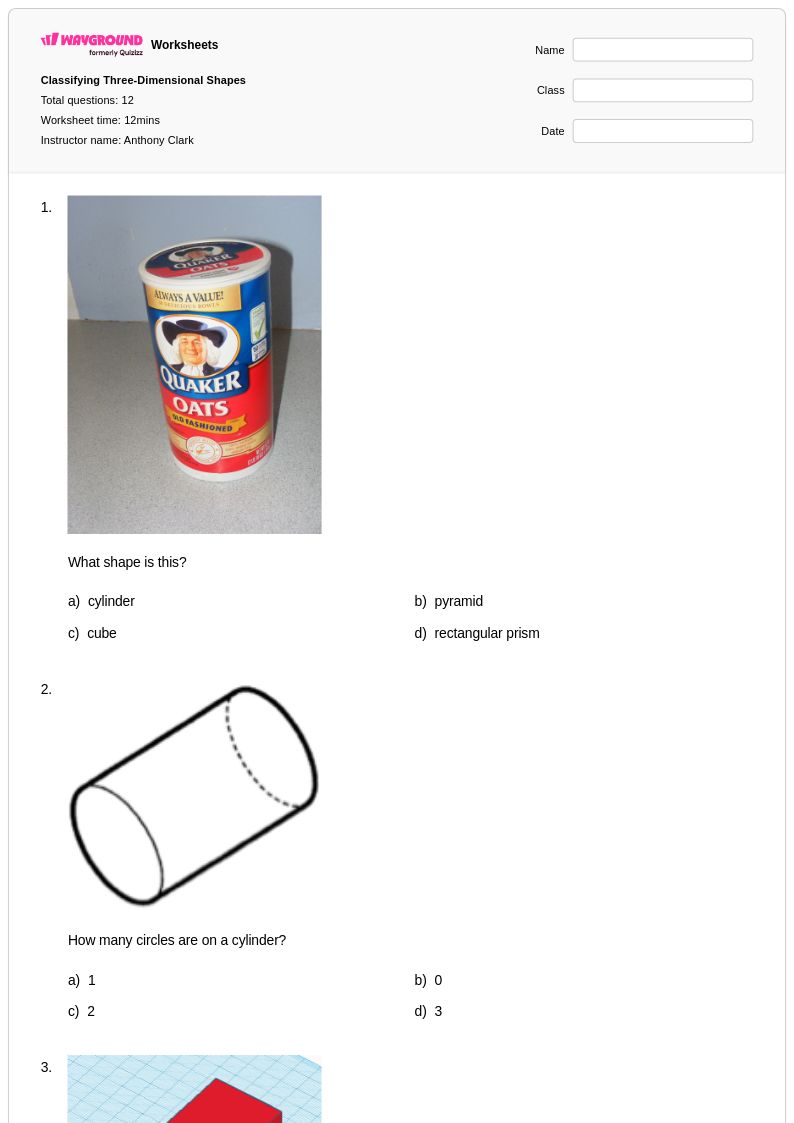
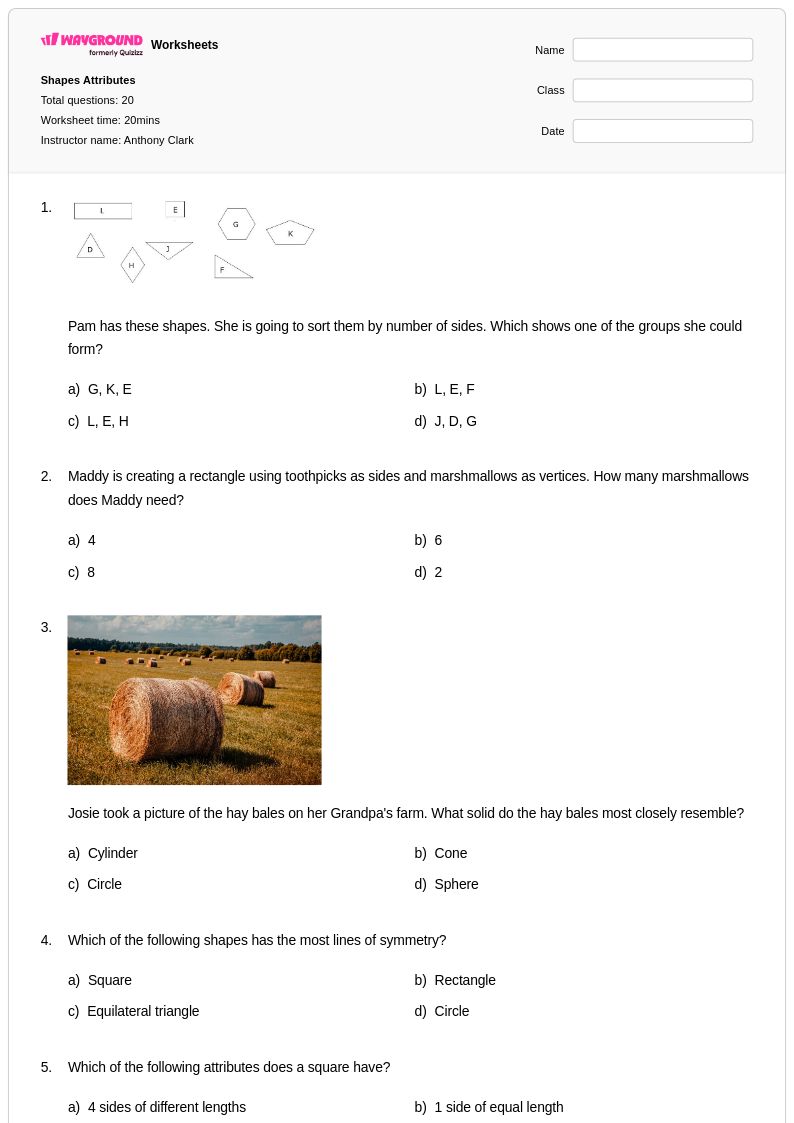
Year 4 cylinder worksheets from Wayground (formerly Quizizz) provide comprehensive practice opportunities for students learning to identify, analyze, and work with cylindrical shapes in three-dimensional geometry. These educational resources strengthen essential spatial reasoning skills as students explore the unique properties of cylinders, including their curved surfaces, circular bases, and relationship to other 3D shapes like cones and spheres. The collection includes practice problems that guide students through recognizing cylinders in real-world contexts, counting faces and edges, and understanding how cylinders differ from prisms and pyramids. Each worksheet comes with a detailed answer key to support accurate assessment, and the materials are available as free printables in convenient pdf format for easy classroom distribution and home practice.
Wayground's extensive library of cylinder-focused geometry worksheets draws from millions of teacher-created resources, ensuring educators have access to high-quality materials that align with grade 4 mathematics standards. The platform's advanced search and filtering capabilities allow teachers to quickly locate worksheets that match specific learning objectives, whether for initial skill introduction, targeted remediation, or enrichment activities for advanced learners. Teachers can customize these resources to meet diverse classroom needs, with options for both printable pdf versions and interactive digital formats that accommodate different learning preferences. This flexibility supports effective lesson planning by providing differentiated practice opportunities that help students build confidence with three-dimensional shape recognition while developing the foundational geometry skills essential for future mathematical learning.
FAQs
How do I teach cylinders to fourth graders?
What exercises help Grade 4 students practice identifying cylinders?
What mistakes do students make when identifying cylinders?
How can I use these Grade 4 cylinder worksheets?
How does learning about cylinders fit into the Grade 4 geometry curriculum?
How can I differentiate cylinder practice for fourth graders?
What grade level are these cylinder worksheets for?