Free Printable Environmental Studies Worksheets for Year 2
Explore Year 2 Environmental Studies worksheets from Wayground that help young learners discover ecosystems, conservation, and Earth's natural resources through engaging printables, practice problems, and comprehensive answer keys.
Explore printable Environmental Studies worksheets for Year 2
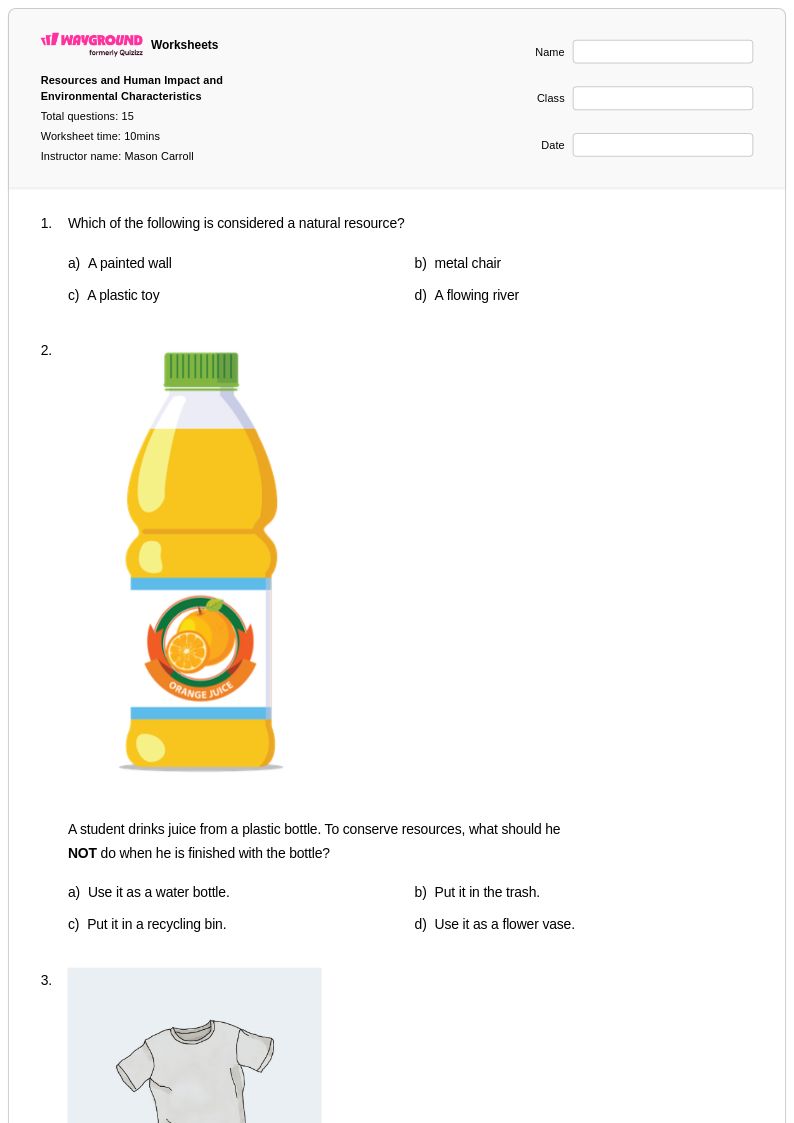
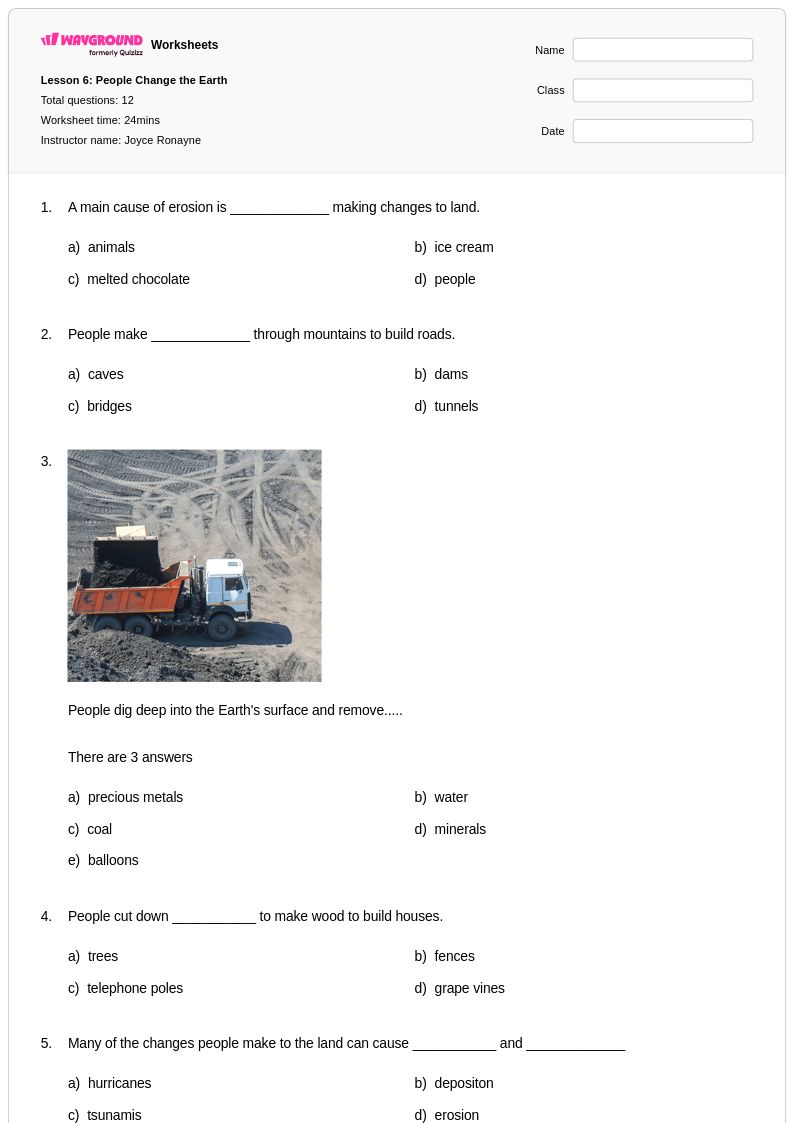
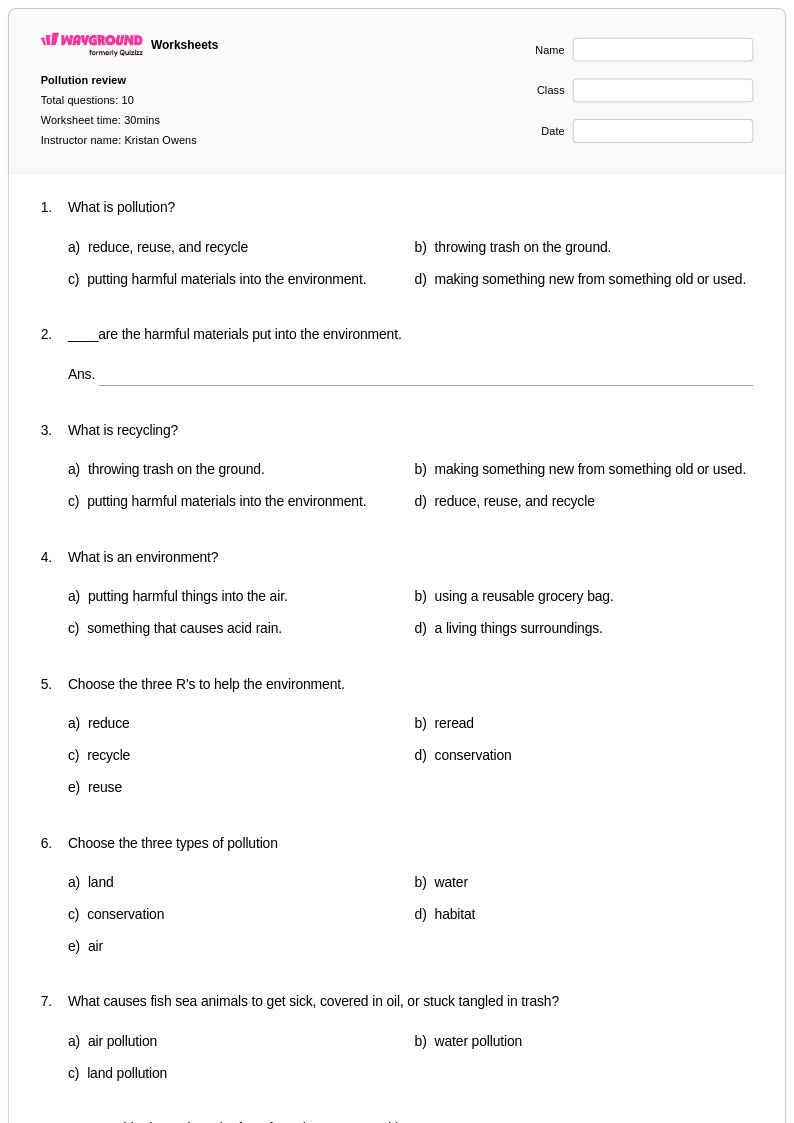
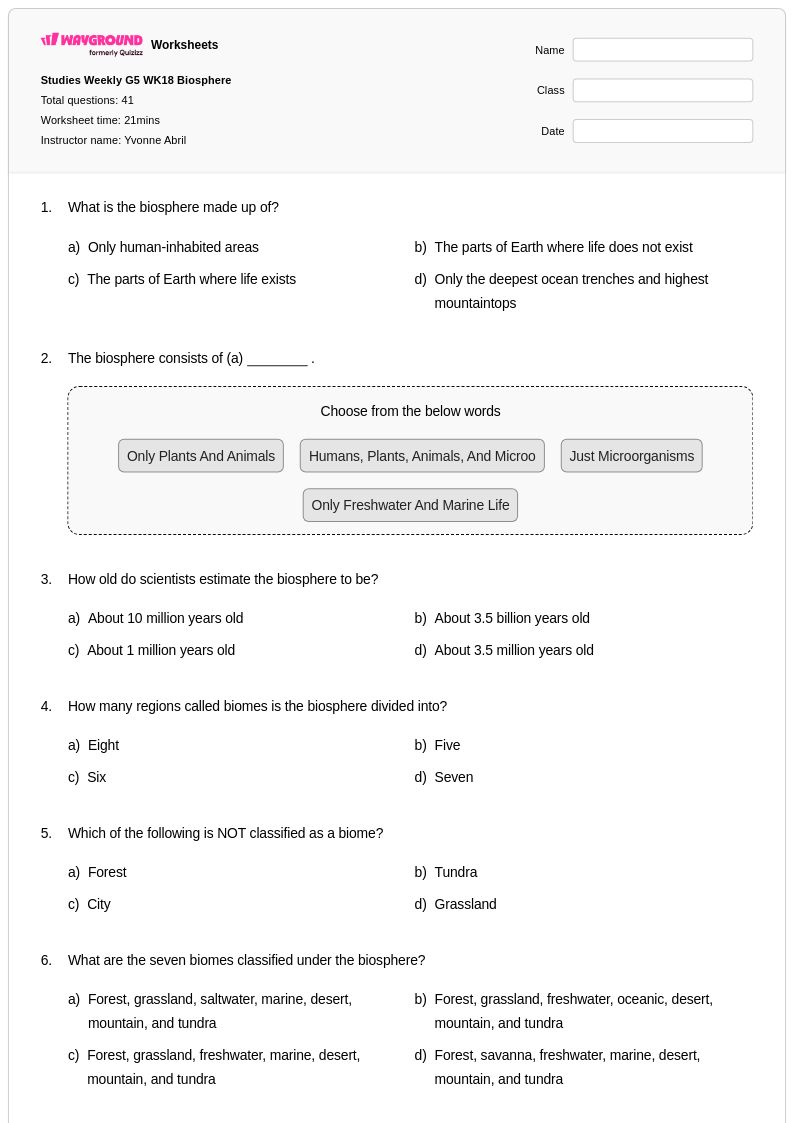
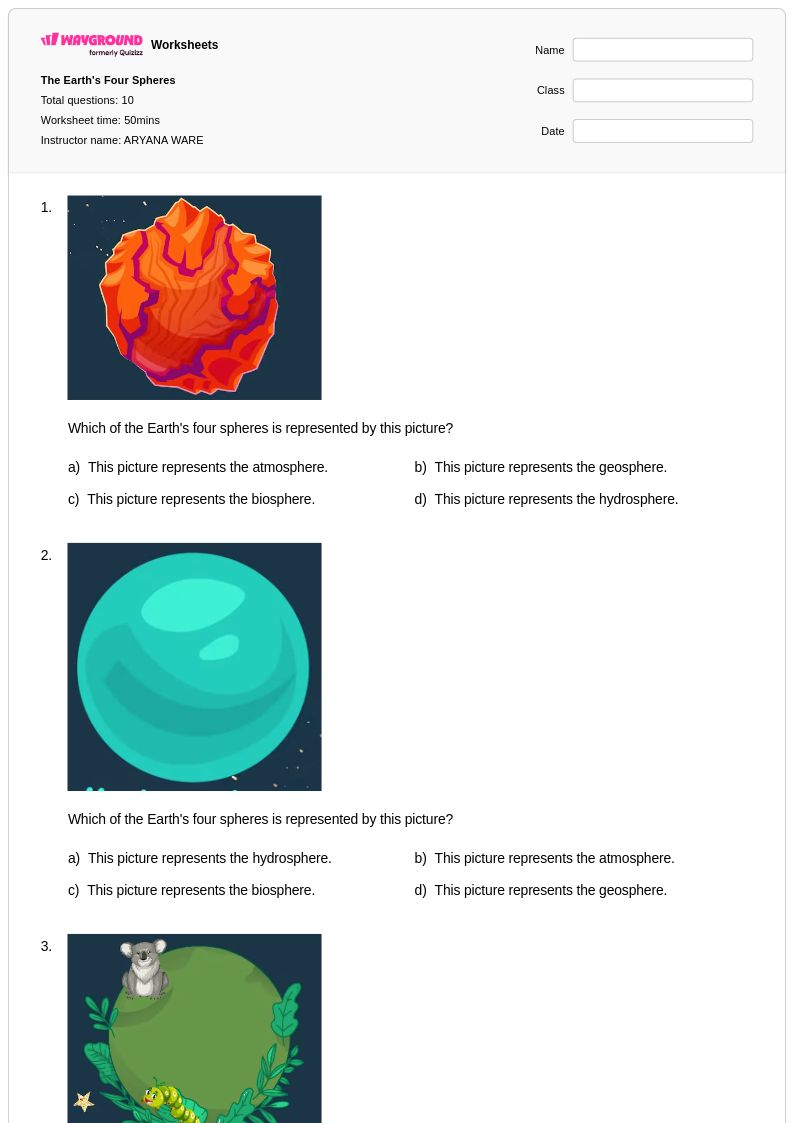
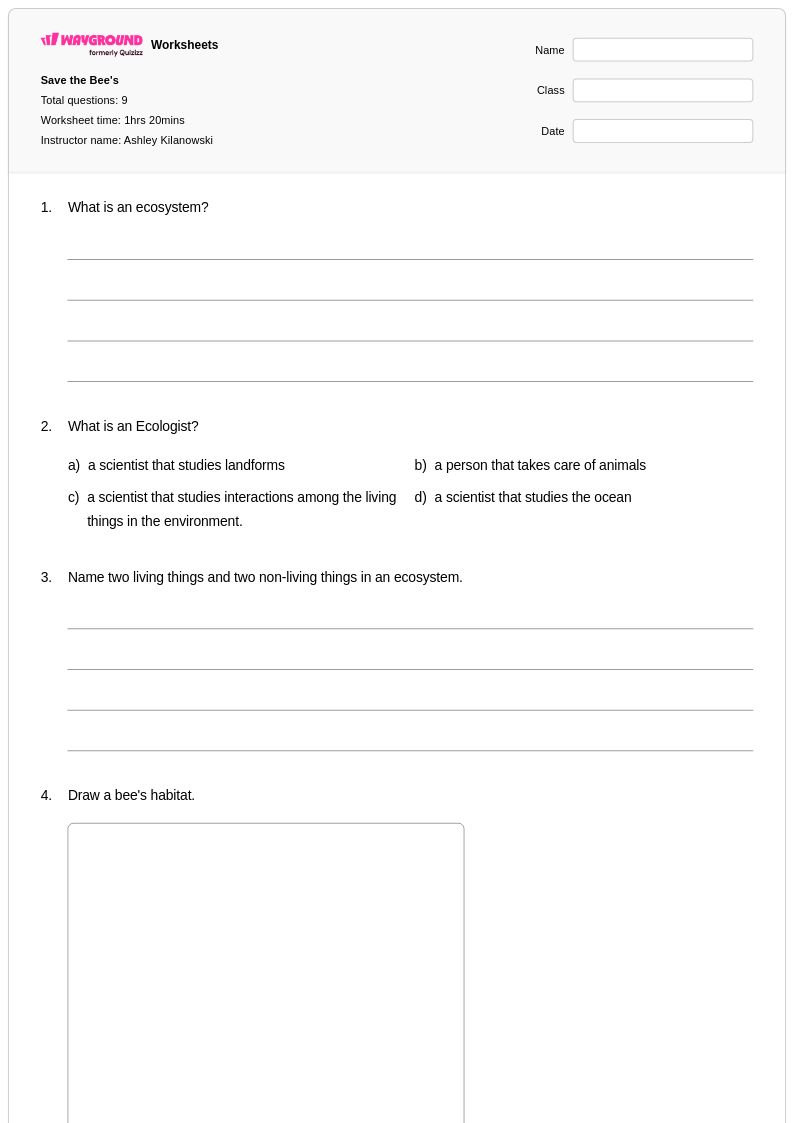
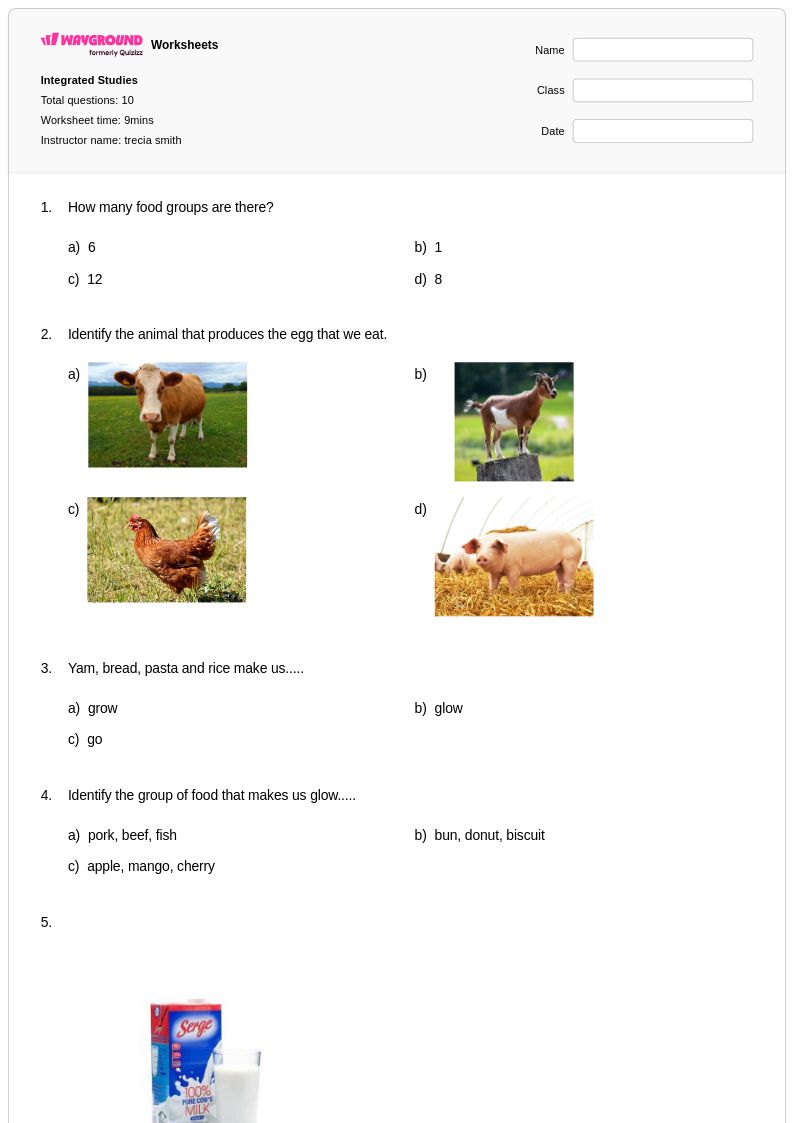
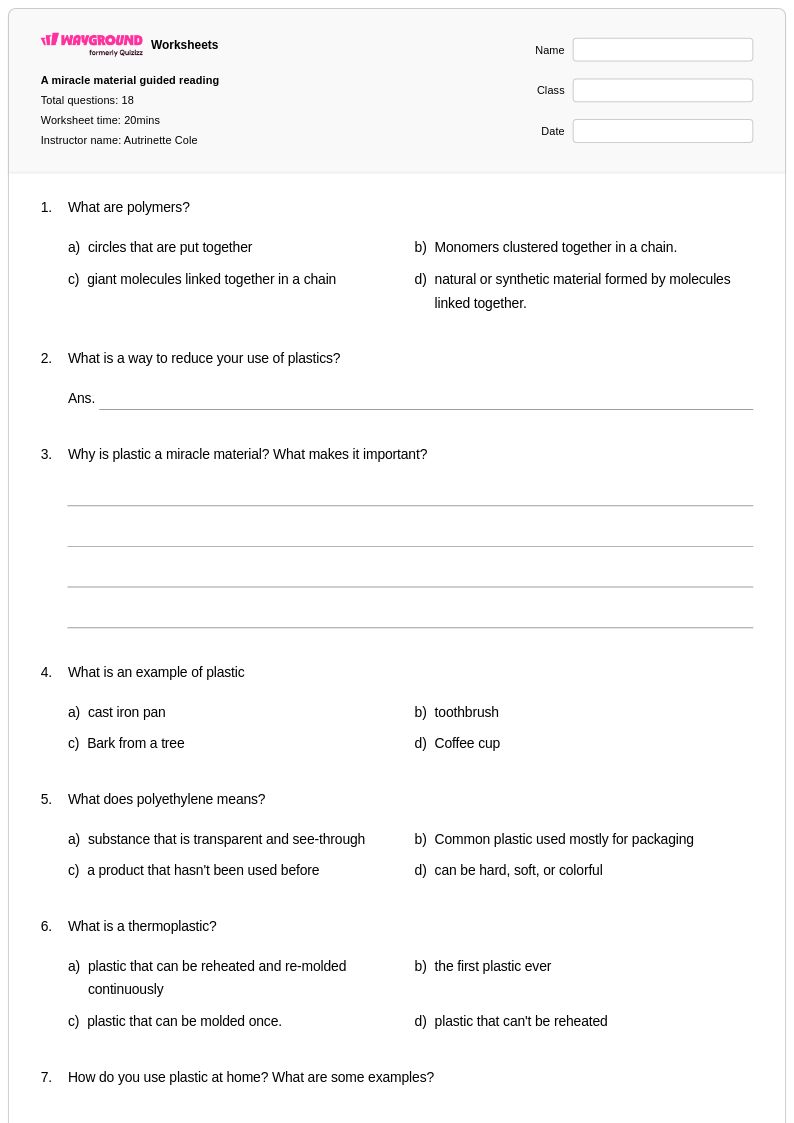
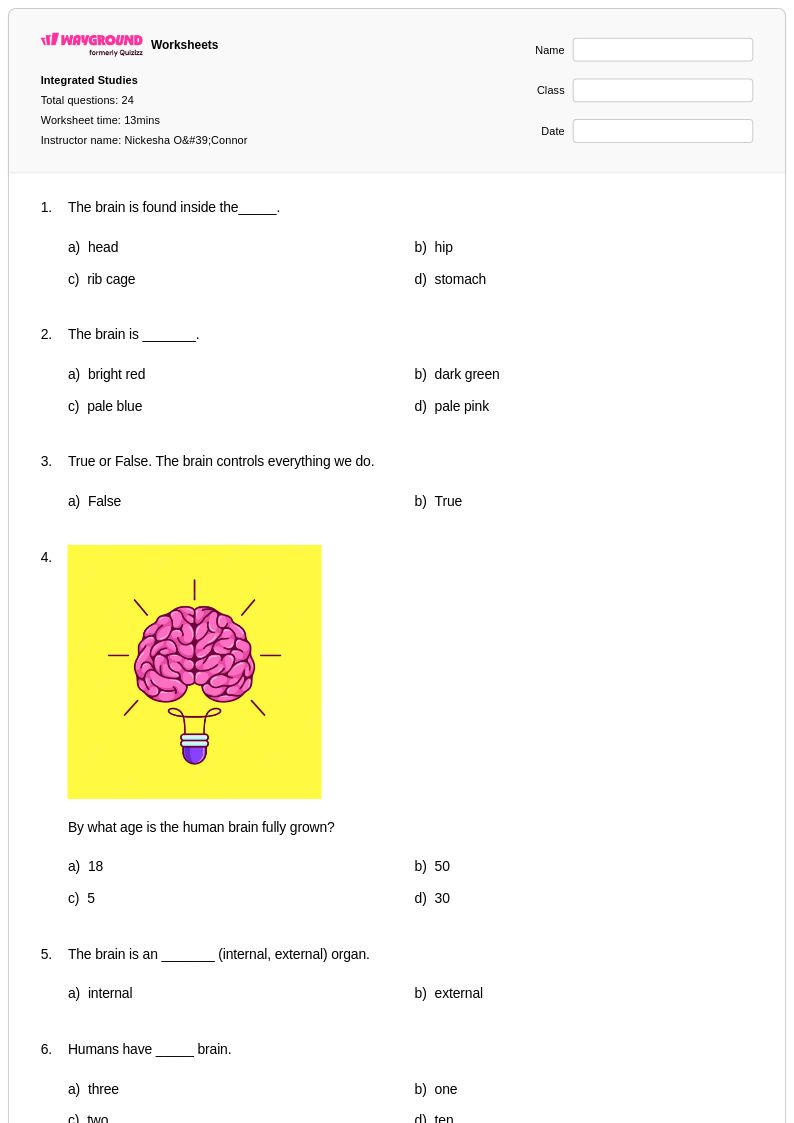
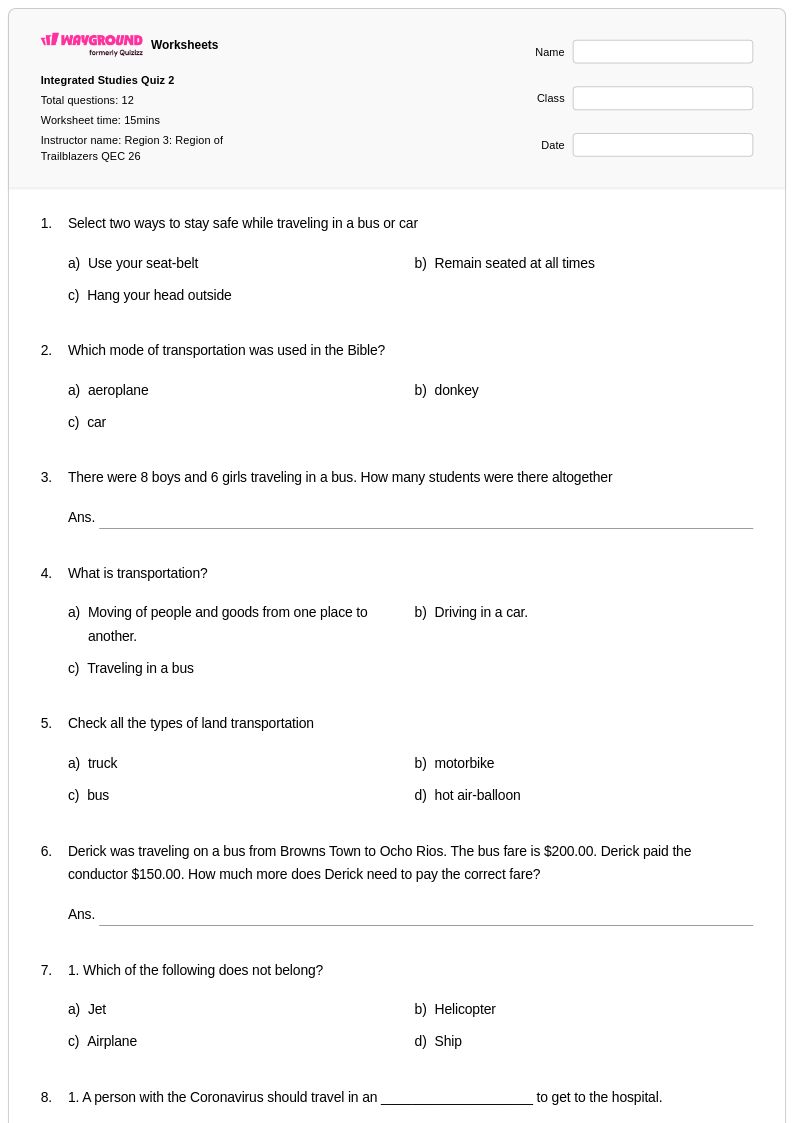
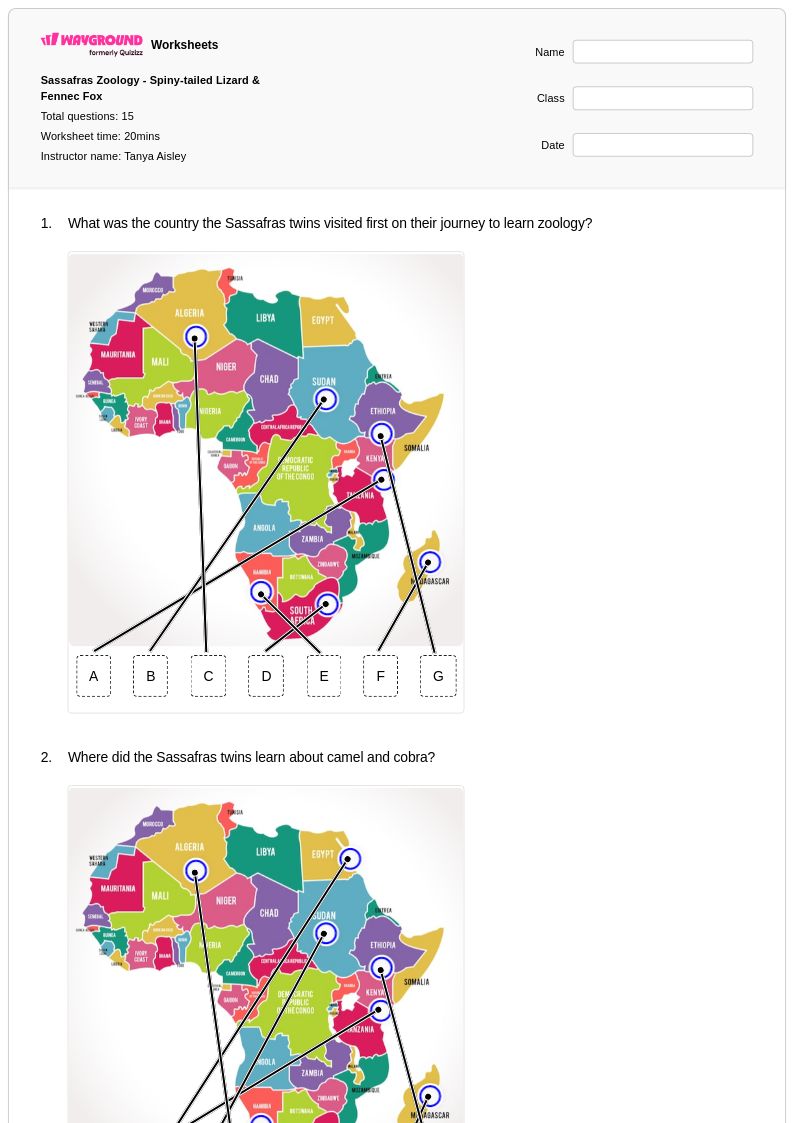
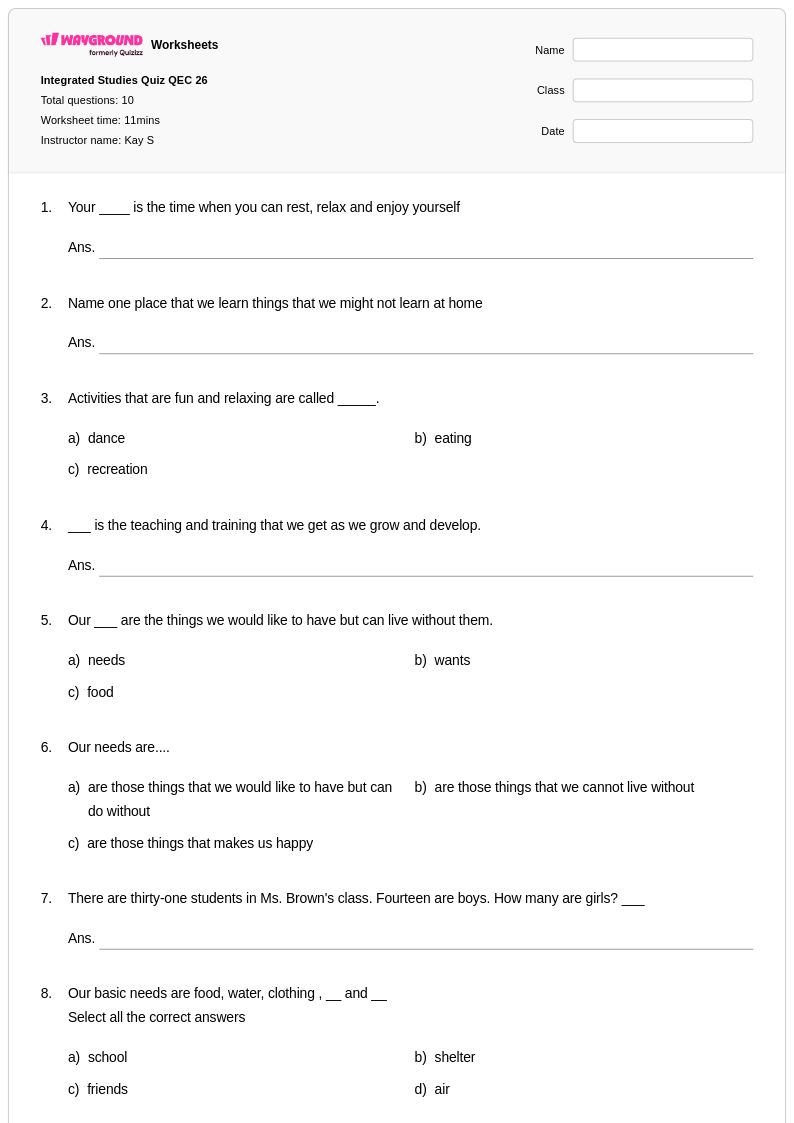
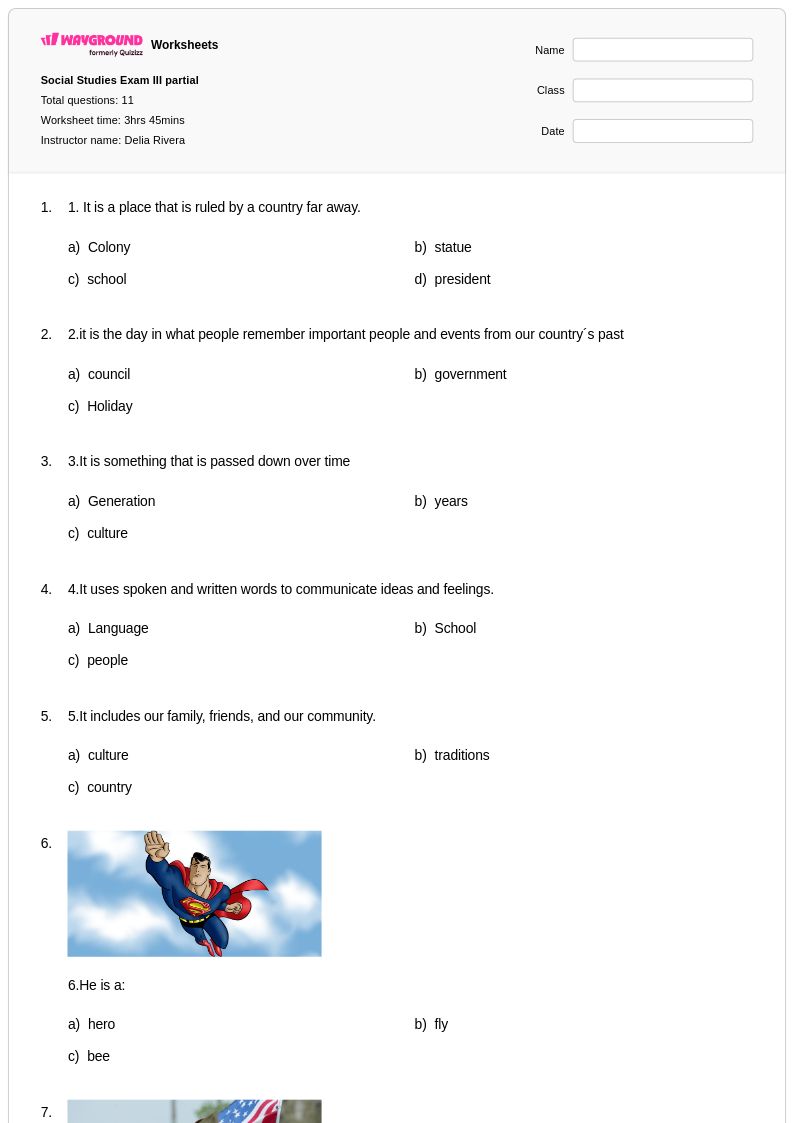
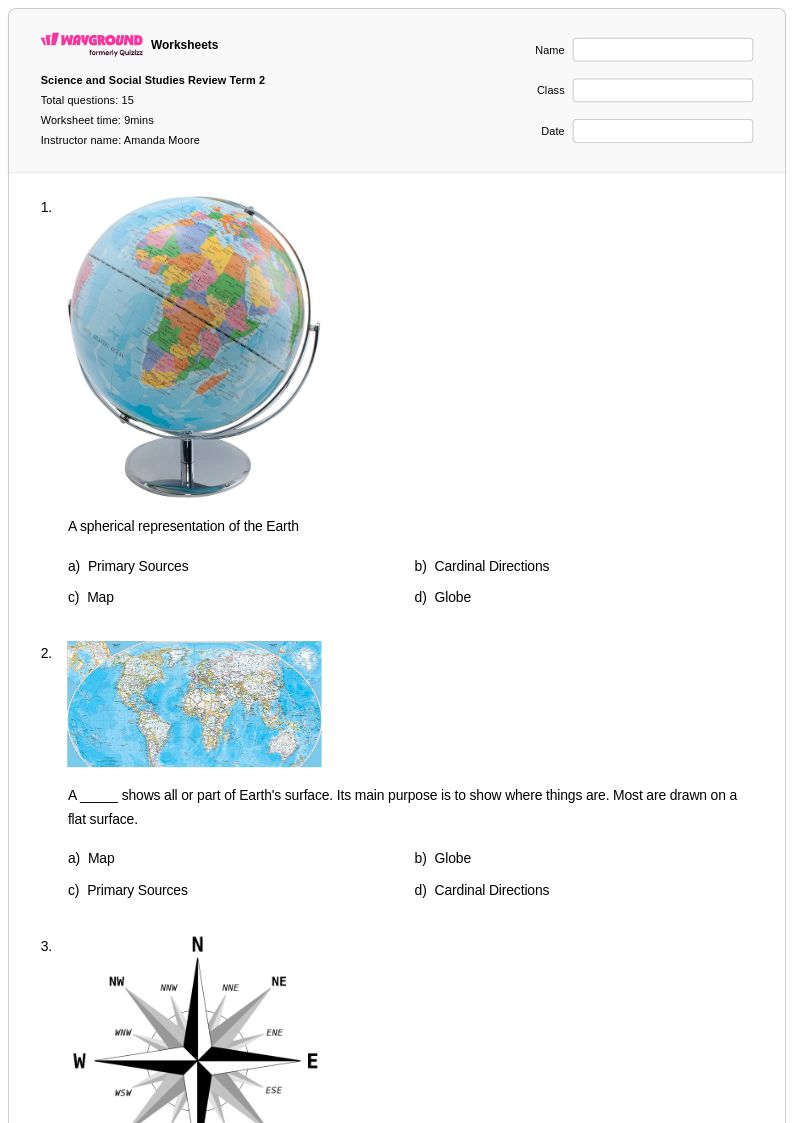
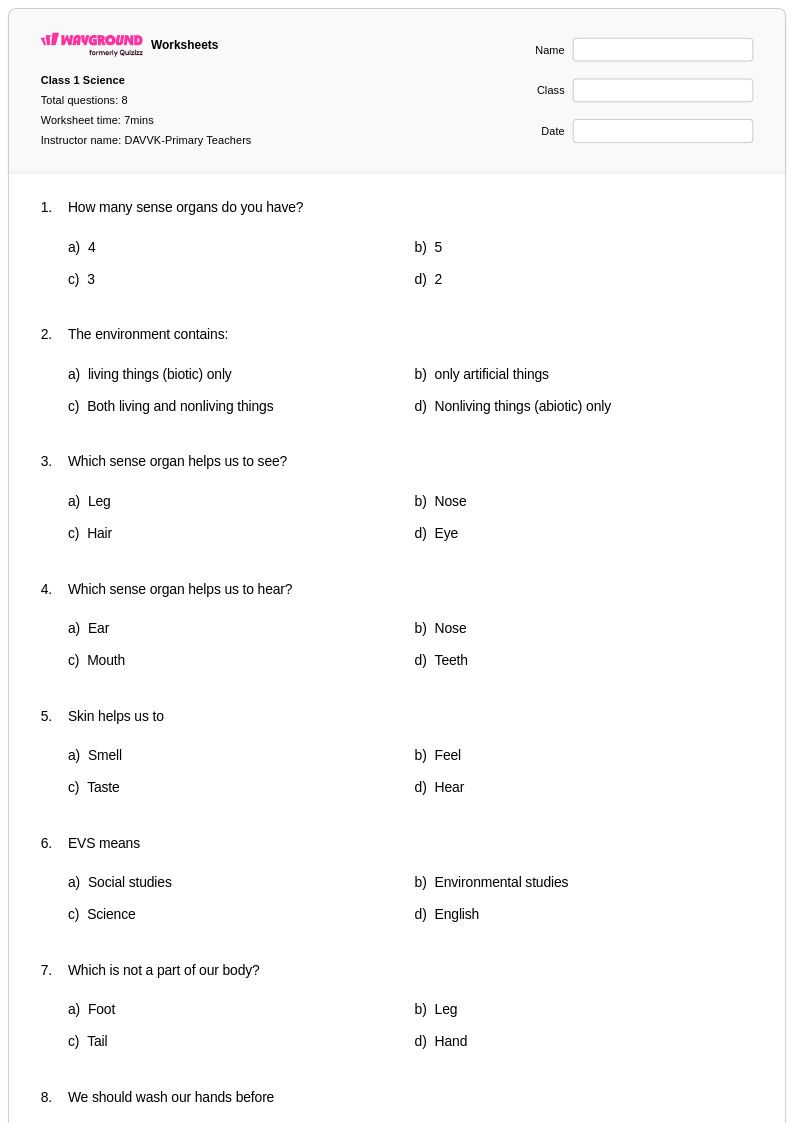
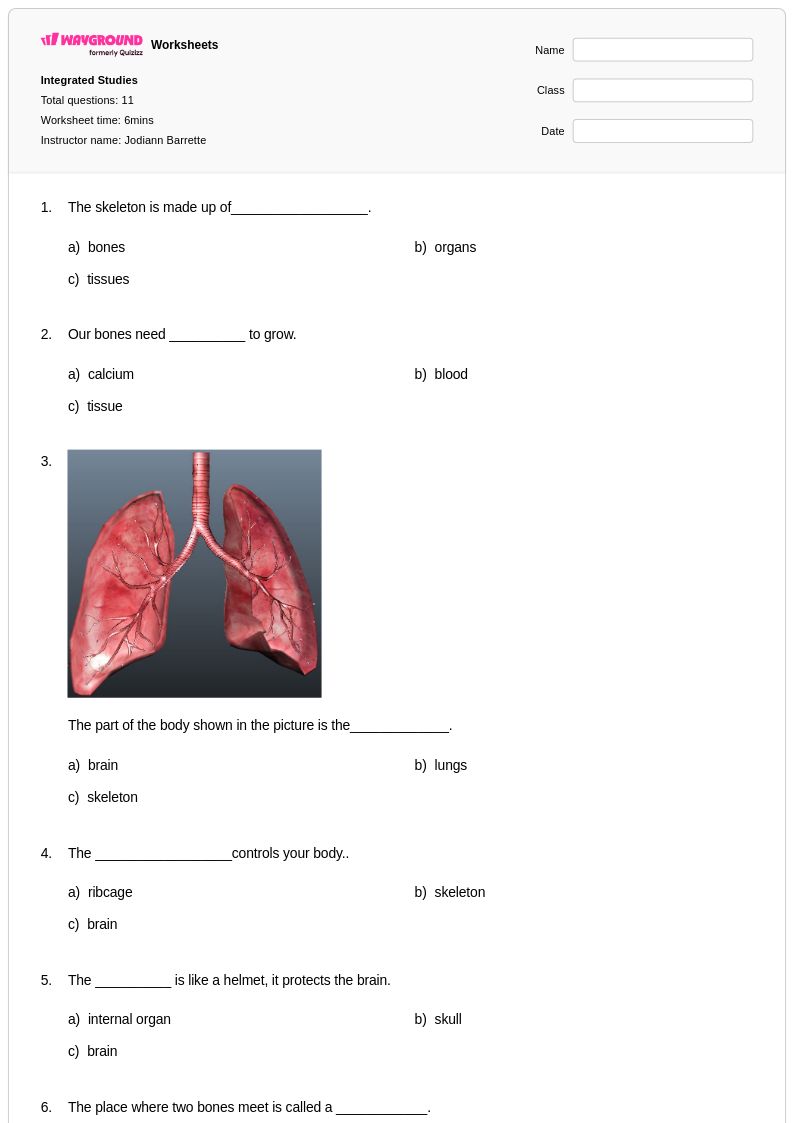
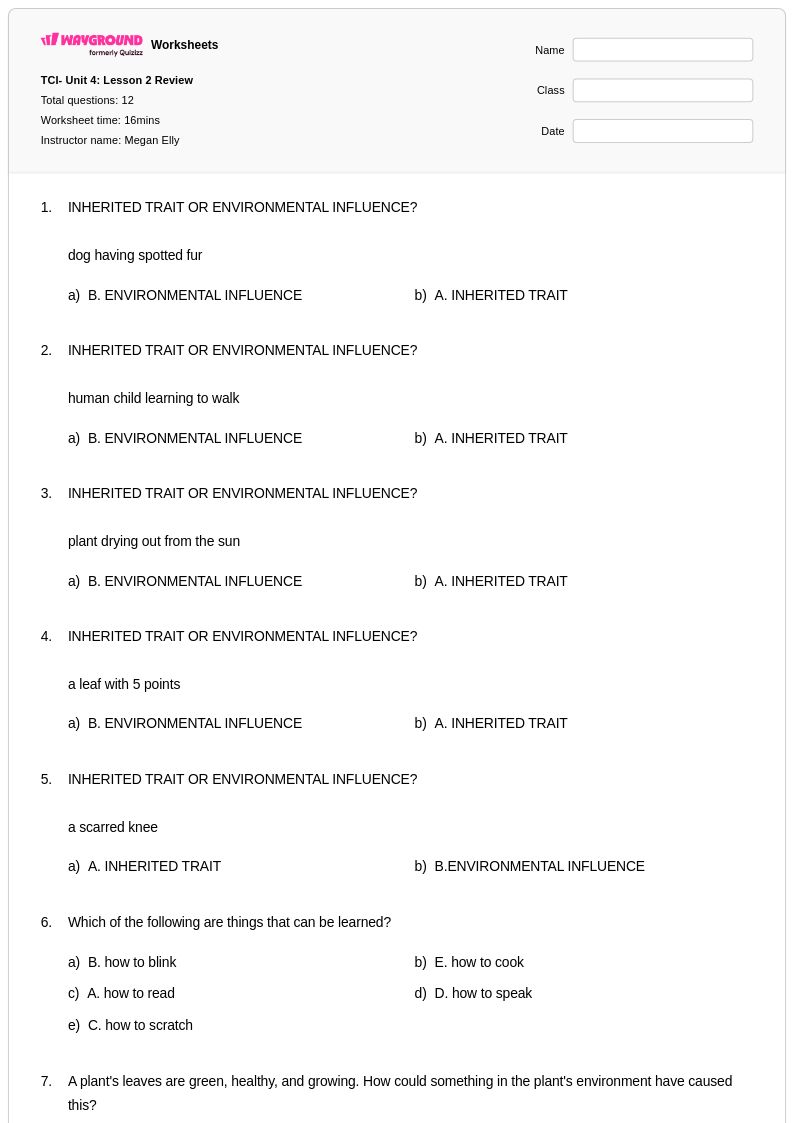
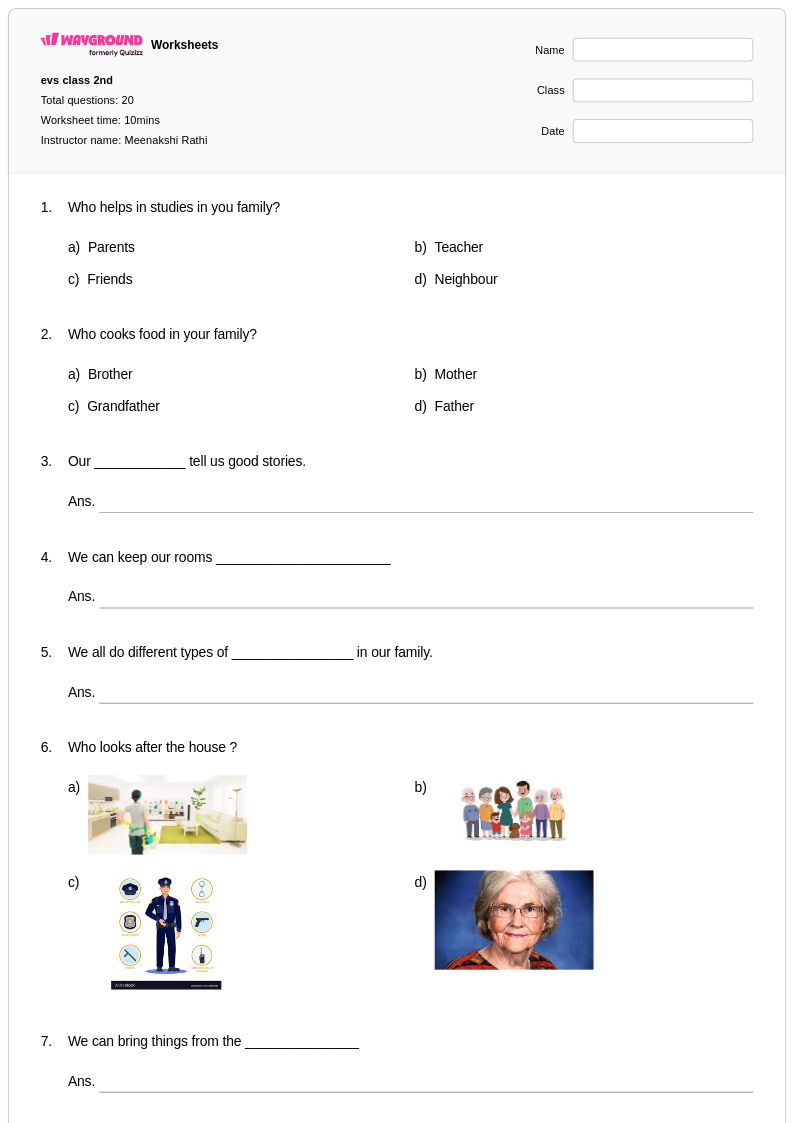
Year 2 environmental studies worksheets available through Wayground (formerly Quizizz) provide young learners with engaging, age-appropriate activities that introduce fundamental concepts about our natural world and human impact on the environment. These comprehensive worksheets strengthen essential skills including observation and data collection, critical thinking about cause and effect relationships, and understanding basic ecological connections between living and non-living components of ecosystems. Students practice identifying different types of pollution, exploring ways to reduce waste and conserve resources, and recognizing how human actions affect plants, animals, and natural habitats. Each worksheet includes clear answer keys and detailed explanations, making them valuable resources for both classroom instruction and independent practice. The printable pdf format ensures easy access to these free educational materials, while carefully designed practice problems help reinforce key environmental concepts through hands-on activities and real-world applications.
Wayground (formerly Quizizz) supports educators with an extensive collection of teacher-created environmental studies resources, featuring millions of worksheets that can be easily located through robust search and filtering capabilities. The platform's comprehensive library includes materials specifically aligned with grade-level standards, ensuring that second-grade teachers can quickly identify worksheets that match their curriculum requirements and learning objectives. Advanced differentiation tools allow educators to customize content difficulty and modify activities to meet diverse student needs, while flexible formatting options provide both printable and digital versions including downloadable pdf files. These features streamline lesson planning by offering ready-to-use materials for skill practice, targeted remediation for students who need additional support, and enrichment opportunities for advanced learners, ultimately helping teachers create meaningful environmental education experiences that foster early scientific thinking and environmental awareness.
FAQs
How do I teach environmental studies in a way that feels relevant to students?
Environmental studies becomes most engaging when instruction connects to issues students can observe in their own communities, such as local air quality, water access, or land use changes. Anchoring lessons in real-world case studies and current ecological events helps students see the subject as urgent rather than abstract. Structuring units around a central question, like 'How do human decisions affect biodiversity?', gives students a framework for connecting topics like pollution, conservation, and climate change across the semester.
What exercises help students practice analyzing environmental data?
Data interpretation exercises are one of the most effective ways to build environmental literacy, requiring students to read graphs, evaluate trends, and draw evidence-based conclusions from scientific information. Practice problems that present real pollution data, species population charts, or carbon emissions graphs push students beyond recall and into genuine analysis. Pairing these exercises with short written response prompts, where students must explain what the data shows and what it implies for policy or conservation, deepens comprehension and builds argumentation skills.
What common misconceptions do students have about environmental studies topics?
One of the most persistent misconceptions is that environmental problems are too large for individual or local action to matter, which can lead to disengagement rather than critical thinking. Students also frequently conflate weather with climate, misunderstanding why a single cold day does not contradict long-term warming trends. Another common error is treating ecosystems as static rather than dynamic, leading students to underestimate how human activity disrupts feedback loops that sustain biodiversity and ecosystem services.
How can I assess whether students understand the relationship between human activity and natural systems?
Effective assessments for this topic ask students to trace cause-and-effect chains, for example, explaining how agricultural runoff leads to aquatic dead zones, or how deforestation affects regional precipitation patterns. Tasks that require students to evaluate proposed environmental solutions using scientific criteria reveal whether they understand tradeoffs, unintended consequences, and the difference between correlation and causation. Short scenario-based problems, where students must apply concepts to a novel ecological situation, are particularly useful for identifying gaps in systems-level thinking.
How do I use Wayground's Environmental Studies worksheets in my classroom?
Wayground's Environmental Studies worksheets are available as printable PDFs for traditional classroom use and in digital formats for technology-integrated or remote learning environments, so teachers can deploy them across multiple instructional contexts. You can also host any worksheet as a live or assigned quiz directly on Wayground, giving you built-in response tracking and instant feedback. Each worksheet includes a complete answer key, making them efficient tools for both guided instruction and independent practice without additional teacher preparation.
How can I differentiate Environmental Studies worksheets for students with different ability levels?
On Wayground, teachers can apply student-level accommodations including extended time per question, read-aloud support for students who need audio assistance, and reduced answer choices to lower cognitive load for learners who need it. These settings can be assigned to individual students without notifying the rest of the class, allowing differentiation to happen discreetly. Font size and display themes can also be adjusted through reading mode, which supports accessibility for students with visual processing needs. These accommodations are saved and automatically applied in future sessions, reducing setup time for recurring needs.