Free Printable Gene Expression Worksheets for Year 12
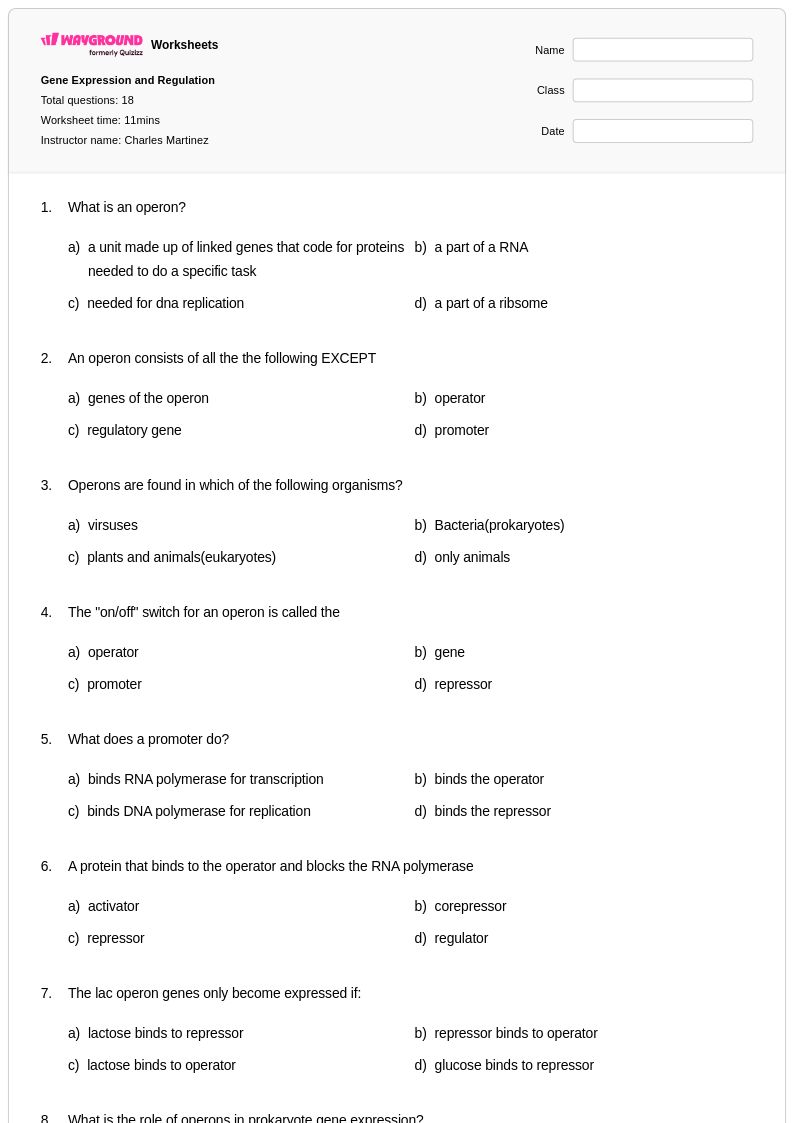
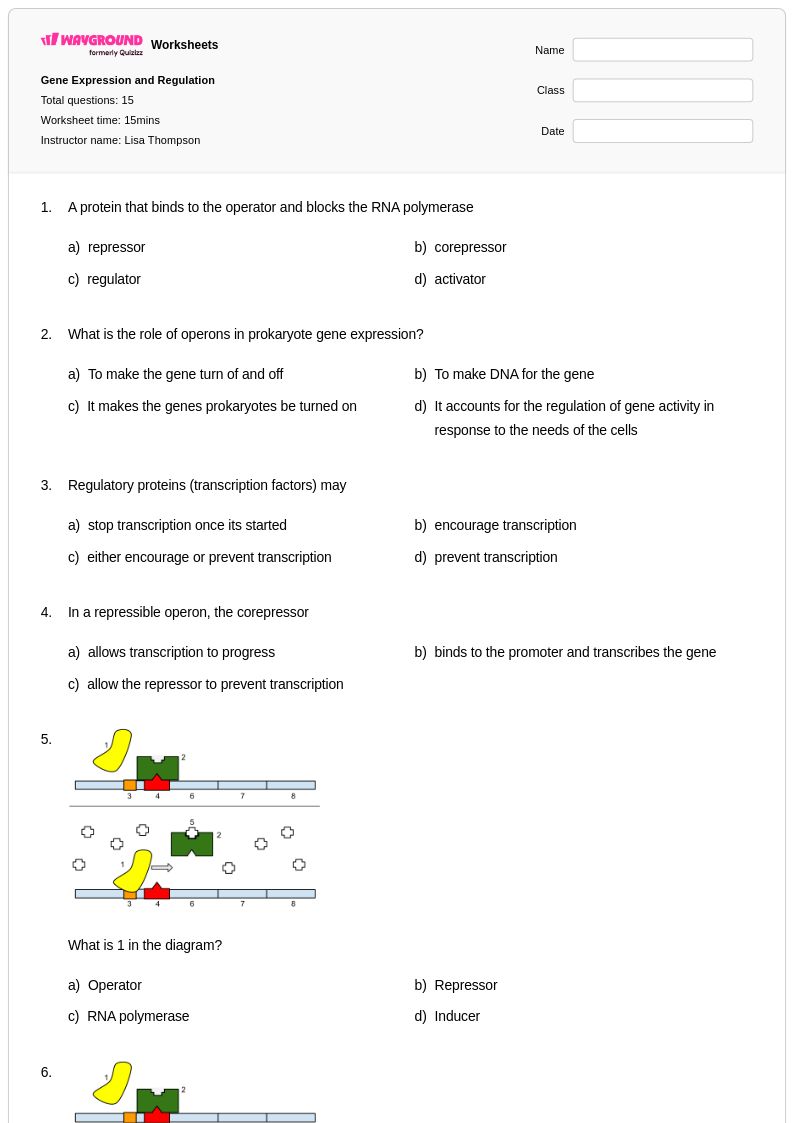
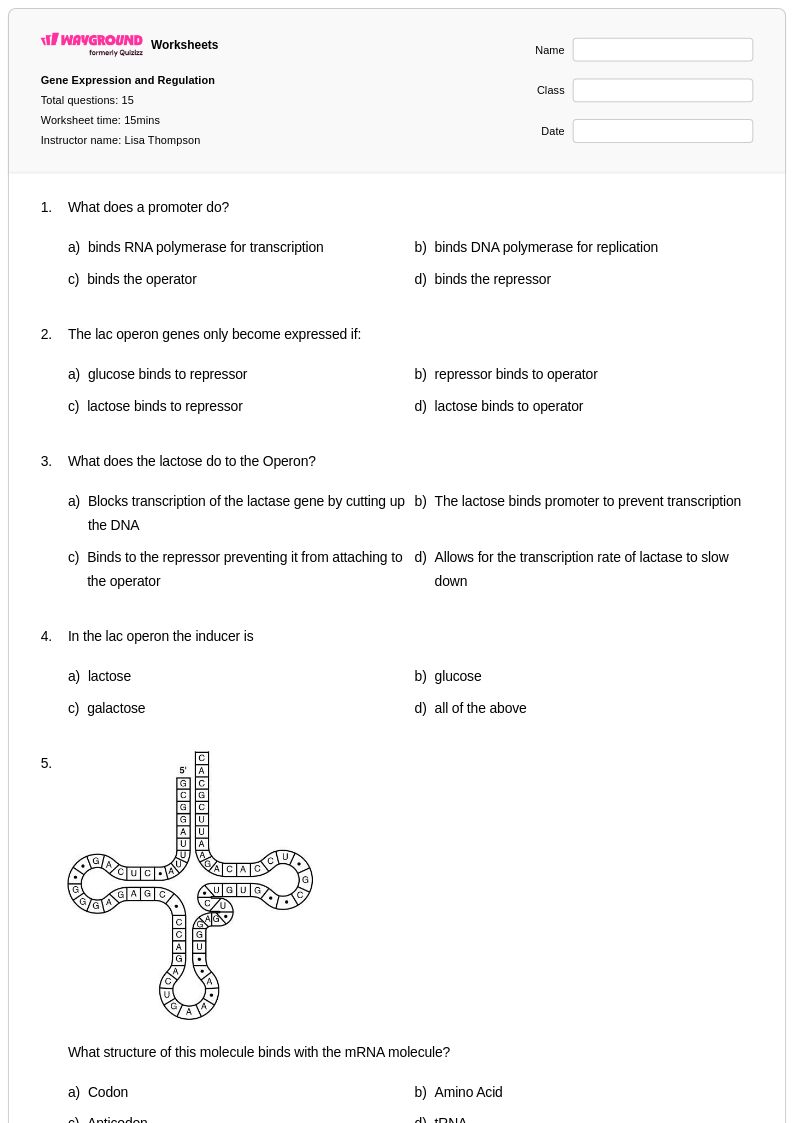
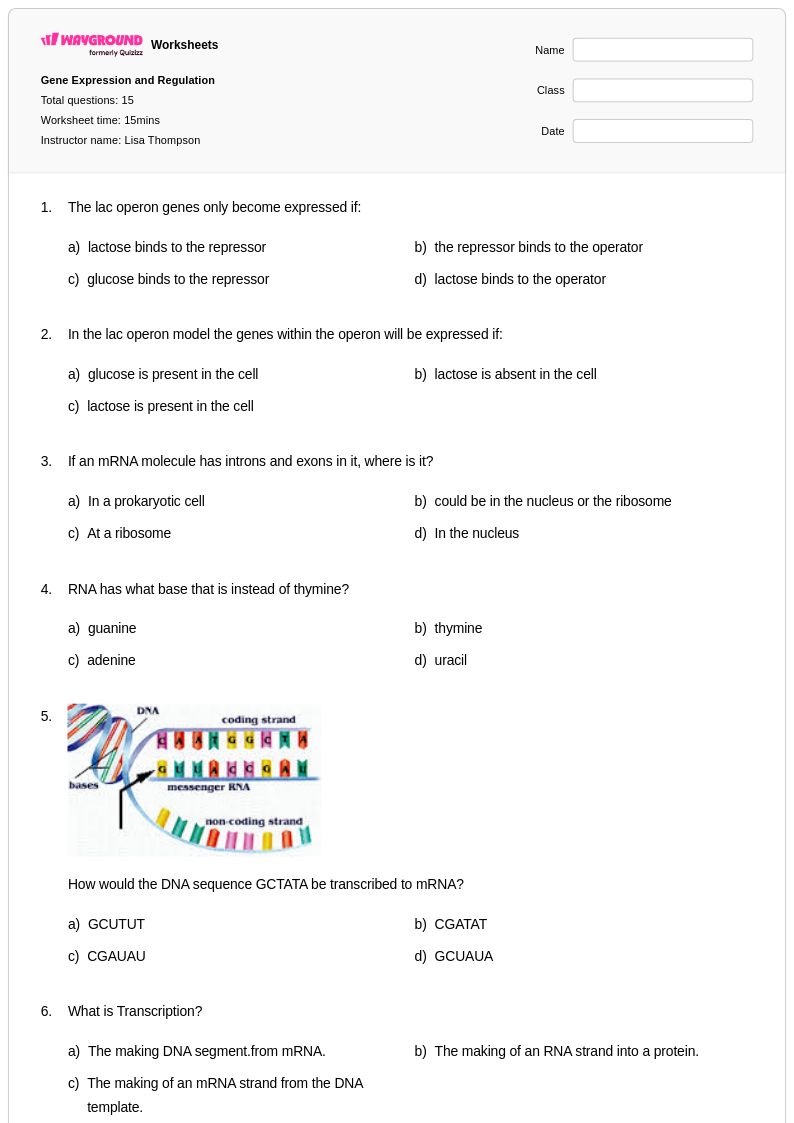
Explore Wayground's comprehensive collection of Year 12 gene expression worksheets featuring free printables, practice problems, and answer keys to help students master transcription, translation, and regulatory mechanisms in molecular biology.
Explore printable Gene Expression worksheets for Year 12
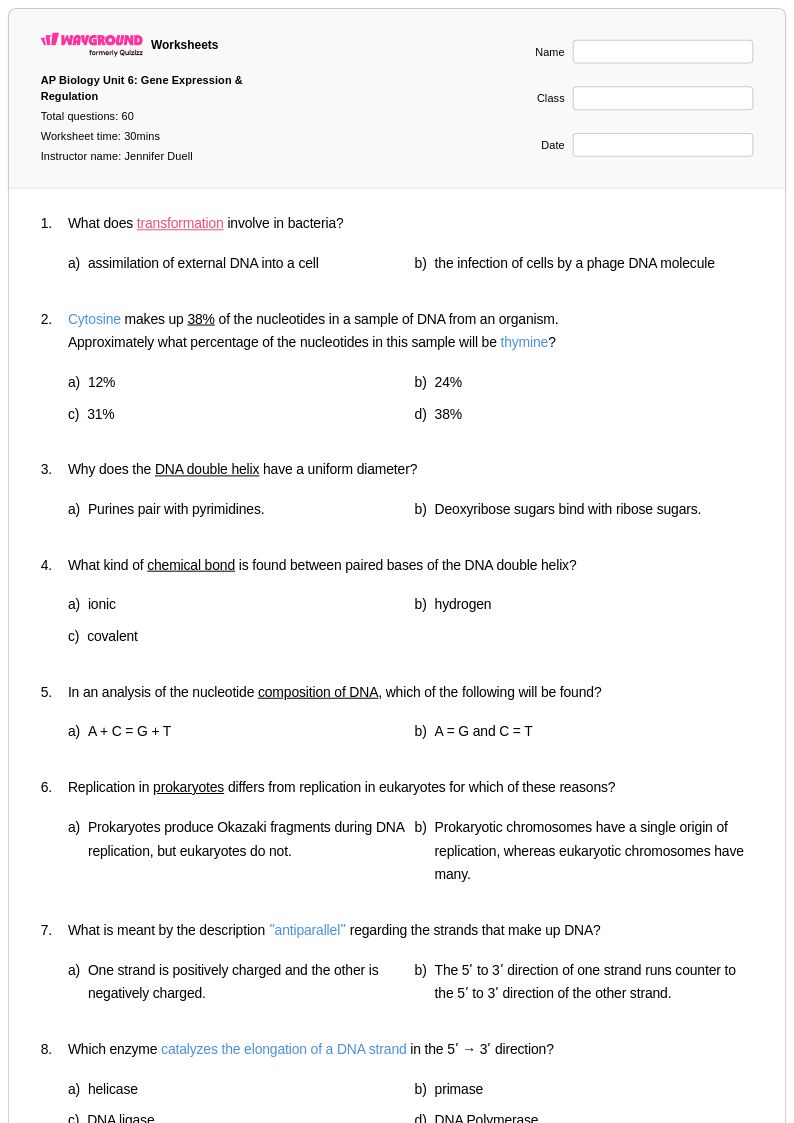
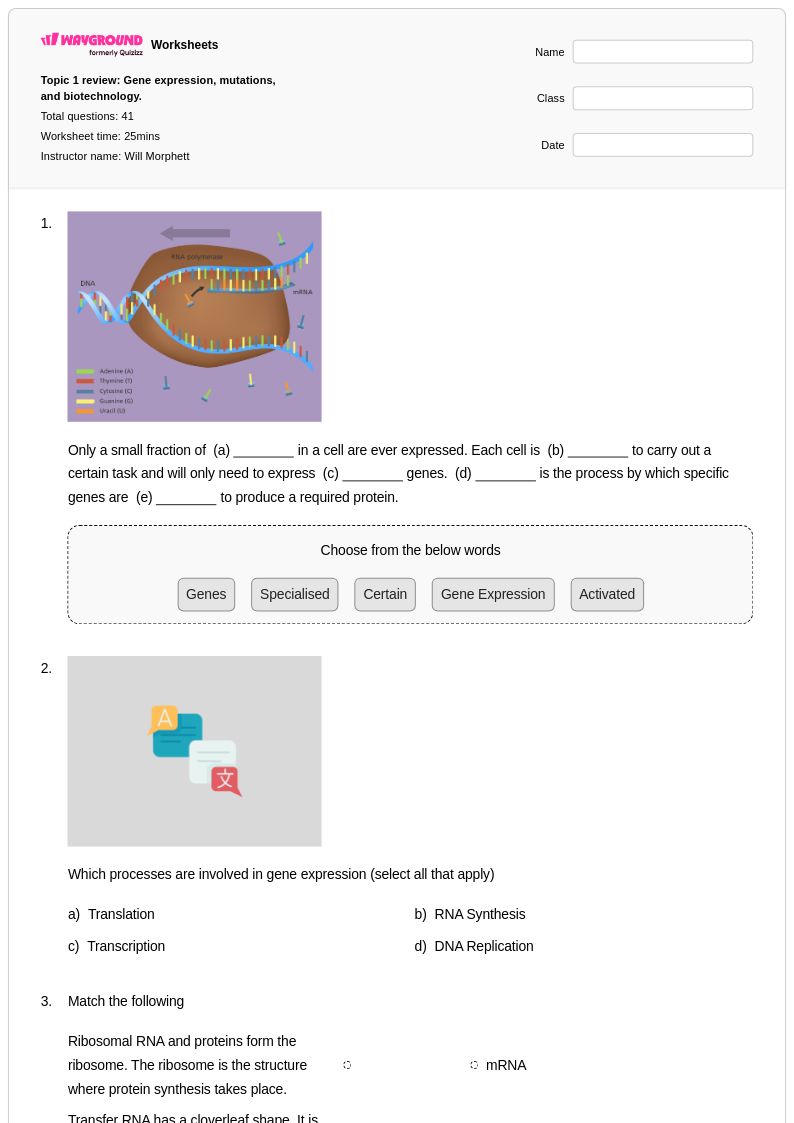
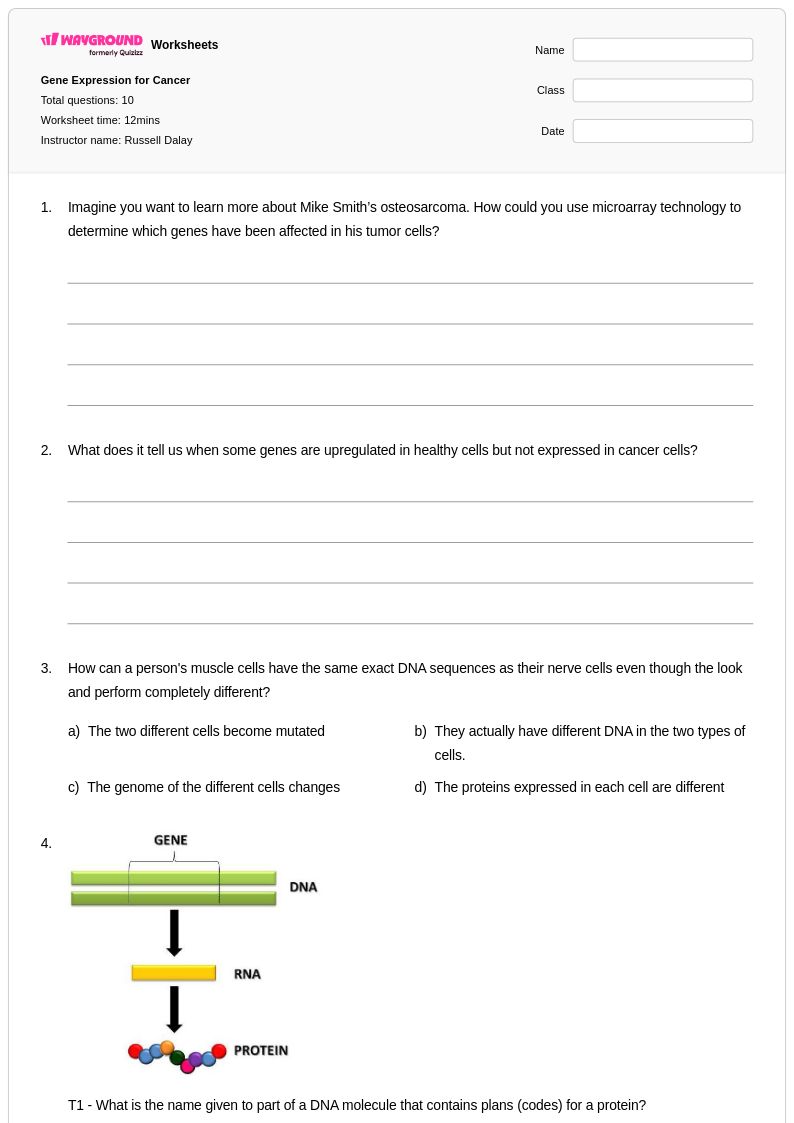
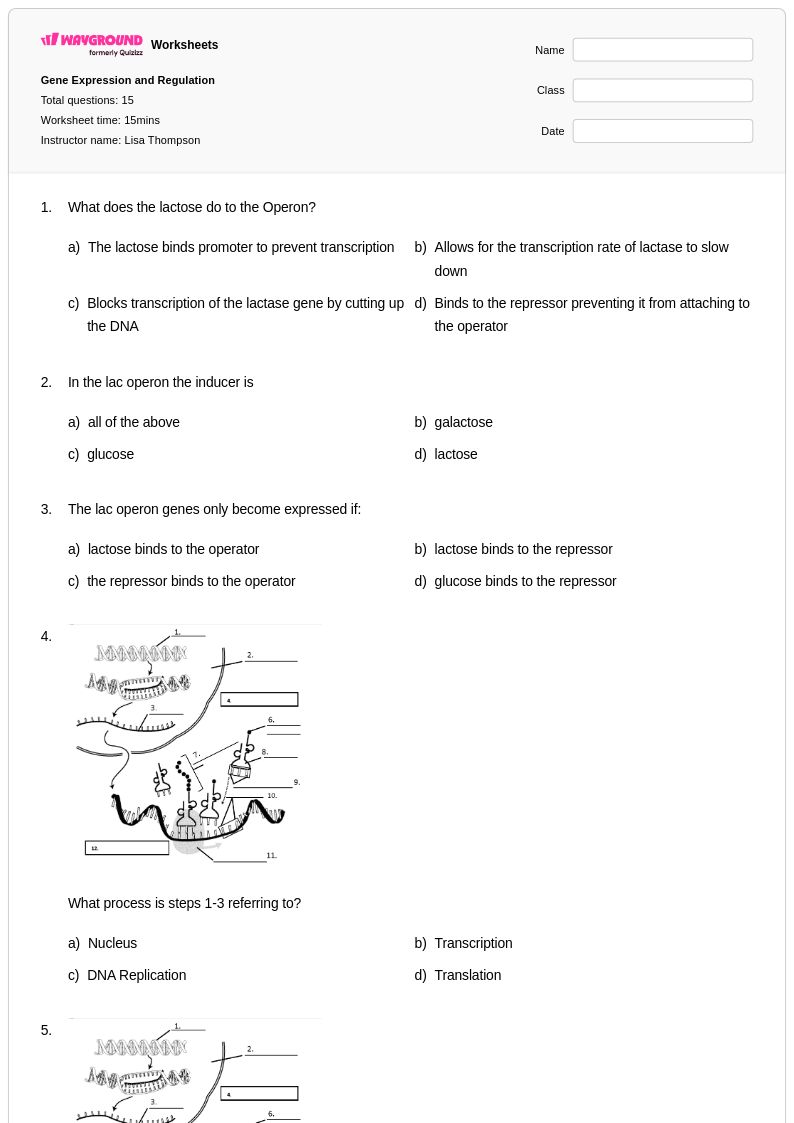
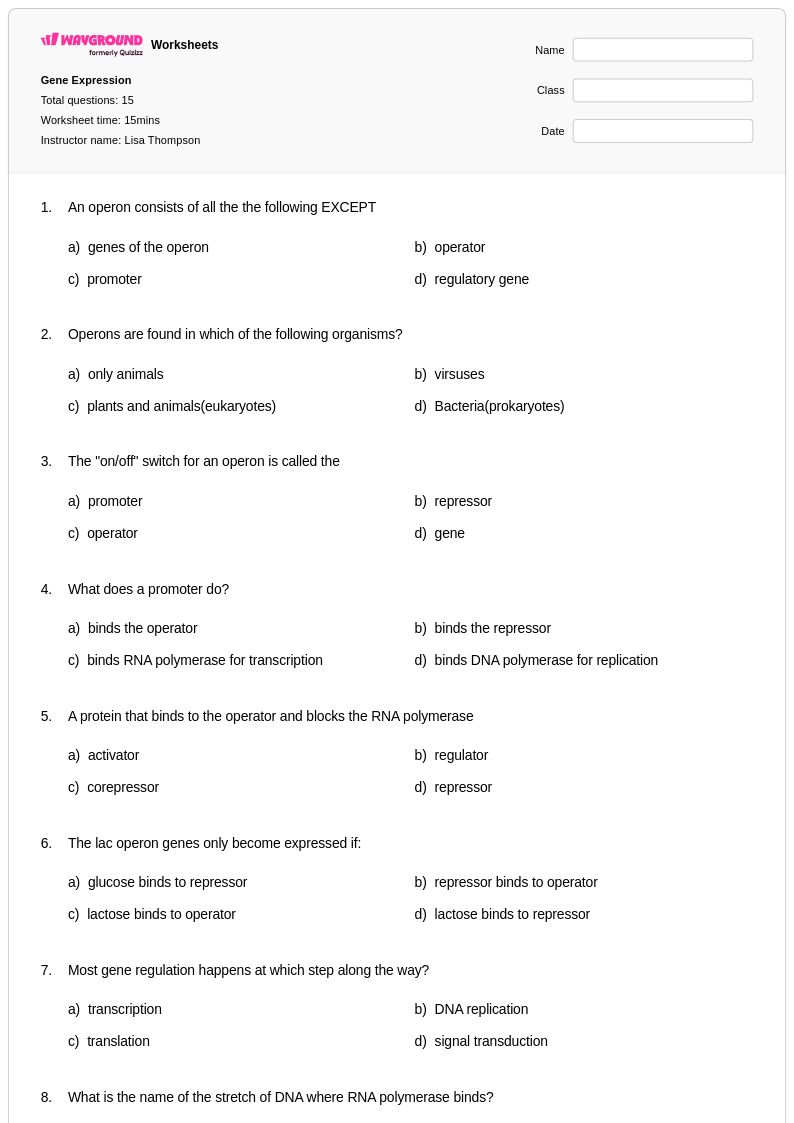
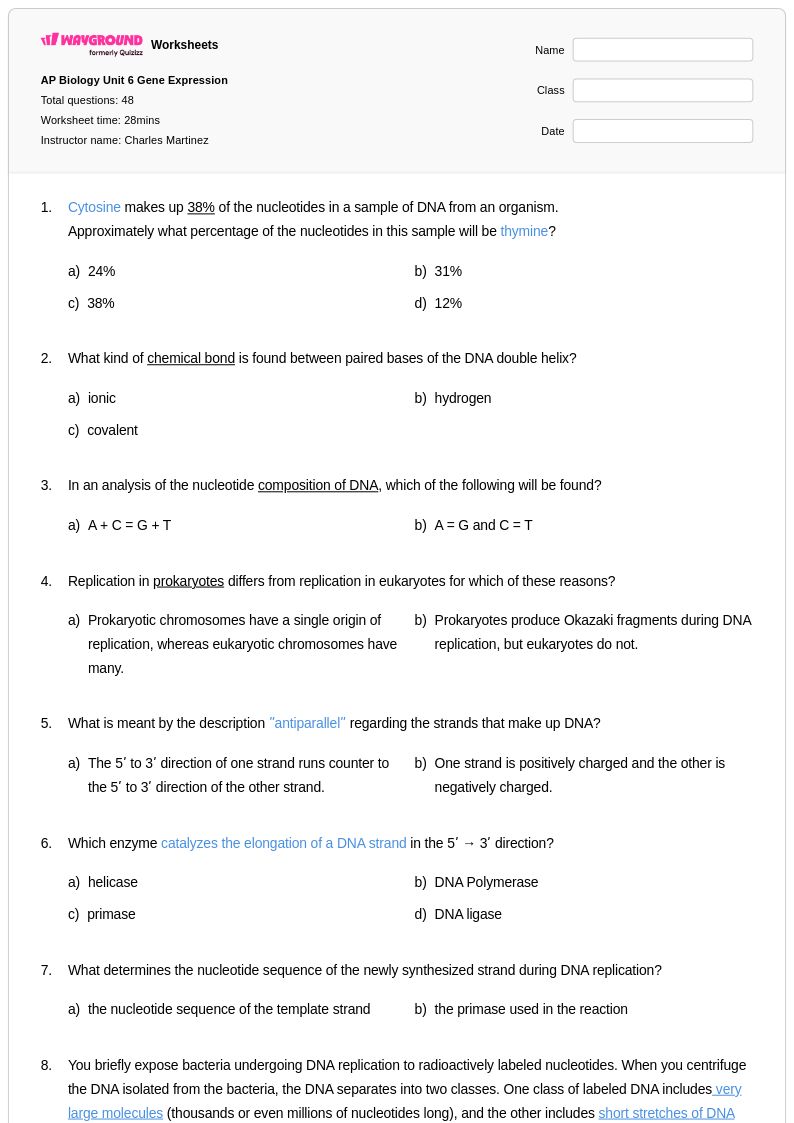
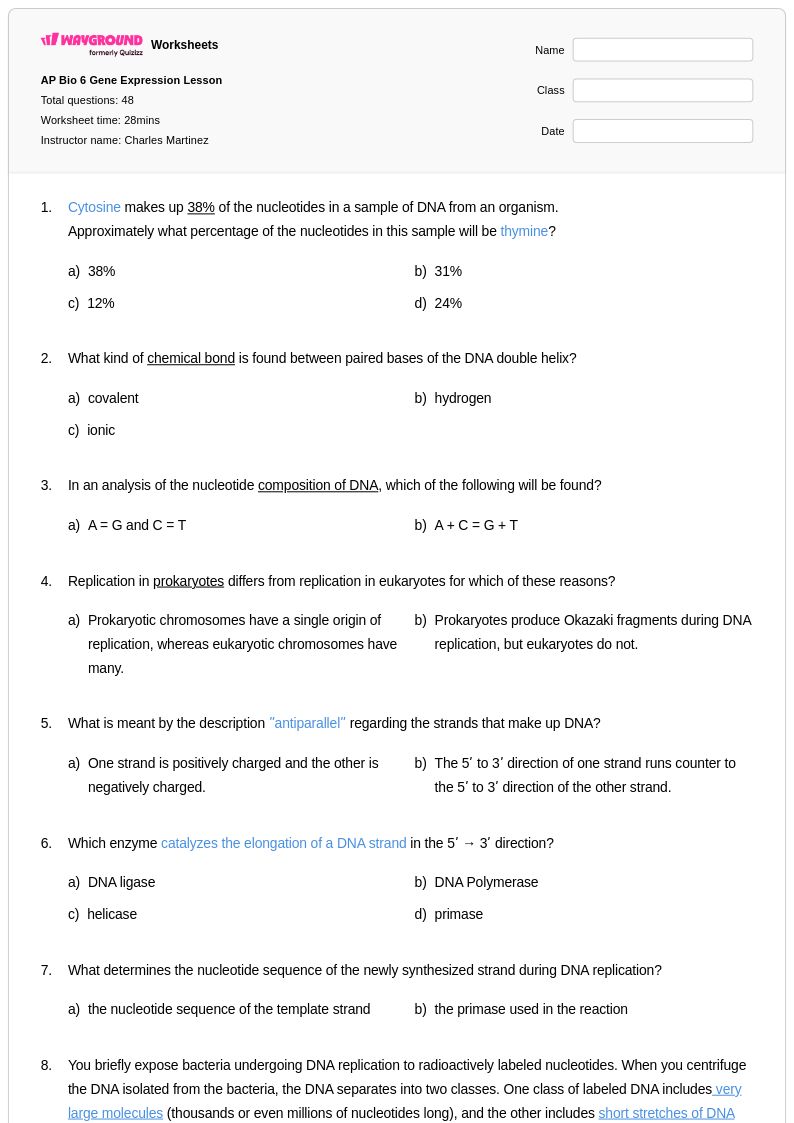
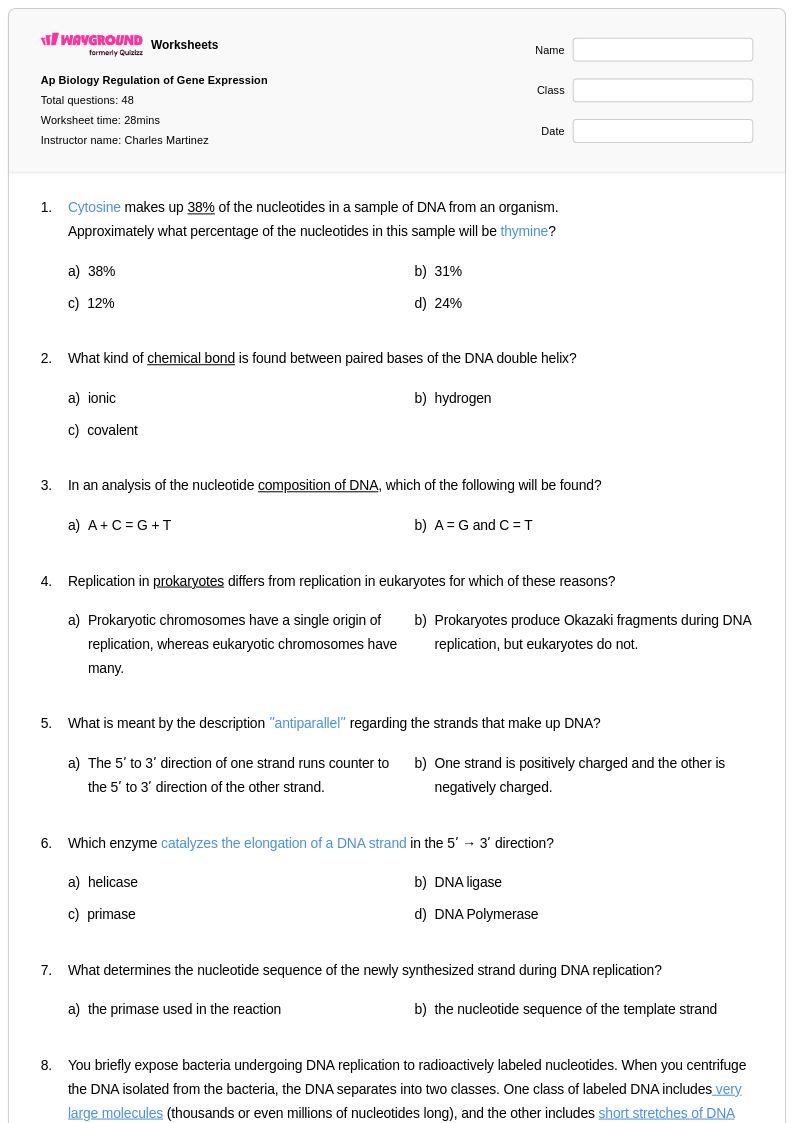
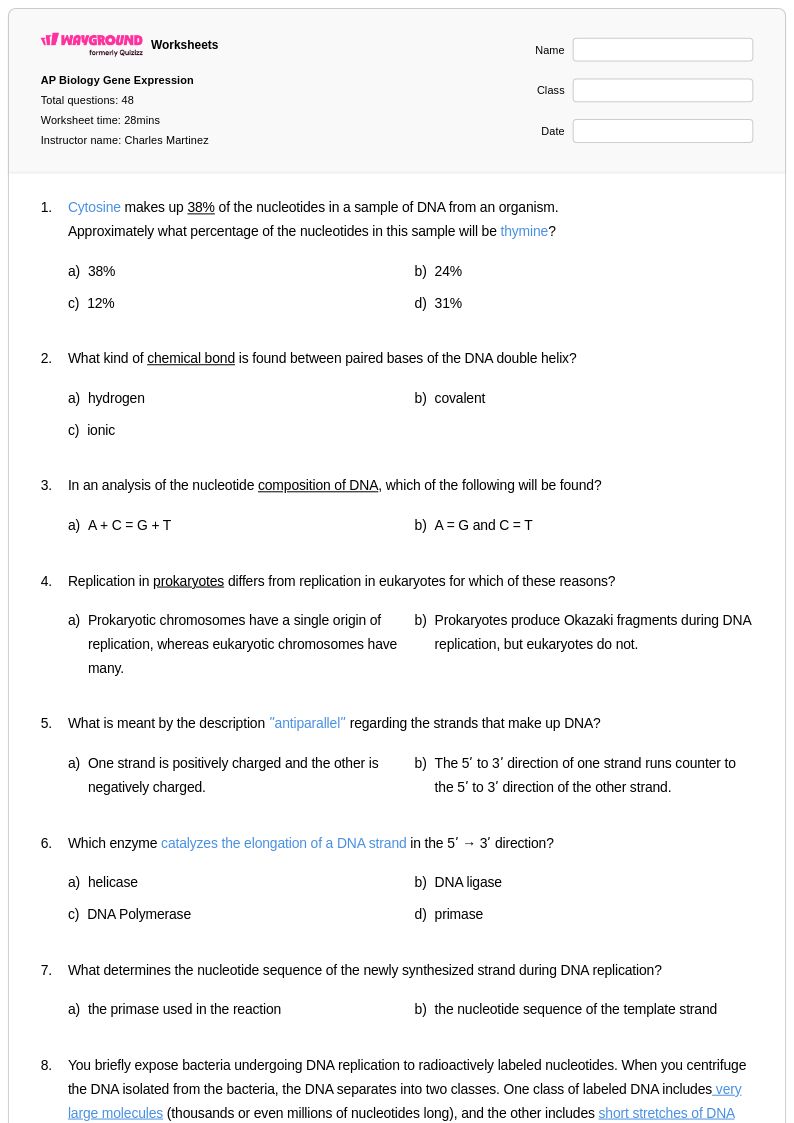
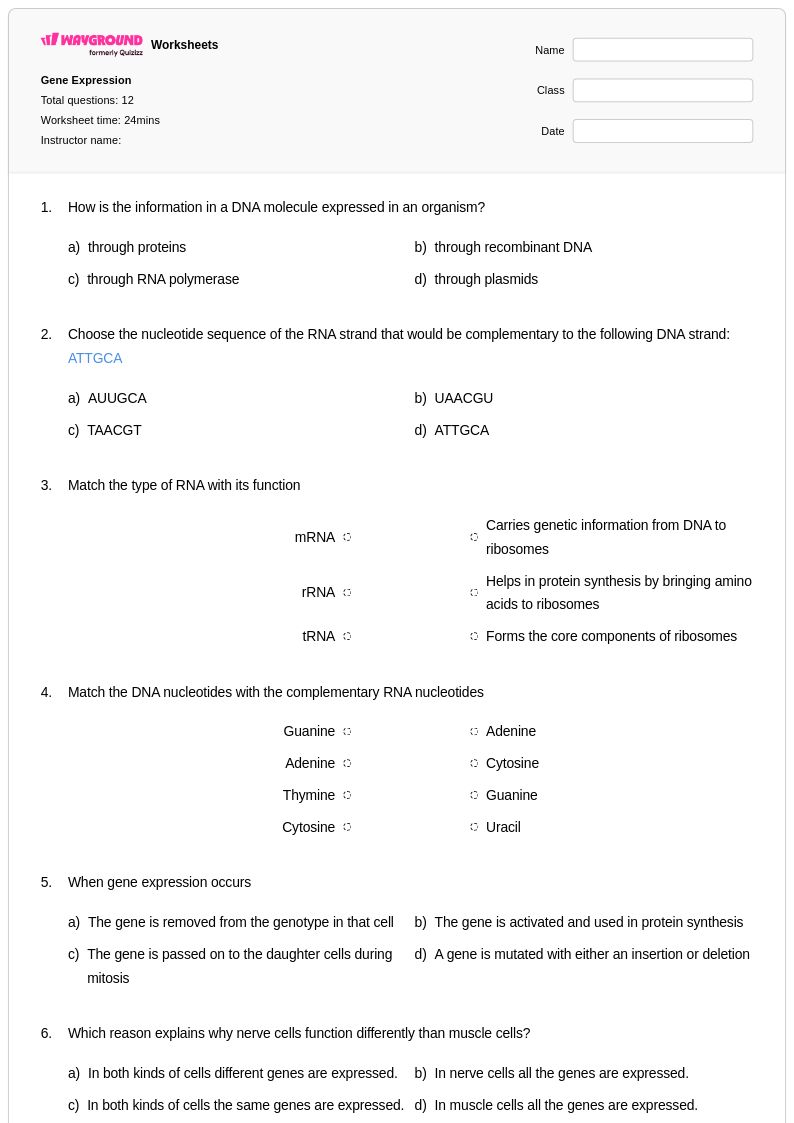
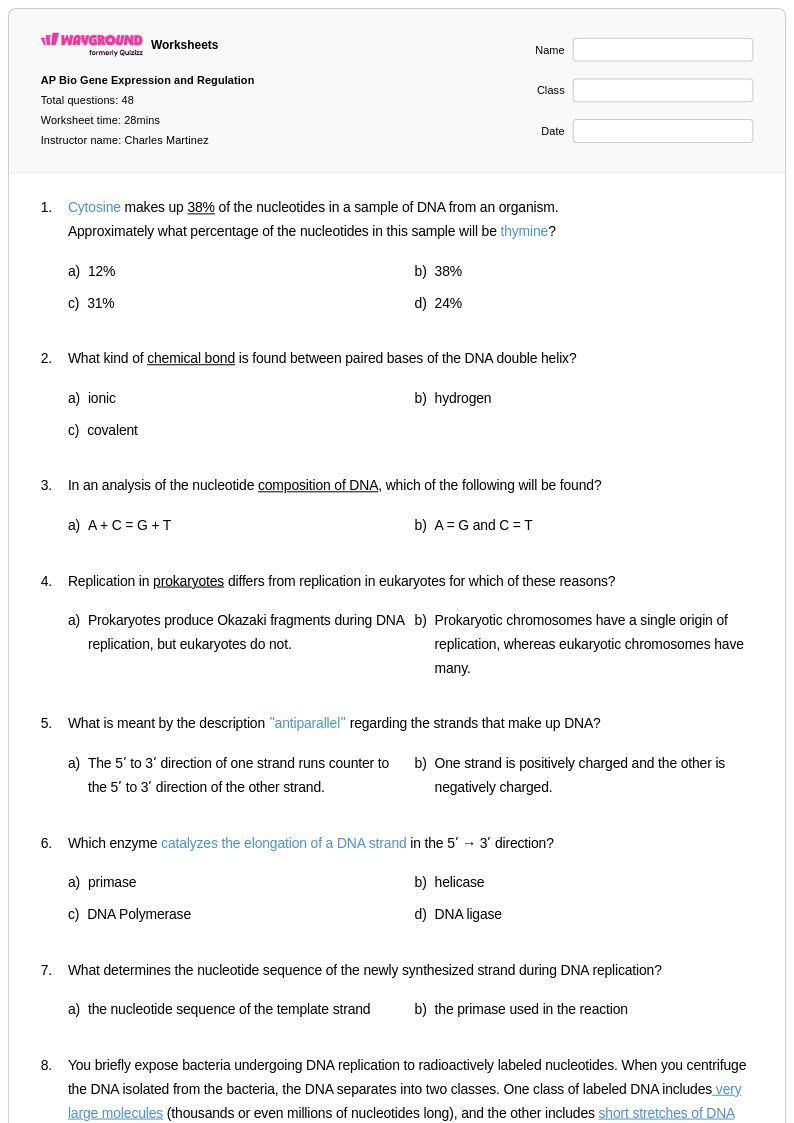
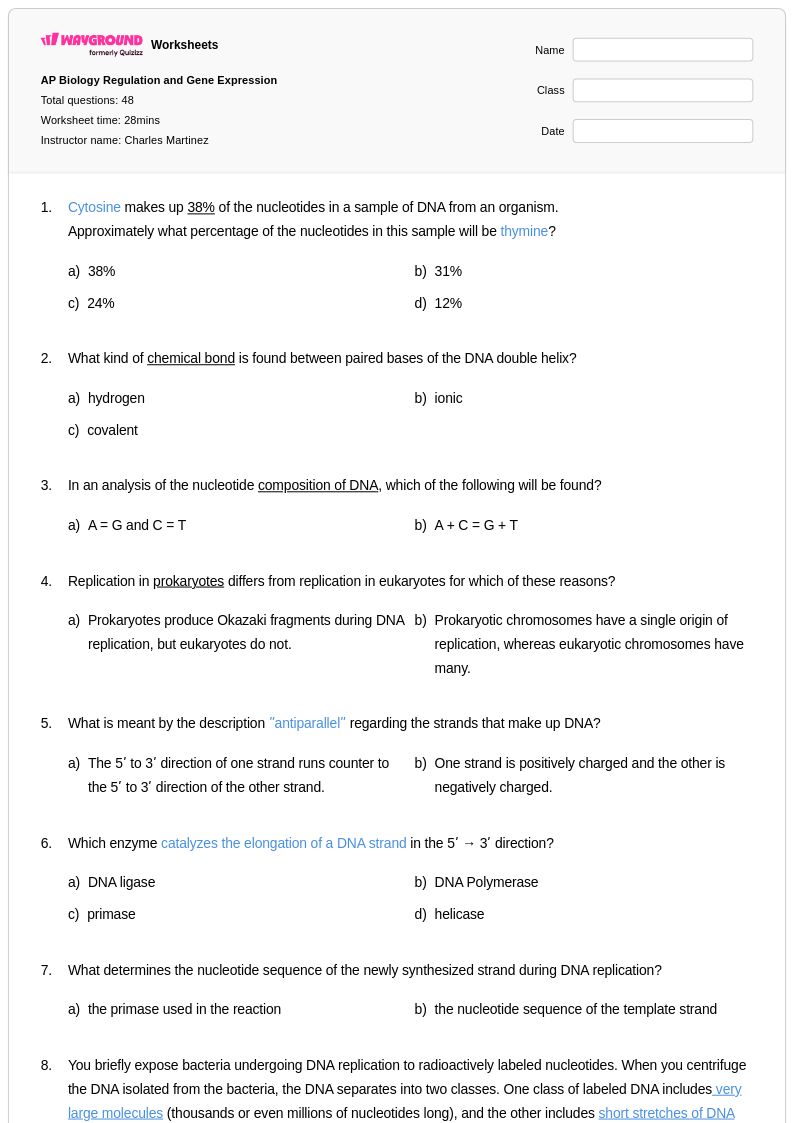
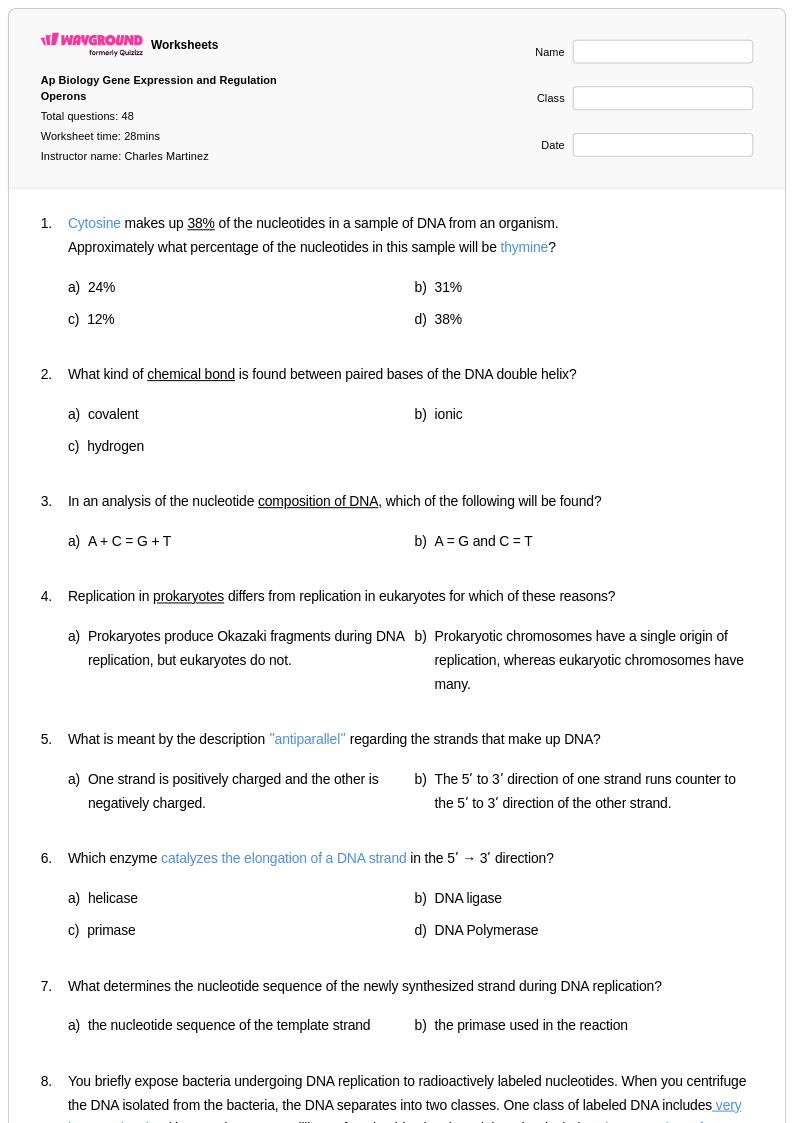
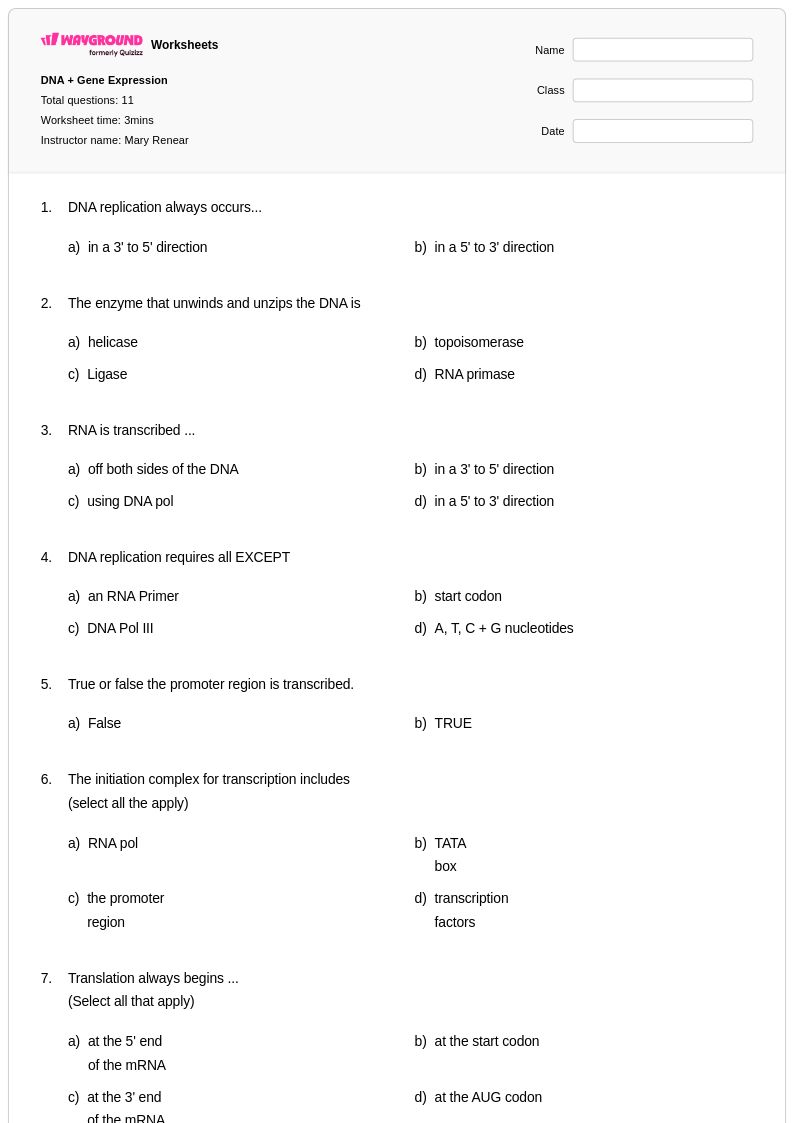
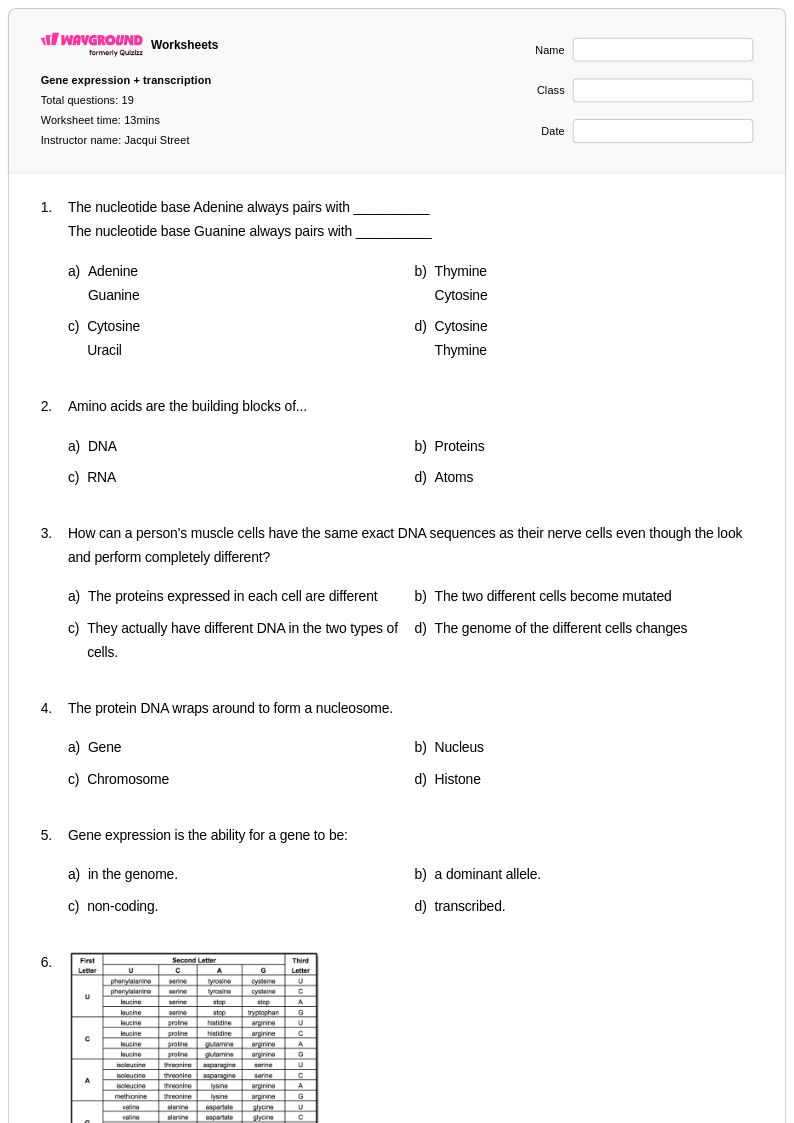
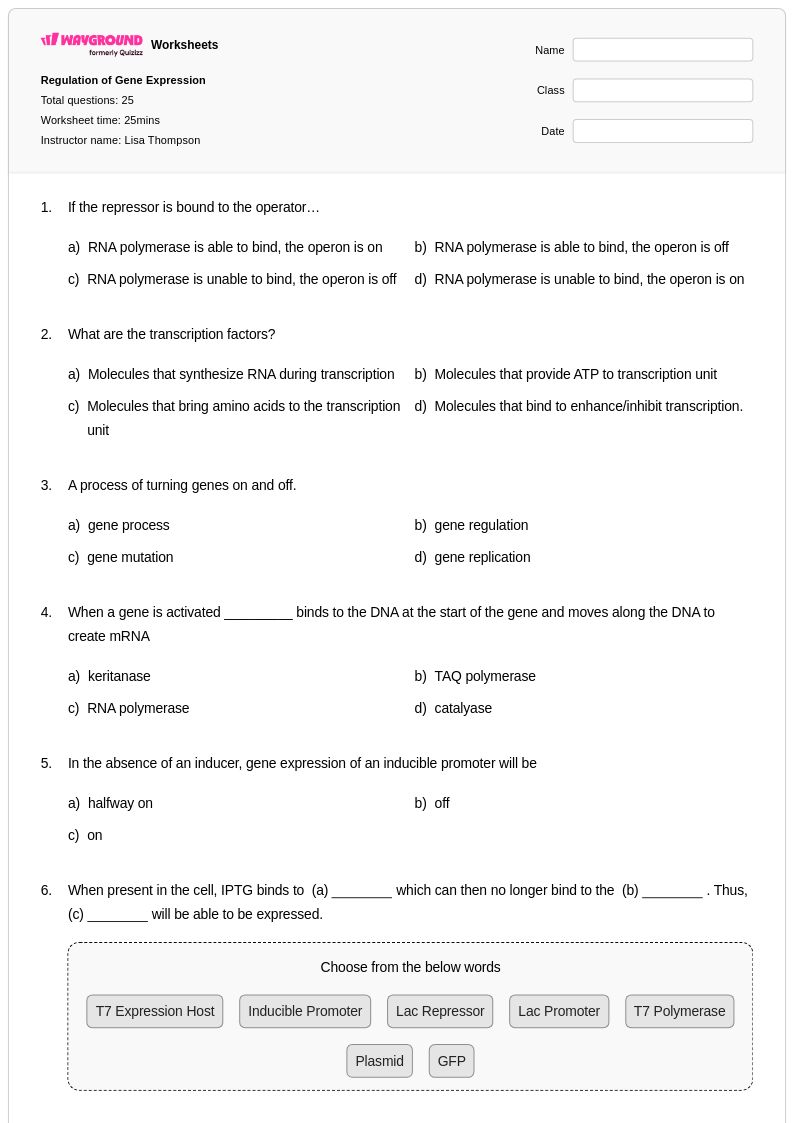
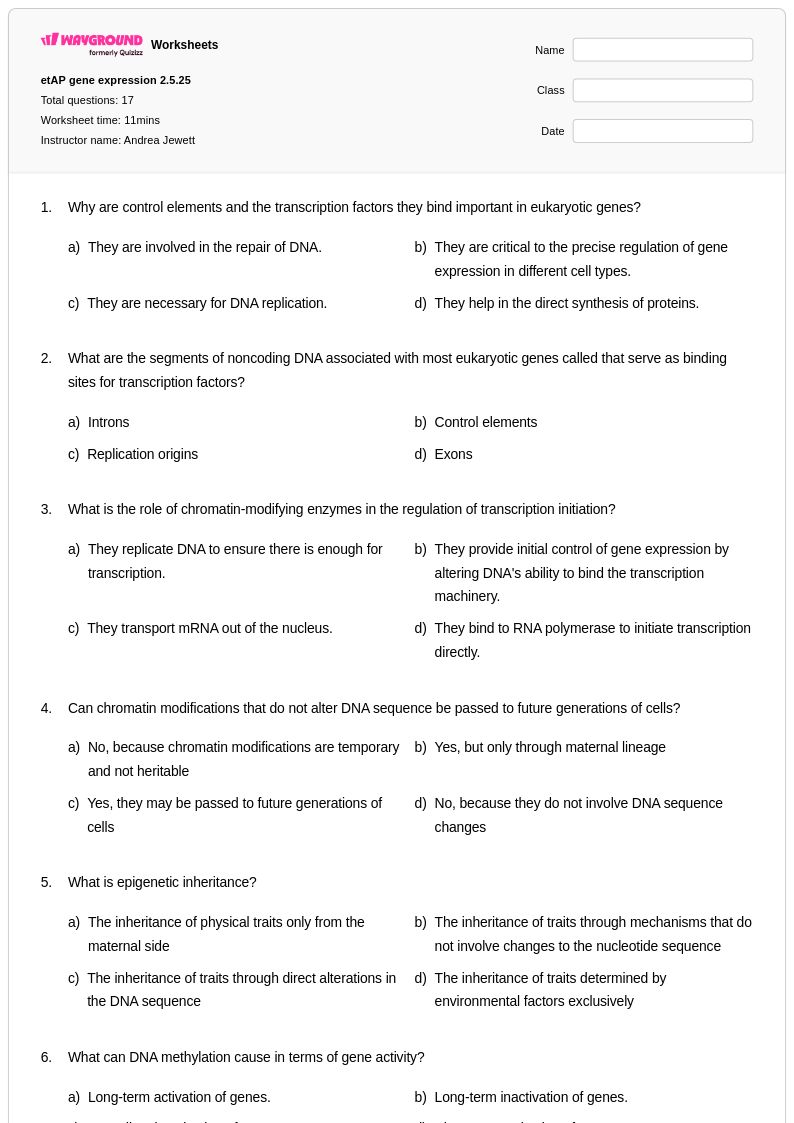
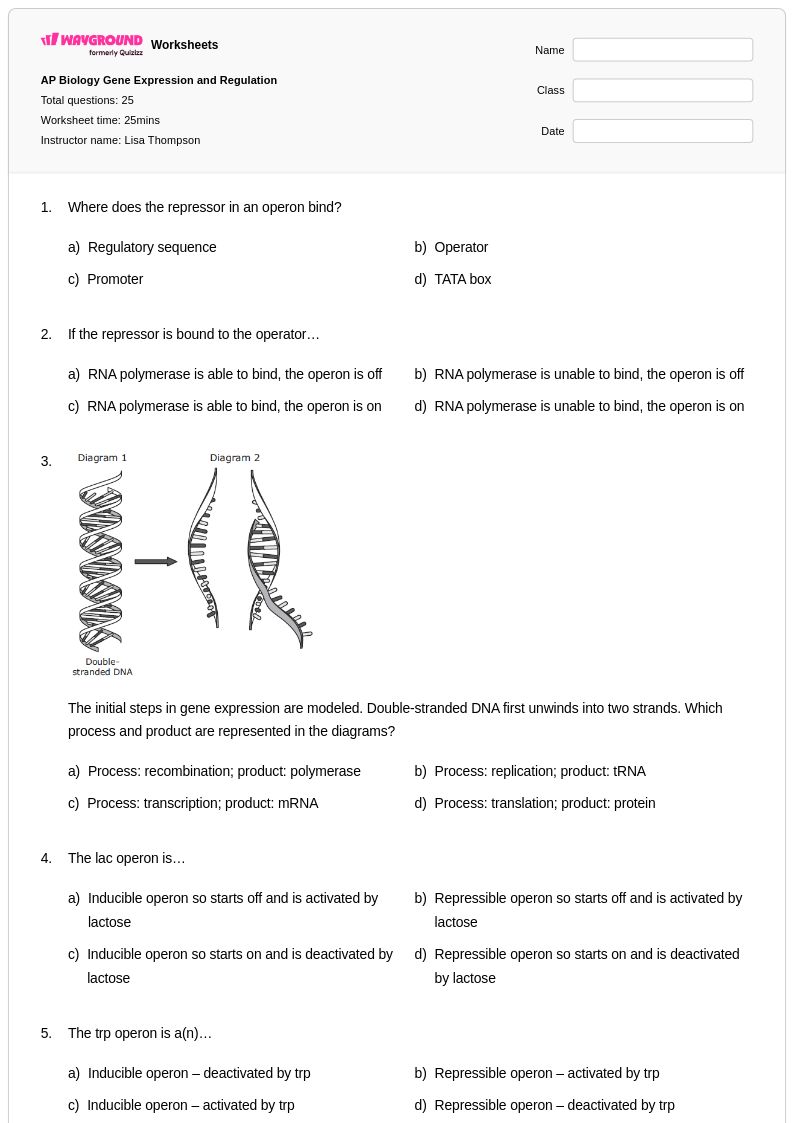
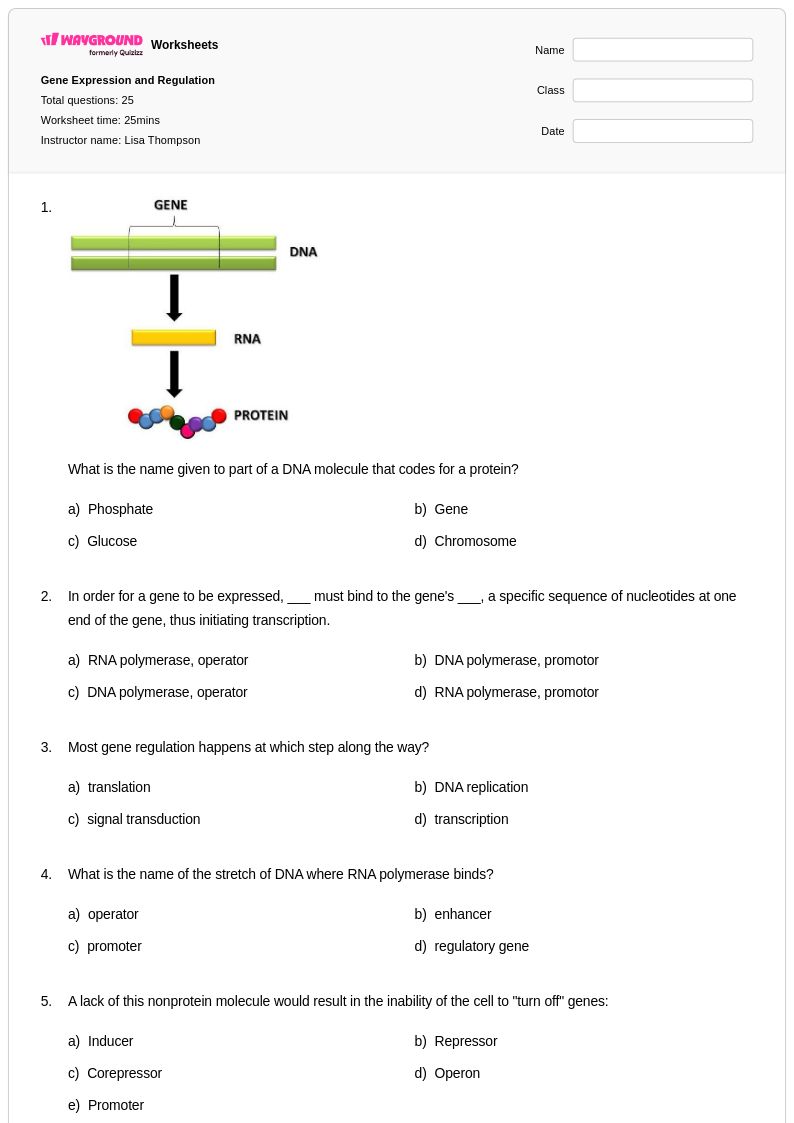
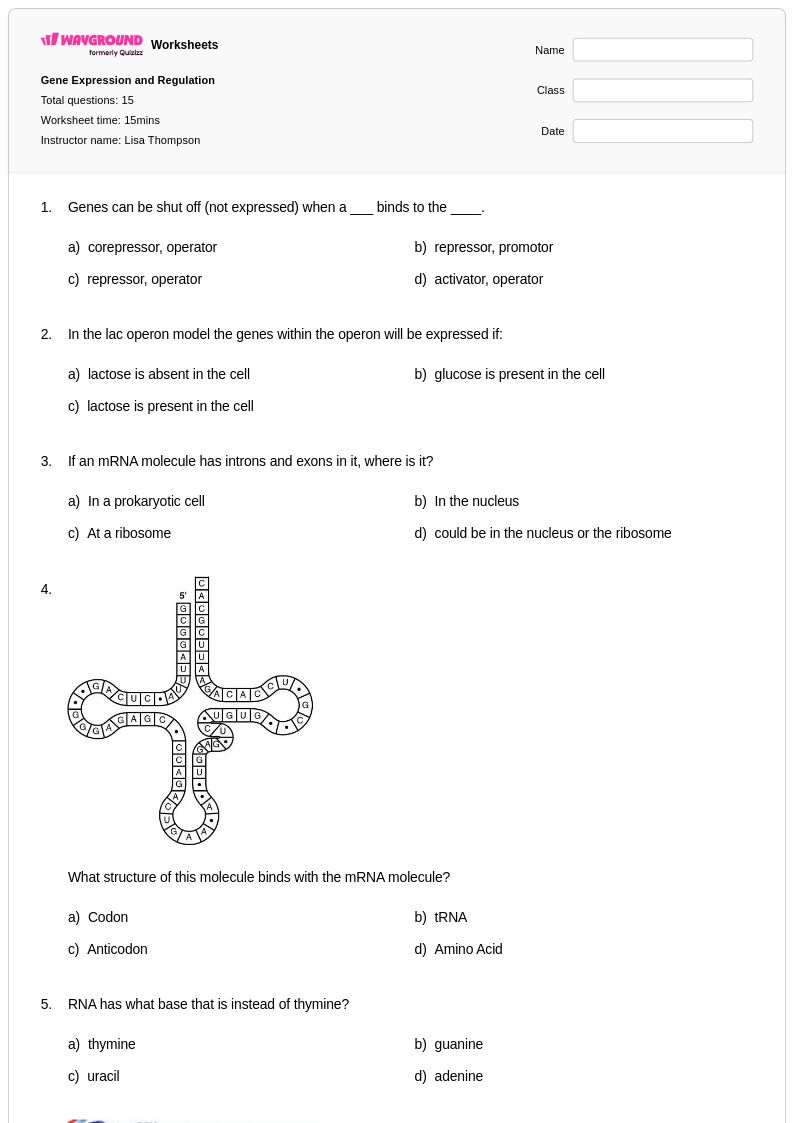
Gene expression worksheets for Year 12 students available through Wayground (formerly Quizizz) provide comprehensive coverage of this fundamental molecular biology concept that governs how genetic information is converted into functional proteins. These expertly designed worksheets strengthen critical skills in understanding transcription and translation processes, regulatory mechanisms including operons and epigenetic modifications, and the intricate relationship between genotype and phenotype. Students engage with practice problems that explore RNA polymerase function, promoter sequences, enhancers and silencers, alternative splicing, and post-translational modifications. The collection includes detailed answer keys that support independent learning and self-assessment, while printable pdf formats ensure accessibility across different learning environments. These free resources challenge students to analyze gene regulation patterns, interpret experimental data from molecular biology techniques, and connect gene expression concepts to broader biological phenomena such as cellular differentiation and disease mechanisms.
Wayground (formerly Quizizz) empowers educators with millions of teacher-created gene expression resources specifically curated for Year 12 biology instruction, featuring robust search and filtering capabilities that align with national and state science standards. The platform's sophisticated differentiation tools enable teachers to customize worksheets based on individual student needs, accommodating various learning styles and academic levels within the same classroom. These comprehensive collections are available in both printable and digital pdf formats, providing maximum flexibility for lesson planning, targeted remediation of complex molecular concepts, and enrichment activities for advanced learners. Teachers can efficiently identify resources that address specific gene expression topics such as prokaryotic versus eukaryotic regulation, cancer-related mutations, or biotechnology applications, while the platform's organizational features streamline the process of creating cohesive unit plans and assessment materials that reinforce essential molecular biology skills throughout the academic year.
FAQs
How do I teach gene expression to high school biology students?
Teaching gene expression effectively means building the concept in two stages: first establish transcription (DNA to mRNA) and then translation (mRNA to protein), before introducing regulatory mechanisms like promoter regions, transcription factors, and enhancer sequences. Visual aids such as labeled diagrams of the transcription and translation machinery help students track the flow of genetic information. Connecting each molecular step to a real cellular outcome, such as how a single regulatory protein can silence or activate an entire gene, grounds abstract biochemistry in biological meaning.
What exercises help students practice transcription and translation?
Targeted practice problems that walk students through each step, such as transcribing a DNA template strand into mRNA and then using a codon chart to translate that sequence into amino acids, build procedural fluency before conceptual questions are introduced. Problems that include mutations, such as a single base substitution or frameshift, push students to apply their understanding rather than just recall steps. Worksheets that combine these mechanics with questions about regulatory mechanisms, such as how a transcription factor affects gene activation, extend practice into higher-order thinking.
What mistakes do students commonly make when learning gene expression?
The most common error is confusing the template strand with the coding strand during transcription, which leads to students writing the wrong mRNA sequence. Students also frequently misapply complementary base pairing rules, particularly forgetting that uracil replaces thymine in RNA. A third persistent misconception is treating gene expression as a linear, always-active process rather than understanding that regulatory proteins, promoter accessibility, and post-translational modifications tightly control when and how much protein is produced.
How can I differentiate gene expression instruction for students at different levels?
For students who need additional support, reducing the complexity of practice problems to focus on one process at a time, such as transcription only, prevents cognitive overload before both processes are combined. For advanced learners, problems that incorporate gene regulation, including the role of enhancer sequences or post-translational modifications, extend the challenge beyond mechanics. On Wayground, teachers can apply accommodations such as read aloud, reduced answer choices, and extended time to individual students, so the same assignment can serve a differentiated classroom without requiring separate materials.
How do I use gene expression worksheets from Wayground in my classroom?
Gene expression worksheets on Wayground are available as printable PDFs for traditional classroom use and in digital formats for technology-integrated environments, and teachers can also host them as a quiz directly on the platform. Printable versions work well for guided notes during initial instruction or as structured homework, while the digital format allows for immediate scoring and progress tracking. Answer keys are included with each worksheet, enabling students to self-assess and giving teachers a ready-made tool for whole-class review.
How do I assess whether students truly understand gene expression versus just memorizing steps?
Students who have only memorized steps will struggle when given a novel DNA sequence and asked to predict the effect of a point mutation on the resulting protein, or when asked to explain why a cell in the liver expresses different proteins than a cell in the pancreas despite having identical DNA. Assessment questions that require students to apply regulatory concepts, such as predicting what happens to protein production when a repressor protein is inactivated, reliably distinguish procedural recall from genuine conceptual understanding. Including short written justification prompts alongside multiple-choice or fill-in problems also reveals the depth of student reasoning.