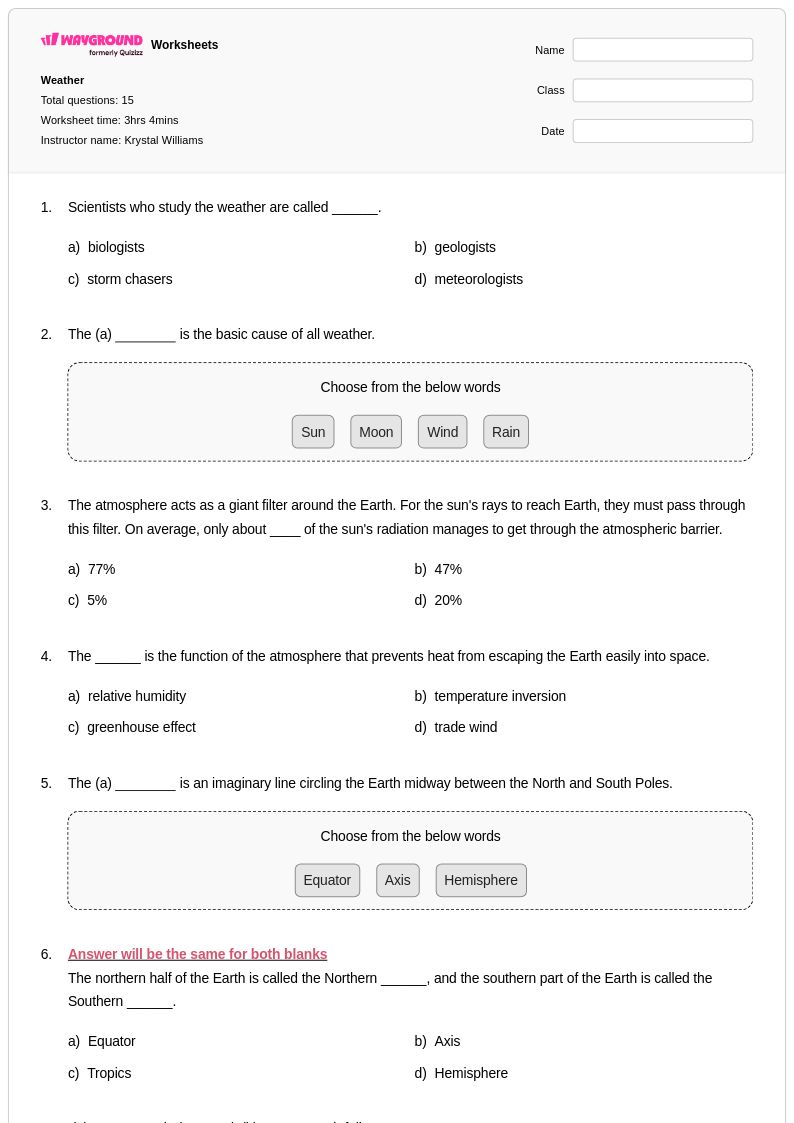
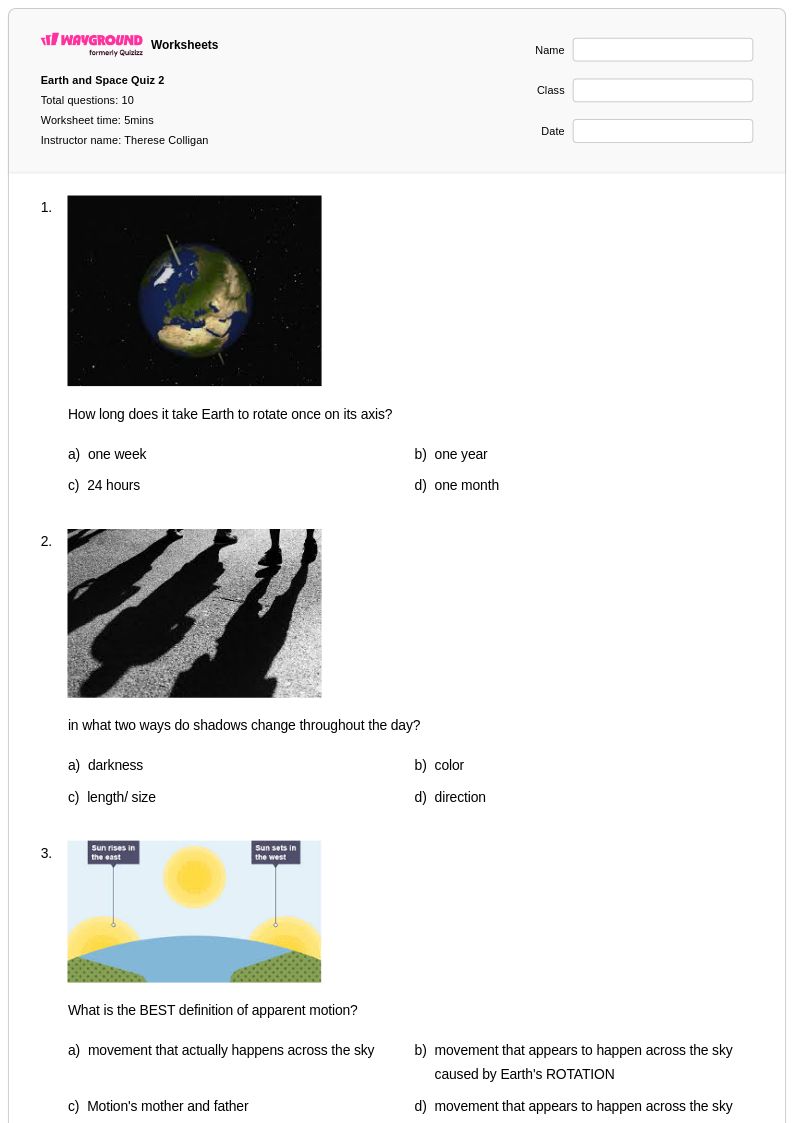
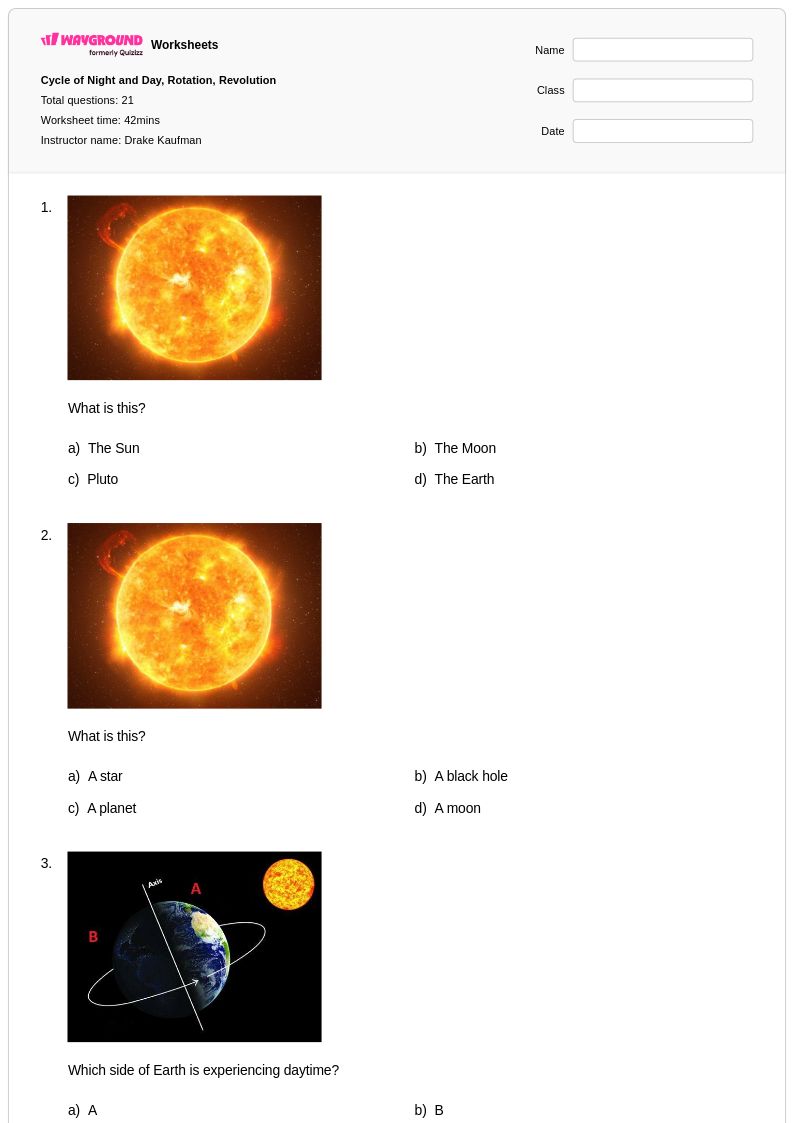
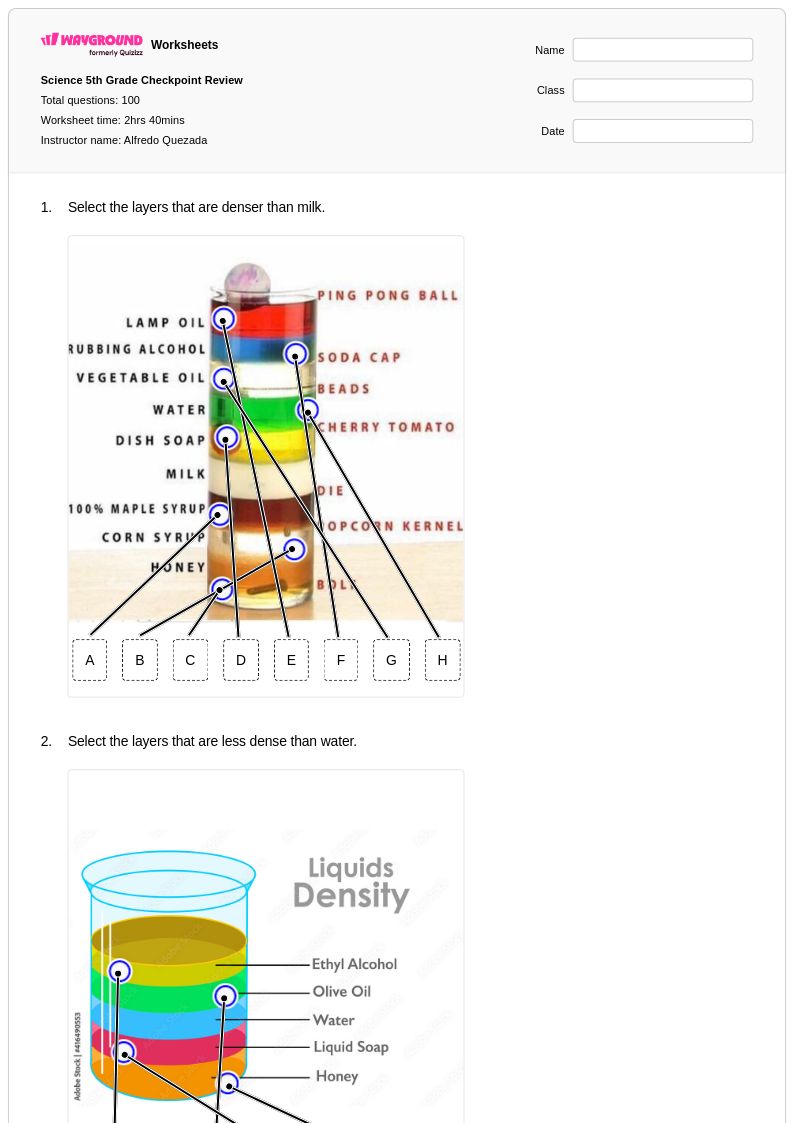
Explore Year 5 hemispheres worksheets and free printables that help students understand Earth's northern and southern hemispheres through engaging practice problems, activities, and comprehensive answer keys.
Explore printable Hemispheres worksheets for Year 5
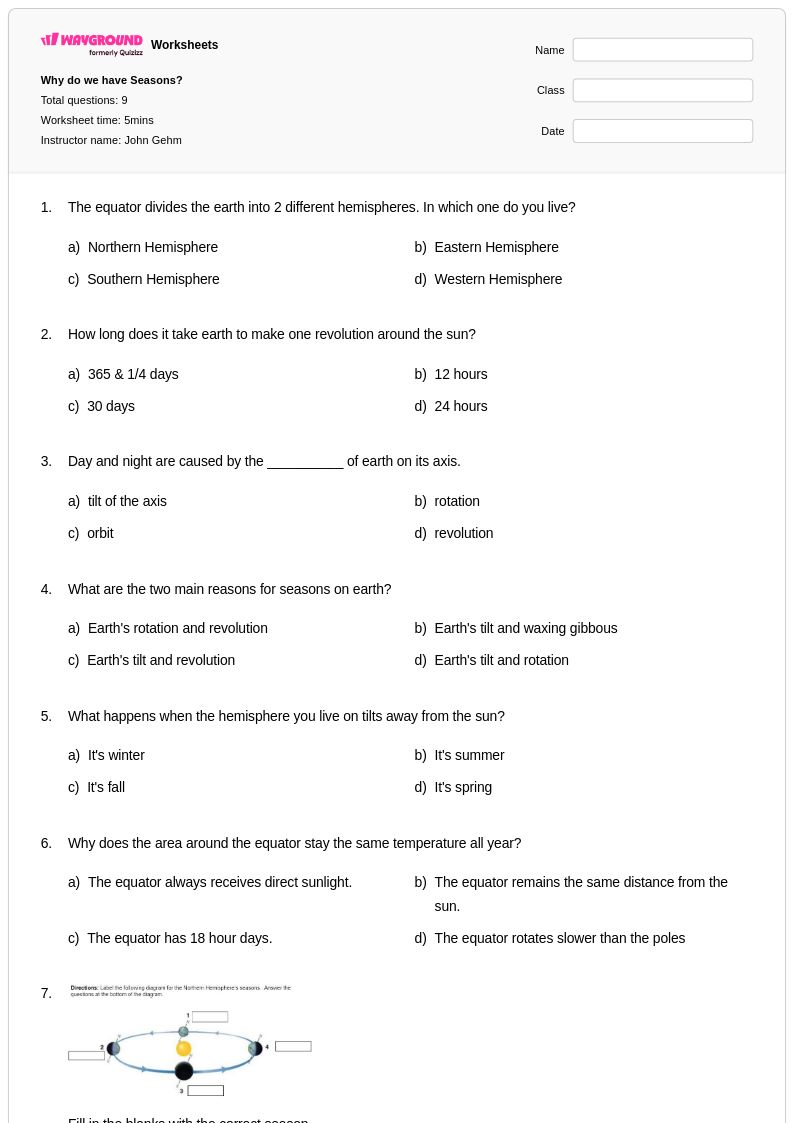
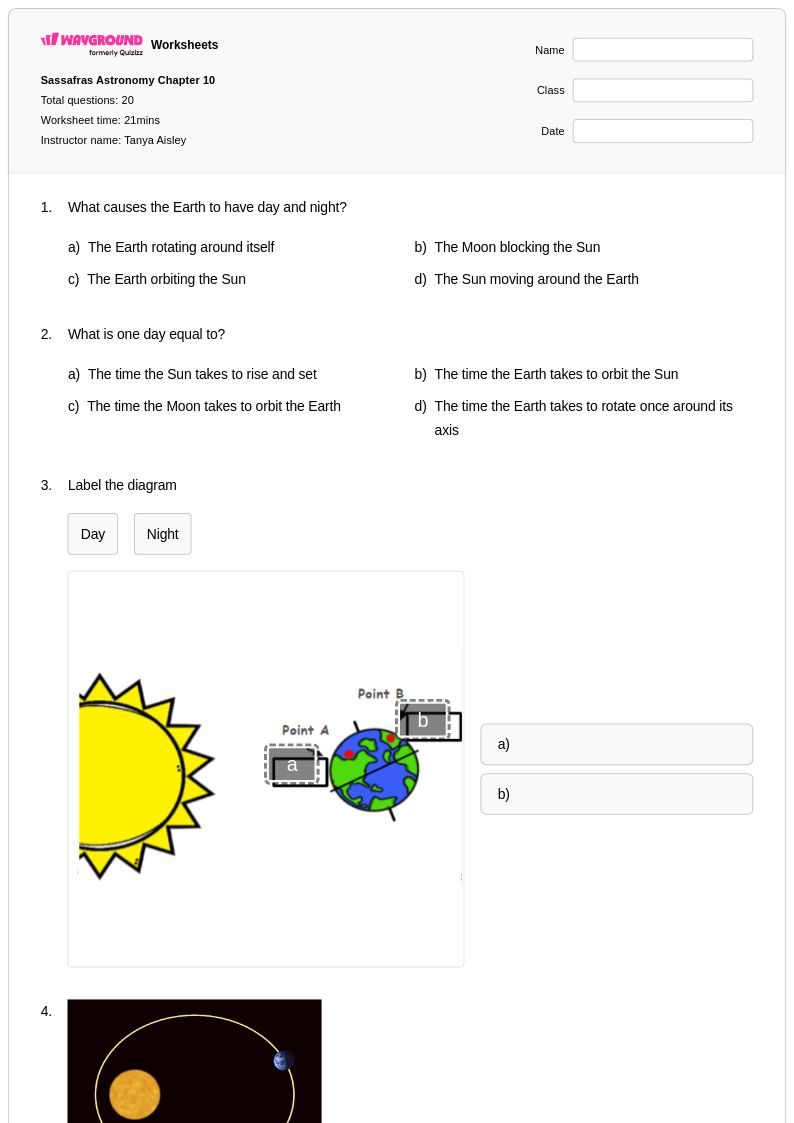
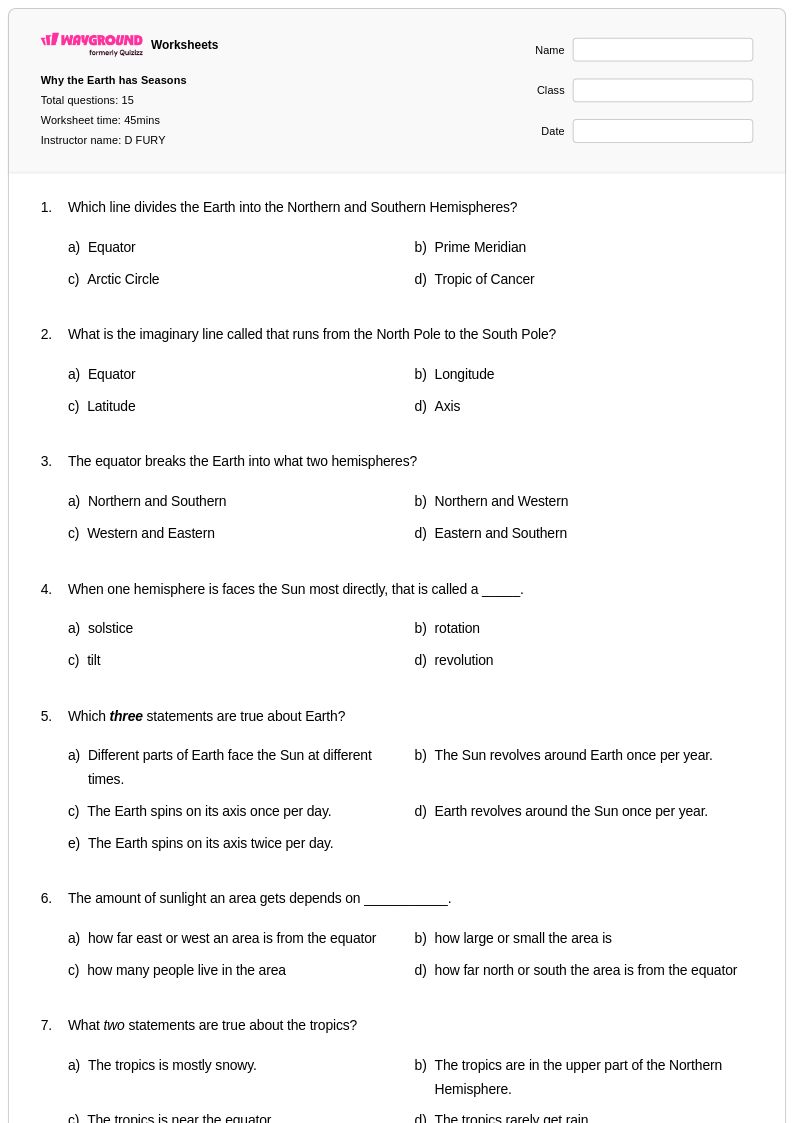
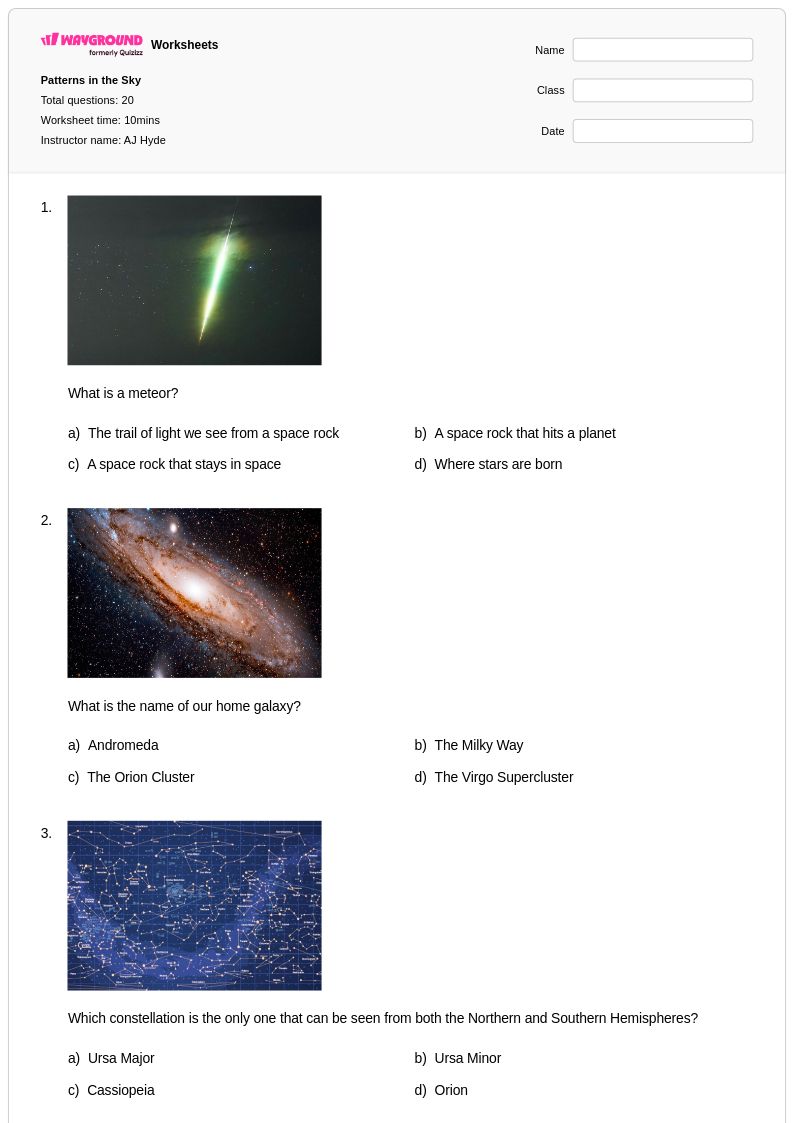
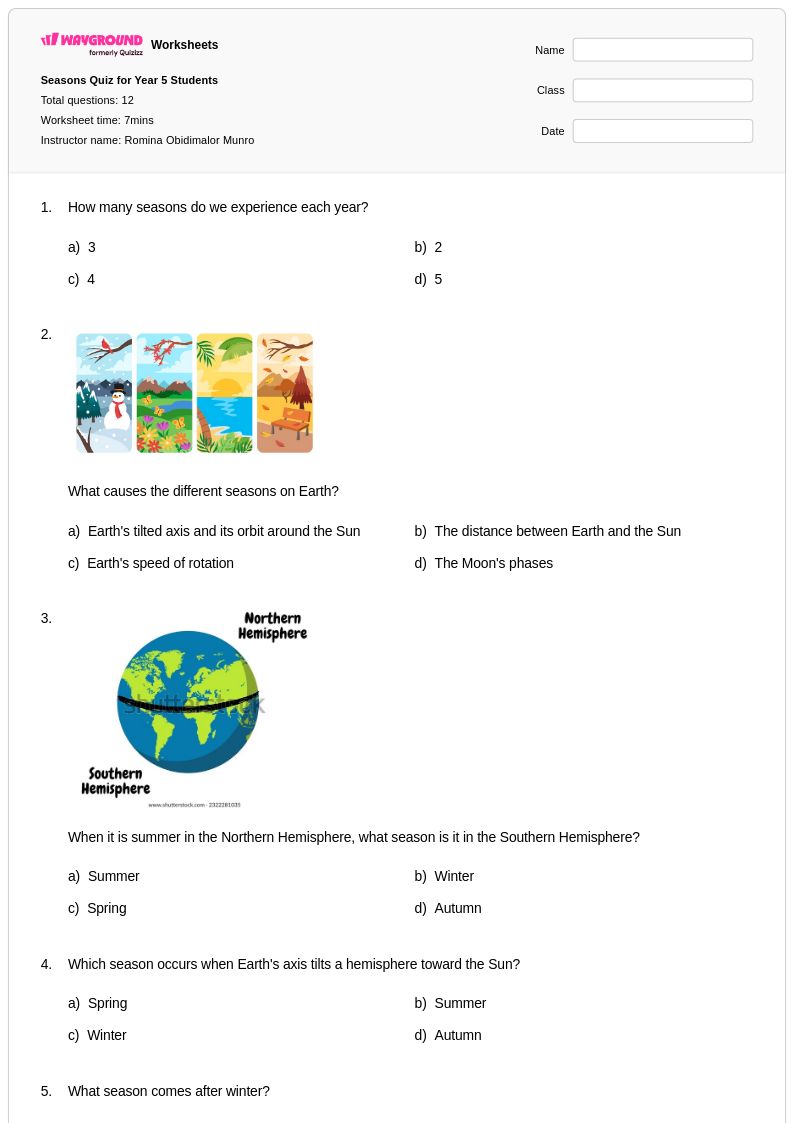
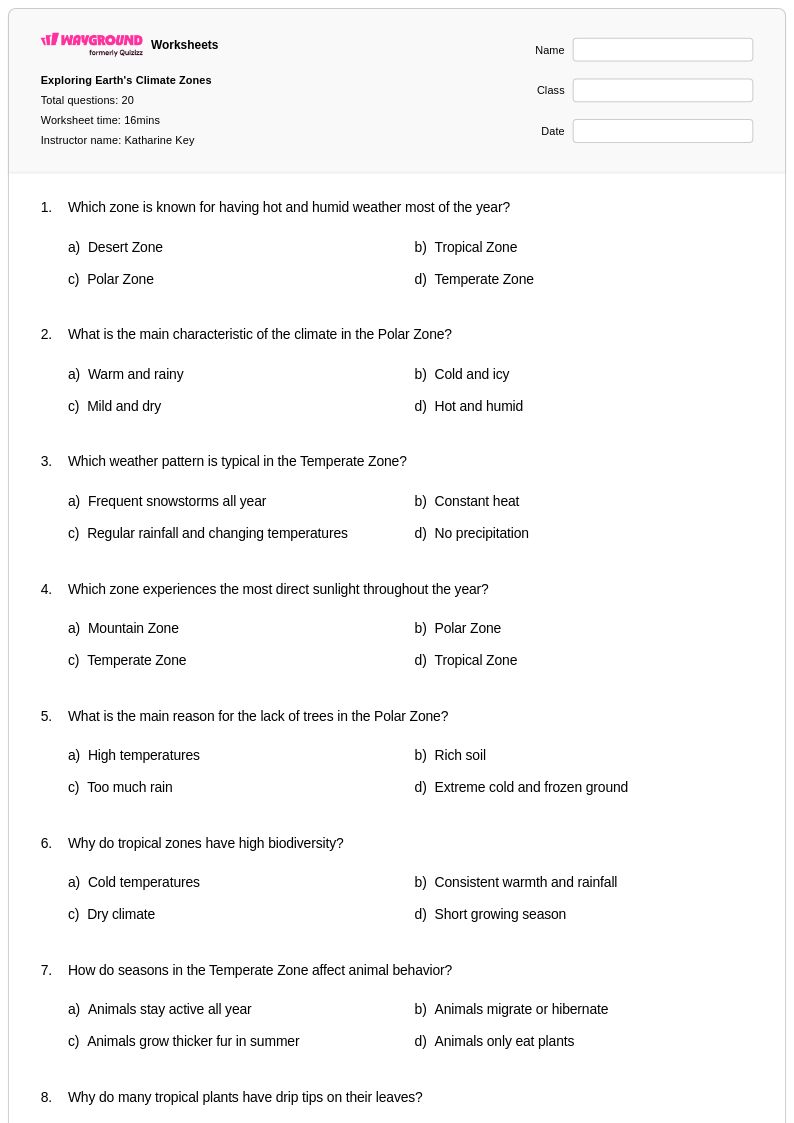
Hemispheres worksheets for Year 5 students available through Wayground (formerly Quizizz) provide comprehensive coverage of Earth's geographic divisions and their distinctive characteristics. These educational resources help fifth-grade learners develop critical spatial reasoning skills while exploring the Northern and Southern Hemispheres, as well as the Eastern and Western Hemispheres. Students engage with practice problems that reinforce their understanding of how the equator and prime meridian divide our planet, while examining climate patterns, seasonal variations, and geographic features unique to each hemisphere. The worksheets include detailed answer keys that support both independent learning and teacher-guided instruction, with free printables available in convenient pdf format to accommodate various classroom needs and learning preferences.
Wayground (formerly Quizizz) supports educators with an extensive collection of teacher-created hemisphere resources, drawing from millions of professionally developed materials that align with Year 5 Earth and Space Science standards. The platform's robust search and filtering capabilities enable teachers to quickly locate worksheets that match their specific curriculum requirements and student ability levels. Differentiation tools allow for seamless customization of hemisphere content, making it possible to provide appropriate challenge levels for diverse learners while maintaining focus on essential geographic concepts. Available in both printable and digital formats including downloadable pdf versions, these resources facilitate flexible lesson planning and provide valuable options for skill practice, remediation activities, and enrichment opportunities that deepen students' understanding of Earth's hemispheric divisions and their global significance.
FAQs
How do I teach the concept of hemispheres to students?
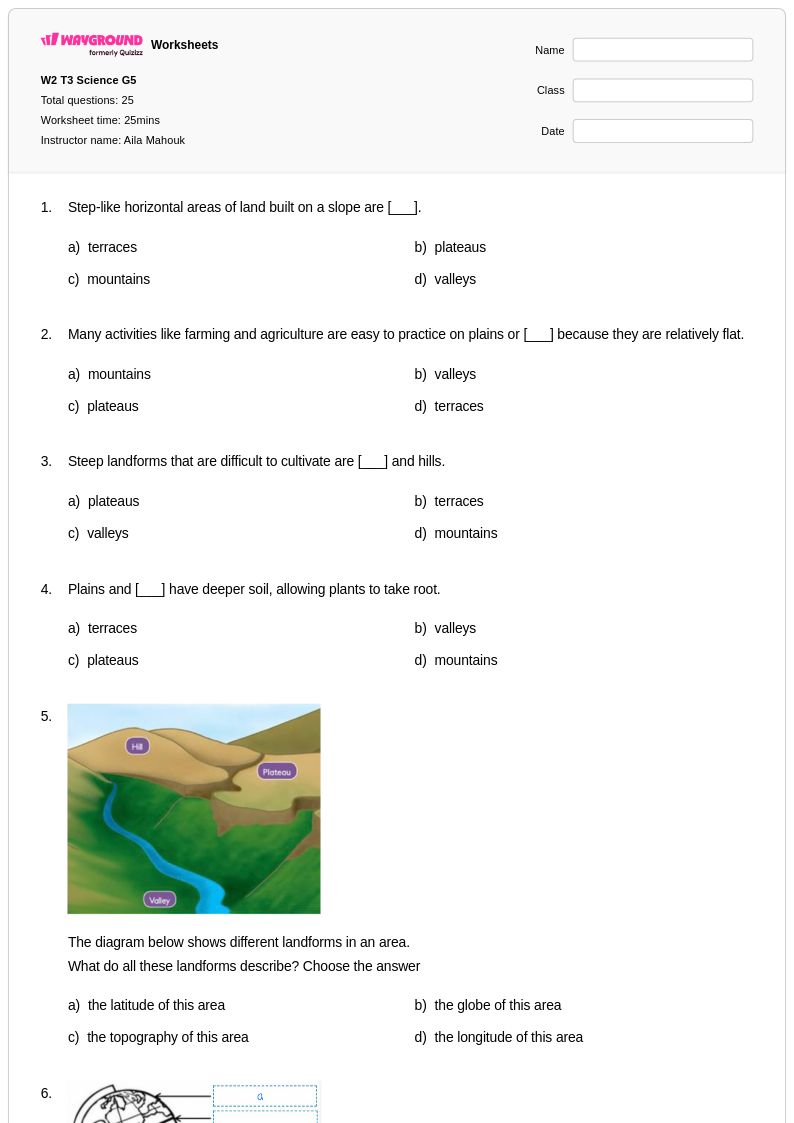
Start by grounding students in the physical reality of the globe: the equator divides Earth into Northern and Southern hemispheres, while the Prime Meridian and antimeridian divide it into Eastern and Western hemispheres. Use a physical or digital globe to let students locate familiar countries relative to these dividing lines. From there, connect hemisphere location to real-world effects like seasonal reversal between the Northern and Southern hemispheres, which makes the abstract concept immediately meaningful.
What exercises help students practice identifying Earth's hemispheres?
Effective practice exercises include map labeling tasks where students identify which hemisphere a given country or coordinate falls in, as well as comparative charts that contrast seasonal patterns across hemispheres. Problems that ask students to explain why December is summer in Australia while it is winter in Canada reinforce both hemisphere identification and the reasoning behind hemispheric differences. Worksheets that integrate hemisphere identification with latitude and longitude practice deepen spatial thinking at the same time.
What mistakes do students commonly make when learning about hemispheres?
One of the most persistent misconceptions is that the Northern Hemisphere is always warmer than the Southern Hemisphere, when in fact seasonal temperature differences are driven by Earth's axial tilt rather than hemisphere alone. Students also frequently confuse the equator with the Prime Meridian, mixing up the north-south and east-west divisions. A third common error is assuming that a country can only belong to one hemisphere, when many large nations like Brazil and Indonesia span more than one.
How do hemispheres affect seasonal patterns, and how do I explain this to students?
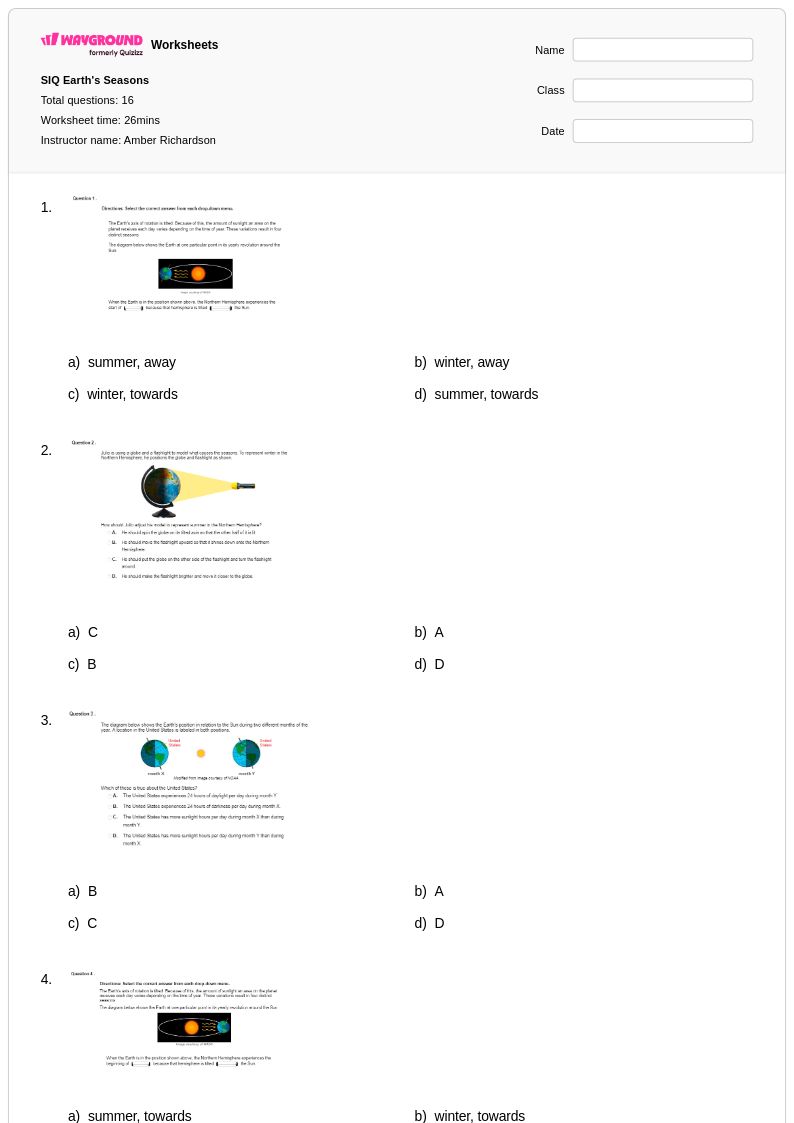
Seasons are caused by Earth's 23.5-degree axial tilt, which means that as Earth orbits the Sun, each hemisphere alternately leans toward or away from it. When the Northern Hemisphere is tilted toward the Sun, it experiences summer while the Southern Hemisphere experiences winter, and vice versa. A helpful classroom demonstration is to hold a tilted globe under a lamp and walk it around the lamp, pausing to ask students which hemisphere is receiving more direct sunlight at each position.
How can I use Wayground's hemispheres worksheets in my classroom?
Wayground's hemispheres worksheets are available as printable PDFs for traditional classroom use and in digital formats for technology-integrated environments, giving teachers flexibility regardless of their classroom setup. Teachers can also host worksheets as a live quiz on Wayground, making them suitable for whole-class review or formative assessment. The platform's search and filtering tools allow teachers to quickly locate materials aligned with specific learning standards and grade-level requirements, reducing lesson planning time.
How do I support struggling students who are having difficulty understanding hemispheres?
Students who struggle with hemispheres often need more concrete visual anchors before moving to abstract map work. Begin with a large printed globe diagram and have students physically draw and label the equator and Prime Meridian before attempting any identification tasks. For students who need additional support during digital activities on Wayground, accommodations such as Read Aloud for question text and reduced answer choices can lower cognitive load while keeping students engaged with grade-appropriate content.