
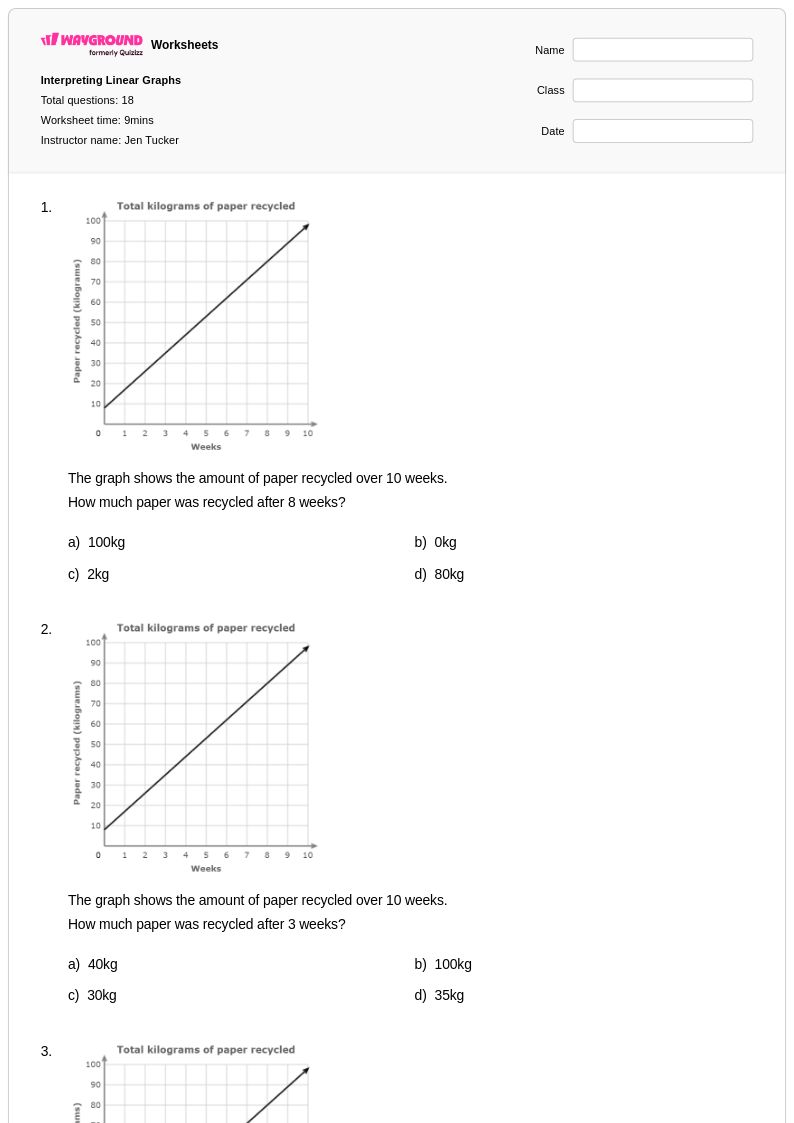
18 Q
6th - 8th
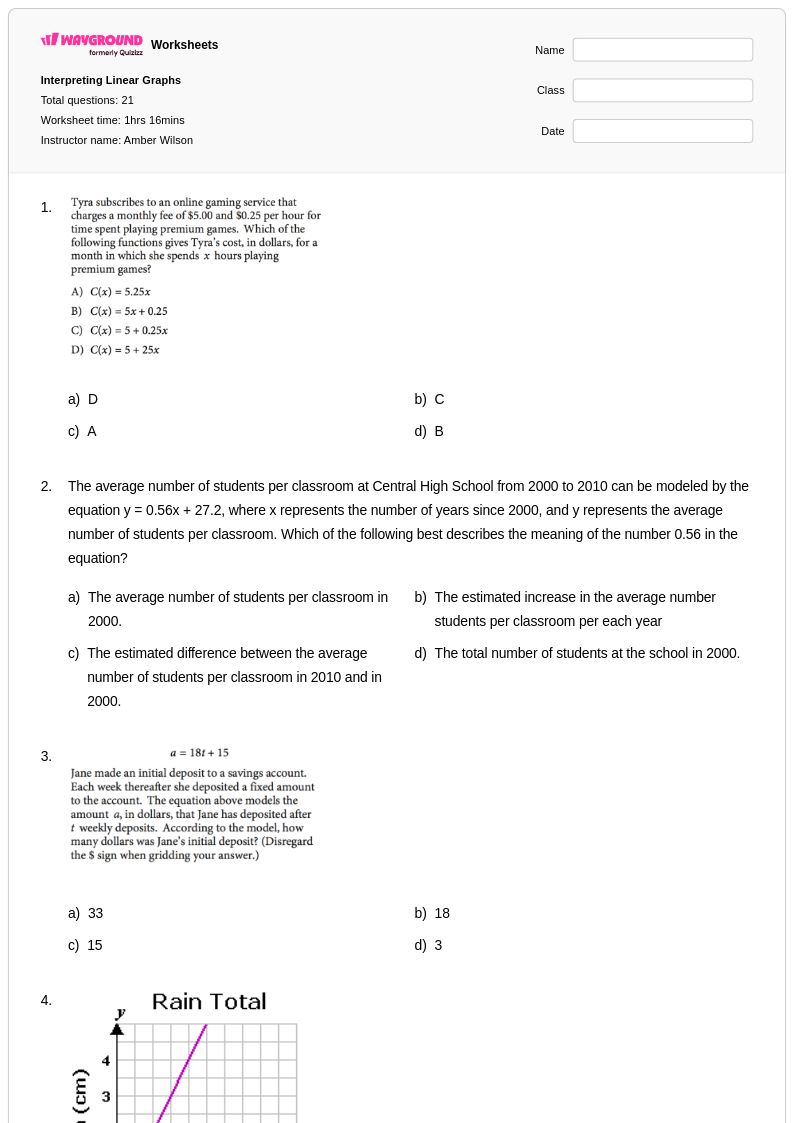
21 Q
8th - 12th
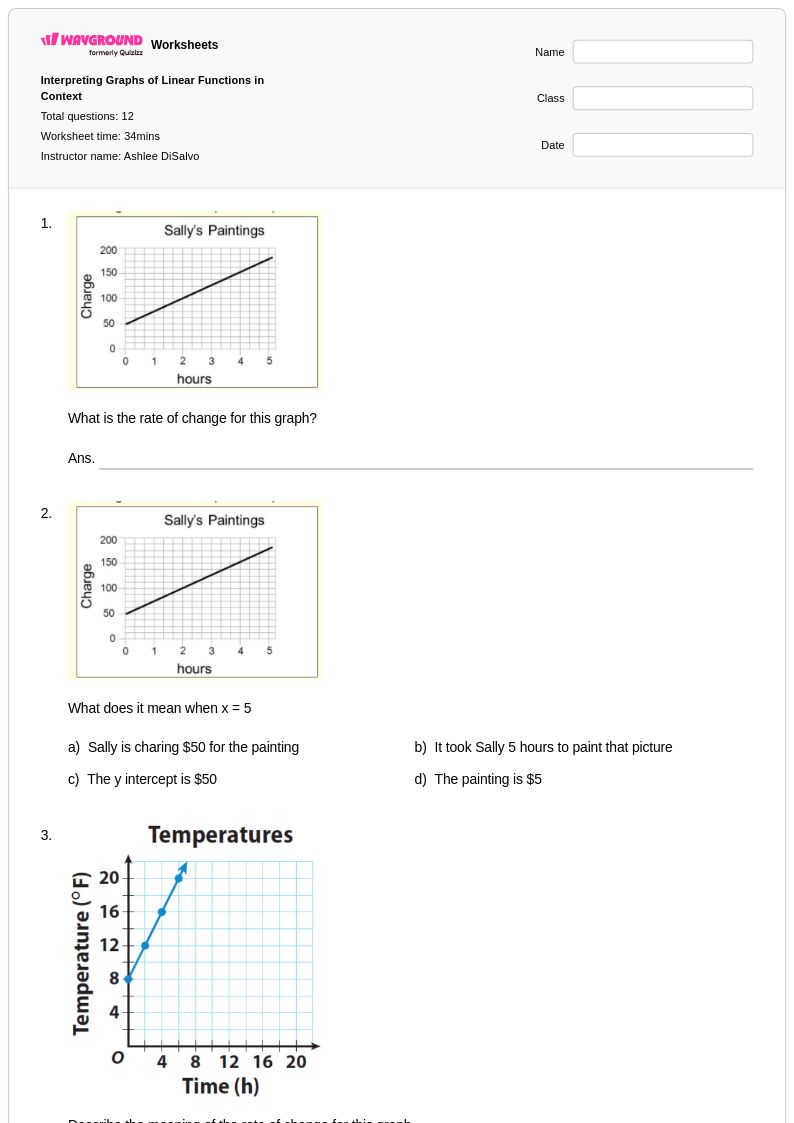
12 Q
8th - 9th
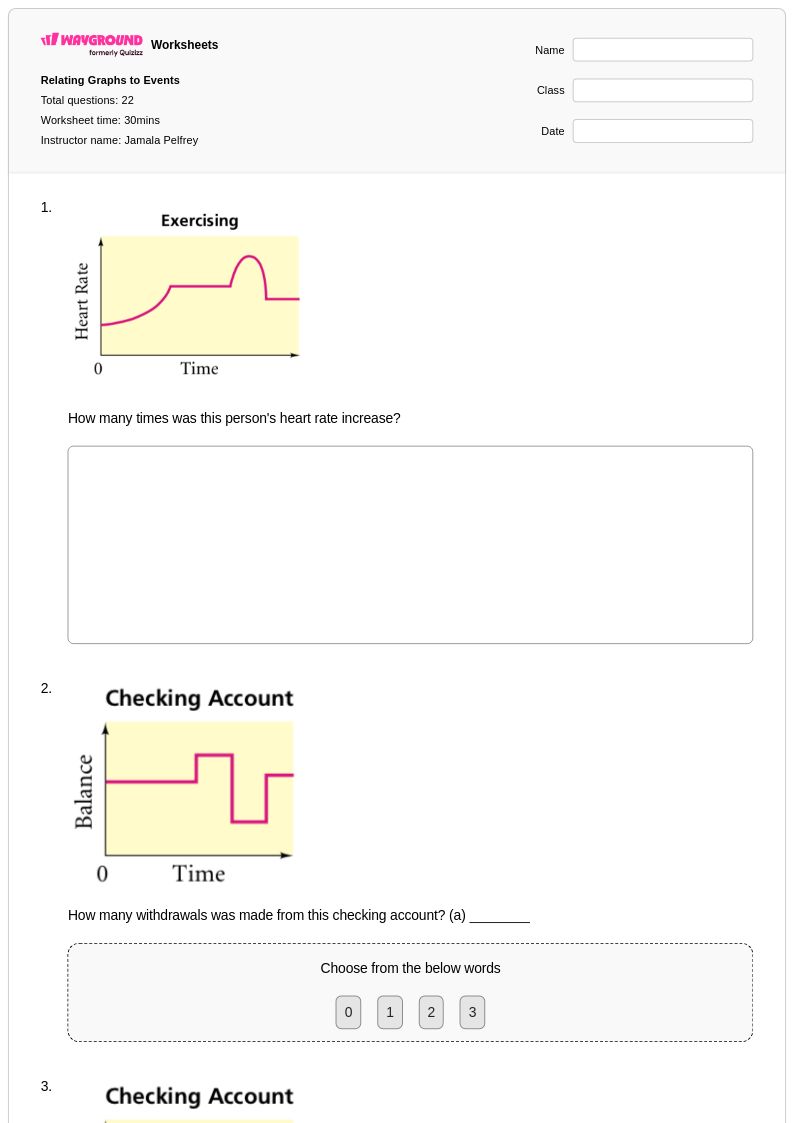
22 Q
8th
15 Q
8th - 10th
20 Q
6th - Uni
18 Q
6th - 8th
20 Q
8th
16 Q
8th - Uni
15 Q
8th - Uni
20 Q
7th - Uni
20 Q
6th - Uni
20 Q
8th - Uni
10 Q
8th
8 Q
8th - 9th
20 Q
7th - Uni
20 Q
6th - Uni
15 Q
8th
20 Q
6th - Uni
20 Q
8th - Uni
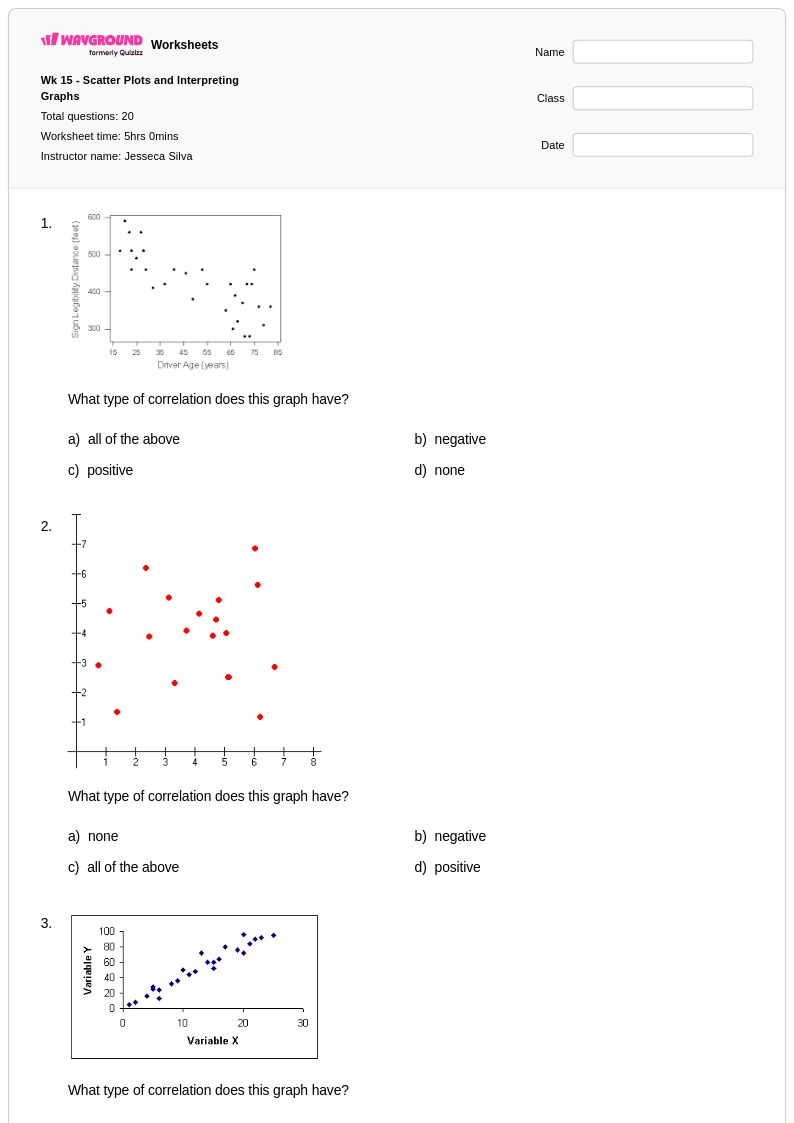
20 Q
8th
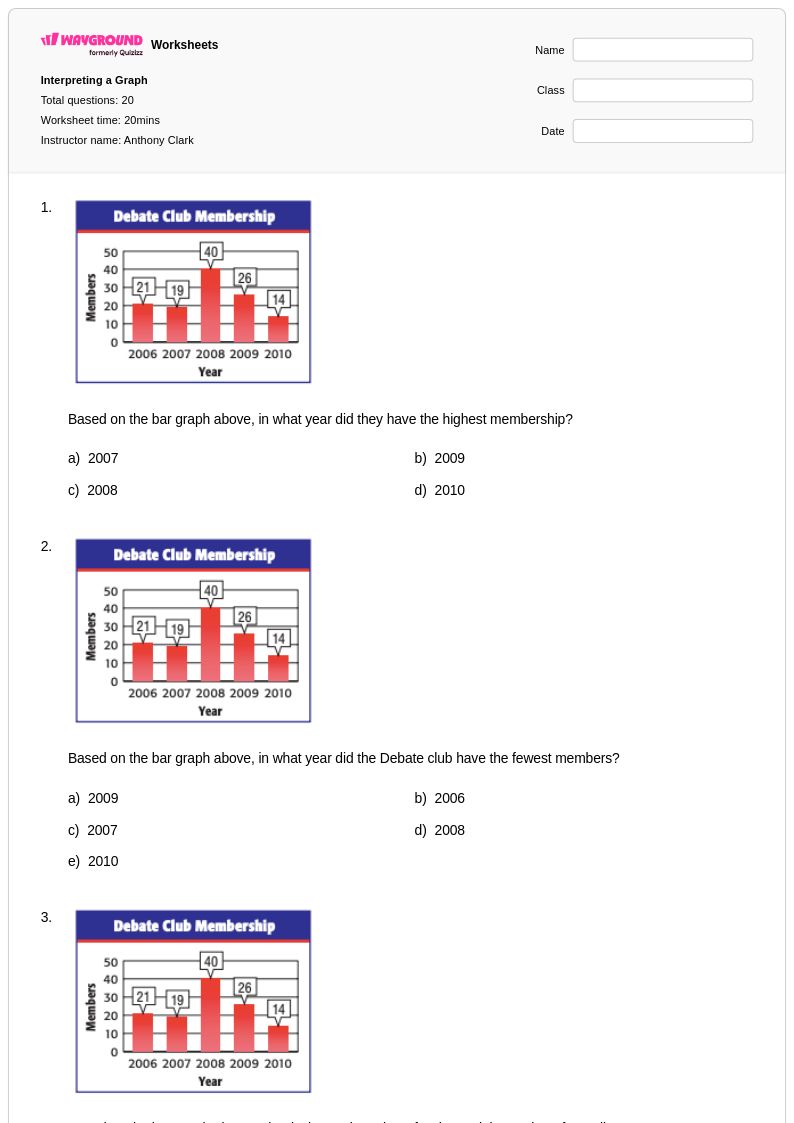
20 Q
8th - Uni
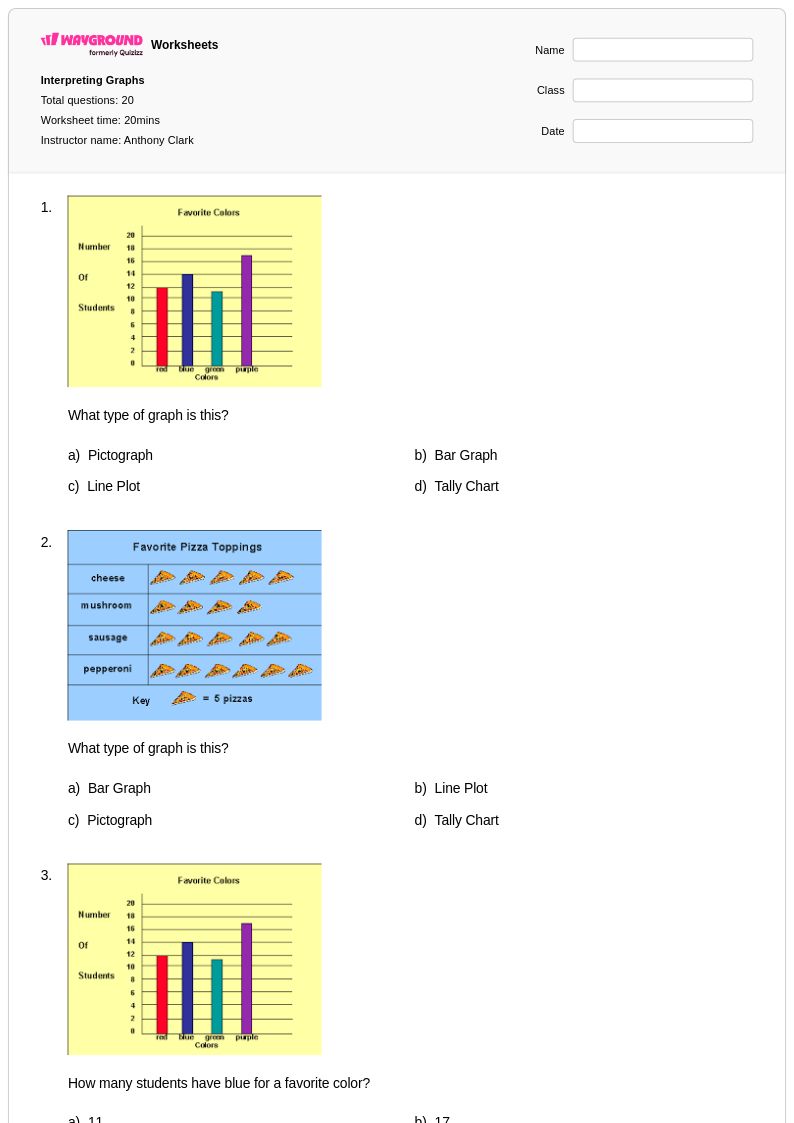
20 Q
3rd - Uni
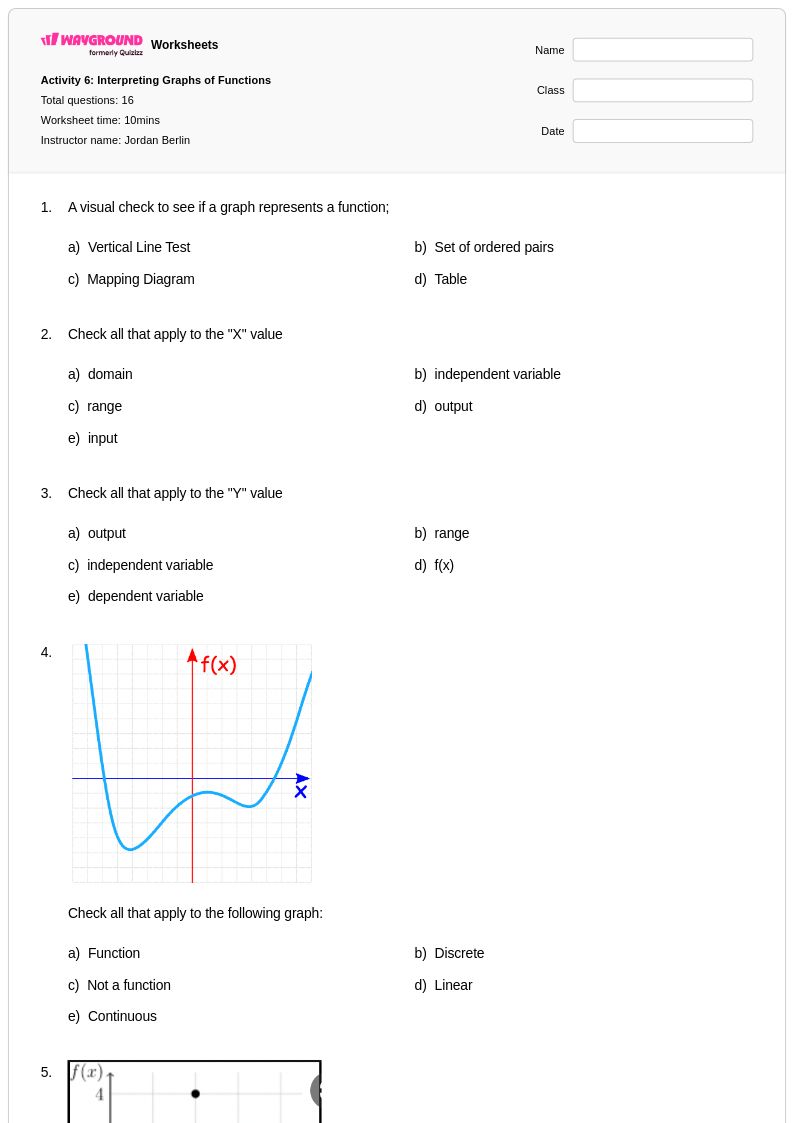
16 Q
8th - 10th
Explore Interpreting Linear Graphs Worksheets by Grades
Explore Other Subject Worksheets for year 8
Explore printable Interpreting Linear Graphs worksheets for Year 8
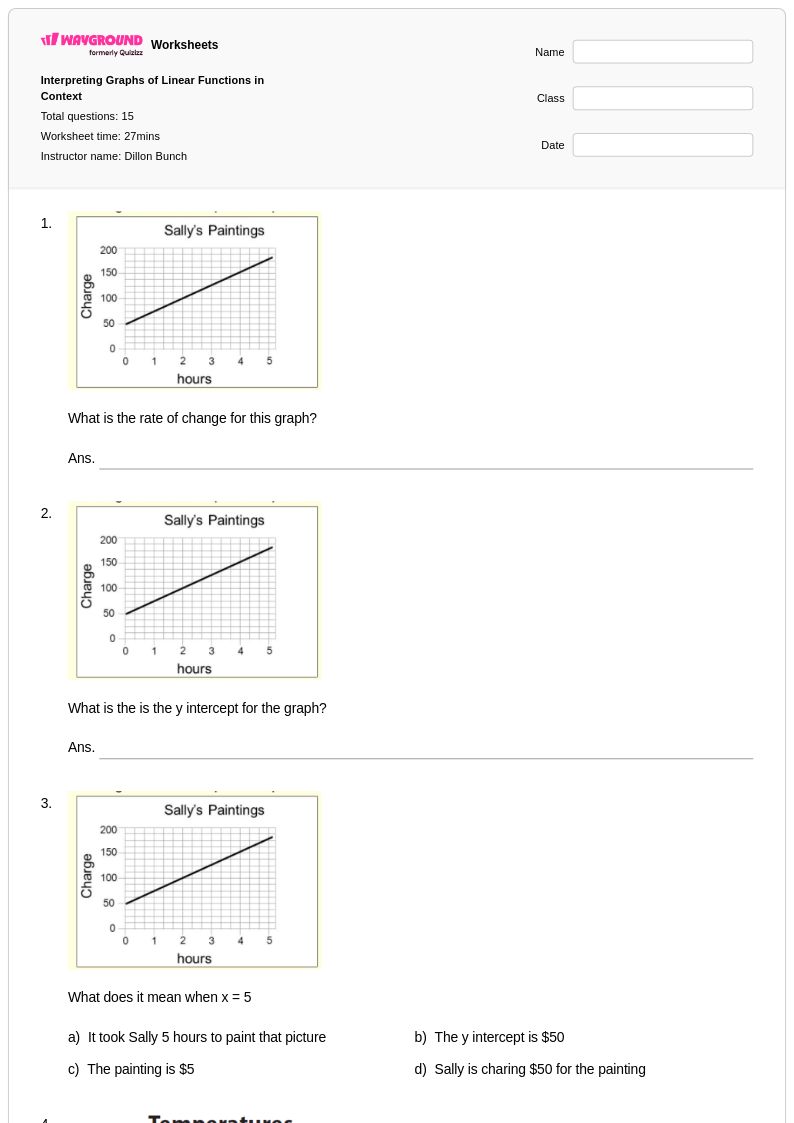
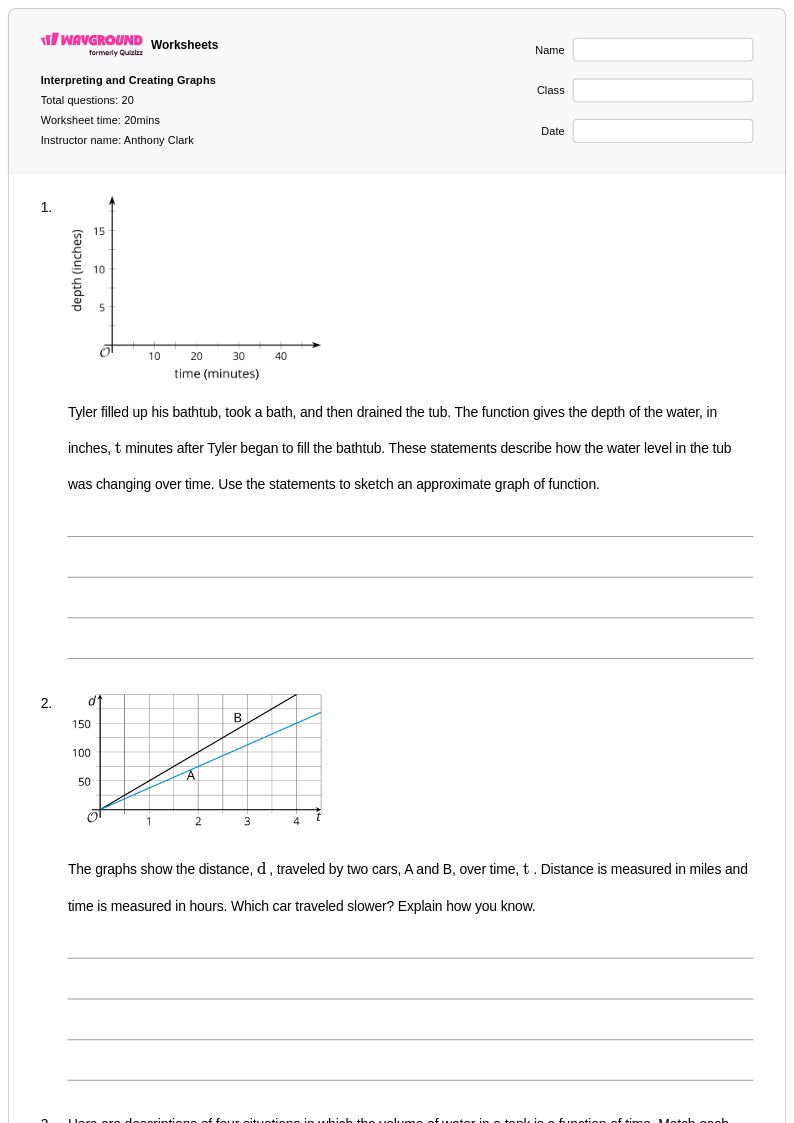
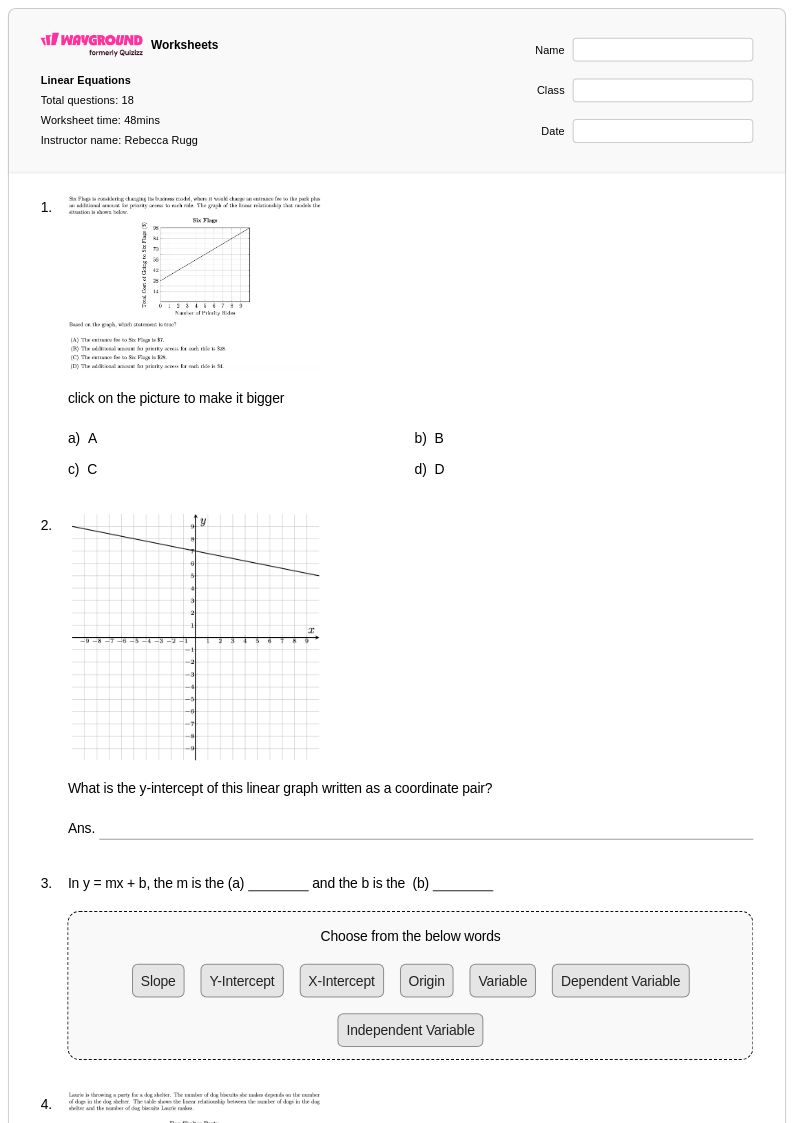
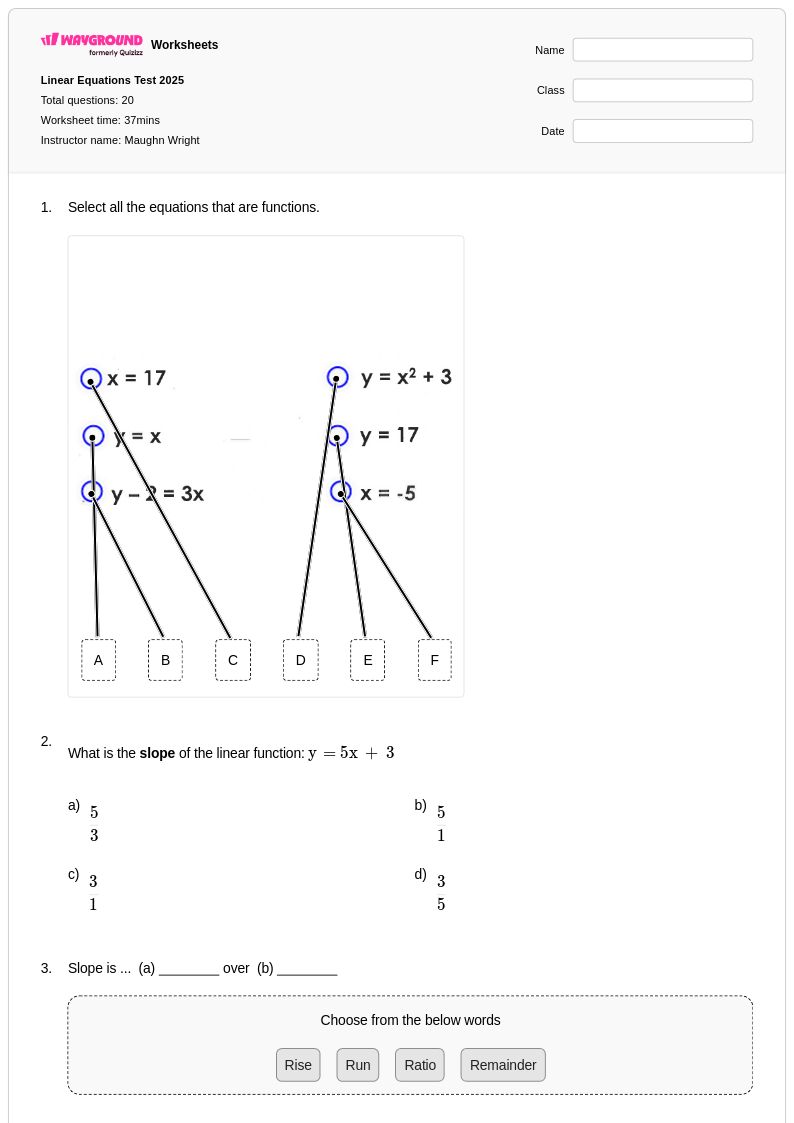
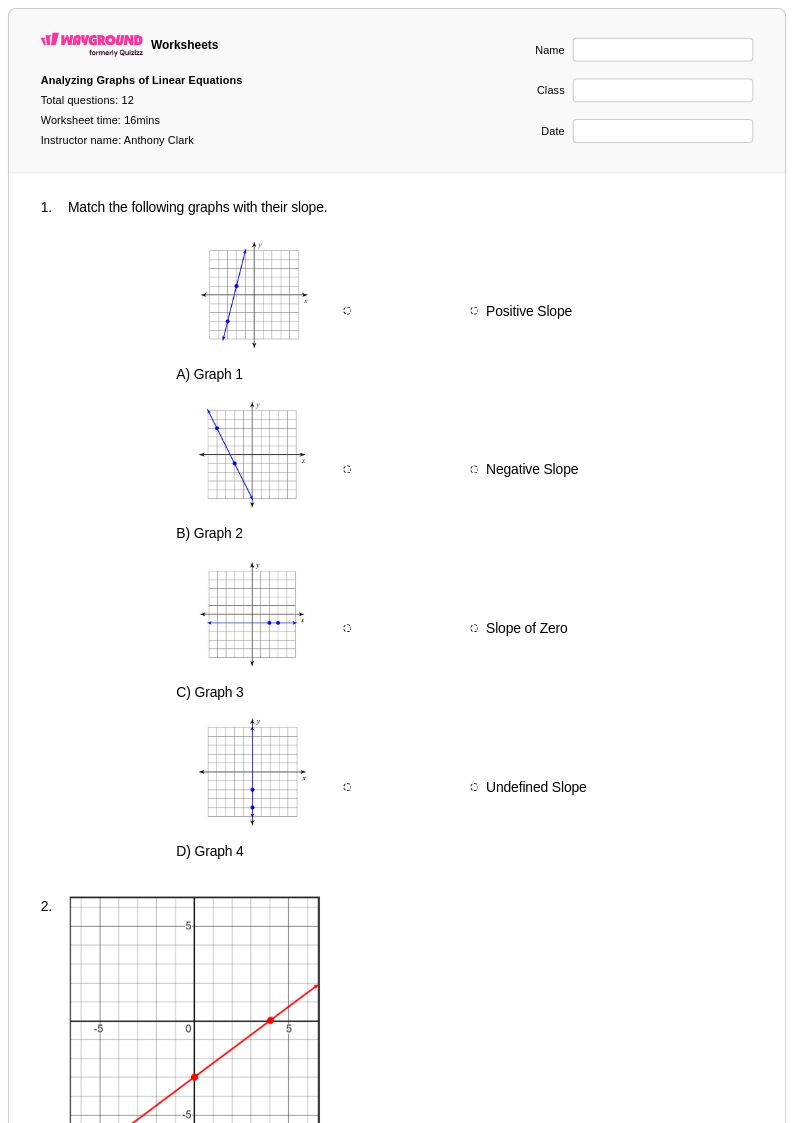
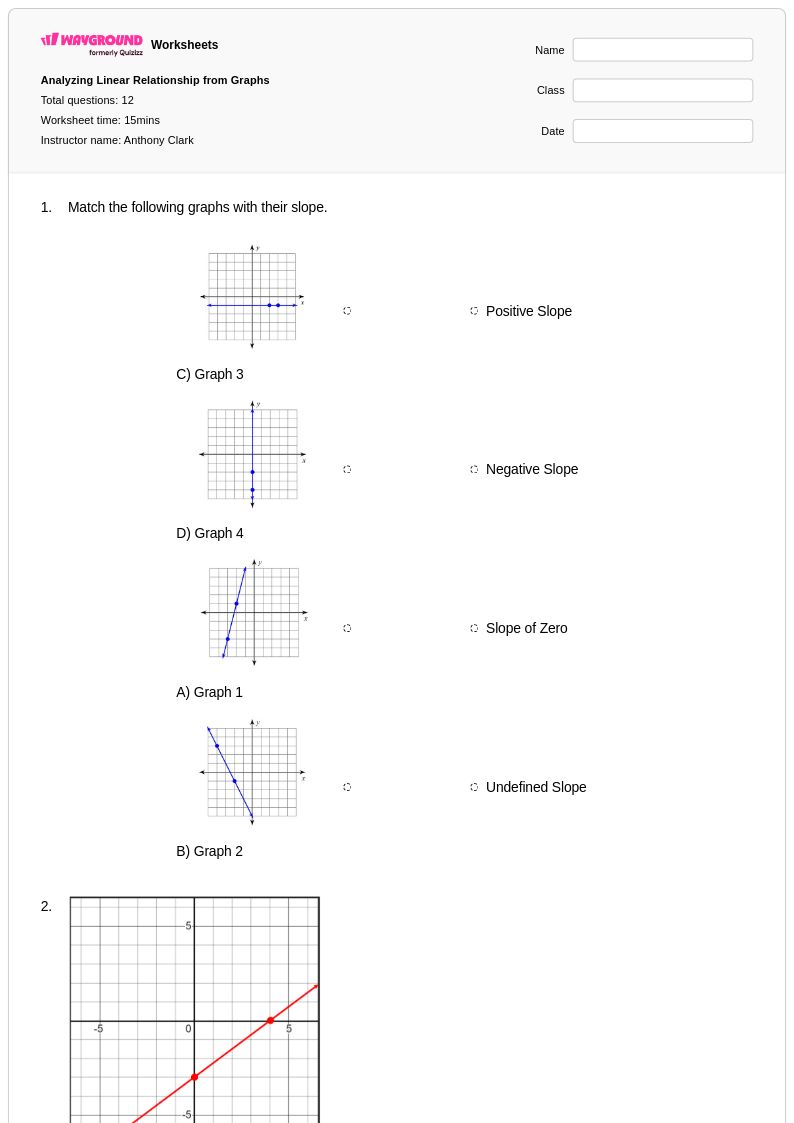
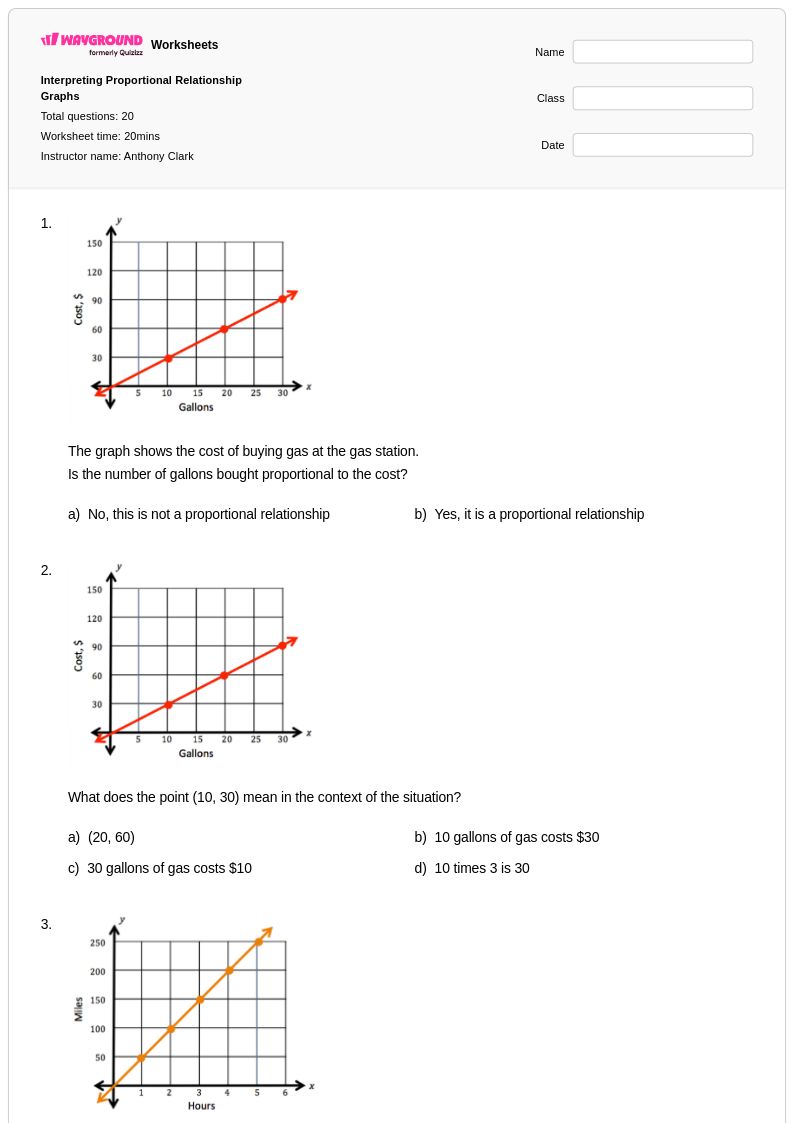
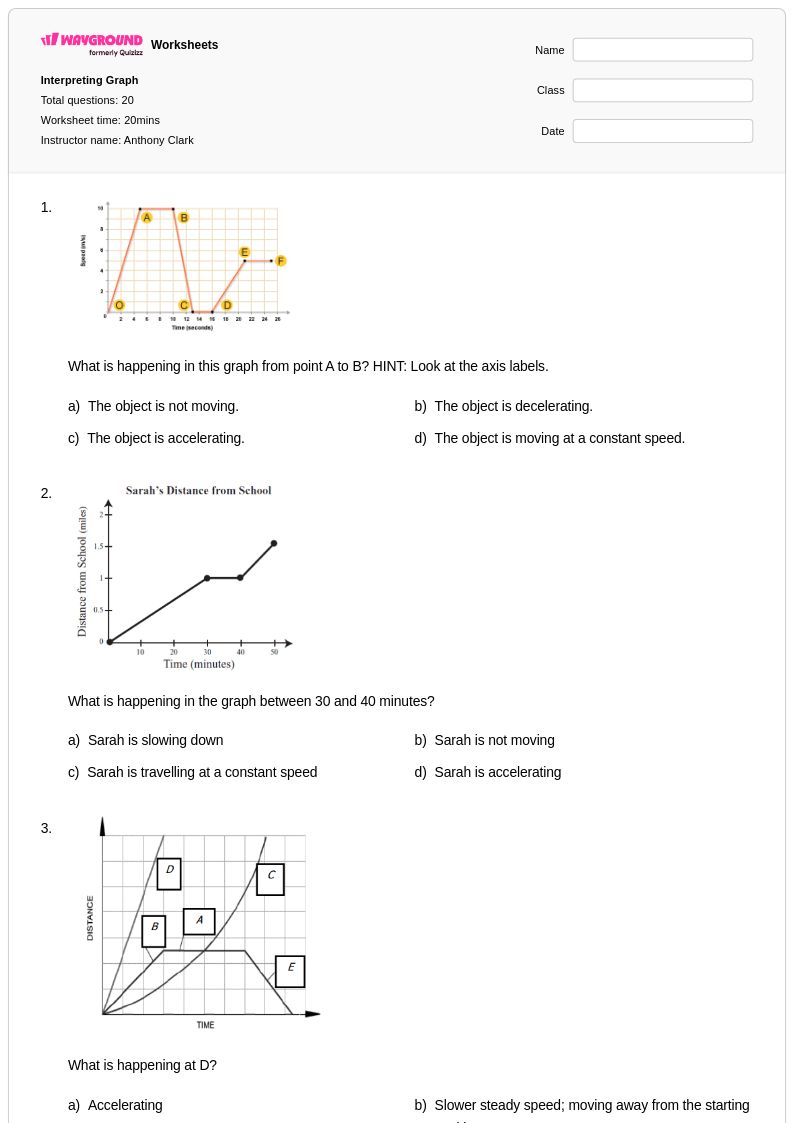
Interpreting Linear Graphs worksheets for Year 8 students available through Wayground (formerly Quizizz) provide comprehensive practice in analyzing and understanding linear relationships represented graphically. These carefully designed worksheets strengthen essential mathematical skills including reading coordinates from linear graphs, determining slope and y-intercept values, identifying patterns in linear data, and making predictions based on graphical information. Students develop proficiency in translating between different representations of linear functions while working through systematic practice problems that build conceptual understanding. Each worksheet collection includes detailed answer keys and is available as free printables in convenient pdf format, allowing educators to seamlessly integrate graphing practice into their mathematics curriculum.
Wayground (formerly Quizizz) supports mathematics educators with an extensive collection of teacher-created resources specifically designed for interpreting linear graphs instruction, drawing from millions of high-quality worksheets developed by experienced practitioners. The platform's robust search and filtering capabilities enable teachers to quickly locate materials aligned with specific standards and learning objectives, while built-in differentiation tools allow for customization based on individual student needs and ability levels. These comprehensive worksheet collections are available in both printable and digital formats, including downloadable pdf versions, making them ideal for classroom instruction, homework assignments, remediation sessions, and enrichment activities. Teachers can efficiently plan targeted skill practice sessions, assess student understanding of linear graph interpretation, and provide focused support for learners who need additional reinforcement in analyzing graphical representations of mathematical relationships.
FAQs
What do 8th graders learn about interpreting linear graphs?
How should I introduce the concept of slope and y-intercept in 8th grade?
What are good practice problems for 8th-grade linear functions?
What are common mistakes students make with y = mx + b?
How can I use this linear functions worksheet with my 8th graders?
How can I support struggling students with linear functions?