Enhance Year 10 students' understanding of means testing with our comprehensive economics worksheets, featuring printable PDFs, practice problems, and answer keys to master this essential social studies concept.
Explore printable Means Test worksheets for Year 10
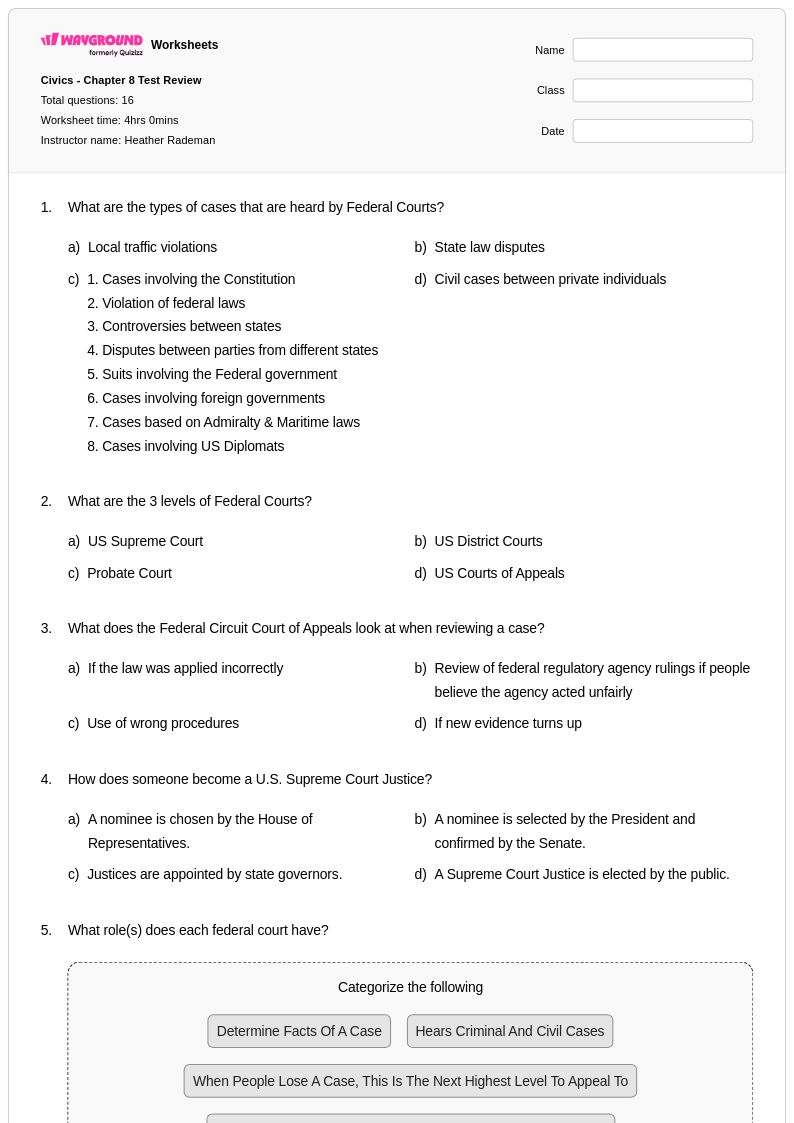
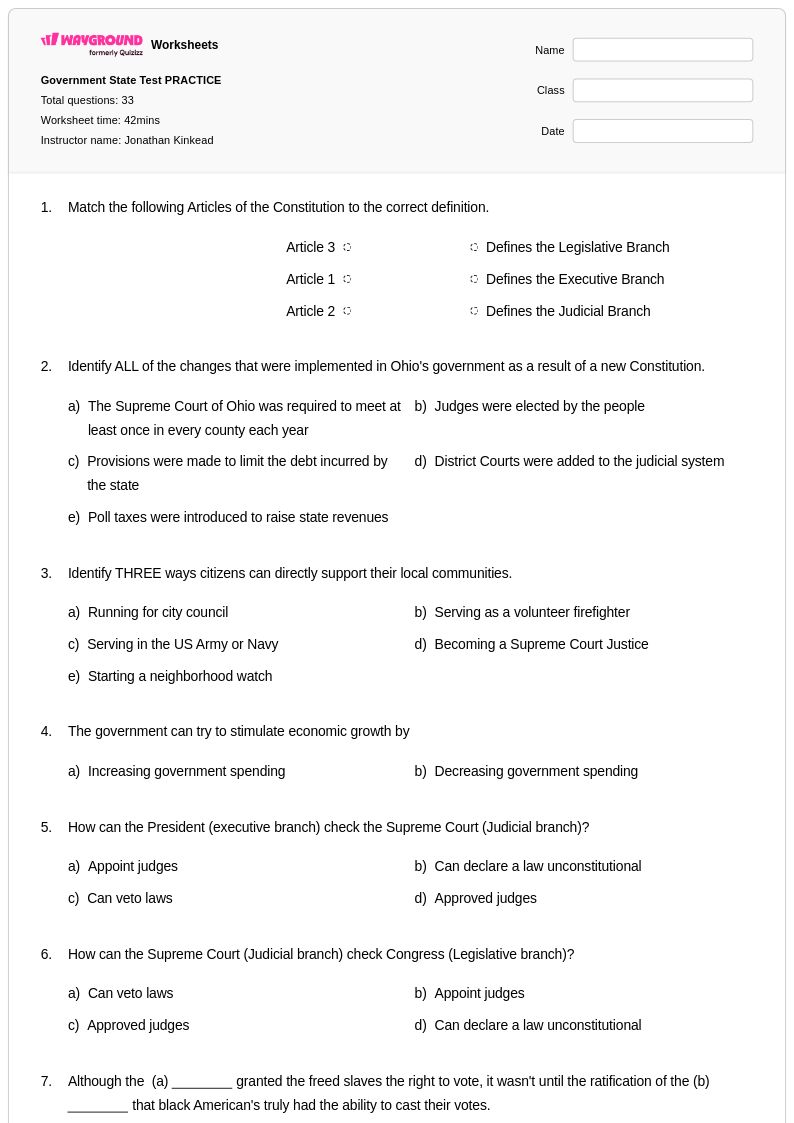
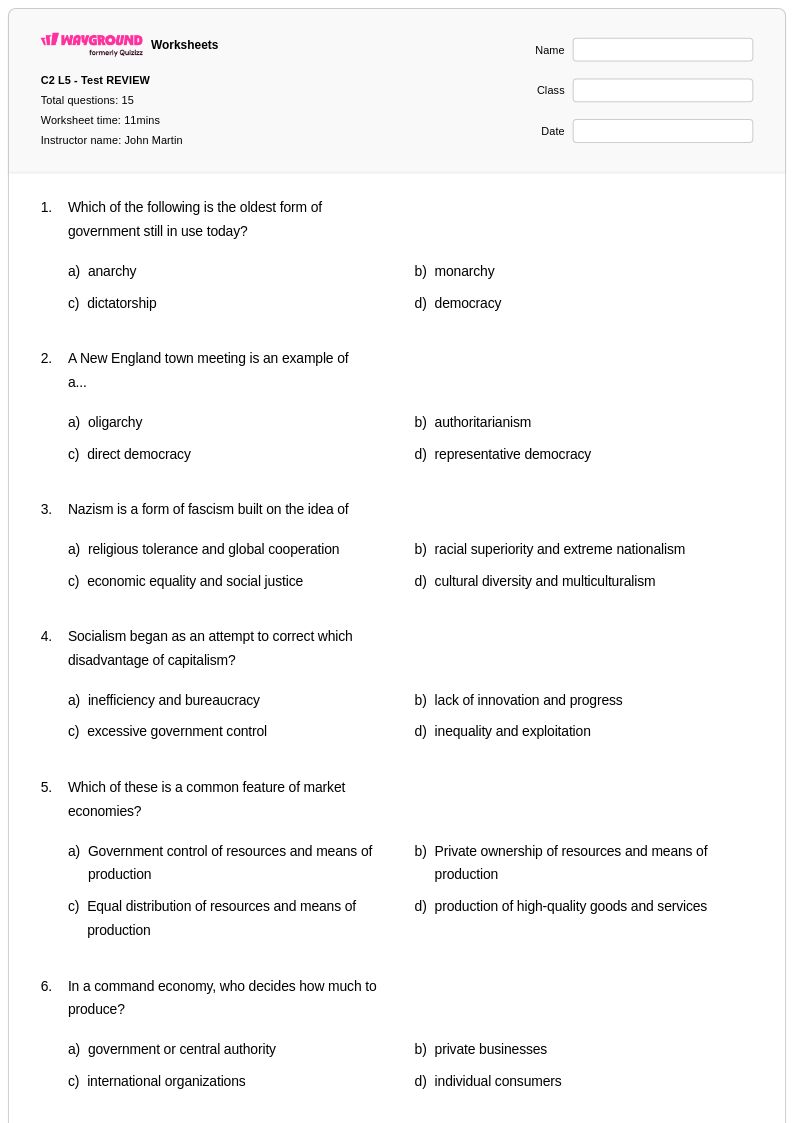
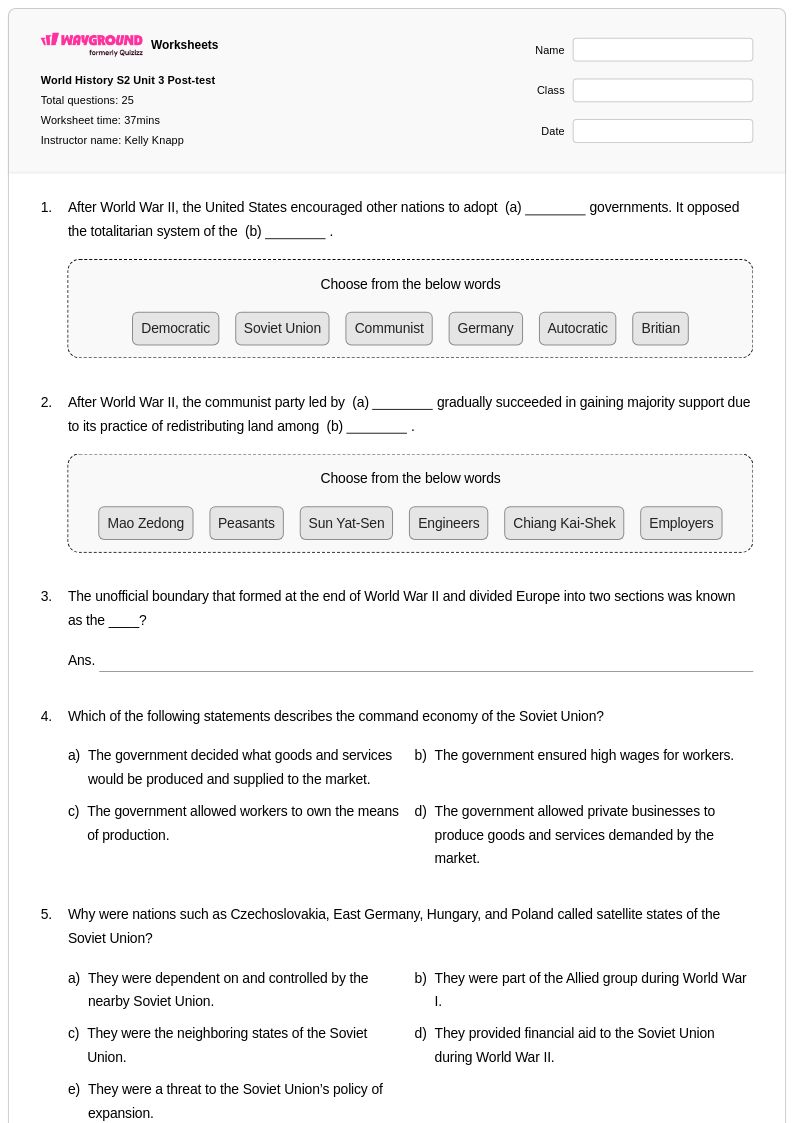
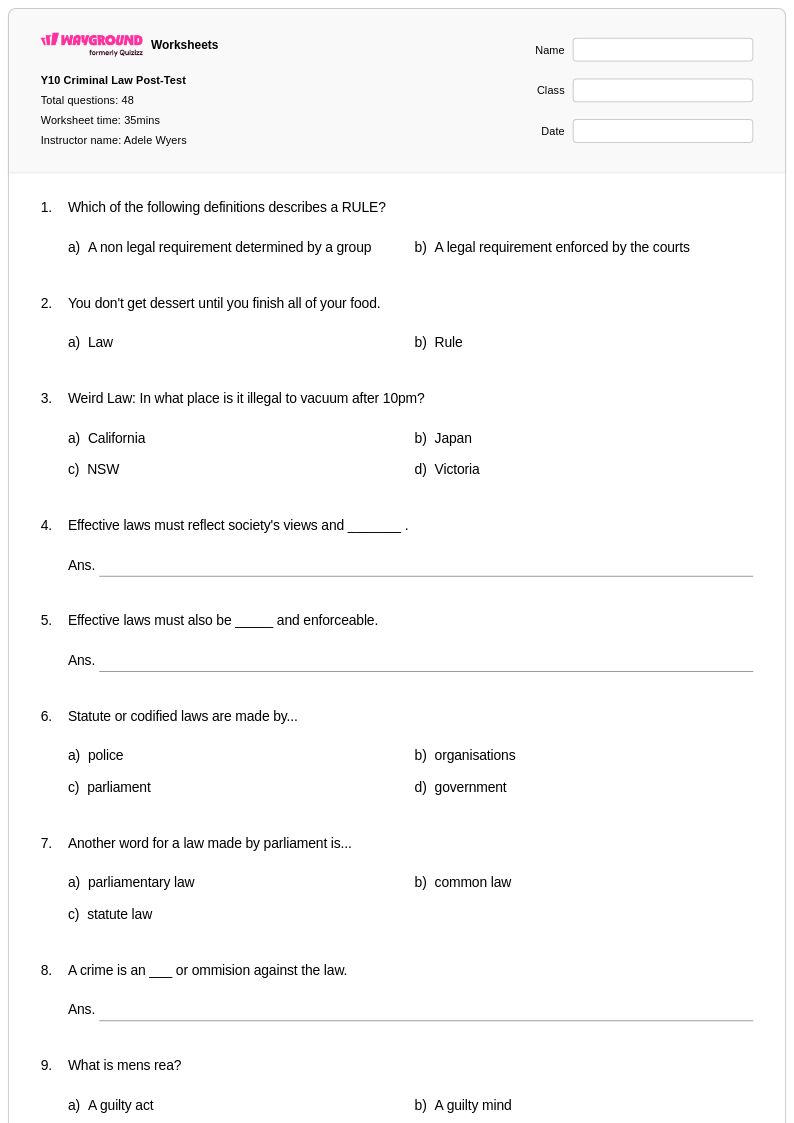
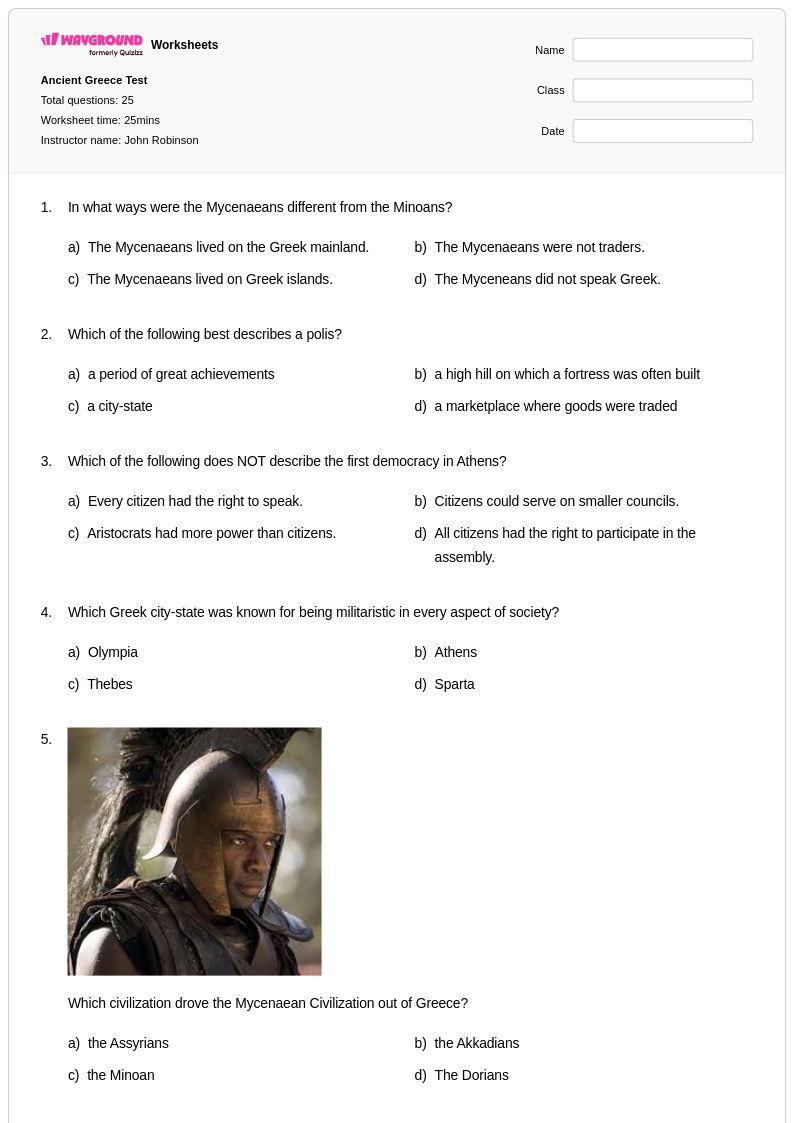
Means test worksheets for Year 10 Social Studies from Wayground (formerly Quizizz) provide comprehensive resources for students to understand this critical economic concept used in determining eligibility for government assistance programs. These expertly designed worksheets help students analyze how income, assets, and financial circumstances are evaluated to establish qualification for various social welfare benefits, unemployment insurance, and public assistance programs. Through structured practice problems, students develop analytical skills in interpreting eligibility criteria, calculating income thresholds, and understanding the socioeconomic implications of means testing policies. Each worksheet collection includes detailed answer keys and is available as free printables in convenient pdf format, allowing students to work through real-world scenarios that demonstrate how means tests function in contemporary economic policy.
Wayground (formerly Quizizz) empowers educators with millions of teacher-created means test resources that support comprehensive Year 10 Social Studies instruction through robust search and filtering capabilities aligned with national and state standards. Teachers can easily customize these worksheet collections to match diverse learning needs, utilizing built-in differentiation tools that accommodate various skill levels within the same classroom. The platform offers flexible delivery options in both printable pdf format and interactive digital versions, enabling seamless integration into hybrid learning environments. These extensive resources streamline lesson planning while providing targeted materials for remediation of struggling students, enrichment opportunities for advanced learners, and consistent skill practice that reinforces understanding of means testing as a fundamental component of economic policy and social welfare systems.
FAQs
How do I teach means testing to students in an economics or social studies class?
Start by grounding students in the purpose of means testing: it is a policy mechanism governments use to determine whether an individual or household qualifies for assistance based on income and assets. From there, walk students through real-world program examples such as Medicaid, SNAP, or unemployment benefits, asking them to evaluate whether a fictional household would qualify given specific financial data. Using structured scenarios with defined income thresholds and asset limits helps students connect abstract policy concepts to concrete decision-making.
What practice exercises help students understand how means tests work?
Scenario-based problems are the most effective format for practicing means testing because they require students to apply eligibility criteria rather than simply recall definitions. Effective exercises present a household's income, savings, and expenses, then ask students to determine qualification status for a specific program. Adding follow-up questions about how a change in income or assets affects eligibility deepens analytical thinking and reflects how means testing actually functions in policy contexts.
What mistakes do students commonly make when working through means test problems?
The most frequent error is conflating gross income with net income when evaluating eligibility, which leads students to incorrectly disqualify households that would actually qualify under adjusted thresholds. Students also tend to overlook asset limits, focusing only on income while ignoring savings, property, or other holdings that factor into eligibility determinations. A third common misconception is assuming means testing applies uniformly across all government programs, when in reality each program has distinct criteria and thresholds.
How can I use means test worksheets to assess student understanding of social policy?
Means test worksheets work well as formative assessments because they reveal whether students can translate policy rules into applied judgment, not just recite definitions. Use problems that vary income and asset levels across multiple households and ask students to justify their eligibility determinations in writing, which surfaces misconceptions about how thresholds and calculations interact. Answer keys with worked solutions allow students to self-assess and identify exactly where their reasoning broke down.
How do I use Wayground's means test worksheets in my classroom?
Wayground's means test worksheets are available as printable PDFs for traditional classroom use and in digital formats for technology-integrated learning environments, giving teachers flexibility across instructional settings. Teachers can also host these worksheets as a quiz directly on Wayground, enabling real-time student responses and immediate feedback. The included answer keys support independent practice, small-group review, or teacher-led instruction depending on the lesson structure.
How can I differentiate means test instruction for students at different skill levels?
For students who need additional support, simplify the scenarios by reducing the number of variables, such as using a single income figure with a clear threshold rather than multi-category asset calculations. For advanced learners, introduce edge cases where a household sits near the eligibility boundary, or ask students to compare eligibility across two programs with different criteria. On Wayground, teachers can apply accommodations such as reduced answer choices or read aloud settings to individual students without affecting the experience of the rest of the class.