
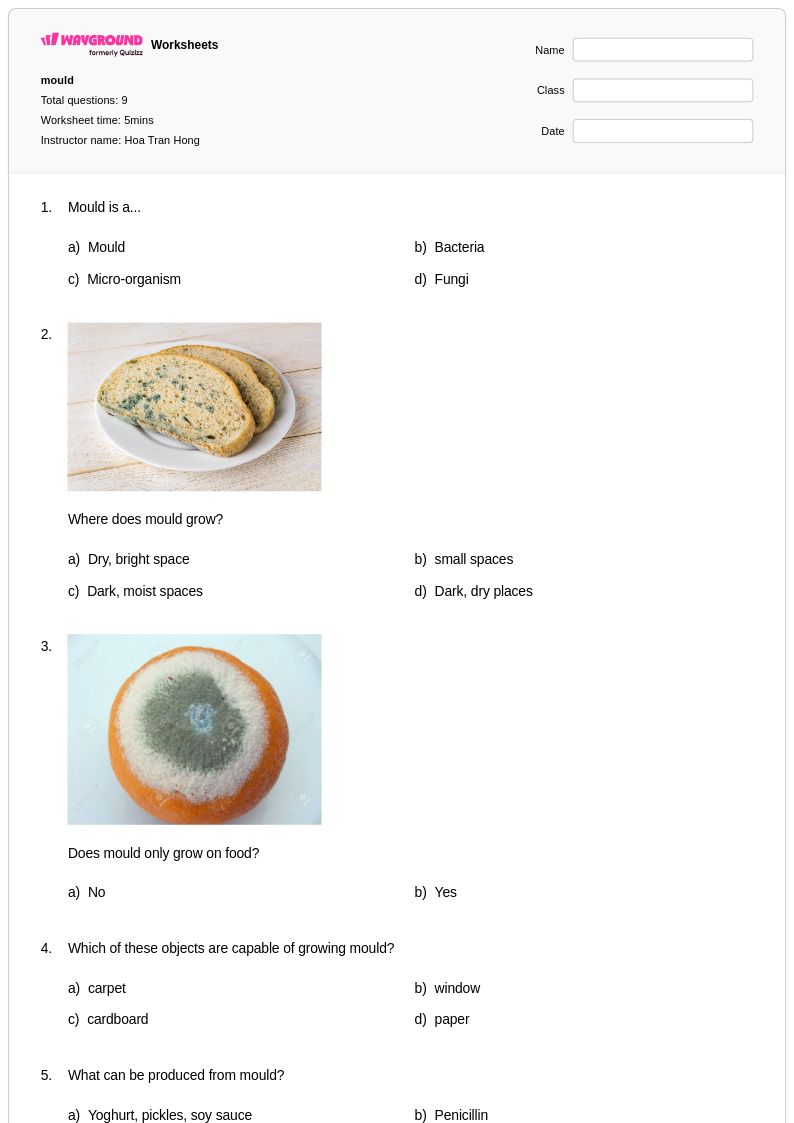
9 Q
1st - 5th
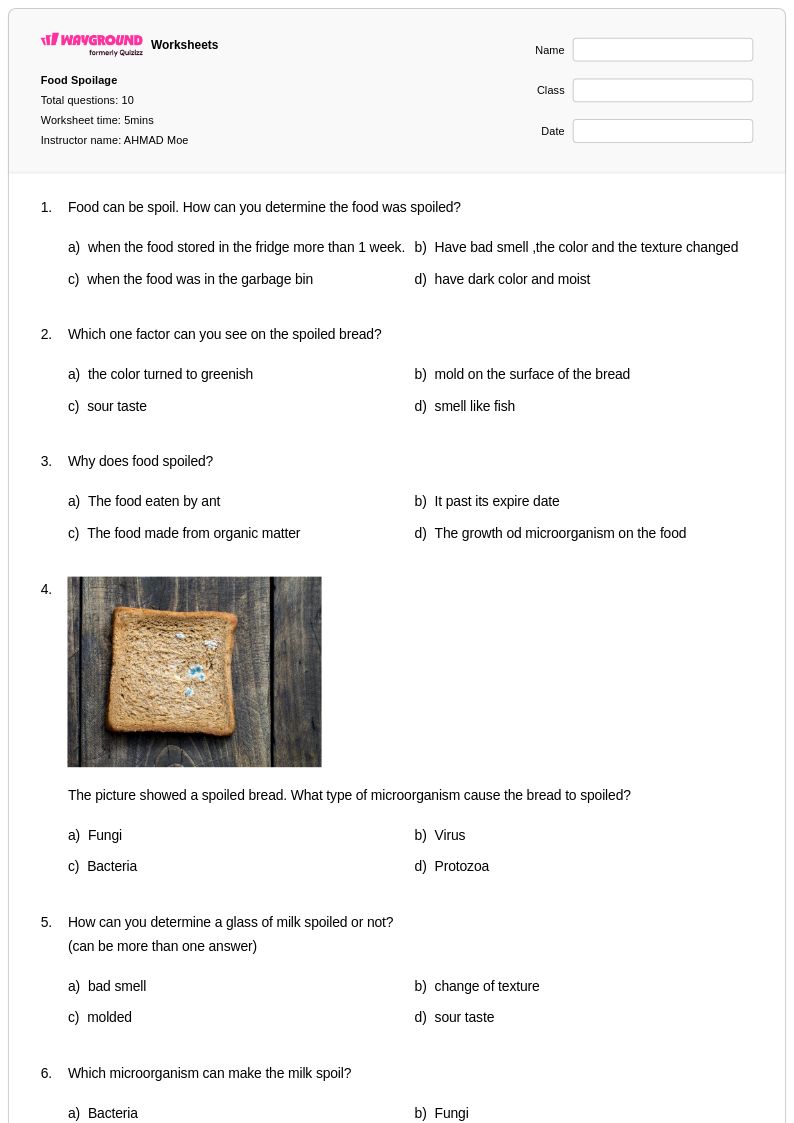
10 Q
1st - 10th
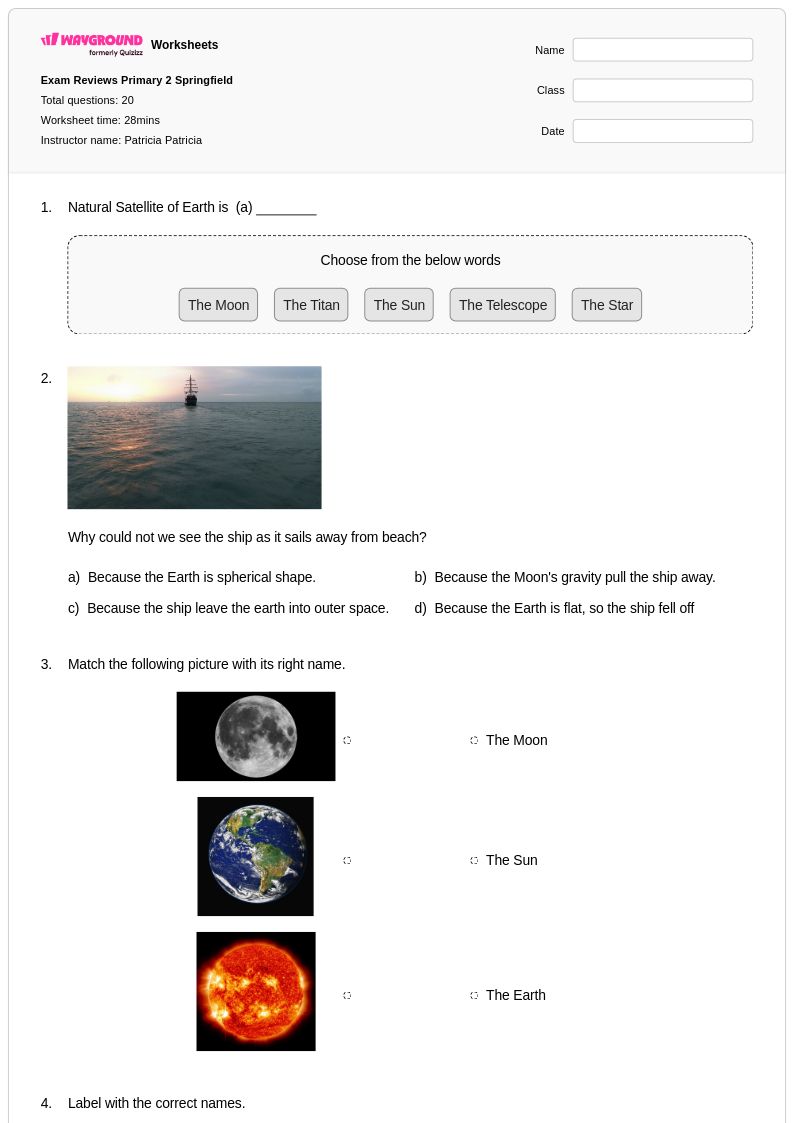
20 Q
2nd
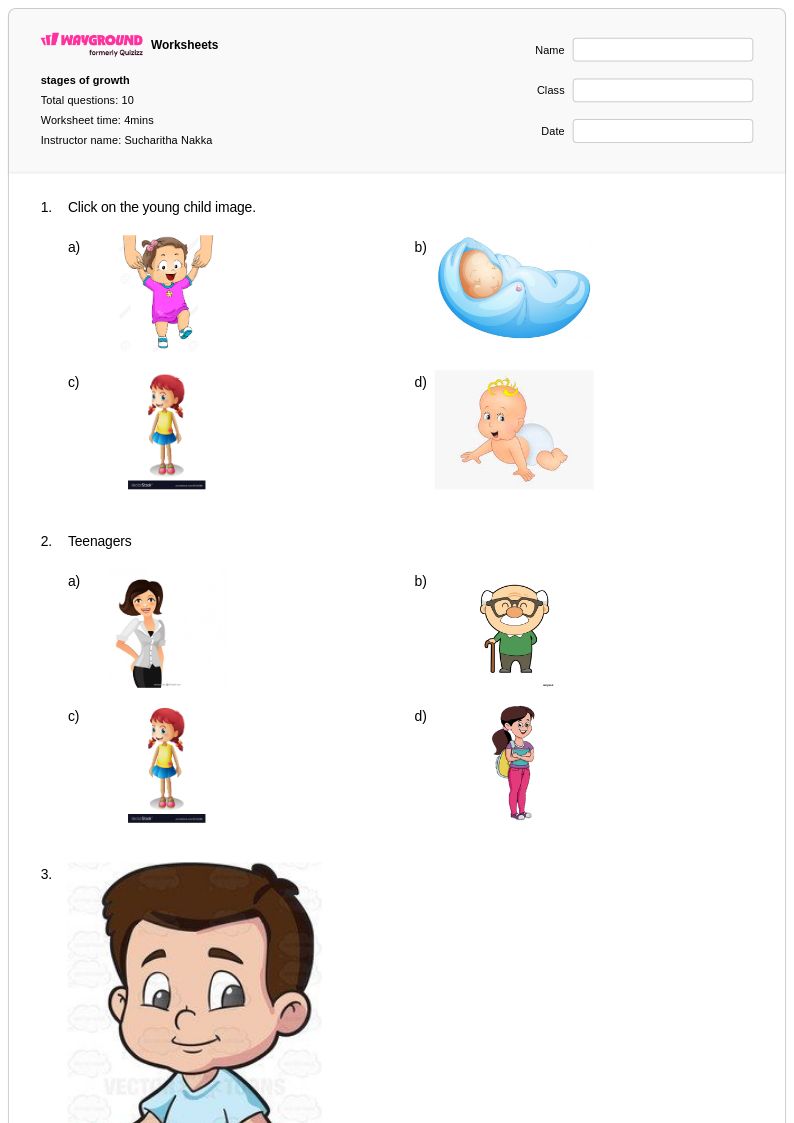
10 Q
2nd
15 Q
2nd
20 Q
2nd - 3rd
10 Q
2nd - 3rd
11 Q
2nd
8 Q
2nd
15 Q
2nd - 5th
10 Q
2nd
8 Q
2nd - Uni
10 Q
2nd
6 Q
2nd
20 Q
2nd
10 Q
2nd
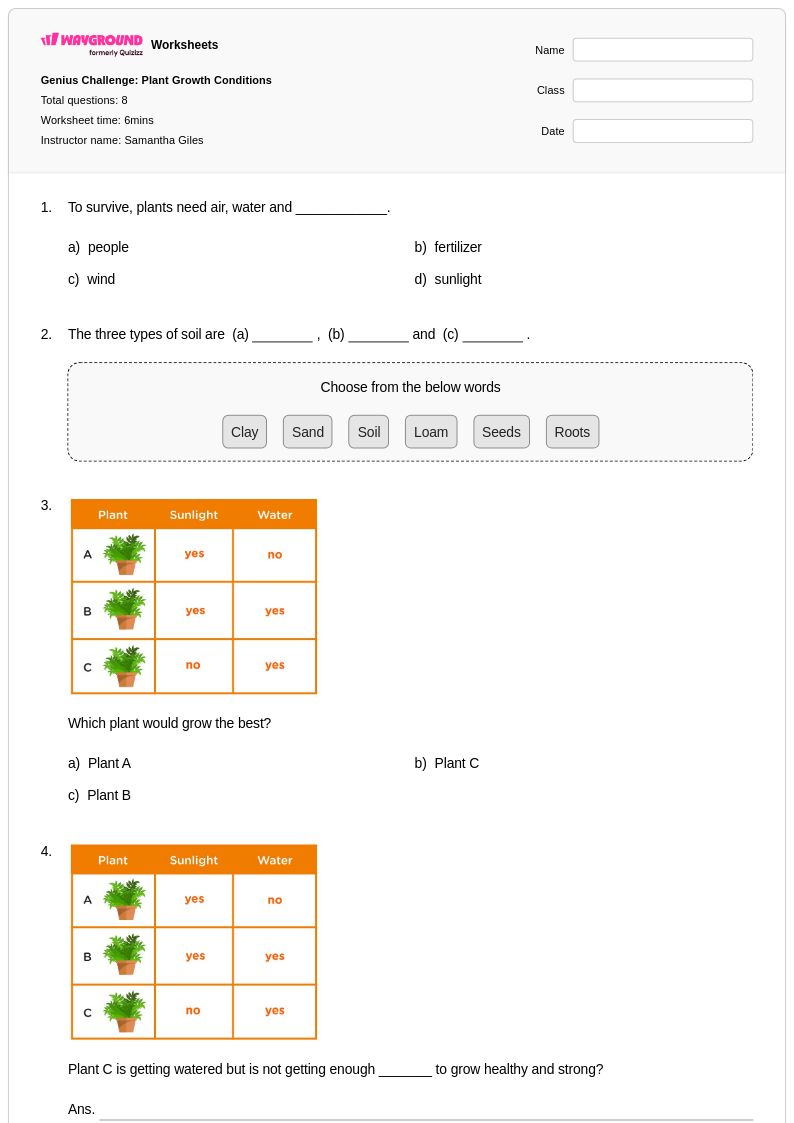
8 Q
2nd
11 Q
2nd
12 Q
2nd
9 Q
2nd - 3rd
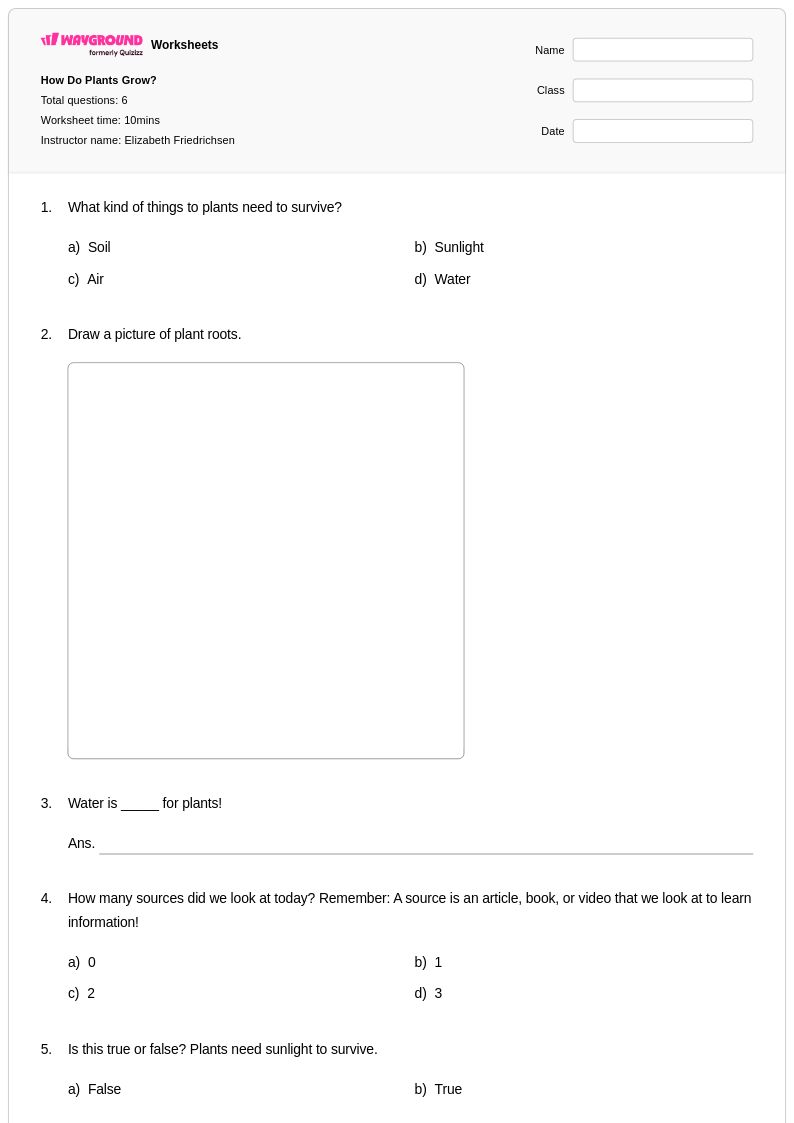
6 Q
1st - 2nd
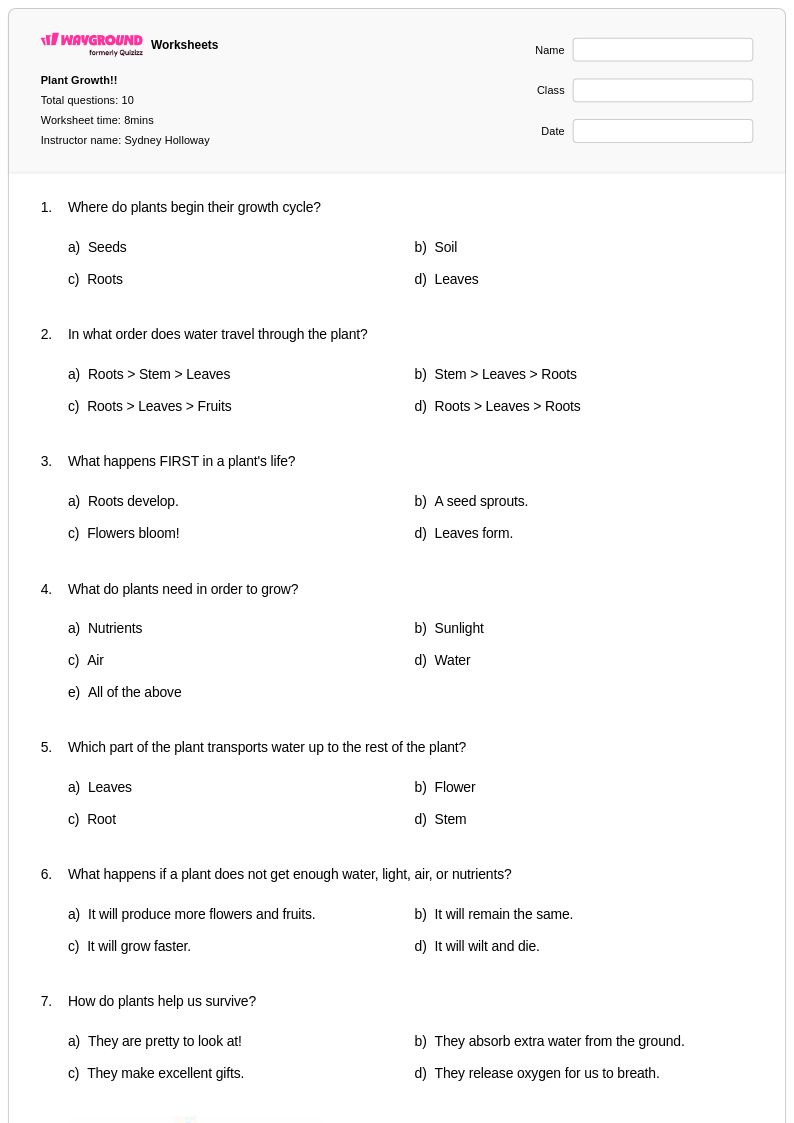
10 Q
2nd
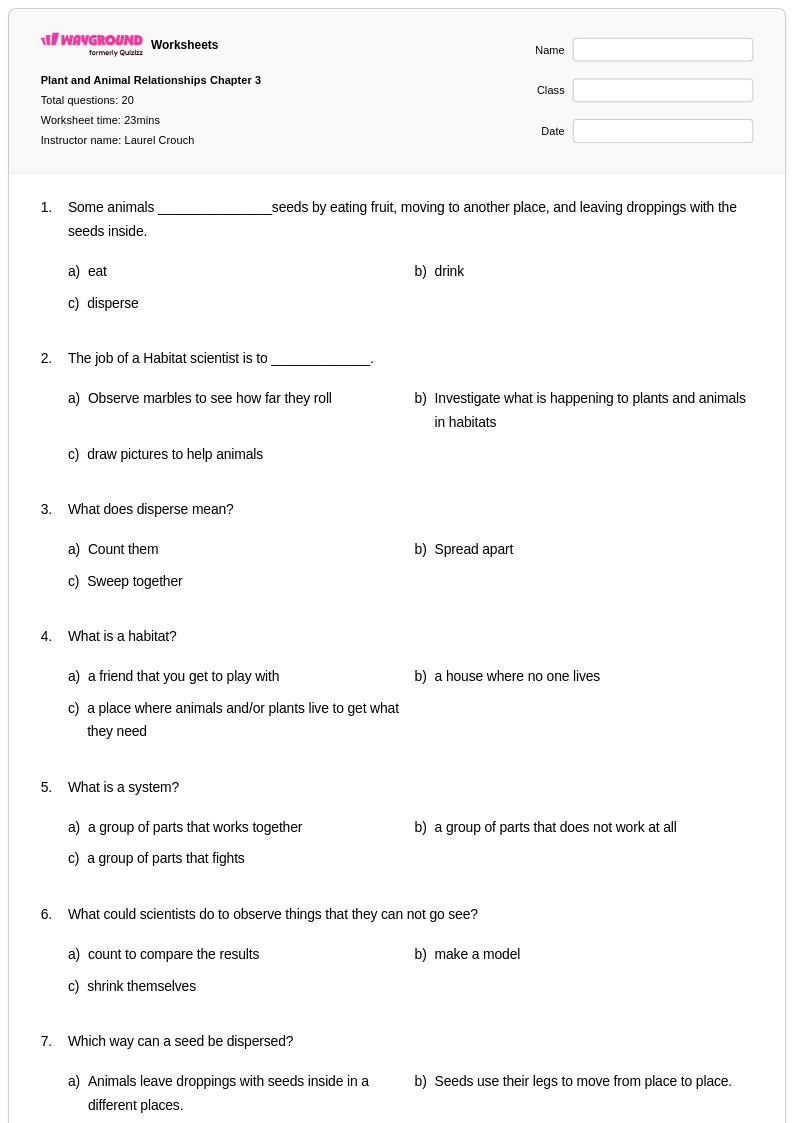
20 Q
2nd
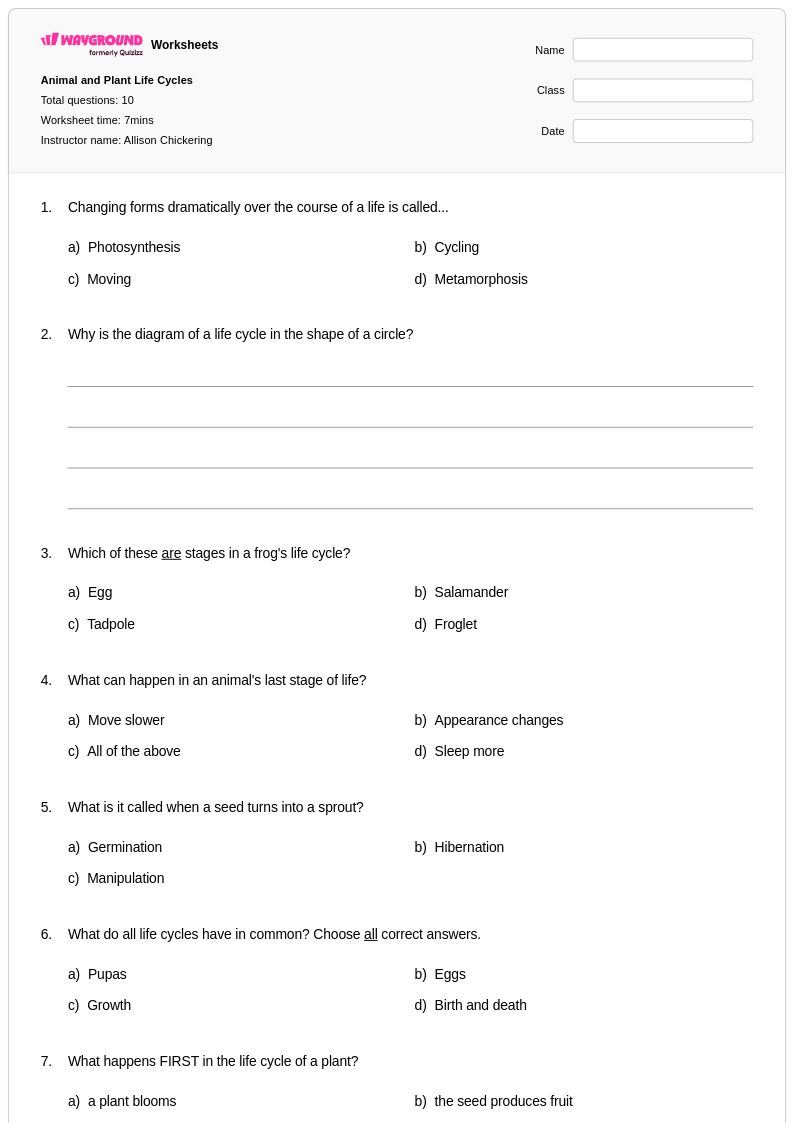
10 Q
2nd - 4th
Explore Mold Growth Worksheets by Grades
Explore Other Subject Worksheets for year 2
Explore printable Mold Growth worksheets for Year 2
Mold growth worksheets for Year 2 students available through Wayground (formerly Quizizz) introduce young learners to the fascinating world of fungi and decomposition through age-appropriate scientific observation and inquiry. These educational resources help second-grade students develop foundational biology skills by examining how mold forms, what conditions promote its growth, and why it plays an important role in nature's recycling process. The worksheets strengthen critical thinking abilities through hands-on practice problems that encourage students to make predictions, record observations, and draw conclusions about mold's role in breaking down organic matter. Each printable resource comes with a comprehensive answer key to support accurate assessment, and the free pdf format ensures easy classroom distribution and home study support.
Wayground (formerly Quizizz) empowers educators with millions of teacher-created mold growth worksheet collections that can be seamlessly integrated into Year 2 biology curriculum planning. The platform's robust search and filtering capabilities allow teachers to quickly locate resources that align with specific learning standards and match their students' developmental needs. Advanced differentiation tools enable instructors to customize worksheets for various ability levels, ensuring that all learners can engage meaningfully with mold growth concepts whether they need additional remediation or enrichment opportunities. Teachers can access these valuable resources in both printable and digital formats, including downloadable pdf versions, making it simple to incorporate mold growth activities into classroom instruction, homework assignments, or independent skill practice sessions that reinforce scientific observation and hypothesis formation.