
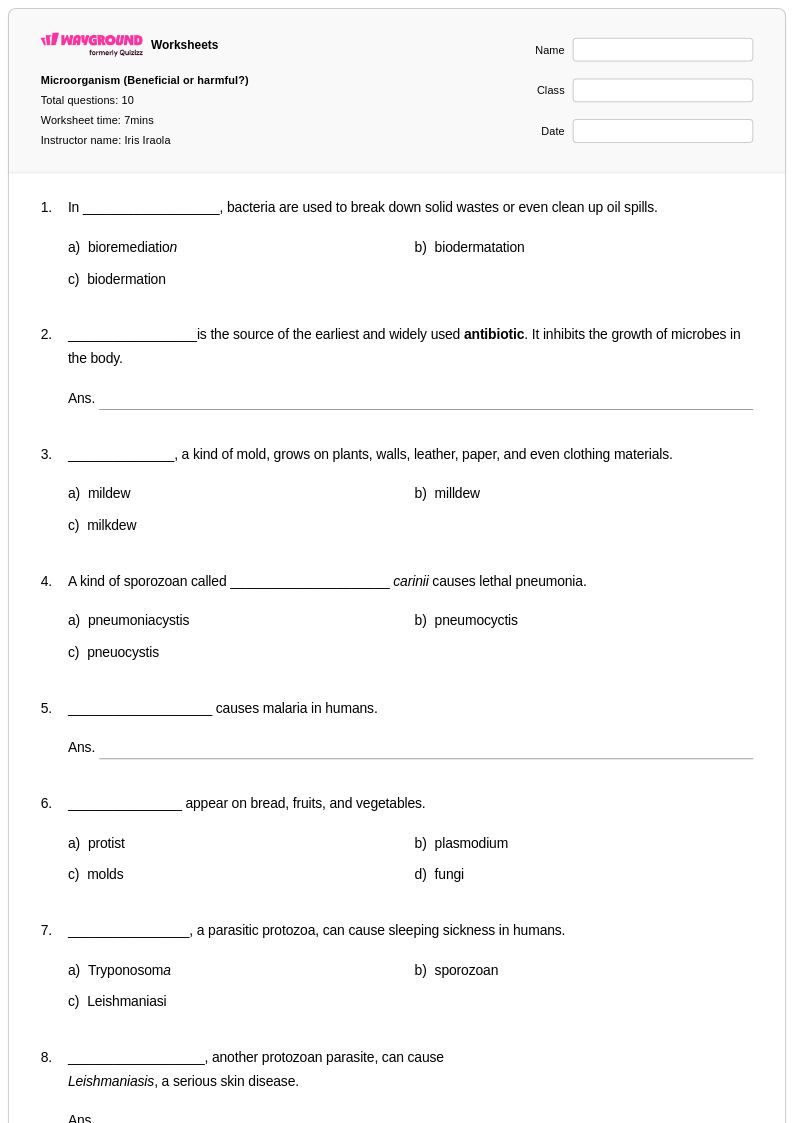
10 Q
6th - 7th
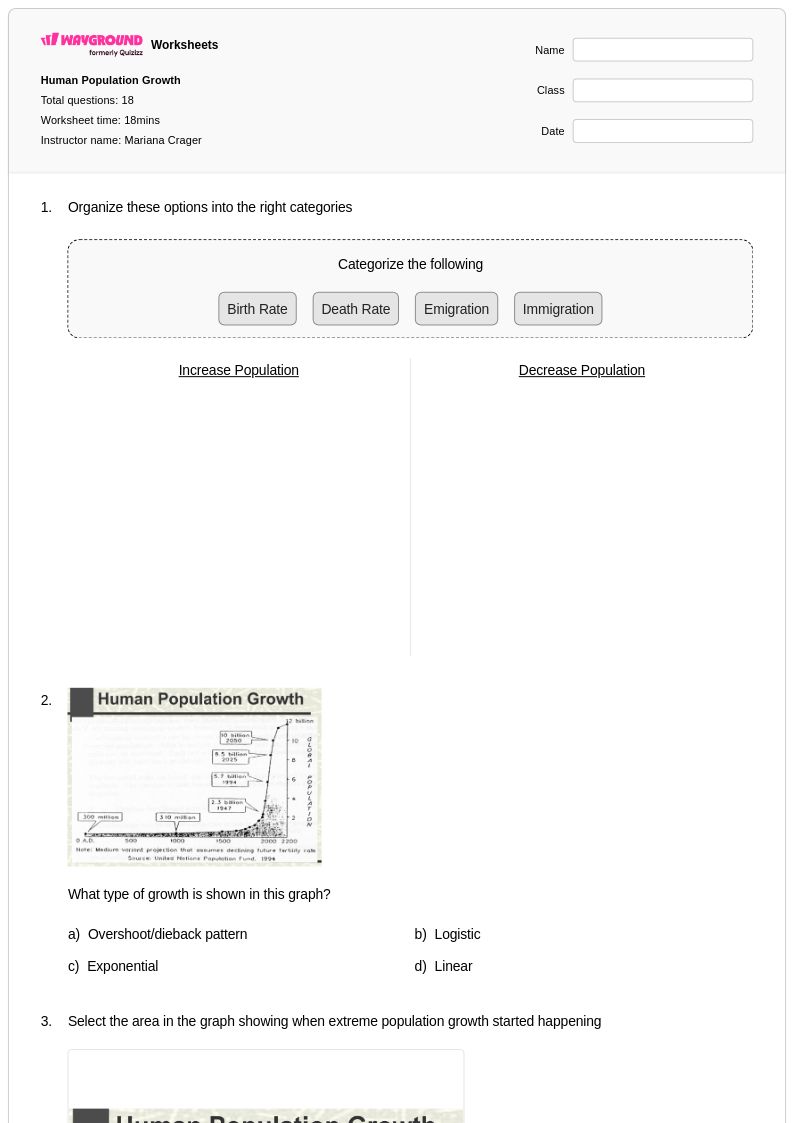
18 Q
12th
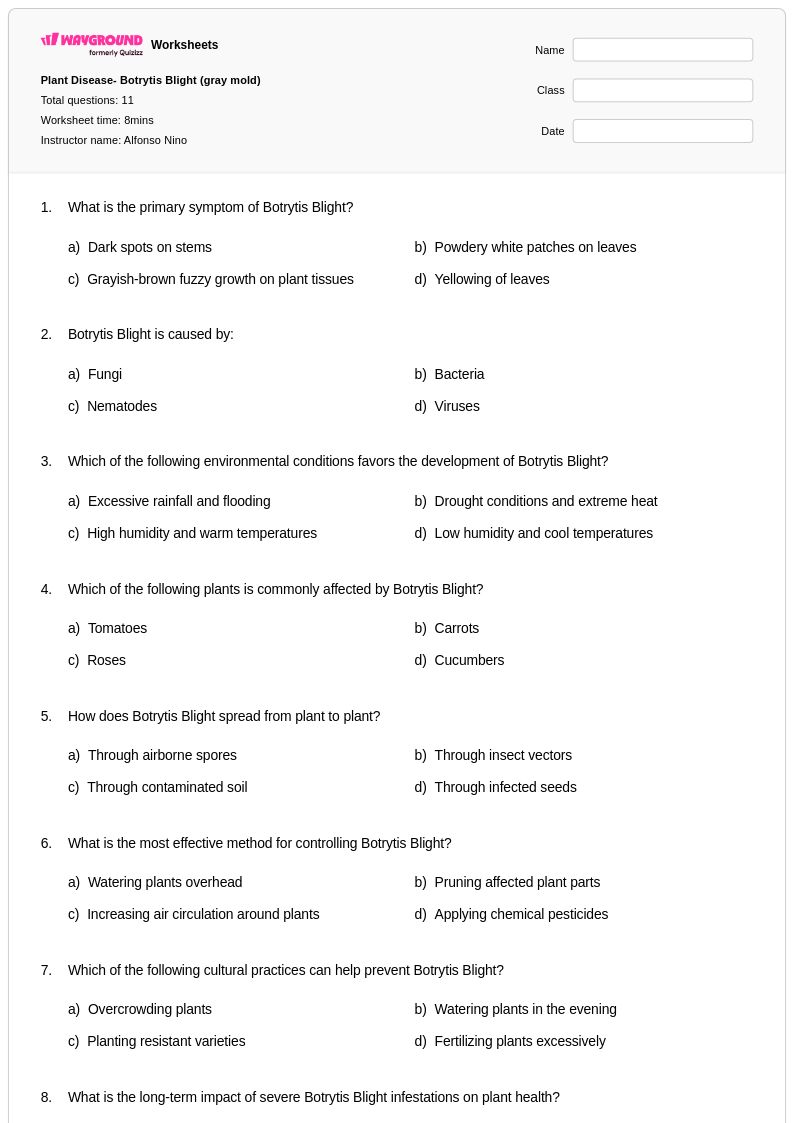
11 Q
8th
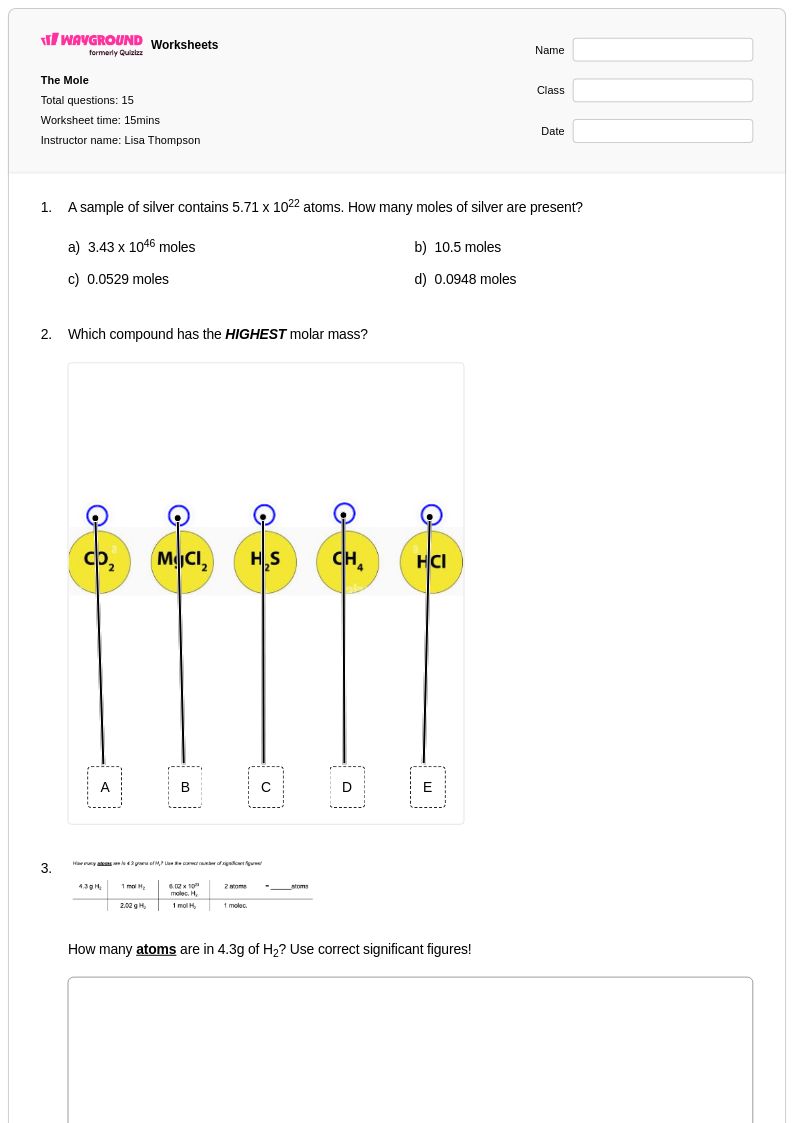
15 Q
10th - Uni
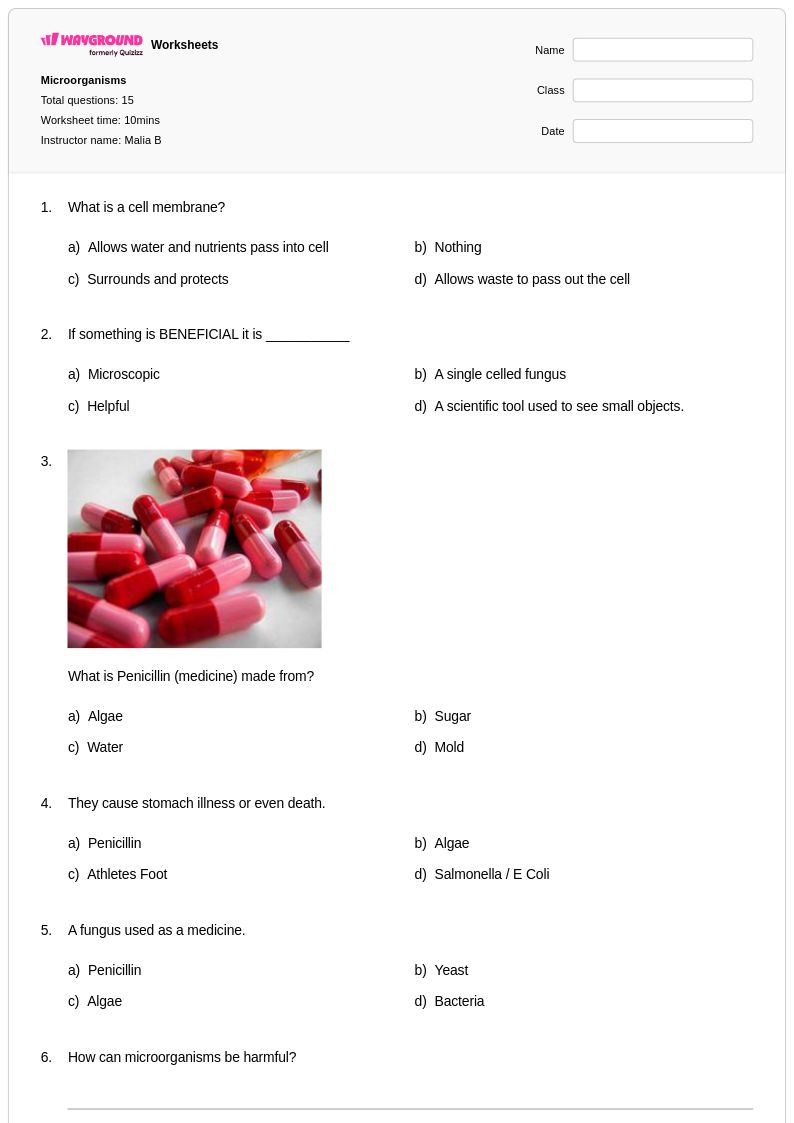
15 Q
5th
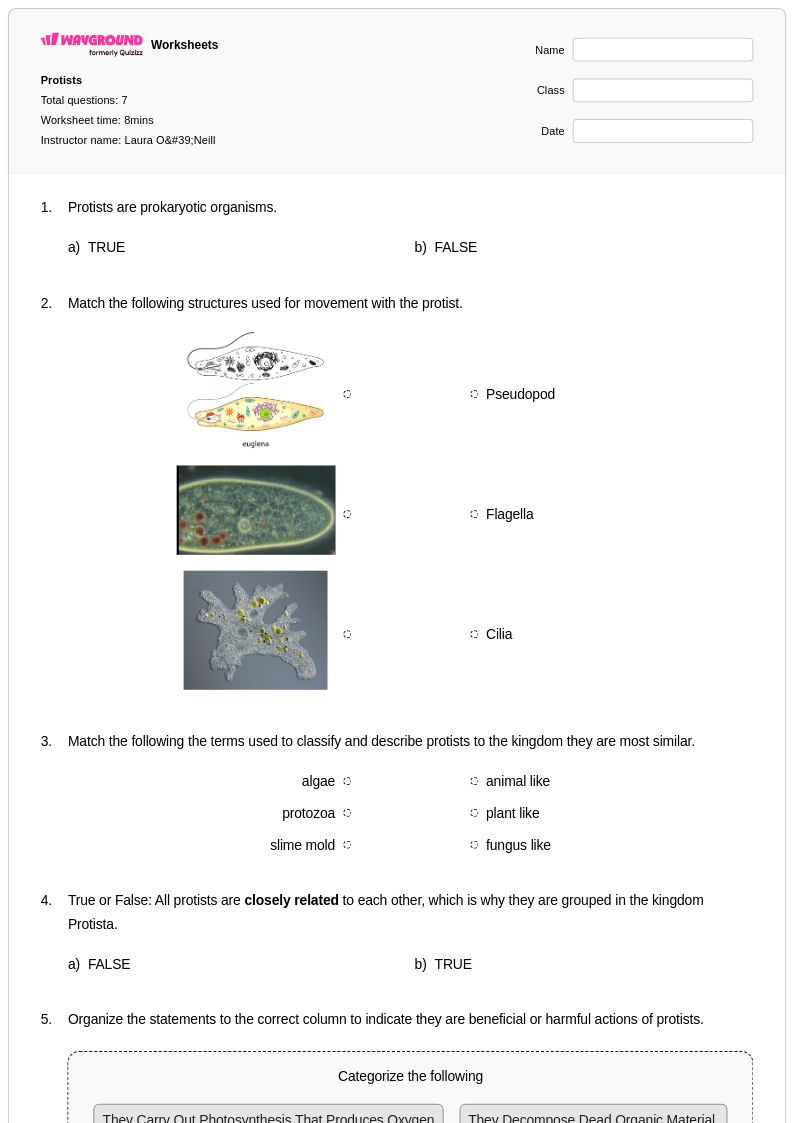
7 Q
7th
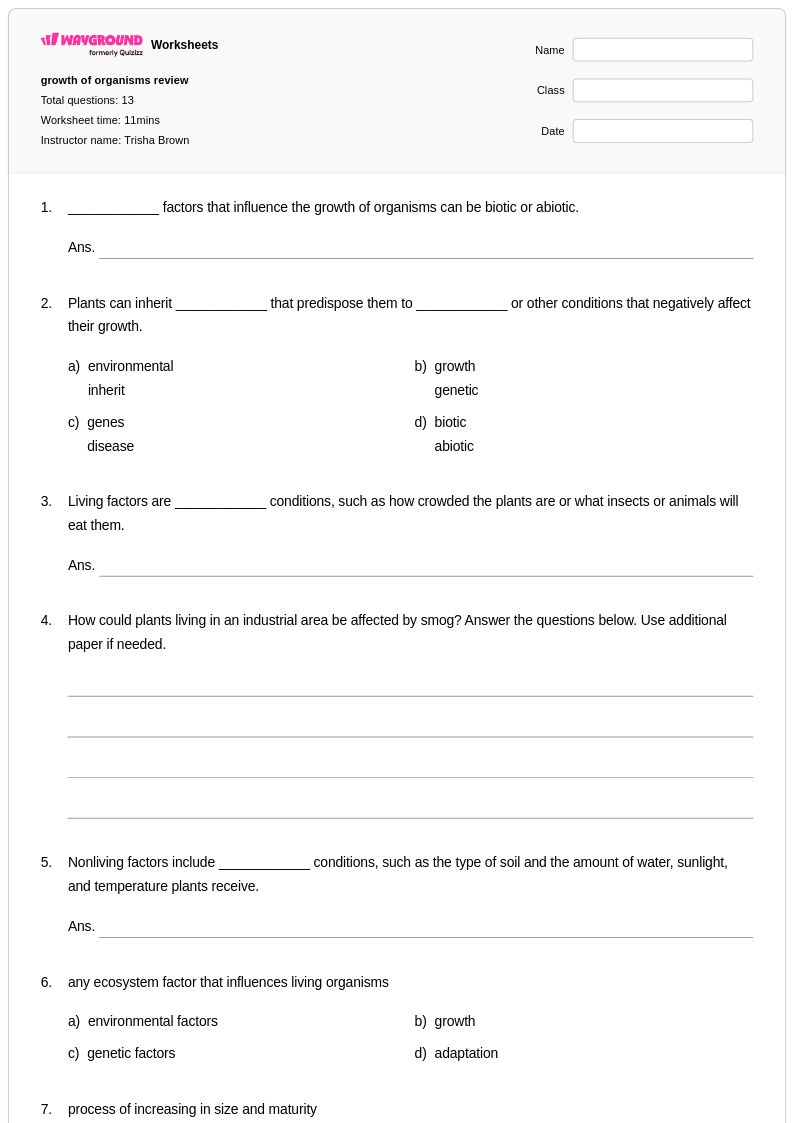
13 Q
8th
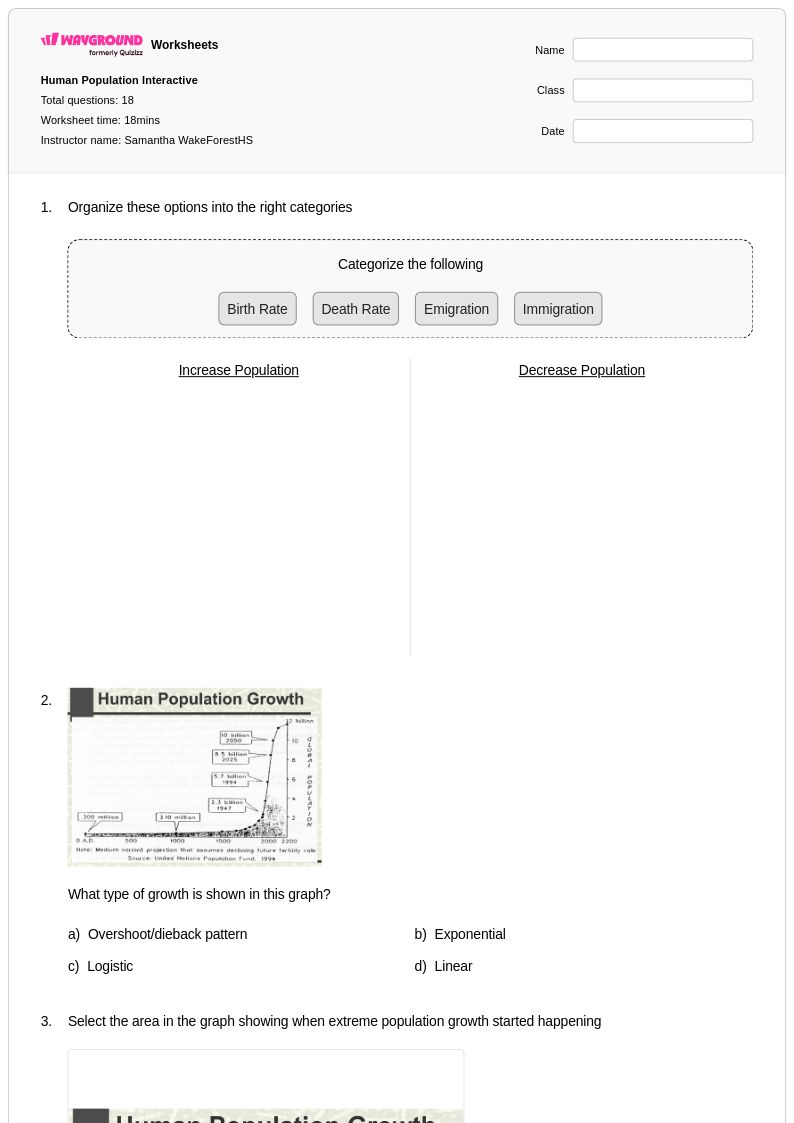
18 Q
11th
11 Q
6th
50 Q
6th
12 Q
12th
18 Q
6th
20 Q
6th
25 Q
9th - 12th
16 Q
6th - 8th
96 Q
6th
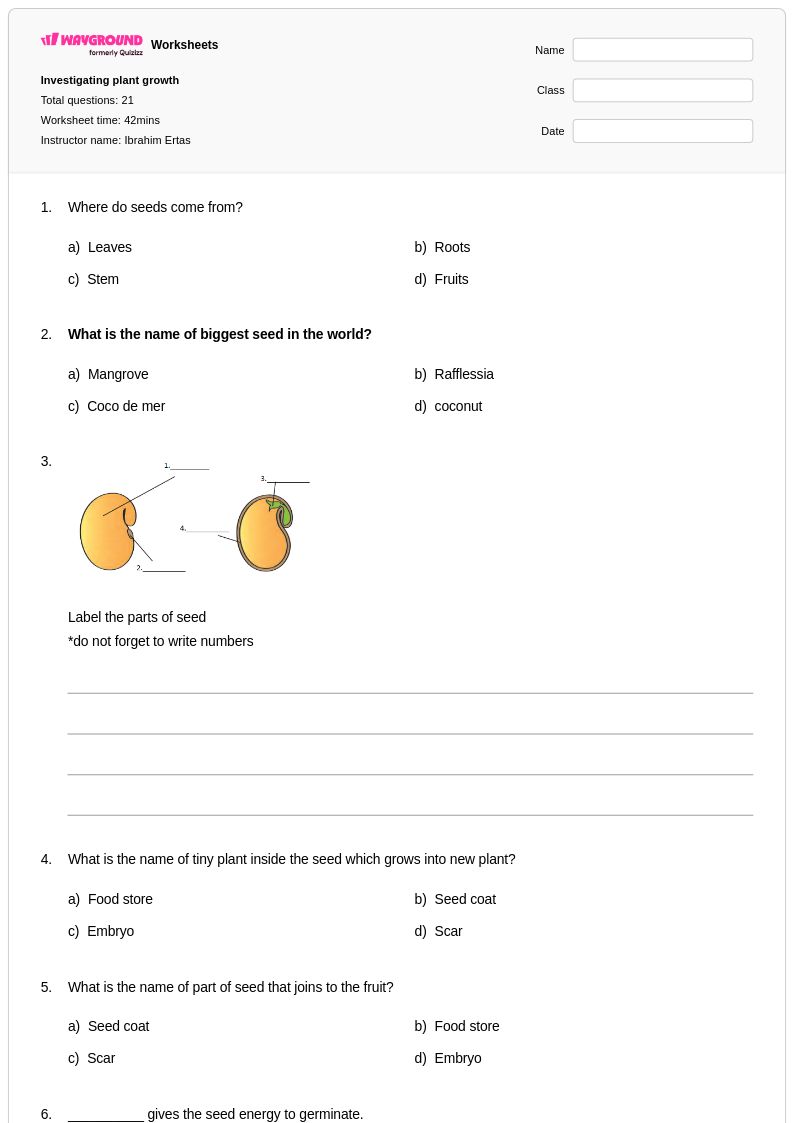
21 Q
5th
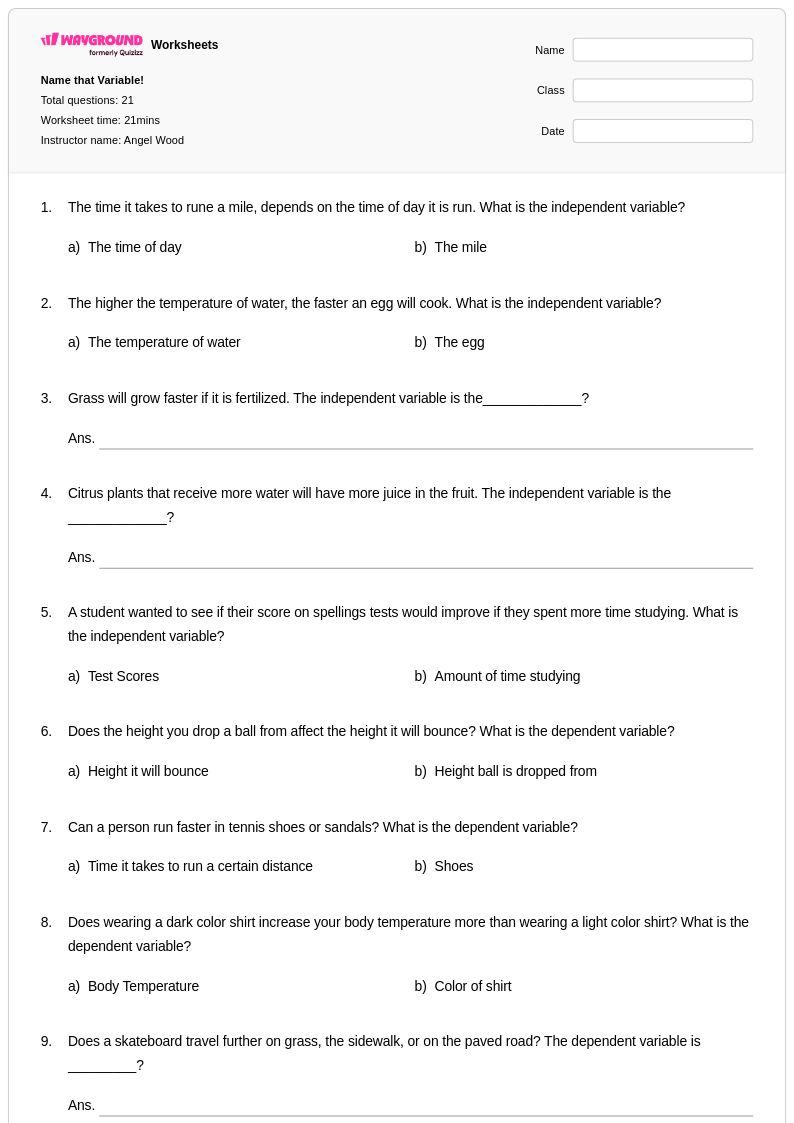
21 Q
7th - 8th
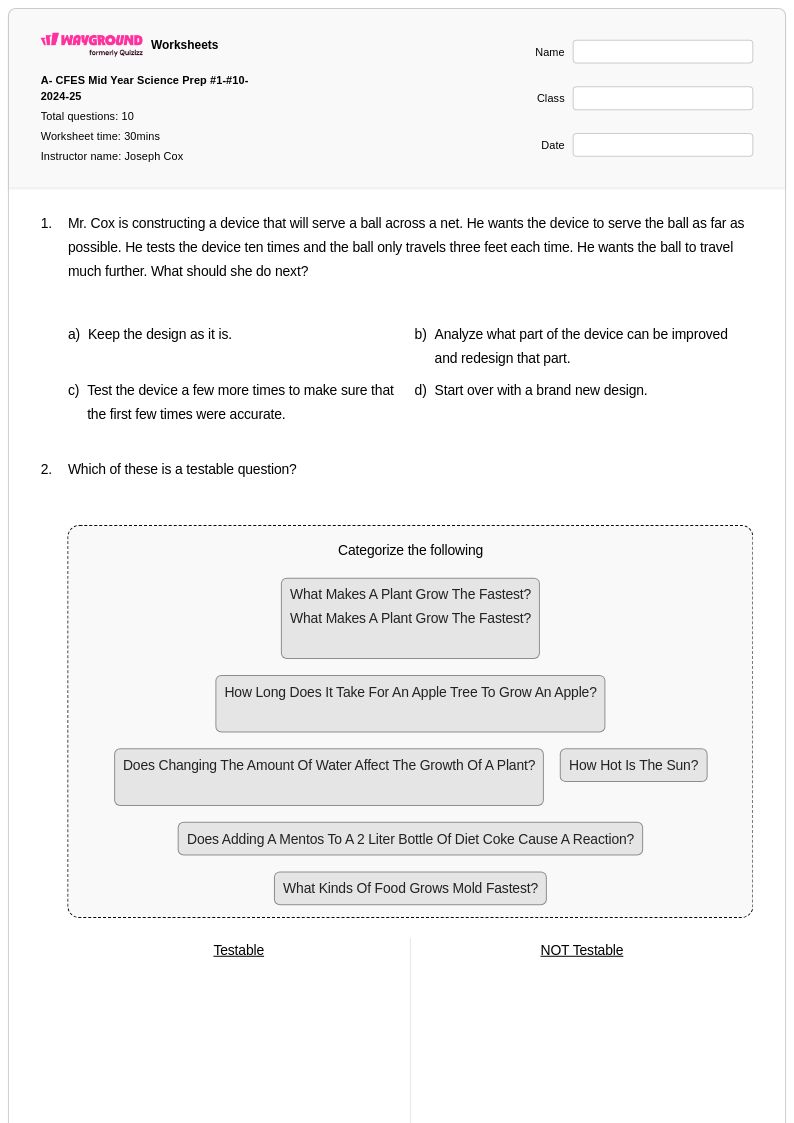
10 Q
5th
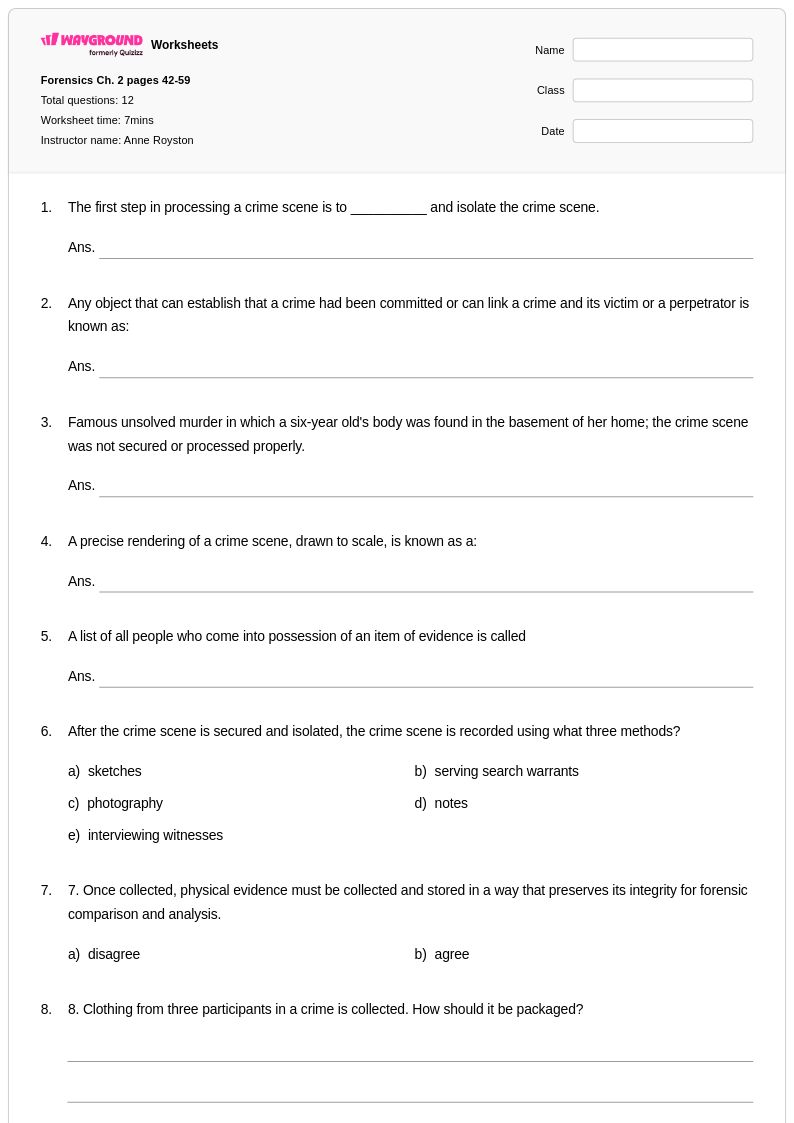
12 Q
10th - 12th
175 Q
6th - 8th
22 Q
Uni
10 Q
Uni
18 Q
6th
Explore Worksheets by Subjects
Explore printable Mold Growth worksheets
Mold growth worksheets available through Wayground (formerly Quizizz) provide comprehensive educational resources that help students understand the fundamental biological processes of fungal reproduction, environmental conditions affecting mold development, and the scientific method through hands-on experimentation. These carefully designed practice problems guide learners through the complex relationships between moisture, temperature, nutrients, and spore germination while strengthening critical thinking skills in microbiology and ecological science. Students explore real-world applications of mold growth in food preservation, decomposition cycles, and industrial processes through engaging activities that include data analysis, hypothesis formation, and experimental design. Each worksheet comes with a detailed answer key and is available as free printables in convenient PDF format, making them accessible for both classroom instruction and independent study.
Wayground (formerly Quizizz) empowers educators with millions of teacher-created mold growth resources that streamline lesson planning and enhance student engagement across diverse learning environments. The platform's robust search and filtering capabilities allow teachers to quickly locate worksheets aligned with specific science standards while accessing differentiation tools that accommodate varying skill levels and learning styles. These comprehensive collections support flexible customization options, enabling educators to modify content for targeted remediation, advanced enrichment activities, or focused skill practice sessions. Available in both printable and digital formats including downloadable PDFs, these resources integrate seamlessly into hybrid learning models and traditional classroom settings, providing teachers with the versatility needed to address individual student needs while maintaining rigorous academic standards in biological sciences education.