
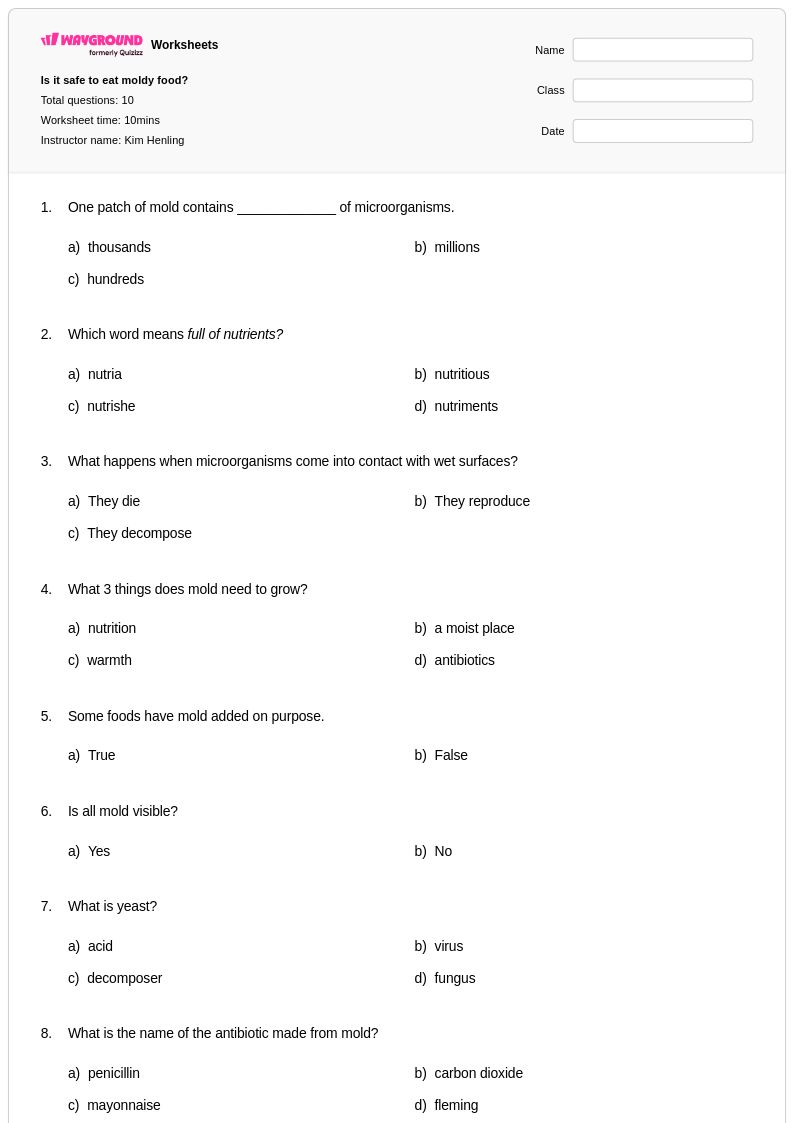
10 T
4th
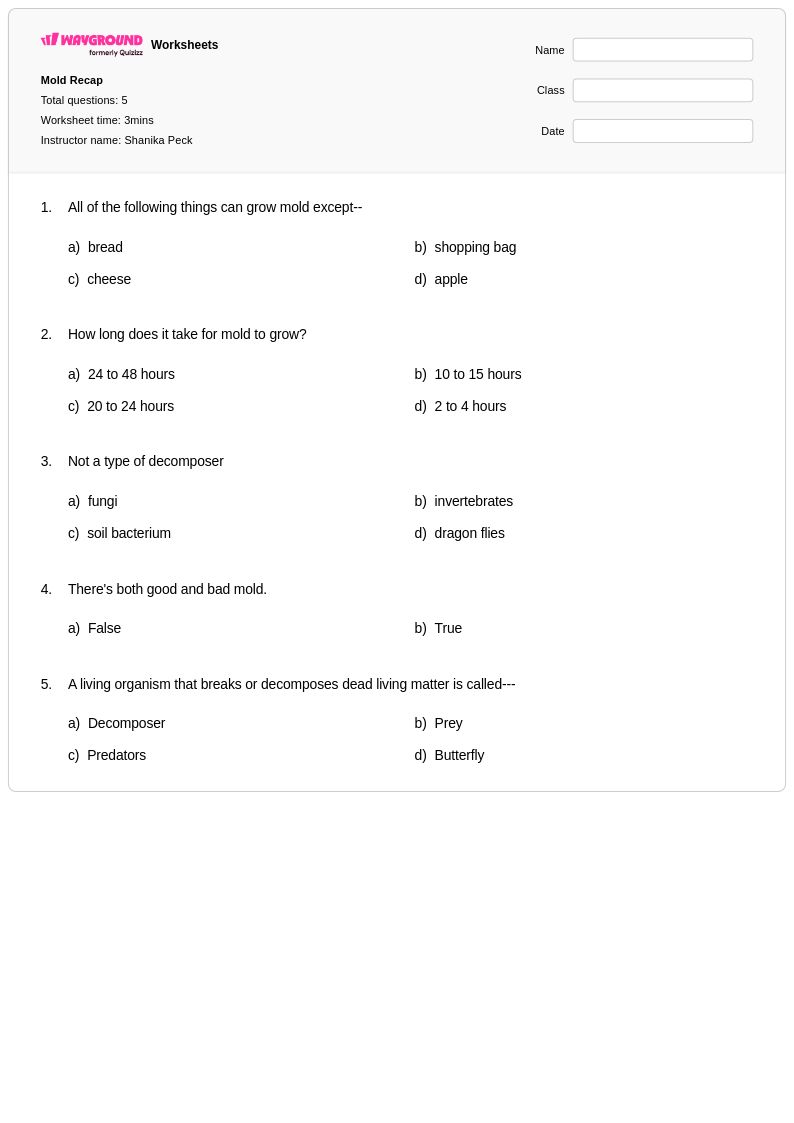
5 T
4th
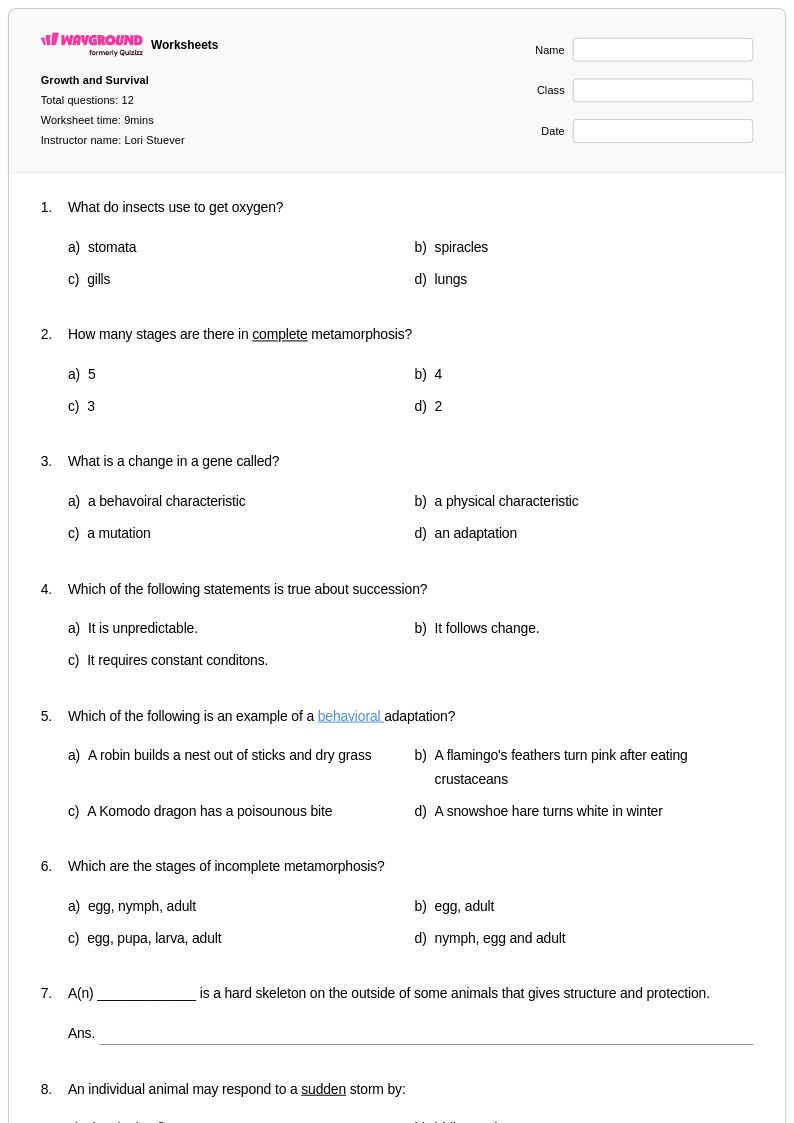
12 T
4th - 5th
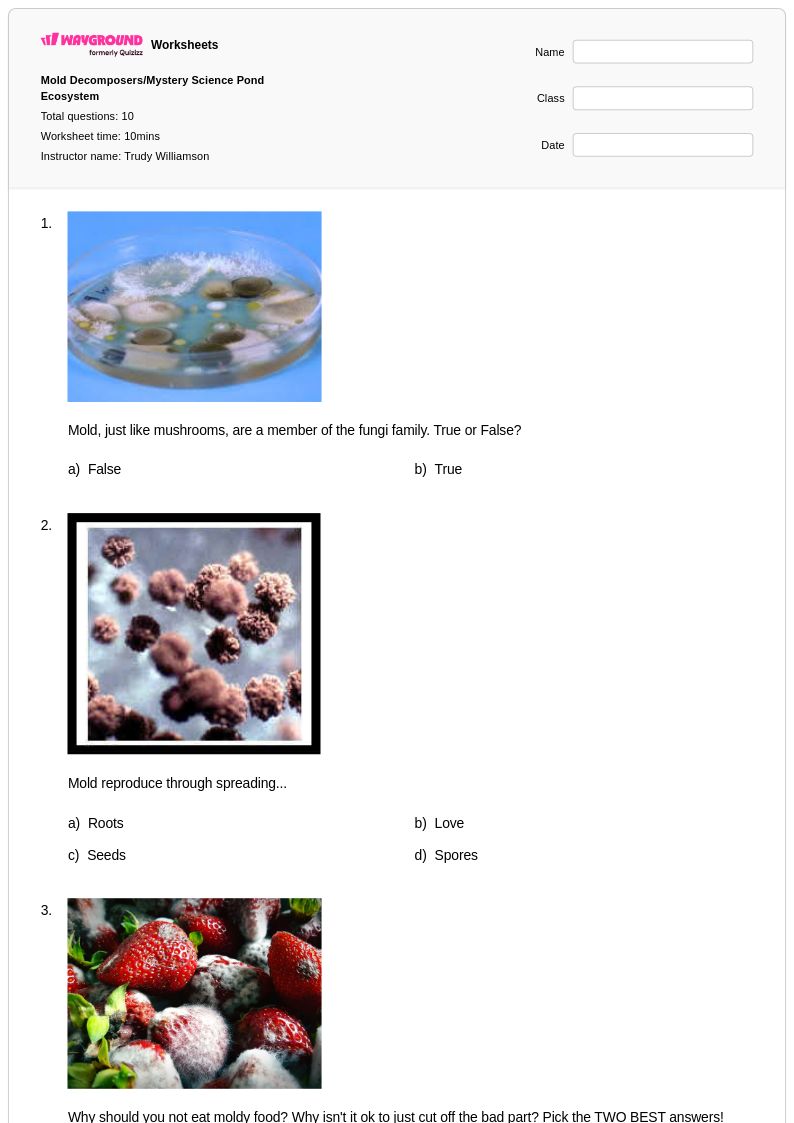
10 T
4th - 5th
9 T
4th
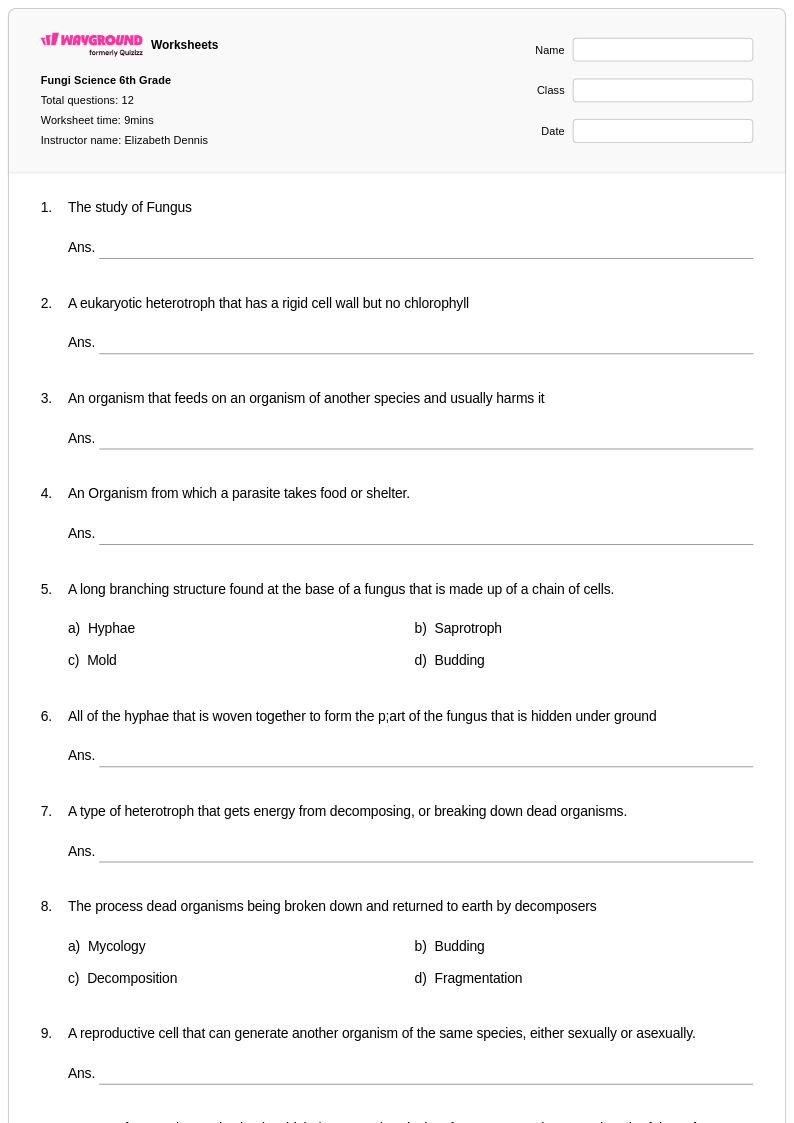
12 T
3rd - 9th
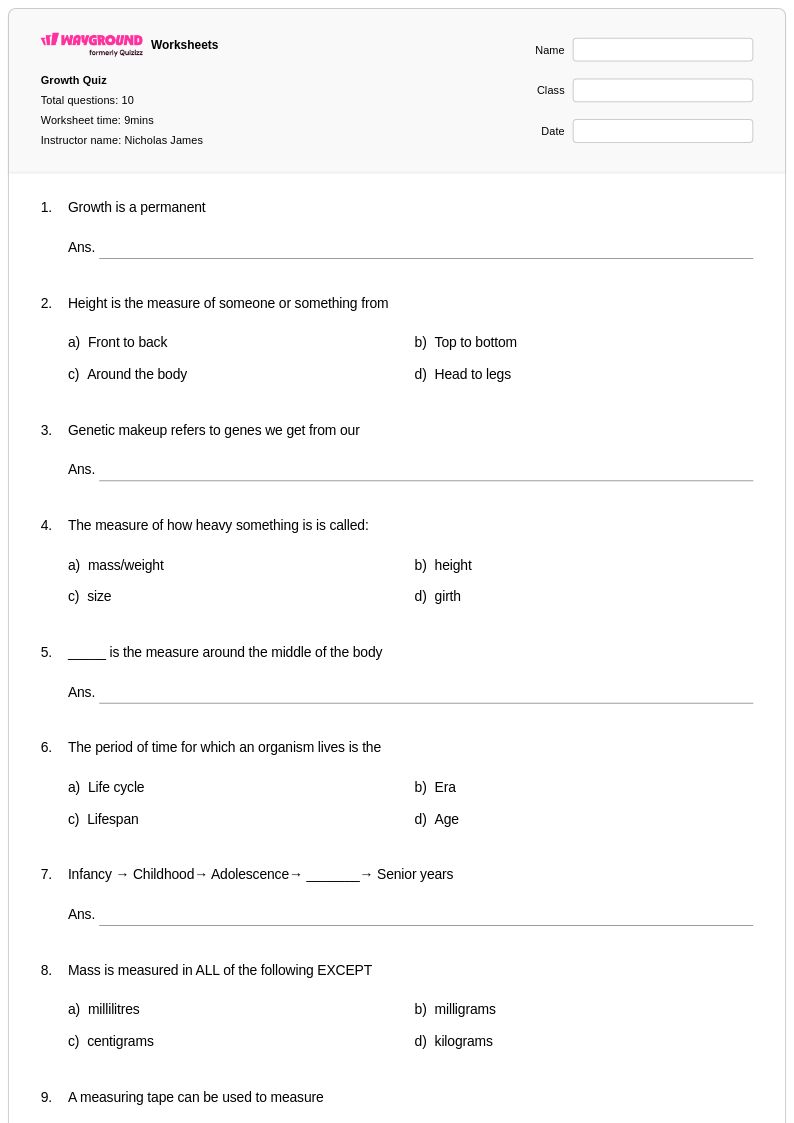
10 T
4th
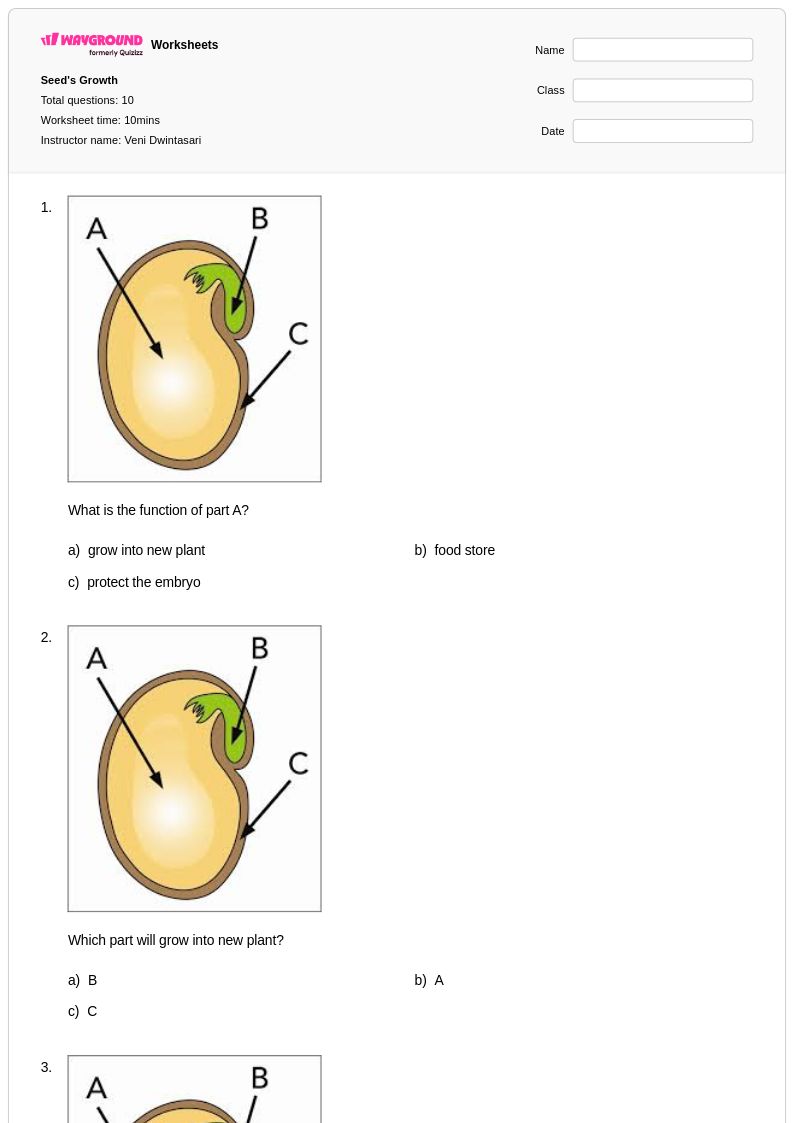
10 T
4th
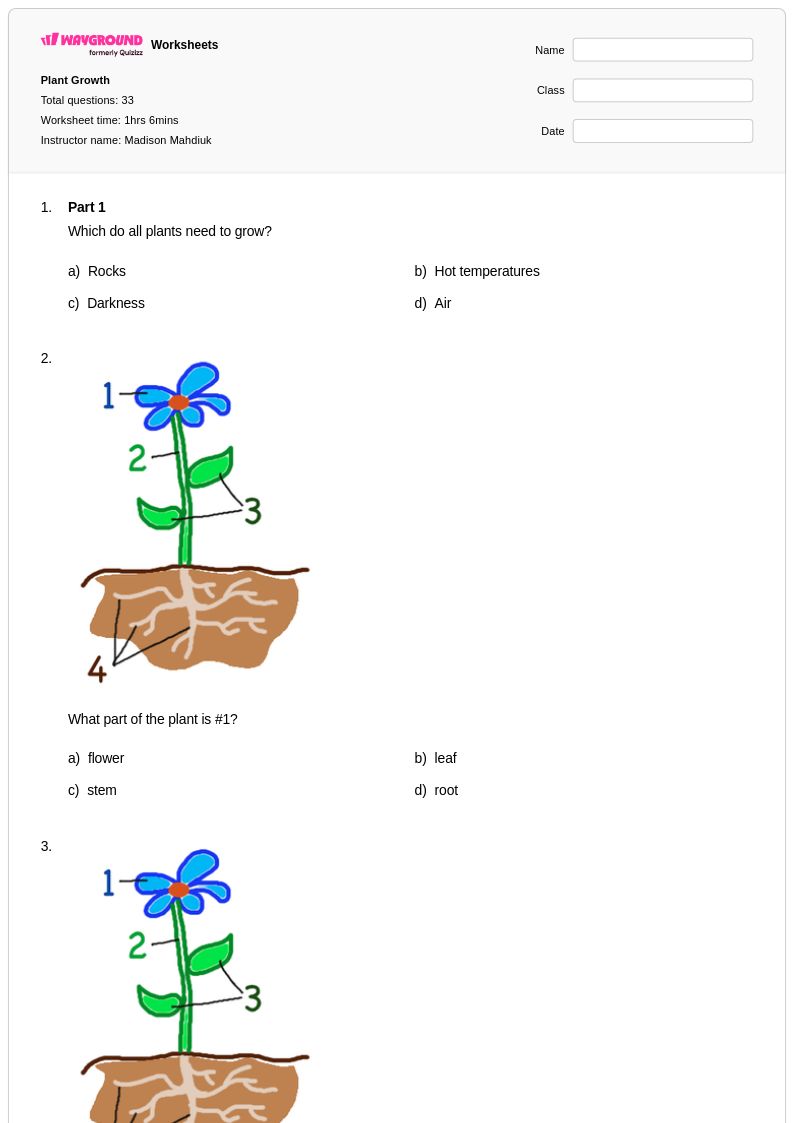
33 T
4th
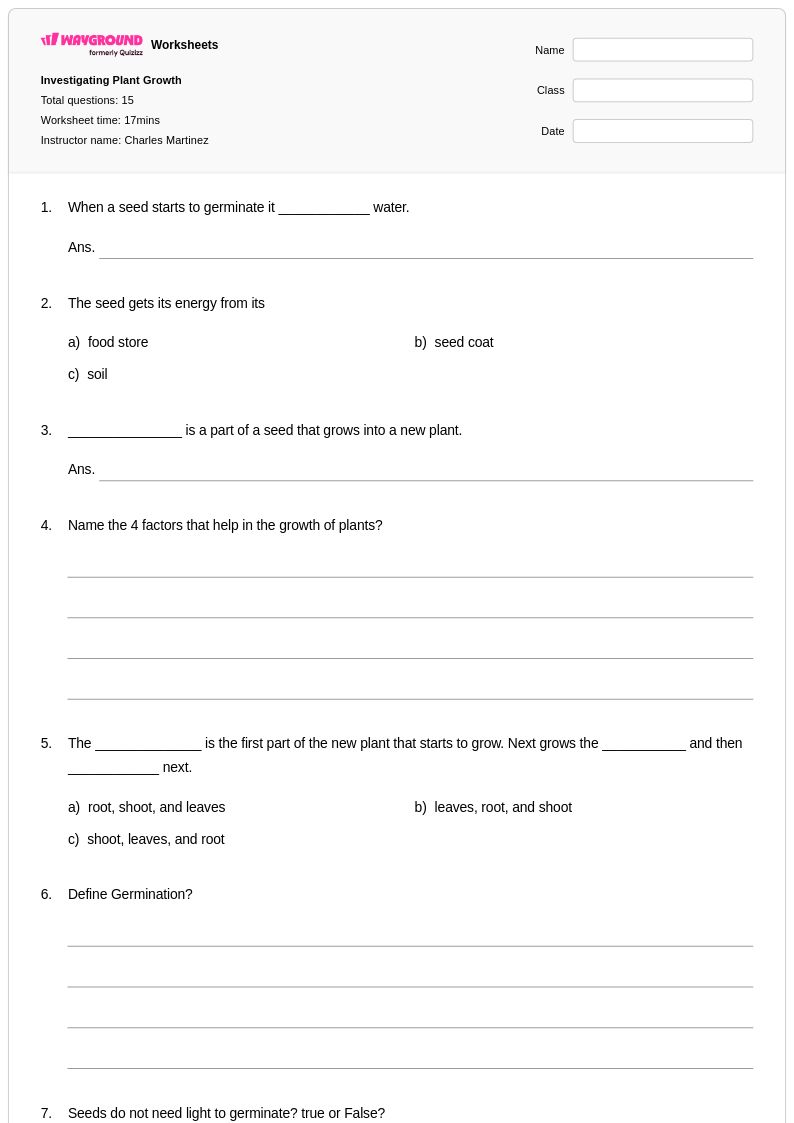
15 T
3rd - 5th
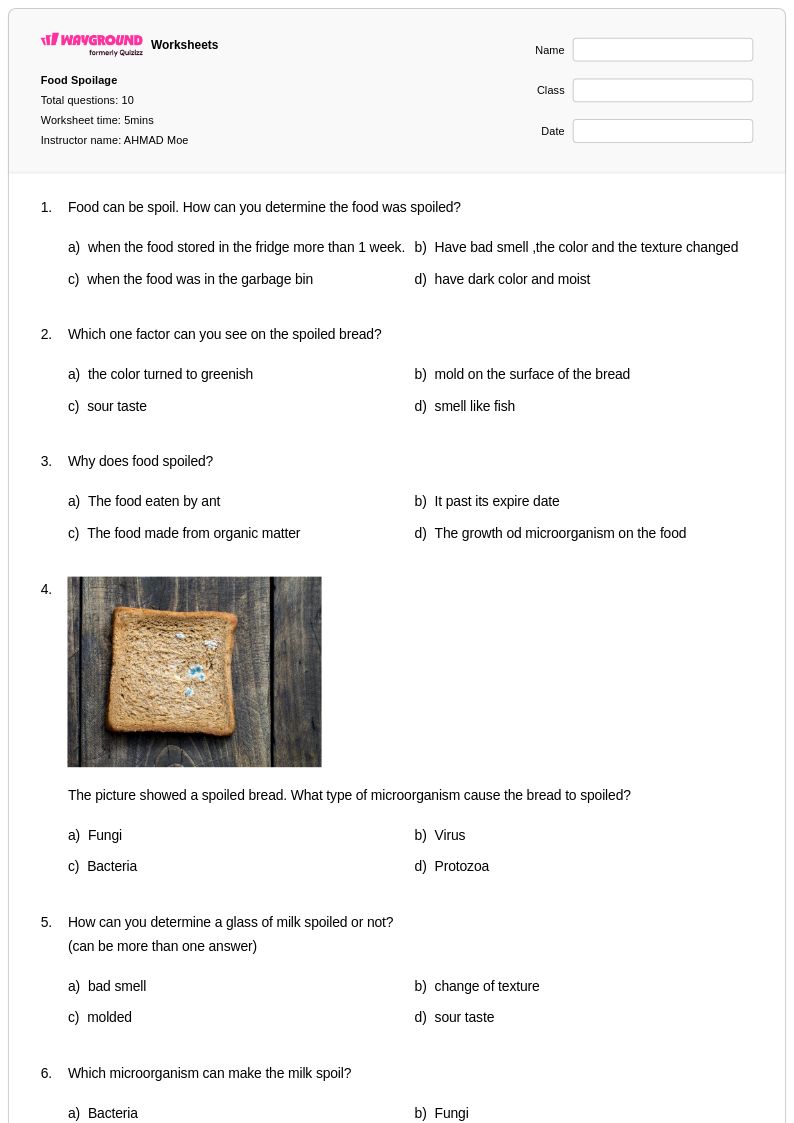
10 T
1st - 10th
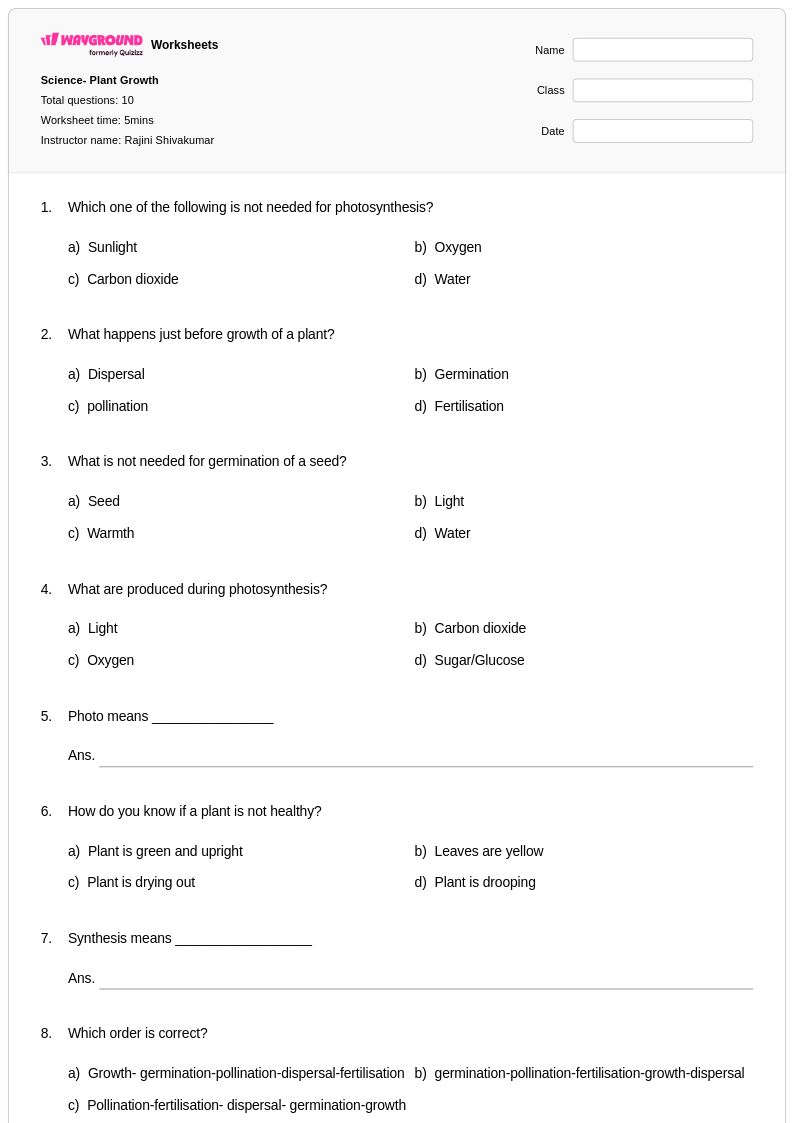
10 T
4th
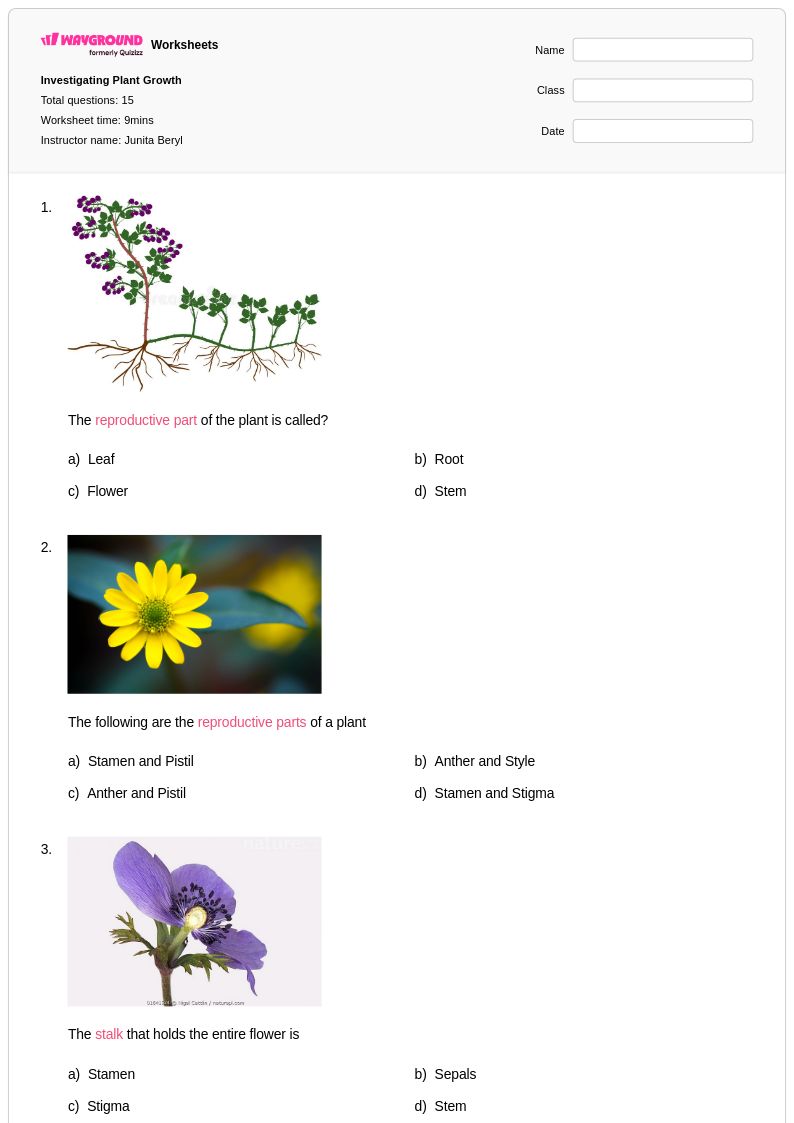
15 T
4th
11 T
4th
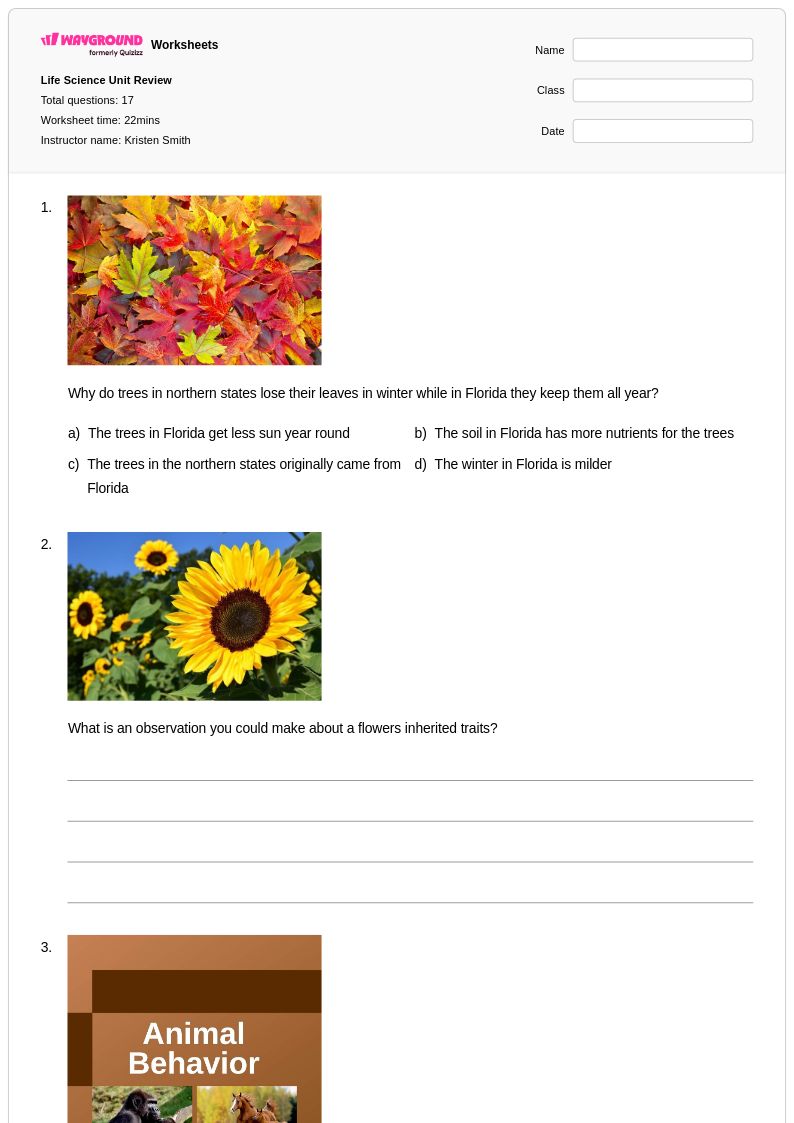
17 T
4th
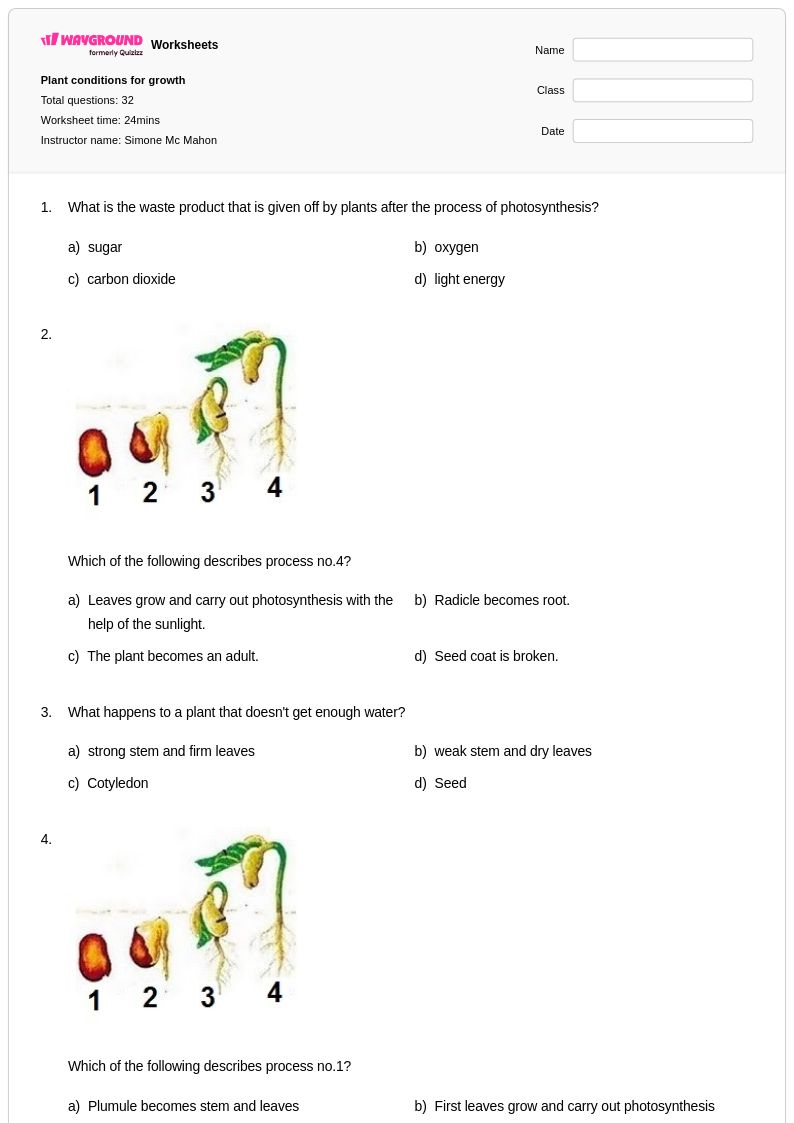
32 T
4th
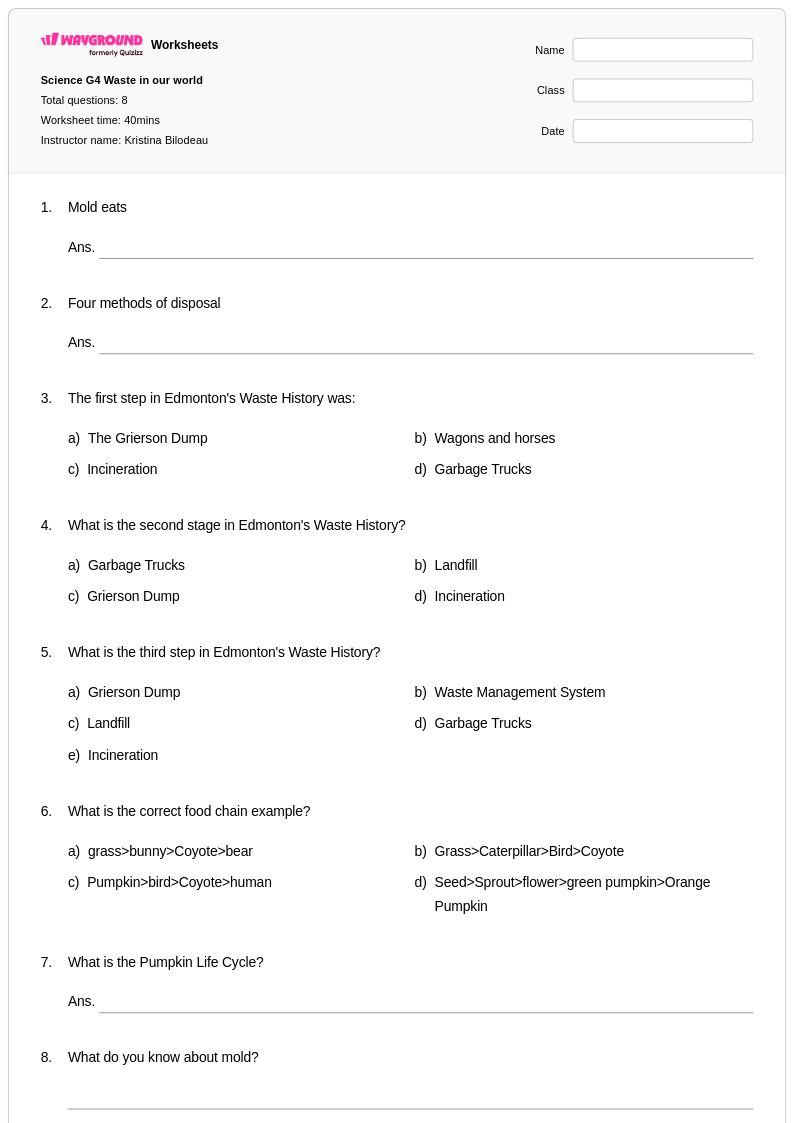
8 T
4th
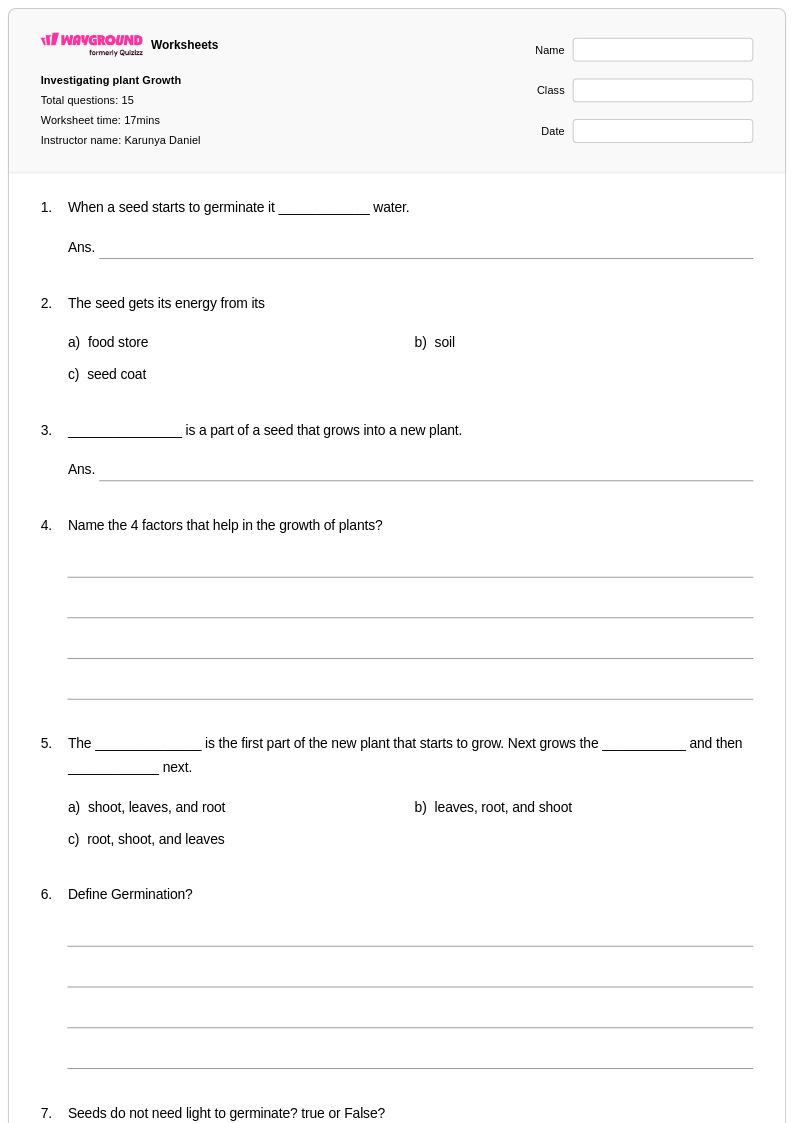
15 T
3rd - 5th
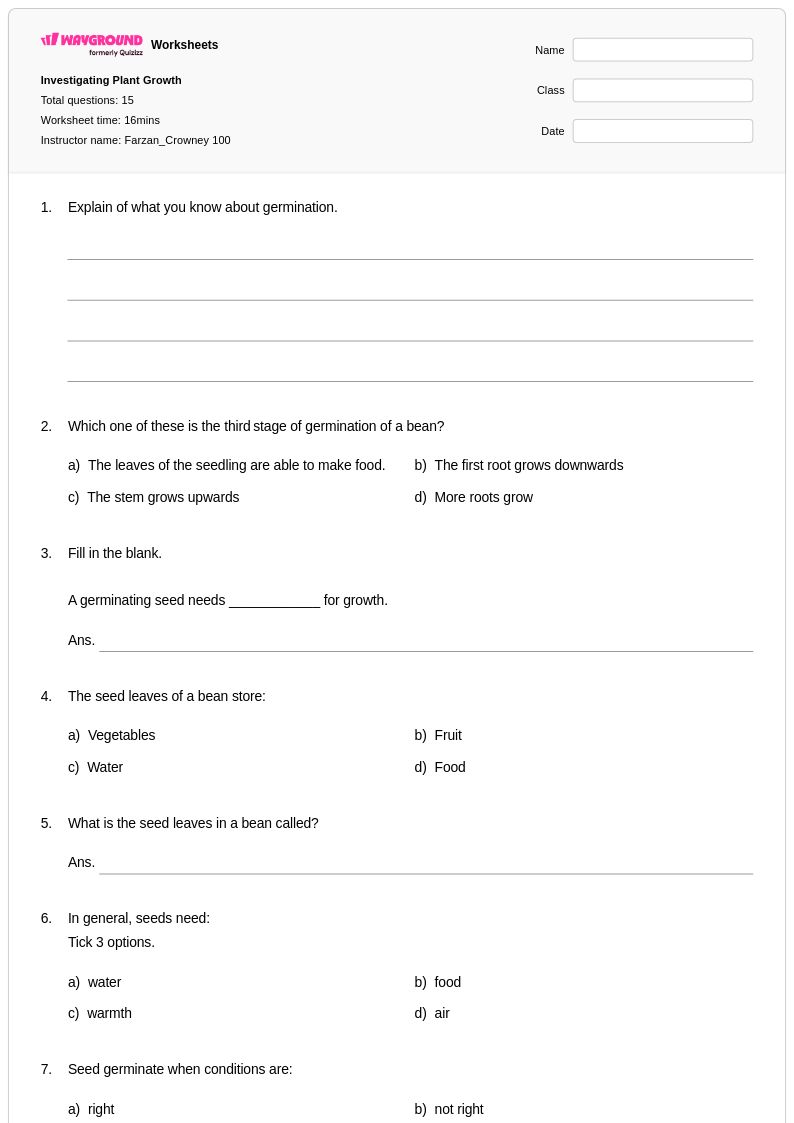
15 T
2nd - 5th
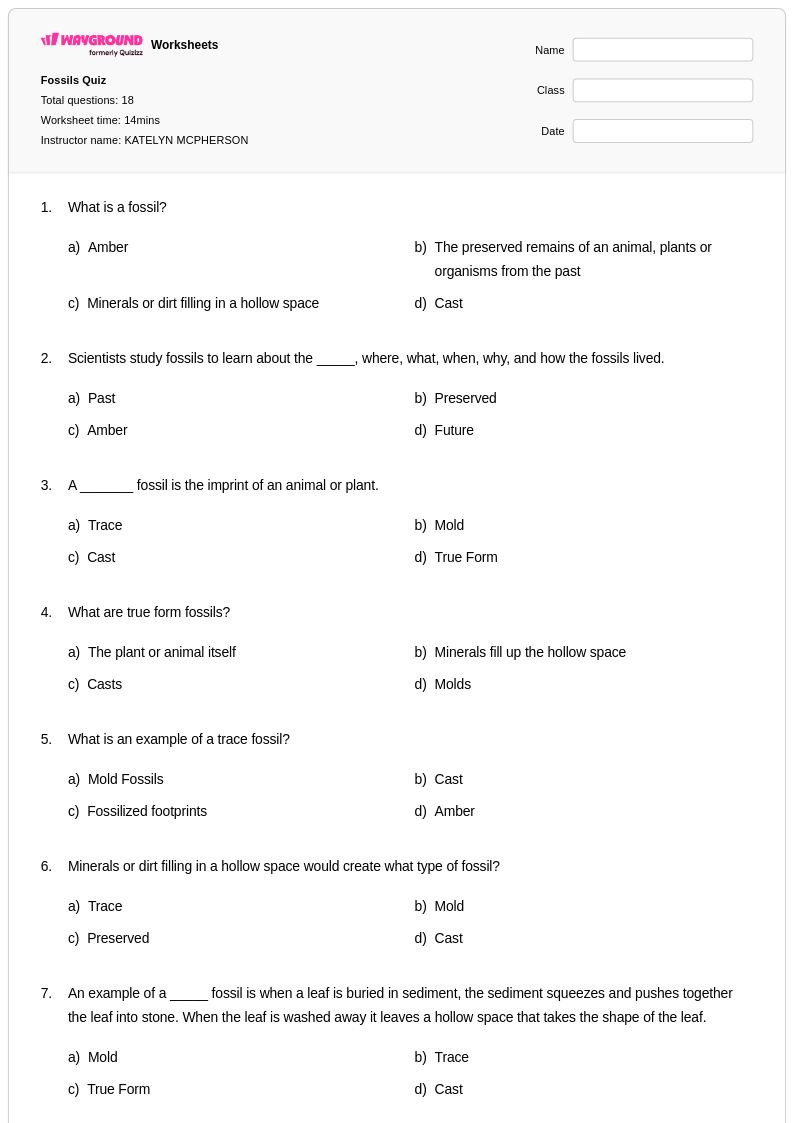
18 T
4th
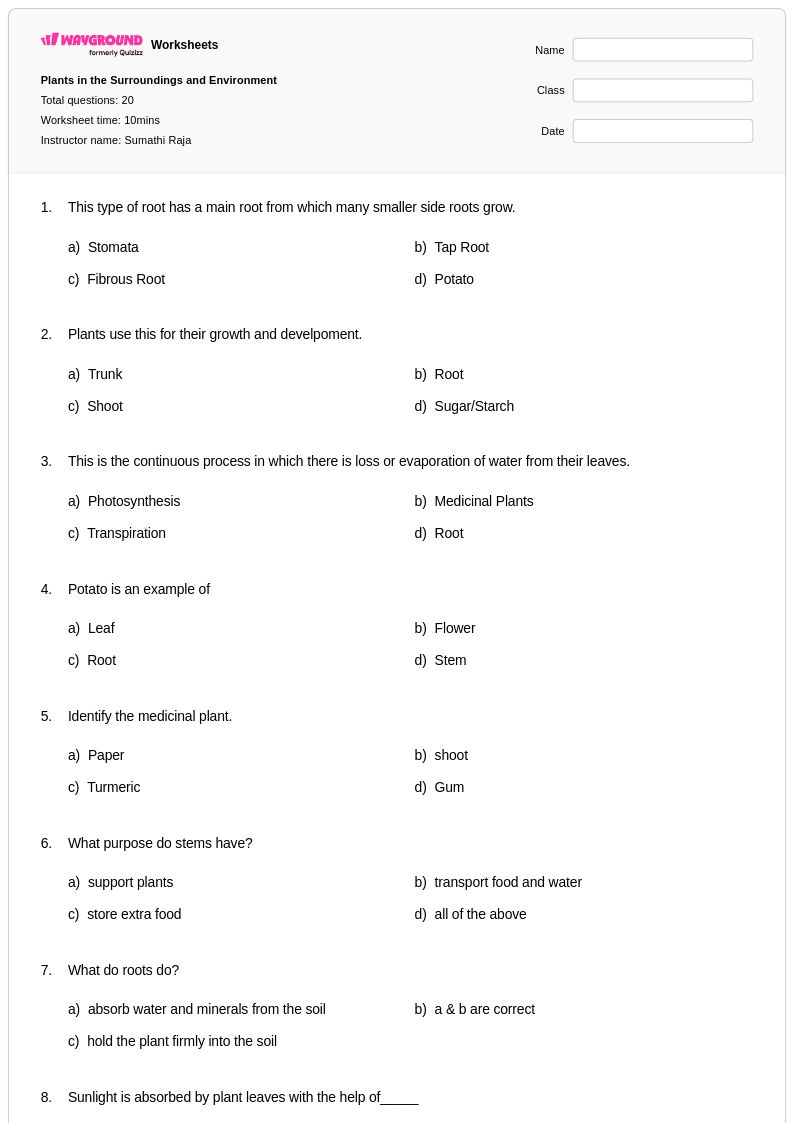
20 T
4th
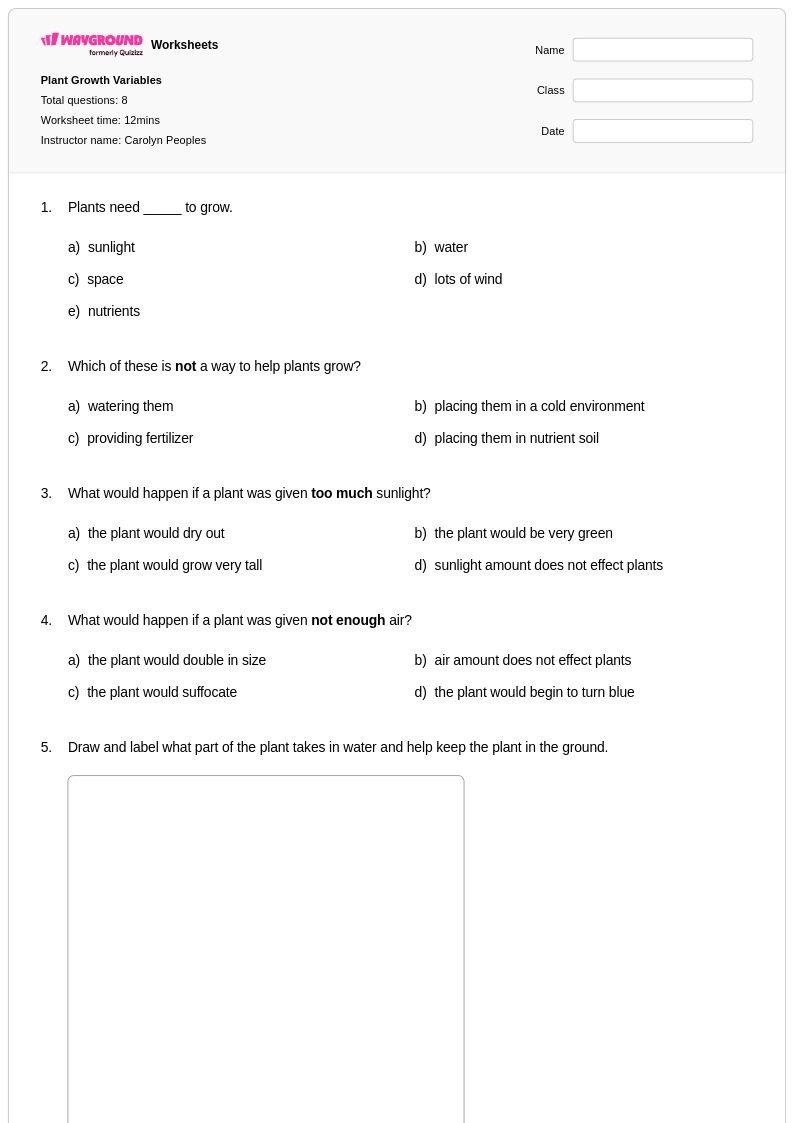
8 T
2nd - Uni
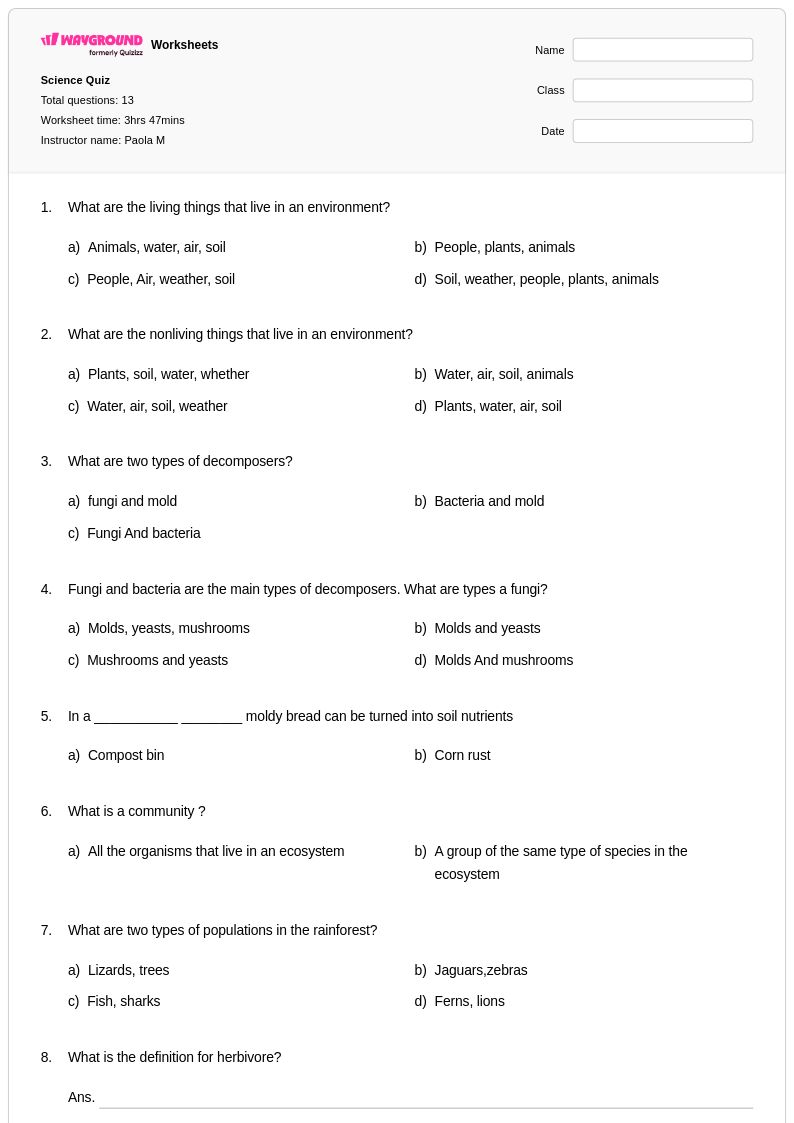
13 T
4th
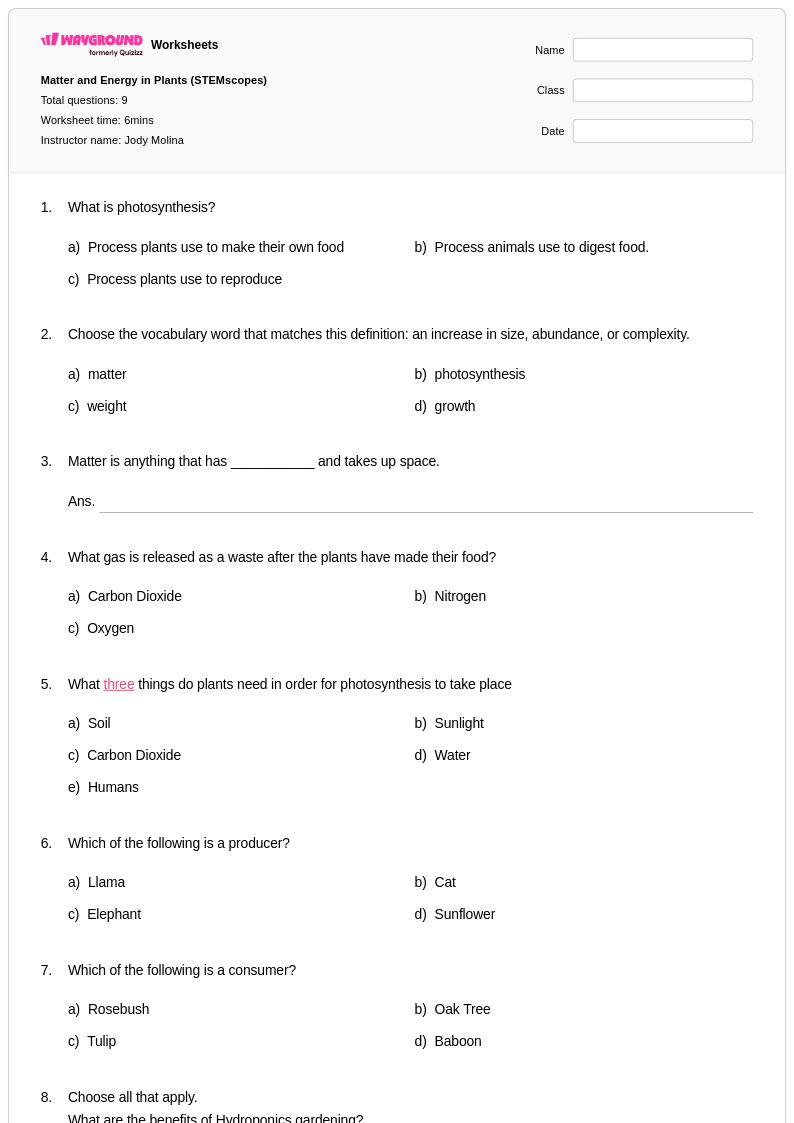
9 T
3rd - 5th
Jelajahi Mold Growth Lembar Kerja berdasarkan Nilai
Jelajahi Lembar Kerja Mata Pelajaran Lainnya untuk year 4
Explore printable Mold Growth worksheets for Year 4
Year 4 mold growth worksheets available through Wayground (formerly Quizizz) provide young scientists with engaging opportunities to explore the fascinating world of fungi and microorganisms. These carefully designed educational resources guide students through hands-on investigations of how mold develops under different environmental conditions, teaching essential observation and data collection skills fundamental to scientific inquiry. The comprehensive worksheet collections include detailed answer keys that support both independent learning and teacher-guided instruction, while printable pdf formats ensure easy classroom distribution. Students work through practice problems that challenge them to predict mold growth patterns, analyze experimental variables like moisture and temperature, and document their findings using age-appropriate scientific vocabulary and recording methods.
Wayground (formerly Quizizz) empowers educators with access to millions of teacher-created mold growth resources that streamline lesson planning and support differentiated instruction across diverse learning needs. The platform's robust search and filtering capabilities enable teachers to quickly locate worksheets aligned with specific science standards, while built-in customization tools allow for seamless modification of content complexity and scope. These versatile materials are available in both digital and printable pdf formats, providing flexibility for various classroom configurations and learning environments. Teachers can effectively utilize these resources for initial skill development, targeted remediation for struggling learners, enrichment activities for advanced students, and ongoing practice that reinforces key biological concepts about decomposition, environmental factors affecting organism growth, and the role of microorganisms in natural ecosystems.